

Best Non-Drug Sleep Solutions - Do Brain Devices Work?
  • Verfasst von Gourav Rathore

Best Non-Drug Sleep Solutions - Do Brain Devices Work?

Millions of people struggle with falling asleep quickly. For many, sleeping pills feel like the only option  but concerns about dependency, grogginess, and long-term effects are pushing people to search for a non drug sleep solution.

That’s why searches for terms like:

  • alternative to sleeping pills

  • device to fall asleep faster

  • natural sleep aid device

  • sleep improvement device

are rapidly increasing.

But do brain-based wellness devices actually work? And are they safe?

Let’s break this down clearly and responsibly.

Why People Are Looking for Alternatives to Sleeping Pills

Sleeping pills may help short-term, but they can come with concerns such as:

  • Next-day drowsiness

  • Habit formation

  • Reduced natural sleep rhythm over time

  • Tolerance buildup

Because of this, many individuals are now prioritizing:

  • Natural sleep routines

  • Non-invasive solutions

  • Lifestyle-based improvements

  • Technology-assisted relaxation

The key shift is from “sedating the body” to “supporting the nervous system.”

What Is a Non-Drug Sleep Solution?

A true non-drug sleep solution focuses on helping the body relax naturally rather than chemically forcing sedation.

Common options include:

  • Sleep hygiene improvements

  • Meditation

  • White noise

  • Light therapy devices

  • Brainwave-inspired visual stimulation devices

The idea is to support the transition from alert (beta brainwave activity) to relaxed (alpha/theta states) before sleep.

Research in neuroscience suggests that environmental signals can influence how quickly the brain shifts toward relaxation though individual responses vary.

Important: These methods support sleep routines. They are not medical treatments for insomnia disorders.

What Is a Natural Sleep Aid Device?

A natural sleep aid device typically:

  • Uses sound, light, or vibration patterns

  • Encourages relaxation

  • Reduces external sensory distraction

  • Helps signal “wind-down time” to the brain

Unlike medication, these devices do not chemically alter brain function.

They work by encouraging a calmer state that may make falling asleep easier for some individuals.

Light Therapy for Insomnia Devices Do They Work?

It’s important to separate two categories:

Bright light therapy used in clinical settings for circadian rhythm regulation
Wellness-based light and sound devices designed for relaxation

Brain relaxation devices use rhythmic visual stimulation and audio tones inspired by brainwave entertainment concepts.

Some users report:

  • Faster mental slowing before bed

  • Reduced racing thoughts

  • Easier transition into rest

However:

They are not approved treatments for insomnia.
 They are wellness tools that may complement healthy sleep habits.

How Brain Devices May Support Sleep Routines

When trying to fall asleep, the biggest obstacle is often mental overstimulation:

  • Endless scrolling

  • Work stress

  • Blue light exposure

  • Overthinking

A structured relaxation session using a device can:

  • Create a defined wind-down ritual

  • Block out visual distractions

  • Encourage sensory immersion

  • Support a calm pre-sleep environment

For many people, routine is more powerful than pills.

Device to Fall Asleep Faster What to Look For

If someone is considering a sleep improvement device, key features should include:

  • Adjustable session duration

  • Gentle light patterns

  • Comfortable design

  • Non-invasive operation

  • Clear safety instructions

Avoid brands that claim:

  • “Cures insomnia”

  • “Guaranteed deep sleep in minutes”

  • “Replaces medical treatment”

Responsible wellness devices focus on support not medical claims.

Where neuroVIZR Fits In

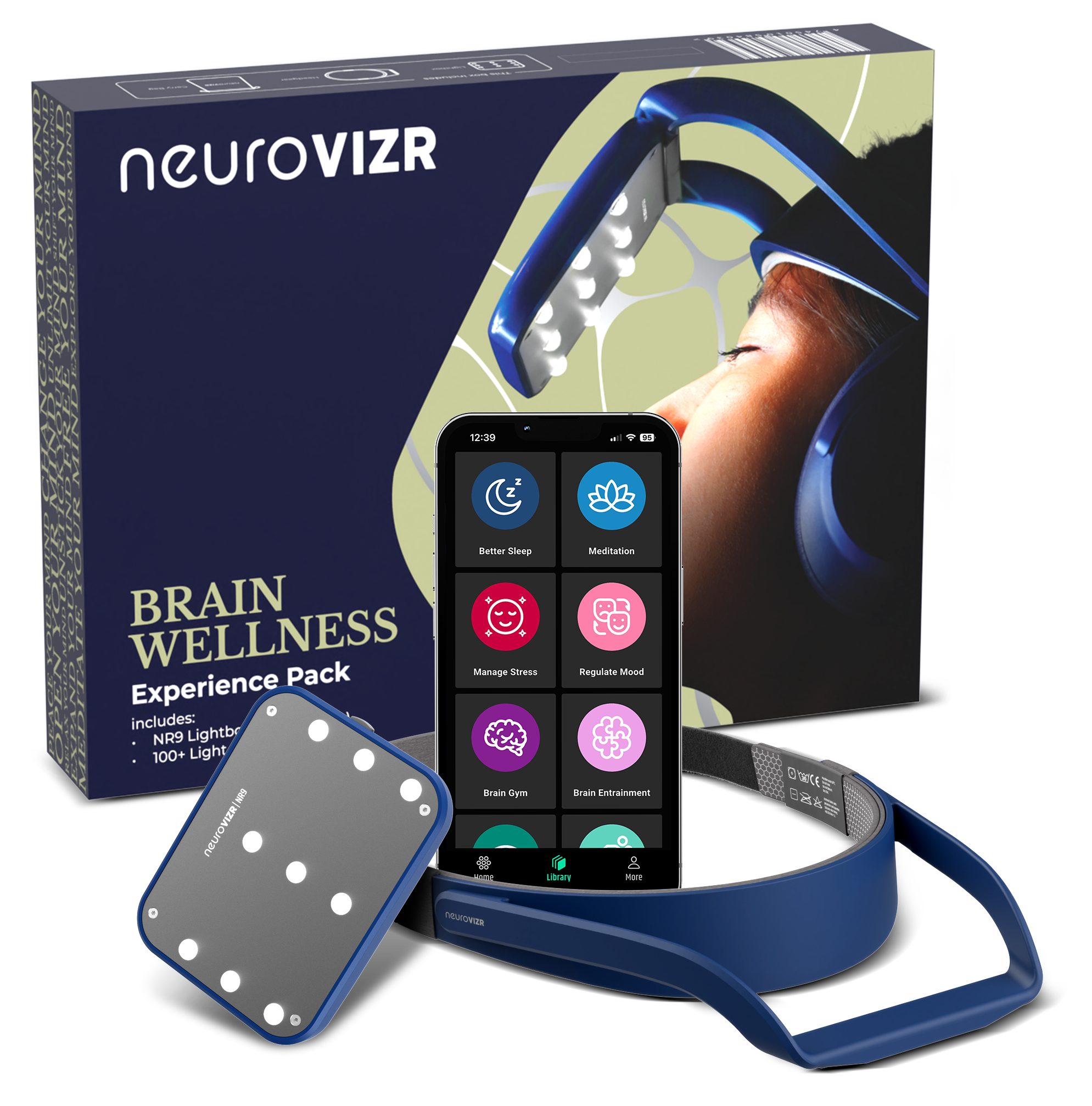
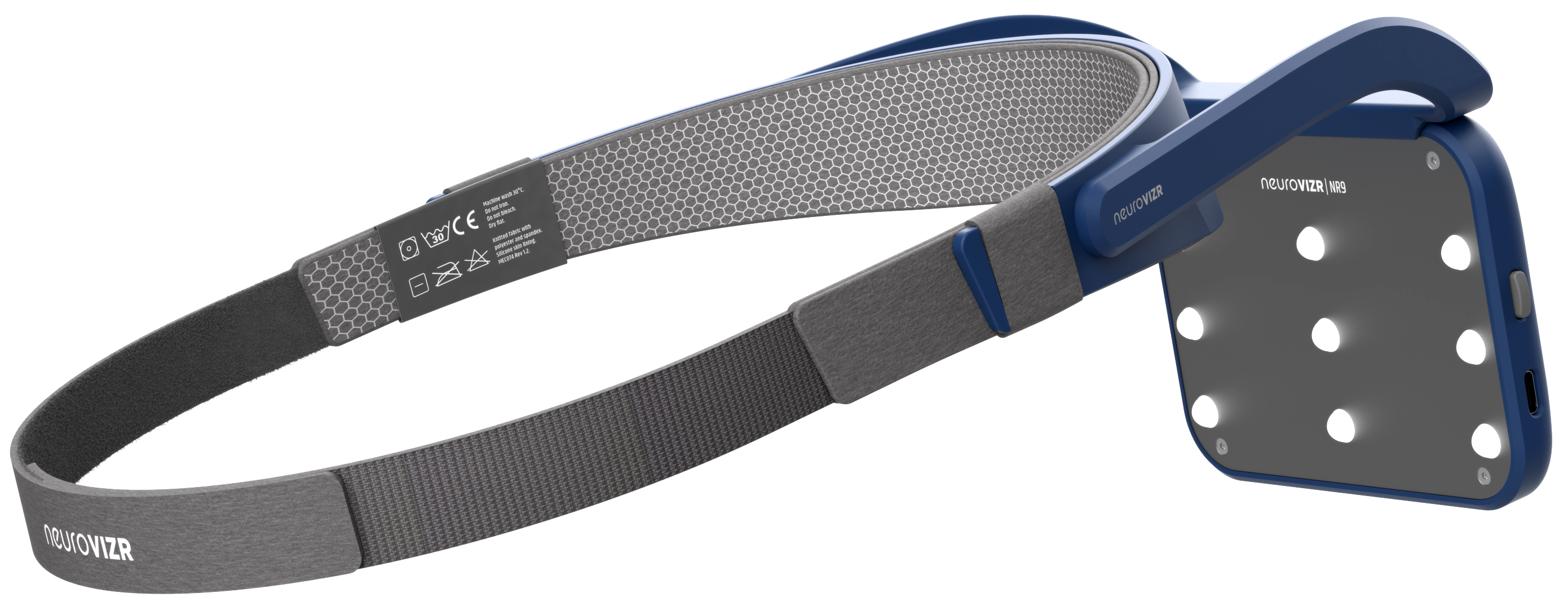
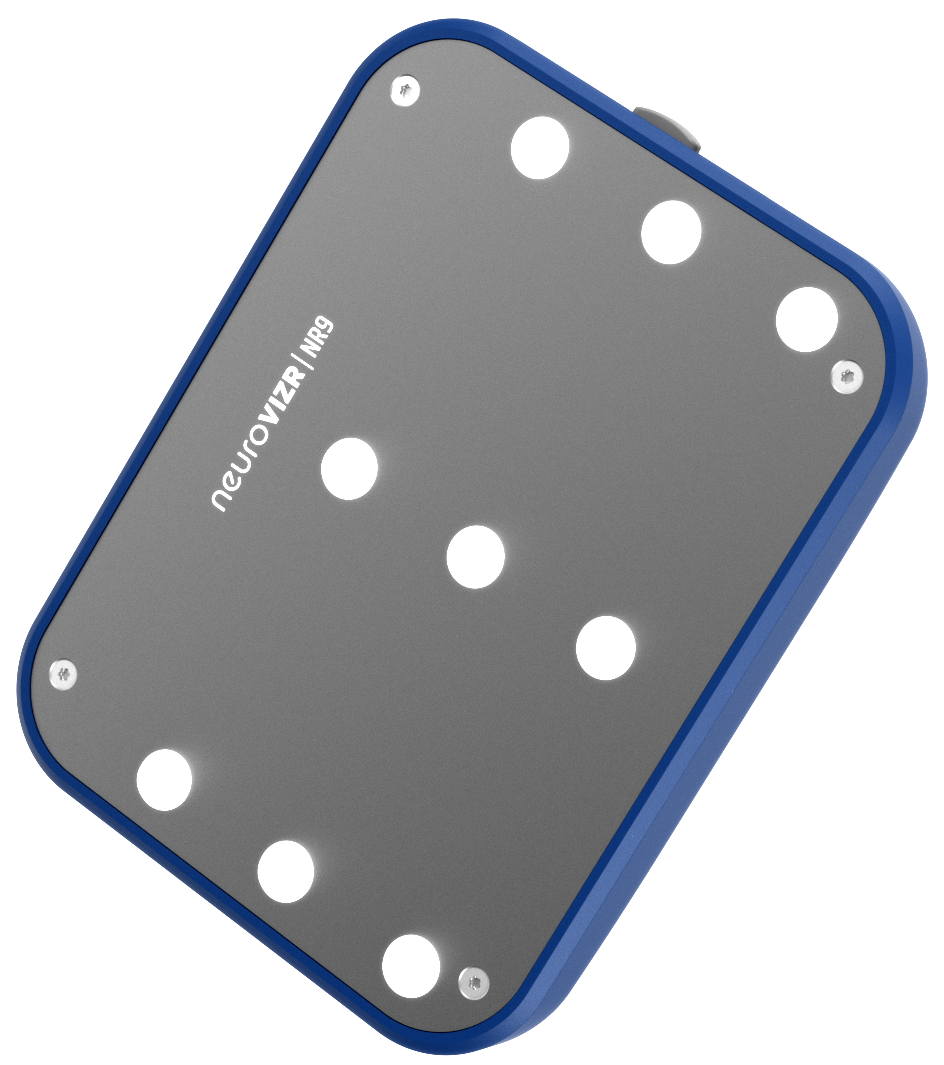
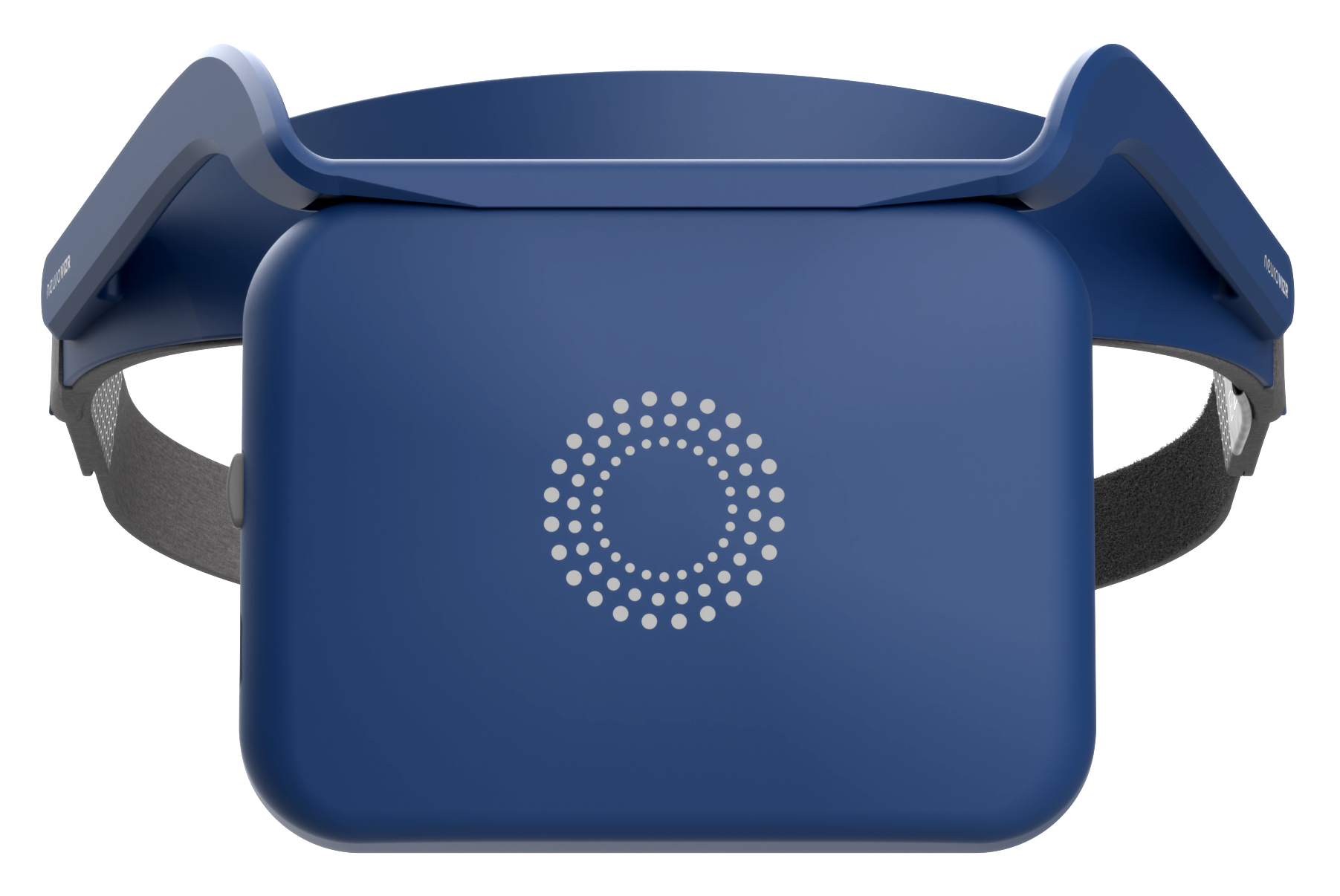
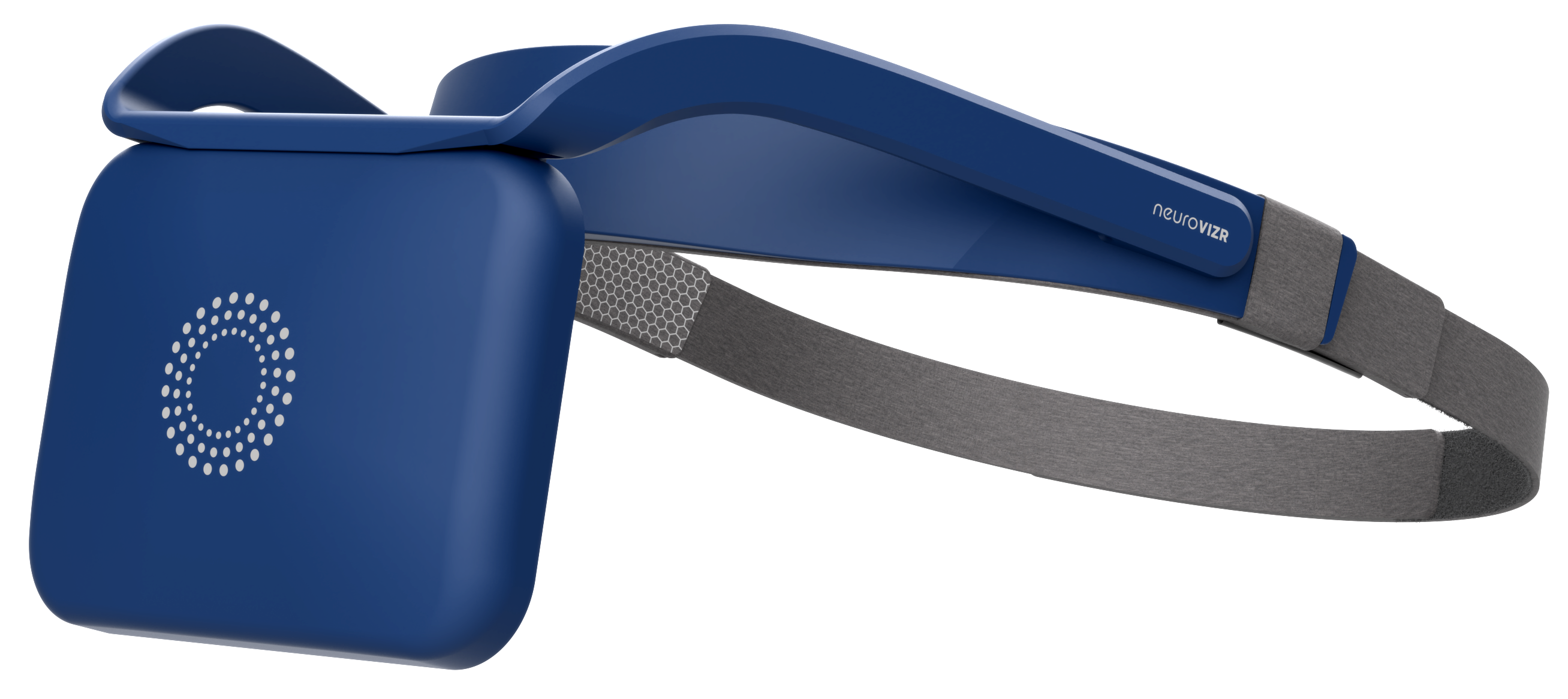
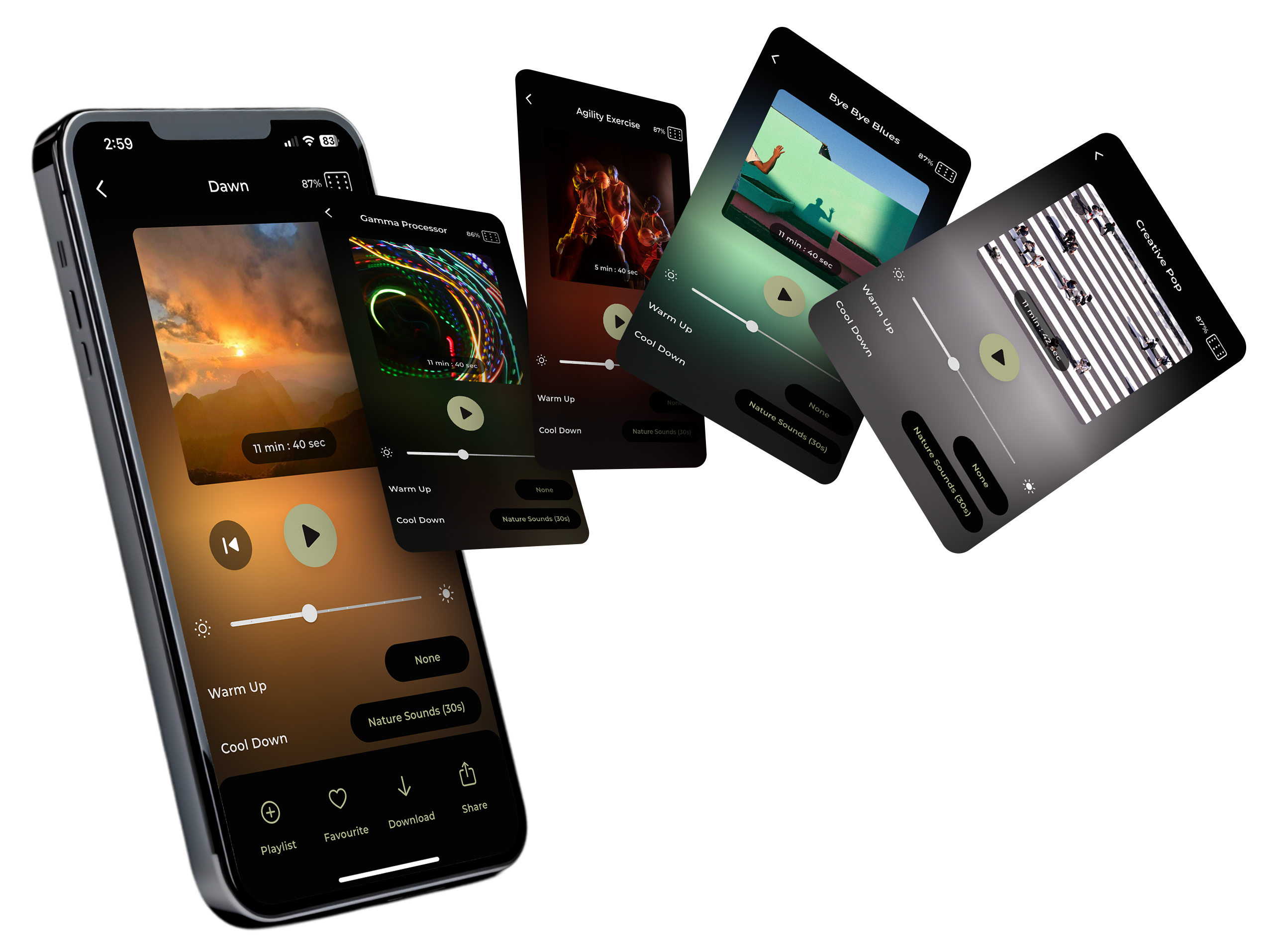
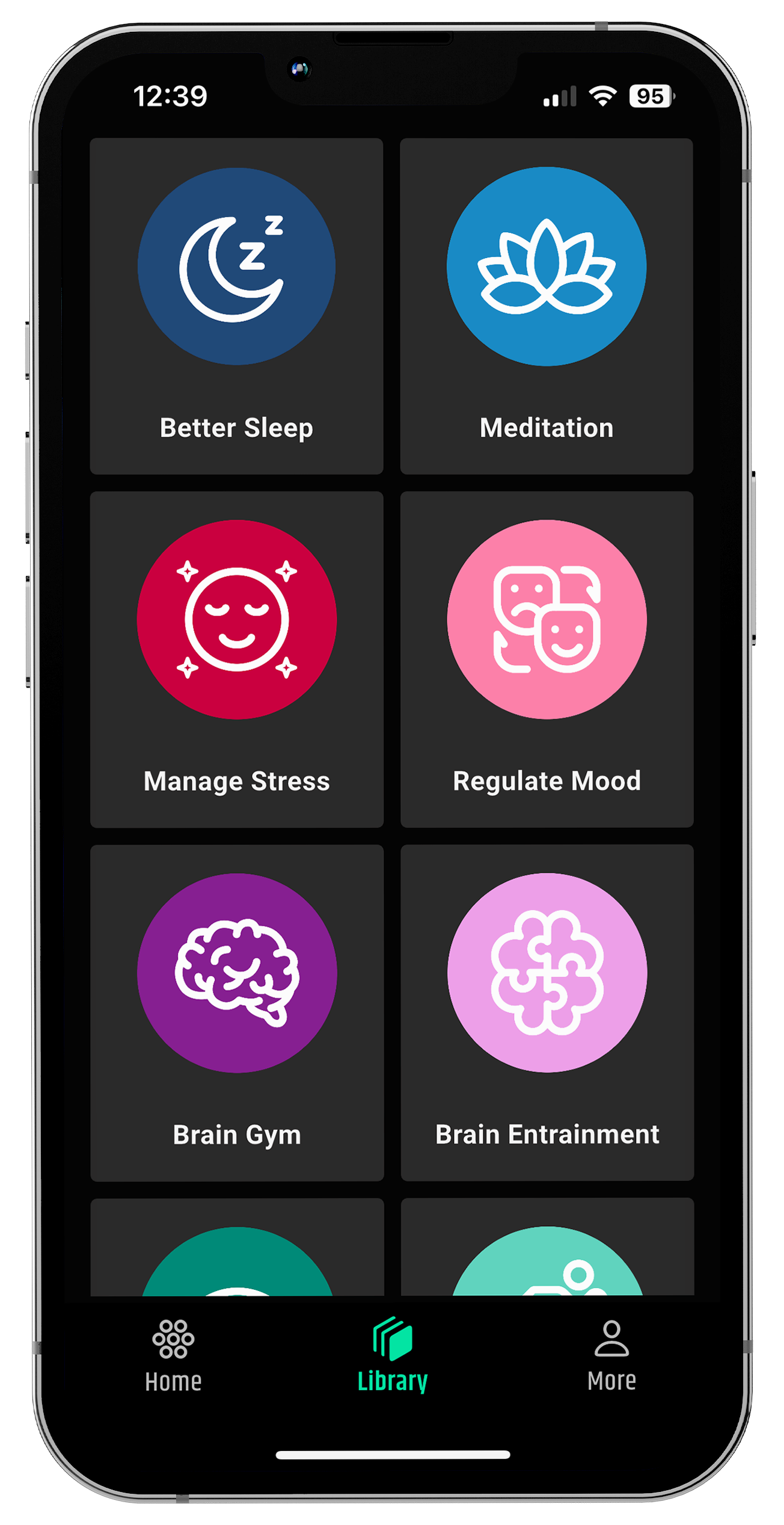
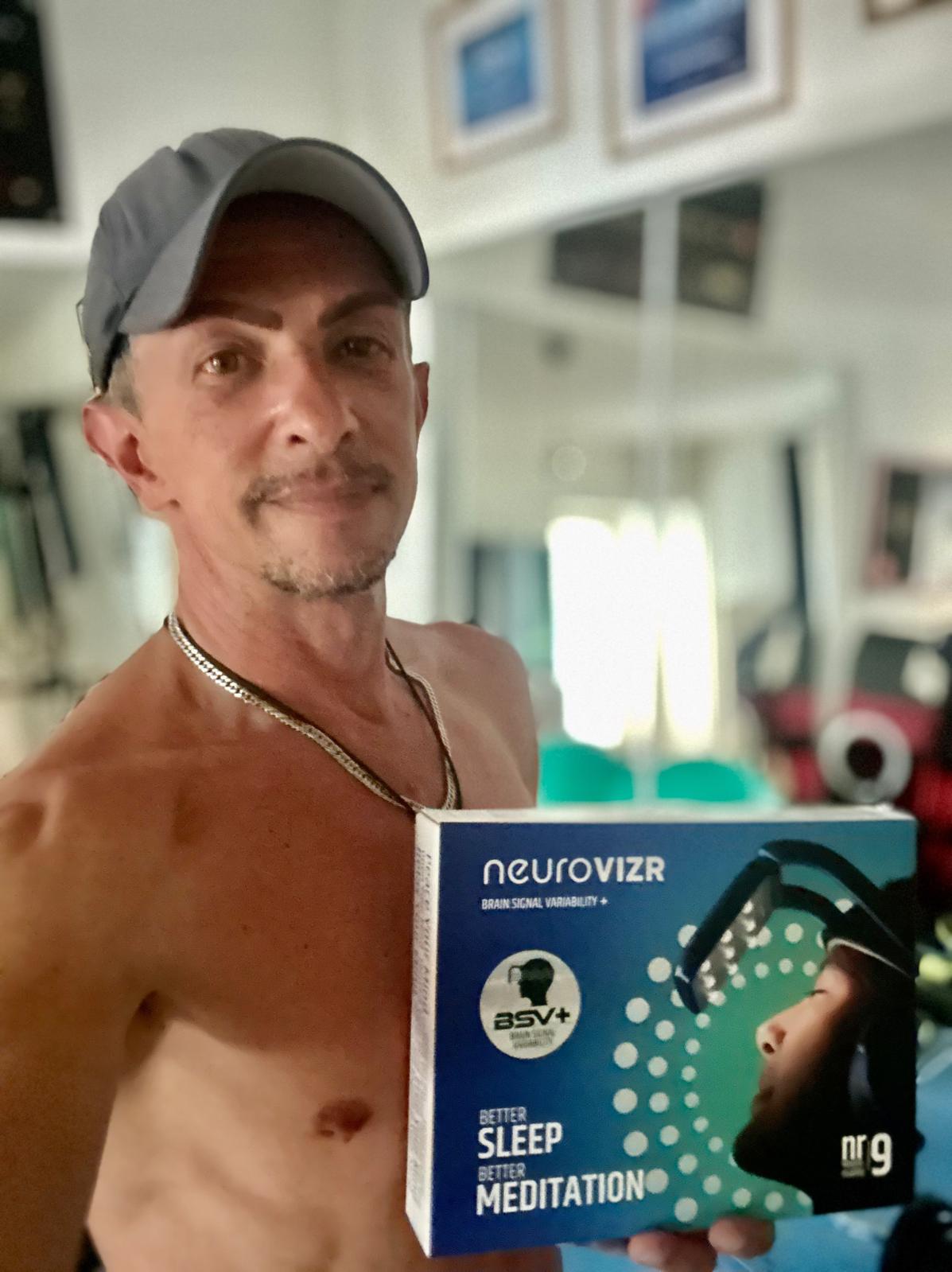
neuroVIZR is positioned as a general wellness device designed to create immersive visual stimulation experiences that may support relaxation and focus routines.

It is important to clarify:

neuroVIZR is not a medical device.
It does not diagnose, treat, cure, or prevent insomnia or any sleep disorder.

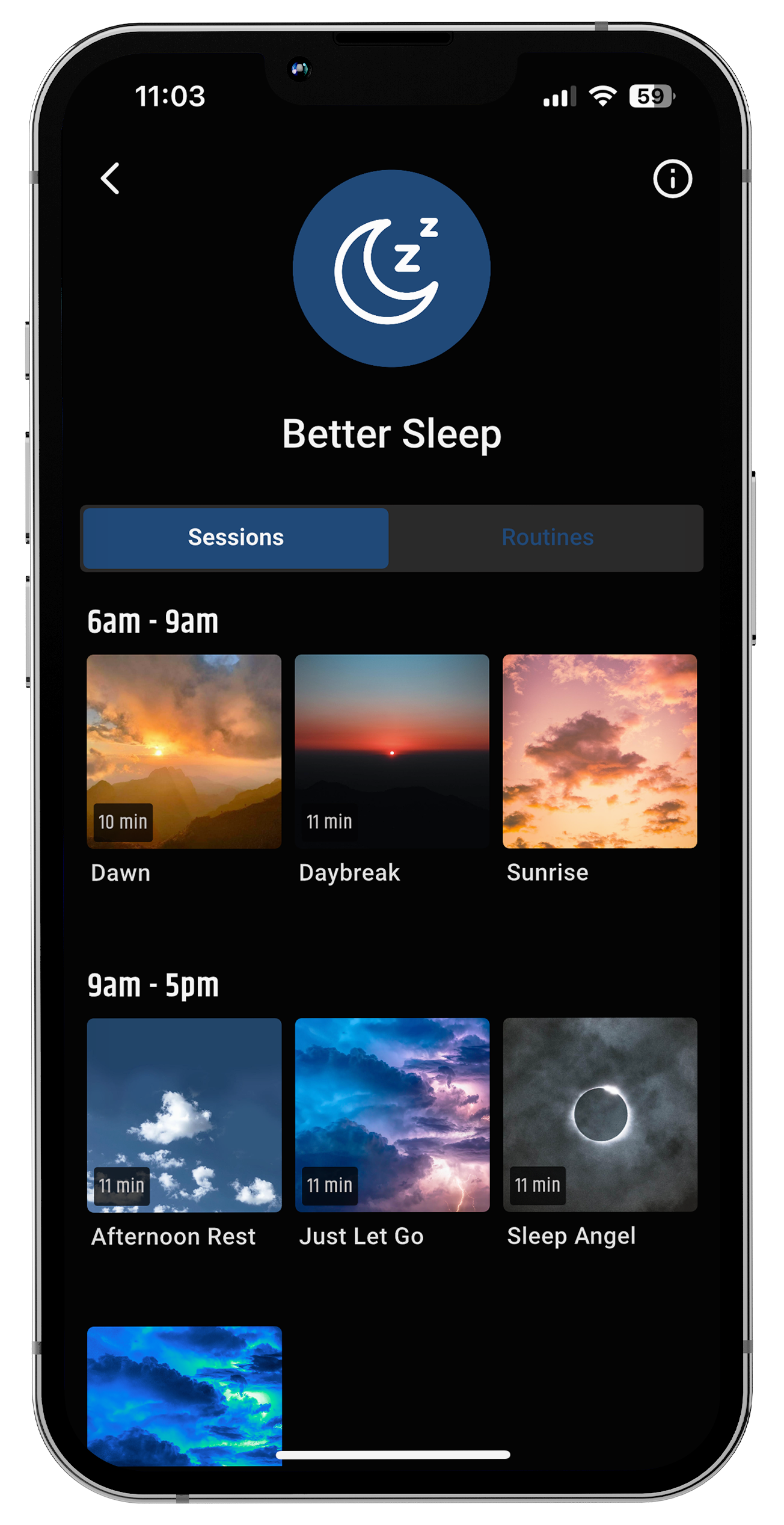
Many users incorporate neuroVIZR into their evening routine as part of:

  • Digital detox time

  • Relaxation sessions

  • Meditation preparation

  • Wind-down rituals

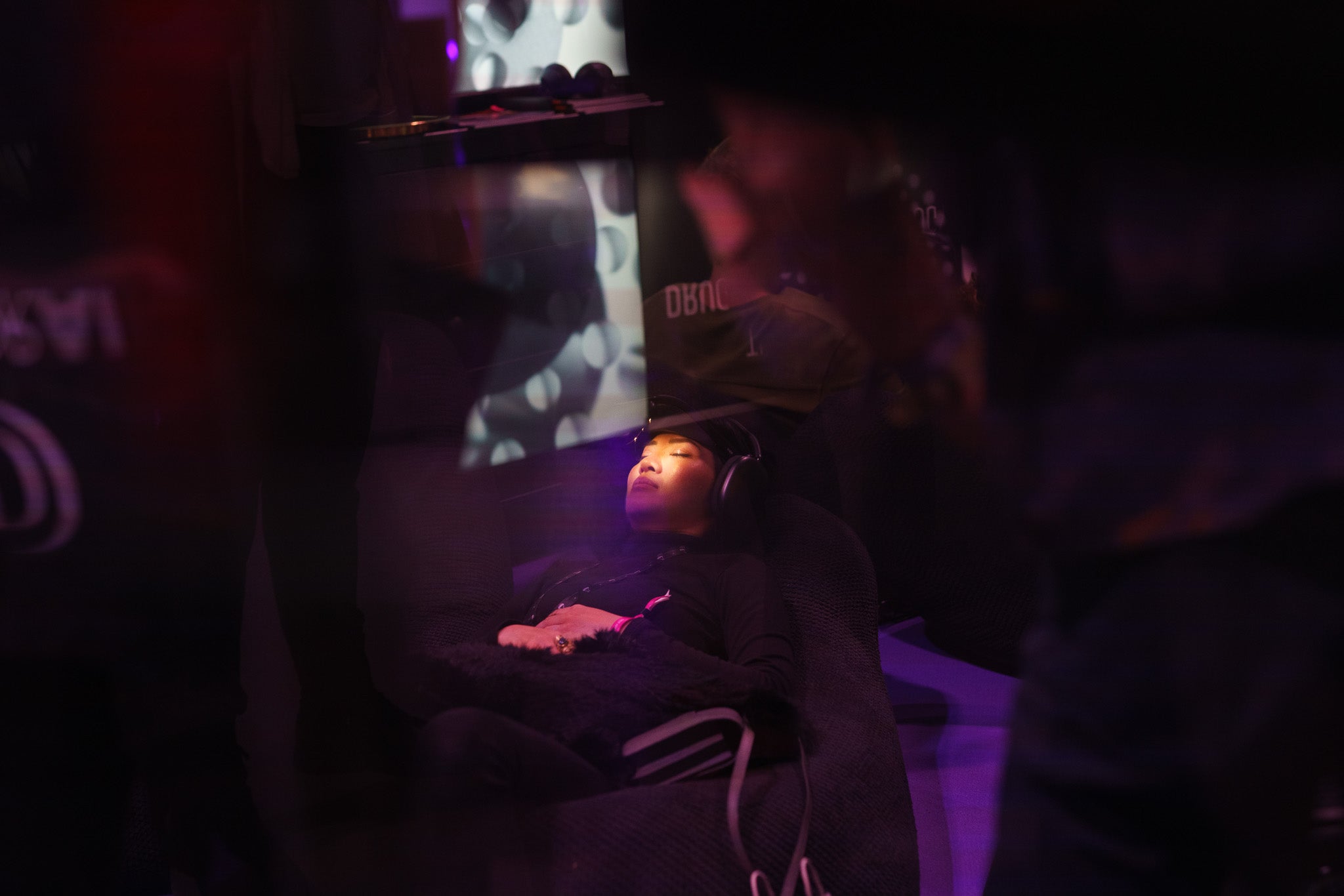
The immersive visual environment can help reduce external distractions and support mental calming before sleep.

Used consistently, it may help users build a structured pre-sleep routine which is often the missing piece in sleep improvement.


Brain Devices vs Sleeping Pills

Let’s compare them realistically:

Sleeping Pills

  • Chemical intervention

  • Fast sedation

  • Possible dependency

  • Short-term support

Brain-Based Wellness Devices

  • Non-invasive

  • No chemicals

  • Routine-based support

  • Slower but more sustainable habit building

For individuals seeking a natural sleep aid device, the appeal lies in long-term lifestyle support rather than immediate sedation.

Who Might Benefit Most?

Brain relaxation devices may be useful for:

  • Professionals with racing thoughts at night

  • Individuals struggling with screen overstimulation

  • People building better bedtime routines

  • Those seeking alternatives to medication

They are not substitutes for medical care in cases of chronic or severe insomnia.

If sleep issues persist, professional evaluation is recommended.

Final Thoughts

The best non-drug sleep solution is rarely a single tool.

It is usually a combination of:

  • Consistent sleep timing

  • Reduced screen exposure

  • Relaxation rituals

  • Supportive wellness devices

Brain-based visual stimulation devices like neuroVIZR are designed to support relaxation  not to act as medical treatments.

If used responsibly and with realistic expectations, they may serve as a helpful part of a healthier sleep routine.

FAQ’s

1. Are brain devices a replacement for sleeping pills?

No. They are general wellness tools and are not intended to replace prescribed medication.

2. Can a light therapy device cure insomnia?

No. Wellness light devices are not medical treatments for insomnia.

3. Are non-drug sleep solutions effective?

They can support relaxation routines, but results vary by individual.

4. Is neuroVIZR a medical sleep device?

No. neuroVIZR is designed for general wellness purposes.

5. How long should I use a device before bed?

Many users incorporate 15–30 minute sessions as part of a wind-down routine, depending on comfort.

Disclaimer

This content is for informational purposes only. neuroVIZR is a general wellness device and is not intended to diagnose, treat, cure, or prevent any disease. Always consult a qualified healthcare professional regarding any medical concerns.


Millions of people struggle with falling asleep quickly. For many, sleeping pills feel like the only option  but concerns about dependency, grogginess, and long-term effects are pushing people to search for a non drug sleep solution.

That’s why searches for terms like:

  • alternative to sleeping pills

  • device to fall asleep faster

  • natural sleep aid device

  • sleep improvement device

are rapidly increasing.

But do brain-based wellness devices actually work? And are they safe?

Let’s break this down clearly and responsibly.

Why People Are Looking for Alternatives to Sleeping Pills

Sleeping pills may help short-term, but they can come with concerns such as:

  • Next-day drowsiness

  • Habit formation

  • Reduced natural sleep rhythm over time

  • Tolerance buildup

Because of this, many individuals are now prioritizing:

  • Natural sleep routines

  • Non-invasive solutions

  • Lifestyle-based improvements

  • Technology-assisted relaxation

The key shift is from “sedating the body” to “supporting the nervous system.”

What Is a Non-Drug Sleep Solution?

A true non-drug sleep solution focuses on helping the body relax naturally rather than chemically forcing sedation.

Common options include:

  • Sleep hygiene improvements

  • Meditation

  • White noise

  • Light therapy devices

  • Brainwave-inspired visual stimulation devices

The idea is to support the transition from alert (beta brainwave activity) to relaxed (alpha/theta states) before sleep.

Research in neuroscience suggests that environmental signals can influence how quickly the brain shifts toward relaxation though individual responses vary.

Important: These methods support sleep routines. They are not medical treatments for insomnia disorders.

What Is a Natural Sleep Aid Device?

A natural sleep aid device typically:

  • Uses sound, light, or vibration patterns

  • Encourages relaxation

  • Reduces external sensory distraction

  • Helps signal “wind-down time” to the brain

Unlike medication, these devices do not chemically alter brain function.

They work by encouraging a calmer state that may make falling asleep easier for some individuals.

Light Therapy for Insomnia Devices Do They Work?

It’s important to separate two categories:

Bright light therapy used in clinical settings for circadian rhythm regulation
Wellness-based light and sound devices designed for relaxation

Brain relaxation devices use rhythmic visual stimulation and audio tones inspired by brainwave entertainment concepts.

Some users report:

  • Faster mental slowing before bed

  • Reduced racing thoughts

  • Easier transition into rest

However:

They are not approved treatments for insomnia.
 They are wellness tools that may complement healthy sleep habits.

How Brain Devices May Support Sleep Routines

When trying to fall asleep, the biggest obstacle is often mental overstimulation:

  • Endless scrolling

  • Work stress

  • Blue light exposure

  • Overthinking

A structured relaxation session using a device can:

  • Create a defined wind-down ritual

  • Block out visual distractions

  • Encourage sensory immersion

  • Support a calm pre-sleep environment

For many people, routine is more powerful than pills.

Device to Fall Asleep Faster What to Look For

If someone is considering a sleep improvement device, key features should include:

  • Adjustable session duration

  • Gentle light patterns

  • Comfortable design

  • Non-invasive operation

  • Clear safety instructions

Avoid brands that claim:

  • “Cures insomnia”

  • “Guaranteed deep sleep in minutes”

  • “Replaces medical treatment”

Responsible wellness devices focus on support not medical claims.

Where neuroVIZR Fits In

neuroVIZR is positioned as a general wellness device designed to create immersive visual stimulation experiences that may support relaxation and focus routines.

It is important to clarify:

neuroVIZR is not a medical device.
It does not diagnose, treat, cure, or prevent insomnia or any sleep disorder.

Many users incorporate neuroVIZR into their evening routine as part of:

  • Digital detox time

  • Relaxation sessions

  • Meditation preparation

  • Wind-down rituals

The immersive visual environment can help reduce external distractions and support mental calming before sleep.

Used consistently, it may help users build a structured pre-sleep routine which is often the missing piece in sleep improvement.


Brain Devices vs Sleeping Pills

Let’s compare them realistically:

Sleeping Pills

  • Chemical intervention

  • Fast sedation

  • Possible dependency

  • Short-term support

Brain-Based Wellness Devices

  • Non-invasive

  • No chemicals

  • Routine-based support

  • Slower but more sustainable habit building

For individuals seeking a natural sleep aid device, the appeal lies in long-term lifestyle support rather than immediate sedation.

Who Might Benefit Most?

Brain relaxation devices may be useful for:

  • Professionals with racing thoughts at night

  • Individuals struggling with screen overstimulation

  • People building better bedtime routines

  • Those seeking alternatives to medication

They are not substitutes for medical care in cases of chronic or severe insomnia.

If sleep issues persist, professional evaluation is recommended.

Final Thoughts

The best non-drug sleep solution is rarely a single tool.

It is usually a combination of:

  • Consistent sleep timing

  • Reduced screen exposure

  • Relaxation rituals

  • Supportive wellness devices

Brain-based visual stimulation devices like neuroVIZR are designed to support relaxation  not to act as medical treatments.

If used responsibly and with realistic expectations, they may serve as a helpful part of a healthier sleep routine.

FAQ’s

1. Are brain devices a replacement for sleeping pills?

No. They are general wellness tools and are not intended to replace prescribed medication.

2. Can a light therapy device cure insomnia?

No. Wellness light devices are not medical treatments for insomnia.

3. Are non-drug sleep solutions effective?

They can support relaxation routines, but results vary by individual.

4. Is neuroVIZR a medical sleep device?

No. neuroVIZR is designed for general wellness purposes.

5. How long should I use a device before bed?

Many users incorporate 15–30 minute sessions as part of a wind-down routine, depending on comfort.

Disclaimer

This content is for informational purposes only. neuroVIZR is a general wellness device and is not intended to diagnose, treat, cure, or prevent any disease. Always consult a qualified healthcare professional regarding any medical concerns.


Verbessern Sie Ihre geistige Klarheit mit neuroVIZR