

Gefühle können komplex und manchmal schwer zu beschreiben sein. Es kann vorkommen, dass man mehrere Emotionen gleichzeitig erlebt, z. B. glücklich, aber unsicher ist, oder dass man Schwierigkeiten hat, überhaupt zu erkennen, was man fühlt.
In solchen Momenten kann ein einfaches Werkzeug zum Verständnis der eigenen Emotionen hilfreich sein. Ein solches Werkzeug ist das Gefühlsrad, das oft mit der Vorstellung eines „Glücksrads“ verglichen wird, bei dem sich die Emotionen im Laufe des Tages verschieben und entwickeln.
Was ist ein Gefühlsrad?
Ein Gefühlsrad ist ein visuelles Hilfsmittel, das Ihnen hilft, Ihre Emotionen klarer zu erkennen und zu beschreiben. Es ordnet Emotionen in Schichten an, beginnend mit breiten Gefühlen in der Mitte und sich ausweitend zu spezifischeren.
Zum Beispiel:
-
Ein allgemeines Gefühl wie Traurigkeit kann sich zu einsam oder entmutigt entwickeln.
-
Ein Gefühl wie Freude kann zu Zufriedenheit oder Hoffnung werden.
Dieser geschichtete Ansatz hilft Ihnen, über oberflächliche Emotionen hinauszugehen und Ihr inneres Erleben besser zu verstehen.
Warum das Gefühlsrad im Alltag verwenden?
Die regelmäßige Verwendung eines Gefühlsrads kann Folgendes unterstützen:
-
Größere emotionale Achtsamkeit
-
Klarere Kommunikation von Gefühlen
-
Achtsamere Reaktionen auf Situationen
-
Tägliche Reflexion und persönliches Wachstum
Es passt auch zur Idee eines Glücksrads der Gefühle, bei dem sich Emotionen schnell verschieben können. Das Rad hilft Ihnen, diese Veränderungen strukturiert zu verfolgen und zu verstehen.
Wie man ein Gefühlsrad benutzt (Schritt für Schritt)
1. Innehalten und wahrnehmen
Nehmen Sie sich einen Moment Zeit, um innezuhalten, wenn Sie sich überfordert oder unsicher fühlen. Nehmen Sie einfach wahr, dass Sie emotional etwas erleben.
2. Beginnen Sie mit den Kerngefühlen
Schauen Sie in die Mitte des Rades und identifizieren Sie eine allgemeine Emotion wie:
-
Freude
-
Traurigkeit
-
Angst
-
Wut
-
Überraschung
Wählen Sie das Gefühl, das Ihrem aktuellen Zustand am nächsten kommt.
3. Entdecken Sie spezifischere Emotionen
Bewegen Sie sich auf dem Rad nach außen, um präzisere Wörter zu finden, die zu Ihrer Erfahrung passen.
Zum Beispiel:
-
Angst → ängstlich oder unsicher
-
Freude → zufrieden oder optimistisch
-
Traurigkeit → einsam oder entmutigt
Dieser Schritt hilft Ihnen, besser zu verstehen, was Sie wirklich fühlen.
4. Reflektieren Sie über die Erfahrung
Sobald Sie Ihre Emotion identifiziert haben, nehmen Sie sich einen Moment Zeit, um zu reflektieren:
-
Was könnte dieses Gefühl ausgelöst haben?
-
Welche Situation hat es beeinflusst?
-
Wie möchten Sie reagieren?
Diese Pause schafft Raum für bewusstere und achtsamere Reaktionen.
5. Die Emotion ausdrücken oder verarbeiten
Nachdem Sie Ihre Gefühle identifiziert haben, überlegen Sie, was Sie brauchen:
-
Einen ruhigen Moment
-
Ein Gespräch mit jemandem, dem Sie vertrauen
-
Ihre Gedanken in einem Tagebuch aufschreiben
-
Einen Umgebungswechsel
Schon kleine Handlungen können Ihnen helfen, Emotionen effektiver zu verarbeiten.
6. Machen Sie es zu einer täglichen Praxis
Die regelmäßige Verwendung eines Gefühlsrads kann Ihnen helfen, im Laufe der Zeit emotionale Achtsamkeit aufzubauen.
Sie können es in Ihre Routine integrieren, indem Sie:
-
Sich morgens selbst überprüfen
-
Am Ende des Tages reflektieren
-
Ihre Emotionen und Auslöser protokollieren
Im Laufe der Zeit kann diese Praxis Ihnen helfen, Muster zu erkennen und achtsamer zu reagieren.
Arten von Gefühlsrädern
Es gibt verschiedene Versionen von Gefühlsrädern, die für unterschiedliche Bedürfnisse konzipiert sind:
Klassisches Gefühlsrad
-
Einfach und leicht zu bedienen
-
Ideal für tägliche emotionale Check-ins
Plutchiks Emotionsrad
-
Detaillierter und geschichtet
-
Zeigt, wie sich Emotionen verbinden und verschieben können
Vereinfachte Räder für Anfänger
-
Verwendet einfache Wörter und visuelle Darstellungen
-
Hilfreich beim Aufbau emotionaler Achtsamkeit
Momente der Ruhe schaffen mit sensorischen Erlebnissen
Das Verständnis Ihrer Emotionen ist ein wichtiger Schritt, aber auch die Zeit für Entspannung und Erholung kann Ihre tägliche Routine unterstützen.
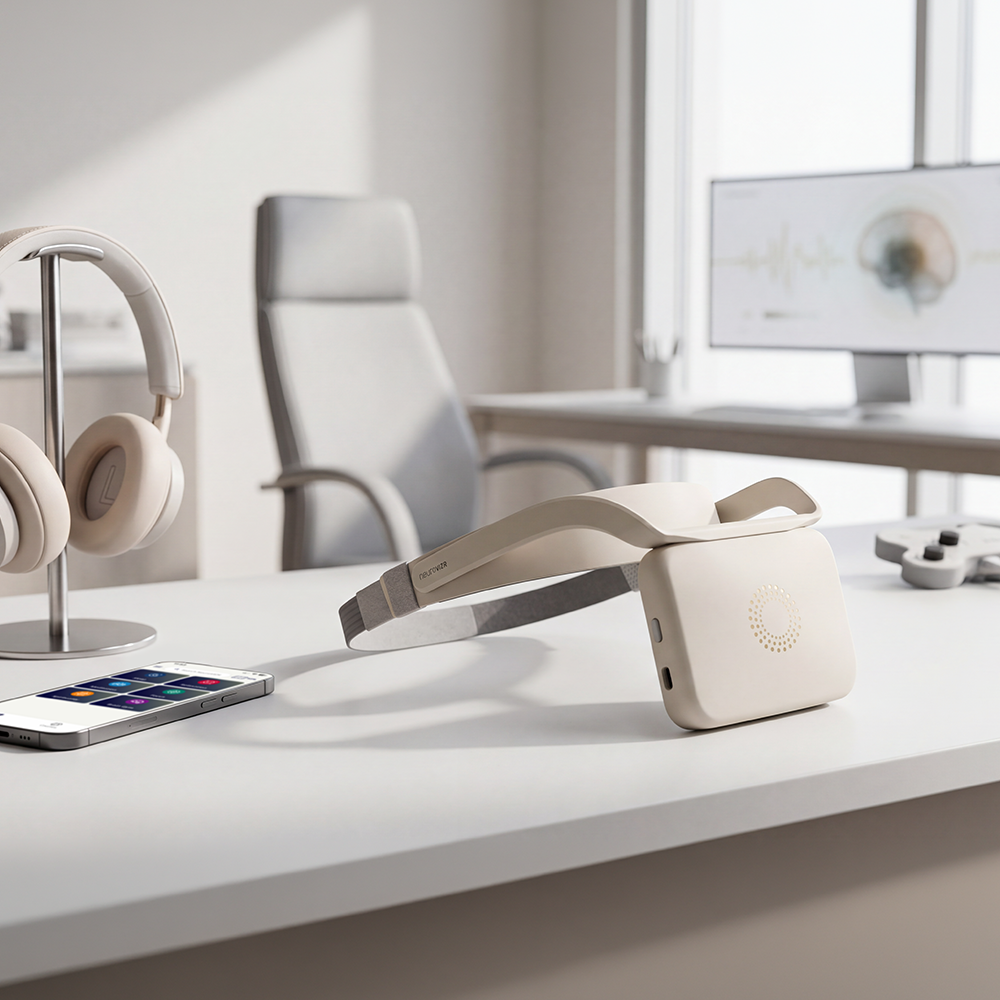
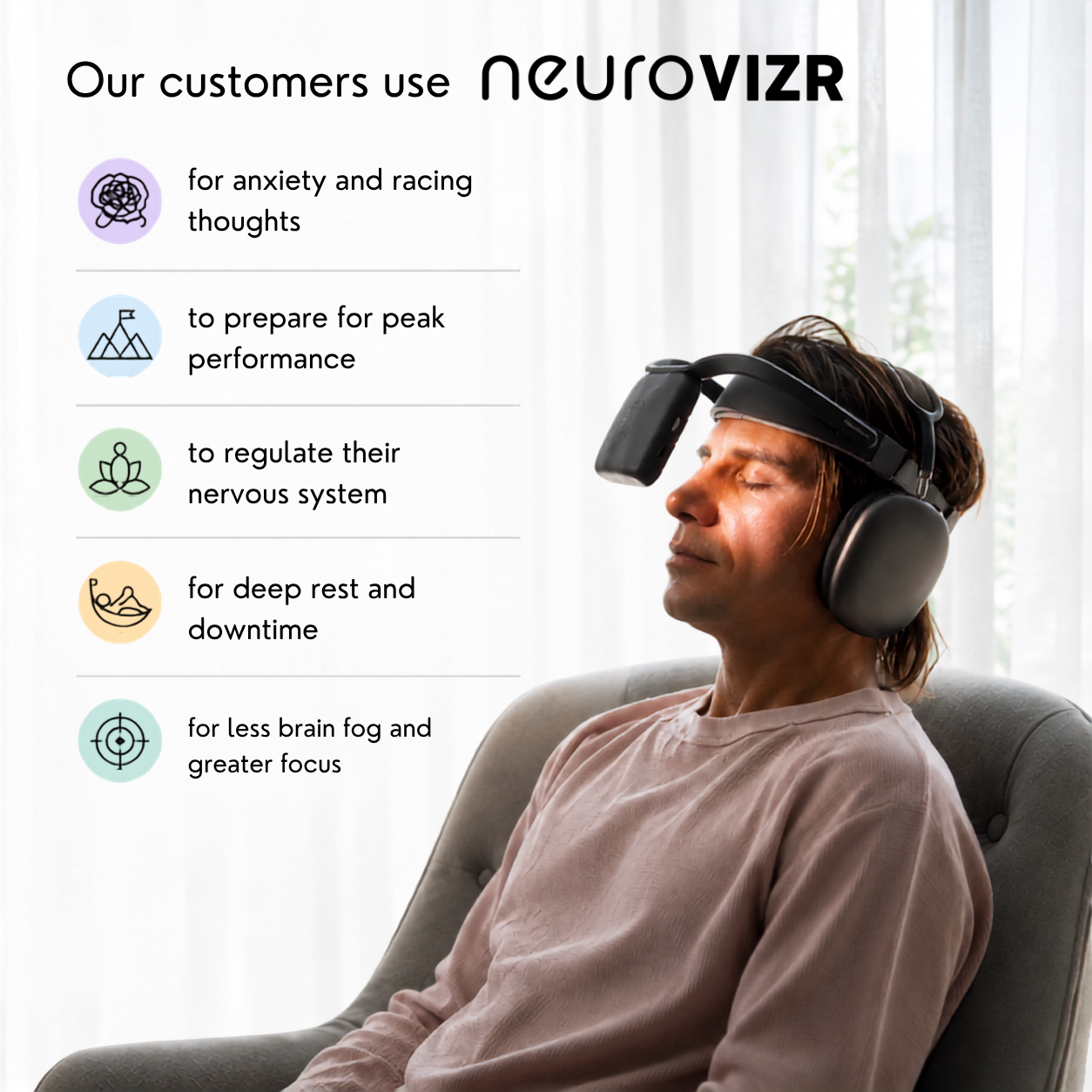
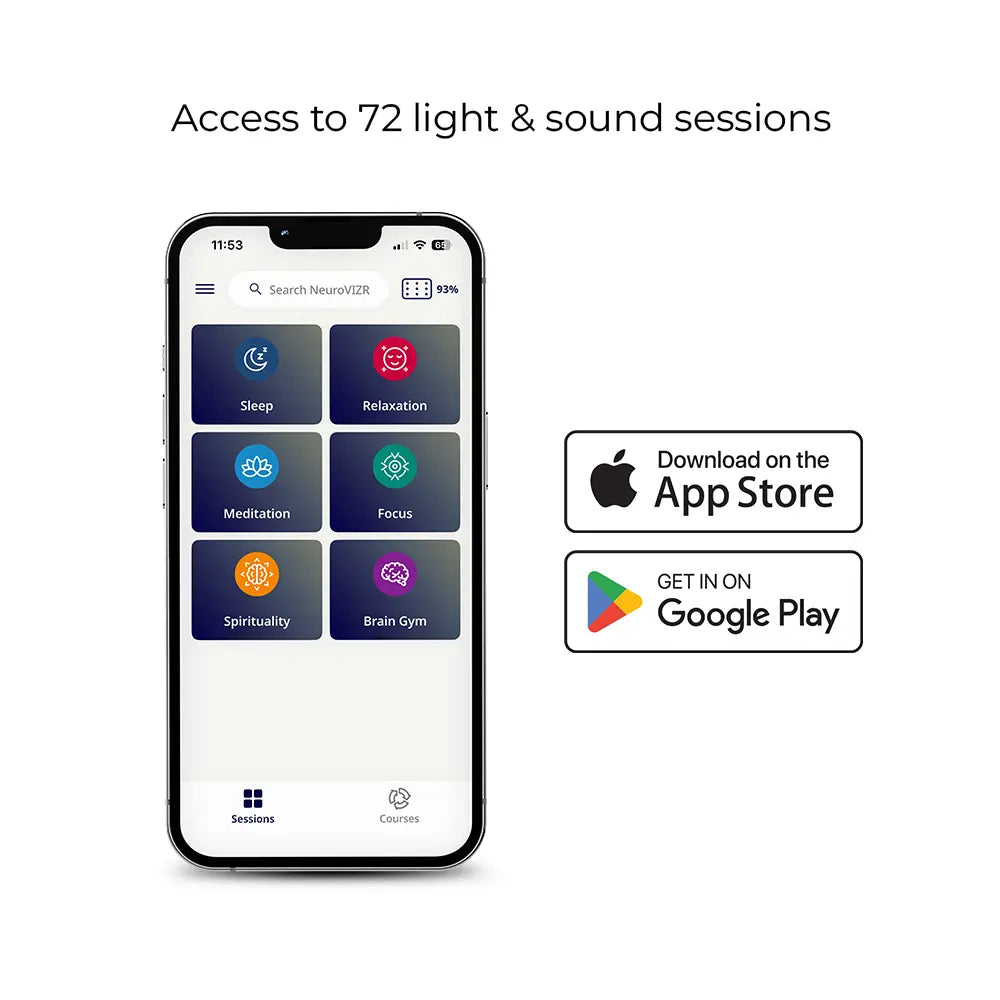
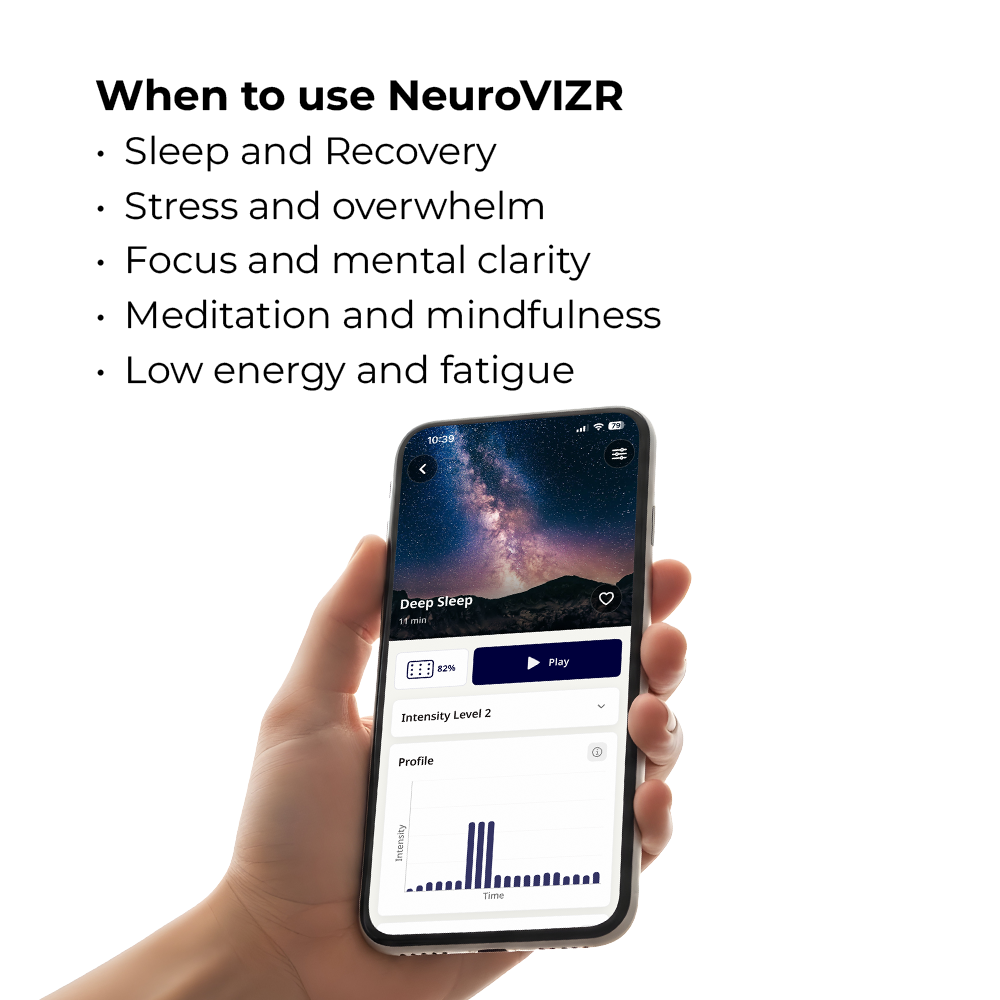
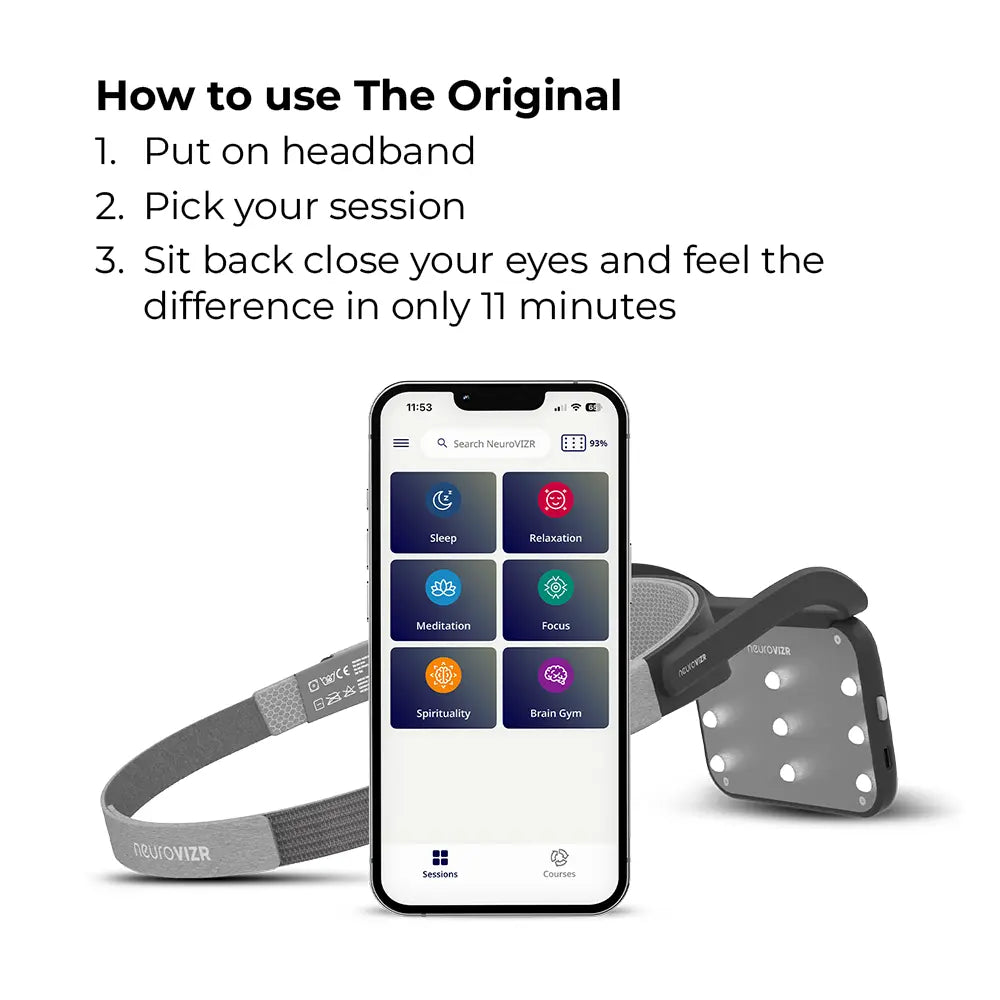
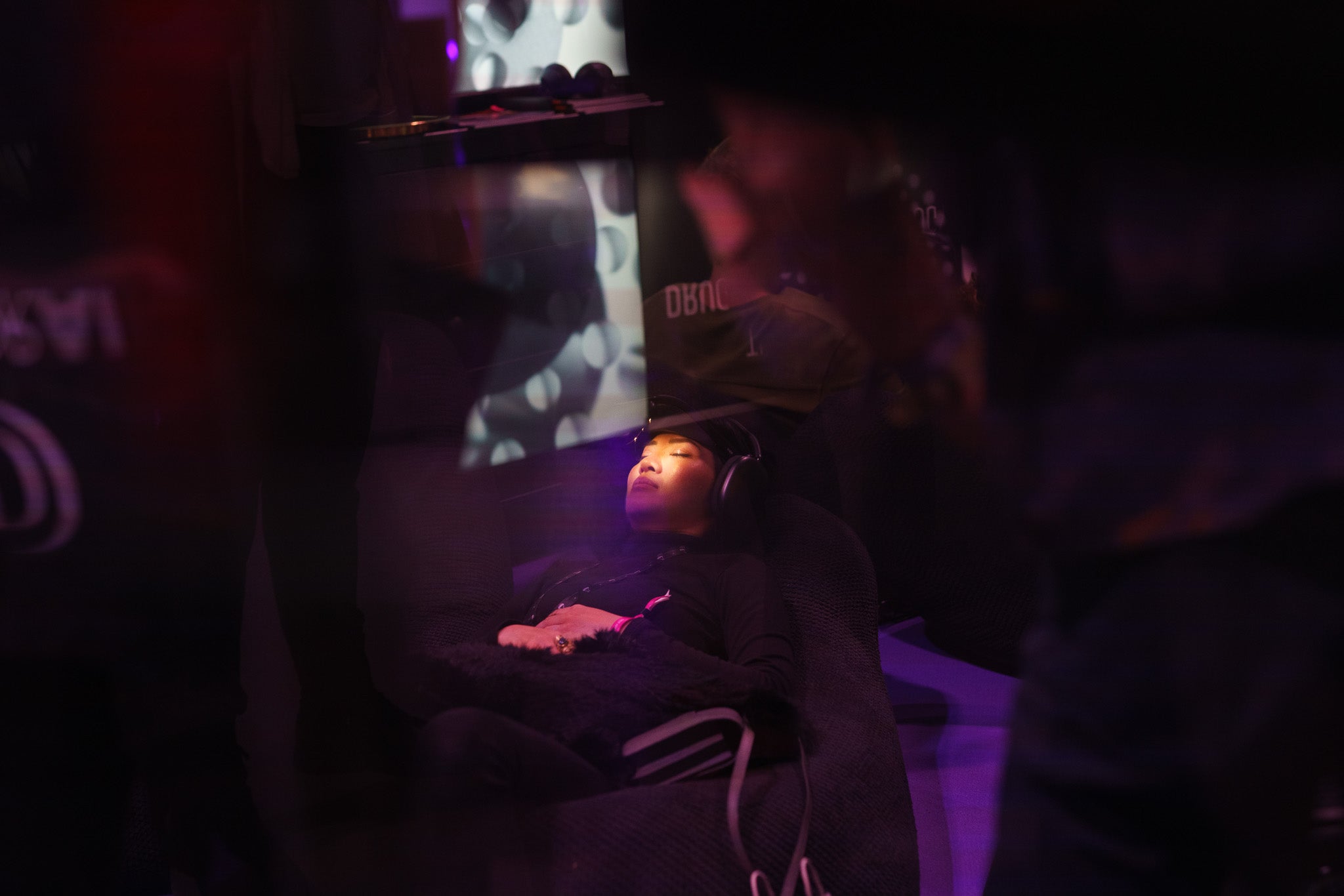
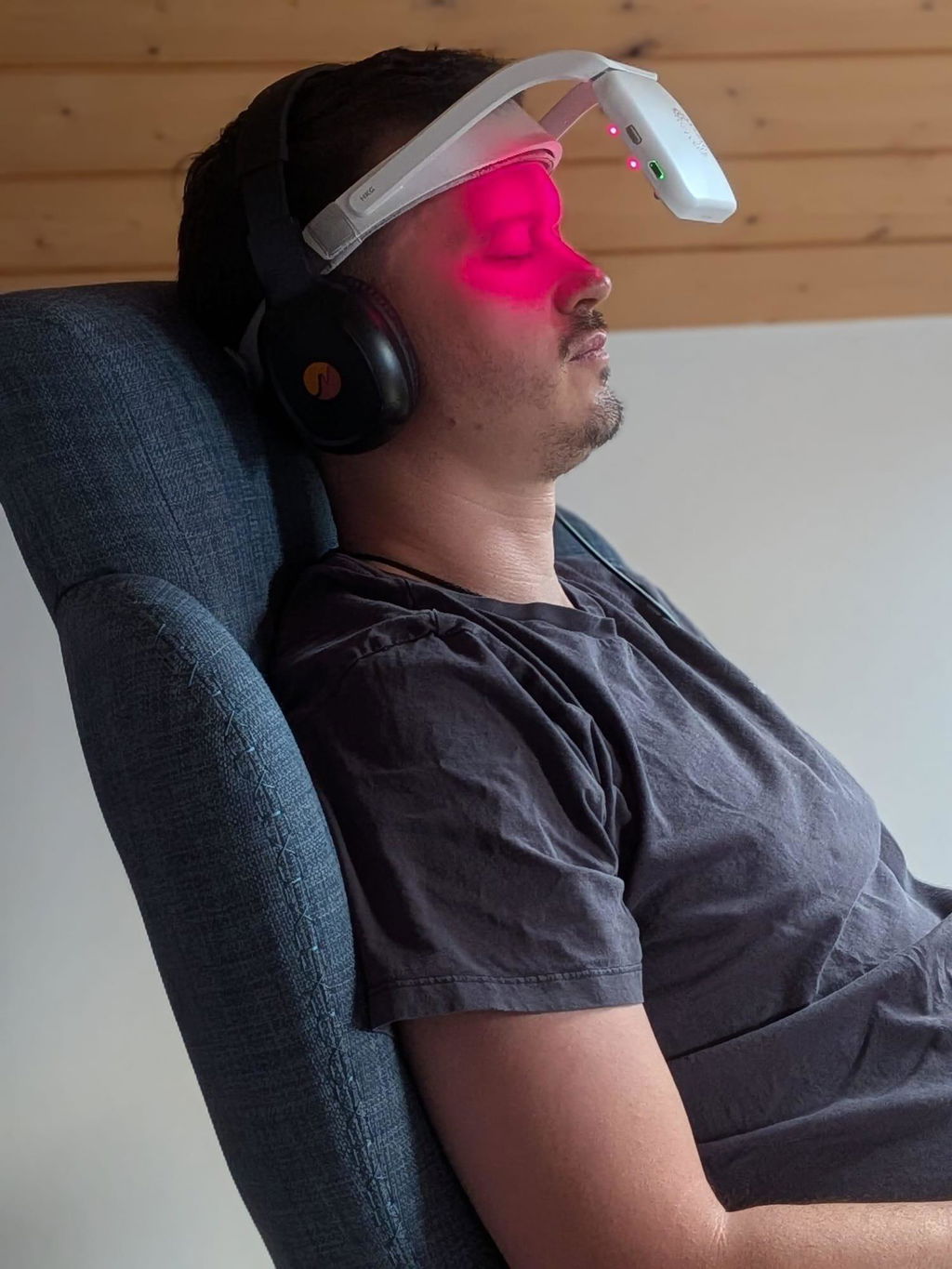
neuroVIZR nutzt rhythmische Licht- und Klangmuster, um immersive sensorische Erlebnisse zu schaffen, die oft mit Entspannung und fokussierter Aufmerksamkeit verbunden sind. Diese Arten von Erfahrungen können Ihnen helfen, sich von der täglichen Überstimulation zu lösen und Momente der Ruhe als Teil Ihrer persönlichen Wellness-Routine zu genießen.
Abschließende Gedanken
Emotionen sind ständig im Wandel, ähnlich wie ein sich drehendes Rad. Indem Sie ein Gefühlsrad in Ihrem Alltag verwenden, können Sie diese Veränderungen besser verstehen und mit größerer Achtsamkeit reagieren.
Im Laufe der Zeit kann diese einfache Praxis Ihnen helfen, eine stärkere Verbindung zu Ihrem emotionalen Wohlbefinden aufzubauen und ausgewogenere, achtsamere Routinen zu schaffen.
Häufig gestellte Fragen (FAQ)
Was ist das Glücksrad der Gefühle?
Es ist eine Möglichkeit, Emotionen als dynamisch und veränderlich zu verstehen, ähnlich einem sich drehenden Rad. Das Gefühlsrad hilft Ihnen, diese emotionalen Verschiebungen zu erkennen und zu verfolgen.
Wie hilft ein Gefühlsrad im Alltag?
Es hilft Ihnen, Ihre Emotionen zu benennen, über sie nachzudenken und in verschiedenen Situationen überlegter zu reagieren.
Kann ich ein Gefühlsrad jeden Tag benutzen?
Ja, die tägliche Anwendung kann die emotionale Achtsamkeit verbessern und Ihnen helfen, eine konsistente Achtsamkeitsroutine aufzubauen.
Ist das Gefühlsrad für Anfänger nützlich?
Absolut. Es ist ein einfaches und praktisches Werkzeug, das jeder nutzen kann, unabhängig von der Erfahrung.
Haftungsausschluss
Dieser Inhalt dient nur zu Informationszwecken und stellt keine medizinische Beratung dar. neuroVIZR ist ein Wellness-Gerät, das zur Unterstützung von Entspannung, Konzentration und allgemeinem Wohlbefinden entwickelt wurde. Es ist nicht dazu bestimmt, Krankheiten zu diagnostizieren, zu behandeln, zu heilen oder zu verhindern. Die Erfahrungen können von Person zu Person variieren.







Teilen:
10 Meditations-Handhaltungen und ihre Rolle bei Entspannung und Fokus
So beenden Sie die Dissoziation: Erdungstipps für emotionales Bewusstsein