


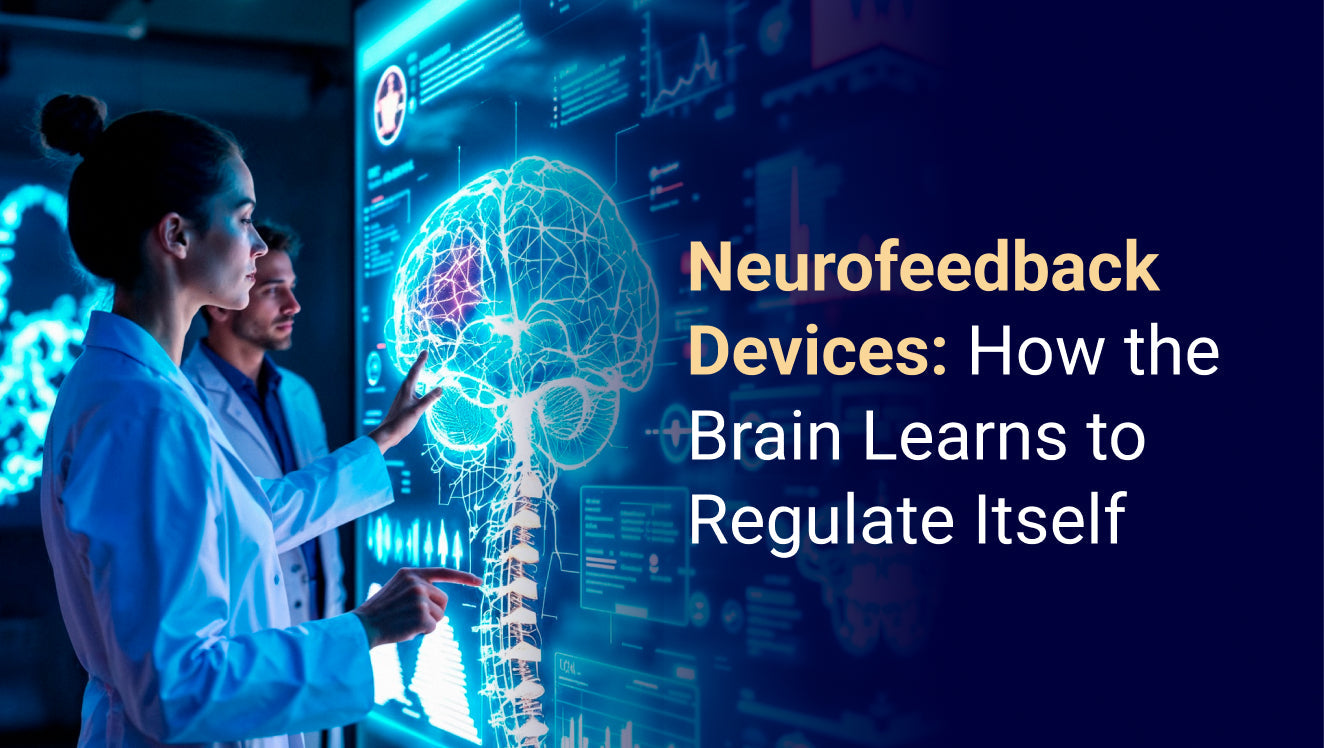
Most people do not find it difficult, in that their brain is weak or unfocused.
The reason is that their nervous system trained itself not to fall asleep; hence they have difficulty falling asleep.
Constant stimulation, stress, emotional load, and digital intensity may drive the brain into what is helpful in the short-term - but weary in the long-run. There are neurofeedback devices that are used to make the brain become aware of those patterns and recalibrate itself without coercion or suppressing the process.
It is not about correcting the brain.
It is about assisting it to recall how to switch between being focused, rest and recovery.

What is a Neurofeedback Device?
Neurofeedback device is an instrument, which shows the nervous system the real-time activity of the brain through such signals as light or sound. Once this feedback is received by the brain, it starts to respond to it by altering its own rhythms- unconsciously and naturally.
This is achievable by a process called neuroplasticity, which makes the brain learns by experience and reorganize.
The brain is not instructed to do something, it is just presented with the information.
And with the right information, it mostly weighs in the scale.
The Importance of Brain Waves in Neurofeedback.
The brain functions based on electrical rhythms called brain waves with each being related to a certain state of awareness.
Intolerance to excessive time of being in one state may cause imbalance in the brain.
As an illustration, the beta brain waves are associated with alertness, thinking, and problem solving. Normal beta activity is beneficial to concentration and involvement, and encountered too long, it may feel as though the mind is restless or the internal pressure is pressing on the inside. The insight into the effect of beta waves on the level of focus and clarity can be used to understand why some individuals are productive yet feel wired at the same time.
At the opposite extreme, theta waves are related to deep relaxation, creativity and introspection. The theta states tend to appear when meditation, daydreaming or on the verge of sleep, when the nervous system feels safe to calm down. These slower rhythms help in emotional processing and cognitive restoration, this is why they are mostly associated with insight and creativity.
The mechanism of action of neurofeedback is to assist the brain in a smoother transition between these states - rather than being stuck in overdrive/shutting down.
The role of Neurofeedback Devices in Regulation.
The neurofeedback gadgets consist of a basic loop:
-
The activity of the brain is observed.
-
Feedback is either light or sound based.
-
The brain reacts by modifying its patterns.
-
This occurs without strain, focus or even intentional direction.
Instead of forcing the brain into relaxation or stimulation, the feedback enables the brain to experience the states of various states - and make the most adaptive choice at the time.
Over time, this can support:
-
More emotional control.
-
Increased concentration without anxiety.
-
Finds it easier to enter into rest or sleep.
-
A greater feeling of inner harmony.
Why Light and Sound Neurofeedback Is Gaining Attention
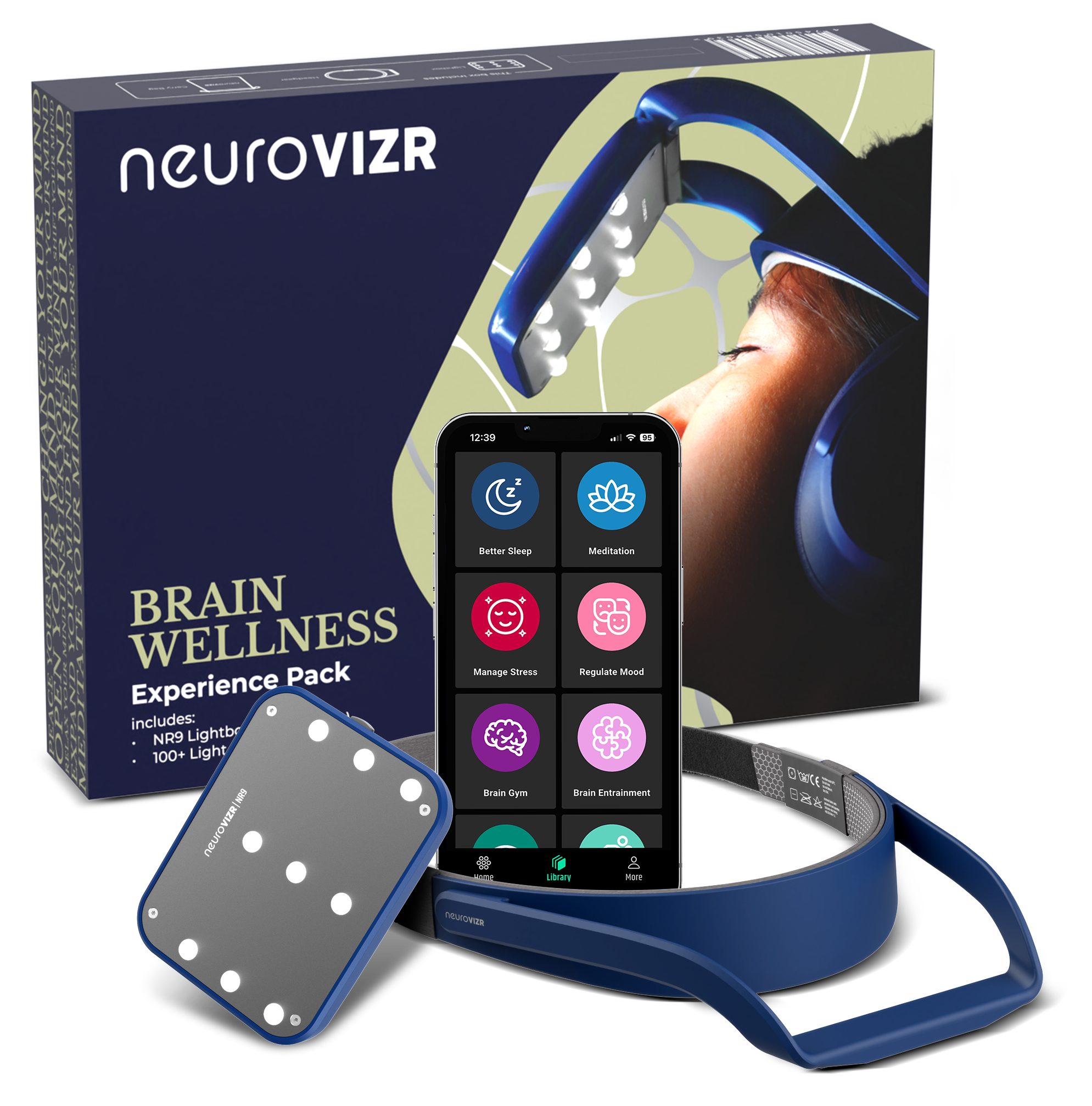
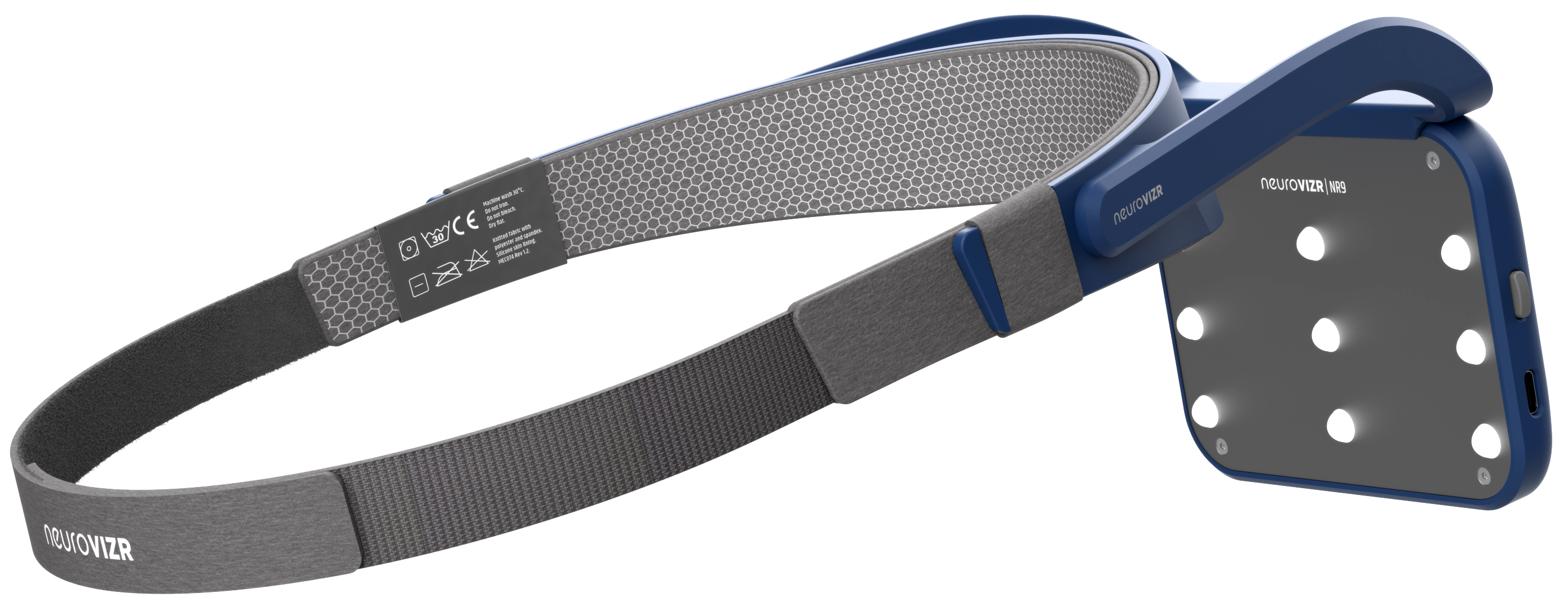
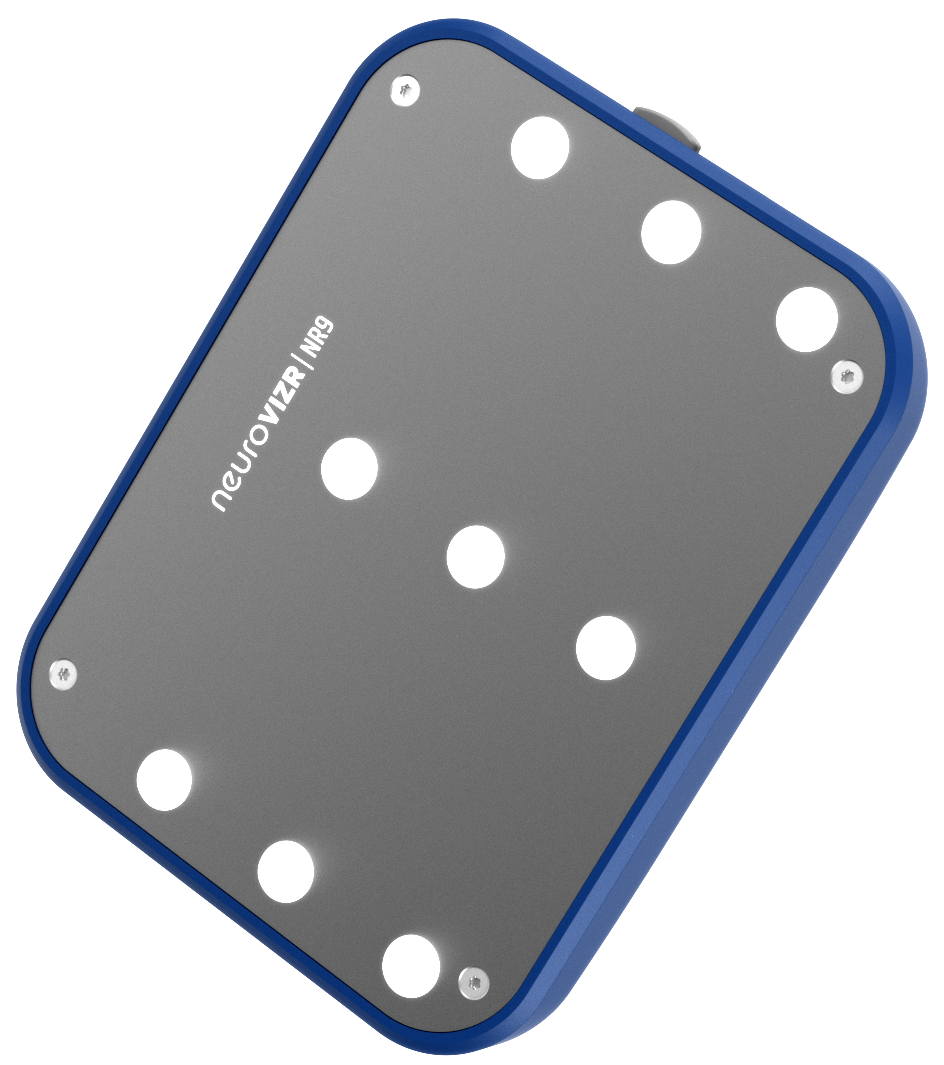
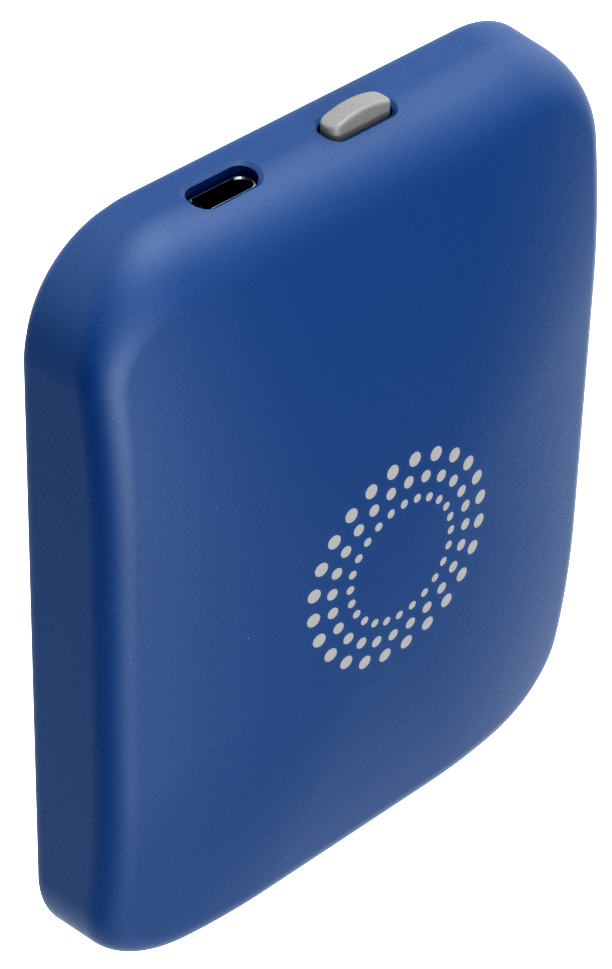
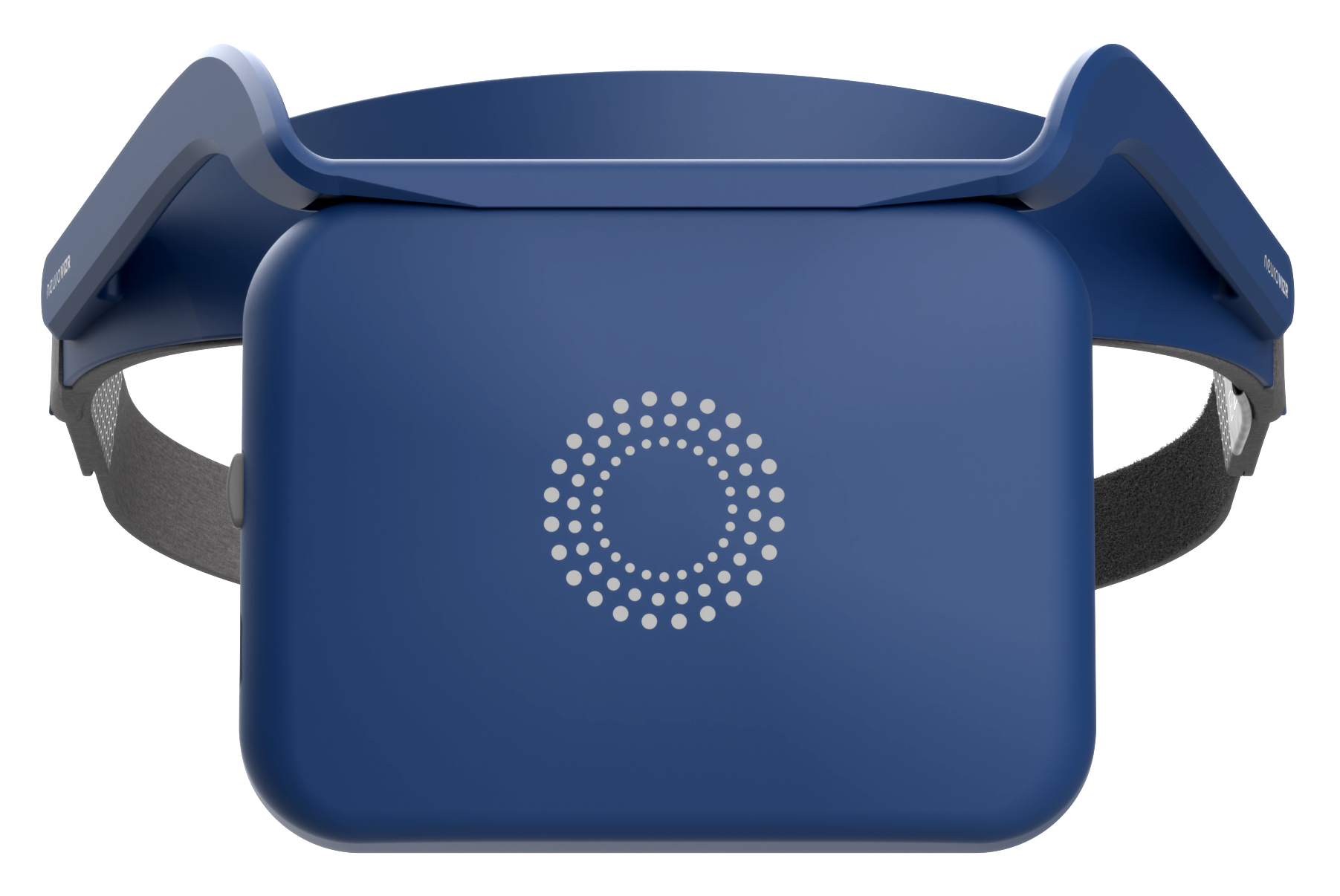
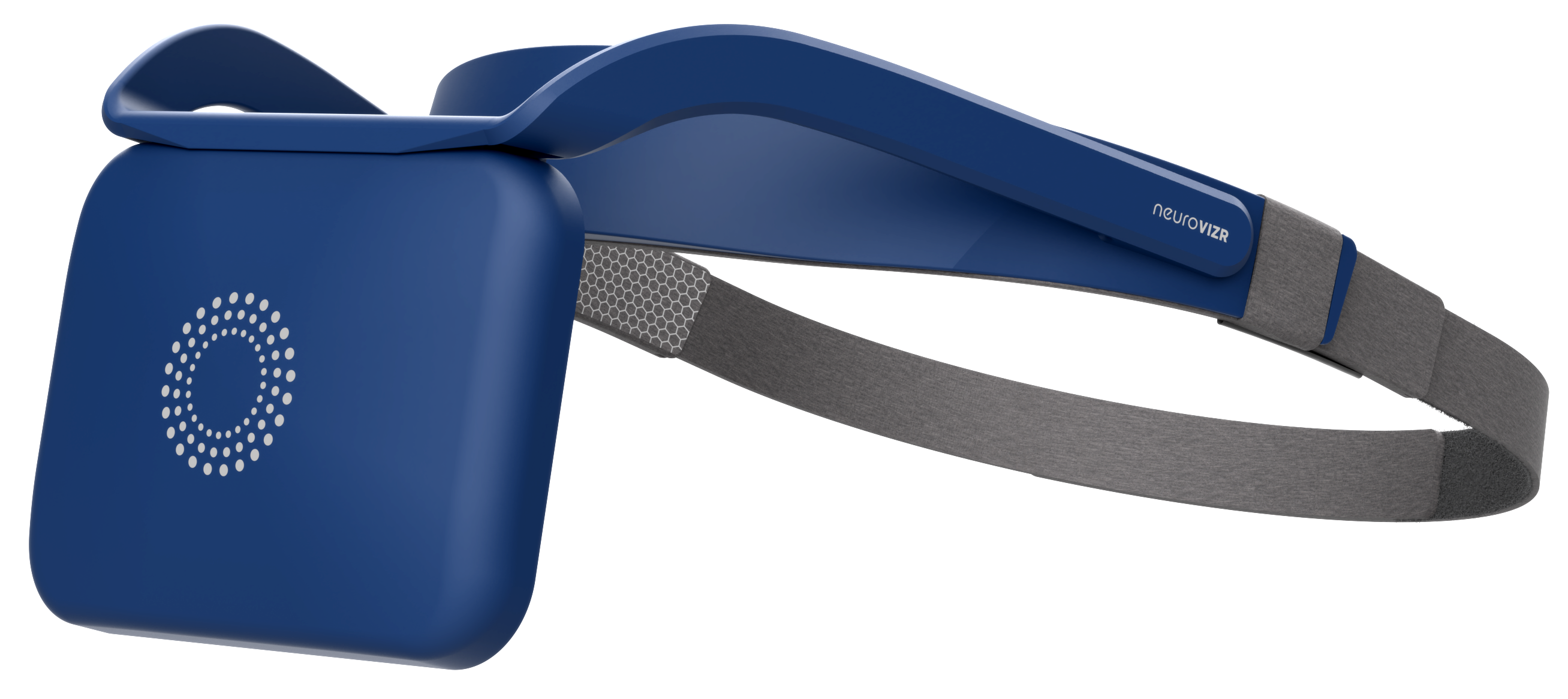
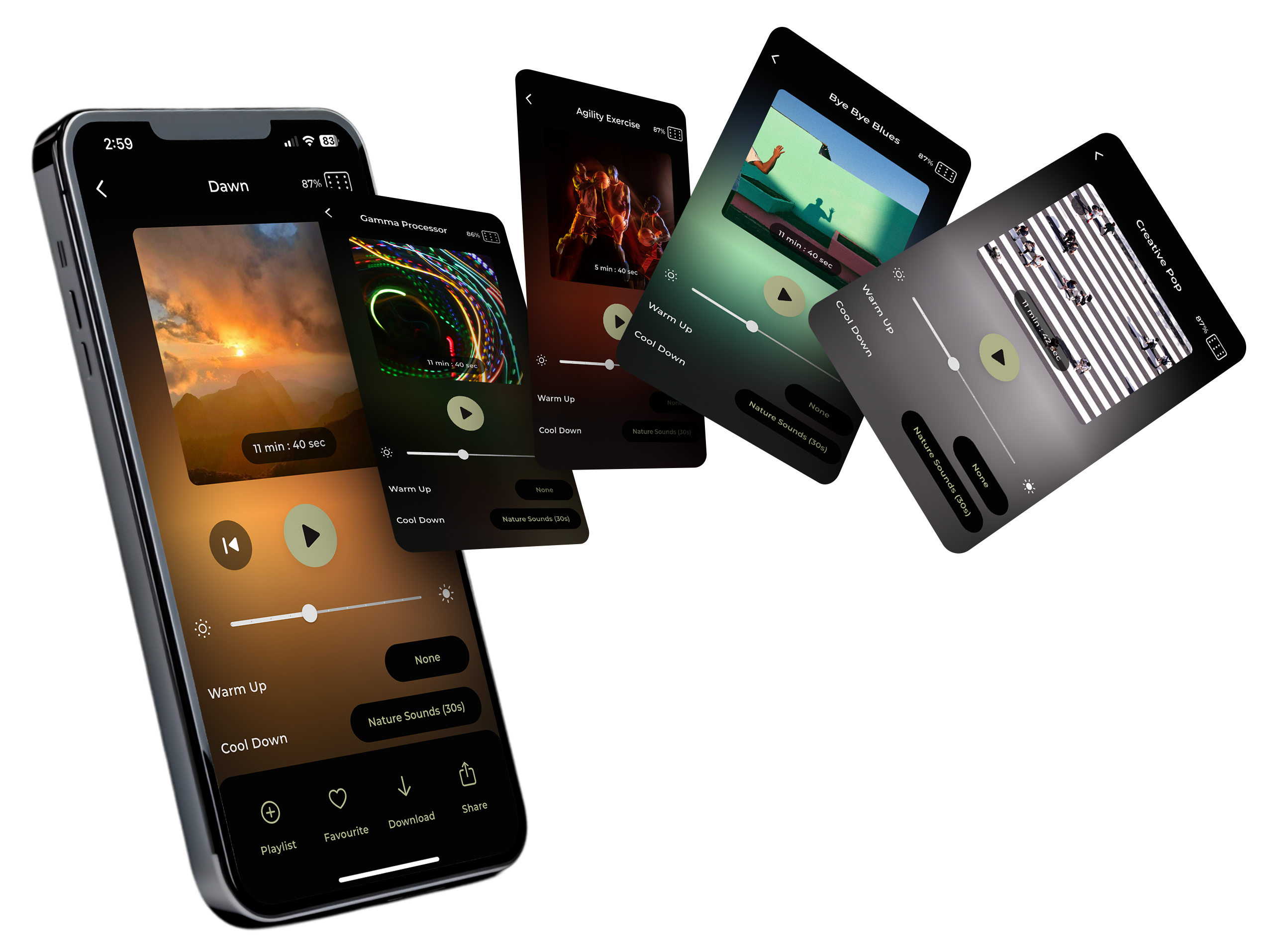
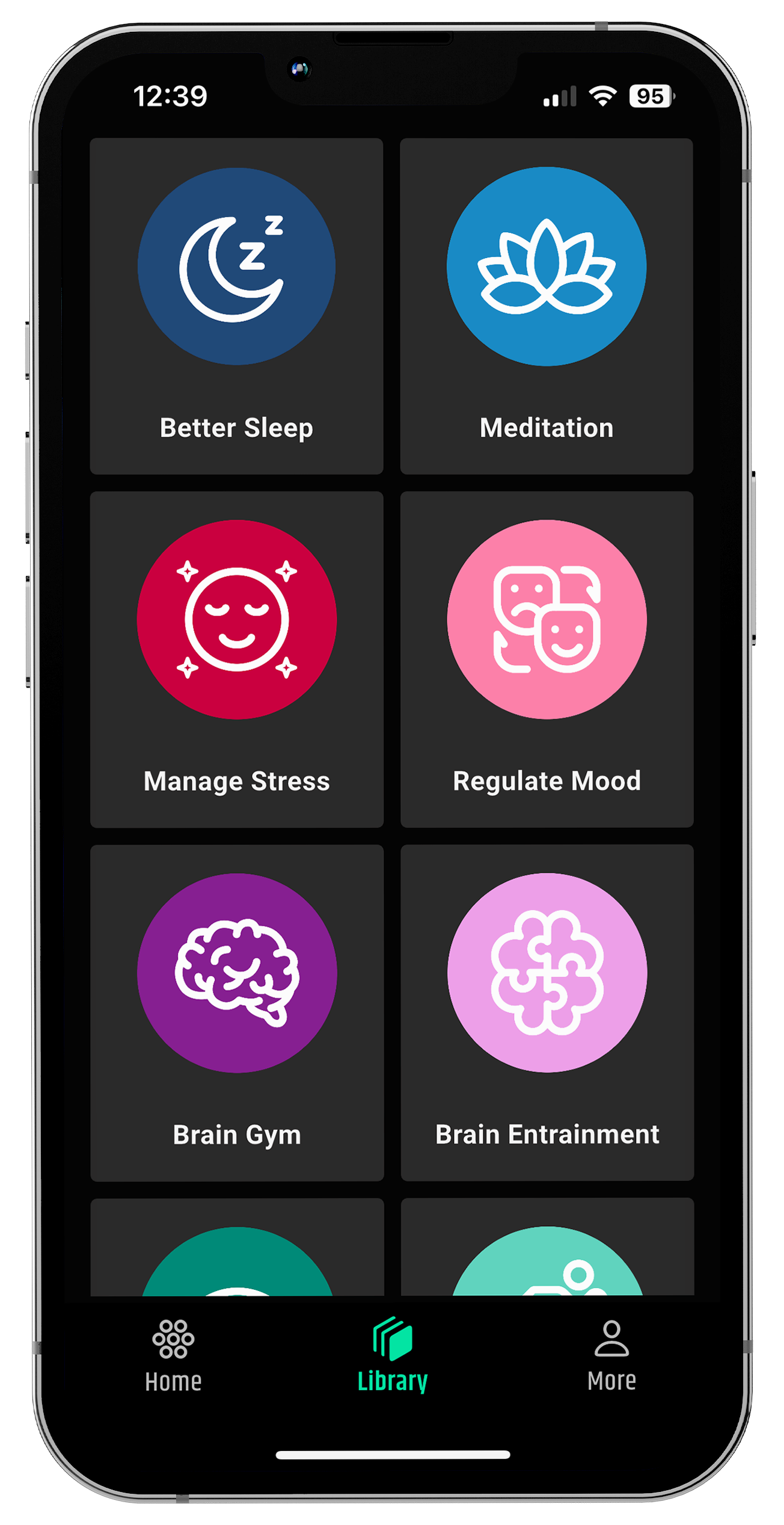
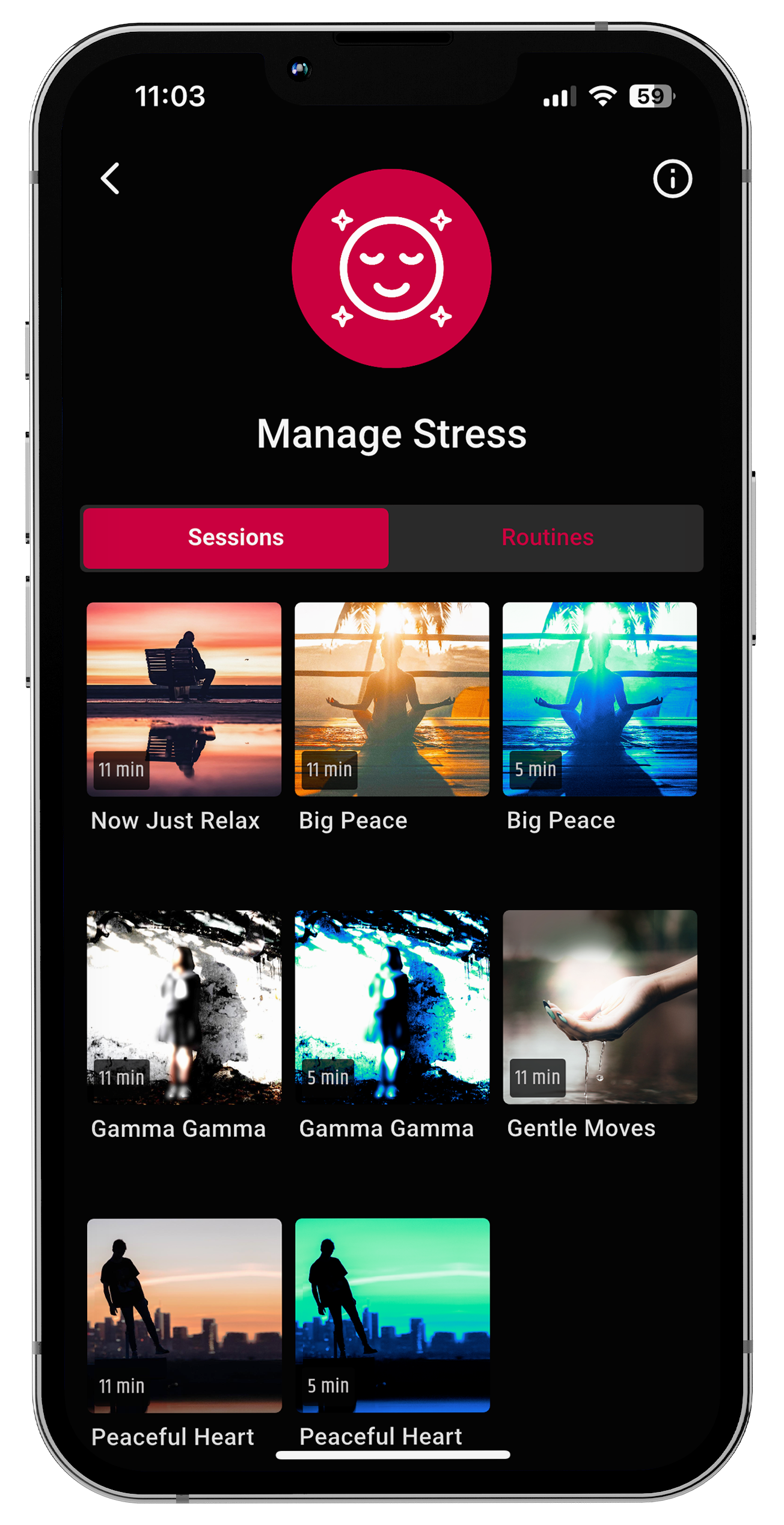
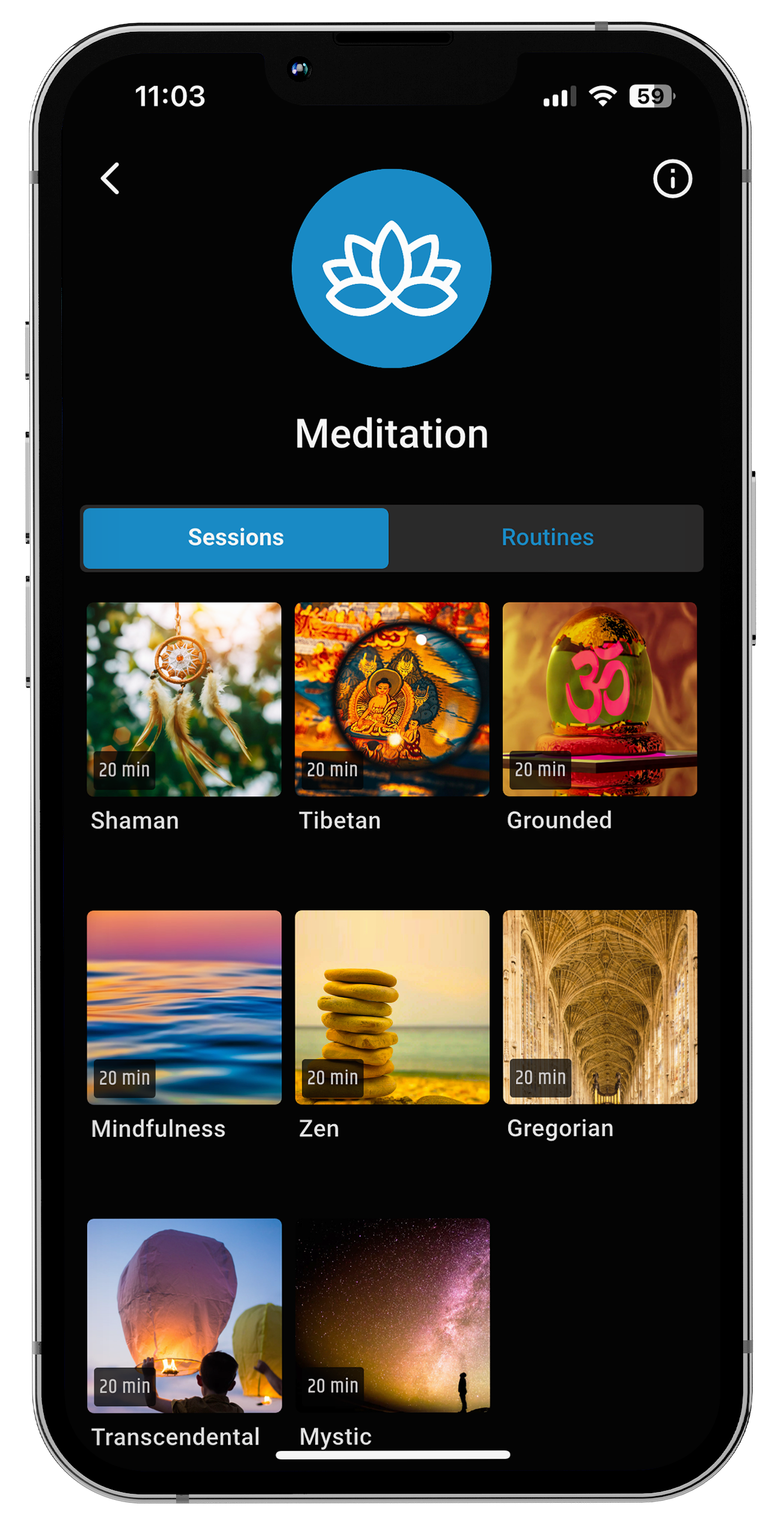
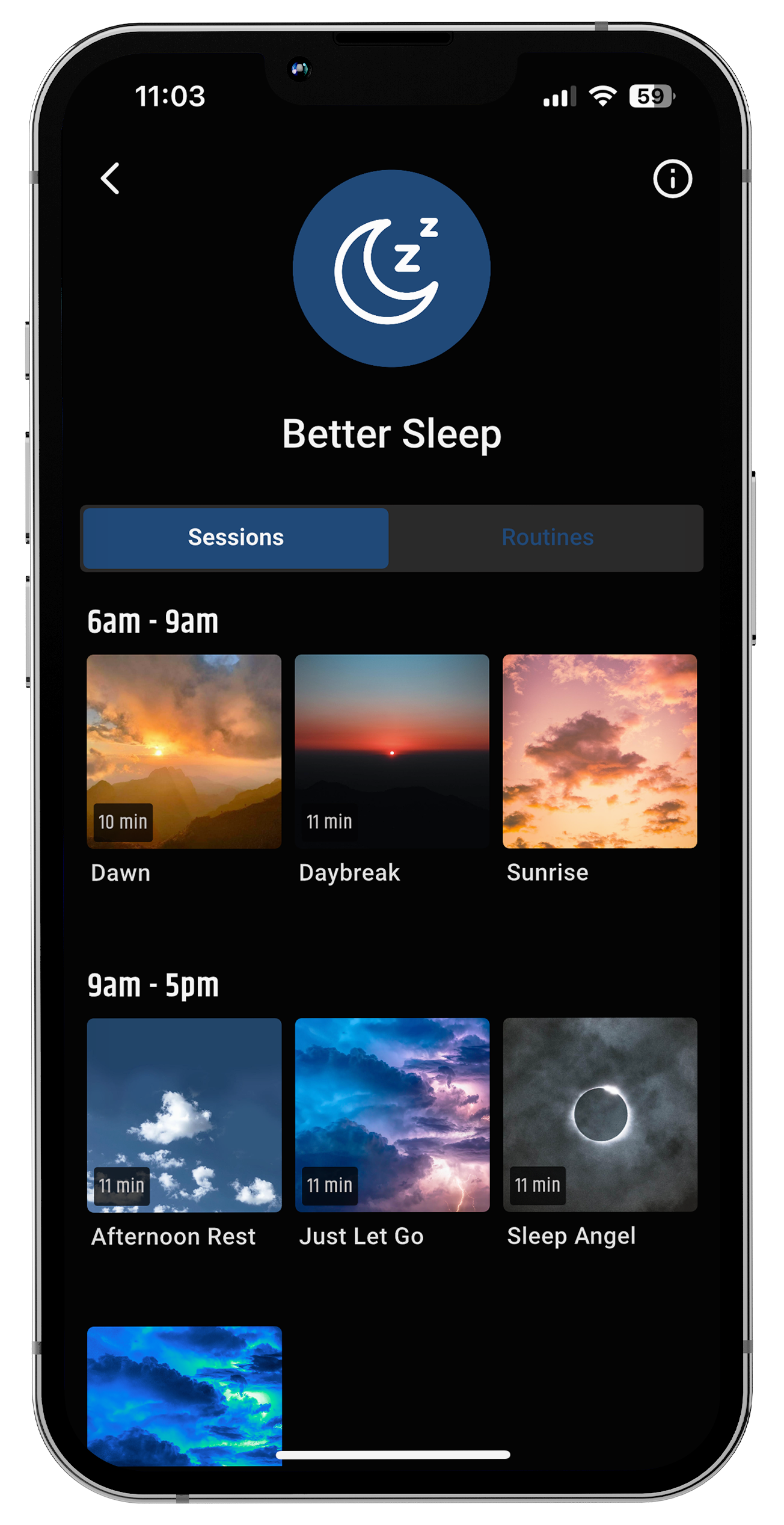
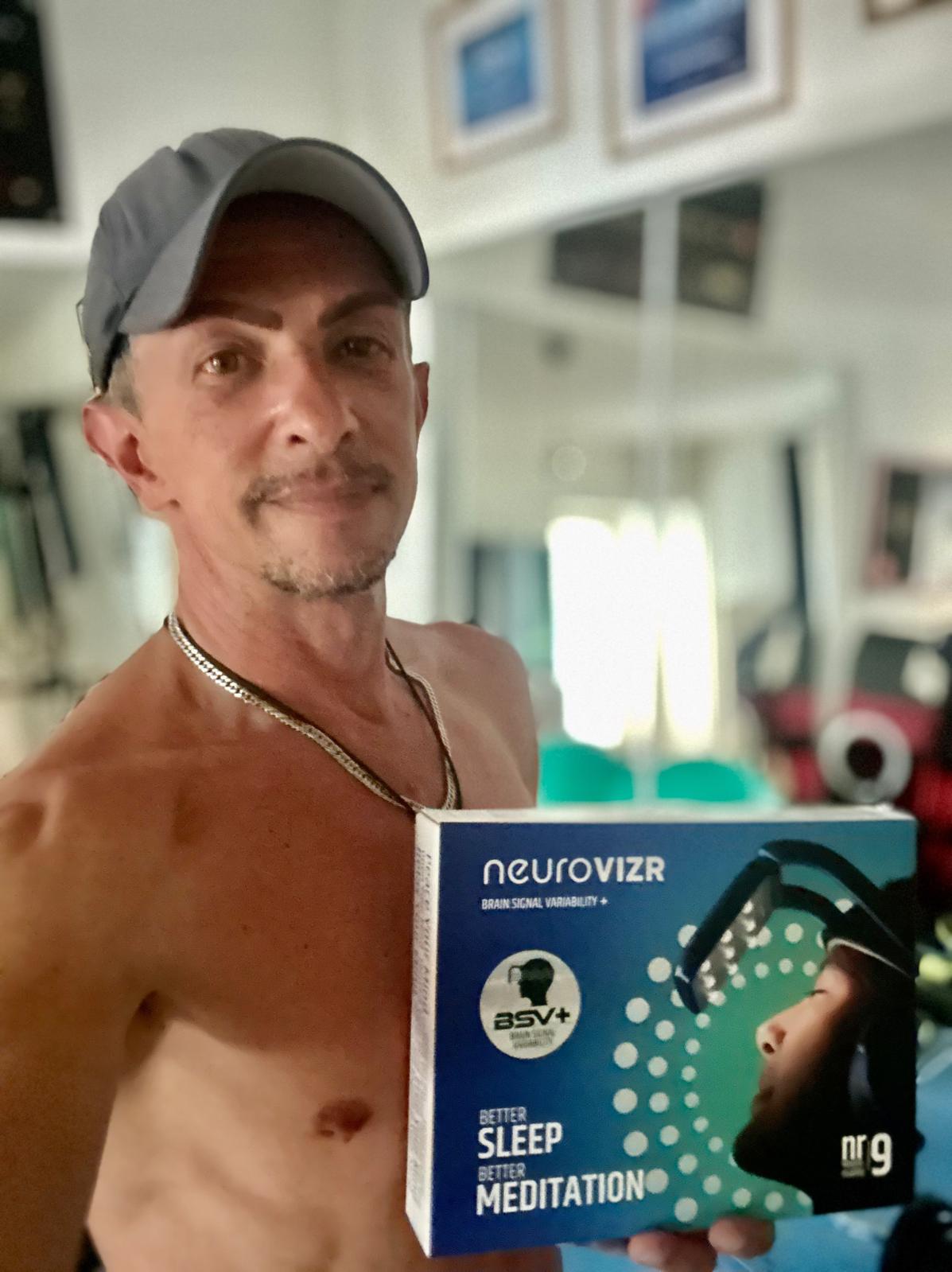
The contemporary neurofeedback has grown outside the clinical setting. Light-sound systems such as in neuroVIZR provide an approach that is non-invasive and accessible to interact with the brain rhythms.
Such systems do not require performance.
They invite coherence.
Light and sound also provide an opportunity to stimulate a smoother transition between the states of activity (such as concentrated beta) and rest (such as theta) by reacting to the signals that the brain gives in dynamically to external stimuli. This renders the experience not only supportive in terms of productivity, but recovery and health of the nervous system as well.
Integration
Neurofeedback is most effective in association with consciousness.
Following a session, one usually feels subtle differences:
-
A quieter internal dialogue
-
There is a feeling of mental openness.
-
Breathing more comfortably or physically.
Rather than analysing these changes, the most helpful method is to just observe without being judgemental.
Key Takeaways
The neurofeedback equipment assists the brain in self-regulating using a live feedback.
Such brain waves as beta and theta indicate various states of concentration and recovery.
Balance is supported by light and sound neurofeedback, which is not forceful.
The brain is to be listened to and not overruled.
A Final Thought
It is not that your brain is malfunctioning but it is reacting to the environment it has been provided with.
With the appropriate feedback, it will recollect how to change, soften and focus in the process, of course.
There are times the clarity does not involve trying harder.
It arises out of the permission of the brain to feel secure enough to transform.
FAQs
1. How does a neurofeedback device work without controlling the brain?
Neurofeedback devices don’t force the brain into a specific state. Instead, they reflect real-time brain activity back through gentle signals like light or sound. When the brain receives accurate feedback about its own patterns, it naturally begins to adjust — a process guided by neuroplasticity rather than conscious effort or control.
2. Is neurofeedback safe for everyday use?
Most modern neurofeedback systems, especially non-invasive light and sound–based technologies, are designed to be gentle and user-friendly. They work with the nervous system rather than overriding it, which is why many people describe the experience as calming and intuitive. Individual responses can vary, so listening to your body’s signals is always important.
3. What’s the difference between neurofeedback and meditation?
Meditation relies on internal awareness and attention to guide the mind into calmer or more focused states. Neurofeedback, on the other hand, provides external feedback that helps the brain recognise and adjust its own rhythms automatically. Many people find neurofeedback supportive when traditional mindfulness practices feel difficult or inconsistent.
4. Can neurofeedback help with focus and relaxation at the same time?
Yes, effective regulation isn’t about choosing between alertness or calm. Neurofeedback supports the brain’s ability to move fluidly between states, such as focused beta activity and restorative theta rhythms. This flexibility is what allows focus to feel sustainable rather than stressful.
Disclaimer
Neurofeedback and light-and-sound neurotechnology are intended to support general brain wellness, self-regulation, and awareness. They are not medical devices and are not designed to diagnose, treat, cure, or prevent any disease or neurological condition.
The information shared in this article is for educational purposes only and should not be considered medical or psychological advice. If you have a neurological condition, mental health concern, or are under medical care, please consult a qualified healthcare professional before using neurotechnology or making changes to your wellness routine.









Teilen:
What Are Stress Releasing Devices & Why You Need One
Relaxing Gifts for Women: Thoughtful Ways to Help Her Unwind, Reset, and Feel Seen