


Does Your Body Heal Faster When You Sleep?
  • Written by Gourav Rathore

Does Your Body Heal Faster When You Sleep?

It is not imagined, though, that pain is sharper, emotions more weighty, and, as it were, slow in recovery after a bad night of sleep.

Your body really sleeps better when you sleep and it is not that sleep is passive but sleep is one of the most active repair states that your nervous system can get.

It is when your body has finally finished stiffening against the world and begins to reorganize itself, cell by cell, signal by signal, that you realise you are asleep.

It is not that one should sleep more as a work rule.

It concerns the realization of the reasons why sleep is necessary to heal, on a biological, neurological, and emotional level.

When the Body Swings Survival to Repair?

Throughout the day, the nervous system is essentially geared towards vigilance and defence.

The body is always working on stimuli, stress hormones, and energy distribution to functioning even when you are calm.

Sleep changes that priority

When you fall asleep, and, more so, when you are in deep (slow-wave) sleep, your nervous system switches to a state of parasympathy, which is commonly termed as rest and repair.

In this state:

  • Heart rate slows

  • Blood pressure drops

  • Tension that is stored in muscles is released.

  • The energy is not used in vigilance but in healing.

The body does not heal when it feels that it has to be on the alert. It occurs when the body is in a safe position to heal.

Growth Hormone: Your Internal Repair Signal

One of the most important healing processes during sleep is the release of growth hormone.

This hormone:

  • Repairs muscle tissue and micro-tears

  • Supports bone and skin regeneration

  • Accelerates recovery after injury or physical stress

  • Helps regulate metabolism and cellular renewal

Growth hormone is released primarily during deep sleep, not light sleep or fragmented rest.

When deep sleep is shortened or disrupted:

  • Physical recovery slows

  • Inflammation lingers longer

  • The body remains in a low-grade repair deficit

This is why even long hours in bed don’t always equal healing if sleep quality is poor.

Sleep Enhances the Immune System

When you are asleep, your immune system is not taking a break, on the contrary, it is more coordinated and efficient.

During sleep:

There are better interactions between immune cells.

Inflammatory processes are controlled.

The body generates cytokines playing the role of fighting infection and healing tissues.

That is why sleep deprivation is attributed to:

  • Slower wound healing

  • Greater vulnerability to disease.

  • Delays in healing of infections.

Sleep is not merely a recuperation following sickness - it is training the immune system.

The Nightly Cleaning and Rewiring Process of the Brain

Your brain also performs deep-rooted maintenance when you are asleep.

During deep sleep:

  • The glymphatic eliminates metabolic waste in the brain.

  • The neurotoxins accumulated during the waking time are washed away.

  • The neural networks that are involved in learning and emotional control are healed.

REM sleep then helps:

  • Experience emotional processes.

  • Minimize emotional responsiveness.

  • Combine memories and meaning.

That is why inadequate sleep tends to exacerbate the significance of pain, emotions, and the inability to control stress better.

The brain has not been able to restore its internal environment.

Read more - sleep disorders

Cellular Repair and DNA Maintenance

At the smallest level, sleep supports:

  • DNA repair

  • Mitochondrial recovery (energy production inside cells)

  • Hormonal balance across stress, appetite, and repair systems

Without adequate sleep, cells remain in a state of incomplete recovery, which over time contributes to chronic fatigue, inflammation, and accelerated aging.

Healing isn’t just something your body does, it's something your cells prepare for during sleep.

The Emotional Side of Healing Through Sleep

Healing isn’t only physical.

When sleep improves:

  • Pain tolerance increases

  • Emotional responses soften

  • The nervous system becomes more flexible

  • The body feels safer internally

Many people blame themselves for “not healing faster,” when the real issue is that their nervous system hasn’t had enough uninterrupted time to stand down from protection mode.

We’ve seen again and again that healing the nervous system isn’t about control
It's about listening and allowing regulation to return naturally.

The problem of forcing rest sometimes does not work

Advising one to relax or sleep earlier does not consider the fact that most nervous systems are in hyper-arousal.

The brain will not relax, and, therefore, sleep remains superficial.

It is at this point where the light, sound, breath and environmental stimuli can assist in supporting brain rhythms, which can then be led back to patterns which enable deeper rest by the nervous system.

Pressure does not develop sleep quality, but regulation.

What Will Change When You Learn This 

And when you begin to think of sleep as not time off, but as a process of active healing, then something changes:

  • Rest is not idle; he is not pointless.

  • Healing is not imposed, but voluntary.

  • But you make your body a friend, not something to cure.

The faster you heal it is when you feel supported, not pushing, in your system.

A Gentle Closing Thought

Your body is already knowledgeable on how to heal.
It does that work by means of sleep.

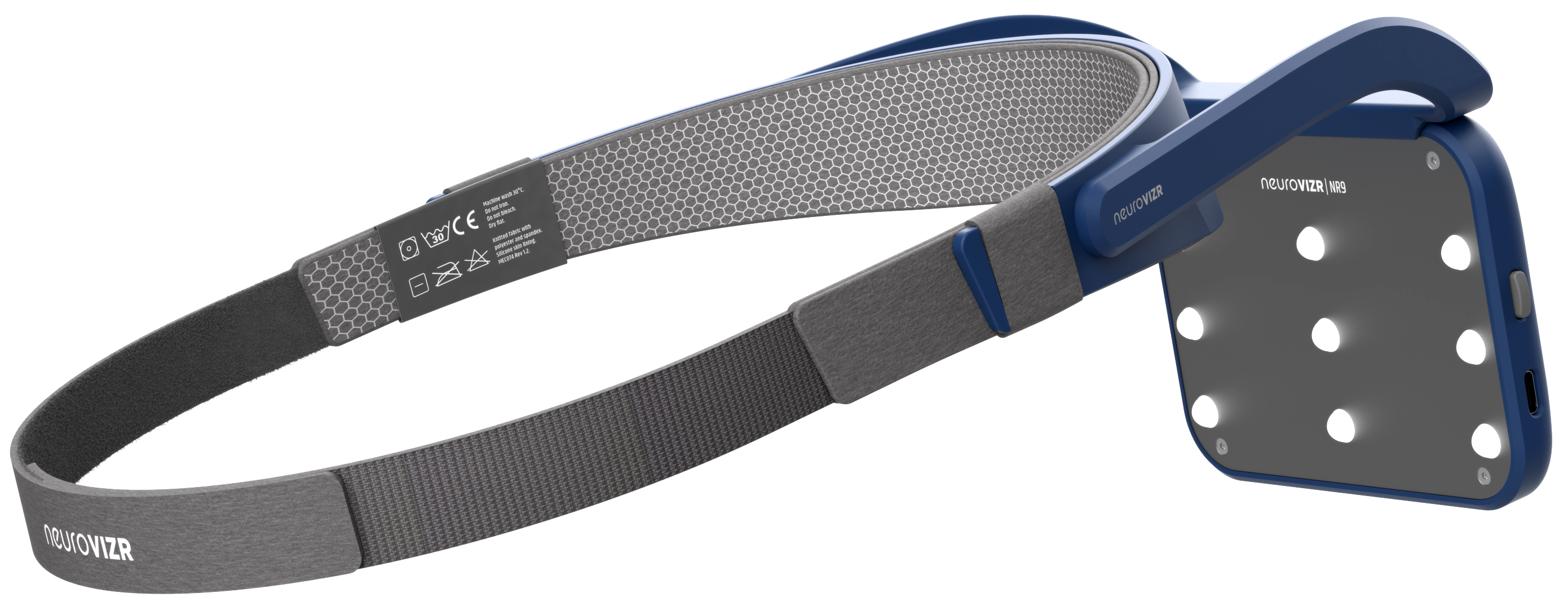
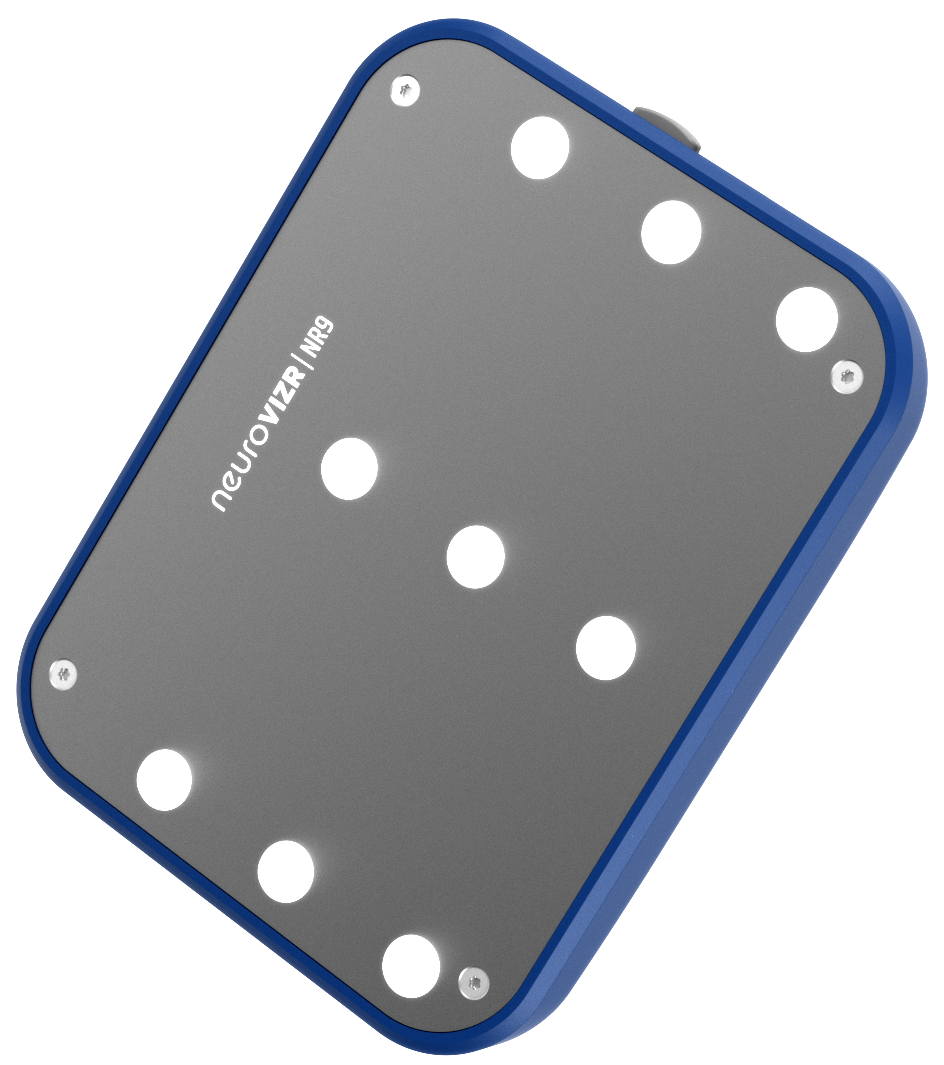
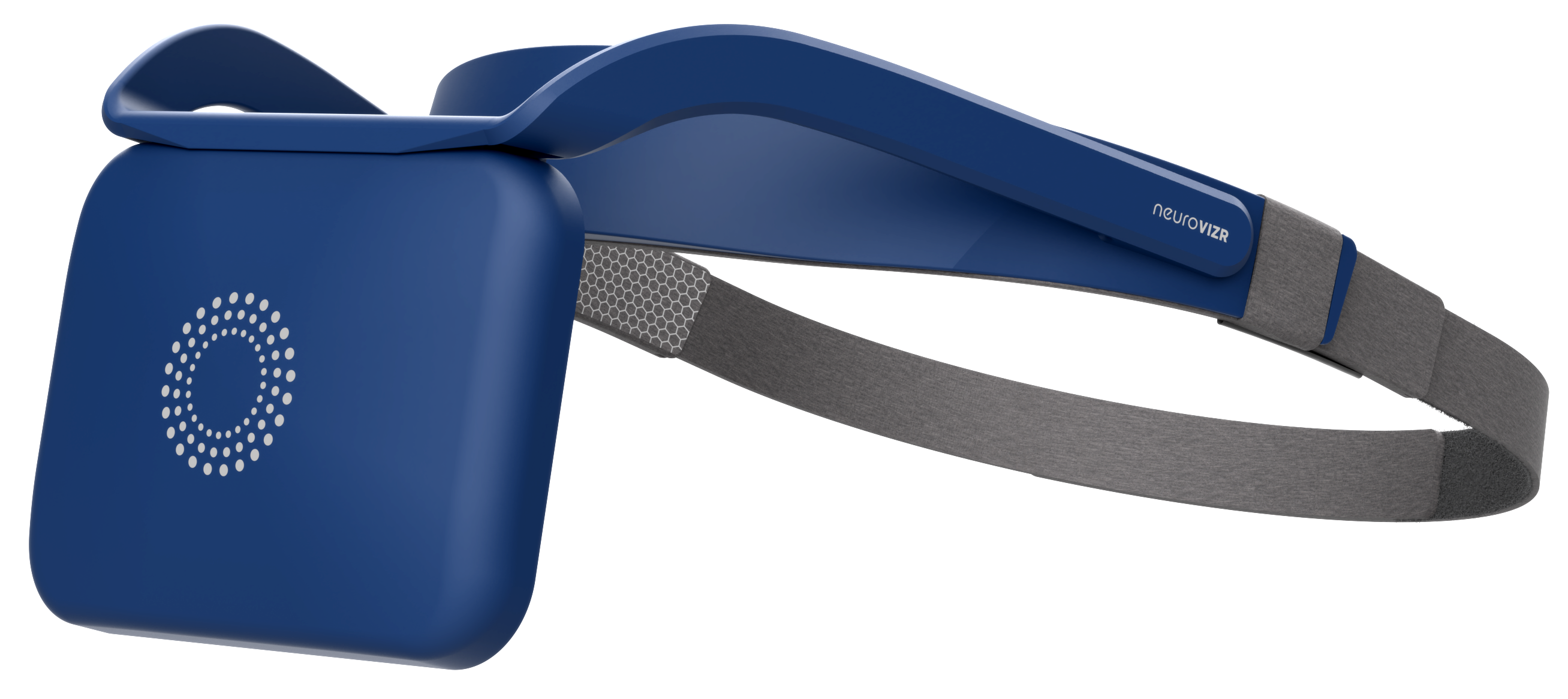
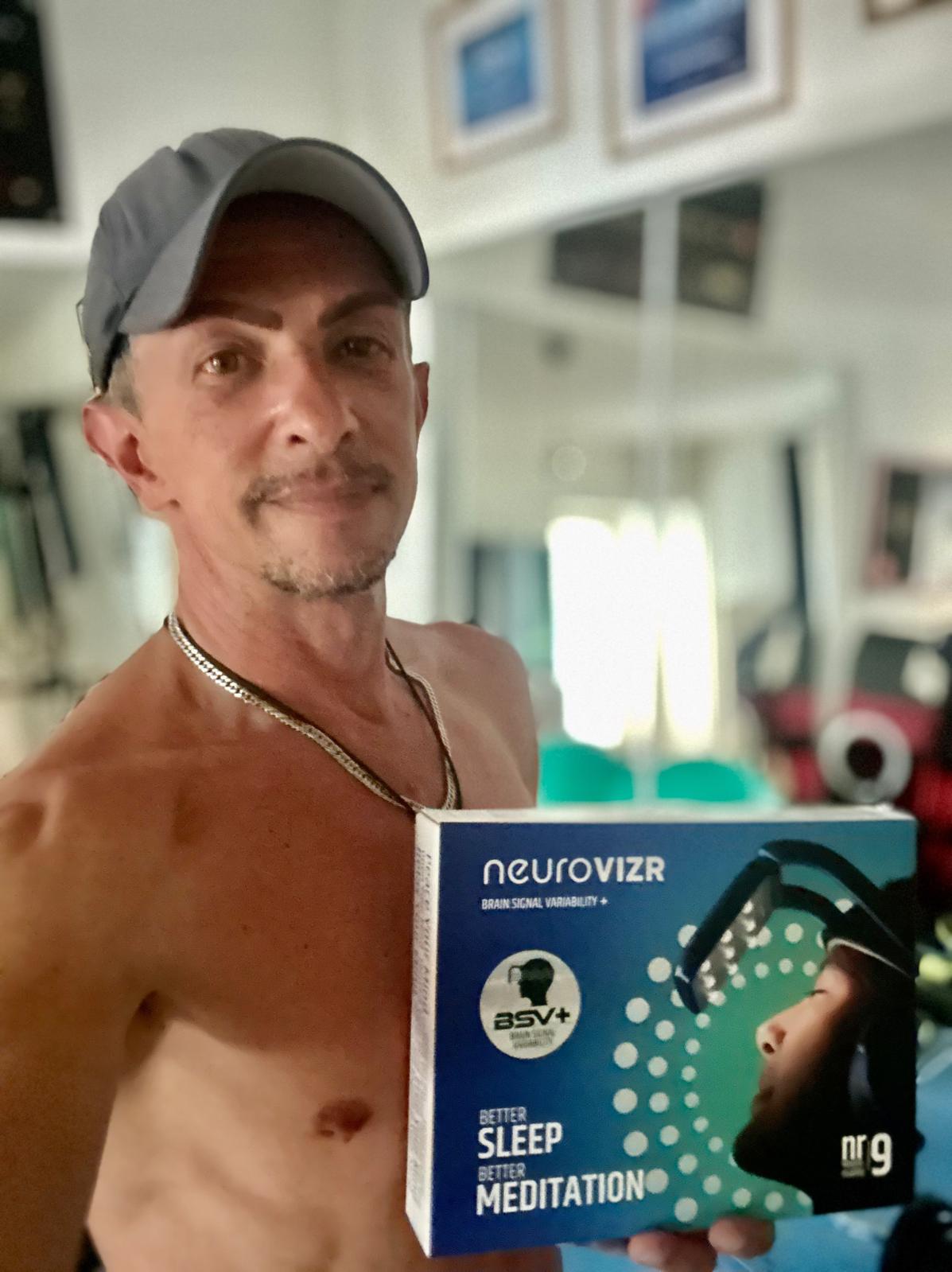
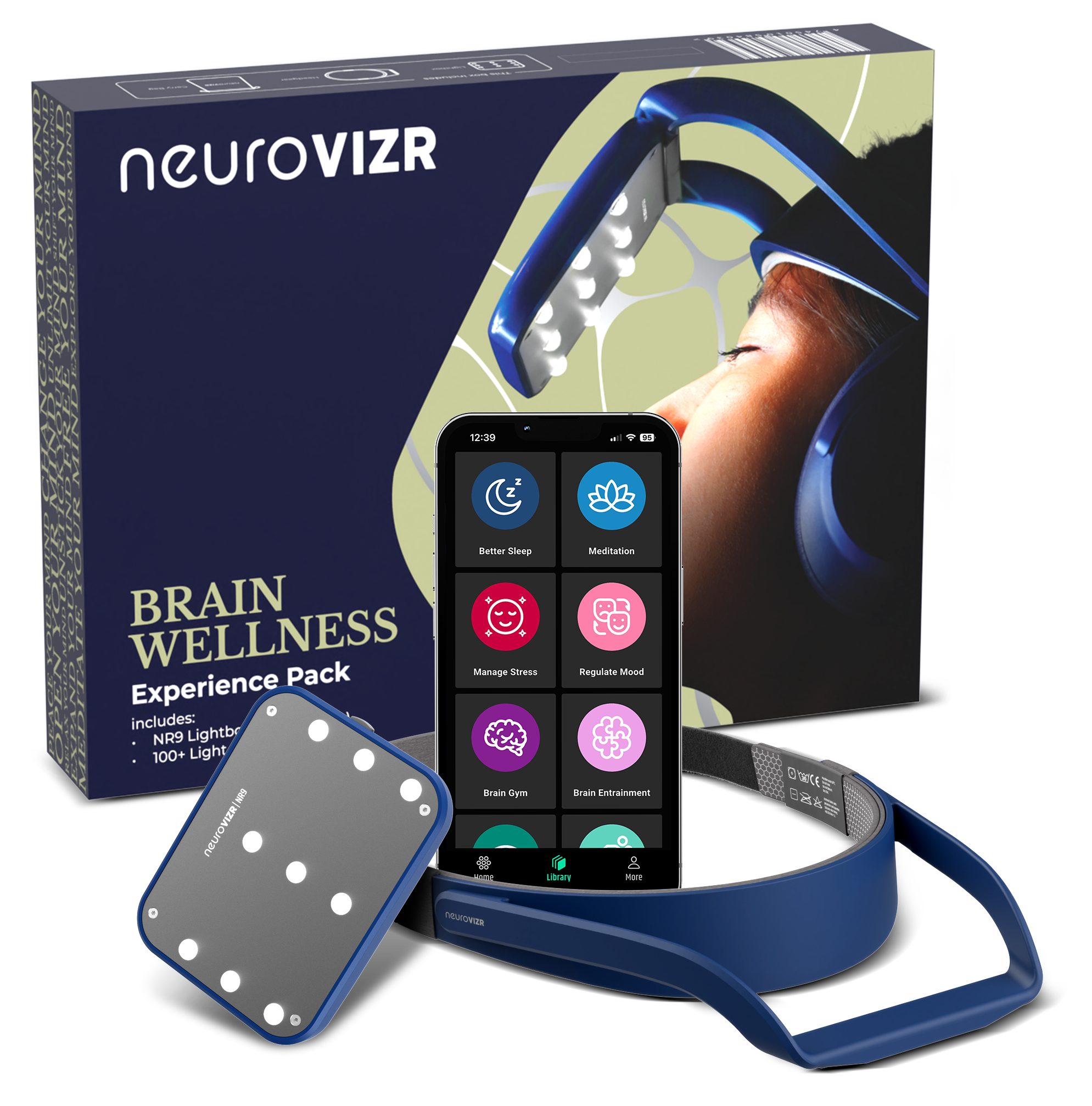
So, at neuroVIZR, we are strongly intrigued by the ways in which the brain rhythms, the regulation of the nervous system, and the mild input of sense can help enter into the states of rest and allow the body to heal, not to control it, but to cooperate with it.

FAQ’s

What kind of sleep is most important for healing?

Deep sleep is the most critical for physical healing because this is when growth hormone is released and cellular repair peaks. REM sleep is essential for emotional healing, memory integration, and nervous system balance.

Can lack of sleep slow down healing?

Absolutely. Poor or fragmented sleep reduces immune function, delays tissue repair, increases inflammation, and keeps the nervous system in a stress-dominant state all of which slow recovery.

Why do injuries and pain feel worse after poor sleep?

Sleep deprivation lowers pain tolerance and increases inflammatory signals in the brain. When the nervous system hasn’t had time to reset, pain is processed more intensely.

Does sleep help emotional healing too?

Yes. REM sleep helps process emotional experiences and reduces emotional reactivity. Without enough sleep, stress responses stay elevated, making emotional recovery harder.

Disclaimer

The information provided in this article is for educational and informational purposes only and is not intended as medical advice, diagnosis, or treatment. While the content is grounded in neuroscience research and integrative wellbeing principles, it should not be used as a substitute for professional medical guidance.

 

It is not imagined, though, that pain is sharper, emotions more weighty, and, as it were, slow in recovery after a bad night of sleep.

Your body really sleeps better when you sleep and it is not that sleep is passive but sleep is one of the most active repair states that your nervous system can get.

It is when your body has finally finished stiffening against the world and begins to reorganize itself, cell by cell, signal by signal, that you realise you are asleep.

It is not that one should sleep more as a work rule.

It concerns the realization of the reasons why sleep is necessary to heal, on a biological, neurological, and emotional level.

When the Body Swings Survival to Repair?

Throughout the day, the nervous system is essentially geared towards vigilance and defence.

The body is always working on stimuli, stress hormones, and energy distribution to functioning even when you are calm.

Sleep changes that priority

When you fall asleep, and, more so, when you are in deep (slow-wave) sleep, your nervous system switches to a state of parasympathy, which is commonly termed as rest and repair.

In this state:

  • Heart rate slows

  • Blood pressure drops

  • Tension that is stored in muscles is released.

  • The energy is not used in vigilance but in healing.

The body does not heal when it feels that it has to be on the alert. It occurs when the body is in a safe position to heal.

Growth Hormone: Your Internal Repair Signal

One of the most important healing processes during sleep is the release of growth hormone.

This hormone:

  • Repairs muscle tissue and micro-tears

  • Supports bone and skin regeneration

  • Accelerates recovery after injury or physical stress

  • Helps regulate metabolism and cellular renewal

Growth hormone is released primarily during deep sleep, not light sleep or fragmented rest.

When deep sleep is shortened or disrupted:

  • Physical recovery slows

  • Inflammation lingers longer

  • The body remains in a low-grade repair deficit

This is why even long hours in bed don’t always equal healing if sleep quality is poor.

Sleep Enhances the Immune System

When you are asleep, your immune system is not taking a break, on the contrary, it is more coordinated and efficient.

During sleep:

There are better interactions between immune cells.

Inflammatory processes are controlled.

The body generates cytokines playing the role of fighting infection and healing tissues.

That is why sleep deprivation is attributed to:

  • Slower wound healing

  • Greater vulnerability to disease.

  • Delays in healing of infections.

Sleep is not merely a recuperation following sickness - it is training the immune system.

The Nightly Cleaning and Rewiring Process of the Brain

Your brain also performs deep-rooted maintenance when you are asleep.

During deep sleep:

  • The glymphatic eliminates metabolic waste in the brain.

  • The neurotoxins accumulated during the waking time are washed away.

  • The neural networks that are involved in learning and emotional control are healed.

REM sleep then helps:

  • Experience emotional processes.

  • Minimize emotional responsiveness.

  • Combine memories and meaning.

That is why inadequate sleep tends to exacerbate the significance of pain, emotions, and the inability to control stress better.

The brain has not been able to restore its internal environment.

Read more - sleep disorders

Cellular Repair and DNA Maintenance

At the smallest level, sleep supports:

  • DNA repair

  • Mitochondrial recovery (energy production inside cells)

  • Hormonal balance across stress, appetite, and repair systems

Without adequate sleep, cells remain in a state of incomplete recovery, which over time contributes to chronic fatigue, inflammation, and accelerated aging.

Healing isn’t just something your body does, it's something your cells prepare for during sleep.

The Emotional Side of Healing Through Sleep

Healing isn’t only physical.

When sleep improves:

  • Pain tolerance increases

  • Emotional responses soften

  • The nervous system becomes more flexible

  • The body feels safer internally

Many people blame themselves for “not healing faster,” when the real issue is that their nervous system hasn’t had enough uninterrupted time to stand down from protection mode.

We’ve seen again and again that healing the nervous system isn’t about control
It's about listening and allowing regulation to return naturally.

The problem of forcing rest sometimes does not work

Advising one to relax or sleep earlier does not consider the fact that most nervous systems are in hyper-arousal.

The brain will not relax, and, therefore, sleep remains superficial.

It is at this point where the light, sound, breath and environmental stimuli can assist in supporting brain rhythms, which can then be led back to patterns which enable deeper rest by the nervous system.

Pressure does not develop sleep quality, but regulation.

What Will Change When You Learn This 

And when you begin to think of sleep as not time off, but as a process of active healing, then something changes:

  • Rest is not idle; he is not pointless.

  • Healing is not imposed, but voluntary.

  • But you make your body a friend, not something to cure.

The faster you heal it is when you feel supported, not pushing, in your system.

A Gentle Closing Thought

Your body is already knowledgeable on how to heal.
It does that work by means of sleep.

So, at neuroVIZR, we are strongly intrigued by the ways in which the brain rhythms, the regulation of the nervous system, and the mild input of sense can help enter into the states of rest and allow the body to heal, not to control it, but to cooperate with it.

FAQ’s

What kind of sleep is most important for healing?

Deep sleep is the most critical for physical healing because this is when growth hormone is released and cellular repair peaks. REM sleep is essential for emotional healing, memory integration, and nervous system balance.

Can lack of sleep slow down healing?

Absolutely. Poor or fragmented sleep reduces immune function, delays tissue repair, increases inflammation, and keeps the nervous system in a stress-dominant state all of which slow recovery.

Why do injuries and pain feel worse after poor sleep?

Sleep deprivation lowers pain tolerance and increases inflammatory signals in the brain. When the nervous system hasn’t had time to reset, pain is processed more intensely.

Does sleep help emotional healing too?

Yes. REM sleep helps process emotional experiences and reduces emotional reactivity. Without enough sleep, stress responses stay elevated, making emotional recovery harder.

Disclaimer

The information provided in this article is for educational and informational purposes only and is not intended as medical advice, diagnosis, or treatment. While the content is grounded in neuroscience research and integrative wellbeing principles, it should not be used as a substitute for professional medical guidance.


Verbessern Sie Ihre geistige Klarheit mit neuroVIZR