

How Many Hours of Sleep Are Enough for Good Health? A Neuroscience-Informed Answer
  • Written by Gourav Rathore

How Many Hours of Sleep Are Enough for Good Health? A Neuroscience-Informed Answer

You have probably wondered, am I getting enough sleep? You are not the only one.

Sleep has turned into another performance indicator to many individuals, a metric that can be optimised, monitored or remedied. And yet, the further we pursue the idea of perfect sleep the less we might seem to have.

The reality is less harsh than most counsel warrants:

The right sleep is not merely about time. It is about the safety of your brain and nervous system to really rest.

And let's see what neuroscience really says - and how to be more attentive and kind to your body.

How Much Sleep Do We Need?

Scientifically, adult humans require an average of 7-9 hours of sleep each night in order to have a healthy physical, emotional, and cognitive system.

This is the range that is related to:

  • Increased attention, memory and learning.

  • Greater emotional stability and mood.

  • Stronger immune function

  • Reduced burnout and chronic disease risks in the long term.

Nonetheless, this number is not a hard and fast rule but a range, and your brain is within that leeway.

Why Sleep Is About More Than Just Hours

Two individuals are capable of sleeping eight hours.

One awakens clear and down-to-earth.

The other wakes up troubled, foggy and already fatigued.

Neuroscience explains why.

Sleep does not mean a shutdown. It is a brain process that is active and that consists of:

  • The prefrontal brain, which reinstates concentration and decision-making.

  • The emotional reactivity recalibration of the amygdala.

  • The autonomic nervous system which alternates between alert and rest.

Sleep may be on paper long but in practice shallow when the brain remains trapped in a low-grade fight-or-flight state.

That is why it is hard to go to bed earlier and expect it to be enough.

What Lack of Sleep Does to Your Body and Mind

Insomnia (less than 6 hours of sleep per night) has been associated with:

  • Weakened emotional strength.

  • High levels of cortisol stress hormones.

  • Lack of impulse control and concentration.

  • Increased anxiety and agitation.

In the brains, the state of sleep deprivation is understood as a threat, and since the process of survival-related circuits is on, and the restorative processes are offline.

Is Oversleeping a Problem?

Sleeping over 9 -10 hours regularly will not necessarily allow concluding that something is wrong. But in a few instances it may portend:

  • Sleep quality (frequency of micro-awakenings) is poor.

  • Recurrent stress or fatigue of a nervous system.

  • Unintegrated emotional overload.

Once again, it does not really matter how long you are sleeping, but how much your brain is relaxed when you are asleep.

What Does Enough Sleep Actually Feel Like?

Neuroscience suggests another prism, rather than pursuing a particular figure.

You probably are getting sufficient restful sleep when:

  • You do not wake up with a severe dullness of the brain.

  • Your response to feelings is more proportional.

  • After rest, concentration becomes easier.

  • You do not always feel as on edge with your body.

These are indications that your nervous system is going through its normal down shift and rest process.
Read more - why does sleep feel so good

neuroVIZR’s Role in Modern Neurotechnology

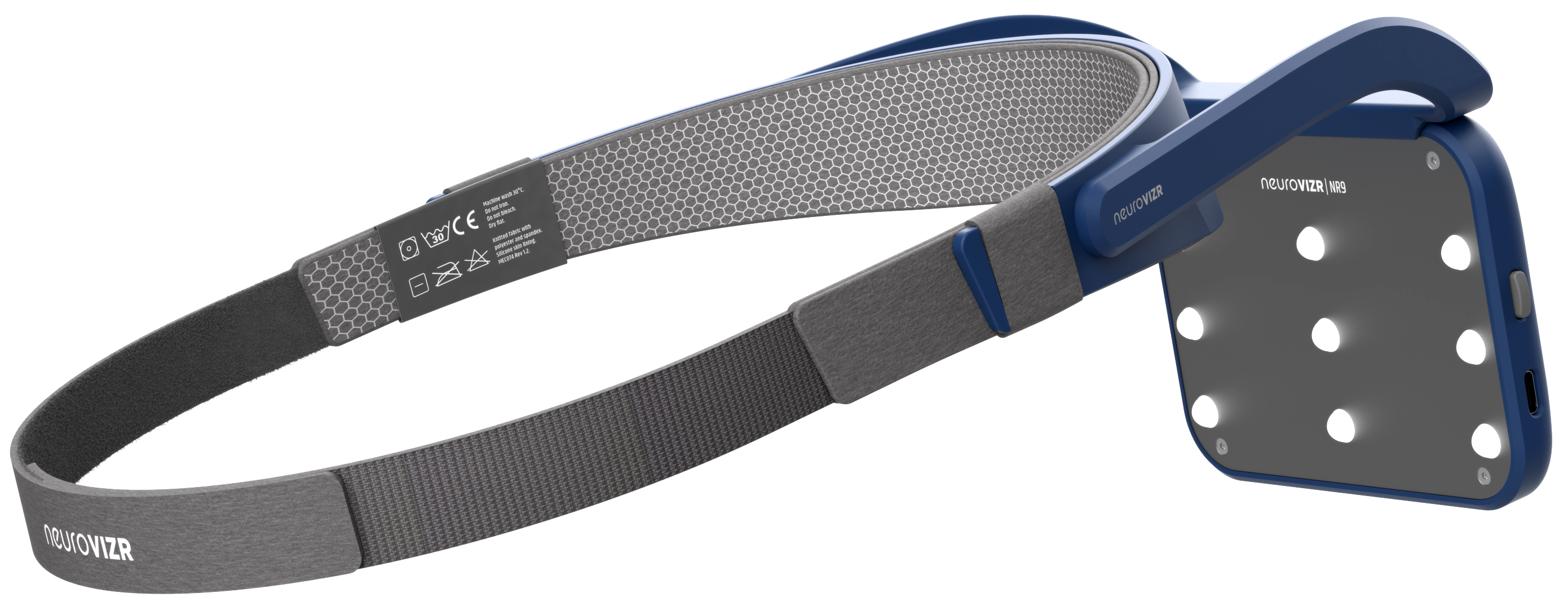
At neuroVIZR they do not emphasize the process of fixing sleep, but rather ensuring the brain states that enable restorative sleep.

Through the use of light and sound stimulation, the aim is to stimulate the nervous system:

  • Change out of chronic vigilance.

  • Gain easier access to calmer and coherent brain rhythms.

  • Provide the inner environment in which the rest will appear spontaneously.

Sleep is no longer a war, rather, it is a reaction.

Key Takeaways

  • The evidence based range of sleep in most adults is 79 hours.

  • The quality of sleep is equivalent to the duration of sleep.

  • With enough time in bed, chronic stress may inhibit restorative sleep.

  • The lacking link is often the support of the nervous system regulation.

A Gentle Reflection

Prior to the question, Did I sleep enough?

Try asking:

What does my brain have to be safe to sleep?
There is no need to work to get sleep.

Your nervous system is something that lets you do it, and the conditions are right.

FAQs

How many hours of sleep are ideal for good health?

For most adults, 7–9 hours of sleep per night supports optimal brain function, emotional regulation, immune health, and cognitive performance. However, the quality of sleep and nervous system regulation are just as important as the number of hours.

Is it unhealthy to sleep less than 6 hours a night?

Consistently sleeping under 6 hours can increase stress hormones, impair focus and memory, and reduce emotional resilience. Over time, the brain may remain in a heightened alert state, making deep, restorative sleep harder to access.

Can I still feel tired even after 8 hours of sleep?

Yes. Feeling tired after a full night’s sleep often indicates poor sleep quality, not insufficient sleep time. Factors like chronic stress, nervous system dysregulation, or frequent micro-awakenings can prevent the brain from entering restorative sleep stages.

Is sleeping more than 9 hours a bad sign?

Not always. Occasionally sleeping longer can be normal, especially during recovery periods. However, regularly needing 9–10+ hours may suggest unrefreshing sleep, emotional overload, or nervous system exhaustion rather than true rest.

Disclaimer

neuroVIZR is designed to support awareness and regulation of brain states, not to replace medical care. The insights shared here are meant to inform and empower, not to diagnose or cure. Everyone’s nervous system is different, and professional guidance is always recommended for ongoing sleep or health concerns.


 

You have probably wondered, am I getting enough sleep? You are not the only one.

Sleep has turned into another performance indicator to many individuals, a metric that can be optimised, monitored or remedied. And yet, the further we pursue the idea of perfect sleep the less we might seem to have.

The reality is less harsh than most counsel warrants:

The right sleep is not merely about time. It is about the safety of your brain and nervous system to really rest.

And let's see what neuroscience really says - and how to be more attentive and kind to your body.

How Much Sleep Do We Need?

Scientifically, adult humans require an average of 7-9 hours of sleep each night in order to have a healthy physical, emotional, and cognitive system.

This is the range that is related to:

  • Increased attention, memory and learning.

  • Greater emotional stability and mood.

  • Stronger immune function

  • Reduced burnout and chronic disease risks in the long term.

Nonetheless, this number is not a hard and fast rule but a range, and your brain is within that leeway.

Why Sleep Is About More Than Just Hours

Two individuals are capable of sleeping eight hours.

One awakens clear and down-to-earth.

The other wakes up troubled, foggy and already fatigued.

Neuroscience explains why.

Sleep does not mean a shutdown. It is a brain process that is active and that consists of:

  • The prefrontal brain, which reinstates concentration and decision-making.

  • The emotional reactivity recalibration of the amygdala.

  • The autonomic nervous system which alternates between alert and rest.

Sleep may be on paper long but in practice shallow when the brain remains trapped in a low-grade fight-or-flight state.

That is why it is hard to go to bed earlier and expect it to be enough.

What Lack of Sleep Does to Your Body and Mind

Insomnia (less than 6 hours of sleep per night) has been associated with:

  • Weakened emotional strength.

  • High levels of cortisol stress hormones.

  • Lack of impulse control and concentration.

  • Increased anxiety and agitation.

In the brains, the state of sleep deprivation is understood as a threat, and since the process of survival-related circuits is on, and the restorative processes are offline.

Is Oversleeping a Problem?

Sleeping over 9 -10 hours regularly will not necessarily allow concluding that something is wrong. But in a few instances it may portend:

  • Sleep quality (frequency of micro-awakenings) is poor.

  • Recurrent stress or fatigue of a nervous system.

  • Unintegrated emotional overload.

Once again, it does not really matter how long you are sleeping, but how much your brain is relaxed when you are asleep.

What Does Enough Sleep Actually Feel Like?

Neuroscience suggests another prism, rather than pursuing a particular figure.

You probably are getting sufficient restful sleep when:

  • You do not wake up with a severe dullness of the brain.

  • Your response to feelings is more proportional.

  • After rest, concentration becomes easier.

  • You do not always feel as on edge with your body.

These are indications that your nervous system is going through its normal down shift and rest process.
Read more - why does sleep feel so good

neuroVIZR’s Role in Modern Neurotechnology

At neuroVIZR they do not emphasize the process of fixing sleep, but rather ensuring the brain states that enable restorative sleep.

Through the use of light and sound stimulation, the aim is to stimulate the nervous system:

  • Change out of chronic vigilance.

  • Gain easier access to calmer and coherent brain rhythms.

  • Provide the inner environment in which the rest will appear spontaneously.

Sleep is no longer a war, rather, it is a reaction.

Key Takeaways

  • The evidence based range of sleep in most adults is 79 hours.

  • The quality of sleep is equivalent to the duration of sleep.

  • With enough time in bed, chronic stress may inhibit restorative sleep.

  • The lacking link is often the support of the nervous system regulation.

A Gentle Reflection

Prior to the question, Did I sleep enough?

Try asking:

What does my brain have to be safe to sleep?
There is no need to work to get sleep.

Your nervous system is something that lets you do it, and the conditions are right.

FAQs

How many hours of sleep are ideal for good health?

For most adults, 7–9 hours of sleep per night supports optimal brain function, emotional regulation, immune health, and cognitive performance. However, the quality of sleep and nervous system regulation are just as important as the number of hours.

Is it unhealthy to sleep less than 6 hours a night?

Consistently sleeping under 6 hours can increase stress hormones, impair focus and memory, and reduce emotional resilience. Over time, the brain may remain in a heightened alert state, making deep, restorative sleep harder to access.

Can I still feel tired even after 8 hours of sleep?

Yes. Feeling tired after a full night’s sleep often indicates poor sleep quality, not insufficient sleep time. Factors like chronic stress, nervous system dysregulation, or frequent micro-awakenings can prevent the brain from entering restorative sleep stages.

Is sleeping more than 9 hours a bad sign?

Not always. Occasionally sleeping longer can be normal, especially during recovery periods. However, regularly needing 9–10+ hours may suggest unrefreshing sleep, emotional overload, or nervous system exhaustion rather than true rest.

Disclaimer

neuroVIZR is designed to support awareness and regulation of brain states, not to replace medical care. The insights shared here are meant to inform and empower, not to diagnose or cure. Everyone’s nervous system is different, and professional guidance is always recommended for ongoing sleep or health concerns.


Verbessern Sie Ihre geistige Klarheit mit neuroVIZR