


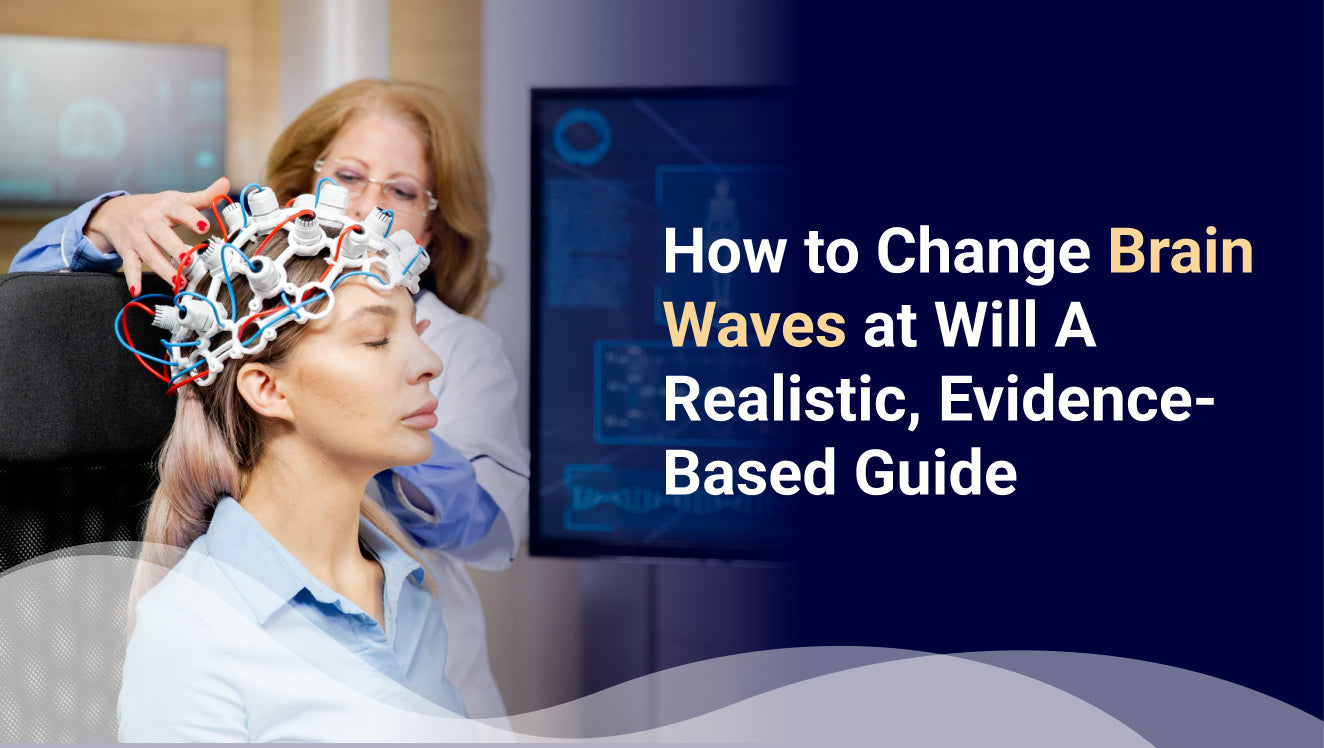
Have you ever heard that some people can “switch” their brain into relaxation mode, deep sleep mode, or peak focus simply by listening to certain sounds, meditating, or tuning their mind? The idea is alluring: if we can consciously change our brain waves, maybe we can dial our mood, focus, creativity, or even our sleep quality.
But before you buy into the hype, it’s important to ask: how realistic is it? Can you really “change brain waves at will”, or is it mostly wishful thinking? In this post, we’ll explore what science says, what works (and what doesn’t), and how you might experiment safely and responsibly.
What are brain waves?
Your brain is constantly buzzing with electrical rhythms. These rhythms called “brain waves” are patterns of synchronous neuronal activity, typically classified by their frequencies (cycles per second, or Hertz). Common frequency bands are:
-
Delta (0.5–4 Hz) — deep sleep, unconsciousness, deep healing / regeneration
-
Theta (4–8 Hz) — light sleep, deep relaxation, creativity, meditative states, memory encoding/recall
-
Alpha (8–12 Hz) — relaxed wakefulness, restful alertness, calm focus
-
Beta (12–30 Hz) — active thinking, alertness, concentration, problem-solving
-
Gamma (> 30 Hz) — high-level cognitive processing, working memory, perception, insight/“peak awareness”
Different combinations or dominances of these waves correspond to different mental or conscious states from deep sleep to flow to hyperfocus.
The science: What we know (and what we don’t)
What we do know
-
Brain waves can be measured non-invasively via techniques such as EEG
-
It is possible to train parts of the brain toward particular patterns: long-studied methods like Neurofeedback allow individuals to see real-time brain data and learn via feedback to modulate their brain activity. There is evidence such training can lead to measurable changes in behavior and brain function.
-
External rhythmic stimulation e.g., through Brainwave entrainment (BWE): sounds, light, or combined audio-visual pulses can influence brainwave patterns. Studies show that entrainment can shift brainwaves and sometimes lead to functional effects (for instance, memory improvement or reduced anxiety).
-
Meditation and mindfulness backed by EEG/MEG studies show consistent association with brainwave changes (often increased alpha/theta, decreased beta), and corresponding improvements in mental well-being, anxiety, mood.
What remains uncertain?
-
Despite many promising reports, a large review of BWE studies concluded that evidence remains weak and methodology often flawed. Many experiments lack proper control groups, standardization, and objective outcome measures.
-
It’s unclear how lasting any induced change is. For BWE or simple audio stimulation, brainwaves tend to revert back once stimulation stops. Long-term, volitional control (i.e. “at will”) is rarely demonstrated, except under carefully controlled neurofeedback protocols.
-
Mechanistic understanding is limited: we don’t fully know how sensorial stimulation (tones, lights) interacts with complex neural networks in a stable, controlled way. Some critics argue perceived effects could be placebo or due to relaxation rather than true brainwave modulation.
-
Individual differences matter: what works for one may not work for another (brain structure, baseline state, mental health, prior experience). Research rarely accounts for this variation.
In short yes, the brain can be influenced; yes, modulation is possible under certain conditions; but no turning brain-wave control into a reliable “on/off” switch for any state is science-fiction… at least not yet.
Also read - beta brain waves benefits
Methods people use to influence brain waves
Here’s a breakdown of common techniques and what to know about each:
What works and for whom
Based on current evidence and practical real-world experience, here’s what we can reasonably expect:
-
Short-term mood, relaxation, focus, anxiety/stress reduction: meditation, breathwork, audio-enforced relaxation (alpha or theta entrainment) often helpful, especially if used in a calm environment and with intention.
-
Improving attention / cognitive control: neurofeedback (with proper setup) shows promise. For example, a study from MIT demonstrated that people could improve visual attention by learning to suppress alpha-waves in one hemisphere.
-
Memory enhancement / learning: there’s evidence that entrainment to theta rhythm can boost memory performance in some tasks
-
Therapeutic uses (mental health, anxiety, sleep, etc.): neurofeedback and AVE have been explored; some results promising, but more rigorous clinical trials are needed.
Who should be cautious or avoid: people with epilepsy or light-sensitive disorders (flickering lights can trigger seizures), those expecting quick “magical” results, or people relying solely on audio entrainment without a healthy lifestyle, mental-health self-care, or professional guidance.
Practical, evidence-based protocol: 4-week starter plan
If you want to experiment responsibly here’s a simple plan combining research-backed methods:
Week 0 — baseline logging
Keep a daily journal of sleep quality, mood, focus, stress. No special practices yet.
Weeks 1–2 — Build meditation + breathwork habit
- 15–20 minutes/day of simple breathwork (e.g. deep diaphragmatic breathing, alternate-nostril, or “4-7-8” technique) plus a short guided mindfulness or body-scan meditation.
- After each session, log how you feel, any changes in mood, clarity, sleep.
Weeks 3–4 — Add gentle audio entrainment (alpha or theta)
- Use headphones; choose a reputable binaural-beat or isochronic-tone track (preferably with moderate volume). <br> - 20–30 minutes, 3–4 times per week in a quiet, relaxed setting (not while multitasking).
- Continue journaling: notice if mood, focus, sleep or creativity shifts.
- Optional (if available): Try neurofeedback / guided biofeedback
- If you have access to a neurofeedback practitioner or device try a few sessions to see if you can learn to control your brain activity over time.
Review after 4 weeks
Compare with baseline: any consistent changes in mood, focus, sleep, memory, creative output? Decide whether to continue, pause, or adjust.
Important caveats: Be patient. Don’t expect “instant brainwave control.” Use as supplementary support not magic pills. Avoid overstimulation. And if you have neurological or psychological conditions, consult a professional before trying entrainment or neurofeedback.
Common misconceptions & pitfalls
-
“Instant control over brain waves” — unrealistic. Studies show modulation is possible, but stable control usually requires training (neurofeedback) and repeated practice.
-
“Audio entrainment = guaranteed transformation” — not supported by strong evidence; many outcomes may be due to relaxation, placebo, or lifestyle.
-
“More is better” — overuse of stimulation (especially AVE or high-frequency sound) can lead to overstimulation, discomfort, or even risks (for those prone to photosensitivity).
-
Neglecting lifestyle & mental health — brainwaves don’t exist in a vacuum. Sleep, diet, stress, emotional health, neurodiversity all matter.
Future directions & what science still needs
-
Larger, more rigorous randomized controlled trials (RCTs) for BWE/neurofeedback with standardized protocols.
-
Long-term follow-ups to examine whether gains (attention, memory, emotional regulation) persist.
-
Better mechanistic understanding: how do rhythmic stimuli interact with brain networks? Which brain regions, oscillations, and neural plasticity pathways are involved?
-
Personalization: research into what works for whom considering age, baseline brain state, mental health, neurodivergence.
Most audio or audio-visual entrainment tools rely on a single sensory channel either sound (binaural beats) or light. The challenge is that single-channel entrainment often creates short-lived or inconsistent changes in brainwave activity. This is why many people struggle to feel noticeable improvements.
This is also where multisensory stimulation has started gaining attention in neuroscience because the brain responds more strongly when two or more sensory inputs are synchronized.
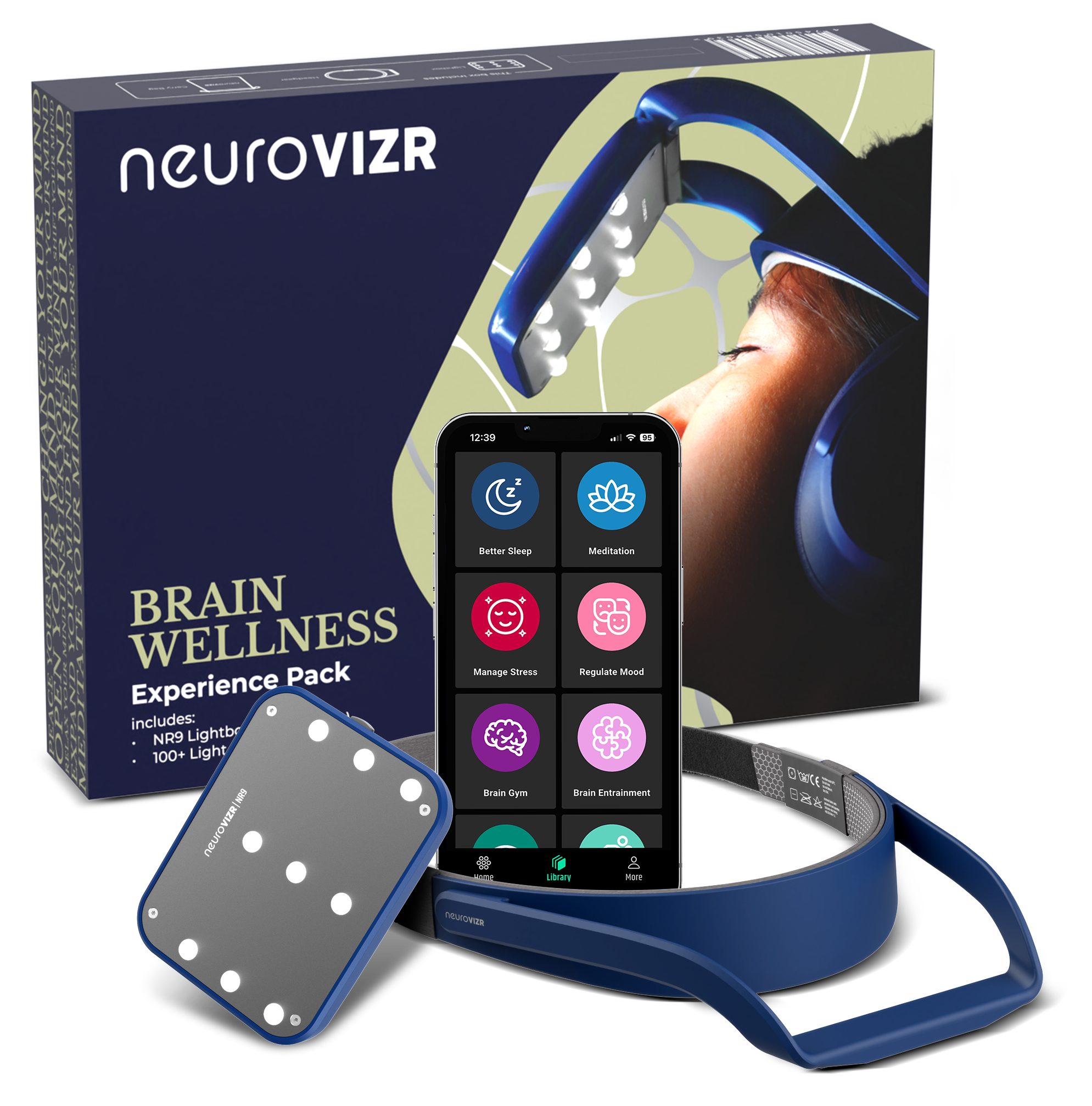
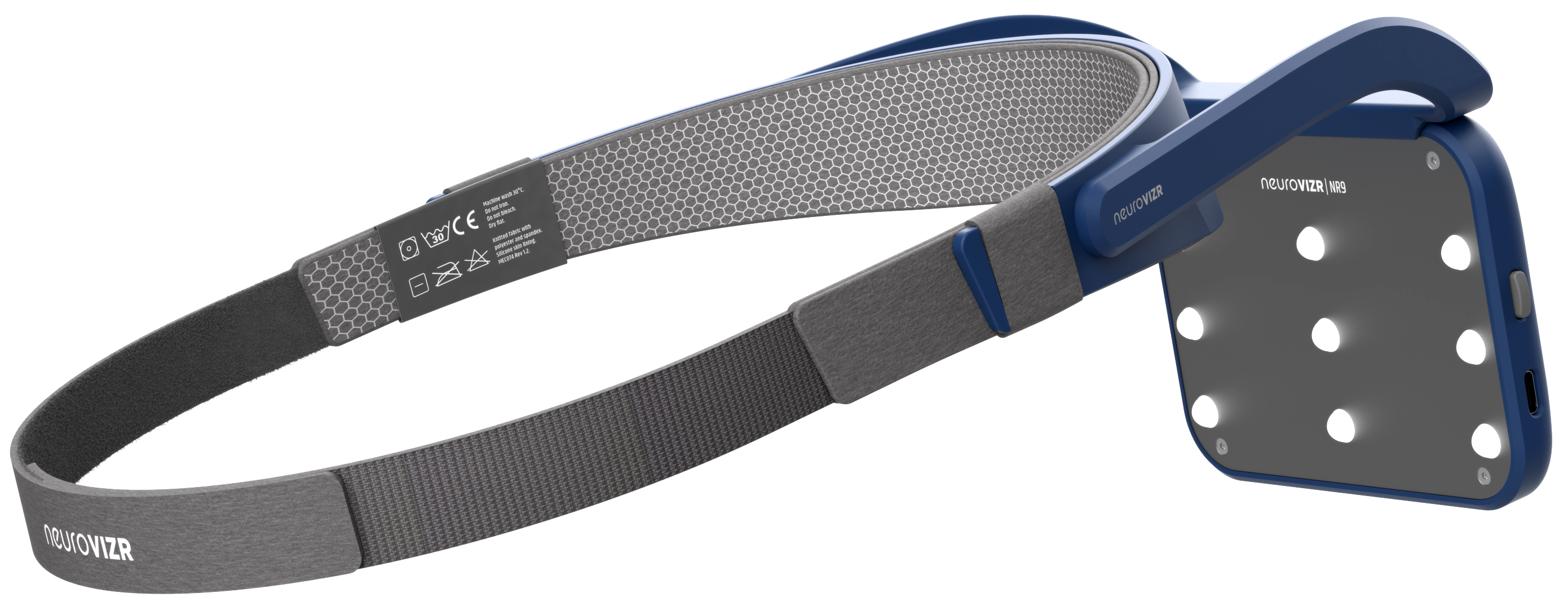
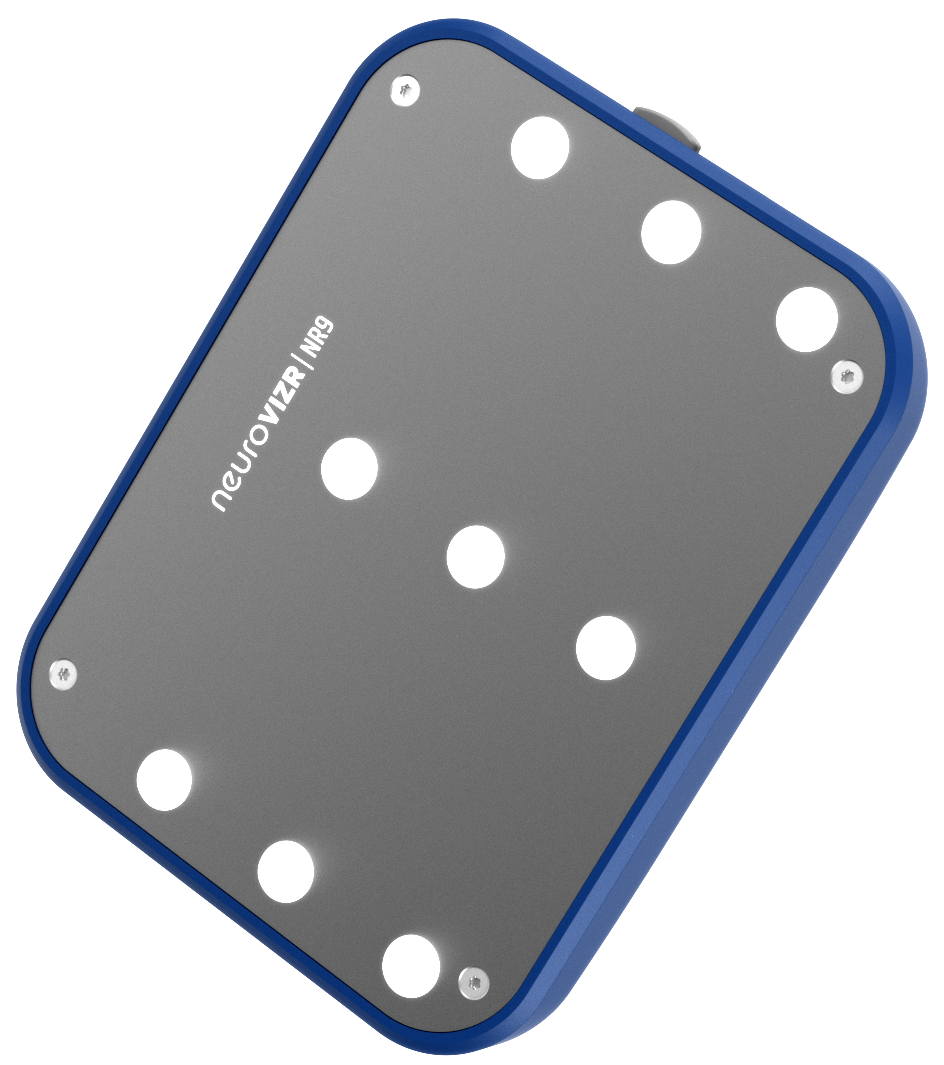
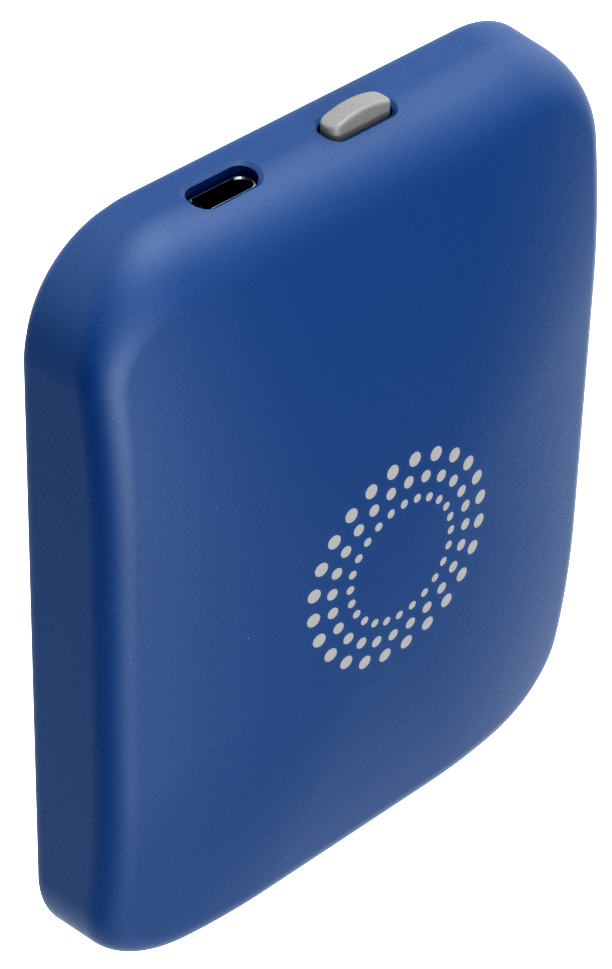
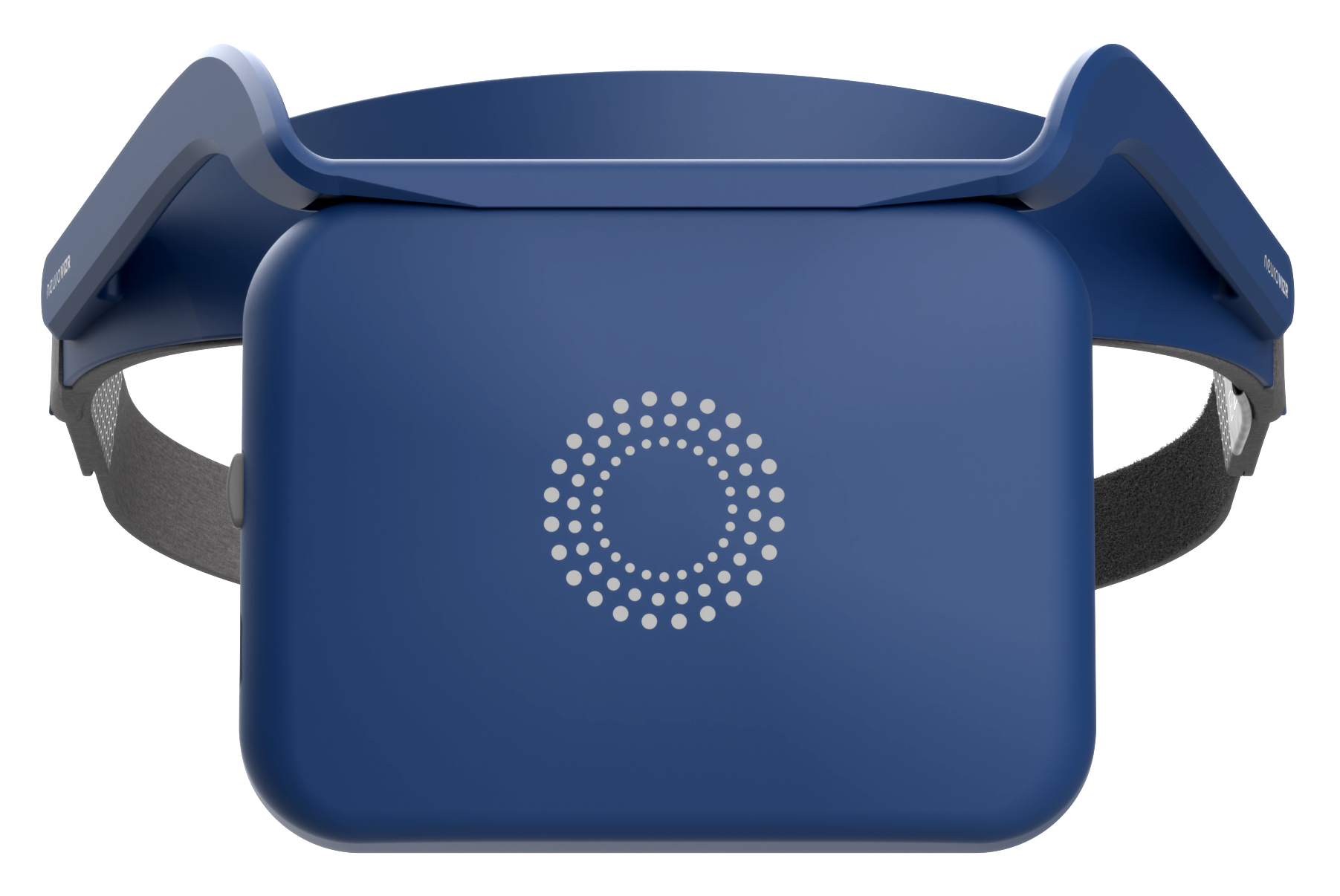
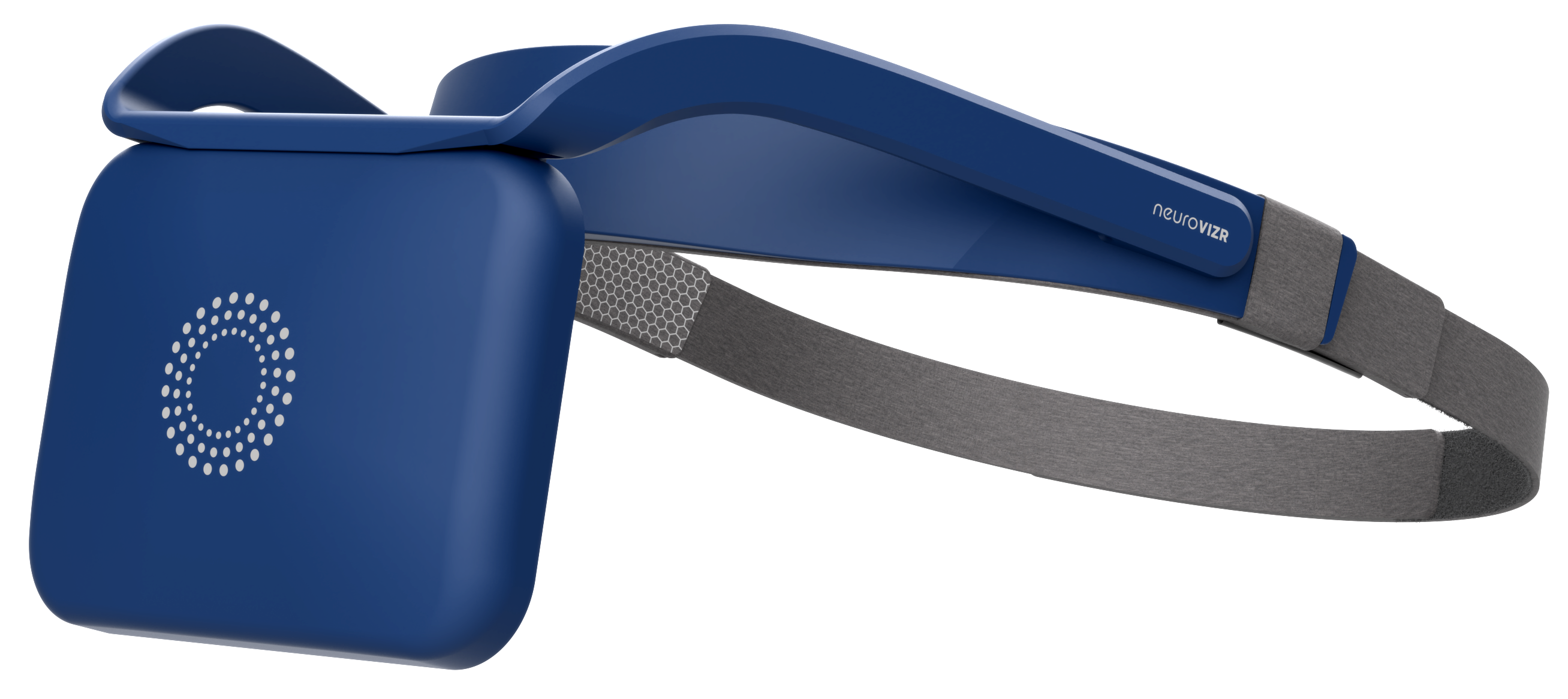
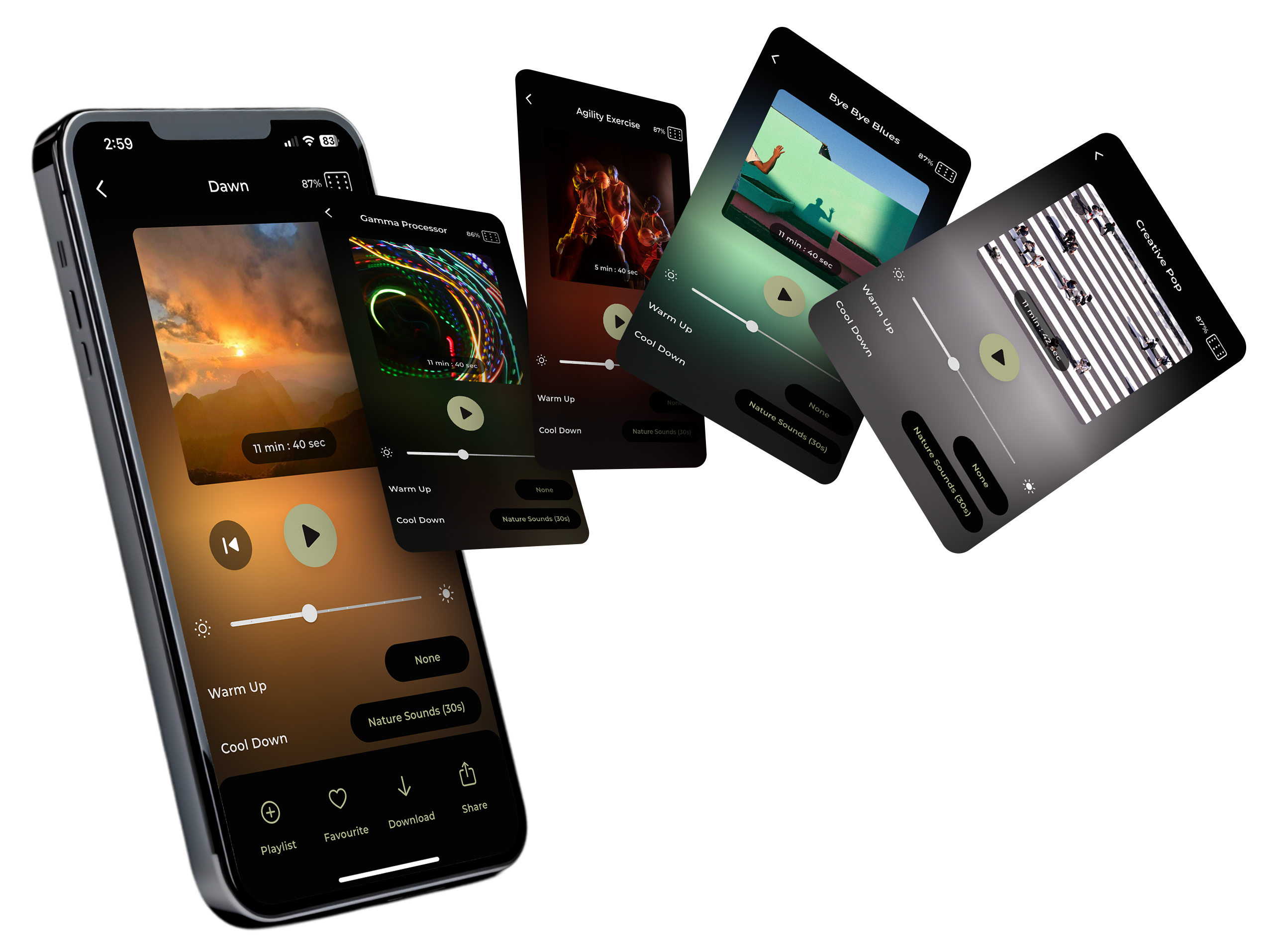
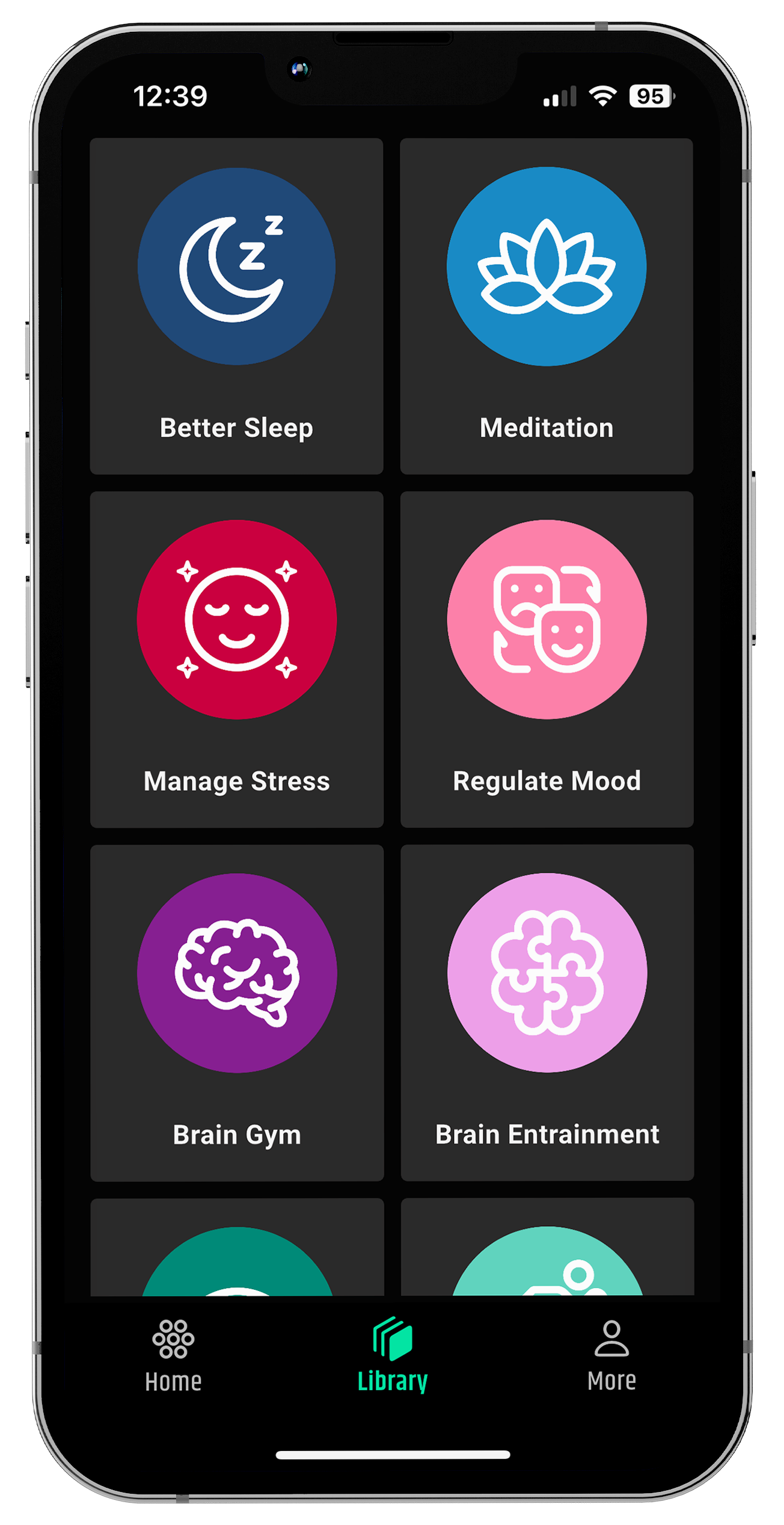
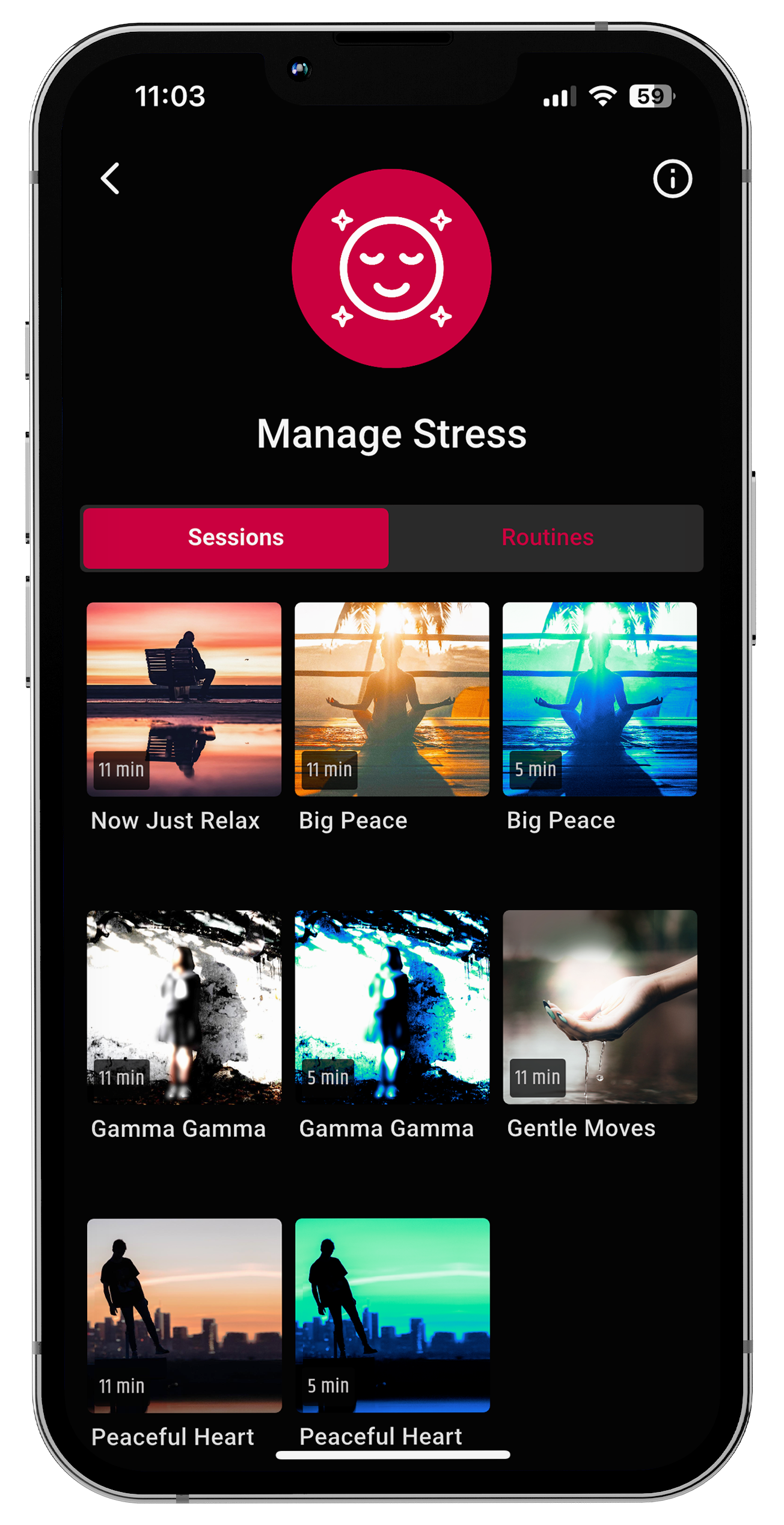
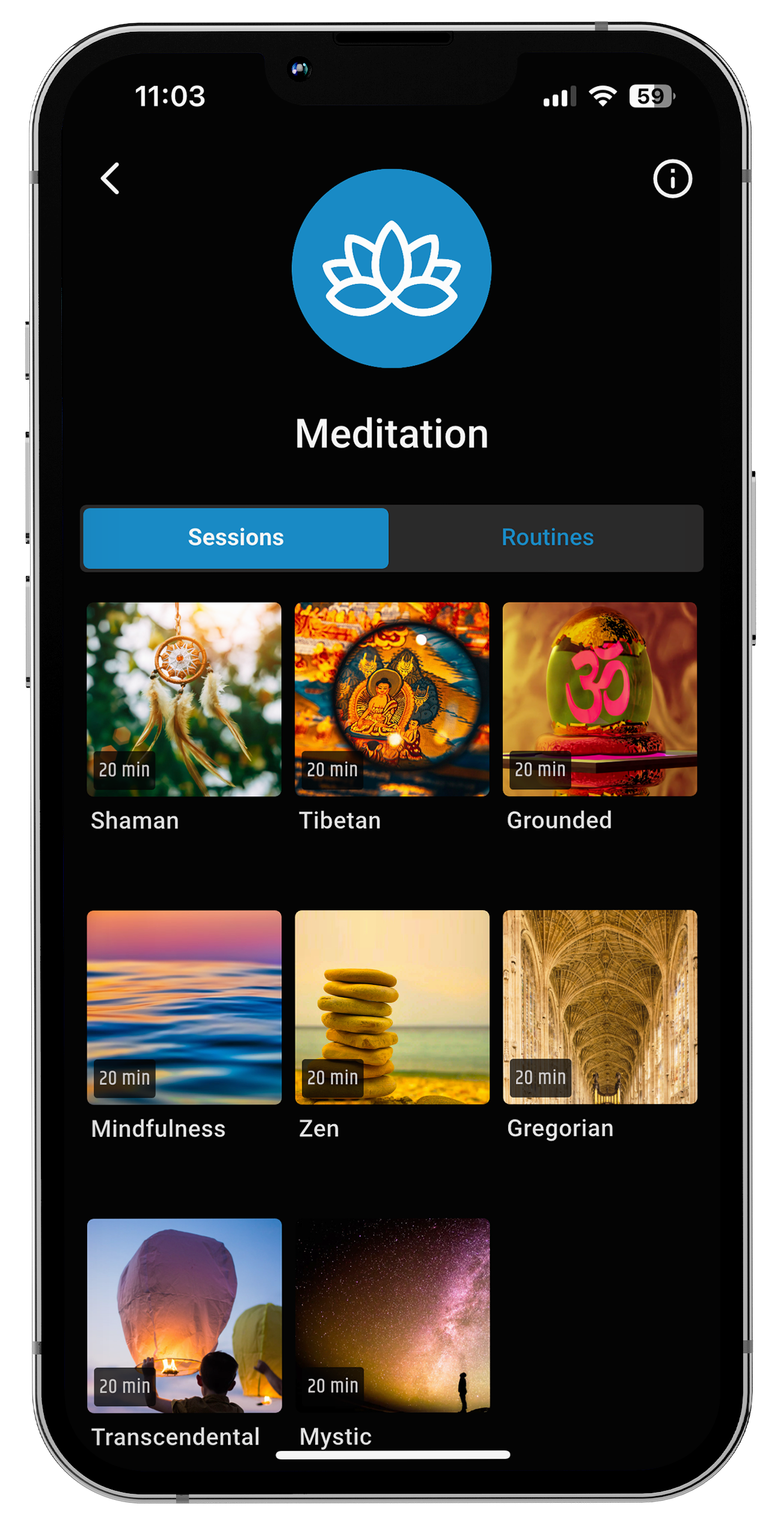
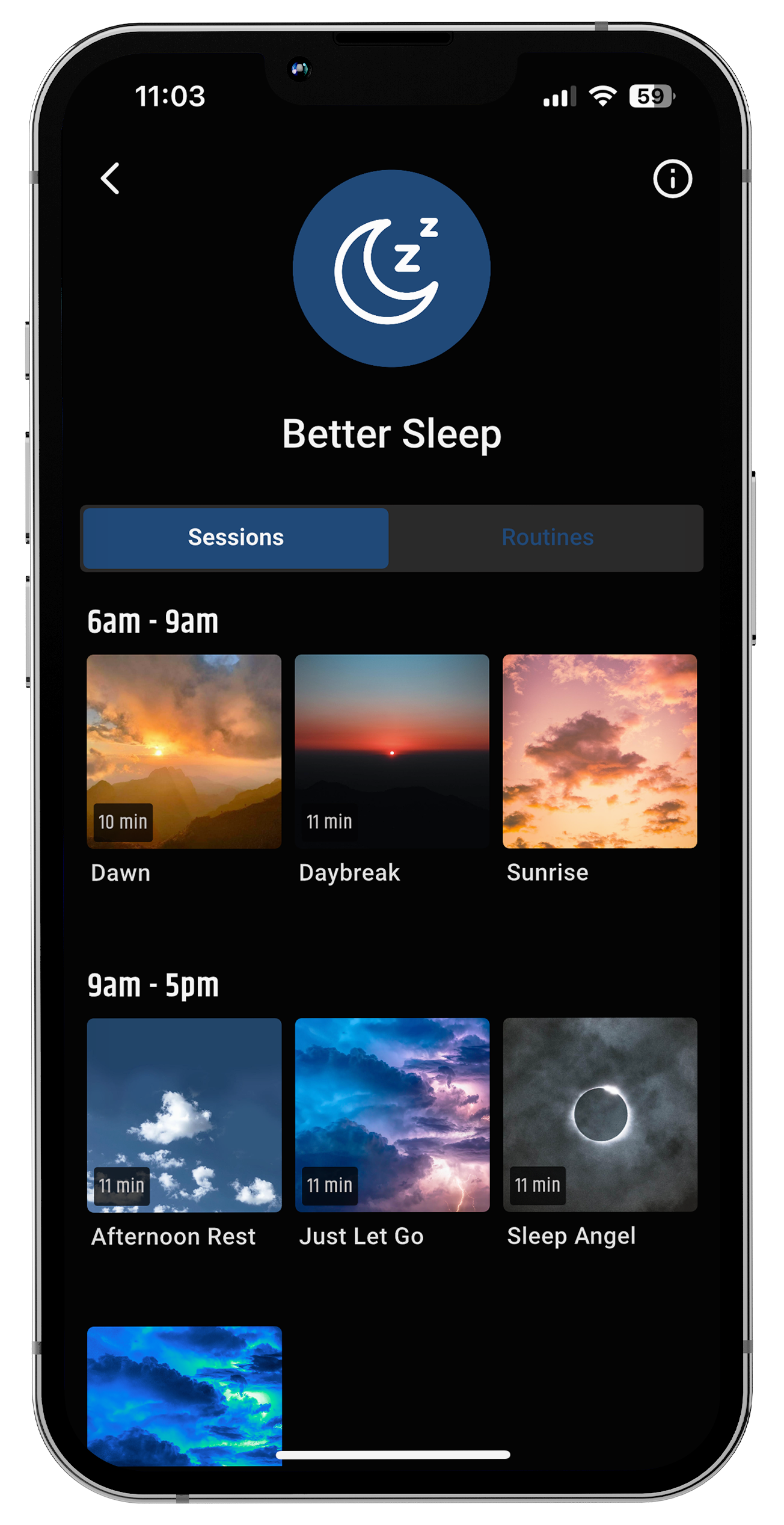
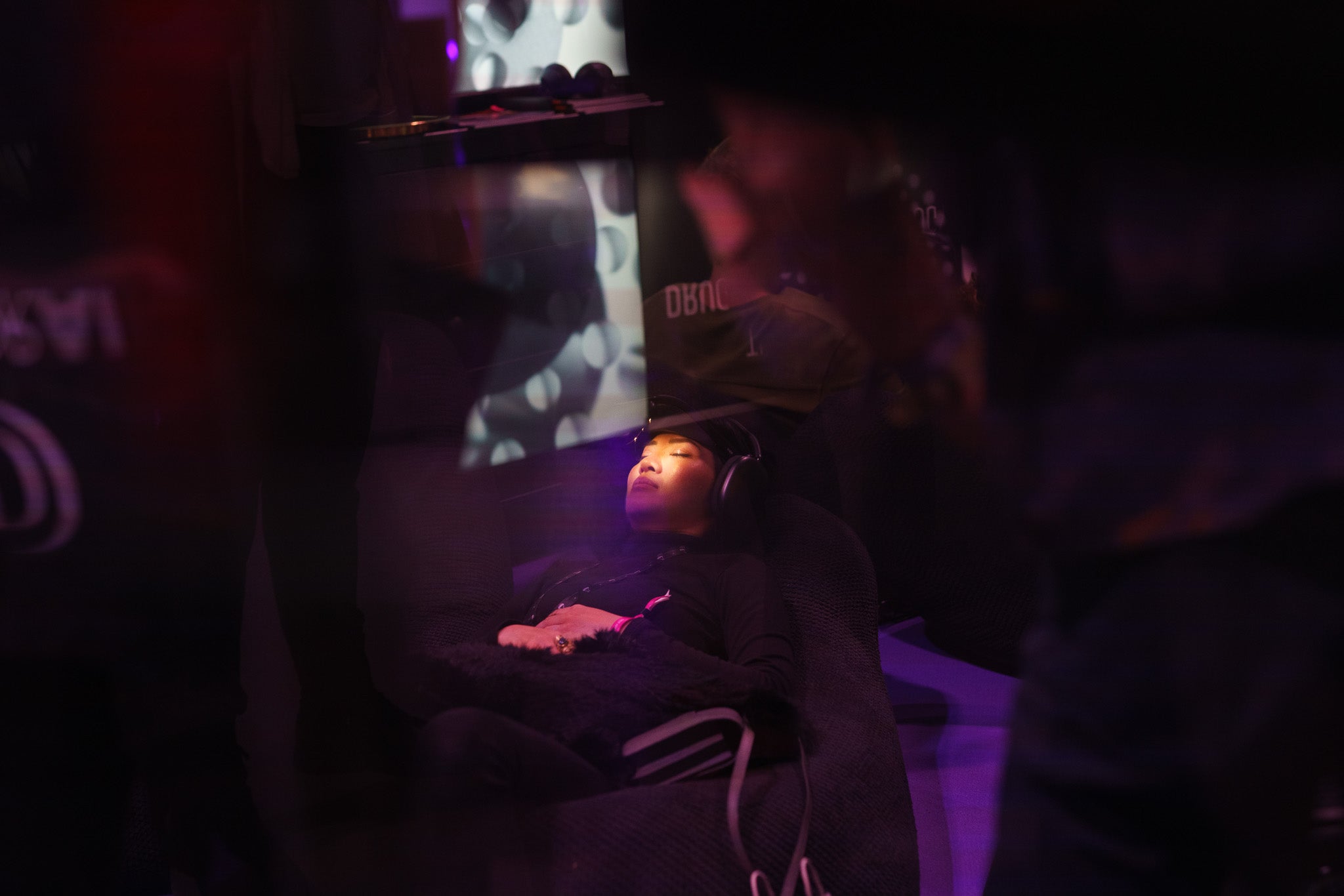
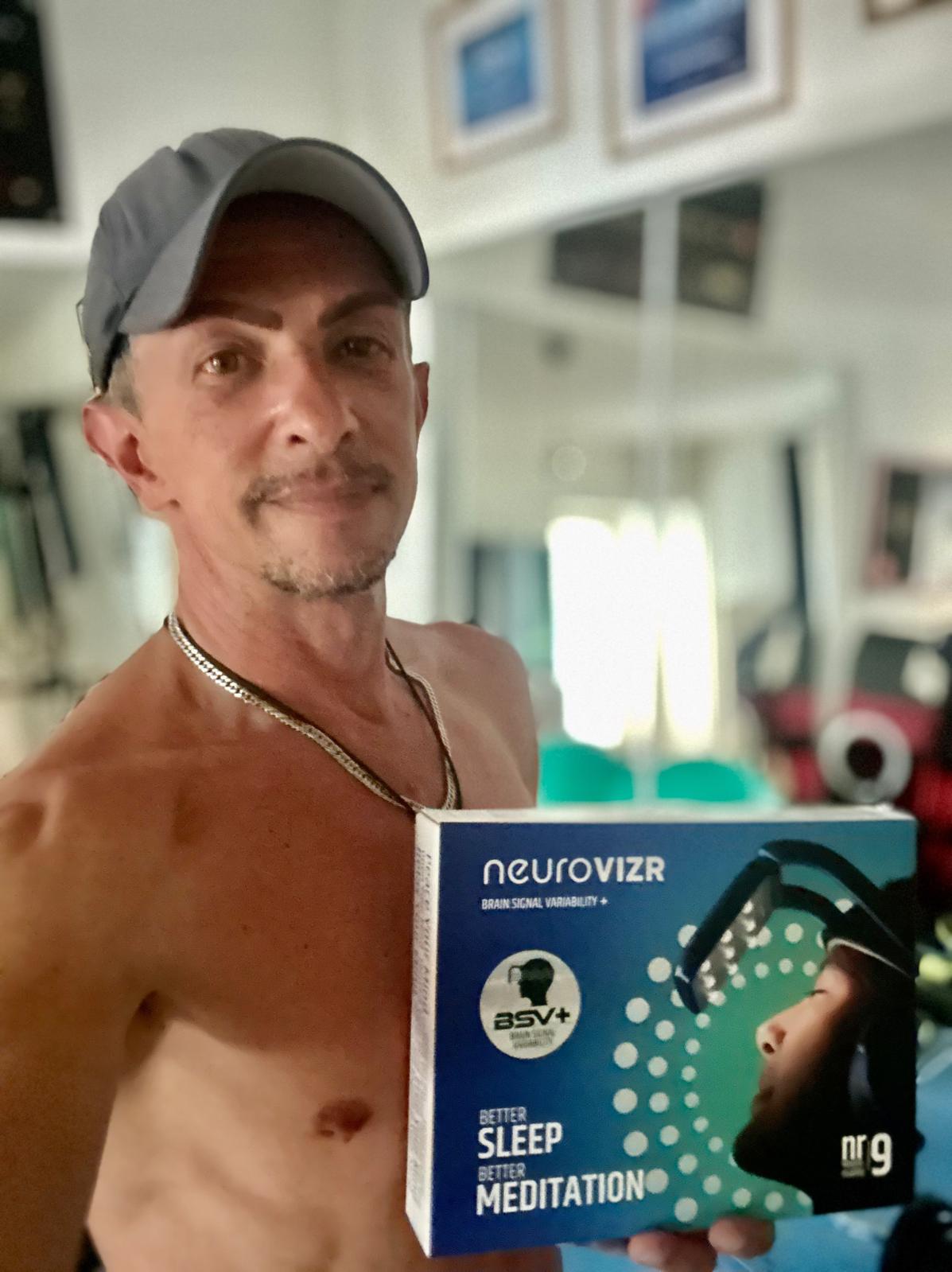
 neuroVIZR is one of the few consumer devices built around this principle.
It uses visual stimulation + rhythmic patterns + sensory synchrony, designed to support the brain in moving toward relaxed alpha states, creative theta states, or deeper restorative patterns without relying only on binaural beats.
It isn’t a “push-button brainwave switch,” but it can make brain-state transitions easier, especially when combined with breathwork or meditation.
Conclusion & Take-Home Message
Yes it’s possible to influence your brainwaves. Tools like meditation, breathwork, neurofeedback, and gentle audio entrainment offer potential pathways to shift your mental state toward relaxation, focus, creativity, or rest. But you should approach this with realism, ethical caution, and patience.
Brain-wave modulation isn’t a magic switch. It’s more like gentle tuning subtle, gradual, and requiring discipline. If you go in with reasonable expectations, track results, and combine with healthy lifestyle, you may discover useful benefits.
Disclaimer:
This article is for educational purposes only and is not intended to diagnose, treat, cure, or prevent any medical or psychological condition. Brainwave entrainment, neurosensory stimulation, meditation tools, and related practices may support wellbeing but should not be considered medical treatments. Always consult a qualified healthcare professional before making changes to your mental-health, neurological, or therapeutic routines. neuroVIZR is a wellness device and is not a medical device.
Content Reference:
Dialogues in Clinical Neuroscience
Oxford University Press
Trends in Cognitive Sciences
Frontiers in Psychiatry
Journal of Neural Engineering
International Journal of Psychophysiology
Nature Reviews Neuroscience
Trends in Cognitive Sciences
NeuroReport








Partager:
Brainwave Entrainment Technology Guide - neuroVIZR
Brainwave Stimulation: Working With Your Brain, Not Controlling It