


Stress et anxiété

Tout afficher

Hyperactivity Disorder in Adults Symptoms
  • par Gourav Rathore

Hyperactivity Disorder in Adults Symptoms

Adult hyperactivity appears as rapid thoughts, poor focus, impulsive choices and emotional chaos, rooted in nervous-system imbalance, not just behavior.

Plus

Prozac Attention Deficit Disorder
  • par Gourav Rathore

Prozac Attention Deficit Disorder

When they discuss the problem of attention, they tend to think of a hurried mind, their inability to rest, or their inability to remain with a task.

Plus

Limbic Attention Deficit Disorder What the Theory Suggests and What Science Currently Supports
  • par Gourav Rathore

Limbic Attention Deficit Disorder: What the Theory Suggests and What Science Currently Supports

Limbic attention deficit disorder is one of the seven proposed subtypes of attention challenges described in Dr. Daniel Amen’s model.

Plus

Méditation et pleine conscience

Tout afficher

Examples of Zen Koans: Riddles That Wake the Mind
  • par Gourav Rathore

Exemples de Koans Zen : des énigmes qui éveillent l'esprit
Dans la tradition du bouddhisme zen, la vérité n'est pas quelque chose que l'on peut tenir dans la main ou définir avec des mots. C'est là qu'interviennent les koans , des affirmations paradoxales ou des énigmes zen conçues pour briser...

Plus

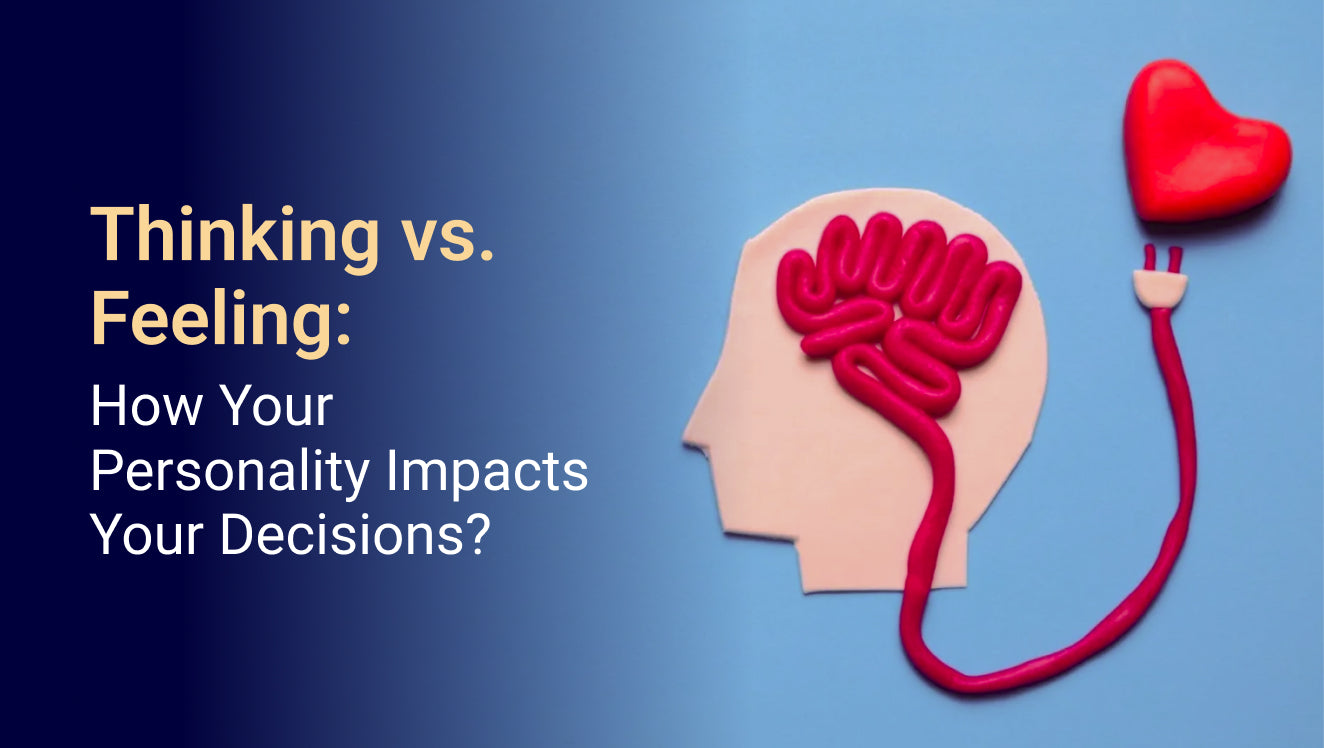
Thinking vs. Feeling: How Your Personality Impacts Your Decisions?
  • par Gourav Rathore

Penser ou ressentir : comment votre personnalité influence-t-elle vos décisions ?

Lorsqu'on explore des grilles de personnalité comme l' Indicateur de Type Myers-Briggs (MBTI), l'une des distinctions les plus intrigantes est celle entre la Pensée (T) et le Sentiment (F). Ces deux préférences révèlent la façon dont les individus prennent des...

Plus

10 Meditation Hand Positions and Their Benefits
  • par Gourav Rathore

10 positions de méditation des mains et leurs bienfaits

Vous est-il déjà arrivé de vous asseoir pour méditer et de vous demander quoi faire de vos mains ? Vous n'êtes pas seul. Si la posture, la respiration et l'intention sont souvent mises en avant, la position de vos mains, aussi appelée mudra , joue un rôle important dans la construction de votre expérience intérieure pendant la méditation.

Plus

Ondes cérébrales et neurotechnologie

Tout afficher

Brainwave Entrainment Technology  Guide - neuroVIZR
  • par Gourav Rathore

Brainwave Entrainment Technology Guide - neuroVIZR

The mind gets to be overstimulated, tired or just scattered at times. You would like to concentrate, and you just cannot think in one way when you think about something.

Plus

Benefits of Theta Waves - neuroVIZR
  • par Gourav Rathore

Benefits of Theta Waves - neuroVIZR

Theta waves refer to brain waves of low frequency that are associated with relaxation, intuition and creative thinking.

Plus

Beta Brain Waves The Science of Focus, Flow, and Mental Clarity
  • par Gourav Rathore

Beta Brain Waves: The Science of Focus, Flow, and Mental Clarity

Have you ever felt that you are clear and responsive in your mind one day, and then the next day you are like walking in a fog, even the idea flow is smooth and you can focus without working hard?

Plus

How do I Fix My Sleep Schedule
  • par Gourav Rathore

How do I Fix My Sleep Schedule?

Ever lay in bed scrolling at 2 AM, knowing you will hate yourself in the morning but still not able to stop?

Plus

Sleep Disorders in Adults Night Terrors
  • par Gourav Rathore

Sleep Disorders in Adults Night Terrors

This guide is a science-based and compassionate approach aimed at making you feel knowledgeable, empowered, and prepared, rather than pathologized.

Plus

How Much Deep Sleep Should You Need
  • par Gourav Rathore

How Much Deep Sleep Should You Need?

The majority of individuals who are seeking deep sleep are not looking at textbook sleep science.

Plus

Bien-être général et style de vie

Tout afficher

Could You Faint from Lack of Sleep Understanding What Your Brain Is Really Saying
  • par Gourav Rathore

Could You Faint from Lack of Sleep: Understanding What Your Brain Is Really Saying

You have been working so long days and so short nights, and you have been using coffee to carry on. One day you become dizzy and lightheaded, and unsteady.

Plus

3 Phases of Burnout - What Happens in Your Brain When
  • par Gourav Rathore

3 Phases of Burnout - What Happens in Your Brain When

This is not laziness or weakness. It is your nervous system putting its head on the block a self-preservative process called burnout.

Plus

The Cortisol Curve Why Midlife Burnout Hits Women Hardest
  • par Gourav Rathore

The Cortisol Curve: Why Midlife Burnout Hits Women Hardest

For years, you’ve been the one everyone relies on multitasking through deadlines, caregiving, and constant emotional labor.

Plus

Bien-être en entreprise

Tout afficher

Cognitive Performance Enhancement: How HR Can Support
  • par Gourav Rathore

Amélioration des performances cognitives : comment les RH peuvent soutenir une fonction cérébrale optimale au quotidien

La plupart des équipes RH font un excellent travail en couvrant les fondamentaux du bien-être des employés, des avantages liés à la remise en forme aux collations saines et aux brèves discussions sur le bien-être. Mais le véritable atout de...

Plus

Brain Health for Leaders: Because PowerPoint Can’t Save You
  • par Gourav Rathore

Santé cérébrale des dirigeants : Parce que PowerPoint ne peut pas vous sauver

Nous continuons à courir chaque jour pour construire des empires, des équipes, des communautés, et nous réalisons souvent l’effet que notre santé cérébrale entraîne. Les feuilles de calcul, les présentations et les e-mails nocturnes peuvent assurer la continuité d'une entreprise,...

Plus

Employee Wellbeing: Beyond Yoga and Fruit Baskets
  • par Gourav Rathore

Bien-être des employés : au-delà du yoga et des paniers de fruits

Nous l’avons tous vu dans le joyeux bol de fruits dans le garde-manger, dans le cours de yoga en milieu de semaine dans la salle de conférence, dans l’e-mail « Bien-être mercredi » que personne ne lit vraiment. Pendant ce temps, les...

Plus

What is Situationship and How to Know If You Are in One
  • par Gourav Rathore

What is Situationship and How to Know If You Are in One

Have you ever found yourself texting someone every day, going out on dinner dates, maybe even sharing a toothbrush at times, but when your friend asks, “So, what are you two?” you freeze?

Plus

Understanding Attachment Issues in Relationships How Your Past Shapes Your Present
  • par Gourav Rathore

Comprendre les problèmes d'attachement dans les relations : comment votre passé façonne votre présent

Pourquoi certaines relations nous semblent-elles chaleureuses, tandis que d'autres nous laissent un sentiment de froideur et de distance ? Le secret réside souvent dans des schémas émotionnels invisibles, formés bien avant l'âge adulte : nos styles d'attachement. Comprendre ces schémas est essentiel...

Plus

INTJ and INFJENFJ Relationships
  • par Gourav Rathore

Relations INTJ et INFJ/ENFJ

Une relation INTJ et ENFJ peut former un duo fascinant et potentiellement fort, malgré des différences fondamentales. Les INTJ, appelés « Architectes », sont souvent logiques, indépendants et stratégiques, tandis que les ENFJ, ou « Protagonistes », sont chaleureux, empathiques et valorisent la connexion...

Plus

Neuroplasticité

Tout afficher

Sensory Stimulation Activities How Touch, Sound, and Light Strengthen the Brain
  • par Gourav Rathore

Sensory Stimulation Activities: How Touch, Sound, and Light Strengthen the Brain

The brain is kept alive and connected through our senses, starting with the first laugh of a baby, and the silent smile of an older person when listening to music.

Plus

The Long Game Neuroplasticity,  Resilience and Hope
  • par Gourav Rathore

The Long Game: Neuroplasticity, Resilience and Hope

Healing is not a straight line. It is a long process filled with moments of rise, fall, reflection, and renewal. 

Plus

Rebuilding Connection From Survival to Presence
  • par Mike Fuhrmann

Rebuilding Connection: From Survival to Presence

It takes years of survival for humans to understand the difference between merely surviving and truly living.

Plus

Psychédéliques

Tout afficher

Psychedelics and Neural Criticality Exploring Altered States
  • par Mike Fuhrmann

Psychedelics and Neural Criticality: Exploring Altered States

Psychedelics are once again at the centre of scientific and cultural curiosity. Substances like psilocybin, LSD, and DMT are being studied for their ability to reshape brain activity in ways that support healing, creativity, and self-discovery.

Plus

Psychedelic Integration Without Drugs Unlocking Your Mind Naturally
  • par Gourav Rathore

Intégration psychédélique sans drogues : Libérez votre esprit naturellement
L'intégration psychédélique est un processus de réflexion et d'application au quotidien des connaissances acquises grâce aux états de conscience modifiés. Traditionnellement, ce processus était associé à la consommation de substances psychédéliques. Aujourd'hui, une approche innovante, sans drogue, permet de bénéficier...

Plus

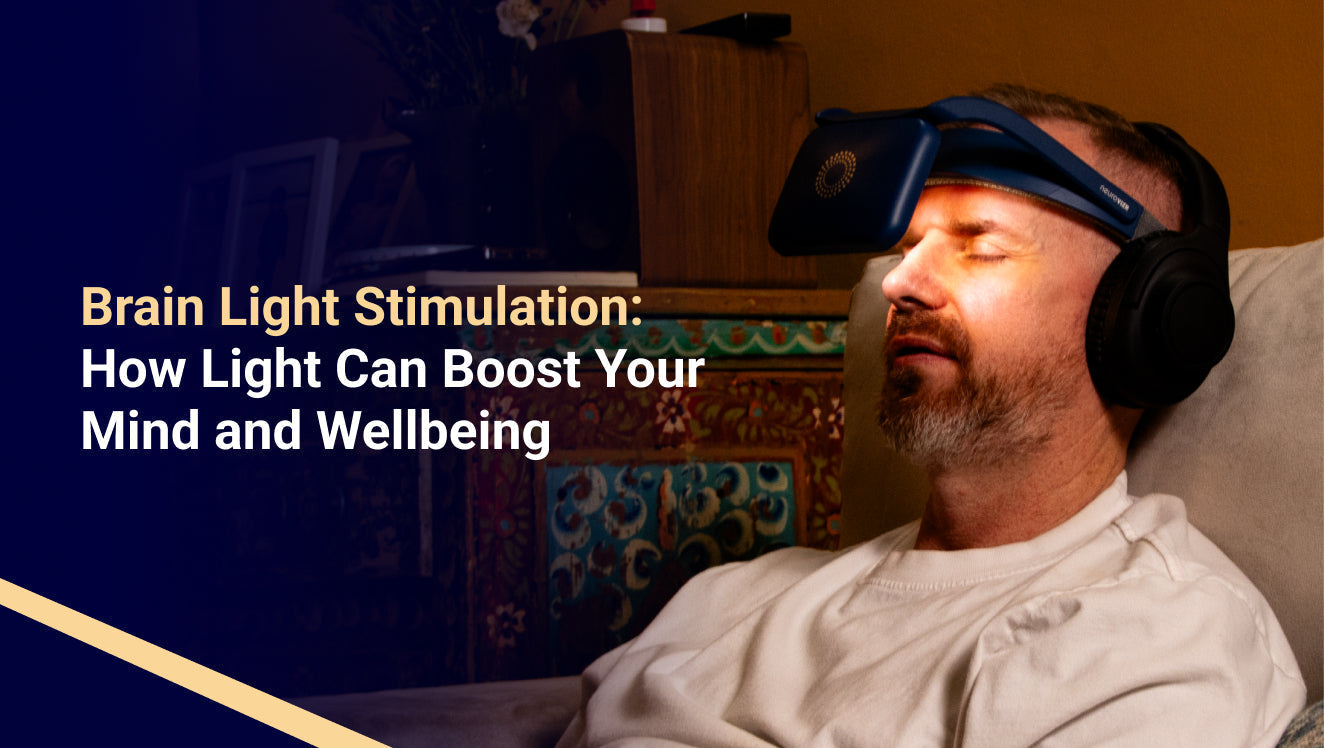
Brain Light Stimulation How Light Can Boost Your Mind and Wellbeing
  • par Gourav Rathore

Stimulation cérébrale par la lumière : comment la lumière peut stimuler votre esprit et votre bien-être

La luminothérapie cérébrale s'impose comme l'une des avancées les plus prometteuses en matière de santé cérébrale et de clarté mentale, offrant des bienfaits mesurables sans médicaments, stimulants ni procédures invasives. Grâce à une luminothérapie précise, cette approche innovante du bien-être...

Plus

Brain Health Insights

Tout afficher

Why Brain Health Should Be the Next Priority for Insurers and Employers
  • par Gourav Rathore

Why Brain Health Should Be the Next Priority for Insurers and Employers

Burnout isn’t just a personal struggle it’s a corporate and economic crisis.

Plus

Better Nights, Better Days Pre-Sleep Entrainment with Light & Sound
  • par Gourav Rathore

Better Nights, Better Days: Pre-Sleep Entrainment with Light & Sound

Sleep should be simple, yet for millions of people it has become one of the greatest daily struggles. Stress, anxiety, late-night screen use, and restless thinking often stand in the way of falling asleep.

Plus

From “Noise” to Fitness: Why a Resilient Brain Is a Variable Brain
  • par Gourav Rathore

From “Noise” to Fitness: Why a Resilient Brain Is a Variable Brain

Your brain is never truly “still.” Even at rest, electrical activity is constantly shifting rising, falling, and adapting in response to both inner states and the outside world. Scientists call this Brain Signal Variability (BSV).

Plus

Neurotechnology

Tout afficher

Light, Sound, and Safety The Neuroscience  of Regulation
  • par Mike Fuhrmann

Light, Sound, and Safety: The Neuroscience of Regulation

We often hold on to what was meant to pass, carrying the weight of old memories far too long.

Plus

Sleep and Rest with a Busy Brain on a Spinning Planet Finding Balance in Motion
  • par Mike Fuhrmann

Sleep and Rest with a Busy Brain on a Spinning Planet: Finding Balance in Motion

As daylight arrives, cortisol levels rise to fuel energy, focus, and growth. As darkness returns, melatonin gently takes over, guiding the body into deep repair.

Plus

The Power of Supercriticality
  • par Mike Fuhrmann

The Power of Supercriticality: How Brain Signal Variability Fuels Creativity and Adaptability

Our brains are not static engines running on autopilot they are living, pulsing systems in constant motion. Every moment, billions of neurons fire and rewire in ever-changing patterns. 

Plus

User Tips And Tricks

Tout afficher

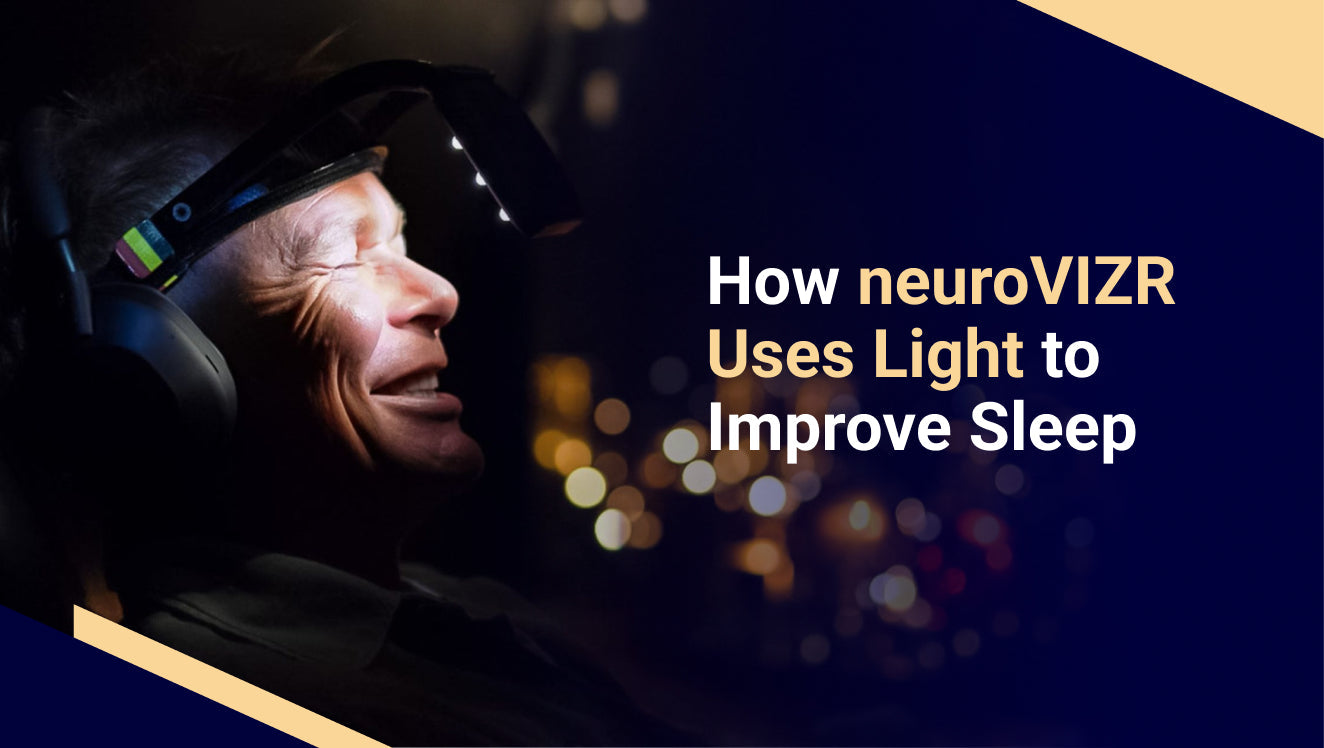
How neuroVIZR Uses Light to Improve Sleep
  • par Mike Fuhrmann

How neuroVIZR Uses Light to Improve Sleep

We often hear that evening light disrupts sleep. Blue light from phones, laptops, and indoor lighting is often blamed for restlessness and poor sleep quality.

Plus

Getting the Jump on Your Meditation Session
  • par Mike Fuhrmann

Getting the Jump on Your Meditation Session

Meditation is one of the most powerful tools for calming the mind, improving focus, and building resilience.

Plus

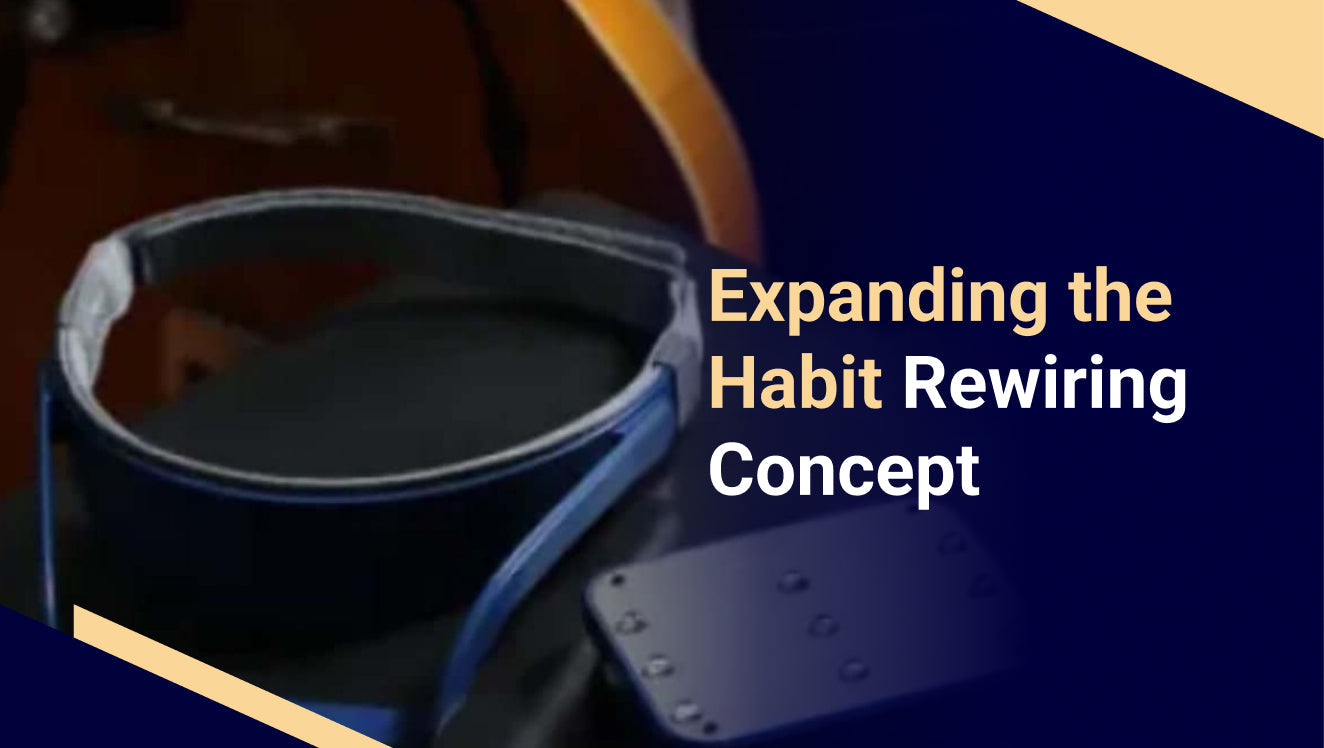
Expanding the Habit Rewiring Concept
  • par Mike Fuhrmann

Expanding the Habit Rewiring Concept

Sometimes, our brains get “stuck.” Certain brainwave patterns become overactive, making it harder to adapt, focus, or benefit from techniques that should otherwise work.

Plus