

Stress is not necessarily the manifestation of panic and overwhelm.
It is often more silent, round-the-clock mental exhaustion, the inability to relax or even to be fully comfortable in the body. The experiences do not constitute individual failures. They are considered as the results of the brain and nervous system reaction to the constant requirements.
This is the reason why the attention to stress relief devices has increased not as a cure but as the means that can help to maintain the awareness, control and equilibrium in the nervous system.
Stress is a Pattern of the Brain, not a Diagnosis.
The concept of stress is often talked about as an emotional problem, but it has a strong correlation to neuroactivity and the condition of nerves. The brain works with dissimilar patterns of electrical activity at any given time- they are sometimes referred to as brain waves.
These patterns determine the degree of our alertness, concentration or relaxation. The stress relief devices are meant to complement this natural variability and provide some sort of structured input to the senses which could possibly aid in the brain transitioning to these states more deliberately, and without coercion.
Notably, these instruments are not therapies. Instead, they do not subdue the brain they interrelate with it.

Theta Waves and Deeply Relaxing States
Theta Brain waves are commonly experienced when one is meditating, daydreaming and when asleep. These states are usually linked with inner reflection, creativity and relaxation.
When individuals experiment with stress relief technology which interacts with theta associated states, the subjects often report that:
-
Feeling mentally quieter
-
Become more conscious of the internal feelings.
-
Being less troubled to stop or think.
These experiences are not curative or remedial. Instead, they represent the periods when the nervous system might be less compelled by urgency.
Beta Brain Waves: Help To focus, difficult when too active.
Beta brain waves are associated with thinking, learning as well as interaction with the outside world. They are needed in the day-to-day operations.
But it is long-term or unbalanced beta action which can be linked to mental load or restlessness especially in stressful workplaces. Stress relief devices are not intended to inhibit beta activity, rather, they are also examined in terms of their facilitation of flexibility so that the brain can be more freely shifted to focus or rest.
What Stress Relief Devices Can and Can not do
Stress relief machines do not treat diseases. They neither diagnose, cure, nor solve stress related conditions.
What they may offer is:
-
Formed sensory experiences.
-
Chances of purposeful breaks.
-
Awareness of internal states support.
To others, this may be a beneficial addition to the already adopted practice like mindfulness, rest, or reflective practices.
It is a personal and changeable experience. The results not only rely on the situation, anticipations, as well as personal patterns of the nervous system.
Key Takeaways
-
Stress is a mirror of the patterns of the nervous system and the brain-states, not some ill expression of the individual.
-
Theta and beta brain waves are normal and essential components of the mental activity.
-
Stress relief devices are exploration and support devices, not medicines.
-
Ethical neuroscience communication does not contain promises and medical assertions.
Reframing Stress Support
The relationship with stress can become less hard when it is treated as a condition and not as a weakness. Brain tools that follow the complexity of the brain welcome curiosity rather than control.
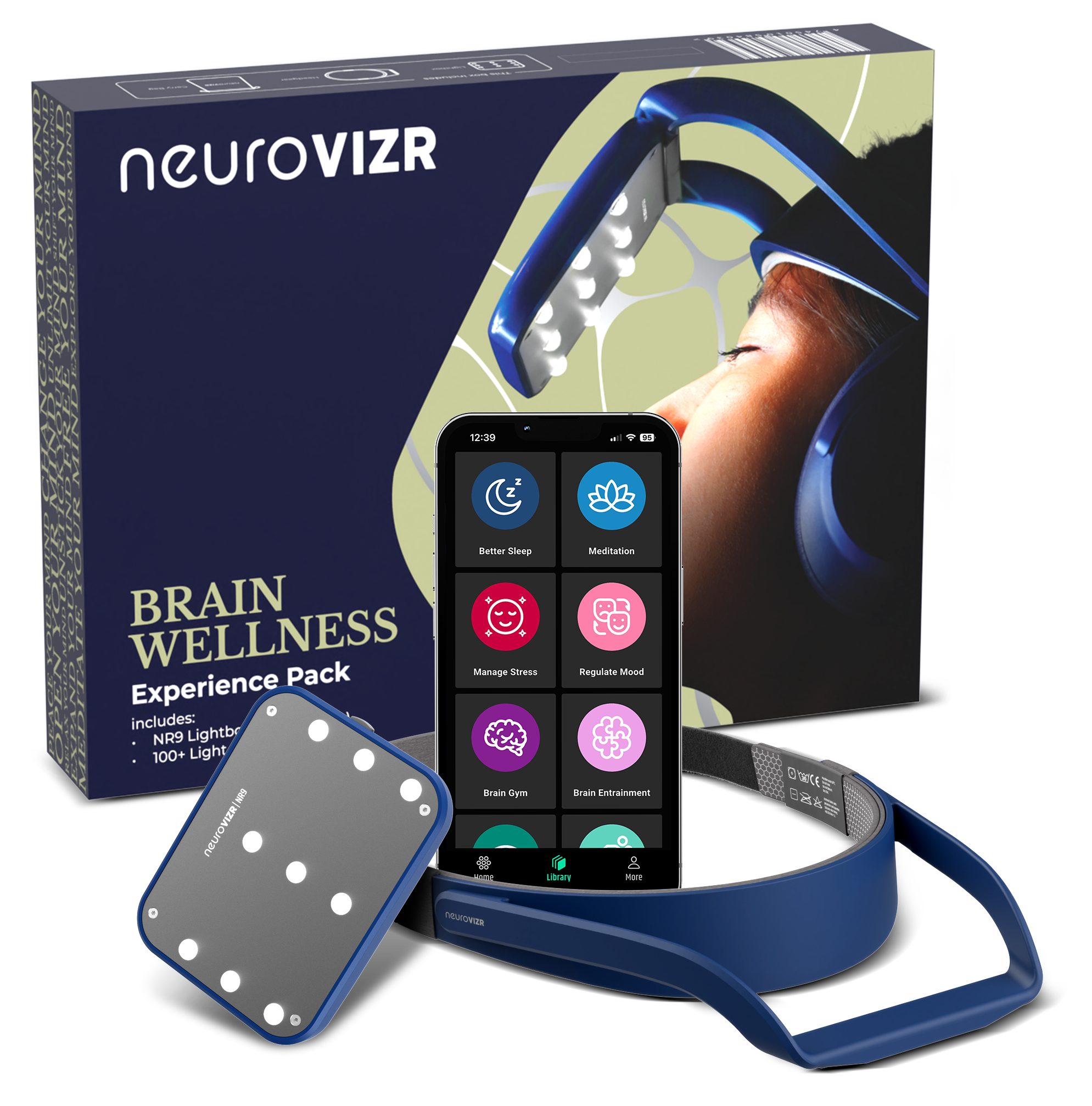
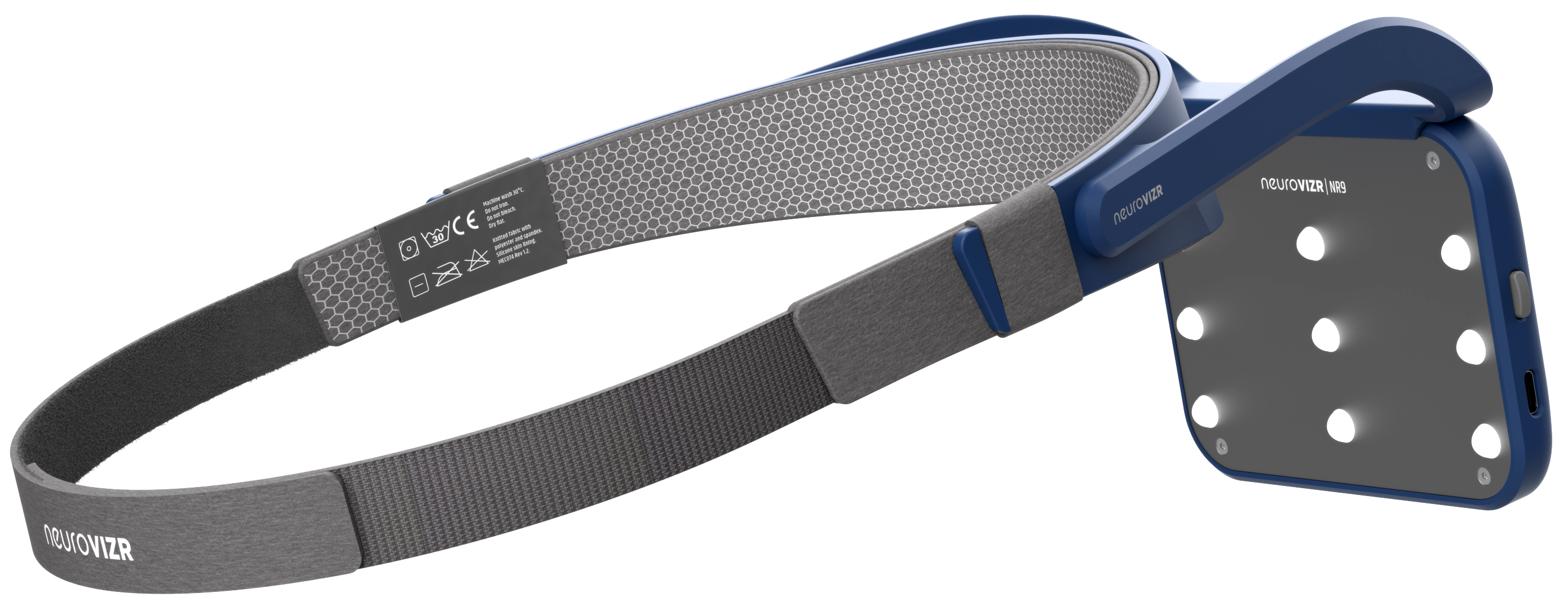
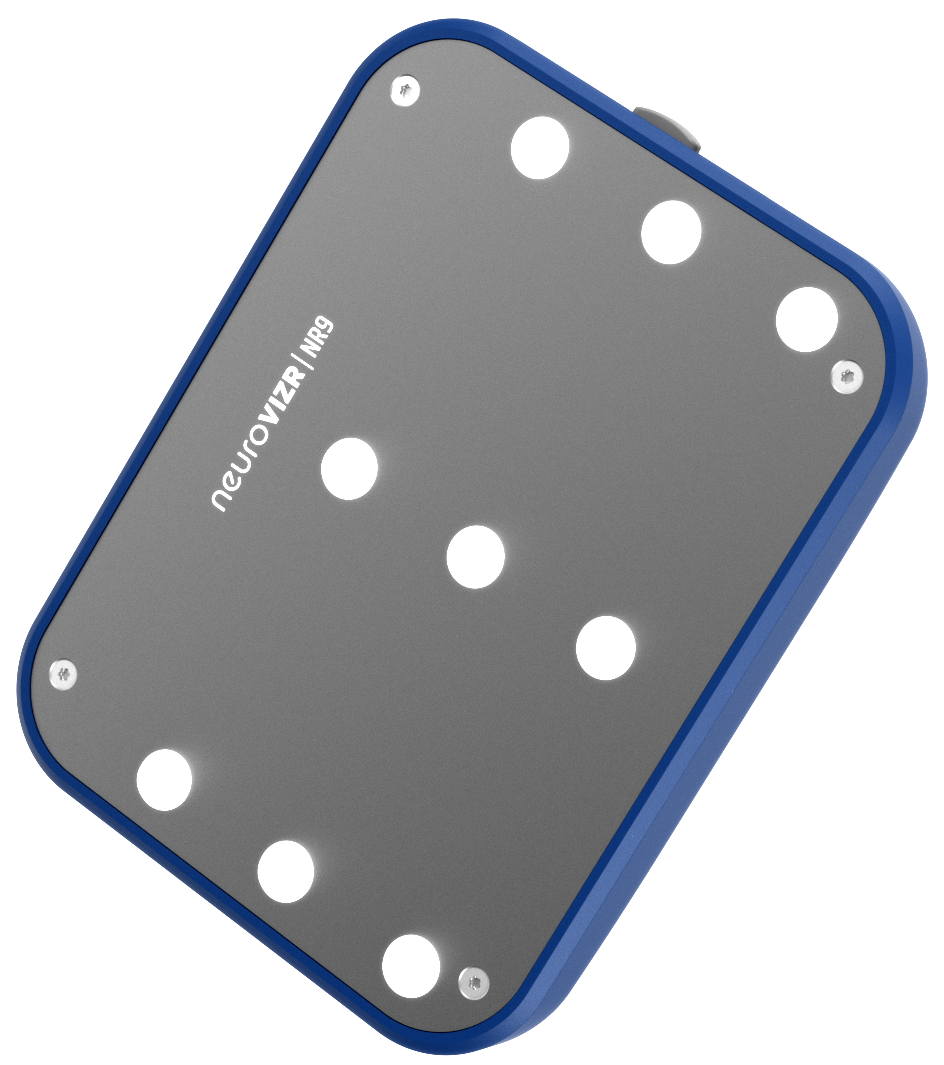
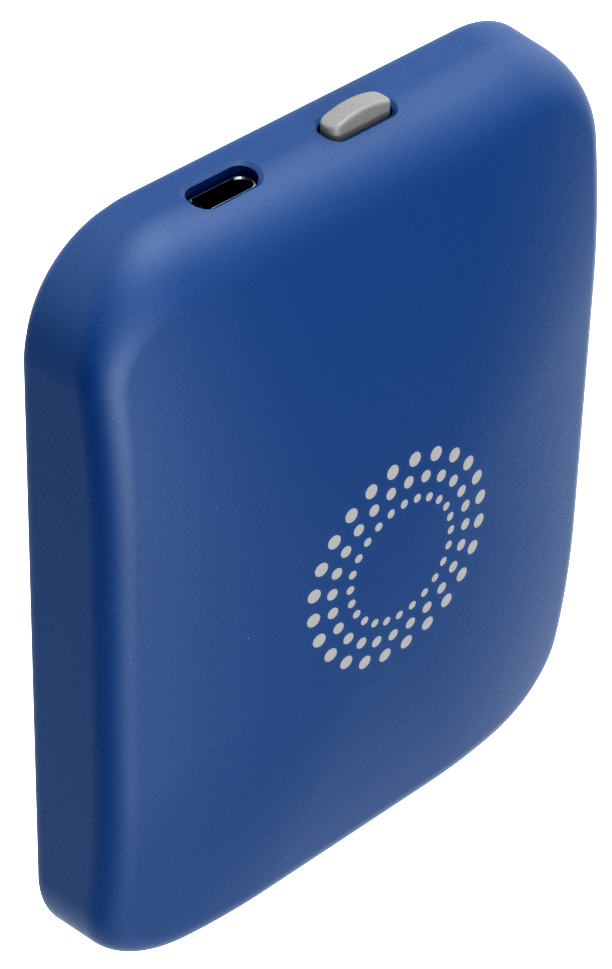
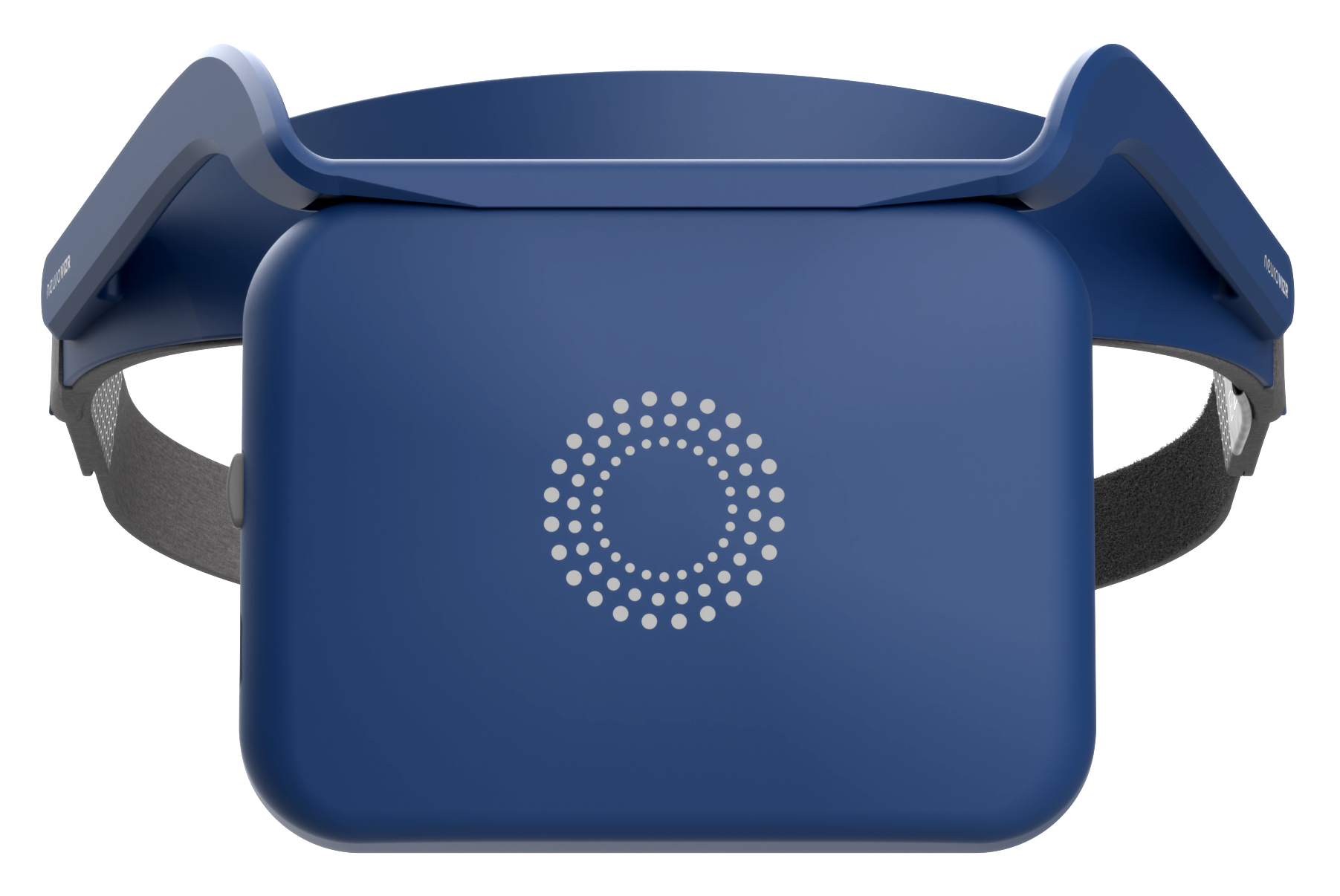
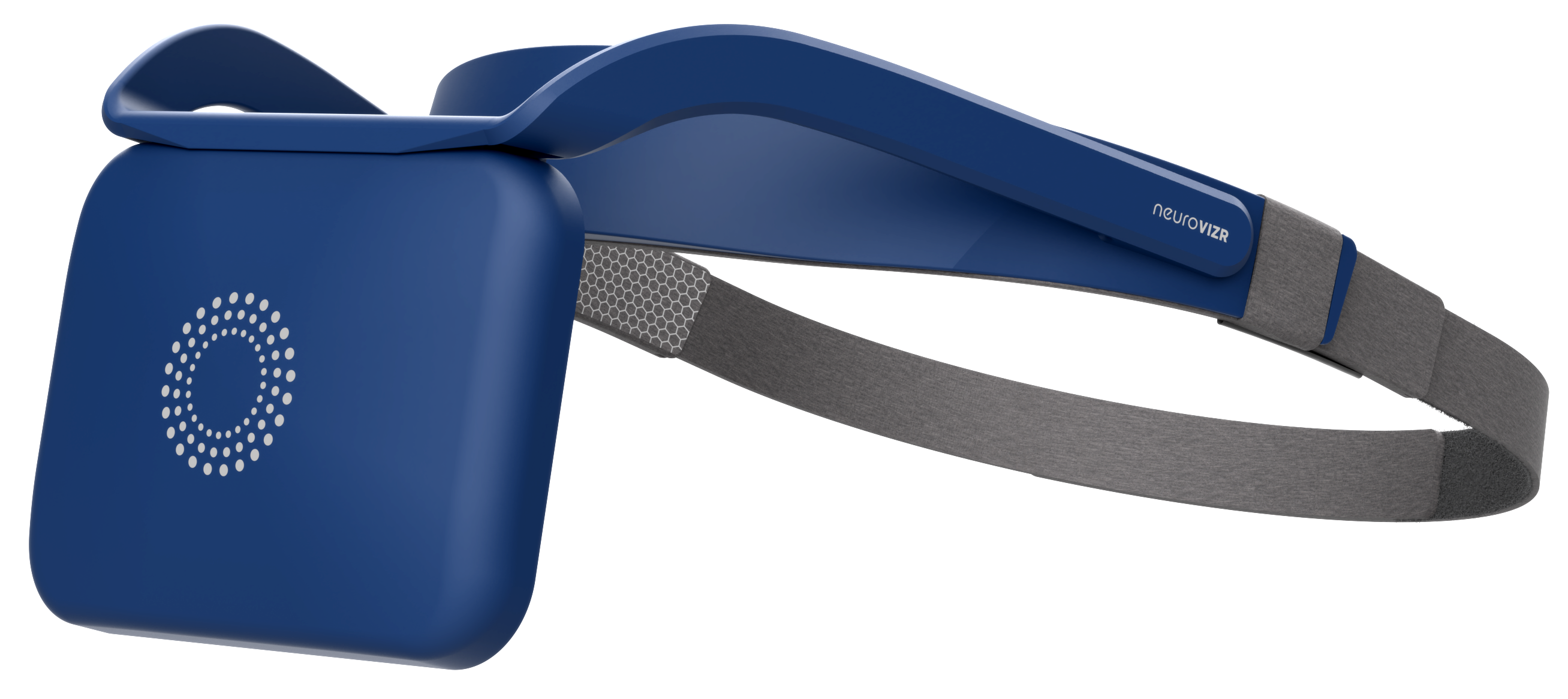
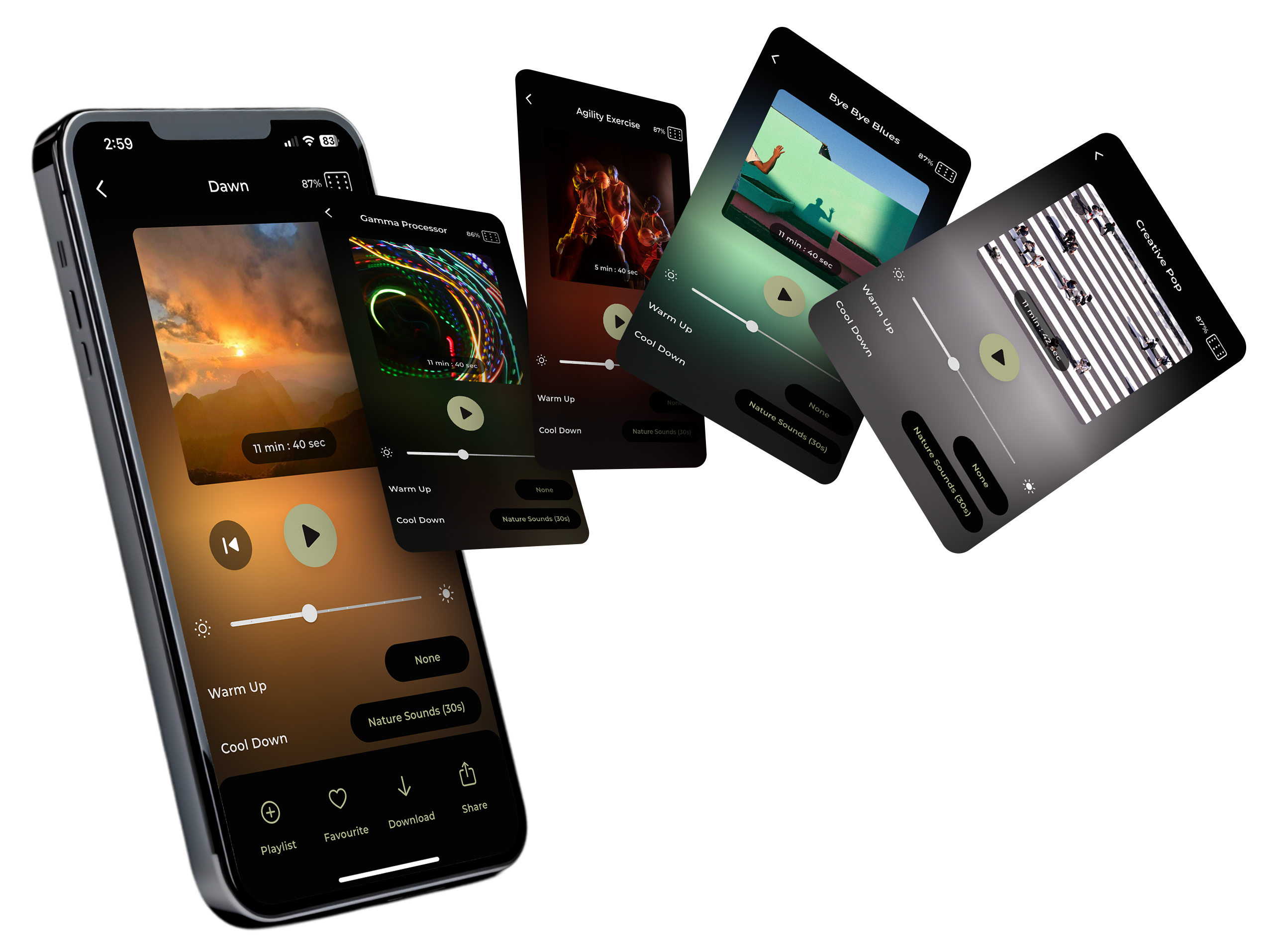
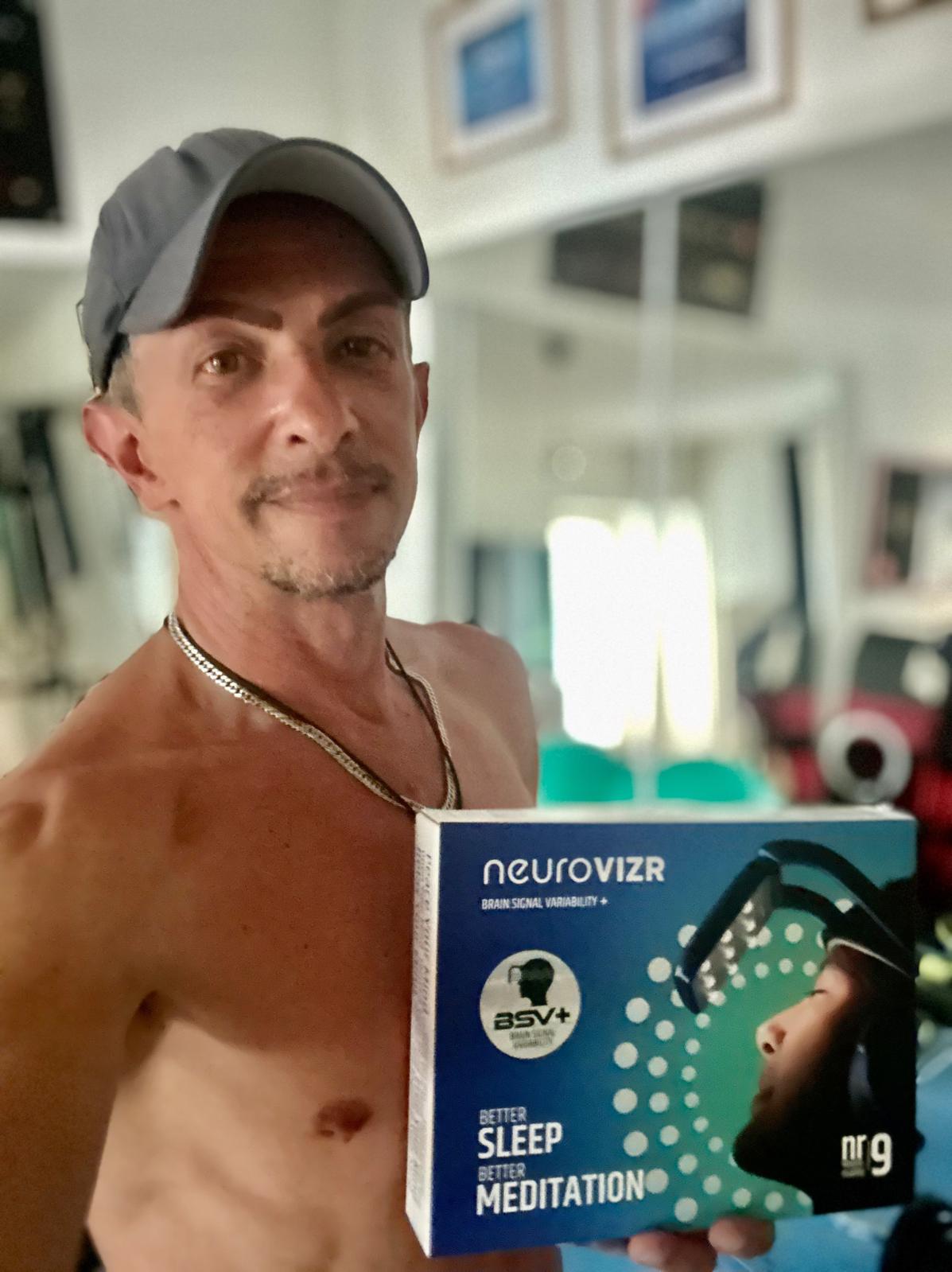
The emphasis at neuroVIZR is on exploration, education, and support, where you encourage people to think intelligently about their mental state without making promises, coercing or dictating the results.
FAQs
What equipment is used to reduce stress?
Stress support equipment can include tools designed to encourage relaxation or self-regulation, such as breathing aids, sound or light-based relaxation devices, wearable trackers that promote awareness, and grounding tools like weighted items. These are not treatments, but may help create conditions where the nervous system feels safer and more settled.
How to reduce stress quickly?
Quick stress relief often begins with interrupting the body’s stress response, not forcing calm. Simple actions like slowing the breath, changing posture, stepping away from stimulation, or engaging the senses (sound, light, or touch) may help the nervous system shift into a less reactive state. Results vary from person to person.
What are the wearable devices for stress?
Wearable stress-support devices often track signals like heart rate or movement, or provide gentle sensory input such as vibration, sound, or light. These devices are generally designed to increase awareness and self-regulation, not to diagnose or treat stress-related conditions.
What is the 3-3-3 rule for stress?
The 3-3-3 rule is a simple grounding technique:
-
Name 3 things you can see
-
Identify 3 sounds you can hear
-
Move 3 parts of your body
It’s often used to bring attention back to the present moment, helping the nervous system shift out of mental overload. It doesn’t remove stress, but it can reduce the feeling of being overwhelmed.







Partager:
Gamma Waves and the State of Clear Connected Focus