

Neuroplasticity for Anxiety: How the Brain Learns Safety Again
  • Written by Gourav Rathore

Neuroplasticity for Anxiety: How the Brain Learns Safety Again

Anxiety is typical to experience as something that is forced upon you- an instant spurt of thought, a tight chest, a nervous system not slowing down although everything appears okay on the surface.

This is what many people are thinking is that something is wrong about their brains.

Anxiety is, in fact, more frequently the symptom of a brain that has become too familiar with being threatened.

This is where neuroplasticity comes in with a great sense of pity: not as a catchphrase, but as a silent promise:

you have not got your brain in terror. It is conditioned by experience and this can be reformed by safety.

What Anxiety Feels Like in the Brain?

Neuroscientifically, there is no individual failure and weakness in anxiety.

It is the consequence of recurring neural patterns who give priority to protection.

In cases of chronic anxiety:

  • Amygdala is more sensitive to perceived danger.

  • The reasoning, perspective (prefrontal cortex) is incapable of controlling emotional signals.

  • The nervous system is more in fight-or-flight, even when one is resting.

With time, the brain becomes familiar with a simple rule, which is, be alert: that is safer.

It is through neuroplasticity that this rule can be formed and more so it can be altered.

What Neuroplasticity to Anxiety Really Means?

Neuroplasticity is a brain response which is capable of adjusting to changes in the brain through reorganisation and creating new connections.

For anxiety, this means:

  • Pathways of fear are not hereditary.

  • The way towards safety can be reinforced rather than coerced.

  • The process of healing is not immediate, is relational and embodied.

A nervous brain is not fractured.

It is elastic, conditioned by historical stress, and reacts to new indications of security.

That is why the key is practices that do not act against the nervous system but on the contrary work with it.

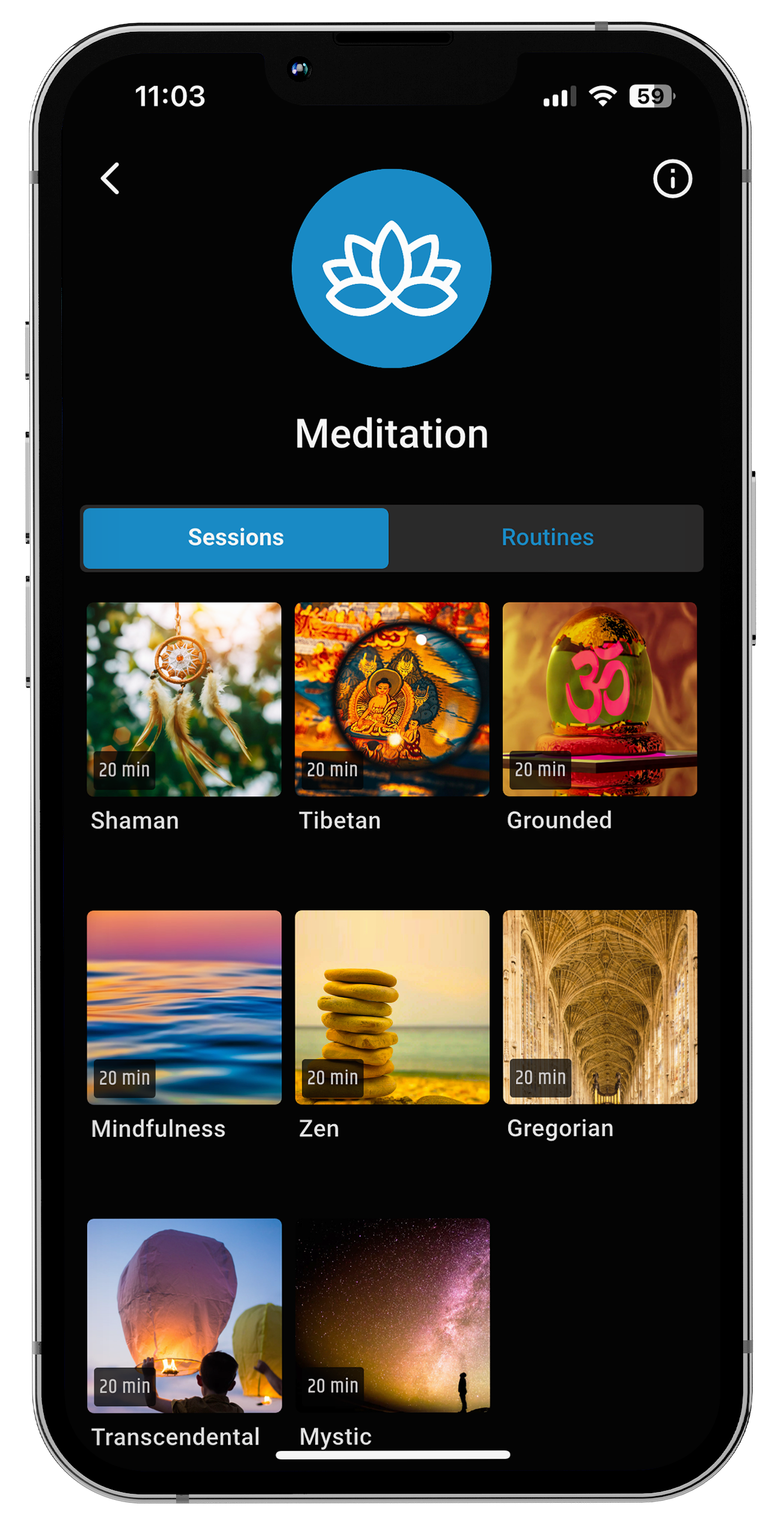
The Importance of Meditation in Rewiring an Anxious Brain

Meditation can be easily confused with the process of emptying the mind.

In the neuroplasticity viewpoint, it is far less complex and more powerful:

Trying to demonstrate to the brain over and over again what it feels like to be safe.

A regular meditation space has been reported to:

  • Reduce amygdala reactivity

  • Enhance prefrontal-limbic interactions.

  • Develop a heightened tolerance to sensations within the body (instead of being afraid of it)

With time, this repetition prompts the brain to develop new controlling circuits -circuits that tell the brain that it is safe to remain in a given place.

How neuroplasticity develops can be explored with altered states and therapeutic practices in this companion article on neuroplasticity meditation, which examines the duration of some neuroplastic windows and the factors that contribute to sustained change.

Positive Neuroplasticity: Brain Training to be Safe

Fear conditions the brain to be threatened.

It is neuroplastically conditioned to safety, resilience and emotional balance through positive neuroplasticity.

It does not imply that one should ignore fear or even think positive.

It is purposefully strengthening experiences that are signalling:

  • regulation

  • agency

  • emotional completion

Examples include:

  • Taking time to observe the moments of stillness (even short-lived ones)

  • Giving the body time to relax following stress rather than hastening on.

  • Softening the focus on feeling, not thinking.

These episodes accumulate over time.

They are now transformed into new neural evidence that safety is present, and not only theoretically.

Working With the Brain, Not Against It

One of the most healing reframes for anxiety is this:

“My nervous system is trying to protect me even when it overdoes it.”

When practices are rooted in compassion, regulation, and repetition, neuroplasticity becomes a partnership rather than a battle.

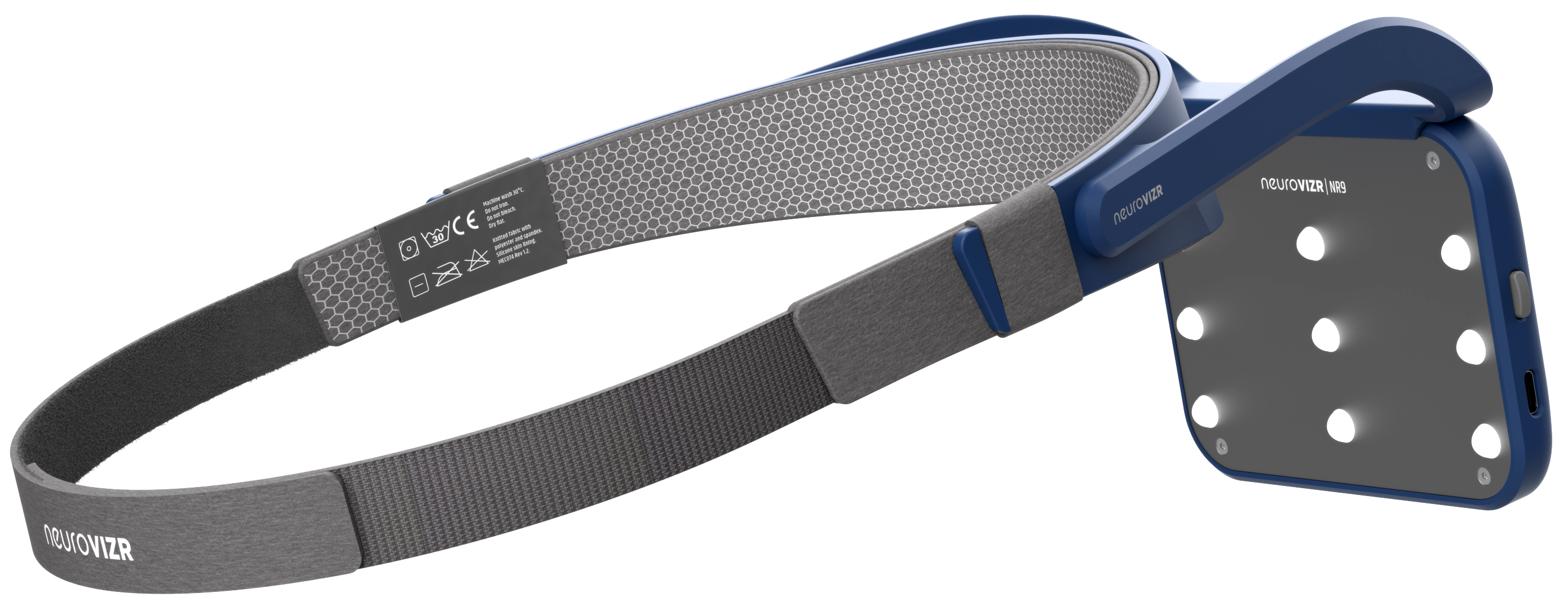
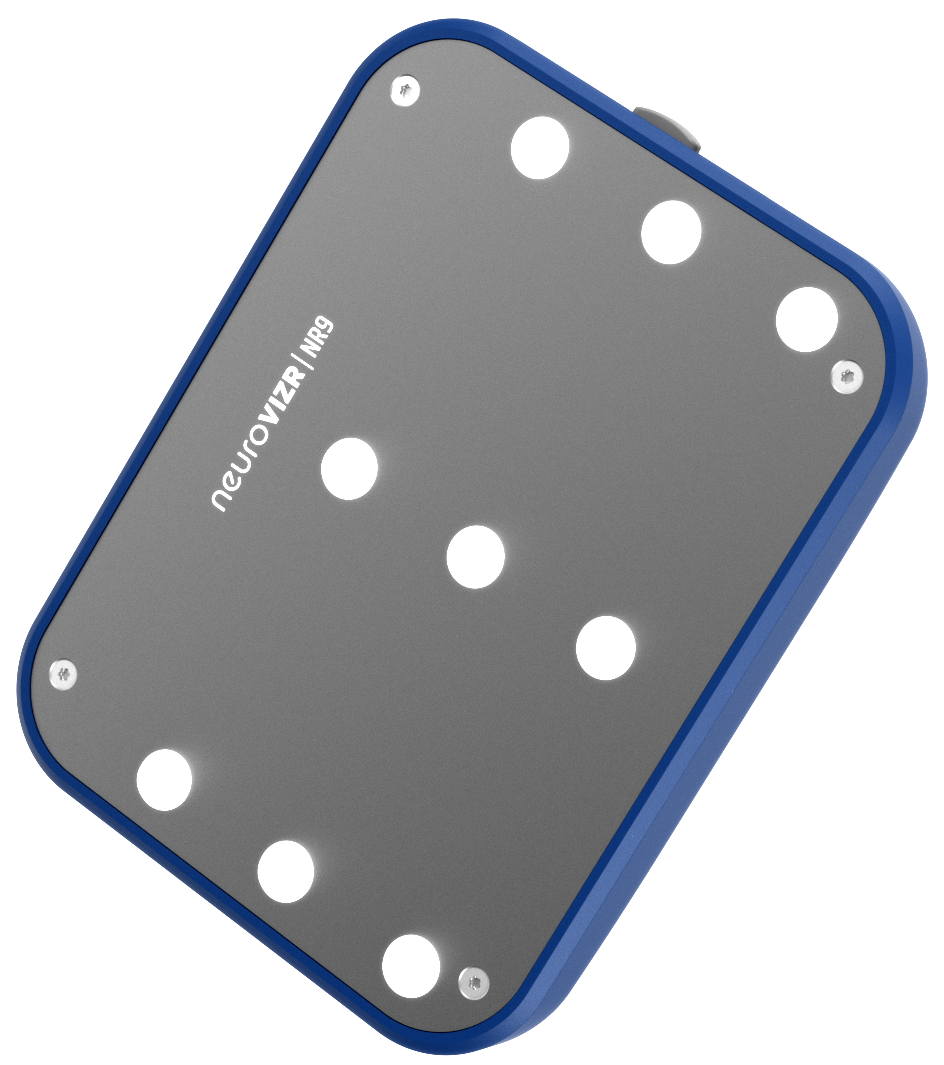
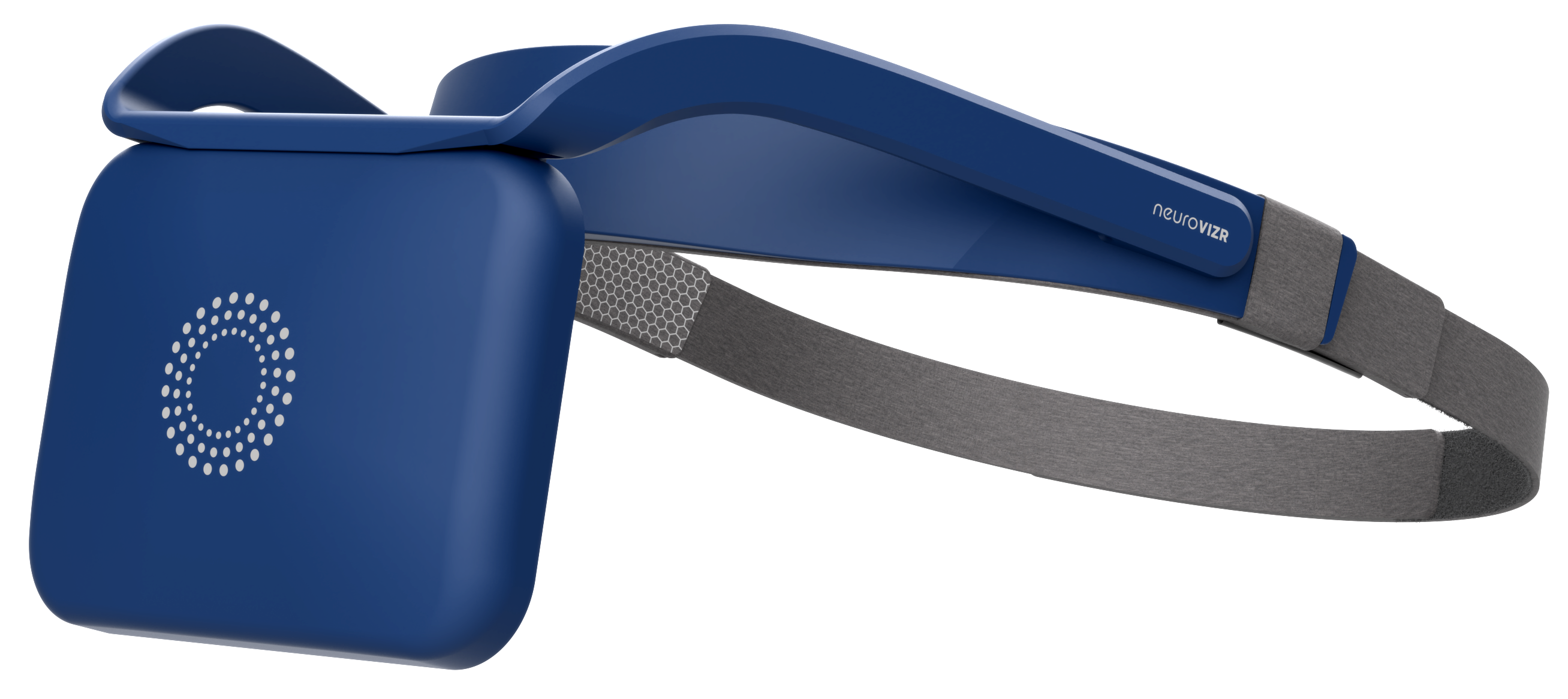
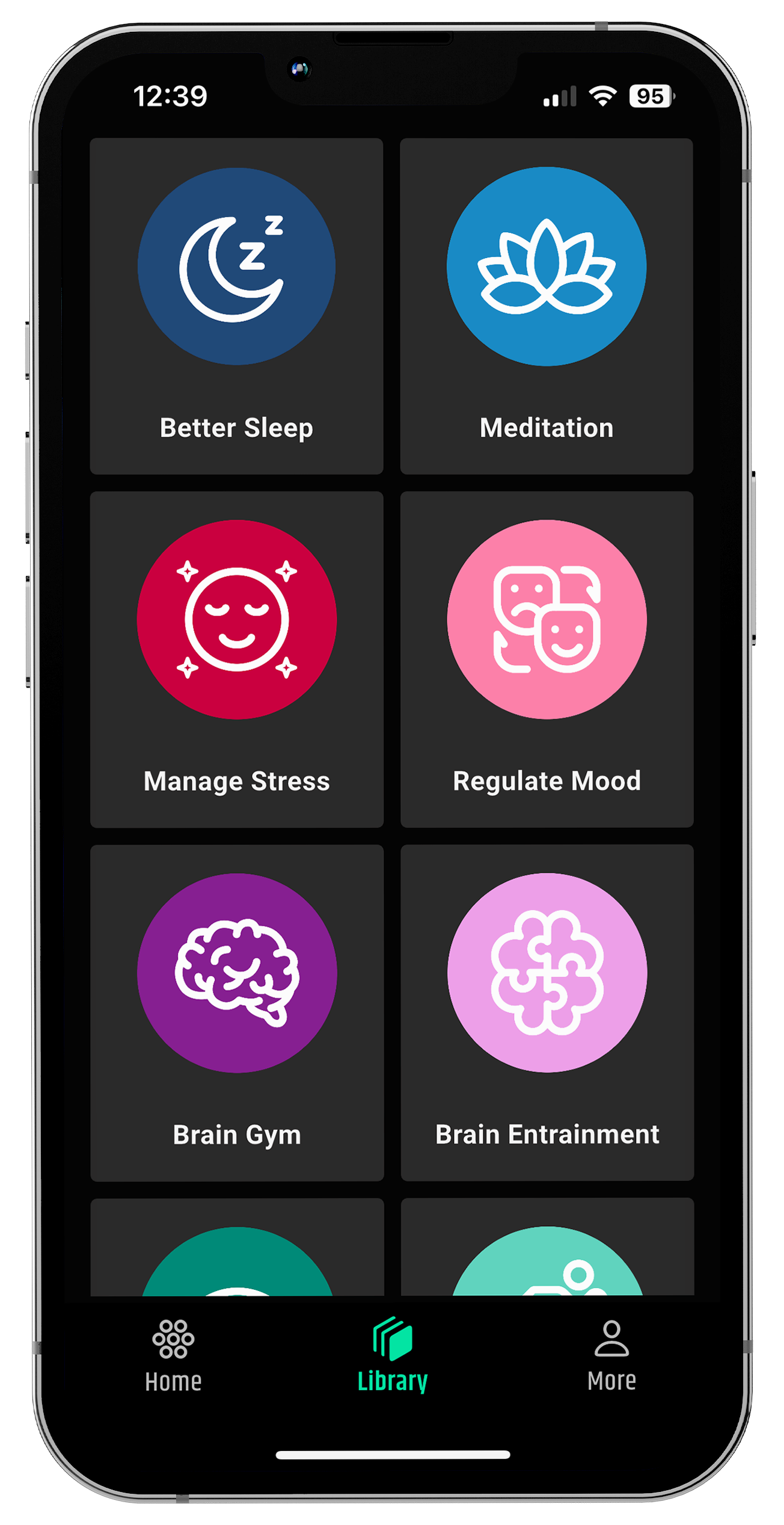
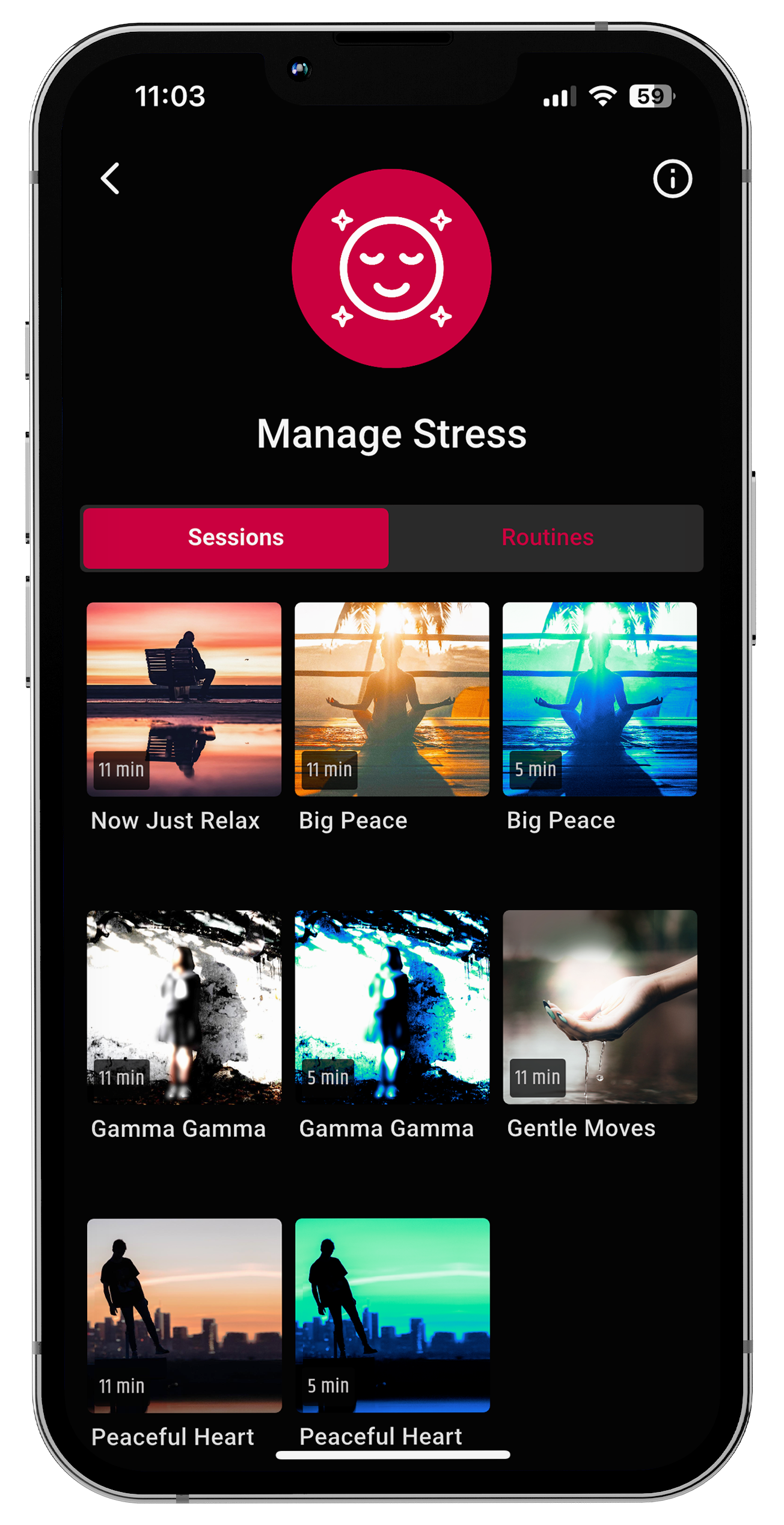
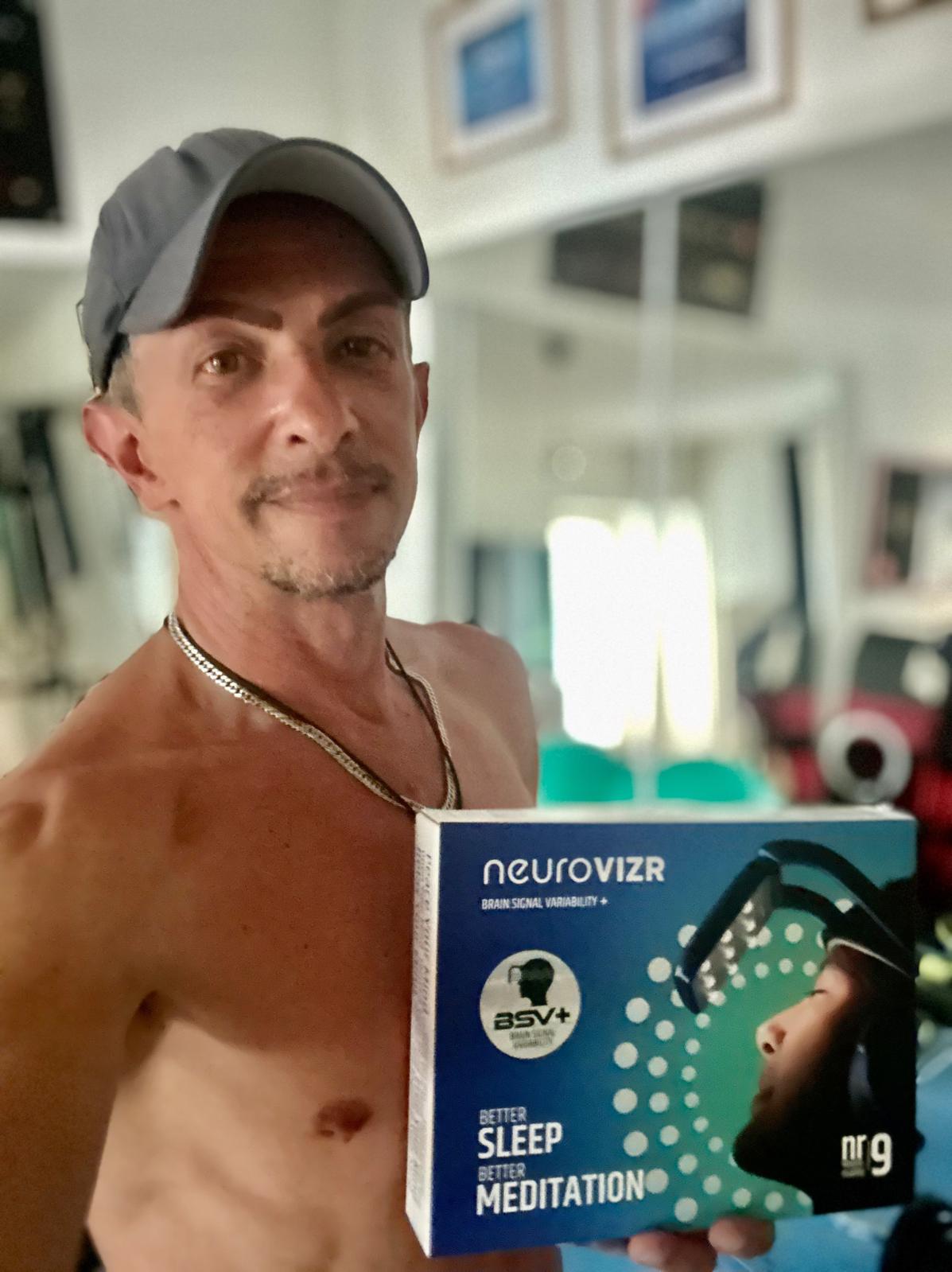
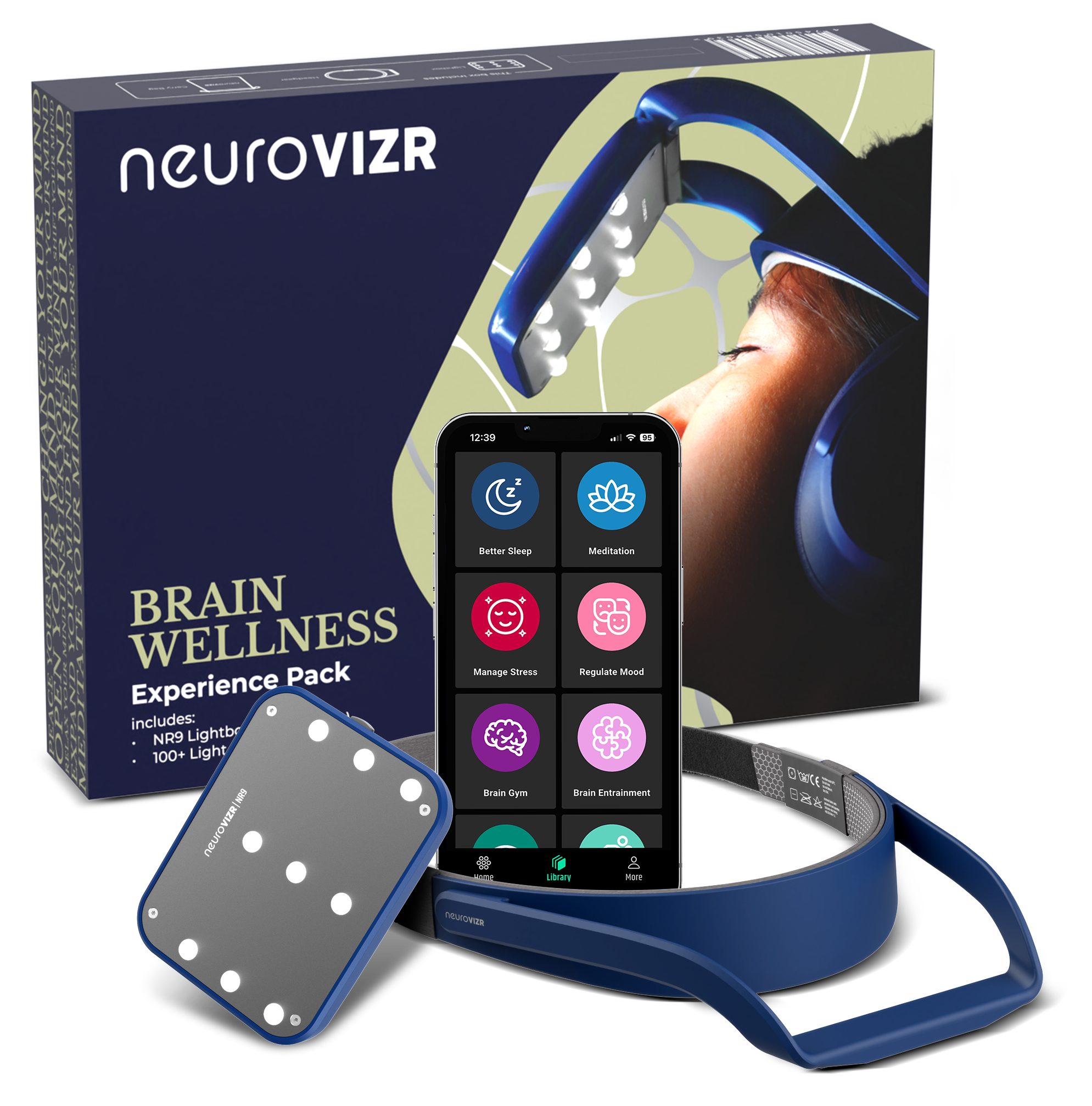
At neuroVIZR, the focus is on translating neuroscience into experiences that support the brain’s natural capacity to regulate, adapt, and settle  without force, diagnosis, or pressure to “fix” yourself.

Key Takeaways

  • Anxiety reflects learned neural patterns, not permanent damage

  • Neuroplasticity allows the brain to relearn safety over time

  • Meditation and regulation practices strengthen calming pathways

  • Positive neuroplasticity reinforces resilience through lived experience

  • Healing is gradual and that slowness is part of the science

A Gentle Reflection

What moments even small ones help your body feel just a little safer?
Those moments matter more to your brain than you think.

FAQs

1. Can neuroplasticity really help with anxiety?
Yes. Anxiety is shaped by repeated neural patterns, and neuroplasticity allows the brain to form new pathways that support regulation, safety, and emotional balance over time.

2. How long does it take for neuroplastic changes to reduce anxiety?
Neuroplastic change is gradual. Some people notice small shifts within weeks, while deeper changes often unfold over months through consistent, supportive practices.

3. Is anxiety a sign that the brain is damaged?
No. Anxiety reflects a brain that has learned to prioritise protection. Neuroplasticity means those patterns are adaptable, not permanent.

4. Does meditation actually change the anxious brain?
Yes. Regular meditation has been shown to reduce stress reactivity and strengthen brain regions involved in emotional regulation, supporting healthier neural patterns.

5. What is positive neuroplasticity in relation to anxiety?
Positive neuroplasticity involves intentionally reinforcing experiences of calm, safety, and resilience so the brain gradually learns that it doesn’t need to stay in constant alert mode.

Content Reference 

  • National Institute of Mental Health (NIMH)

  • Harvard Medical School

  • Journal of Neuroscience

  • Nature Neuroscience

  • Dr. Norman Doidge

  • Dr. Richard Davidson

Disclaimer

The information shared in this article is for educational and informational purposes only and is not intended to diagnose, treat, or replace professional medical or mental health care. Neuroplasticity and nervous system responses vary from person to person. If you are experiencing persistent anxiety or distress, please consider seeking guidance from a qualified healthcare or mental health professional.

 

Anxiety is typical to experience as something that is forced upon you- an instant spurt of thought, a tight chest, a nervous system not slowing down although everything appears okay on the surface.

This is what many people are thinking is that something is wrong about their brains.

Anxiety is, in fact, more frequently the symptom of a brain that has become too familiar with being threatened.

This is where neuroplasticity comes in with a great sense of pity: not as a catchphrase, but as a silent promise:

you have not got your brain in terror. It is conditioned by experience and this can be reformed by safety.

What Anxiety Feels Like in the Brain?

Neuroscientifically, there is no individual failure and weakness in anxiety.

It is the consequence of recurring neural patterns who give priority to protection.

In cases of chronic anxiety:

  • Amygdala is more sensitive to perceived danger.

  • The reasoning, perspective (prefrontal cortex) is incapable of controlling emotional signals.

  • The nervous system is more in fight-or-flight, even when one is resting.

With time, the brain becomes familiar with a simple rule, which is, be alert: that is safer.

It is through neuroplasticity that this rule can be formed and more so it can be altered.

What Neuroplasticity to Anxiety Really Means?

Neuroplasticity is a brain response which is capable of adjusting to changes in the brain through reorganisation and creating new connections.

For anxiety, this means:

  • Pathways of fear are not hereditary.

  • The way towards safety can be reinforced rather than coerced.

  • The process of healing is not immediate, is relational and embodied.

A nervous brain is not fractured.

It is elastic, conditioned by historical stress, and reacts to new indications of security.

That is why the key is practices that do not act against the nervous system but on the contrary work with it.

The Importance of Meditation in Rewiring an Anxious Brain

Meditation can be easily confused with the process of emptying the mind.

In the neuroplasticity viewpoint, it is far less complex and more powerful:

Trying to demonstrate to the brain over and over again what it feels like to be safe.

A regular meditation space has been reported to:

  • Reduce amygdala reactivity

  • Enhance prefrontal-limbic interactions.

  • Develop a heightened tolerance to sensations within the body (instead of being afraid of it)

With time, this repetition prompts the brain to develop new controlling circuits -circuits that tell the brain that it is safe to remain in a given place.

How neuroplasticity develops can be explored with altered states and therapeutic practices in this companion article on neuroplasticity meditation, which examines the duration of some neuroplastic windows and the factors that contribute to sustained change.

Positive Neuroplasticity: Brain Training to be Safe

Fear conditions the brain to be threatened.

It is neuroplastically conditioned to safety, resilience and emotional balance through positive neuroplasticity.

It does not imply that one should ignore fear or even think positive.

It is purposefully strengthening experiences that are signalling:

  • regulation

  • agency

  • emotional completion

Examples include:

  • Taking time to observe the moments of stillness (even short-lived ones)

  • Giving the body time to relax following stress rather than hastening on.

  • Softening the focus on feeling, not thinking.

These episodes accumulate over time.

They are now transformed into new neural evidence that safety is present, and not only theoretically.

Working With the Brain, Not Against It

One of the most healing reframes for anxiety is this:

“My nervous system is trying to protect me even when it overdoes it.”

When practices are rooted in compassion, regulation, and repetition, neuroplasticity becomes a partnership rather than a battle.

At neuroVIZR, the focus is on translating neuroscience into experiences that support the brain’s natural capacity to regulate, adapt, and settle  without force, diagnosis, or pressure to “fix” yourself.

Key Takeaways

  • Anxiety reflects learned neural patterns, not permanent damage

  • Neuroplasticity allows the brain to relearn safety over time

  • Meditation and regulation practices strengthen calming pathways

  • Positive neuroplasticity reinforces resilience through lived experience

  • Healing is gradual and that slowness is part of the science

A Gentle Reflection

What moments even small ones help your body feel just a little safer?
Those moments matter more to your brain than you think.

FAQs

1. Can neuroplasticity really help with anxiety?
Yes. Anxiety is shaped by repeated neural patterns, and neuroplasticity allows the brain to form new pathways that support regulation, safety, and emotional balance over time.

2. How long does it take for neuroplastic changes to reduce anxiety?
Neuroplastic change is gradual. Some people notice small shifts within weeks, while deeper changes often unfold over months through consistent, supportive practices.

3. Is anxiety a sign that the brain is damaged?
No. Anxiety reflects a brain that has learned to prioritise protection. Neuroplasticity means those patterns are adaptable, not permanent.

4. Does meditation actually change the anxious brain?
Yes. Regular meditation has been shown to reduce stress reactivity and strengthen brain regions involved in emotional regulation, supporting healthier neural patterns.

5. What is positive neuroplasticity in relation to anxiety?
Positive neuroplasticity involves intentionally reinforcing experiences of calm, safety, and resilience so the brain gradually learns that it doesn’t need to stay in constant alert mode.

Content Reference 

  • National Institute of Mental Health (NIMH)

  • Harvard Medical School

  • Journal of Neuroscience

  • Nature Neuroscience

  • Dr. Norman Doidge

  • Dr. Richard Davidson

Disclaimer

The information shared in this article is for educational and informational purposes only and is not intended to diagnose, treat, or replace professional medical or mental health care. Neuroplasticity and nervous system responses vary from person to person. If you are experiencing persistent anxiety or distress, please consider seeking guidance from a qualified healthcare or mental health professional.


Améliorez votre clarté mentale avec neuroVIZR