


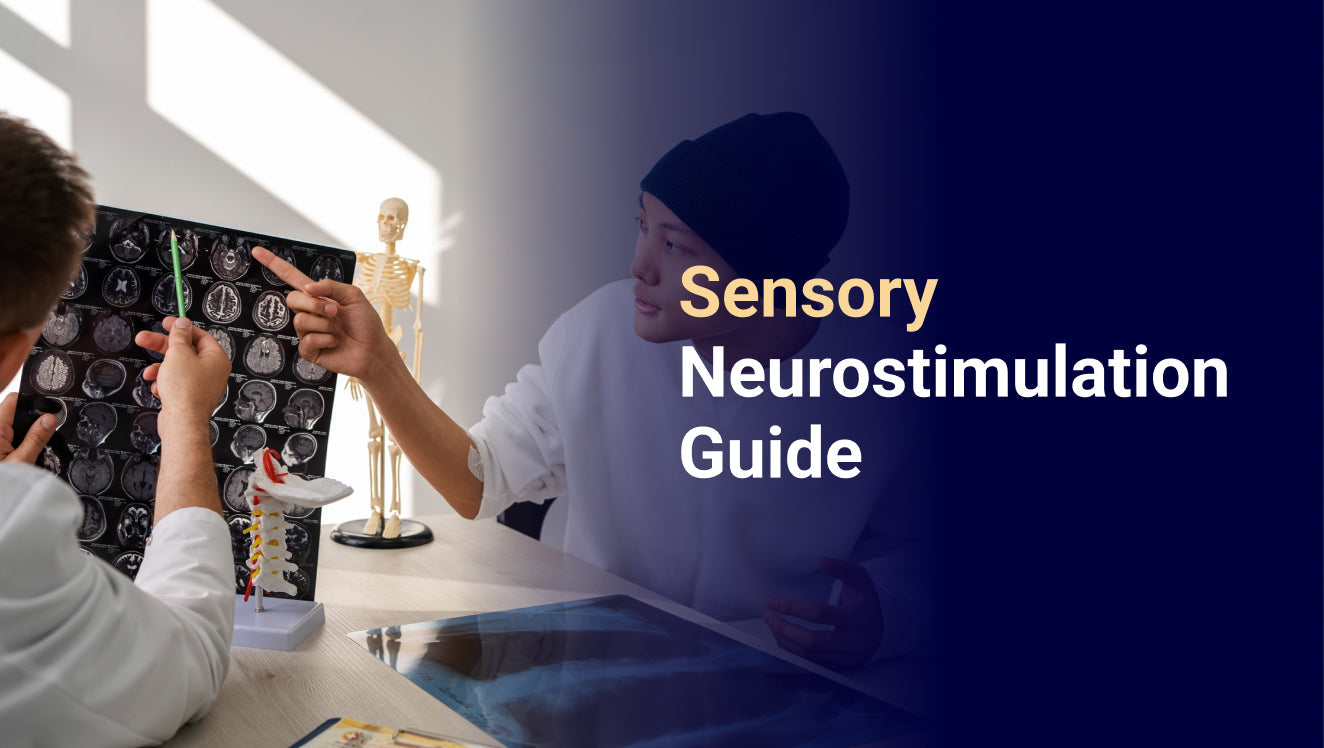
It is at times that the brain becomes louder than life itself. Your thoughts race. You lose focus through your fingers. Sleep is a shallow or broken thing. Even minor things seem to be heavier than they need to be. You attempt breathing deeply or finding a distraction or charging ahead but nothing ever makes the internal noise calm down.
But what about the case when it is not that we do not have enough effort or discipline but it is the condition of the nervous system itself? The contemporary environment is constantly bombarding the brain with sensory data, day and night, screens, notifications, and sounds that drag the nervous system into a chronic alert state. The brain rhythms become rigid over time and the body changes to the protection and survival patterns as opposed to the clarity and flow.
This is where sensory neurostimulation comes in the picture. Not as a cure or a shortcut, but as a kind of science-based means of having the brain re-entry into balance. It is a means of addressing its natural architecture as opposed to trying to impose it externally.
What Is Sensory Neurostimulation?
Fundamentally, sensory neurostimulation refers to the external structured sensory input utilized to manipulate the action and rhythm of the nervous system. It does not need implants or electric shocks but follows through the natural pathways of the brain such as light, sound, touch or the signals of the sense of balance.
The idea is simple. The brain is never not responding to the immediate environment it is in. Your nervous system decelerates when you listen to a relaxing rhythm. Watching flickering light at a given frequency might cause changes in the rhythm of the brain oscillations or make them become synchronized. The ability to direct internal states occurs through sensory input.
The electrical patterns that the brain uses to communicate are so-called neural oscillations. These rhythms assist in making coordination of all functions such as concentration to memory to emotional control. Under the condition of accumulation of stress, fatigue, trauma, or overstimulation these rhythms may become stagnant, chaotic, or frozen. Sensory neurostimulation aims at tuning them back. It does not bring the brain into a state. It invites it.
Instead of providing a medical procedure that can be used in a clinical scenario, sensory neurostimulation is becoming more of an available and non-invasive method for people who require assistance in their daily life. It is at the intersection of neuroscience and human experience, combining interest in the brain with real-life wellbeing.
Reason of Educating the Brain by the Senses
The nervous system is designed to learn by experience. All the sensations are information. A song that makes you cry, a sunrise that makes your breath softer, the touch of sensation that makes you feel safe all these senses change the physiology of the brain. They alter the heart-rate patterns, hormonal responses, and neural communications.
The process can be enhanced by intentional sensory practices that enable the brain to reconnect to each other due to structured and meaningful stimulation. Even basic practices like conscious attention to touch, attention to visual objects, or rhythmical auditory stimuli may produce at least some change in emotional stability and cognitive clarity - an idea developed by the sensory stimulation practice that aims to promote neuroplasticity on practical grounds.
The Human Side of the Science
The principle of sensory neurostimulation is that the structured audiovisual patterns interplay with the internal rhythms of the brain. The oscillations in the brain can move to coherence and flexibility when certain frequencies of light and sound are overlapped in purposeful patterns. This has much in common with the principles of brainwave entrainment technology, in which the rhythmic stimulation helps to soften the brain into clarity, concentration, creativity, or deep rest.
Role of neuroVIZR.

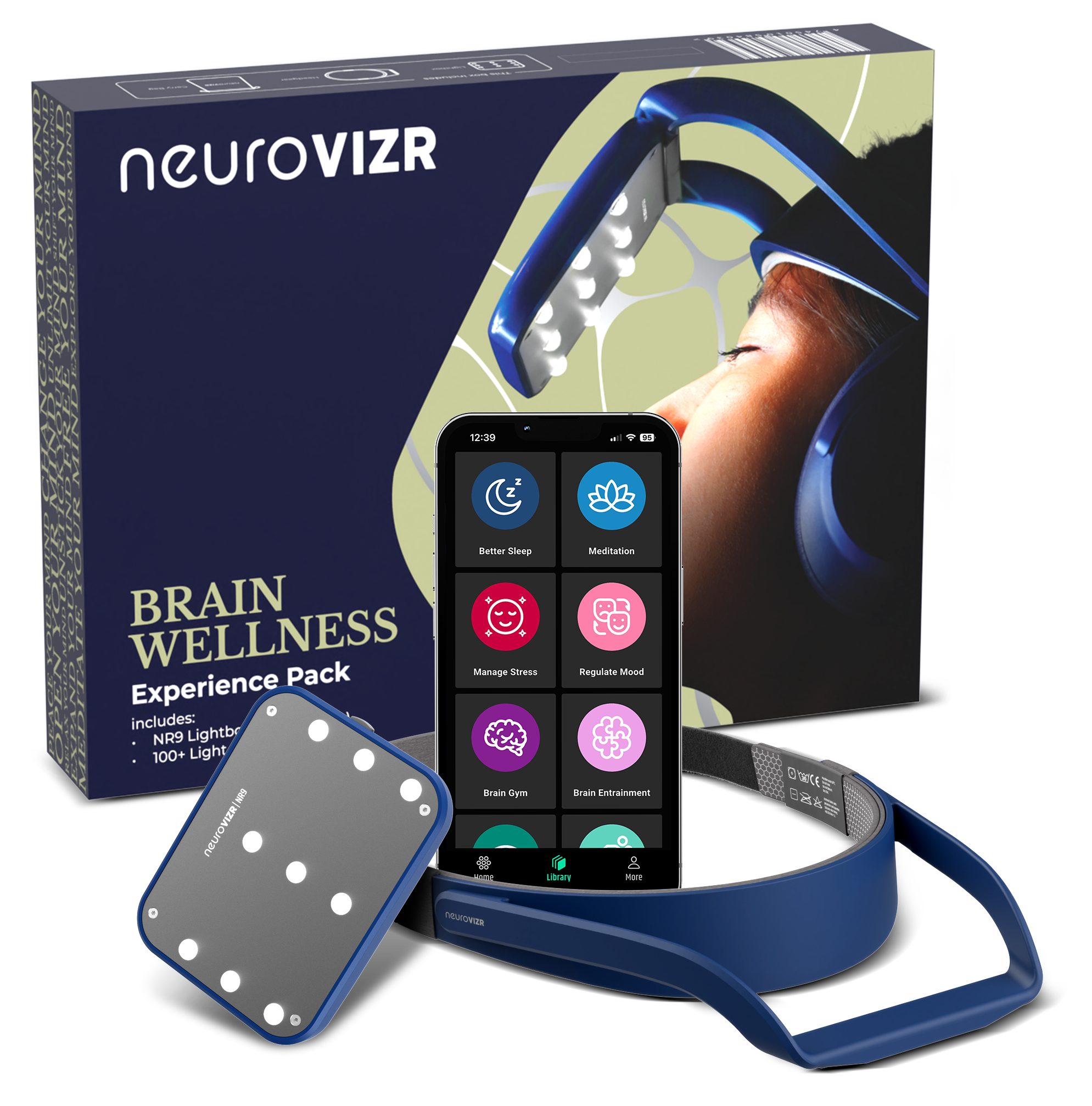
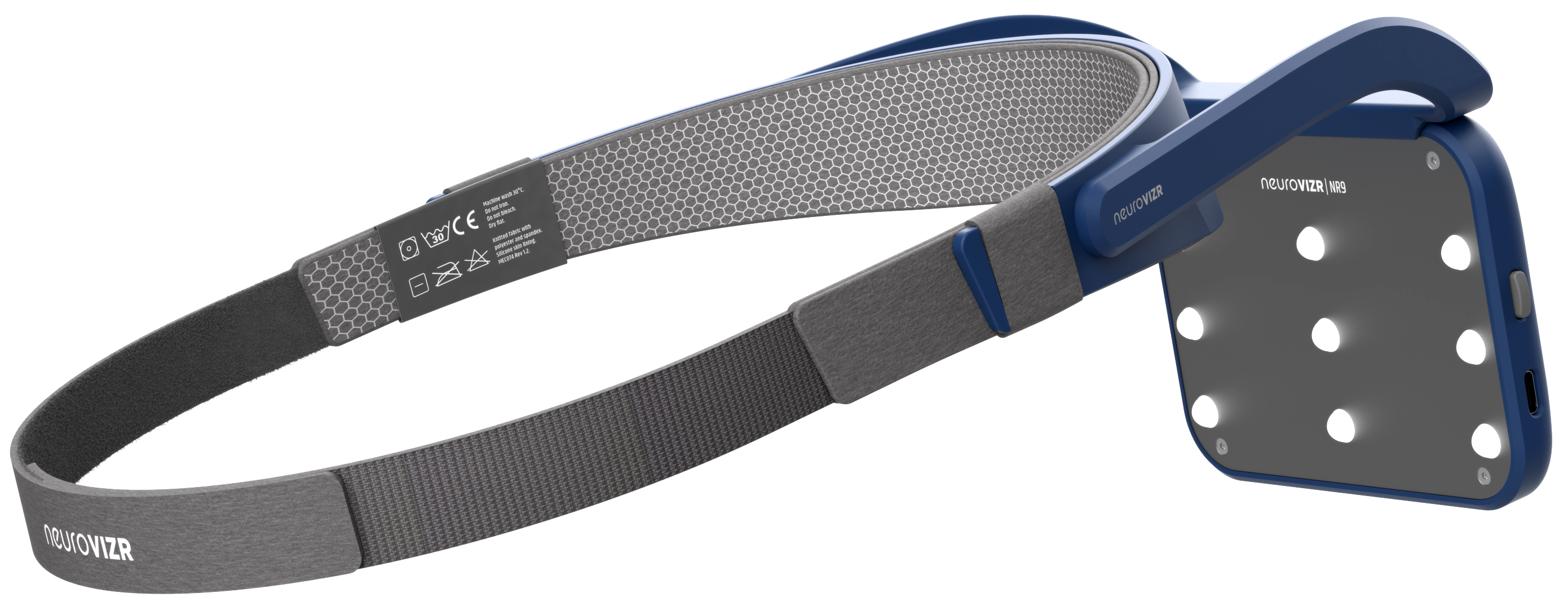
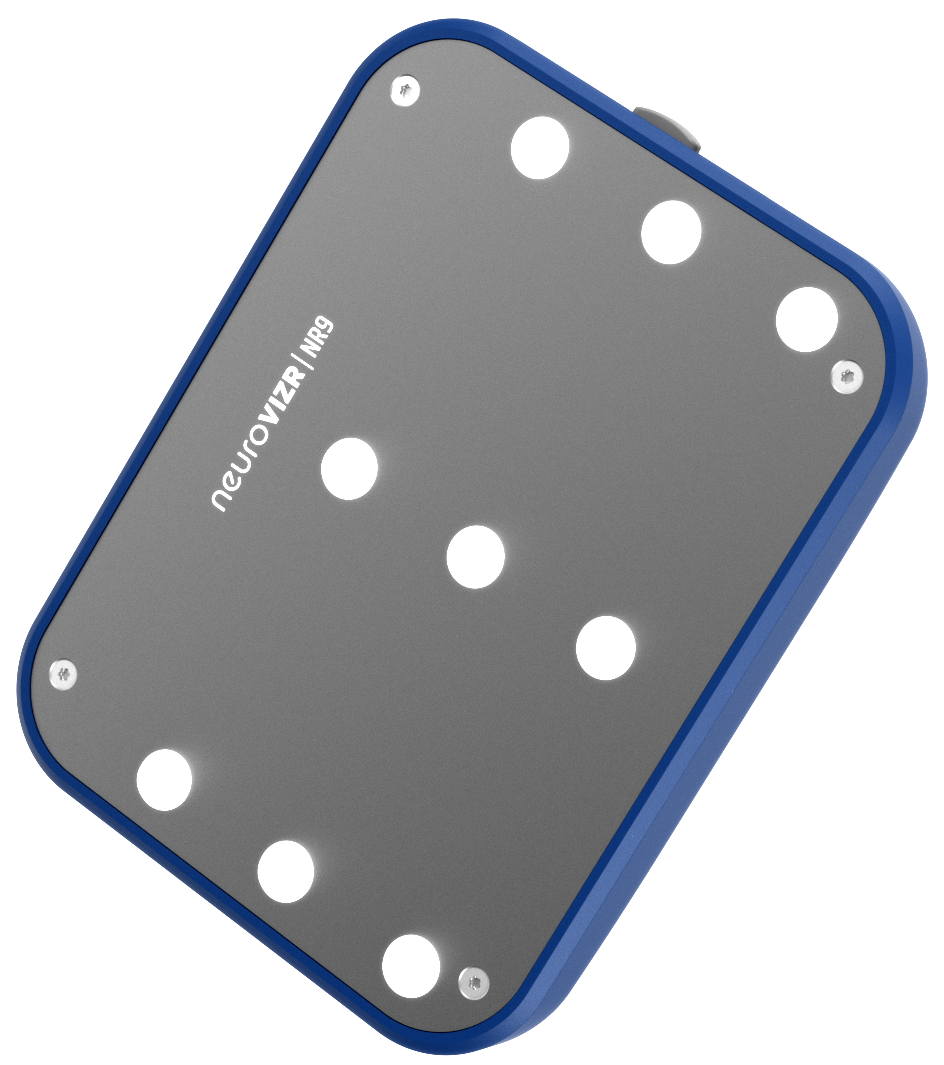
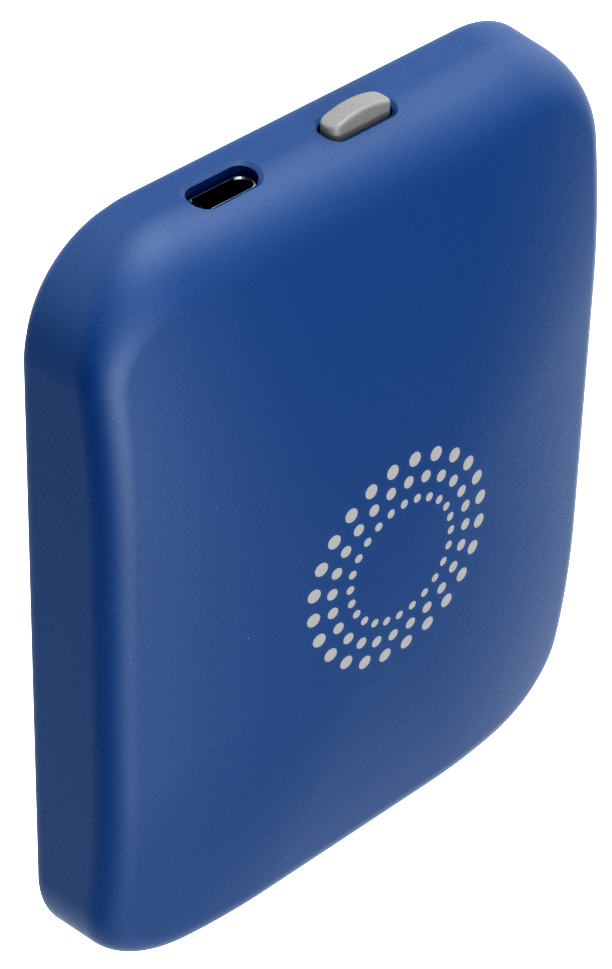
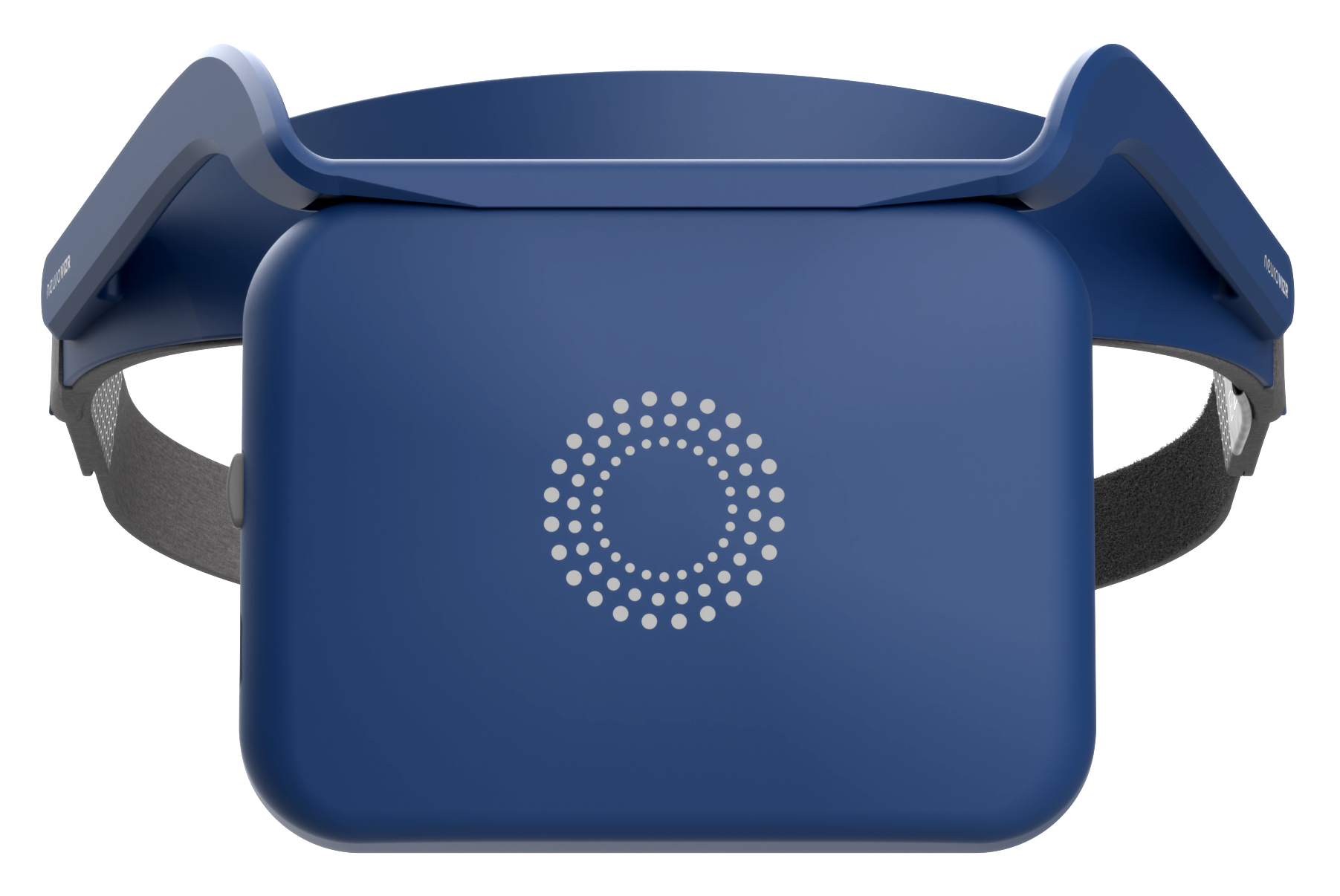
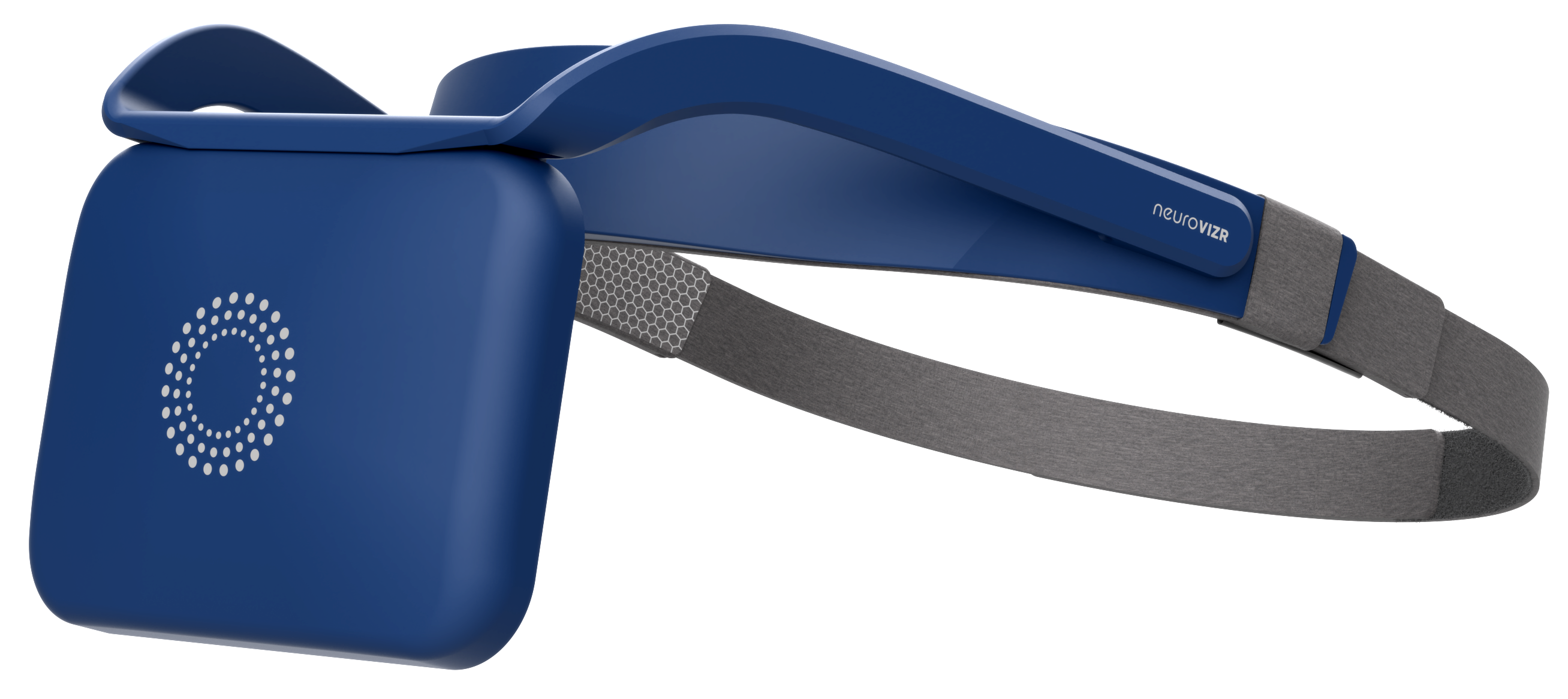
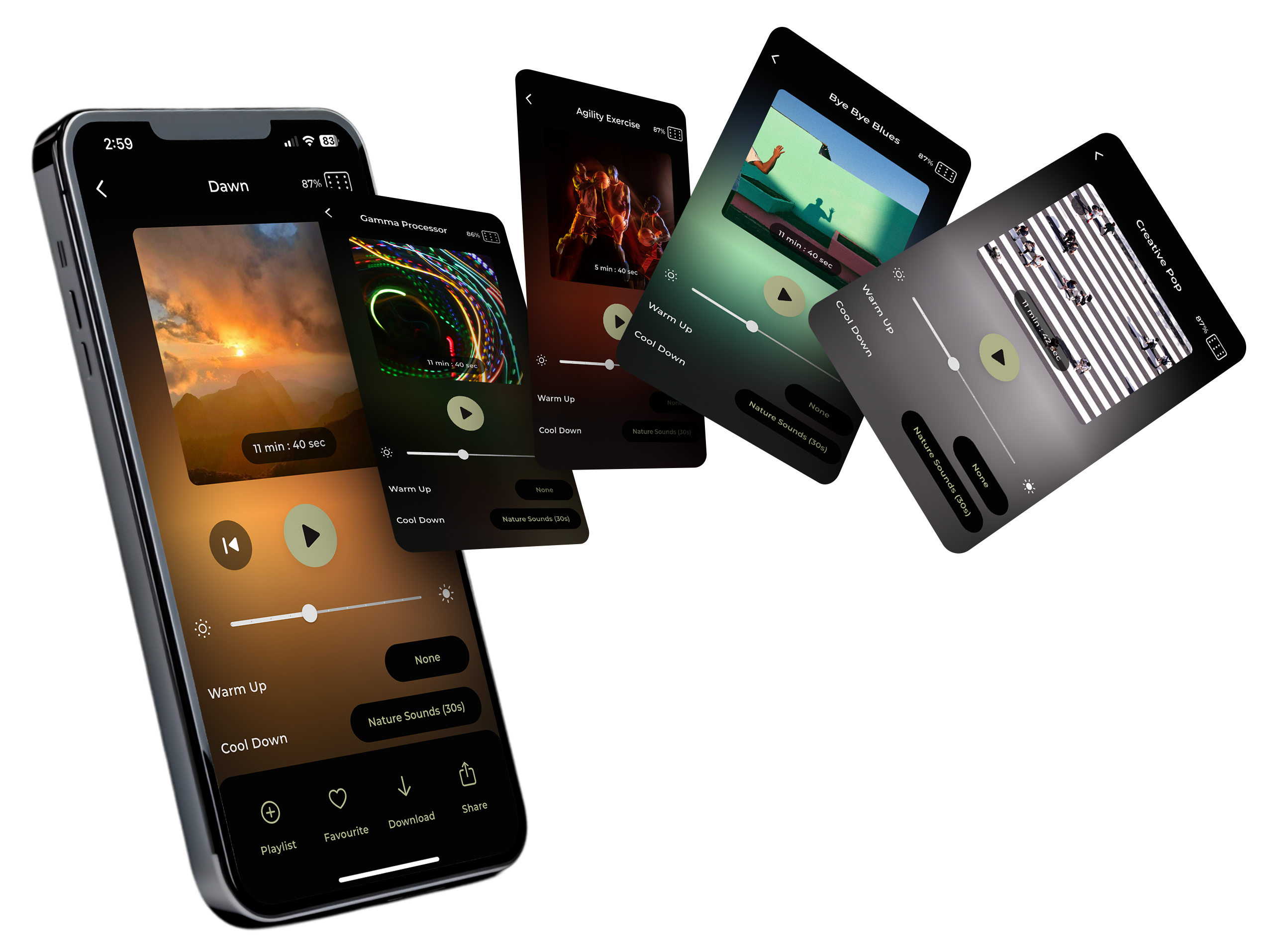
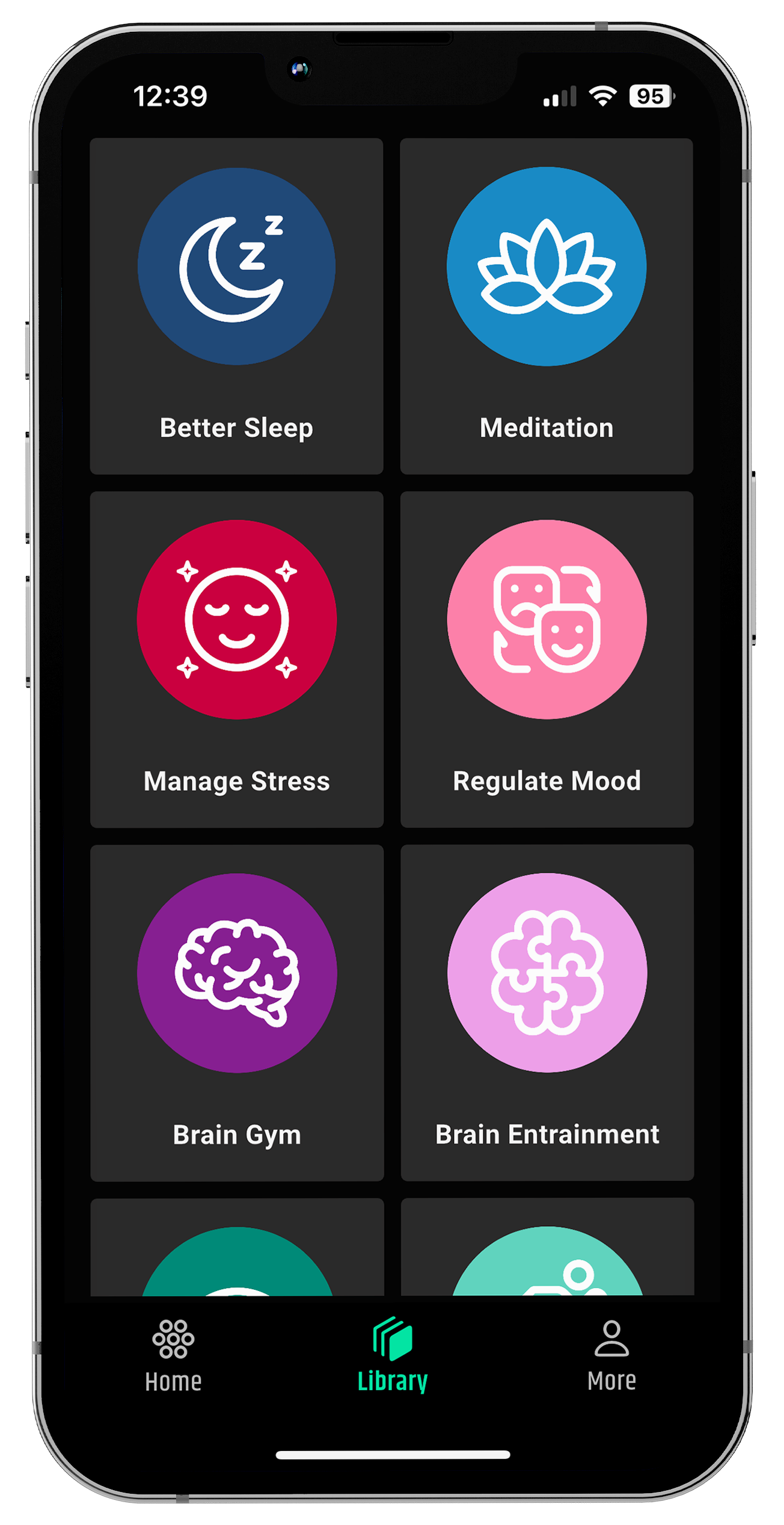
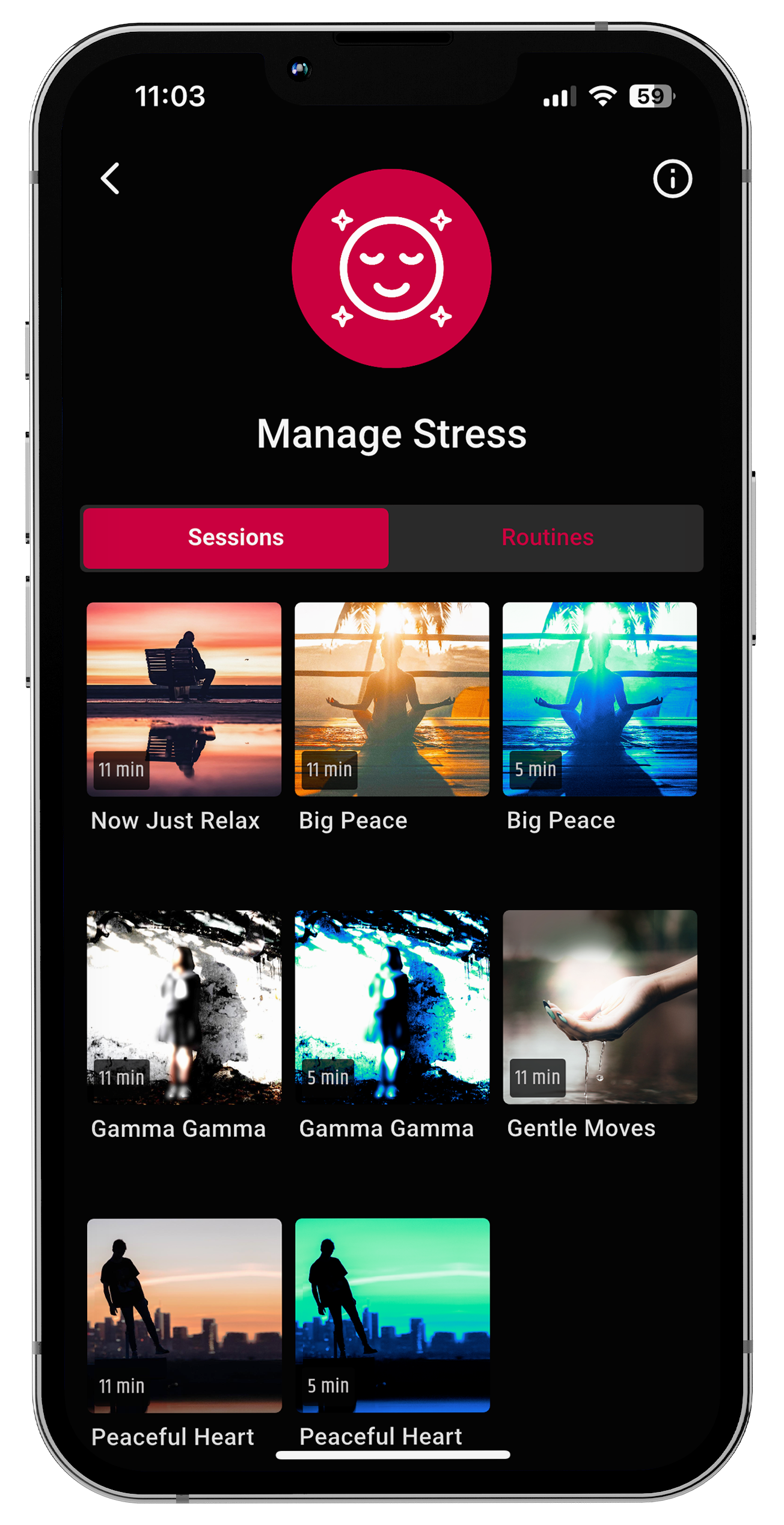
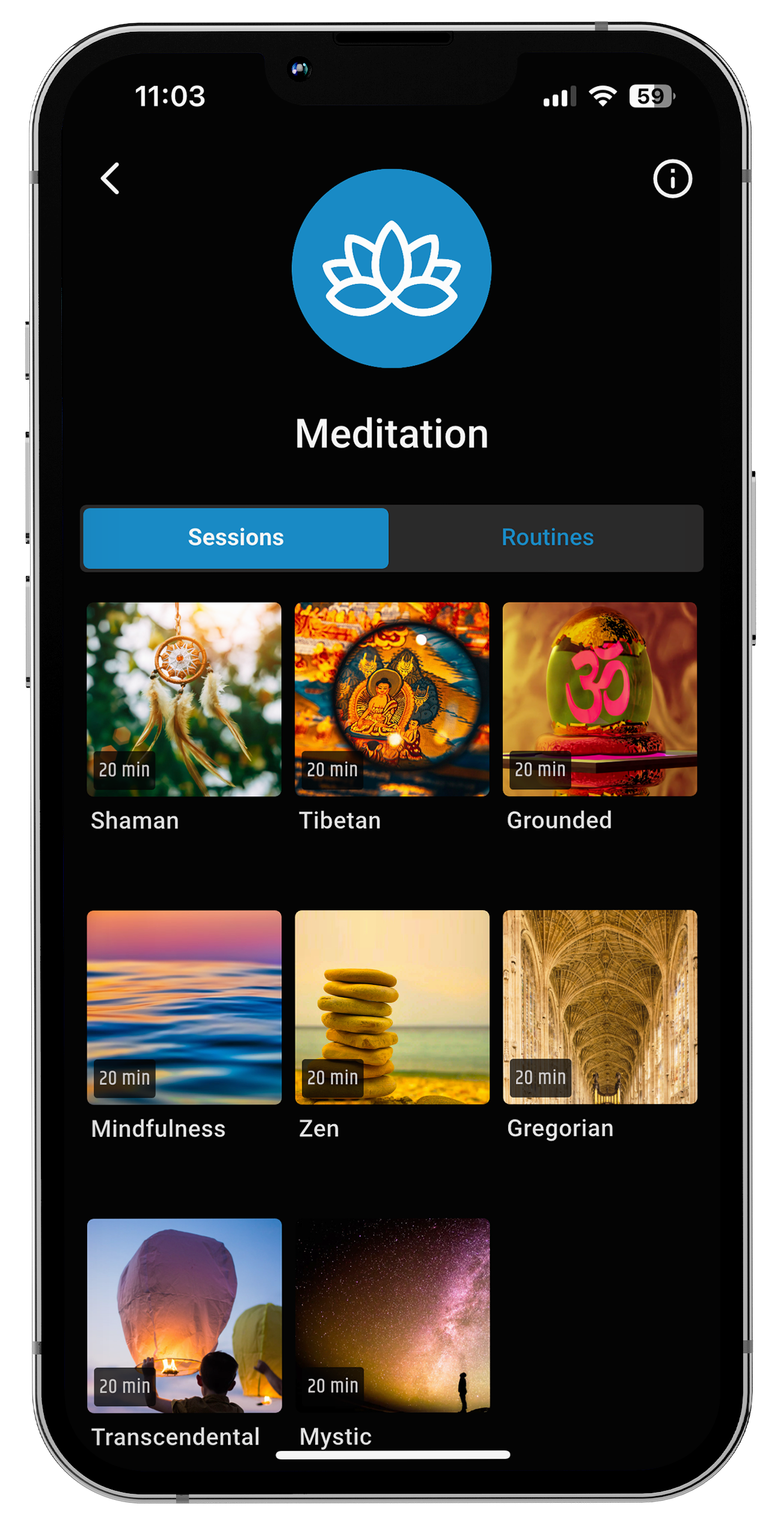
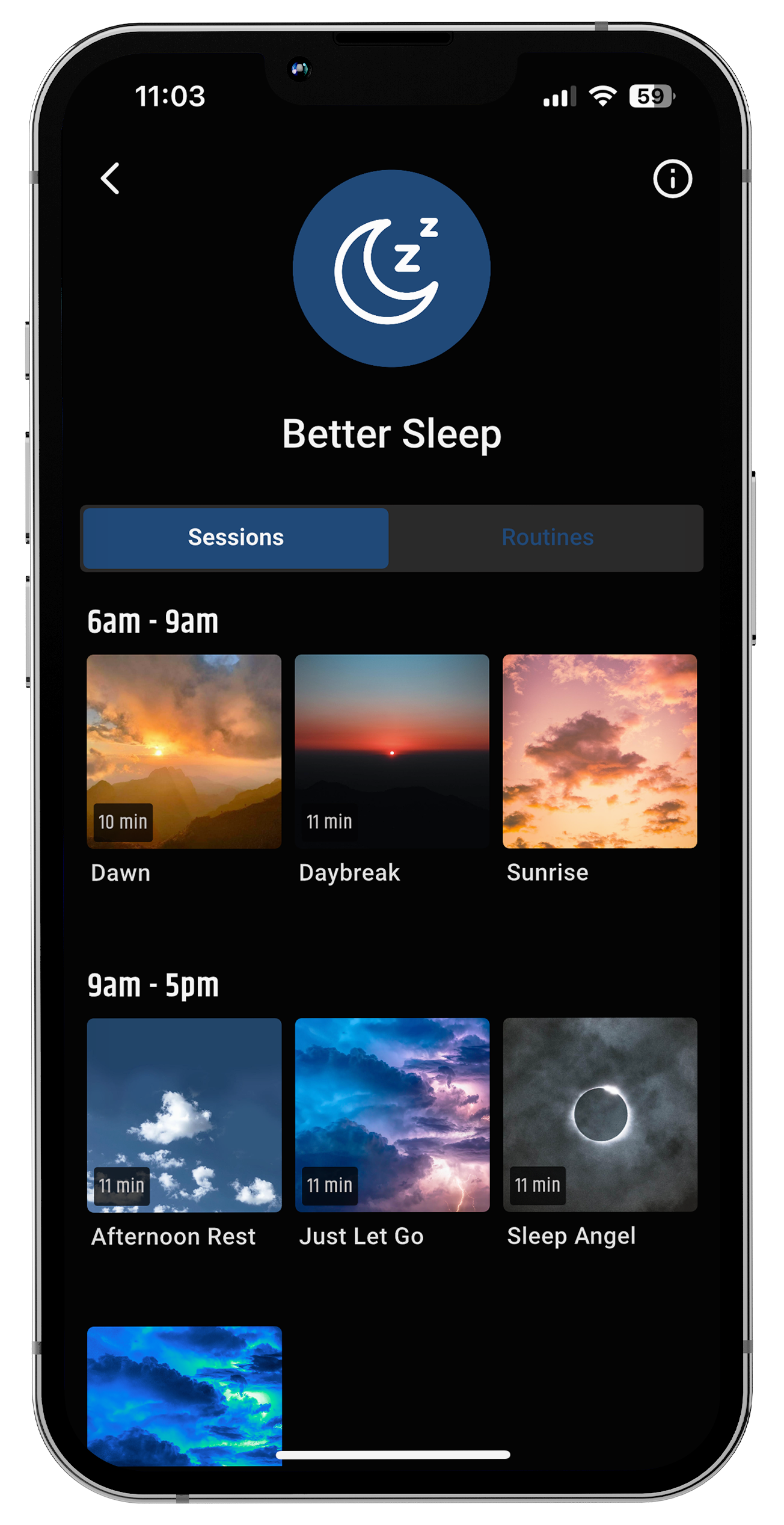
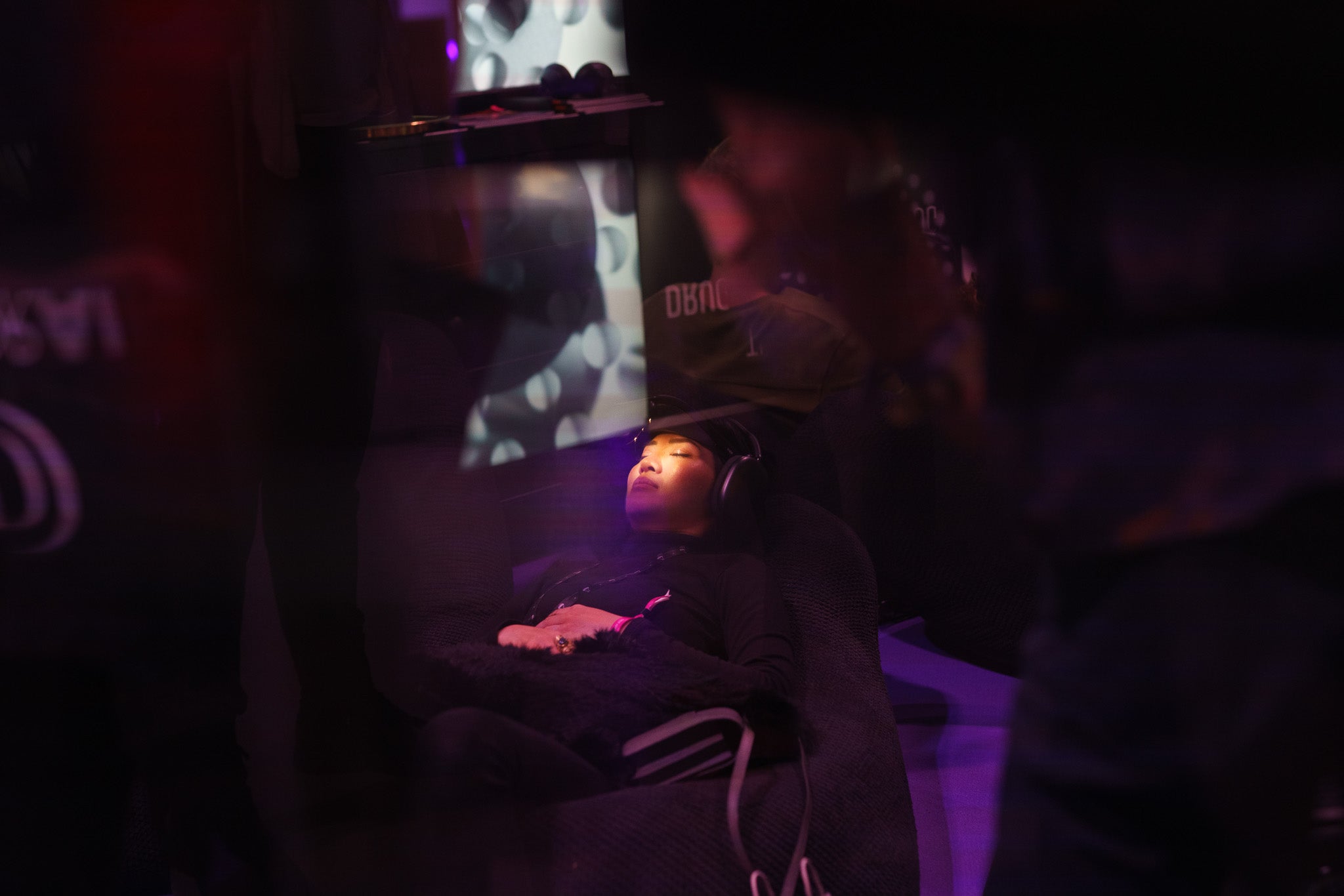
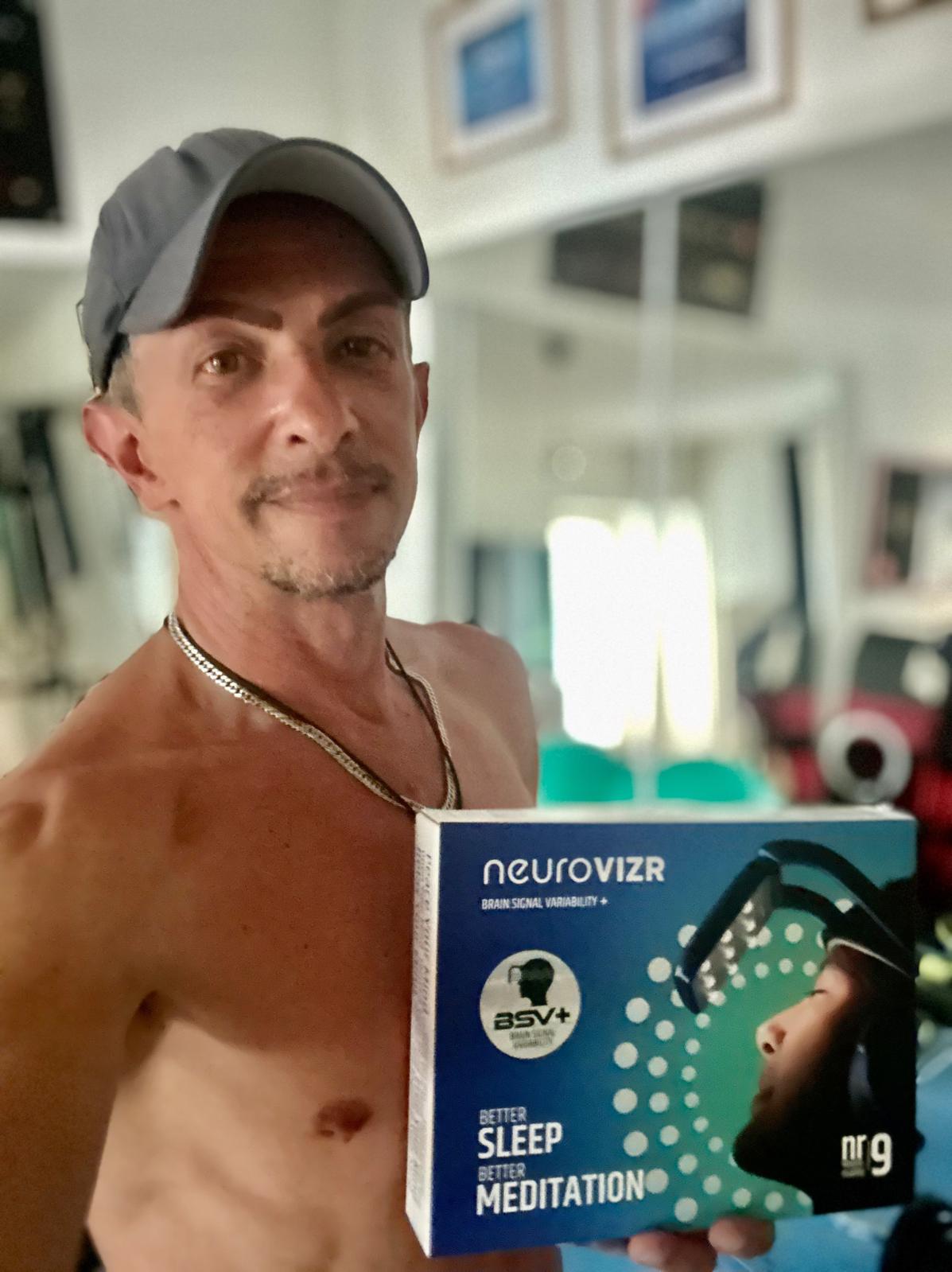
neuroVIZR is a company that, in respect to the sensory neurostimulation, addresses it in carefully conceived light and sound experiences. It does not train the brain by force as most other applications do but rather focuses on the engagement. The machine operates based on the idea of inviting the nervous system to dynamic processes, which facilitate the following effects: focus, creativity, recovery, and emotional balance.
To a person with cognitive overload, the sessions can be a means of settling down internal action and regaining sanity. To a person who has become flat or disengaged, they can rekindle action and engagement. To individuals who want to be creative they might open the door to the designs of bending minds. To individuals recovering their resilience, which they might have lost due to disaster, they might offer a sense of stability and safety.
neuroVIZR builds upon the concept of plain sensory disciplines by introducing purposeful audiovisual rhythms into everyday reality to get the brain to re-learn balance and flow.
A Final Thought
The future of wellbeing is not about harder effort. It is about deeper alignment with how the brain naturally works. Sensory neurostimulation is part of that future. A gentle science meeting human truth. A bridge between the complexity of neuroscience and the simplicity of lived experience.
Not to fix the brain. To support it. Not to override it. To empower it to remember what it already knows.
1. What is sensory neurostimulation?
Sensory neurostimulation is a non-invasive approach that uses structured light, sound, or other sensory inputs to influence brainwave activity and support nervous system balance. It works through natural sensory pathways rather than electrical or surgical intervention.
2. How does sensory neurostimulation affect the brain?
The brain communicates through rhythmic electrical patterns called neural oscillations. When sensory input is delivered at specific tempos or frequencies, the brain may begin to synchronize with those rhythms, helping shift states such as stress, fatigue, mental fog, or emotional overload into calmer and more coherent patterns.
3. Is sensory neurostimulation the same as brainwave entrainment?
They are closely related. Brainwave entrainment uses rhythmic light or sound frequencies to encourage the brain toward a targeted state, while sensory neurostimulation focuses more broadly on engaging the nervous system through multisensory signals that support flexibility and regulation. Both can work together to enhance clarity, calm, or cognitive performance.
4. Who can benefit from sensory neurostimulation?
It may support individuals experiencing stress, difficulty focusing, emotional dysregulation, fatigue, low motivation, creative blocks, or nervous system imbalance. It is also used by people seeking enhanced performance, deeper recovery, or cognitive reset. It is not a replacement for medical care when required.
5. Is sensory neurostimulation safe?
For most people it is considered safe since it uses natural sensory pathways rather than invasive electrical stimulation. However those with photosensitive epilepsy or specific neurological conditions should consult a healthcare provider before using light-based technologies.
Disclaimer
Content is informational and intended to support personal understanding of neuroscience and sensory-based wellbeing approaches. It is not medical advice and should not replace clinical care. For personal or medical concerns, please consult a licensed healthcare professional.








Partager:
Light, Sound, and Safety: The Neuroscience of Regulation
Brain Stimulation Devices: A Smarter Way to Calm, Focus, and Support Your Brain