

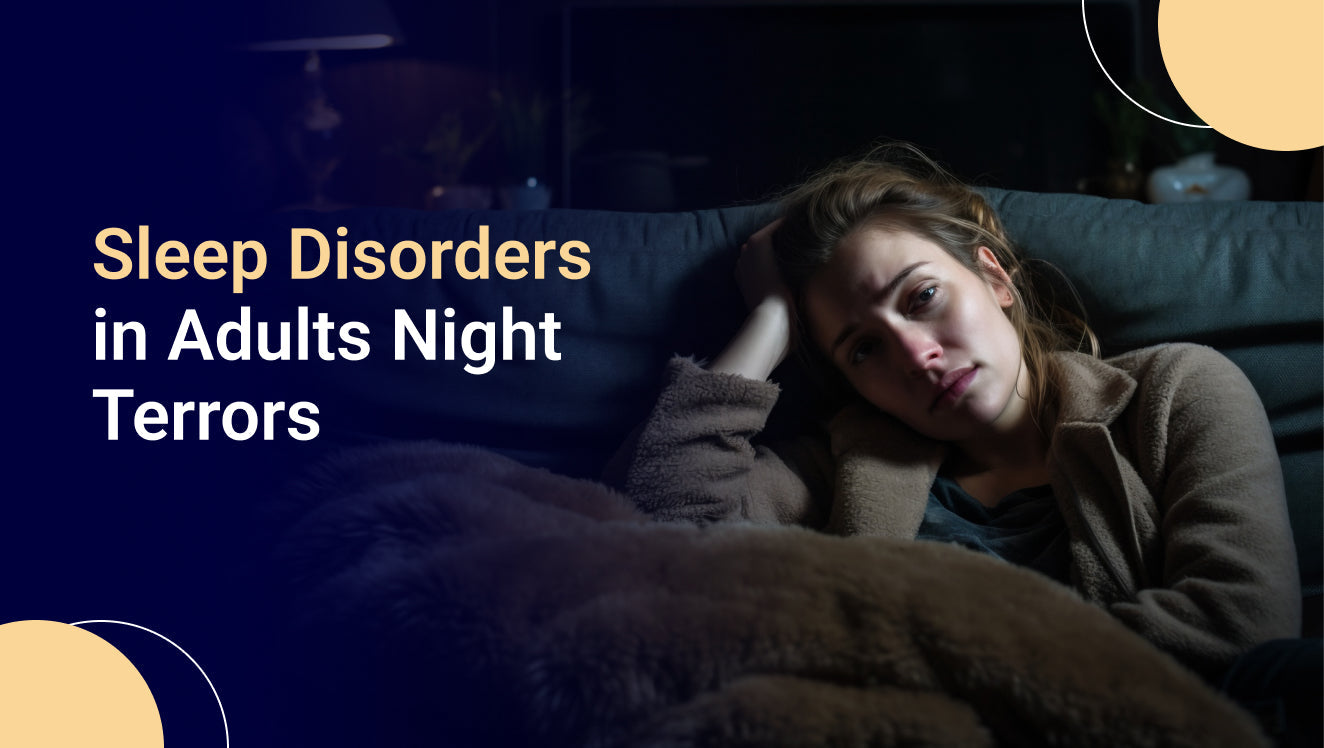
Sleep Disorders in Adults Night Terrors
  • Written by Gourav Rathore

Sleep Disorders in Adults Night Terrors

Night terrors in adults are a highly misconceived sleeping disorder - commonly mixed up with nightmares or anxiety attacks.

Night terrors, in contrast to nightmares, happen during deep sleep, in the NREM state, and adults who have them may scream and thrash, suddenly sit up, sweat profusely, or seem panicked, although non-responsive and unaware. To most of us there is no memory of what has happened in the morning, at least there is none of confusion, weariness or fear of falling asleep again.

If you’re experiencing night terrors or supporting someone who is, you’re not alone. Even in adults, night terrors may be scary but they are manageable and, in most cases, associated with the dysregulation of the nervous system, trauma, pressure in the lifestyle, or disrupted sleep rhythm. It is possible, through knowing what is going on in the brain, to restore a calmer relationship with sleep.

This guide is a science-based and compassionate approach aimed at making you feel knowledgeable, empowered, and prepared, rather than pathologized.

What Are Night Terrors in Adults?

Night terrors (or sleep terrors) are a form of parasomnia - an abbreviated behavior that wakes up in between sleep phases. They are formed when one is in deep slow-wave sleep (NREM Stage 3) and most people will dream during the first 1-3 hours of sleep- when the brain is passing between sleep-depth and semi-wakefulness. Insufficient deep sleep can heighten the frequency and intensity of these episodes, making the brain more reactive during the night.

Common Symptoms

  • Acute screaming, panic, or high pitch screaming in sleep.

  • Accelerated heart rate, perspiration, trembling.

  • Kicking, thrashing, or running (high risk of injury)

  • Eyes open but unresponsive

  • Confusion if awakened

  • None of the recall or pieces of memory.

  • Napiness or concern towards the evening.

Night terrors in adults are not as frequent as in children, however, when they occur, they are usually more severe and harmful.

Why Do Night Terrors Happen?

Night terrors are not caused by any particular reason, however, studies have linked it to sleep instability and hyperactivation of the nervous-system.

Common Triggers

  • Stress, emotional burnout or chronic stress.

  • Sleep deprivation and sleep disorders.

  • Trauma history or PTSD

  • Depression or anxiety disorders.

  • Breathing abnormalities or sleep apnea.

  • Alcohol, stimulants, some drugs.

  • Jet lag, illness, or fever

  • Genetic inclination (family history of parasomnias)

How to Stop Night Terrors?

1. Rebuild Healthy Sleep Rhythms

  • Consistent bedtime & wake time (even weekends)

  • Limit late-night screens & blue-light exposure

  • Reduce alcohol & caffeine in the evening

  • Cool, dark sleep environment

2. Nervous-System Regulation

  • Slow diaphragmatic breathing (5–10 minutes daily)

  • Progressive muscle relaxation before bed

  • Somatic grounding exercises

  • Trauma-informed therapy if needed

3. Track Patterns

  • Time episodes occur

  • Stress levels

  • Medication or alcohol use

  • Sleep duration

Tracking helps reveal triggers and patterns.

4. Medical Evaluation

  • Episodes happen weekly

  • There is risk of injury

  • Daytime functioning is impaired

  • Snoring or breathing pauses suggest sleep apnea

A sleep study (polysomnography) can diagnose related disorders.

Sleep Deprivation in Adults

Lack of restorative sleep can intensify hyperactive behavior in adults. When the brain misses deep sleep, attention control, emotional balance, and impulse regulation weaken leading to restlessness, irritability, and scattered focus.

Disrupted nights or episodes like night terrors interfere with the deep sleep cycles the brain needs for neurological reset. Even small changes in sleep depth can impact mood stability and mental clarity. Many adults don’t realize how much deep sleep the brain actually needs to recover and when that need isn’t met, the nervous system becomes overstimulated and reactive

Conclusion

Night terrors in adults can be frightening, even physically, as well as frequently emotionally. Yet not mysterious curses they are. They are signals: signals that your brain rhythm, your sleep habits, or your emotional state might require a kind of care.

Should you discover these episodes, in yourself, or in any one who is dear to you, know this, that you are not alone. And through understanding, kindness, and plain and science-congruent habits, safer and smoother, more regenerative sleep can be replenished.

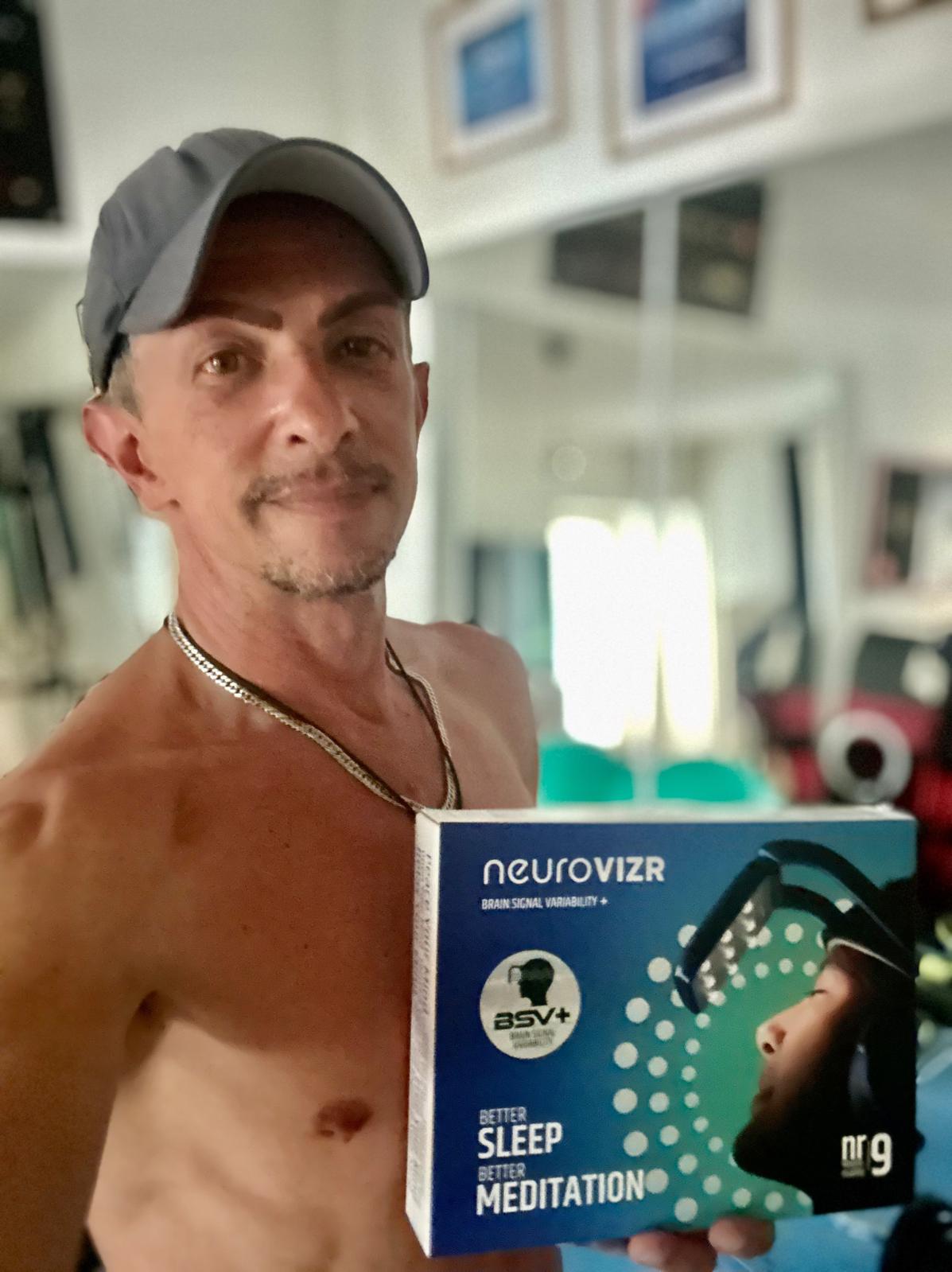
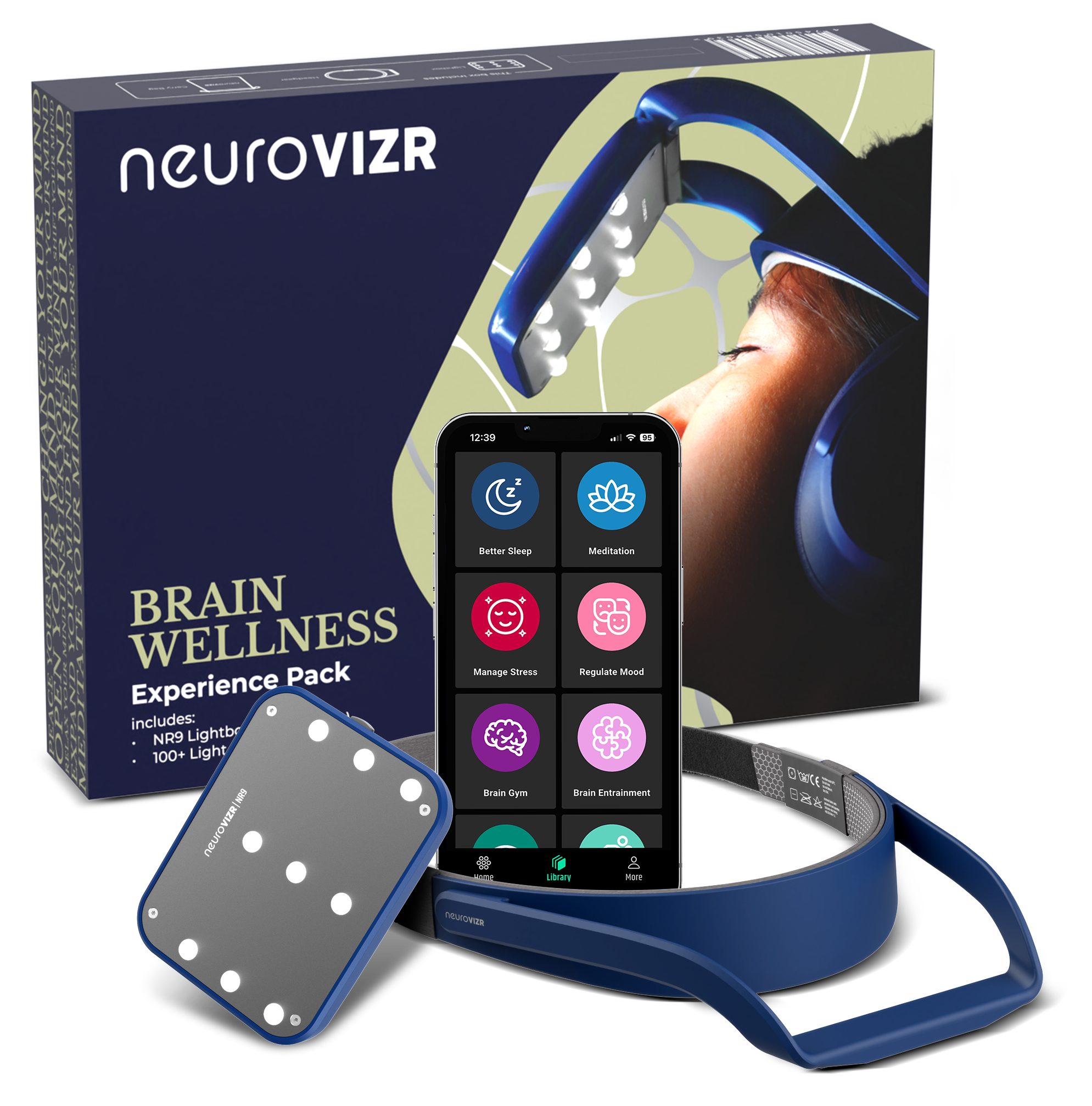
We are convinced that at neuroVIZR, you will get to experience neuroscience and lived experience, not only informed but also held. Sleep-wellness is not about having more sleep. It entails developing an association with your brain that respects rest, regulation and resilience

FAQ

1. Are night terrors normal in adults?

Yes, adults can experience night terrors, although they are less common than in children. They often occur when the nervous system is under high stress or deep sleep is disrupted.

2. What triggers night terrors in adults?

Common triggers include lack of deep sleep, trauma, anxiety, alcohol, certain medications, and irregular sleep cycles. Anything that stresses the brain during NREM deep sleep can trigger episodes.

3. How are night terrors different from nightmares?

Nightmares happen during REM sleep and are usually remembered. Night terrors happen during deep NREM sleep, involve physical panic responses, and are rarely remembered afterward.

4. Can lack of sleep cause night terrors?

Yes. Sleep deprivation makes the brain more reactive and unstable during deep sleep, increasing the likelihood of night terrors and other parasomnias.

Disclaimer

This article is for educational purposes only and does not provide medical advice, diagnosis, or treatment. If night terrors or sleep issues are affecting daily life or safety, please consult a qualified healthcare professional.

References

  • Mayo Clinic — Night terrors occur during deep NREM sleep and can worsen with stress or lack of sleep.

  • Sleep Foundation — Adult night terrors involve sudden fear, crying, rapid heartbeat, and little to no memory.

  • Cleveland Clinic — Night terrors are parasomnias triggered by disrupted deep sleep or nervous system over-arousal.

  • PMC Journal Review (2020) — Night terrors linked to slow-wave sleep instability and arousal dysregulation.

Night terrors in adults are a highly misconceived sleeping disorder - commonly mixed up with nightmares or anxiety attacks.

Night terrors, in contrast to nightmares, happen during deep sleep, in the NREM state, and adults who have them may scream and thrash, suddenly sit up, sweat profusely, or seem panicked, although non-responsive and unaware. To most of us there is no memory of what has happened in the morning, at least there is none of confusion, weariness or fear of falling asleep again.

If you’re experiencing night terrors or supporting someone who is, you’re not alone. Even in adults, night terrors may be scary but they are manageable and, in most cases, associated with the dysregulation of the nervous system, trauma, pressure in the lifestyle, or disrupted sleep rhythm. It is possible, through knowing what is going on in the brain, to restore a calmer relationship with sleep.

This guide is a science-based and compassionate approach aimed at making you feel knowledgeable, empowered, and prepared, rather than pathologized.

What Are Night Terrors in Adults?

Night terrors (or sleep terrors) are a form of parasomnia - an abbreviated behavior that wakes up in between sleep phases. They are formed when one is in deep slow-wave sleep (NREM Stage 3) and most people will dream during the first 1-3 hours of sleep- when the brain is passing between sleep-depth and semi-wakefulness. Insufficient deep sleep can heighten the frequency and intensity of these episodes, making the brain more reactive during the night.

Common Symptoms

  • Acute screaming, panic, or high pitch screaming in sleep.

  • Accelerated heart rate, perspiration, trembling.

  • Kicking, thrashing, or running (high risk of injury)

  • Eyes open but unresponsive

  • Confusion if awakened

  • None of the recall or pieces of memory.

  • Napiness or concern towards the evening.

Night terrors in adults are not as frequent as in children, however, when they occur, they are usually more severe and harmful.

Why Do Night Terrors Happen?

Night terrors are not caused by any particular reason, however, studies have linked it to sleep instability and hyperactivation of the nervous-system.

Common Triggers

  • Stress, emotional burnout or chronic stress.

  • Sleep deprivation and sleep disorders.

  • Trauma history or PTSD

  • Depression or anxiety disorders.

  • Breathing abnormalities or sleep apnea.

  • Alcohol, stimulants, some drugs.

  • Jet lag, illness, or fever

  • Genetic inclination (family history of parasomnias)

How to Stop Night Terrors?

1. Rebuild Healthy Sleep Rhythms

  • Consistent bedtime & wake time (even weekends)

  • Limit late-night screens & blue-light exposure

  • Reduce alcohol & caffeine in the evening

  • Cool, dark sleep environment

2. Nervous-System Regulation

  • Slow diaphragmatic breathing (5–10 minutes daily)

  • Progressive muscle relaxation before bed

  • Somatic grounding exercises

  • Trauma-informed therapy if needed

3. Track Patterns

  • Time episodes occur

  • Stress levels

  • Medication or alcohol use

  • Sleep duration

Tracking helps reveal triggers and patterns.

4. Medical Evaluation

  • Episodes happen weekly

  • There is risk of injury

  • Daytime functioning is impaired

  • Snoring or breathing pauses suggest sleep apnea

A sleep study (polysomnography) can diagnose related disorders.

Sleep Deprivation in Adults

Lack of restorative sleep can intensify hyperactive behavior in adults. When the brain misses deep sleep, attention control, emotional balance, and impulse regulation weaken leading to restlessness, irritability, and scattered focus.

Disrupted nights or episodes like night terrors interfere with the deep sleep cycles the brain needs for neurological reset. Even small changes in sleep depth can impact mood stability and mental clarity. Many adults don’t realize how much deep sleep the brain actually needs to recover and when that need isn’t met, the nervous system becomes overstimulated and reactive

Conclusion

Night terrors in adults can be frightening, even physically, as well as frequently emotionally. Yet not mysterious curses they are. They are signals: signals that your brain rhythm, your sleep habits, or your emotional state might require a kind of care.

Should you discover these episodes, in yourself, or in any one who is dear to you, know this, that you are not alone. And through understanding, kindness, and plain and science-congruent habits, safer and smoother, more regenerative sleep can be replenished.

We are convinced that at neuroVIZR, you will get to experience neuroscience and lived experience, not only informed but also held. Sleep-wellness is not about having more sleep. It entails developing an association with your brain that respects rest, regulation and resilience

FAQ

1. Are night terrors normal in adults?

Yes, adults can experience night terrors, although they are less common than in children. They often occur when the nervous system is under high stress or deep sleep is disrupted.

2. What triggers night terrors in adults?

Common triggers include lack of deep sleep, trauma, anxiety, alcohol, certain medications, and irregular sleep cycles. Anything that stresses the brain during NREM deep sleep can trigger episodes.

3. How are night terrors different from nightmares?

Nightmares happen during REM sleep and are usually remembered. Night terrors happen during deep NREM sleep, involve physical panic responses, and are rarely remembered afterward.

4. Can lack of sleep cause night terrors?

Yes. Sleep deprivation makes the brain more reactive and unstable during deep sleep, increasing the likelihood of night terrors and other parasomnias.

Disclaimer

This article is for educational purposes only and does not provide medical advice, diagnosis, or treatment. If night terrors or sleep issues are affecting daily life or safety, please consult a qualified healthcare professional.

References

  • Mayo Clinic — Night terrors occur during deep NREM sleep and can worsen with stress or lack of sleep.

  • Sleep Foundation — Adult night terrors involve sudden fear, crying, rapid heartbeat, and little to no memory.

  • Cleveland Clinic — Night terrors are parasomnias triggered by disrupted deep sleep or nervous system over-arousal.

  • PMC Journal Review (2020) — Night terrors linked to slow-wave sleep instability and arousal dysregulation.

Améliorez votre clarté mentale avec neuroVIZR