


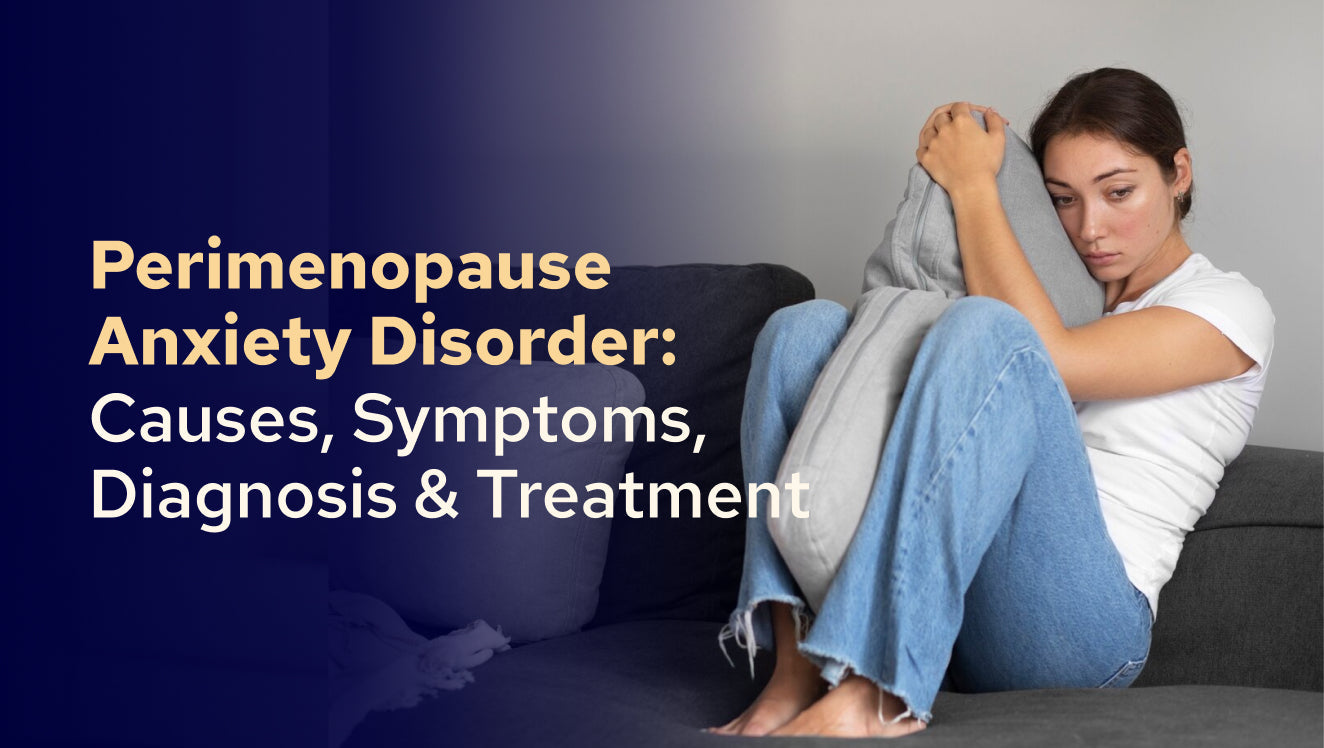
Perimenopause anxiety disorder is a common yet often misunderstood condition that affects many women during the years leading up to menopause. Perimenopause is the transitional phase before menopause when reproductive hormones begin to fluctuate and decline. These hormonal shifts can make women more vulnerable to anxiety even those who have never experienced anxiety before.
While anxiety during perimenopause can feel overwhelming, it is important to know that it is common, treatable, and temporary for many women. Understanding what’s happening in your body is the first step toward managing symptoms effectively.
What Is Perimenopause Anxiety Disorder?
Perimenopause anxiety disorder refers to persistent or heightened anxiety symptoms that occur during perimenopause due to hormonal, physical, and psychological changes. Unlike occasional stress, this anxiety can interfere with daily life, emotional wellbeing, sleep, and overall quality of life.
Hormonal changes during perimenopause can amplify emotional sensitivity, making normal stressors feel much more intense than usual.
Who May Experience Anxiety During Perimenopause?
Mood changes are very common during perimenopause and menopause. Research shows that around 4 in 10 women experience mood symptoms similar to premenstrual syndrome (PMS) during perimenopause.
However, during this stage:
-
Symptoms may occur outside of the menstrual cycle
-
Emotional changes may feel more unpredictable or intense
Women at higher risk of developing perimenopause anxiety disorder include:
-
Those with a previous history of anxiety or panic disorders
-
Women experiencing severe PMS or PMDD earlier in life
-
Individuals under chronic stress or major life changes during midlife
What Causes Anxiety During Perimenopause?
Anxiety during perimenopause is rarely caused by a single factor. Instead, it develops due to a combination of hormonal shifts and physical symptoms.
Hormonal Factors
-
Declining estrogen and progesterone levels affect serotonin, a neurotransmitter that regulates mood and emotional stability
-
Lower serotonin levels can increase irritability, nervousness, and anxiety
-
Cortisol, the body’s main stress hormone, tends to increase with age, making stress responses stronger and longer-lasting
Physical Factors
Common perimenopausal symptoms can also trigger or worsen anxiety, including:
-
Hot flashes
-
Night sweats
-
Sleep disturbances and insomnia
-
Fatigue and low energy
Poor sleep alone can significantly increase anxiety levels and emotional reactivity.
Also read - pmdd and perimenopause
Symptoms of Perimenopause Anxiety Disorder
Symptoms can vary in intensity and may appear suddenly or gradually.
Emotional Symptoms
-
Persistent worry or nervousness
-
Heightened anxiety without a clear cause
-
Mood swings or emotional sensitivity
-
Feeling overwhelmed or easily stressed
Often, family members or close friends notice these emotional changes before the woman herself does.
Seek urgent medical help if you experience:
-
Anxiety that interferes with daily activities such as eating, hygiene, or work
-
Feelings of hopelessness or suicidal thoughts
Physical Symptoms
-
Rapid or irregular heartbeat
-
Excessive sweating
-
Shaking or trembling
-
Digestive discomfort
-
Disturbed sleep patterns
Cognitive Symptoms
-
Difficulty concentrating
-
Memory lapses or “brain fog”
-
Trouble making decisions
 How Is Anxiety During Perimenopause Diagnosed?
If you suspect perimenopause anxiety disorder, speak with your primary care doctor or gynecologist. They can:
-
Review your symptoms and menstrual history
-
Rule out other conditions such as thyroid disorders
-
Refer you to a mental health professional if needed
Proper diagnosis ensures that anxiety is treated appropriately and not mistaken for another medical condition.
Treatment Options for Perimenopause Anxiety Disorder
Treatment is highly individualized and often involves a combination of lifestyle changes and professional care.
Lifestyle & Self-Care Strategies
-
Regular physical activity
-
Balanced, nutrient-rich diet
-
Adequate sleep
-
Stress-management techniques such as yoga, meditation, or breathing exercises
These approaches can significantly improve mood regulation and resilience.
Talk Therapy
-
Cognitive Behavioral Therapy (CBT) is especially effective
-
Helps identify and reframe negative thought patterns
-
Provides coping strategies for anxiety and nighttime overthinking
Medication (When Needed)
-
Anti-anxiety medications
-
Sleep-promoting medications
Hormonal treatments in some cases (as advised by a doctor)
Medication is usually considered when symptoms are moderate to severe or do not respond to lifestyle interventions alone.
Recovering From Anxiety During Perimenopause
For many women, anxiety symptoms improve once perimenopause ends and hormone levels stabilise. However, the timeline and intensity of recovery vary greatly from person to person.
If anxiety continues after menopause, ongoing treatment and support are available. Persistent anxiety should never be ignored, regardless of age or hormonal stage.
Final Thoughts
Perimenopause anxiety disorder is real, common, and manageable. Understanding the hormonal and physical changes behind your symptoms can help reduce fear and self-blame. With the right support medical, emotional, and lifestyle-based most women find significant relief.
If anxiety is affecting your daily life, reach out to a healthcare professional. Help is available, and you don’t have to navigate this transition alone.
Frequently Asked Questions
Is anxiety a normal part of perimenopause?
Yes, anxiety is common during perimenopause. Hormonal fluctuations especially changes in estrogen and progesterone can affect brain chemicals that regulate mood, making anxiety more likely during this transition.
Can perimenopause cause anxiety even if I’ve never had it before?
Yes. Many women experience anxiety for the first time during perimenopause, even without a prior history of mental health conditions. Hormonal changes combined with sleep disruption and physical symptoms can trigger anxiety unexpectedly.
How long does perimenopause anxiety last?
The duration varies. For some women, anxiety improves once hormone levels stabilise after menopause. For others, symptoms may continue and require ongoing treatment. Early support can help reduce severity and duration.
What is the difference between general anxiety and perimenopause anxiety disorder?
Perimenopause anxiety disorder is closely linked to hormonal changes and often appears alongside physical symptoms such as hot flashes, night sweats, and sleep problems. General anxiety may not have this hormonal trigger.











Partager:
Can Menstruation Cause Headaches?