

Sleep Corner: Syncing Your Routine with Your Natural Body Clock
  • Written by Gourav Rathore

Sleep Corner: Syncing Your Routine with Your Natural Body Clock

Sleep is often misunderstood as something we fit in once the day is over. A pause. A recovery phase. In reality, sleep is an active and highly regulated process, guided by the brain and nervous system working together. 

At the center of this process is your natural body clock, an internal rhythm that determines when you feel alert, when you slow down, and how deeply your body can rest. When daily routines align with this rhythm, sleep becomes easier and more restorative. When they do not, even long hours in bed can feel unrefreshing. 

This article explores how syncing your routine with your body clock supports better sleep, steadier energy, and long-term brain wellness.

Understanding Your Natural Body Clock

Your body clock, often referred to as the circadian rhythm, is a 24-hour cycle controlled by the brain. It regulates when you feel alert, when you feel sleepy, how your hormones fluctuate, and even how your body temperature shifts throughout the day.

This rhythm is primarily influenced by light. Morning light signals the brain to increase alertness and reduce melatonin. Darkness does the opposite. Over time, your brain learns patterns. It expects certain signals at certain times.

When those signals are consistent, the nervous system feels safe and regulated. When they are irregular, the system stays slightly on edge, even during sleep.

This is why people who sleep and wake at the same time often feel better with less effort, while those with irregular routines struggle even when they technically get enough hours.

Key Strategies for Syncing Your Routine

Wake up at the same time every day
Your brain learns timing faster than duration. A consistent wake-up time anchors your body clock and sets the rhythm for hormones, alertness, and sleep pressure later at night.

Use morning light intentionally
Natural light within the first hour of waking sends a strong signal to the brain that the day has started. This supports healthy cortisol release and helps melatonin rise naturally in the evening.

Protect your evening environment
Lower lighting after sunset and reduce stimulating activities. Bright screens and intense cognitive input delay the brain’s transition into rest.

Eat and move on a predictable schedule
Regular meal timing and gentle daily movement reinforce internal rhythms. Late meals or erratic eating patterns can confuse sleep timing.

Limit late-day stimulants
Caffeine too late in the day interferes with the brain’s ability to downshift, even if you feel physically tired.

Create a repeatable wind-down routine
Simple rituals like quiet reading, breathing, or low stimulation activities teach the brain when to slow down.

Support neural regulation with brain wellness devices
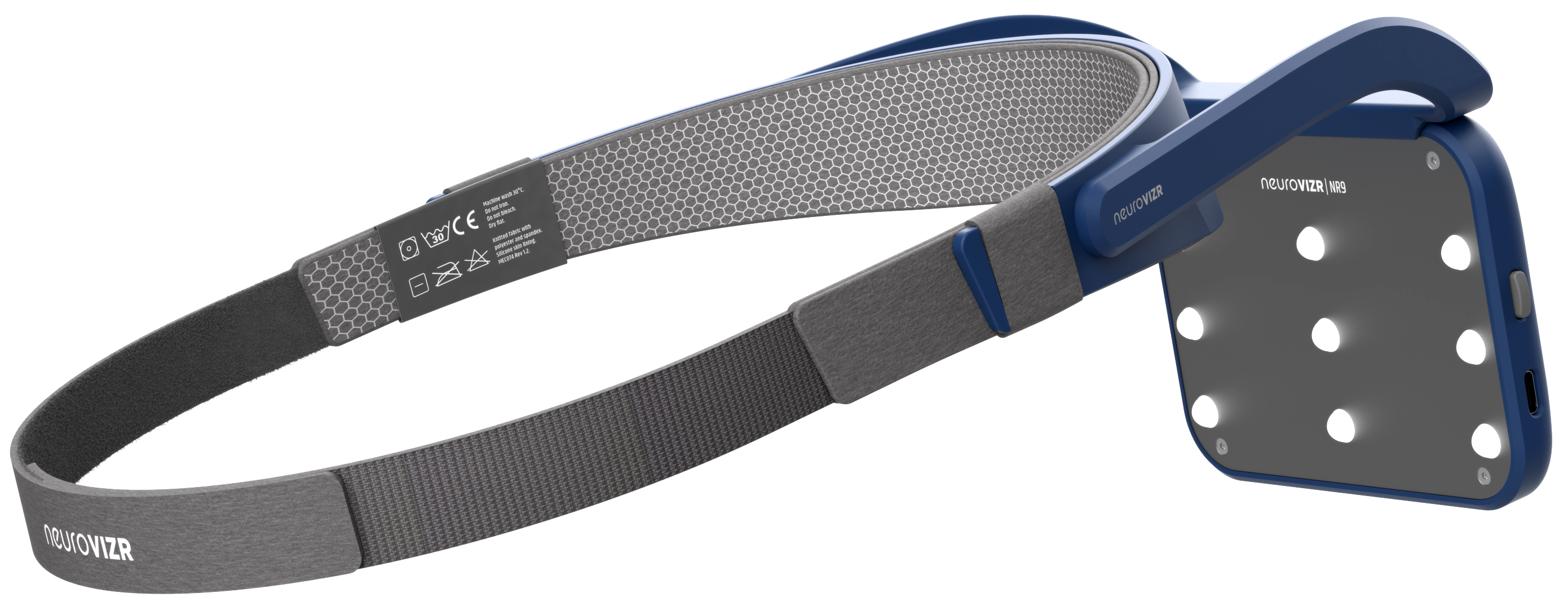
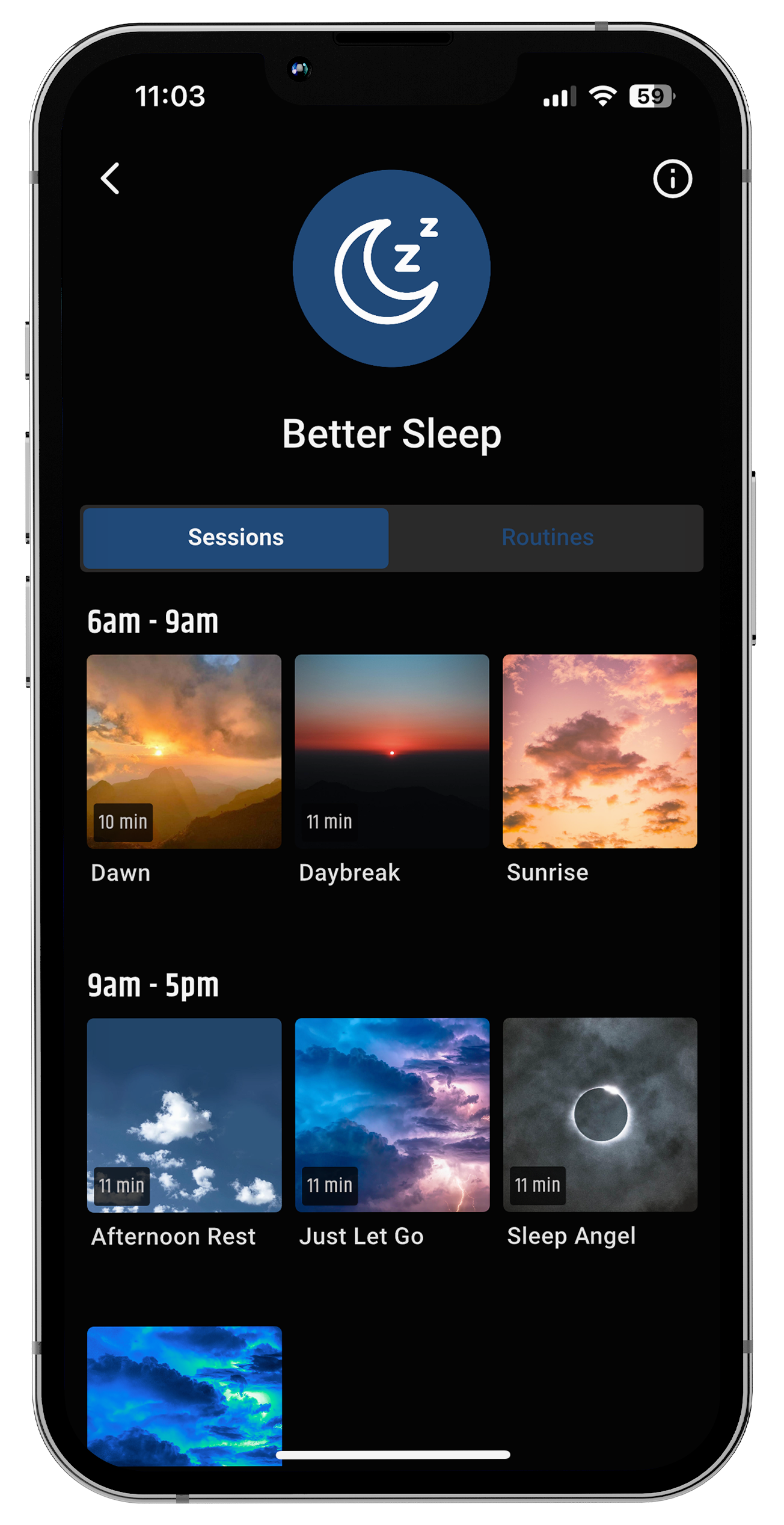
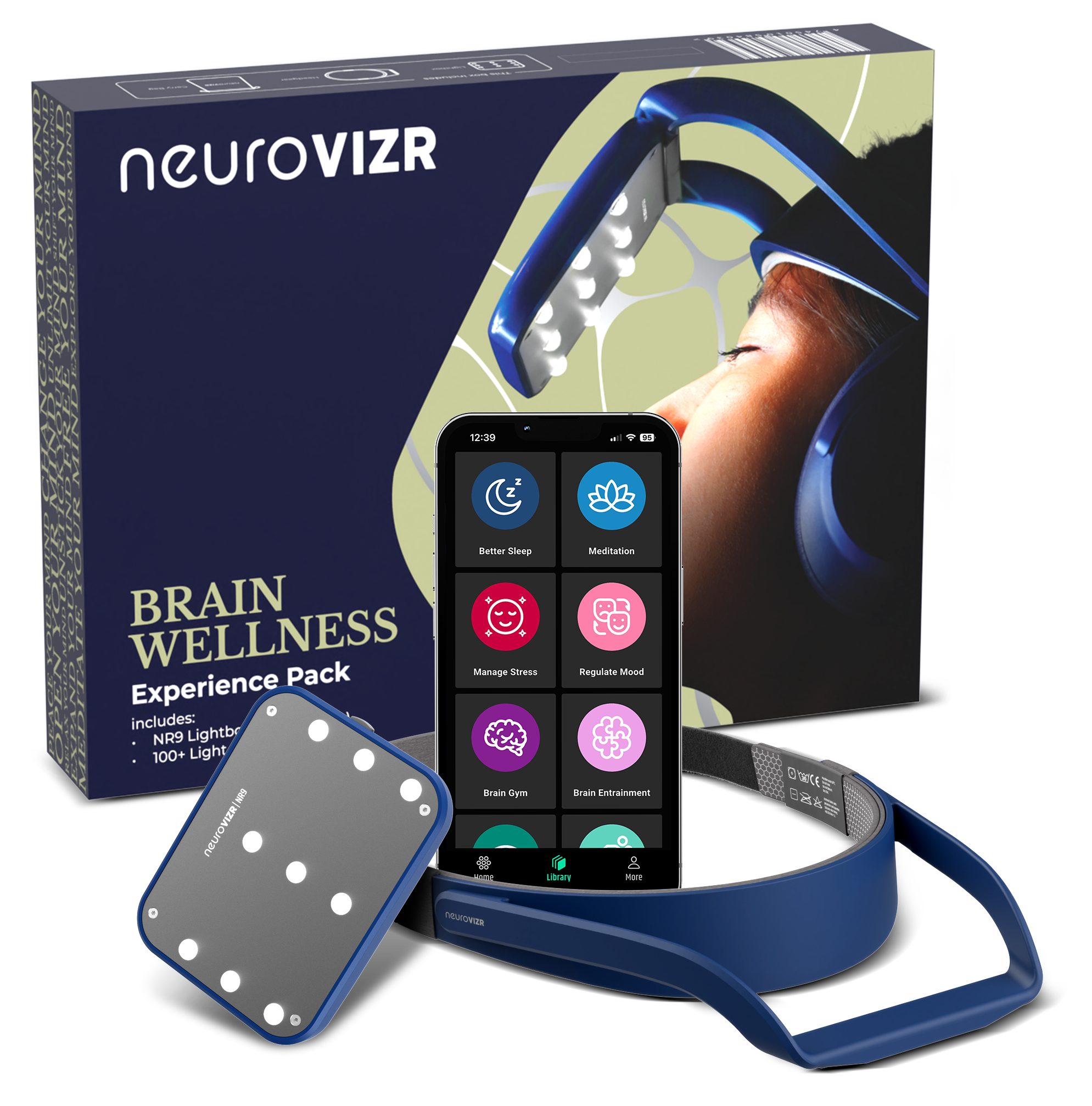
 Modern lifestyles often keep the nervous system in a constant alert state. Brain wellness devices like neuroVIZR help guide neural activity toward balance, making it easier for the brain to shift into rest without forcing sleep.

Benefits of a Synced Routine

Deeper and more restorative sleep
When sleep timing aligns with the body clock, the brain moves more efficiently through deep and REM sleep, improving overall sleep quality and recovery.

Faster sleep onset and fewer awakenings
A synced routine helps the brain recognize when it is time to rest, reducing the struggle to fall asleep and minimizing nighttime disruptions.

Improved mental clarity and focus
Aligned sleep supports better memory consolidation, sharper attention, and clearer thinking throughout the day.

Better emotional balance
Consistent sleep timing stabilizes the nervous system, helping regulate mood, reduce irritability, and improve stress tolerance.

More stable energy levels
Instead of sudden crashes or dependence on stimulants, the body follows a natural energy curve that feels steady and sustainable.

Stronger stress regulation
When the brain and nervous system are not forced out of rhythm, the body responds more calmly to daily pressures.

Improved physical recovery and immunity
Hormonal balance improves, supporting muscle repair, immune function, and reduced inflammation.

Long term brain wellness support
Over time, a synced routine trains the brain to shift smoothly between alertness and rest, strengthening cognitive health and resilience.

Greater sense of internal balance
The body feels calmer, more regulated, and better equipped to handle both mental and physical demands.

Discover sleep tips to bring your body clock back in sync.

How neuroVIZR Helps

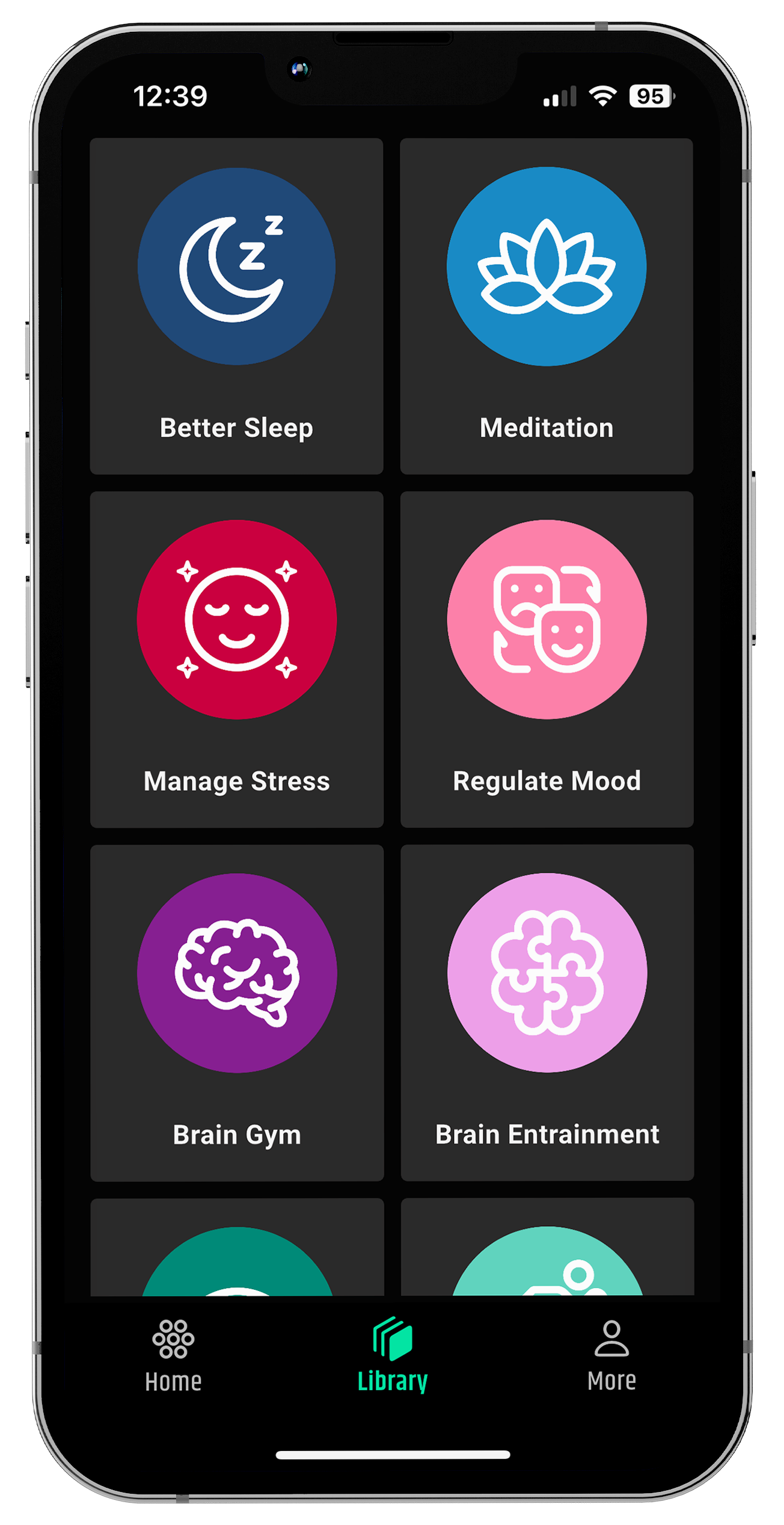
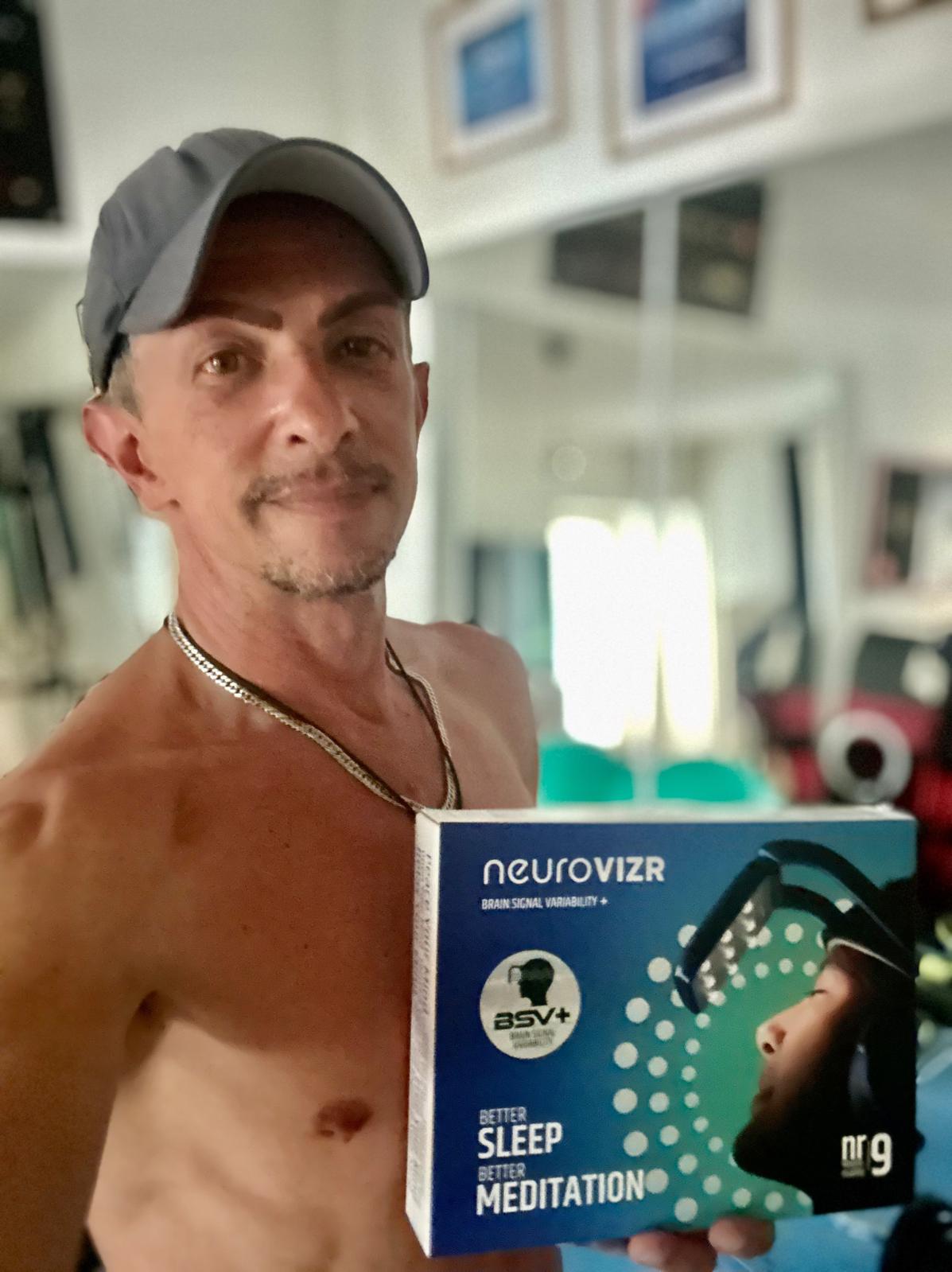
neuroVIZR supports sleep by addressing the root of the problem: brain and nervous system regulation. Modern lifestyles often keep the brain in a constant state of alertness, making it difficult to naturally shift into rest, even when the body feels tired. neuroVIZR works by guiding neural activity toward balance, helping the brain move out of overstimulation and into calmer, more regulated states. This makes it easier for the body clock to function as intended, supporting smoother transitions into sleep and more consistent sleep patterns. By complementing healthy routines, neuroVIZR helps restore the brain’s natural rhythm, allowing sleep to become deeper, easier, and more restorative over time.

Final Thoughts

Sleep is not something the body needs to be forced into. It is a natural outcome of balance, timing, and brain regulation. When daily routines align with the body’s natural clock, the brain receives clear signals about when to stay alert and when to rest. Over time, this alignment strengthens sleep quality, emotional stability, and overall cognitive health. Supporting the brain through consistent habits and tools like neuroVIZR helps sustainably restore this rhythm. When the brain feels regulated and supported, sleep becomes less of a struggle and more of a foundation for long-term brain wellness.

FAQs

What is the 3 2 1 rule for bedtime?
The 3 2 1 rule is a simple guideline to help the brain wind down before sleep. It suggests stopping heavy meals three hours before bedtime, avoiding work or mentally demanding tasks two hours before bed, and turning off screens one hour before sleep. This sequence reduces stimulation, supports melatonin release, and helps the nervous system transition into rest more smoothly.

How do you sync your body clock?
Syncing your body clock starts with consistency. Waking up at the same time daily, getting morning sunlight, eating meals on a regular schedule, and winding down in the evening with low stimulation activities all help reinforce your natural rhythm. Over time, these repeated signals train the brain to recognize when to stay alert and when to rest.

What is your natural body clock?
Your natural body clock is an internal timing system that follows a roughly 24 hour cycle. It regulates sleep, alertness, hormone release, body temperature, and energy levels. This clock responds mainly to light and darkness and works best when daily routines remain predictable.

Is 12am to 7am enough sleep?
 Seven hours can be enough for many adults, but timing matters as much as duration. If sleeping from 12am to 7am aligns with your body clock and allows deep, uninterrupted sleep, it can be sufficient. If not, sleep quality may still feel lacking despite adequate hours.

Disclaimer

The information provided on this website and blog is intended for educational and informational purposes only. It is not meant to diagnose, treat, cure, or prevent any medical or psychological condition.



Sleep is often misunderstood as something we fit in once the day is over. A pause. A recovery phase. In reality, sleep is an active and highly regulated process, guided by the brain and nervous system working together. 

At the center of this process is your natural body clock, an internal rhythm that determines when you feel alert, when you slow down, and how deeply your body can rest. When daily routines align with this rhythm, sleep becomes easier and more restorative. When they do not, even long hours in bed can feel unrefreshing. 

This article explores how syncing your routine with your body clock supports better sleep, steadier energy, and long-term brain wellness.

Understanding Your Natural Body Clock

Your body clock, often referred to as the circadian rhythm, is a 24-hour cycle controlled by the brain. It regulates when you feel alert, when you feel sleepy, how your hormones fluctuate, and even how your body temperature shifts throughout the day.

This rhythm is primarily influenced by light. Morning light signals the brain to increase alertness and reduce melatonin. Darkness does the opposite. Over time, your brain learns patterns. It expects certain signals at certain times.

When those signals are consistent, the nervous system feels safe and regulated. When they are irregular, the system stays slightly on edge, even during sleep.

This is why people who sleep and wake at the same time often feel better with less effort, while those with irregular routines struggle even when they technically get enough hours.

Key Strategies for Syncing Your Routine

Wake up at the same time every day
Your brain learns timing faster than duration. A consistent wake-up time anchors your body clock and sets the rhythm for hormones, alertness, and sleep pressure later at night.

Use morning light intentionally
Natural light within the first hour of waking sends a strong signal to the brain that the day has started. This supports healthy cortisol release and helps melatonin rise naturally in the evening.

Protect your evening environment
Lower lighting after sunset and reduce stimulating activities. Bright screens and intense cognitive input delay the brain’s transition into rest.

Eat and move on a predictable schedule
Regular meal timing and gentle daily movement reinforce internal rhythms. Late meals or erratic eating patterns can confuse sleep timing.

Limit late-day stimulants
Caffeine too late in the day interferes with the brain’s ability to downshift, even if you feel physically tired.

Create a repeatable wind-down routine
Simple rituals like quiet reading, breathing, or low stimulation activities teach the brain when to slow down.

Support neural regulation with brain wellness devices
 Modern lifestyles often keep the nervous system in a constant alert state. Brain wellness devices like neuroVIZR help guide neural activity toward balance, making it easier for the brain to shift into rest without forcing sleep.

Benefits of a Synced Routine

Deeper and more restorative sleep
When sleep timing aligns with the body clock, the brain moves more efficiently through deep and REM sleep, improving overall sleep quality and recovery.

Faster sleep onset and fewer awakenings
A synced routine helps the brain recognize when it is time to rest, reducing the struggle to fall asleep and minimizing nighttime disruptions.

Improved mental clarity and focus
Aligned sleep supports better memory consolidation, sharper attention, and clearer thinking throughout the day.

Better emotional balance
Consistent sleep timing stabilizes the nervous system, helping regulate mood, reduce irritability, and improve stress tolerance.

More stable energy levels
Instead of sudden crashes or dependence on stimulants, the body follows a natural energy curve that feels steady and sustainable.

Stronger stress regulation
When the brain and nervous system are not forced out of rhythm, the body responds more calmly to daily pressures.

Improved physical recovery and immunity
Hormonal balance improves, supporting muscle repair, immune function, and reduced inflammation.

Long term brain wellness support
Over time, a synced routine trains the brain to shift smoothly between alertness and rest, strengthening cognitive health and resilience.

Greater sense of internal balance
The body feels calmer, more regulated, and better equipped to handle both mental and physical demands.

Discover sleep tips to bring your body clock back in sync.

How neuroVIZR Helps

neuroVIZR supports sleep by addressing the root of the problem: brain and nervous system regulation. Modern lifestyles often keep the brain in a constant state of alertness, making it difficult to naturally shift into rest, even when the body feels tired. neuroVIZR works by guiding neural activity toward balance, helping the brain move out of overstimulation and into calmer, more regulated states. This makes it easier for the body clock to function as intended, supporting smoother transitions into sleep and more consistent sleep patterns. By complementing healthy routines, neuroVIZR helps restore the brain’s natural rhythm, allowing sleep to become deeper, easier, and more restorative over time.

Final Thoughts

Sleep is not something the body needs to be forced into. It is a natural outcome of balance, timing, and brain regulation. When daily routines align with the body’s natural clock, the brain receives clear signals about when to stay alert and when to rest. Over time, this alignment strengthens sleep quality, emotional stability, and overall cognitive health. Supporting the brain through consistent habits and tools like neuroVIZR helps sustainably restore this rhythm. When the brain feels regulated and supported, sleep becomes less of a struggle and more of a foundation for long-term brain wellness.

FAQs

What is the 3 2 1 rule for bedtime?
The 3 2 1 rule is a simple guideline to help the brain wind down before sleep. It suggests stopping heavy meals three hours before bedtime, avoiding work or mentally demanding tasks two hours before bed, and turning off screens one hour before sleep. This sequence reduces stimulation, supports melatonin release, and helps the nervous system transition into rest more smoothly.

How do you sync your body clock?
Syncing your body clock starts with consistency. Waking up at the same time daily, getting morning sunlight, eating meals on a regular schedule, and winding down in the evening with low stimulation activities all help reinforce your natural rhythm. Over time, these repeated signals train the brain to recognize when to stay alert and when to rest.

What is your natural body clock?
Your natural body clock is an internal timing system that follows a roughly 24 hour cycle. It regulates sleep, alertness, hormone release, body temperature, and energy levels. This clock responds mainly to light and darkness and works best when daily routines remain predictable.

Is 12am to 7am enough sleep?
 Seven hours can be enough for many adults, but timing matters as much as duration. If sleeping from 12am to 7am aligns with your body clock and allows deep, uninterrupted sleep, it can be sufficient. If not, sleep quality may still feel lacking despite adequate hours.

Disclaimer

The information provided on this website and blog is intended for educational and informational purposes only. It is not meant to diagnose, treat, cure, or prevent any medical or psychological condition.


Verbessern Sie Ihre geistige Klarheit mit neuroVIZR