

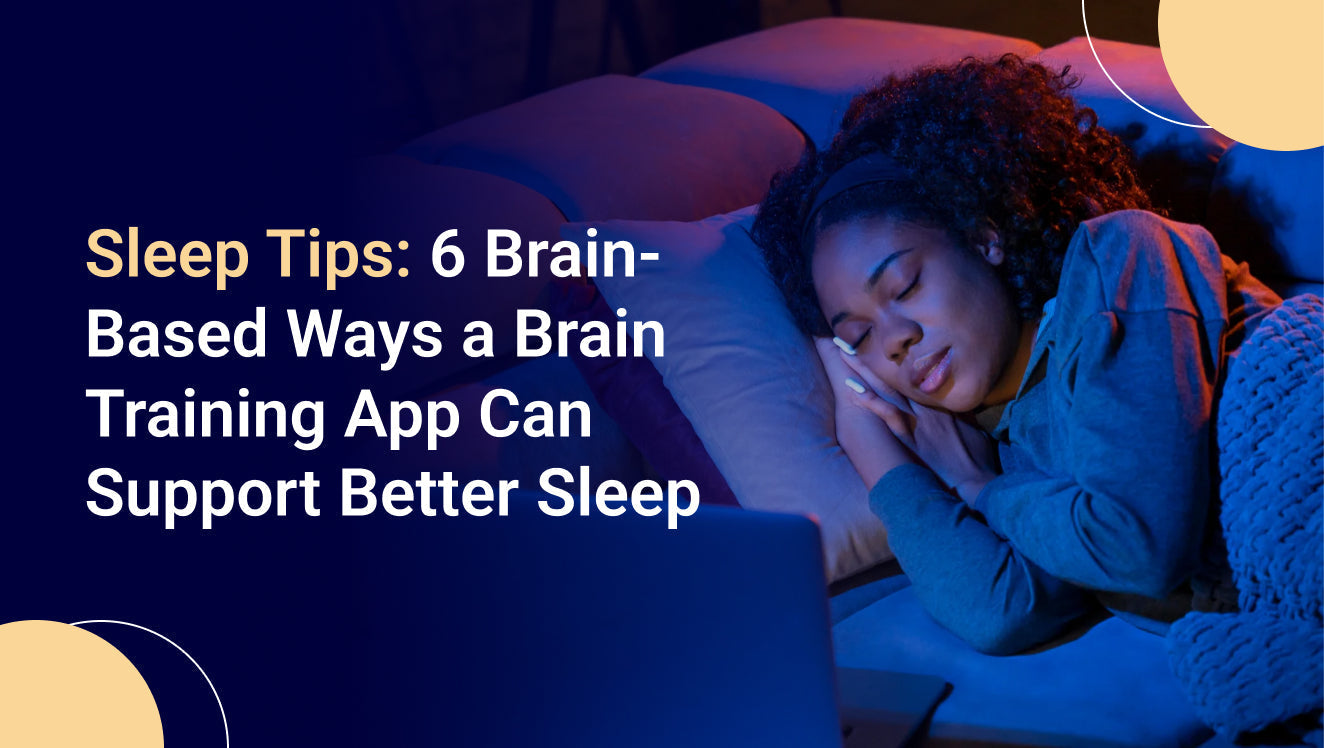
Das Licht ist aus. Ihr Körper fühlt sich müde an.
Aber Ihr Verstand? Er ist hellwach – er wiederholt Dialoge, plant den nächsten Tag oder lässt sich einfach nicht die nötige Zeit.
Und das ist kein neues Gefühl.Und noch besser: Sie sind nicht am Ende.
Das Problem des schlechten Schlafes hängt kaum mit mangelnder Disziplin oder schlechten Gewohnheiten als solcher zusammen.Bemerkenswerterweise ist es häufiger ein Zeichen dafür, dass Gehirn und Nervensystem keine Hinweise erhalten haben, dass sie sicher genug sind, um sich auszuruhen.
Wir zwingen uns nicht zum Schlafen.
Das Gehirn erlaubt es, wenn die richtige Zeit gekommen ist.
In diesem Artikel werden 6 wissenschaftlich belegte Schlaf-Tipps diskutiert, die auf neurowissenschaftlicher Forschung basieren – wie eine Gehirntrainings-App Ihrem Gehirn helfen kann, auf natürlichere Weise zur Ruhe zu kommen, ohne den Einsatz von Medikamenten oder Zwang.
Warum Schlaf ein neurologischer Zustand ist, nicht nur eine tägliche Gewohnheit
Die meisten Schlafempfehlungen betonen das Verhalten:
mehr Schlaf, Bildschirmzeit, Routine.
Das mag stimmen – aber sie übersehen dabei oft die Wahrheit der Sache:
Bevor Schlaf eine Gewohnheit ist, ist er ein neurologischer Zustand. Deshalb sind Fragen wiewie viele Stunden Schlaf für eine gute Gesundheit ausreichen wichtiger als strenge Regeln.
Ihr Geist analysiert immer, ob Sie sicher sind oder nicht.
Er wechselt in den Ruhe- und Reparaturmodus, wenn er sich sicher fühlt.
Er bleibt auf der Hut, wenn er Gefahr wahrnimmt, selbst geringen mentalen oder emotionalen Stress.
Zu den Hauptakteuren gehören:
-
Der Teil, der Gefahr wahrnimmt, ist die Amygdala.
-
Das autonome Nervensystem, das den Alarmzustand (sympathisch) in einen Ruhezustand (parasympathisch) umwandelt.
-
Gehirnwellenaktivität, die allmählich von Beta (aktives Denken) zu Alpha und Theta (Ruhezustände) abnimmt.
Solange Sie sich nicht im Wachzustand befinden, wird der Schlaf nicht reibungslos zu Ihrem Gehirn kommen, egal wie müde Sie auch geworden sein mögen.
Hier kommen hirnbasierte Strategien ins Spiel.
6 Schritte zu besserem Schlaf (Gehirn-zuerst, nicht Gewalt-zuerst)
1. Hören Sie auf zu versuchen, sich zum Schlafen zu zwingen.
Je mehr wir darum kämpfen einzuschlafen, desto wacher wird das Gehirn sein.
Dies geschieht, weil Anstrengung mit Bedeutung und Dringlichkeit verbunden ist, was das Gehirn mit Wachsein – nicht mit Schlummern – korreliert.
Anstatt zu fragen:
„Warum kann ich nicht schlafen?“
Versuchen Sie umzuformulieren zu:
„Was braucht mein Gehirn jetzt, damit ich mich sicher fühlen kann, um mich auszuruhen?“
Diese Änderung wird ausreichen, um Angst und mentalen Druck in der Nacht zu reduzieren.
Wenn wir den Kampf beenden, wird der Schlaf besser.
2. Weniger kognitiver Lärm vor dem Schlafengehen.
Schlaflosigkeit ist bei einem geschäftigen Geist keine Chance.
Es ist meist eine langsame Reaktion des Gehirns auf die ungelösten Inputs des Tages.
Hilfreiche Strategien:
-
Gedanken früher am Abend auflisten.
-
Problemlösung im Bett vermeiden
-
Reduzierte Informationszufuhr 60-90 Minuten vor dem Schlafengehen.
Es geht nicht darum, still zu bleiben, sondern darum, die kognitive Belastung zu reduzieren.
Wenn der Geist ruhiger wird, gibt es im Gehirn Raum, um zu entschleunigen.
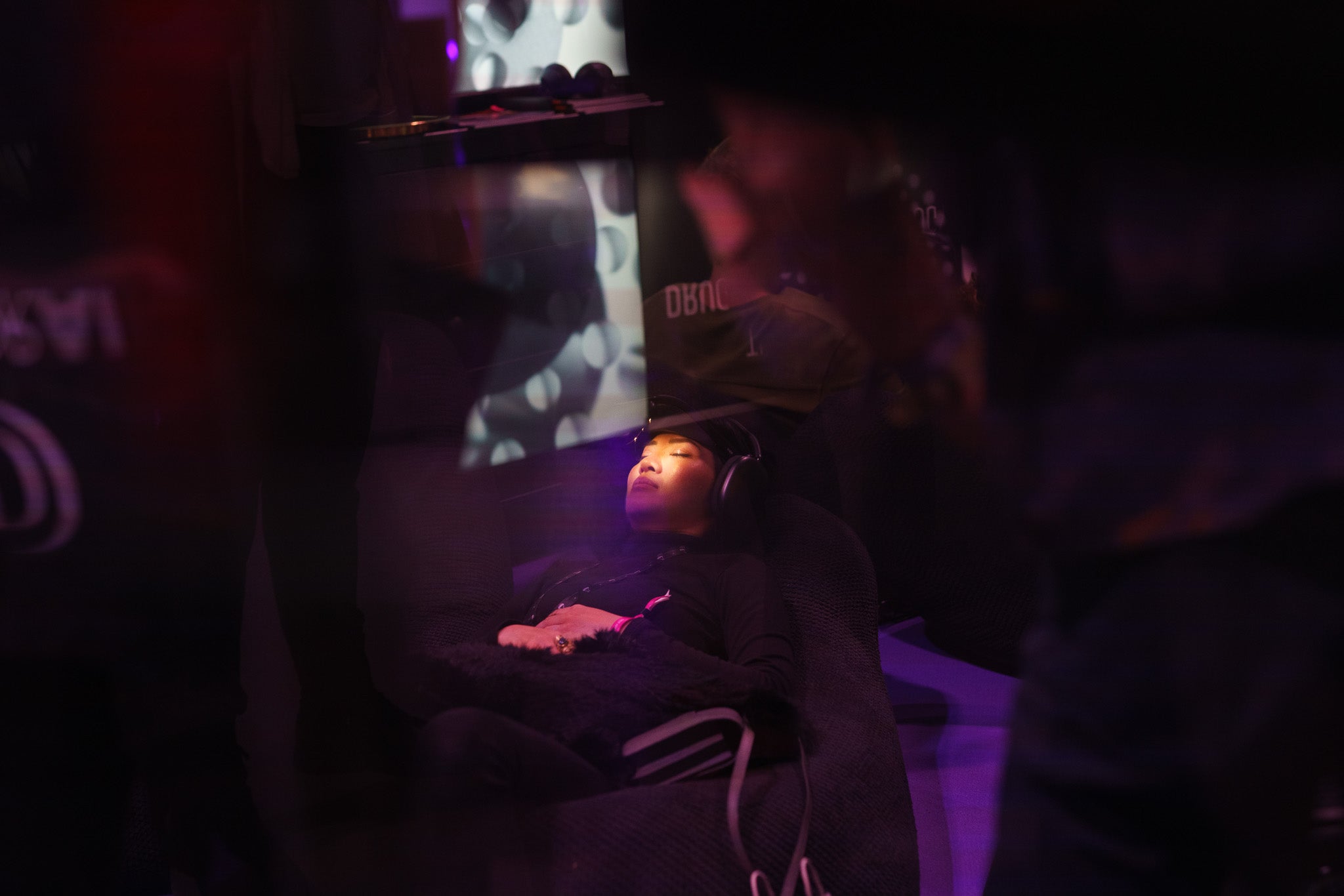
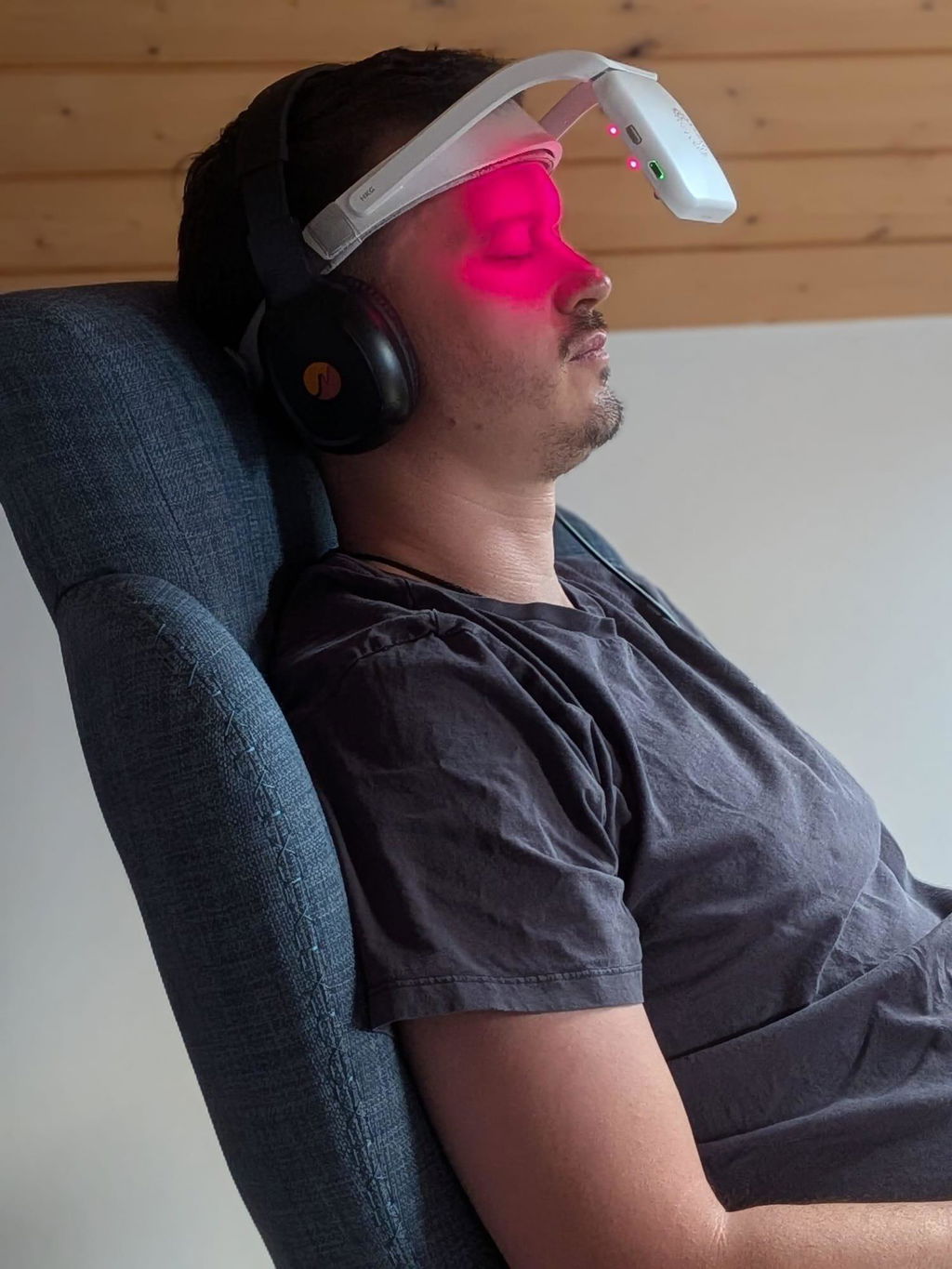
3. Licht und Ton zur Beruhigung einsetzen.
Das Gehirn reagiert stark auf sensorische Reize – insbesondere Licht und Ton.
Subtile rhythmische Stimulation hilft, die Gehirnaktivität in Richtung entspannter Zustände zu regulieren, da das Gehirn durch sensorische Stimulationsaktivitäten reagiert und sich anpasst.
Hier kommen Gehirntrainings-Apps ins Spiel.
Gehirntrainingsgeräte, die auf Ruheübungen ausgelegt sind: Im Gegensatz zu Anwendungen, die erregen oder Konzentration erfordern:
-
Sanfte Lichtmuster
-
Beruhigende Klangfrequenzen
-
Passive Teilnahme statt aktiver Teilnahme.
Es geht nicht darum, sich selbst auszuknocken.
Es geht nicht darum, das Gehirn zu kontrollieren, es geht nur darum, es zu lenken.
Licht und Ton sind die externen Marker für Sicherheit, da sie dem Nervensystem helfen, umzuschalten und sich auszuruhen.
4. Beständigkeit, aber keine Perfektion im Training.
Neuroplastizität, d.h. die Fähigkeit des Gehirns, durch Wiederholung zu lernen, ist einer der am meisten ignorierten Bereiche zur Verbesserung des Schlafs.
Schlaf, wie jede andere Sache, wird von Ihrem Gehirn gelernt:
-
Mittels wiederholter, druckloser Signale.
-
Durch die Gleichmäßigkeit, nicht die Intensität.
Das Nervensystem, das daran gewöhnt ist, bestimmte sensorische Muster mit Ruhe zu verbinden, kann auch in kurzen, regelmäßigen Sitzungen mit einer entspannenden Gehirntrainings-App trainiert werden.
Sie suchen keinen perfekten Abend.
Sie geben dem Gehirn einen neuen Takt vor.
5. Lassen Sie den Körper das Gehirn führen
Schlaf ist nicht rein mental.
Er ist tief verkörpert.
Vor dem Einschlafen ist der Körper ein Körper, der dem Gehirn Informationen darüber liefert, ob es sicher ist, sich zu entspannen.
Positive Körpersignale sind:
-
Langsames, ausgedehntes Atmen
-
Sanftes Körperbewusstsein
-
Angenehme Temperatur und Position.
Sobald sich der Körper entspannt, folgt ihm das Gehirn.
Die Kommunikation zwischen Körper und Gehirn kann durch Gehirntrainings-Apps mit sensorischen Hinweisen, insbesondere Atem oder Stille, unterstützt werden.
6. Schaffen Sie ein Schlaf-Ritual und keine Routine.
Routinen konzentrieren sich auf den Zeitpunkt.
Rituale beschäftigen sich mit erlebter Sicherheit und Komfort.
Ein Ritual sagt dem Gehirn:
„Das kennst du. Hier bist du sicher.“
Eine einfache Zeremonie kann beinhalten:
-
Dunklere Beleuchtung
-
Eine kurze Gehirntrainingspraxis.
-
Ein- und Ausatmen.
Bei Wiederholung beginnt das Gehirn, sich auf Ruhe einzustellen – mit der Zeit weniger Widerstand.
Wie Brain-Training-Apps die geistige Leistungsfähigkeit unterstützen
Schlaf-Apps und Brain-Training-Apps sind keine Alternative zu gesunden Gewohnheiten, sie ersetzen das Nervensystem nicht.
Sie funktionieren am besten, wenn sie:
Nicht-invasiv sind
Minimalen Aufwand erfordern
Natürliche Gehirnrhythmen respektieren.
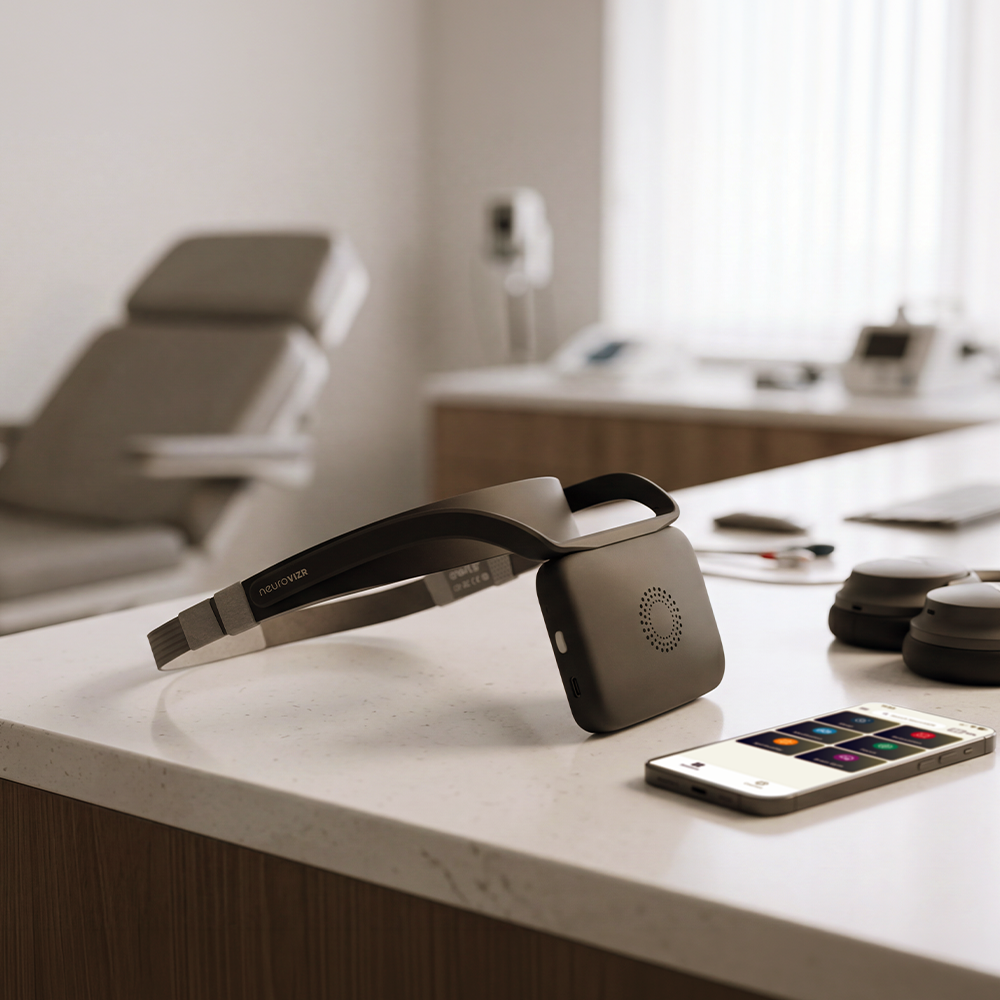
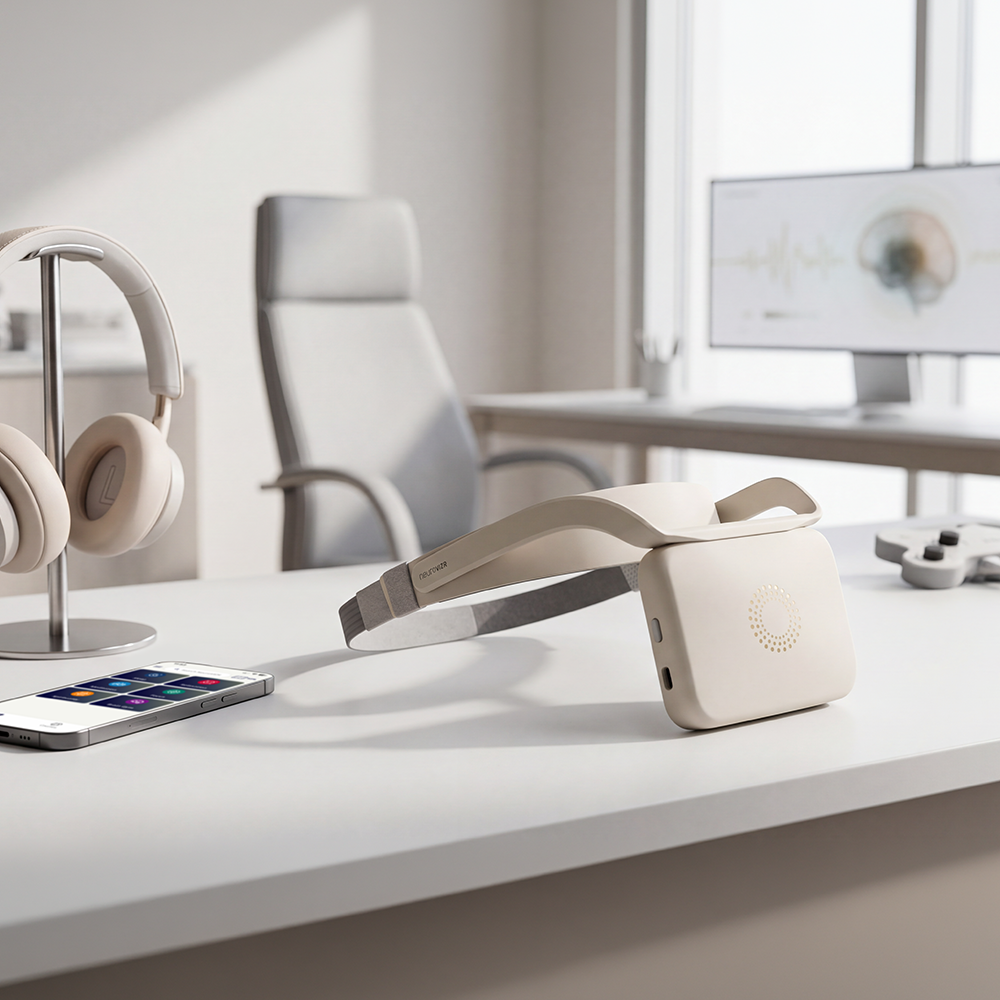
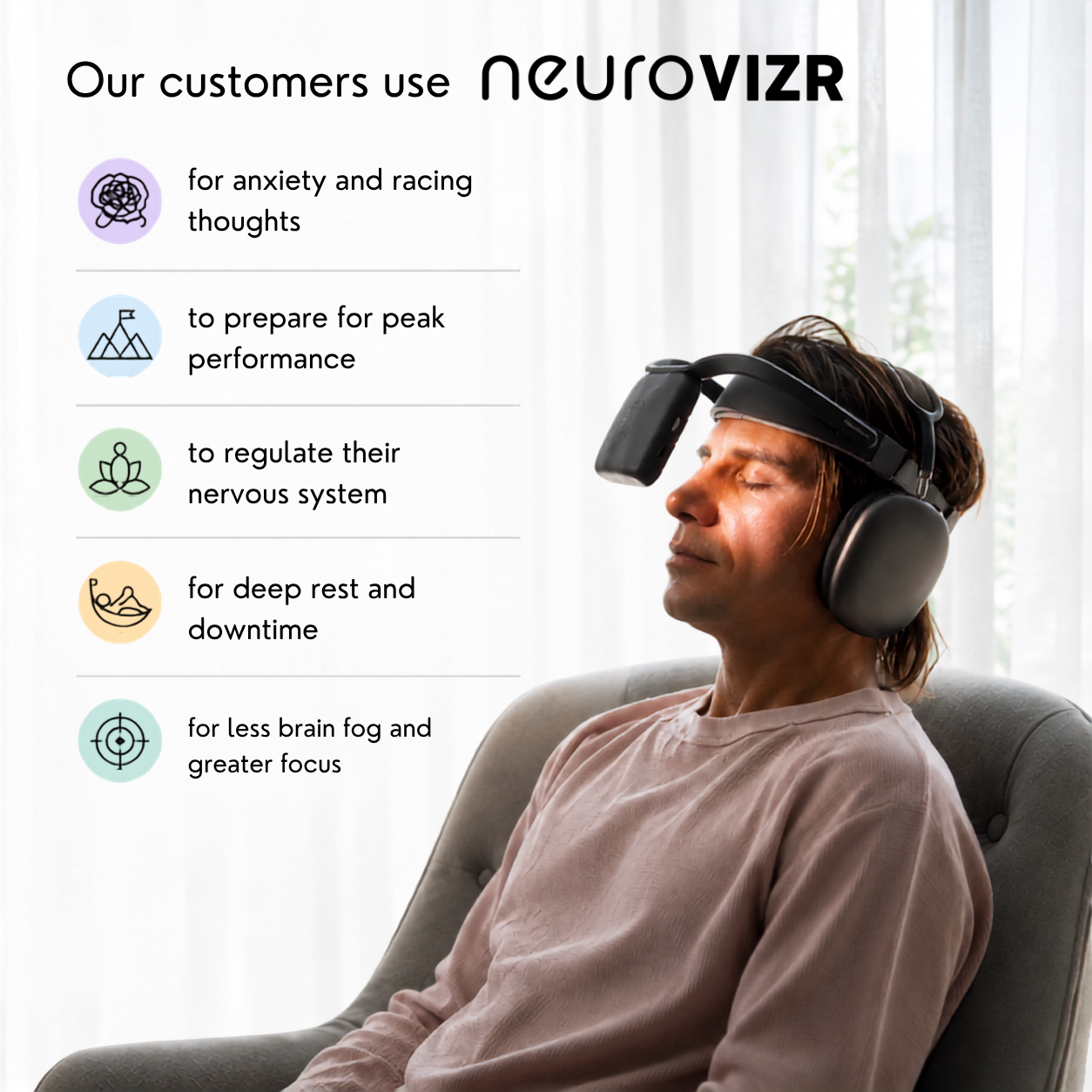
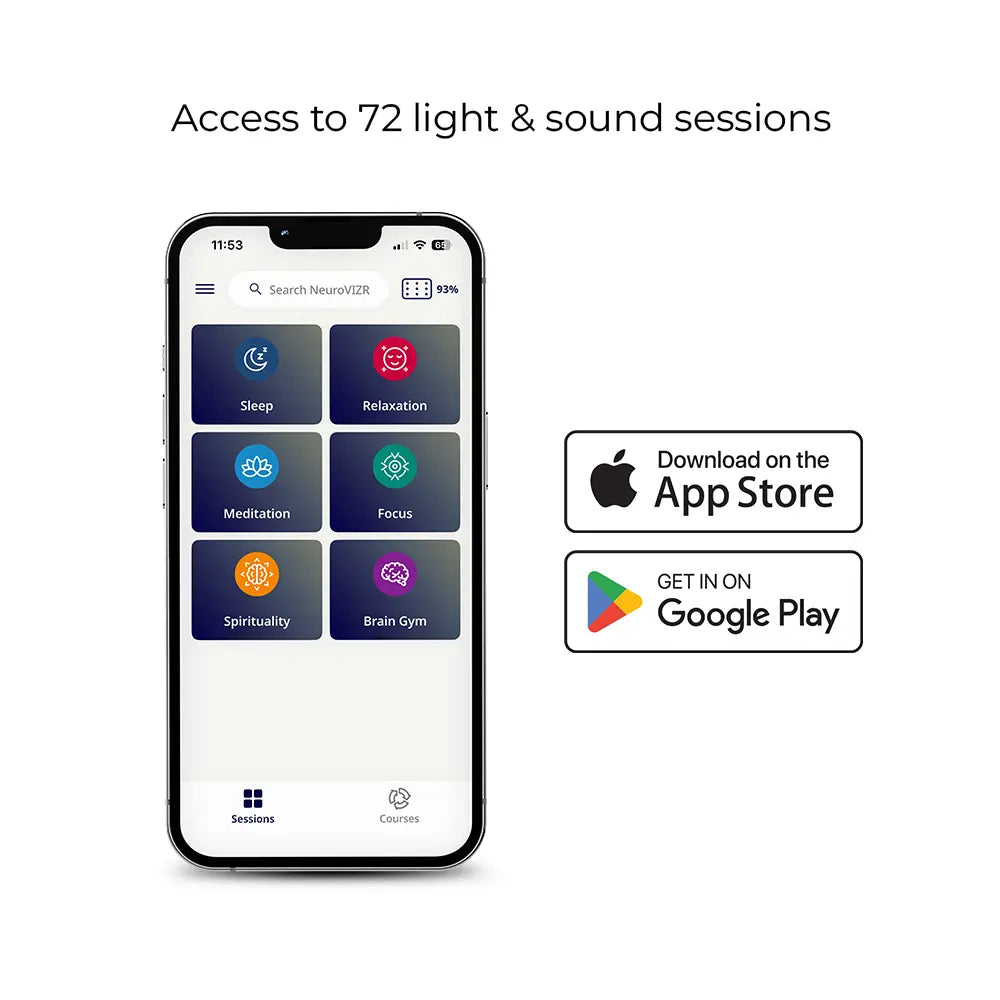
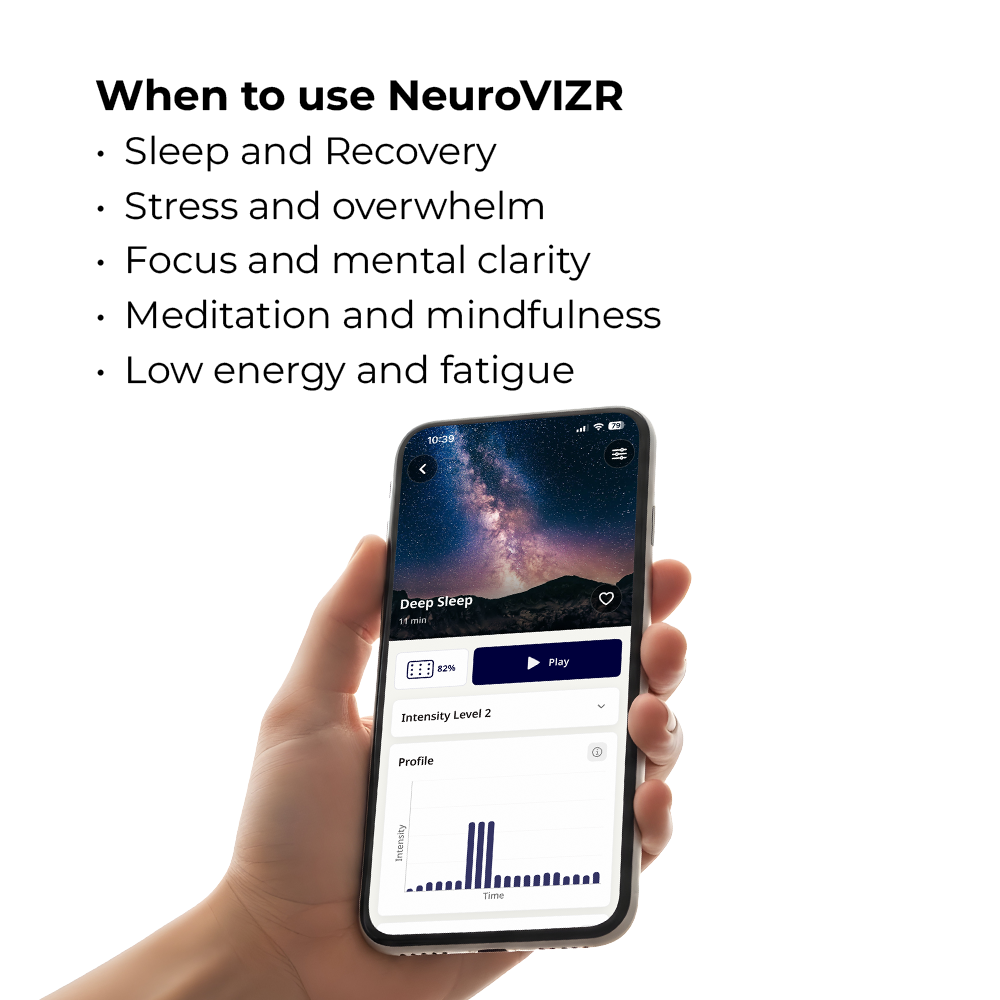
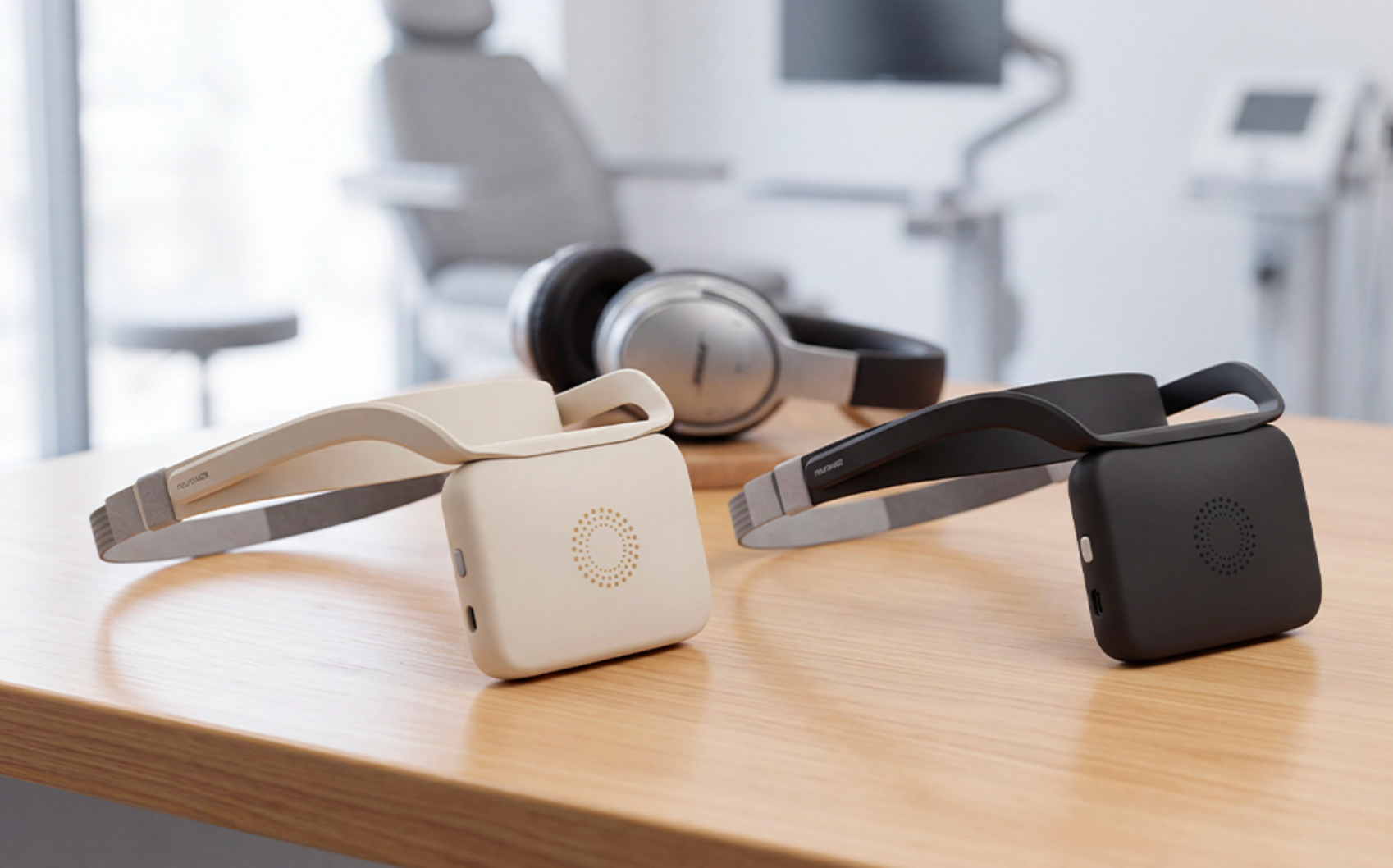
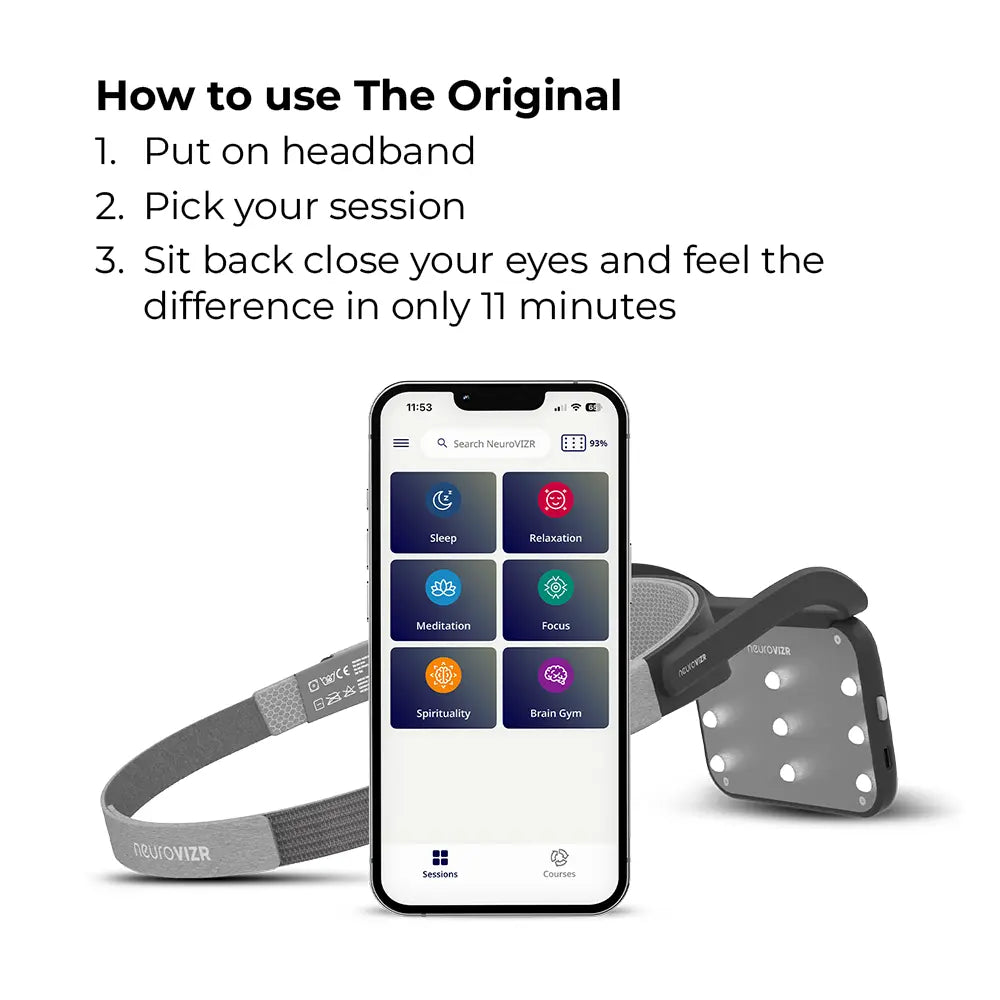
neuroVIZR wurde nach dieser Philosophie entwickelt – durch die Verwendung von sanften Licht- und Klangmustern, die darauf ausgelegt sind, das Gehirn in entspannte und erholsame Zustände zu führen, ohne es zu zwingen oder zu überstimulieren.
Sie befehlen dem Gehirn nicht, Dinge zu tun, sondern sie bitten es, sie zu tun.
Wichtige Erkenntnisse
-
Schlaf ist kein Gewohnheit des Gehirns und Nervensystems, sondern ein Zustand.
-
Das Gehirn bleibt aufgrund von Überstimulation im Alarmmodus.
-
Zwang zum Schlafen wirkt sich meist gegen Sie aus.
-
Sensorische Reize beruhigender Art können verwendet werden, um das Gehirn in einen Ruhezustand zu versetzen.
-
Regelmäßigkeit konditioniert das Gehirn auf das Gefühl der Ruhe.
-
Die Gehirntrainingsanwendungen sind als Entspannungsaktivität am effektivsten.
Eine sanfte Reflexion
Fragen Sie sich heute Abend:
Was gibt meinem Körper auch nur ein bisschen mehr Sicherheit?
Was erklärt meinem Gehirn, dass ich nicht auf der Hut sein muss?
Manchmal geht es nicht darum, besser schlafen zu wollen, um es zu erreichen.
FAQs
1. Kann eine Gehirntrainings-App wirklich beim Schlaf helfen?
Ja, wenn sie zur Entspannung entwickelt wurden, können Gehirntrainings-Apps das Nervensystem mithilfe sanfter sensorischer Hinweise wie Licht und Ton beruhigen und dem Gehirn den Übergang in den Ruhezustand erleichtern.
2. Warum fühlt sich mein Gehirn müde an, schaltet aber nachts immer noch nicht ab?
Dies geschieht oft, wenn das Nervensystem überstimuliert ist oder im Alarmmodus feststeckt. Auch wenn der Körper müde ist, sucht das Gehirn möglicherweise immer noch nach Stress oder ungelösten Problemen.
3. Wie unterscheidet sich eine Gehirntrainings-App von Meditations-Apps für den Schlaf?
Meditations-Apps erfordern in der Regel aktive Konzentration, während Gehirntrainings-Apps für den Schlaf passiver wirken – sie leiten das Gehirn durch sensorische Signale statt durch mentale Anstrengung.
4. Wie lange dauert es, bis sich beim Gehirntraining für den Schlaf Ergebnisse zeigen?
Manche Menschen fühlen sich sofort ruhiger, bei anderen erfolgt die Verbesserung schrittweise. Eine konsequente Anwendung hilft dem Gehirn, durch Neuroplastizität entspannte Zustände zu lernen und zu erkennen.
5. Ist Licht- und Schallstimulation sicher für den Schlaf?
Wenn sie sanft und bestimmungsgemäß verwendet werden, sind licht- und schallbasierte Gehirntrainingsgeräte nicht-invasiv und darauf ausgelegt, die Entspannung zu unterstützen, nicht zu überstimulieren.
Haftungsausschluss
Dieser Inhalt dient nur zu Informationszwecken und ersetzt keine medizinische Beratung oder Behandlung. Brain-Training-Apps sollen Entspannung und Wohlbefinden unterstützen, nicht Krankheiten diagnostizieren oder heilen. Wenn Schlafstörungen anhalten oder Sie ein medizinisches Problem haben, wenden Sie sich bitte an einen qualifizierten Arzt.
Sie gehen endlich ins Bett.





Teilen:
Schlafecke: Synchronisieren Sie Ihren Tagesablauf mit Ihrer natürlichen inneren Uhr
Wie viel Tiefschlaf benötigen Sie?