

Disclaimer
This content is for informational purposes only and does not constitute medical advice. neuroVIZR is a wellness device designed for relaxation and sensory experiences and does not provide therapy or medical treatment. If you are experiencing burnout or ongoing distress, please consult a qualified professional.
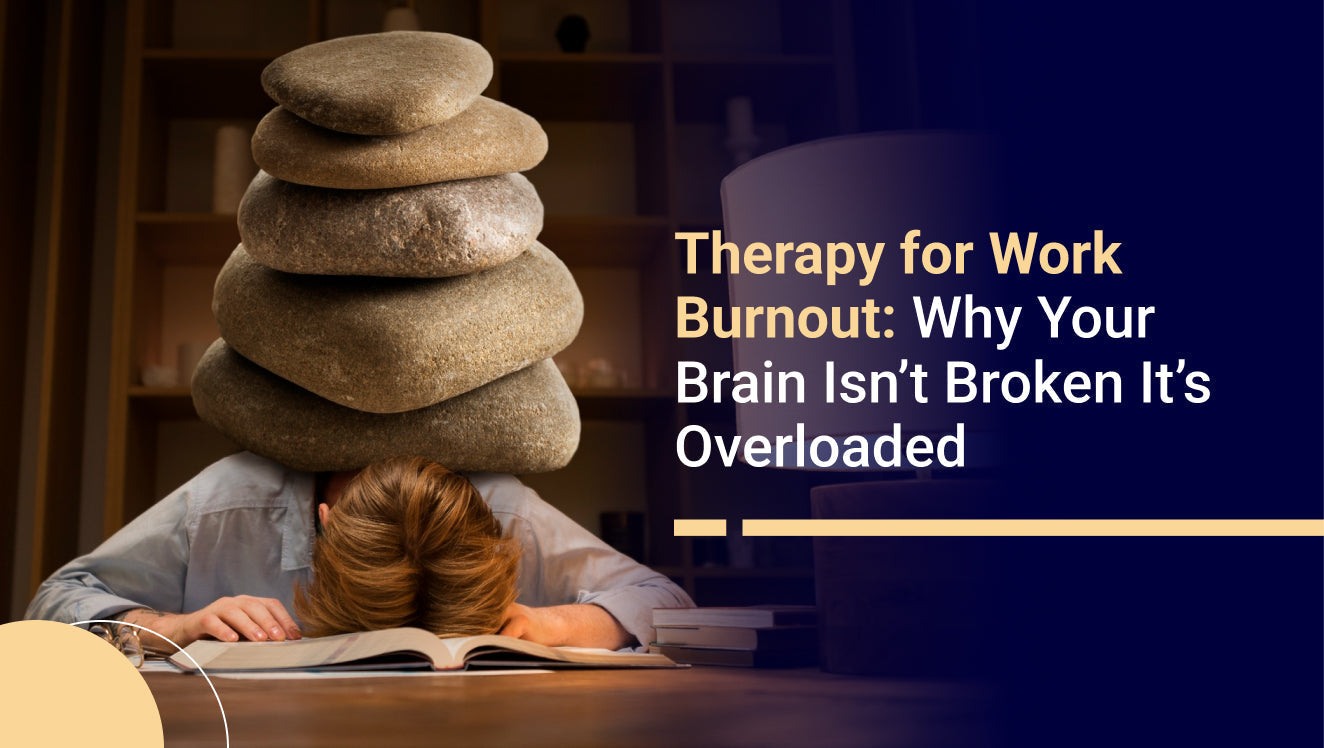
Work burnout rarely appears as a sudden breakdown.
Instead, it often builds gradually showing up as mental fatigue, low energy, irritability, or a constant feeling of being unable to switch off.
Many people explore therapy for work burnout hoping to regain motivation or feel more balanced again.
However, burnout is often less about mindset and more about extended periods of mental and sensory overload.
What Burnout Can Feel Like
When daily demands continue without enough time to reset, people may notice:
-
Reduced creativity or difficulty focusing
-
Feeling emotionally distant or overwhelmed
-
Trouble relaxing, even during time off
-
A sense of being constantly “on”
These experiences are common signs that the mind and body may need rest, space, and a shift in routine rather than more pressure to perform.
How Therapy Can Support Burnout Recovery
Therapy can be a valuable step for many individuals navigating burnout. It may help by:
-
Encouraging awareness of emotional patterns
-
Supporting healthier boundaries
-
Offering tools to manage stress more effectively
-
Providing space for reflection and perspective
For many people, these insights create clarity and direction.
Why Insight Alone May Not Always Feel Enough
While reflection and understanding are helpful, burnout is often connected to daily habits, sensory load, and lifestyle patterns.
This means recovery may also involve:
-
Creating moments of calm during the day
-
Reducing overstimulation from constant input
-
Building simple relaxation routines
-
Allowing time for mental and sensory rest
In other words, it’s not just about thinking differently it’s also about creating space to slow down.
The Role of Relaxation and Sensory Experiences
Incorporating relaxation-focused practices into daily life can support a more balanced routine. These may include:
-
Mindfulness or quiet time
-
Breathing exercises
-
Time away from screens
-
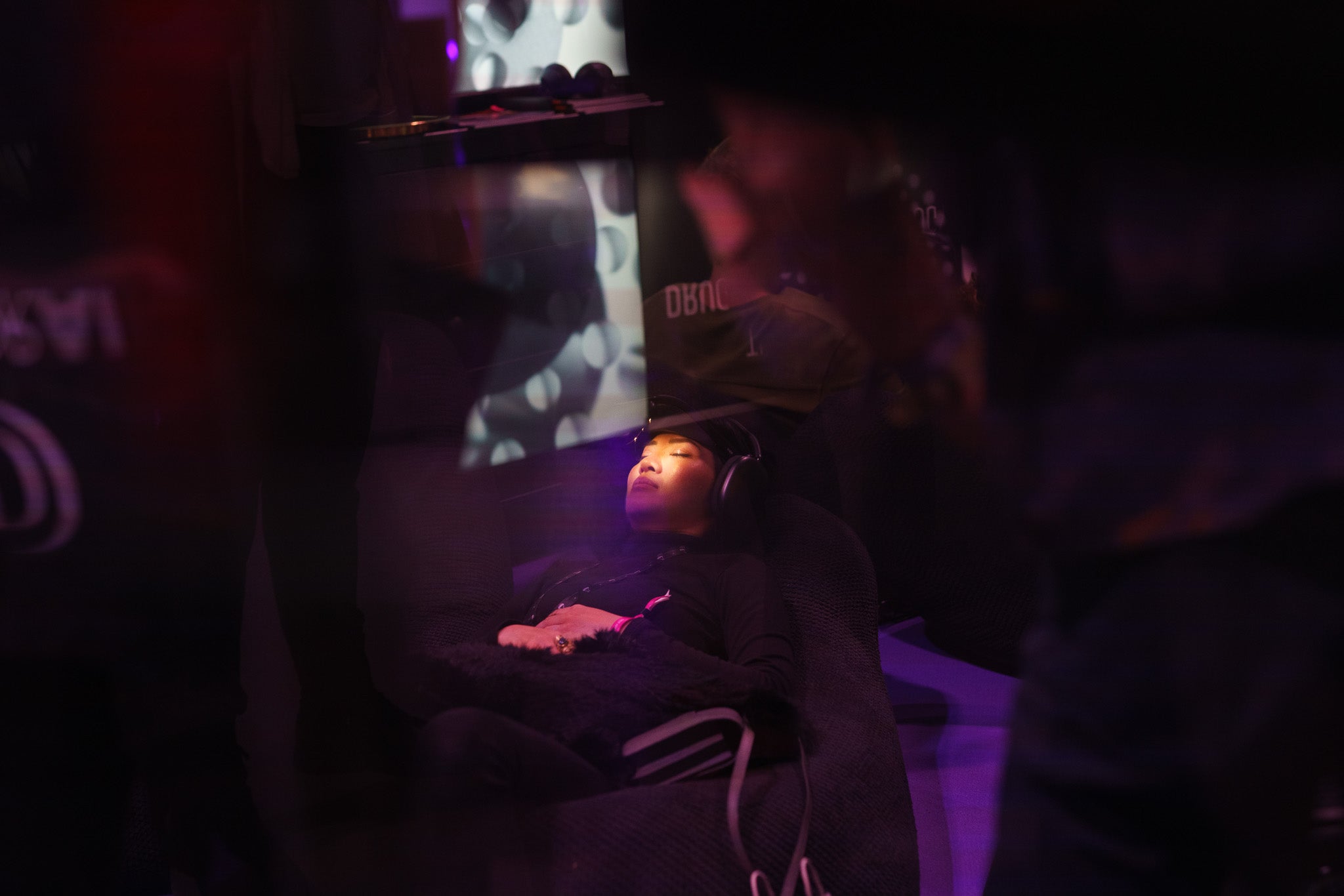
Immersive sensory environments
These approaches are often used to help people step away from constant activity and reconnect with a calmer pace.
Where neuroVIZR Fits Into a Wellness Routine
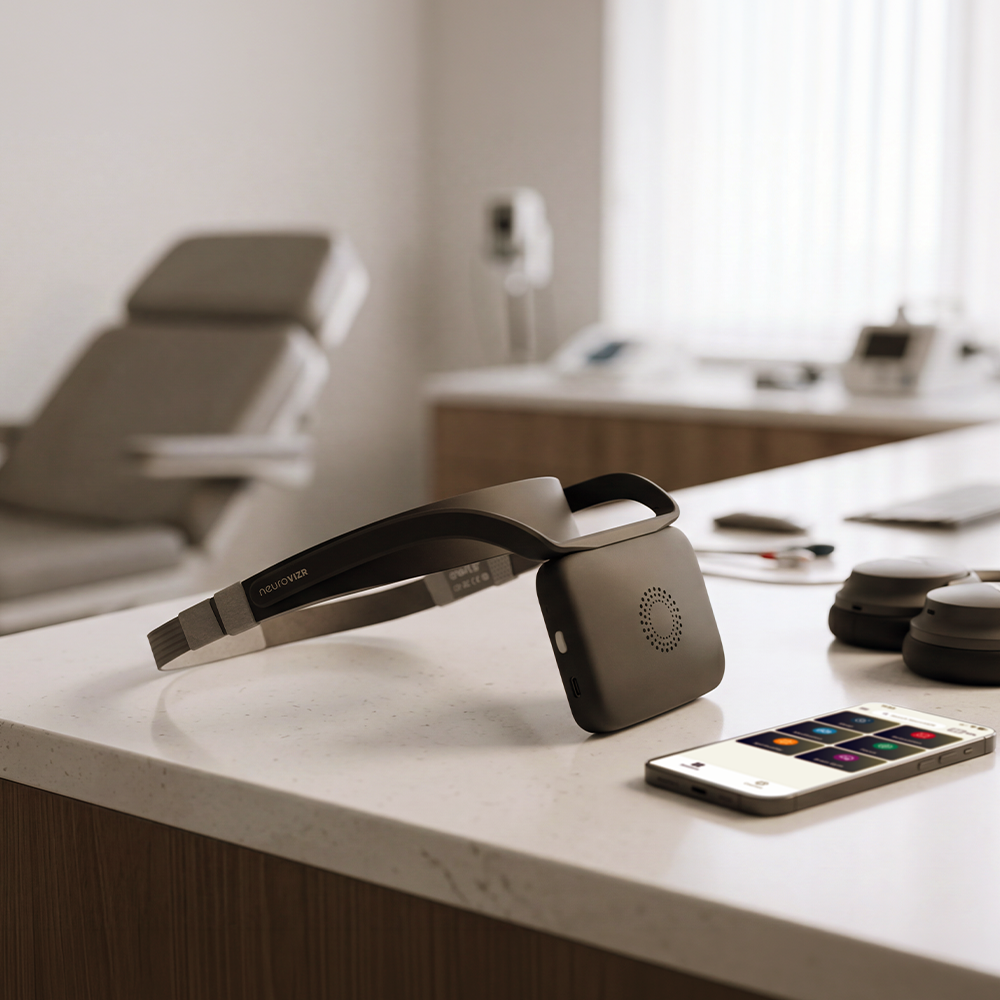
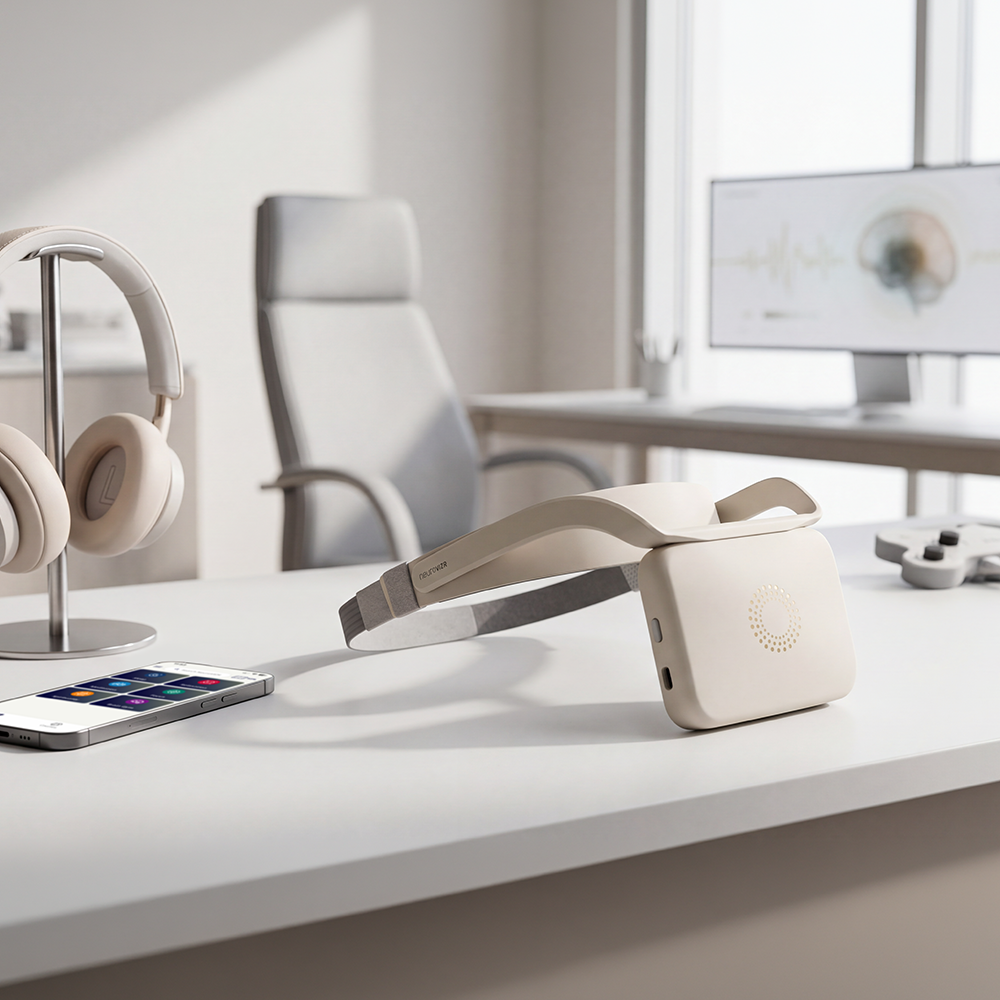
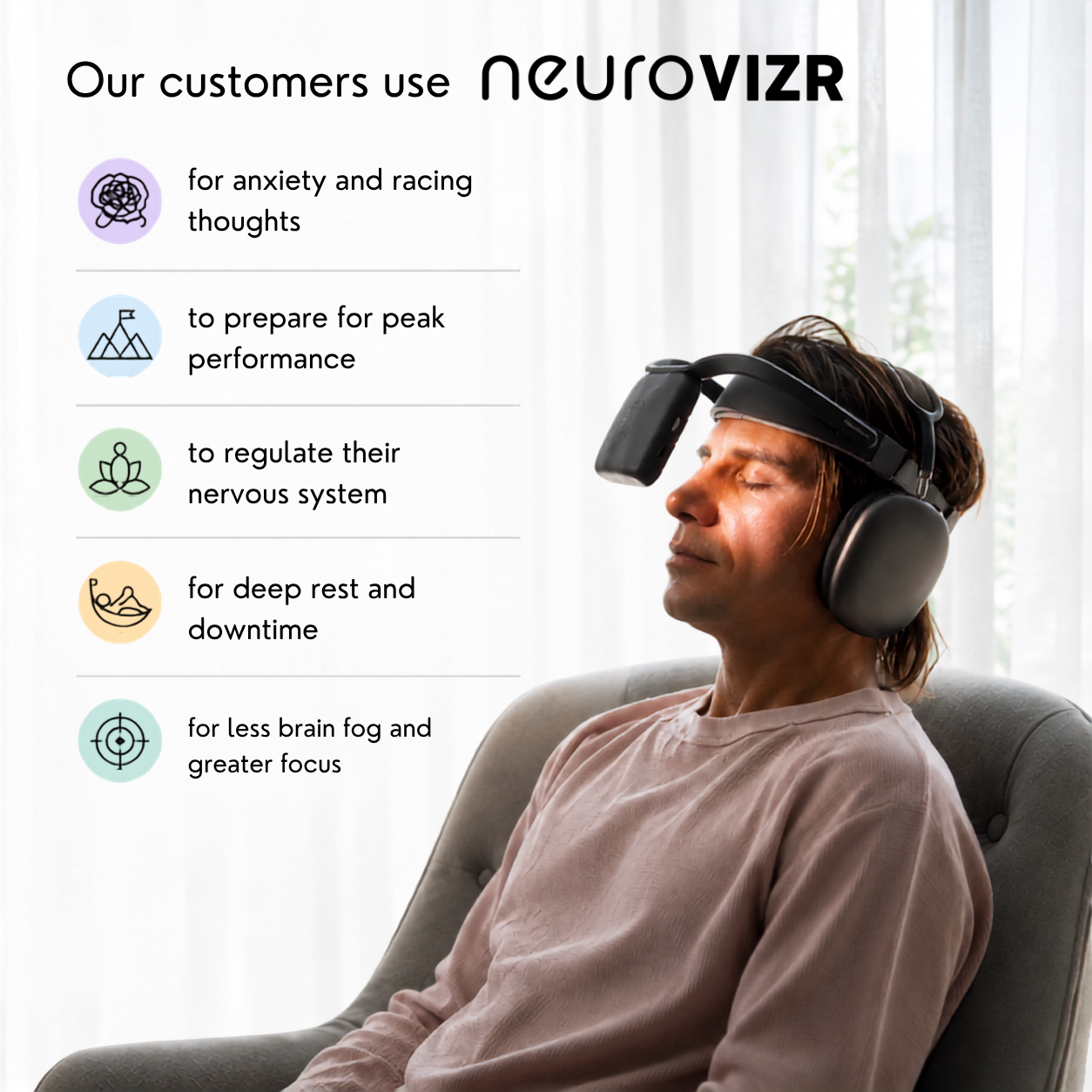
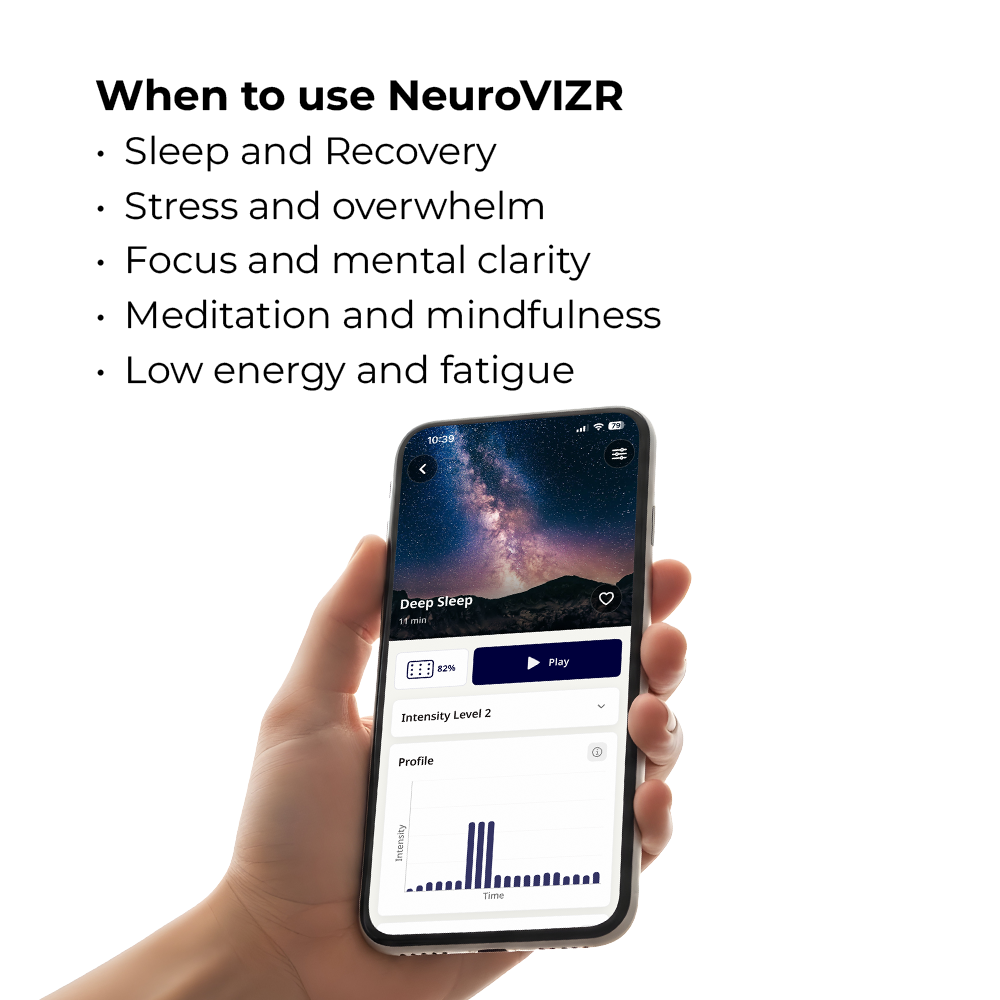
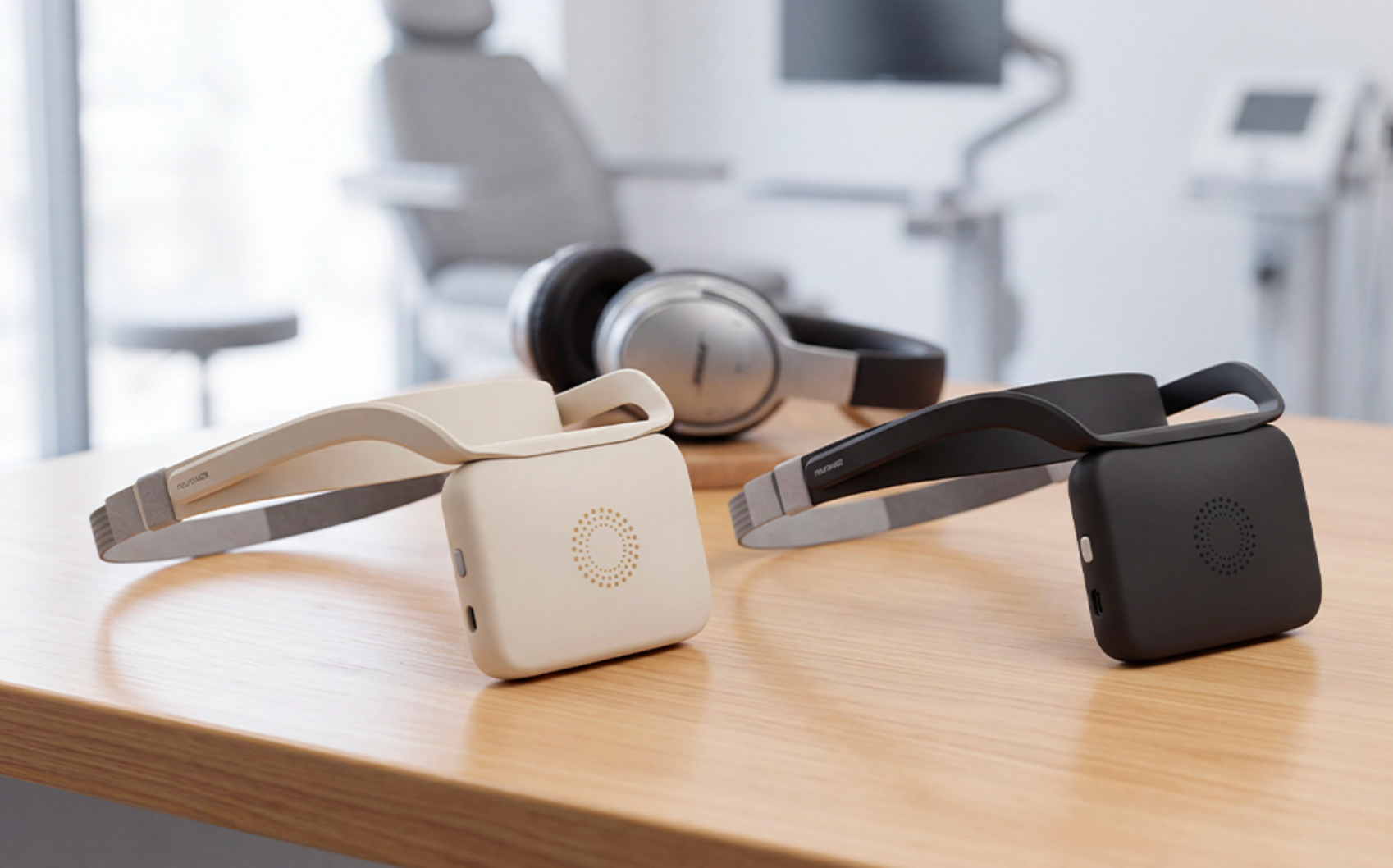
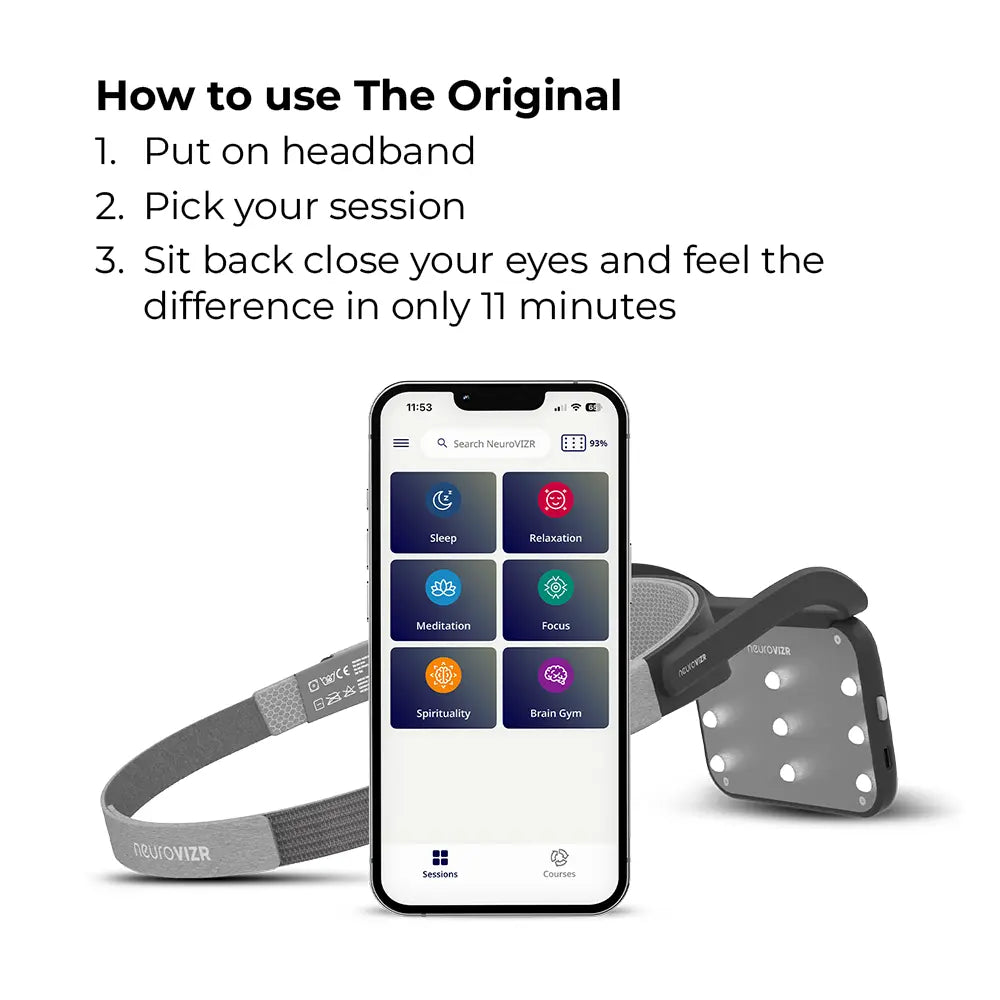
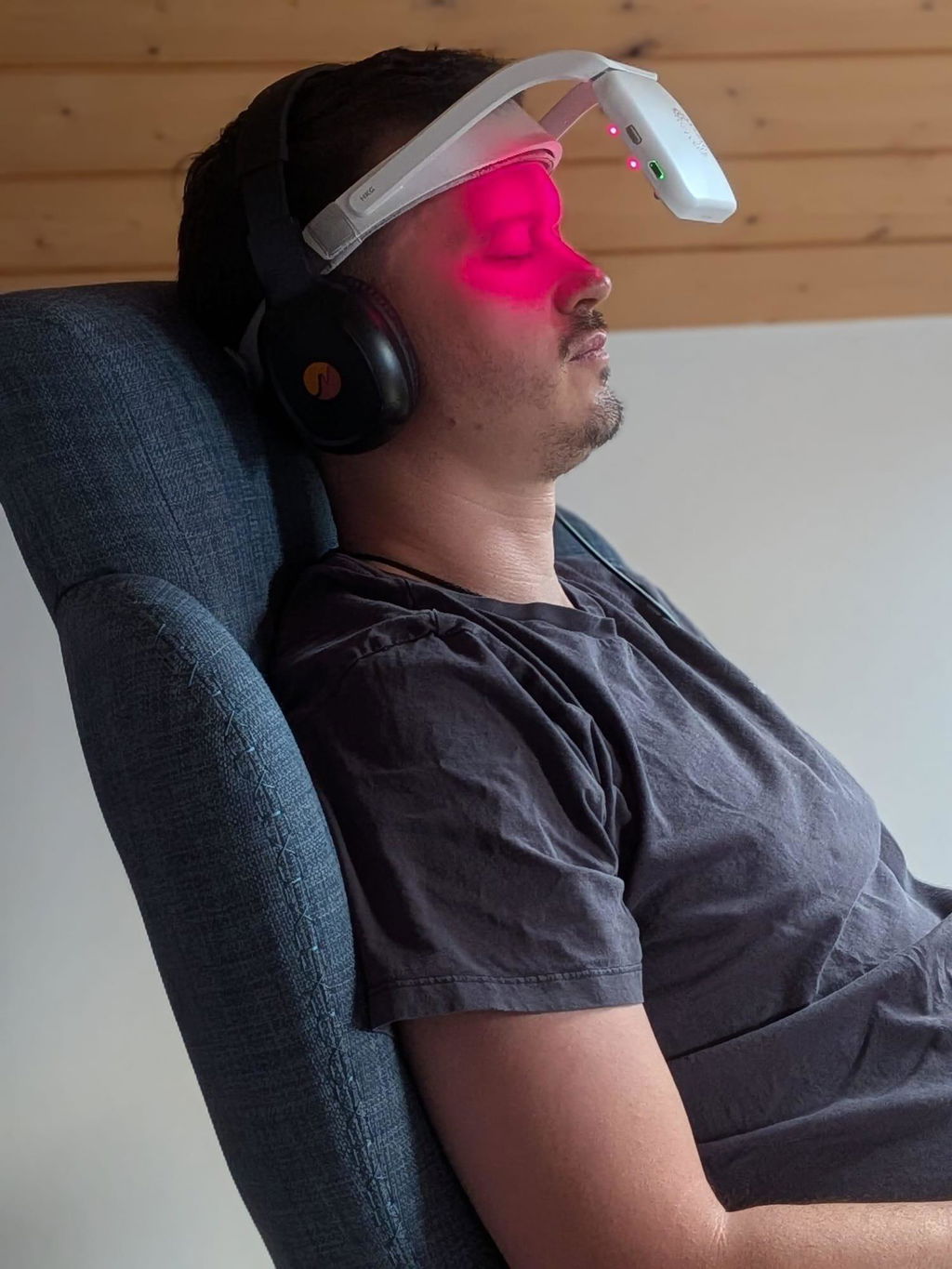
Devices that use rhythmic light and sound patterns, such as neuroVIZR, are designed to create immersive sensory experiences often associated with relaxation and focused attention.
Rather than aiming to change or fix the mind, they are positioned as wellness tools that can be included in personal routines similar to meditation or quiet time.
Some people choose to use such tools to support:
-
Moments of calm during busy days
-
A sense of mental clarity or spaciousness
-
Gentle transitions from activity to rest
It’s important to note that neuroVIZR is not a therapy or treatment, but may be explored as part of a broader self-care approach.
A Practical Approach to Burnout Recovery
There is no single solution for burnout. A balanced approach may include:
-
Reflection and emotional awareness
-
Setting realistic boundaries at work
-
Prioritising rest and recovery time
-
Building consistent relaxation routines
Small, sustainable changes often make a bigger difference than trying to “fix everything” at once.
Conclusion
Work burnout is not a sign of failure, it is often a signal that the current pace or demands are no longer sustainable.
While therapy can offer valuable guidance and support, recovery also involves creating space for rest, calm, and balance in everyday life.
Wellness tools and relaxation practices, including sensory-based experiences, can be explored as part of a routine that prioritises ease over pressure.
Ultimately, burnout recovery is about giving yourself permission to pause, reset, and move forward in a way that feels more sustainable.
FAQs
What type of therapy is best for burnout?
There is no single approach that works for everyone. Many people explore therapy styles that focus on stress awareness, emotional support, and practical coping strategies. The best option is one that feels supportive and aligned with your needs.
How can burnout at work be addressed?
Burnout is often addressed through a combination of changes, including setting boundaries, adjusting workload where possible, and building daily routines that support rest and relaxation. Small, consistent steps can be helpful over time
What is the 42% rule for burnout?
The “42% rule” is often mentioned to highlight that workplace factors can play a significant role in burnout. It emphasizes that burnout is not only personal but can also be influenced by environment, expectations, and workload.






Share: