


Disclaimer
This content is for informational purposes only and does not constitute medical advice. neuroVIZR is a wellness device designed to support relaxation, focus, and overall well-being. It is not intended to diagnose, treat, cure, or prevent any medical condition. Experiences may vary from person to person.
Have you ever found yourself physically present but mentally far away?
You might be sitting in a meeting, looking out the window, or even talking to someone yet your mind feels distant. This experience is often described as dissociation, and it can show up quietly in everyday life.
While occasional disconnection can be a natural response to overwhelm, learning how to gently reconnect with the present moment can support emotional awareness and daily balance.
What Is Dissociation?
Dissociation is commonly described as a feeling of disconnection from your thoughts, surroundings, or sense of presence.
It may feel like:
-
Zoning out or losing track of time
-
Feeling emotionally distant
-
Experiencing a sense of “being on autopilot”
-
Not fully engaging with your surroundings
In many cases, it can be your mind’s way of creating space during overwhelming moments. Becoming aware of these experiences is often the first step toward reconnecting.
How to Stop Dissociating: Gentle Grounding Techniques
Grounding techniques are simple practices that help bring your attention back to the present moment. They focus on reconnecting with your senses, your environment, and your daily routine.
Here are practical methods you can try:
1. Notice Your Surroundings
Start by observing what’s around you:
-
Name 3–5 things you can see
-
Notice sounds in your environment
-
Pay attention to physical sensations like your feet on the ground
This helps shift your focus outward and reconnect with your surroundings.
2. Try the 5-4-3-2-1 Method
This structured exercise engages your senses:
-
5 things you can see
-
4 things you can touch
-
3 things you can hear
-
2 things you can smell
-
1 thing you can taste
It creates a simple rhythm that may help bring awareness back to the present moment.
3. Use Temperature for Awareness
Holding something cold, like a water bottle or ice cube, can create a strong sensory signal.
Focus on:
-
The temperature
-
The texture
-
The physical sensation
This can help shift your attention back to your body.
4. Add Gentle Movement
Small movements can help reconnect mind and body:
-
Stretch your arms or legs
-
Walk slowly
-
Rotate your shoulders or neck
Movement encourages awareness of physical presence.
5. Focus on Texture and Touch
Keep a small object nearby, such as:
-
A smooth stone
-
A piece of fabric
-
A ring or bracelet
Holding and observing it can help create a sense of connection and presence.
6. Practice Slow Breathing
Try simple breathing patterns:
-
Inhale slowly
-
Exhale gently
-
Keep a steady rhythm
Focusing on your breath can support a calm and grounded state.
7. Visualize a Calm Place
Think of a place that feels peaceful to you.
Imagine:
-
What you see
-
What you hear
-
How the space feels
This can help create a sense of comfort and stability.
8. Use Supportive Self-Talk
Simple phrases can help guide your awareness:
-
“I am here right now.”
-
“I can take this moment slowly.”
-
“This feeling will pass.”
Gentle self-talk can support emotional awareness.
9. Do a Simple Routine Task
Everyday activities can help bring focus back:
-
Making tea
-
Washing dishes
-
Organizing your space
Pay attention to each step as you do it.
10. Write Your Thoughts
Journaling can help you stay connected to the moment.
You can write:
-
What you’re feeling
-
What you notice around you
-
What you’re experiencing right now
This helps build awareness over time.
Using Relaxation Tools for Sensory Support
In busy routines, it may not always feel easy to pause and practice grounding techniques. Some people explore wellness tools that create structured sensory experiences.
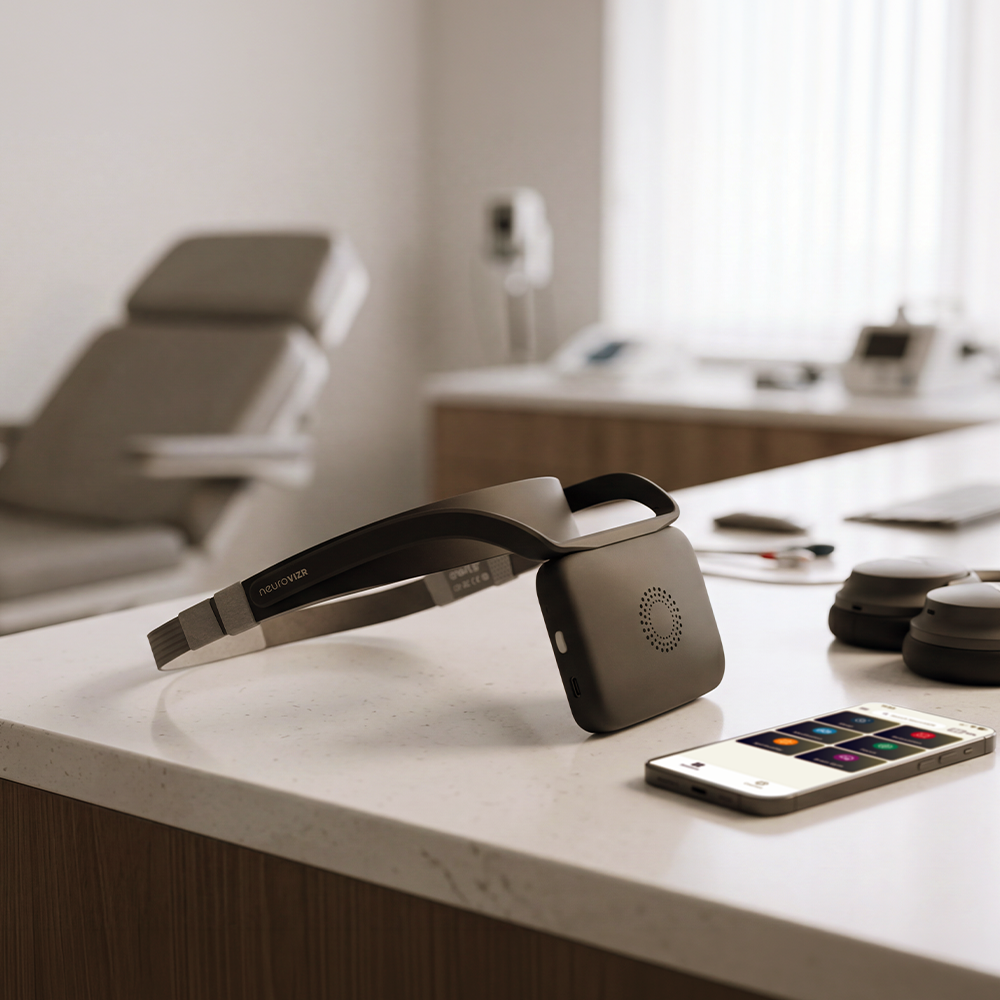
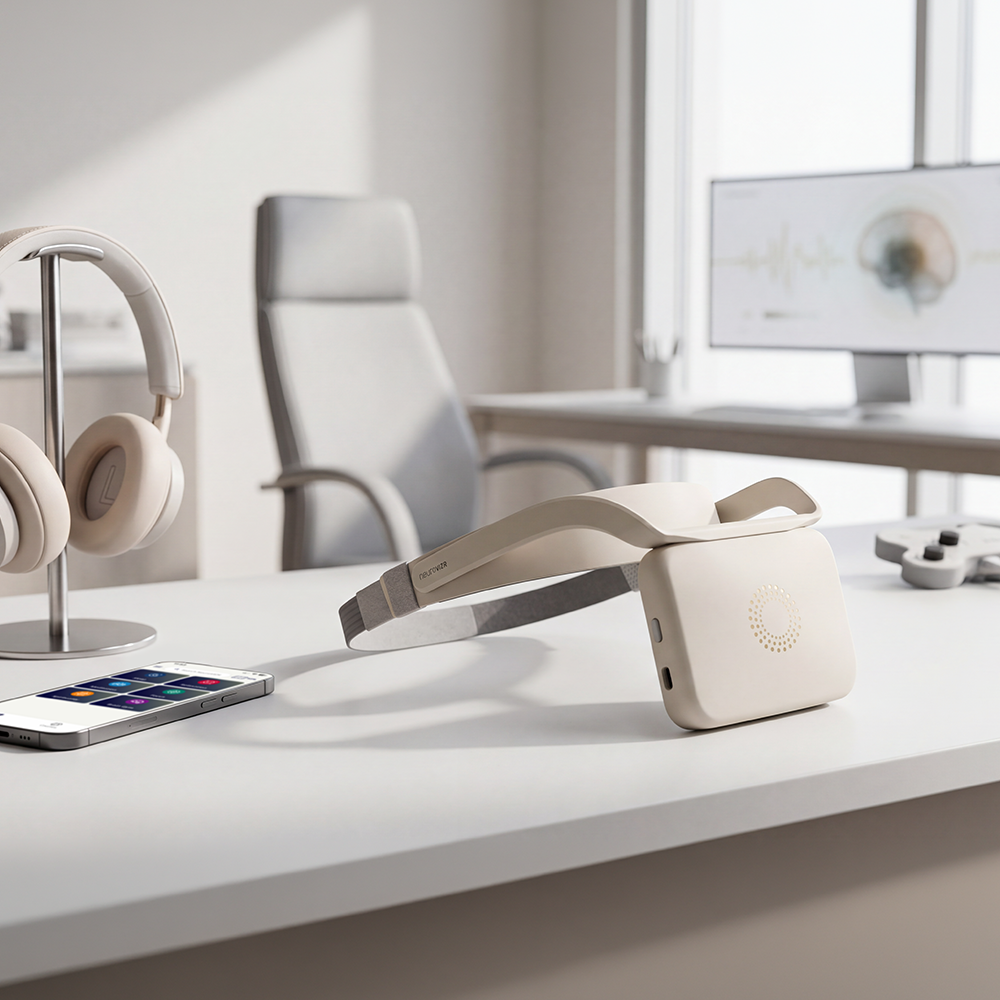
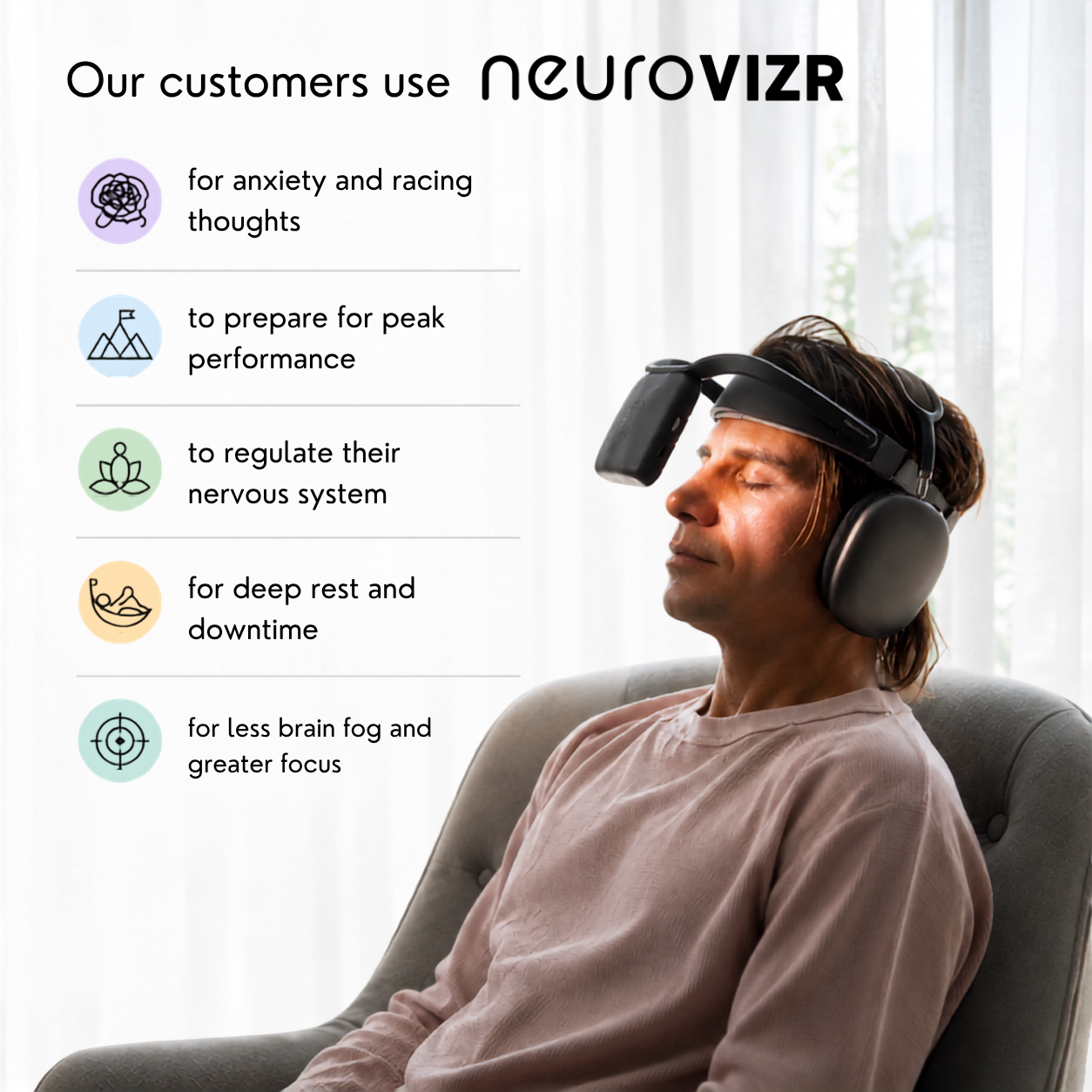
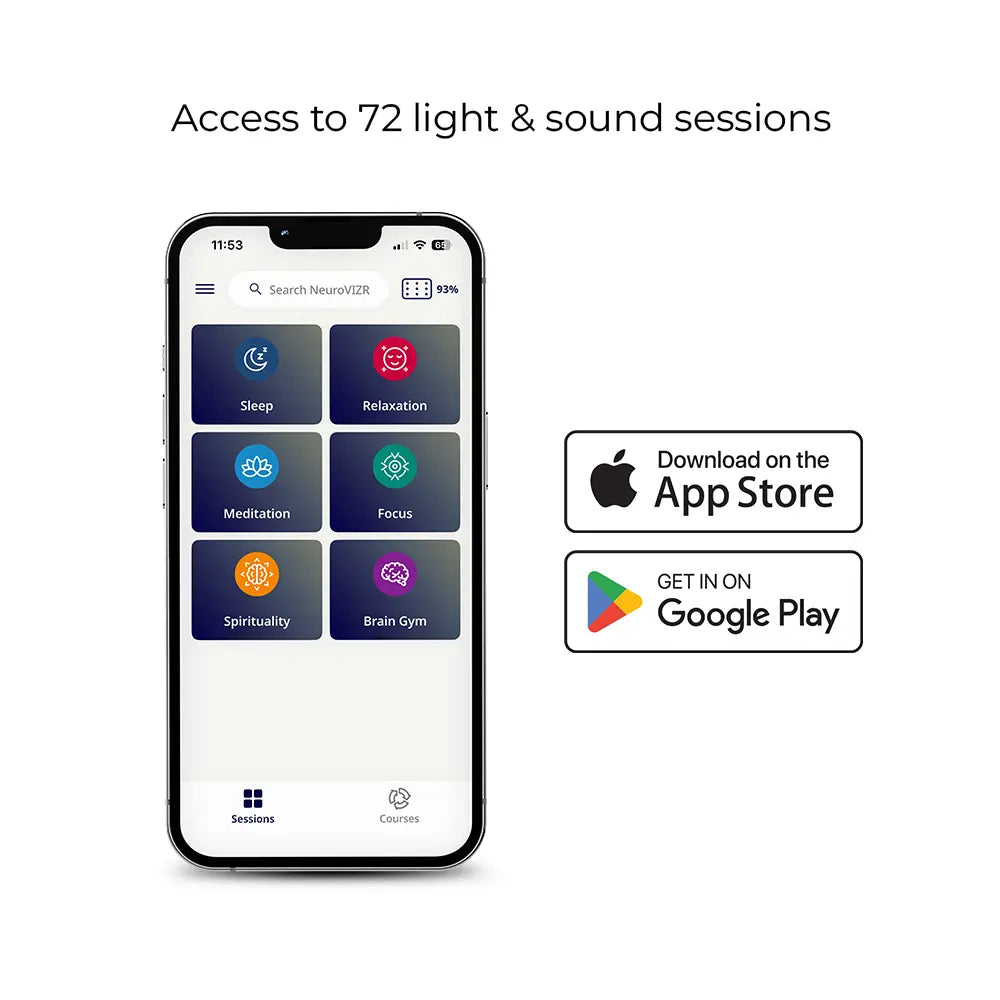
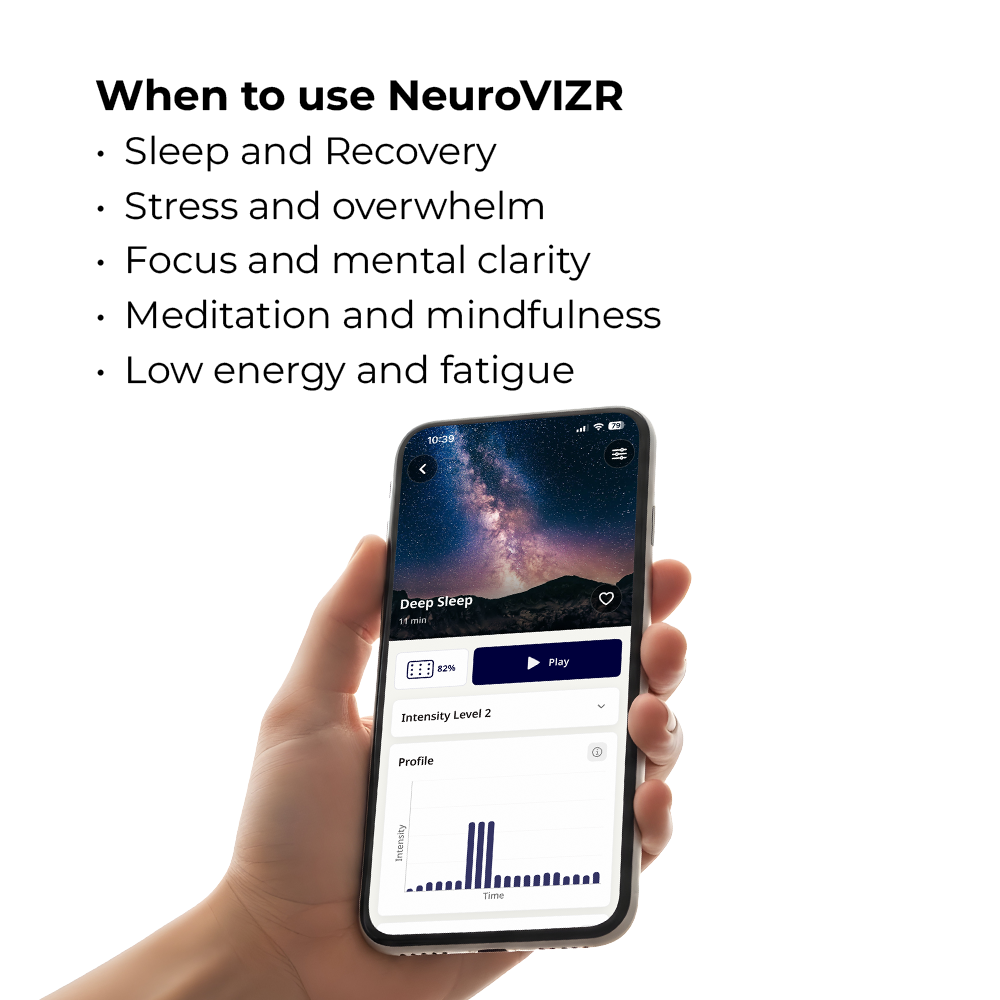
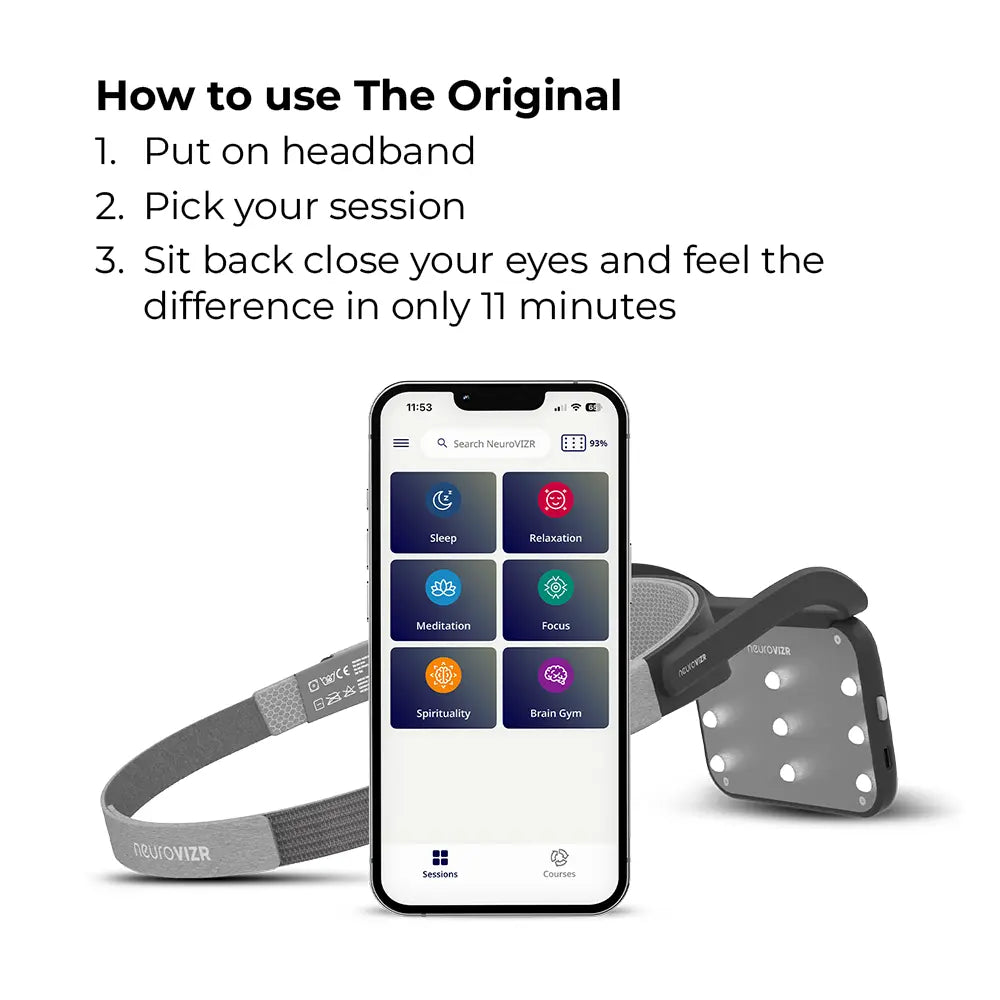
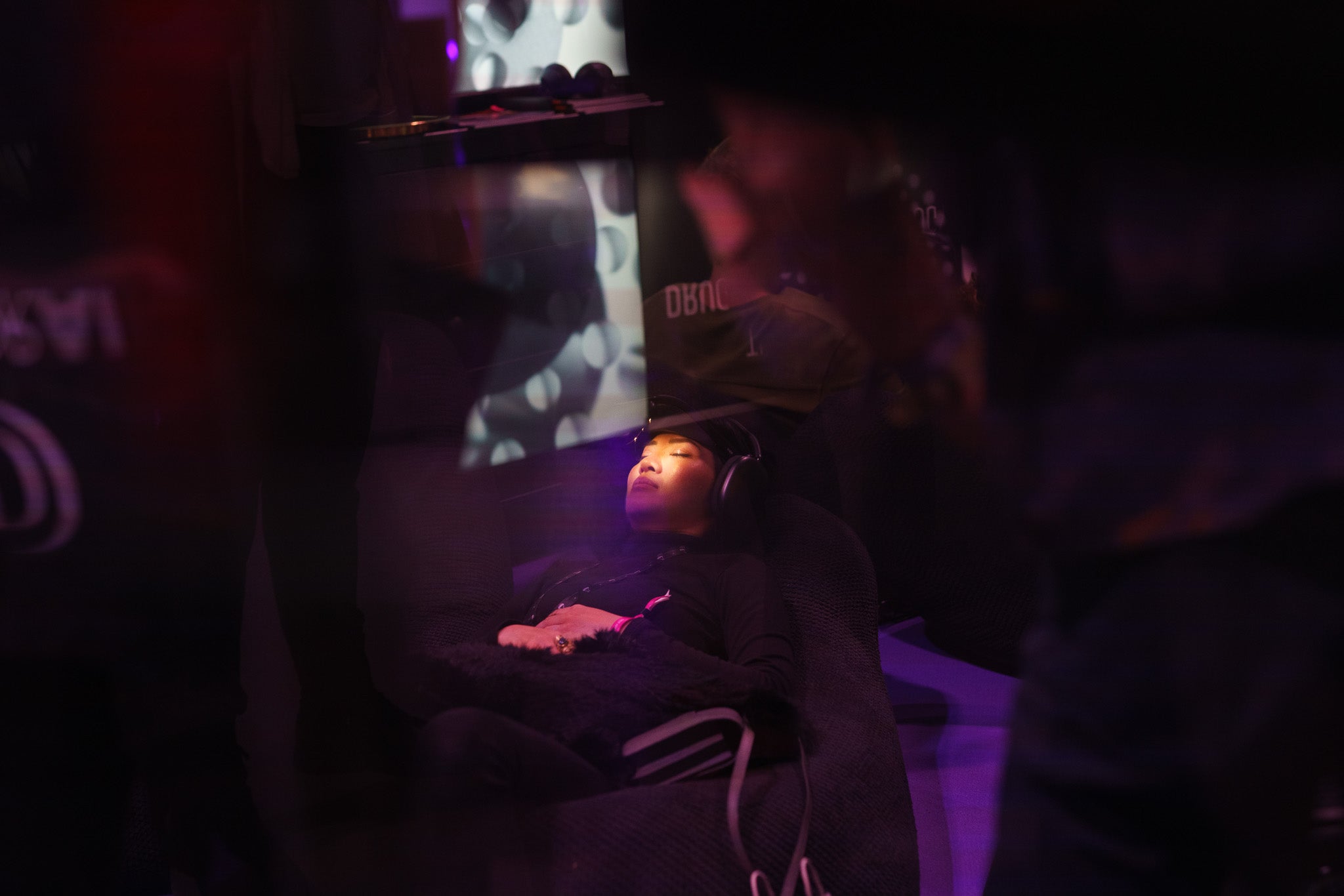
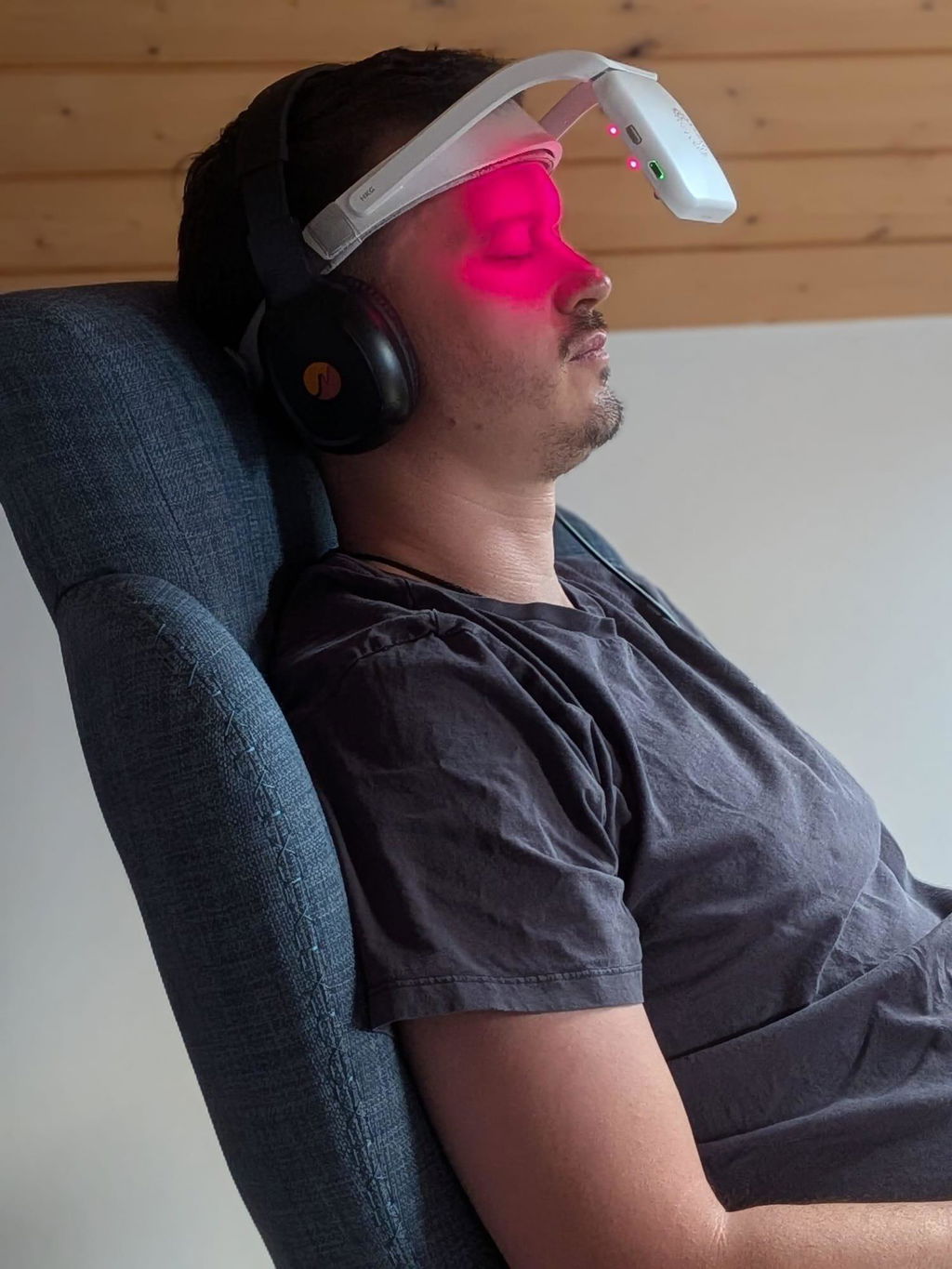
Devices that use rhythmic light and sound patterns can create immersive environments often associated with relaxation and focused attention. These experiences are designed to help users step away from daily overstimulation and enjoy moments of calm.
When used as part of a personal relaxation routine, such tools may support:
-
Moments of mental clarity
-
A sense of calm and focus
-
A structured way to pause during the day
Embracing Grounding in Daily Life
Grounding is not about forcing yourself to feel a certain way. It’s about gently returning to the present moment, one step at a time.
Small actions noticing your surroundings, breathing slowly, or following a simple routine can make a meaningful difference over time.
Creating moments of calm in your day can support a more balanced and aware lifestyle.
FAQ: How to Stop Dissociating
What are common signs of dissociation?
Common signs may include zoning out, feeling disconnected from surroundings, or difficulty focusing on the present moment.
Can grounding techniques help with dissociation?
Grounding techniques are often used to help bring attention back to the present moment through sensory awareness and simple routines.
How long does dissociation last?
It can vary from person to person. Some experiences are brief, while others may last longer depending on the situation.
What is the easiest grounding technique to start with?
The 5-4-3-2-1 method is one of the simplest ways to reconnect with your senses and surroundings.
Can relaxation routines support emotional awareness?
Yes, consistent relaxation practices and mindful routines may help improve awareness and create a sense of balance over time.






Share:
10 Meditation Hand Positions and Their Role in Relaxation and Focus
How to Use the Wheel of Fortune as Feelings in Daily Life