


Disclaimer
This content is for informational purposes only and does not constitute medical advice. neuroVIZR is a wellness device designed to support relaxation, focus, and overall well-being. It is not intended to diagnose, treat, cure, or prevent any medical condition. Experiences may vary from person to person.
When exploring personality frameworks like the Myers-Briggs Type Indicator (MBTI), one of the most interesting distinctions is between Thinking (T) and Feeling (F).
These two preferences influence how people evaluate choices, interact with others, and approach everyday situations from workplace decisions to personal relationships.
But what do “Thinking” and “Feeling” really mean? Can someone use both? And how do these styles shape real-life decisions? Let’s explore.
What Is Thinking vs. Feeling Personality Trait?
In personality frameworks, Thinking and Feeling describe decision-making preferences:
-
Thinking (T): Focuses on logic, structure, and consistency
-
Feeling (F): Focuses on values, empathy, and harmony
This distinction is not about being emotional or unemotional; it's about the perspective you naturally rely on when making decisions.
Real-Life Examples: Thinking vs. Feeling in Action
In Relationships
-
Thinking types may approach conflicts by analyzing the situation and finding practical solutions
-
Feeling types may focus on emotional understanding and maintaining harmony
In Everyday Decisions
-
A Thinking-oriented person might choose an option based on efficiency or cost
-
A Feeling-oriented person may prioritize comfort, experience, or connection
At Work
-
Thinking-style leaders often emphasize performance and systems
-
Feeling-style leaders tend to focus on team well-being and collaboration
Common Misconceptions
“Thinking types don’t care about emotions”
Not true. They often express care through solutions and actions rather than words.
“Feeling types are not logical”
Also incorrect. They simply prioritize values and relationships alongside logic.
“You must be one or the other”
Most people use both approaches; they just have a natural preference.
Can You Be Both a Thinker and a Feeler?
Yes and in many situations, people naturally shift between the two.
-
You might rely on logic for financial or work-related decisions
-
You might rely on values and empathy in personal situations
Think of it as a flexible spectrum, not a fixed label.
When Thinking and Feeling Styles Differ
Different decision-making styles can sometimes lead to misunderstandings:
-
Thinking-oriented individuals may prefer clarity and structure
-
Feeling-oriented individuals may prioritize emotional context
However, combining both perspectives can lead to more balanced outcomes.
For example:
-
One perspective brings clarity and reasoning
-
The other adds empathy and awareness
Creating Space for Reflection and Balance
Navigating decisions that involve both logic and personal values can sometimes feel overwhelming. Taking time to pause, reflect, and reset can help create clarity.
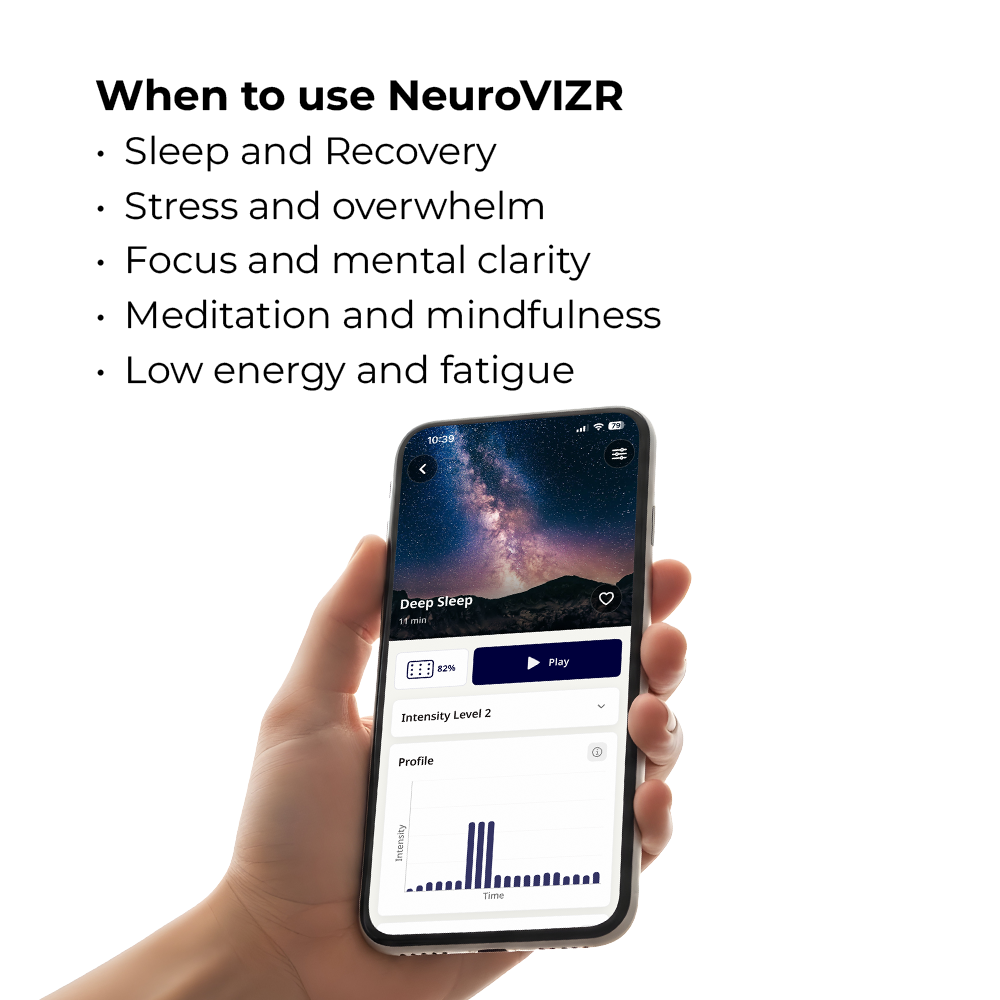
Some people incorporate sensory-based relaxation routines into their day to step away from constant stimulation. Tools that use rhythmic light and sound patterns, such as neuroVIZR, are designed to create immersive sensory experiences often associated with calm and focused attention.
These types of experiences may help individuals:
-
Step away from distractions
-
Create moments of calm
-
Reflect more clearly on decisions
They are best used as part of a personal relaxation or mindfulness routine, supporting a more balanced approach to everyday thinking.
Growth Tips for Different Decision Styles
If You Lean Toward Thinking:
-
Consider how your decisions may impact others
-
Practice expressing understanding alongside solutions
If You Lean Toward Feeling:
-
Use structure and clarity to support your ideas
-
Balance emotional awareness with practical thinking
Summary: Thinking vs. Feeling Is About Balance
The Thinking vs. Feeling distinction is not about right or wrong it’s about how you prefer to approach decisions.
Understanding your style can help you:
-
Communicate more effectively
-
Reduce misunderstandings
-
Make more balanced decisions
The goal is not to label yourself, but to develop greater self-awareness and flexibility.
Final Note
Understanding how you think and feel can help you approach life with more clarity and confidence. By creating space for both logic and personal values, you can make decisions that feel both grounded and meaningful.
Frequently Asked Questions (FAQ)
What is the difference between Thinking and Feeling?
Thinking focuses on logic, structure, and objective analysis, while Feeling emphasizes values, empathy, and relationships. Both approaches are valid and useful in different situations.
How do I know if I am a Thinking or Feeling type?
You can reflect on how you make decisions:
-
Do you prioritize logic and fairness?
-
Or do you consider emotions and relationships first?
Most people show a mix of both, with a natural preference toward one.
How do Thinking and Feeling Affect Relationships?
-
Thinking styles may express care through problem-solving and practical support
-
Feeling styles often express care through emotional connection and communication
Understanding these differences can improve communication and strengthen relationships.
Can Thinking and Feeling work together?
Yes. Combining both approaches often leads to more balanced and thoughtful decisions, blending clarity with empathy.













Share:
Examples of Zen Koans: Simple Riddles for Mindfulness & Reflection
Examples of Zen Koans: Simple Riddles for Mindfulness & Reflection