


Disclaimer
This content is for general informational purposes only. These experiences are not intended as a medical treatment or to diagnose, treat, or prevent any condition.
Deep sleep is a stage of rest where your body and mind experience deeper relaxation. While individual needs vary, most adults benefit from getting enough uninterrupted sleep cycles to feel refreshed and balanced the next day.
Why Deep Sleep Matters
Deep sleep is often associated with the most restful part of your night. During this phase, your body slows down, and your mind takes a break from constant stimulation.
Many people value deep sleep because it is linked to:
-
Feeling more refreshed in the morning
-
Supporting daily energy levels
-
Enhancing overall rest quality
-
Creating a sense of mental clarity
Rather than focusing on exact numbers, it’s more helpful to notice how you feel after waking up.
How Much Deep Sleep Do You Need?
There is no single “perfect” number, but general patterns suggest:
-
Adults often experience 1.5 to 2 hours of deep sleep per night
-
This typically makes up about 15–25% of total sleep time
-
Deep sleep occurs more in the earlier part of the night
However, sleep needs can vary depending on:
-
Age
-
Lifestyle
-
Daily stress levels
-
Sleep consistency
The key indicator: Do you feel rested and alert during the day?
Signs You May Not Be Getting Enough Restful Sleep
Instead of tracking deep sleep precisely, look for how your body responds:
-
Waking up feeling tired
-
Difficulty focusing during the day
-
Feeling low on energy
-
Restless or interrupted sleep patterns
These signs don’t point to a specific issue but may indicate that your sleep routine could use some improvement.
What Affects Your Deep Sleep Quality?
Several everyday factors can influence how restful your sleep feels:
1. Screen Time Before Bed
Bright screens can keep your mind engaged longer than expected.
2. Irregular Sleep Schedule
Sleeping at different times each night may disrupt your natural rhythm.
3. Stress and Overthinking
A busy mind can make it harder to fully relax before sleep.
4. Environment
Noise, light, or temperature can impact overall comfort.
How to Support Better Deep Sleep Naturally
Instead of trying to “force” deep sleep, focus on creating a calm, consistent routine.
Simple habits that may help you feel more rested:
-
Maintain a consistent sleep schedule
-
Reduce screen exposure before bedtime
-
Create a quiet, comfortable sleep environment
-
Practice calming activities like reading or journaling
-
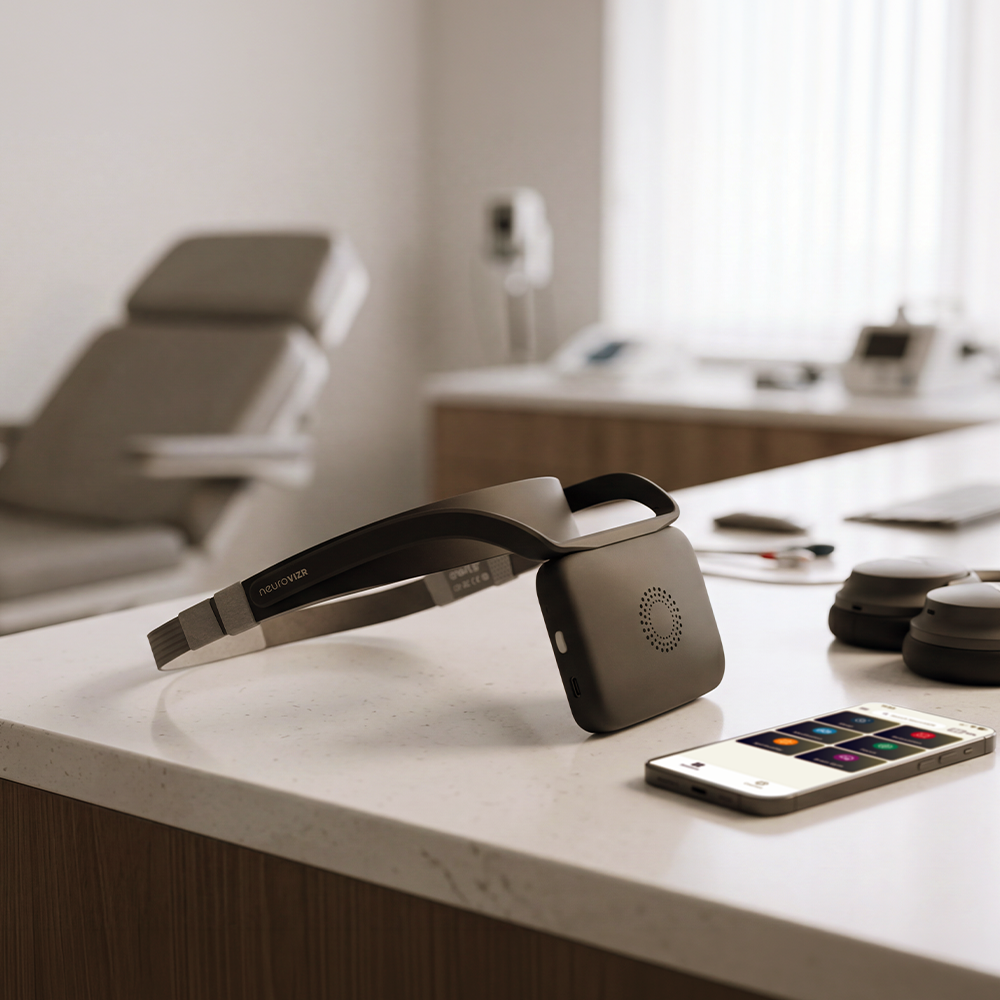
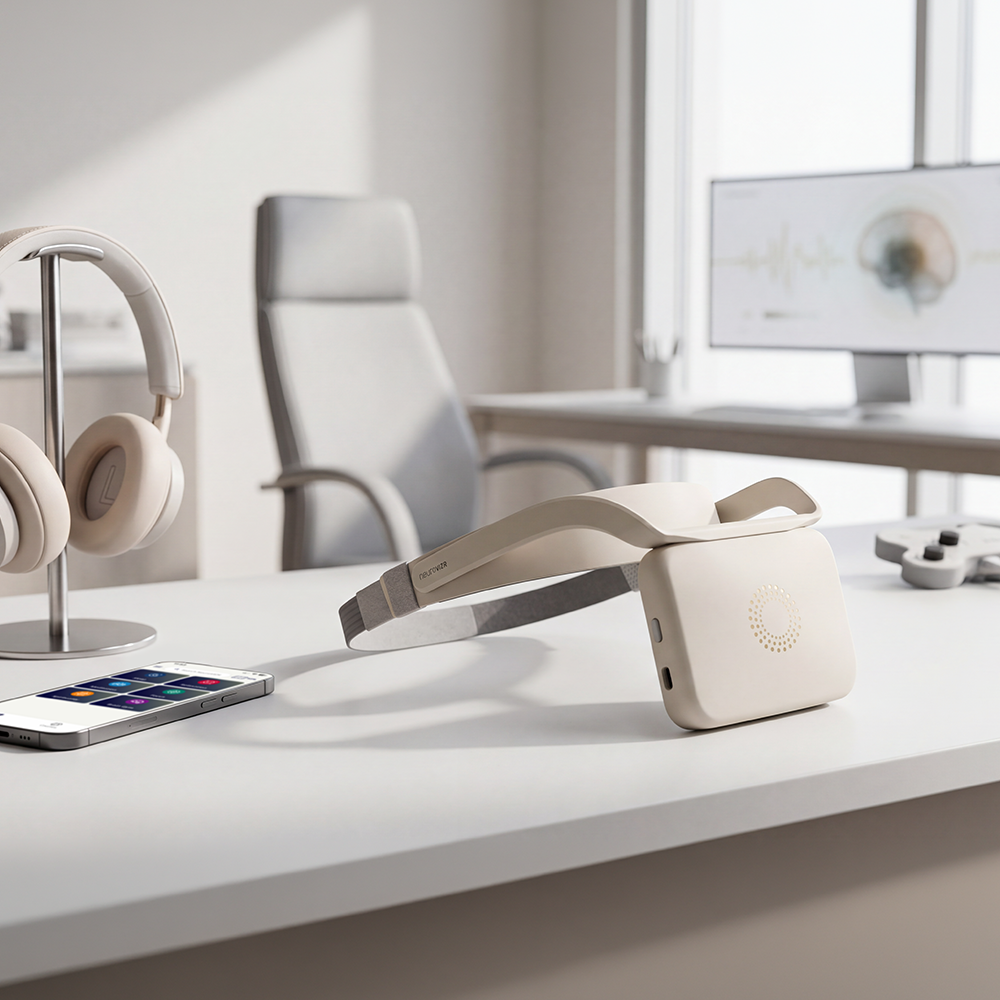
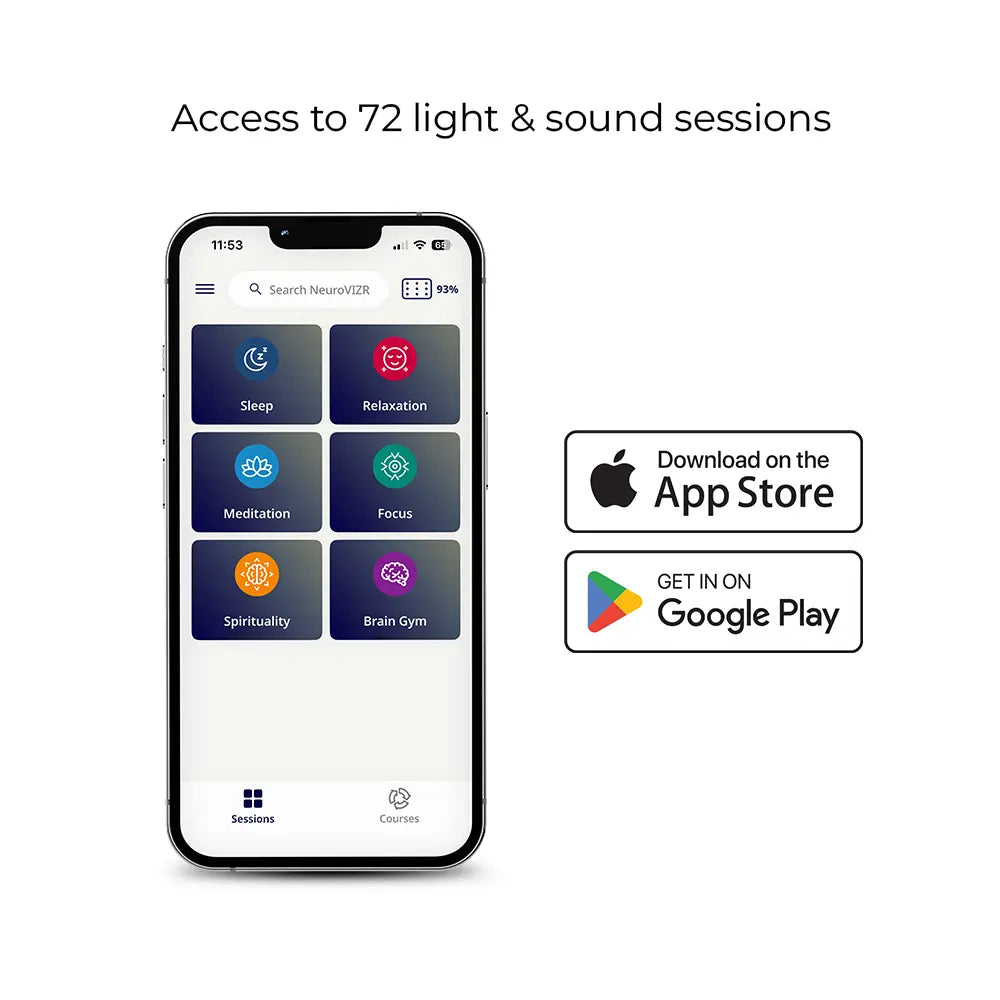
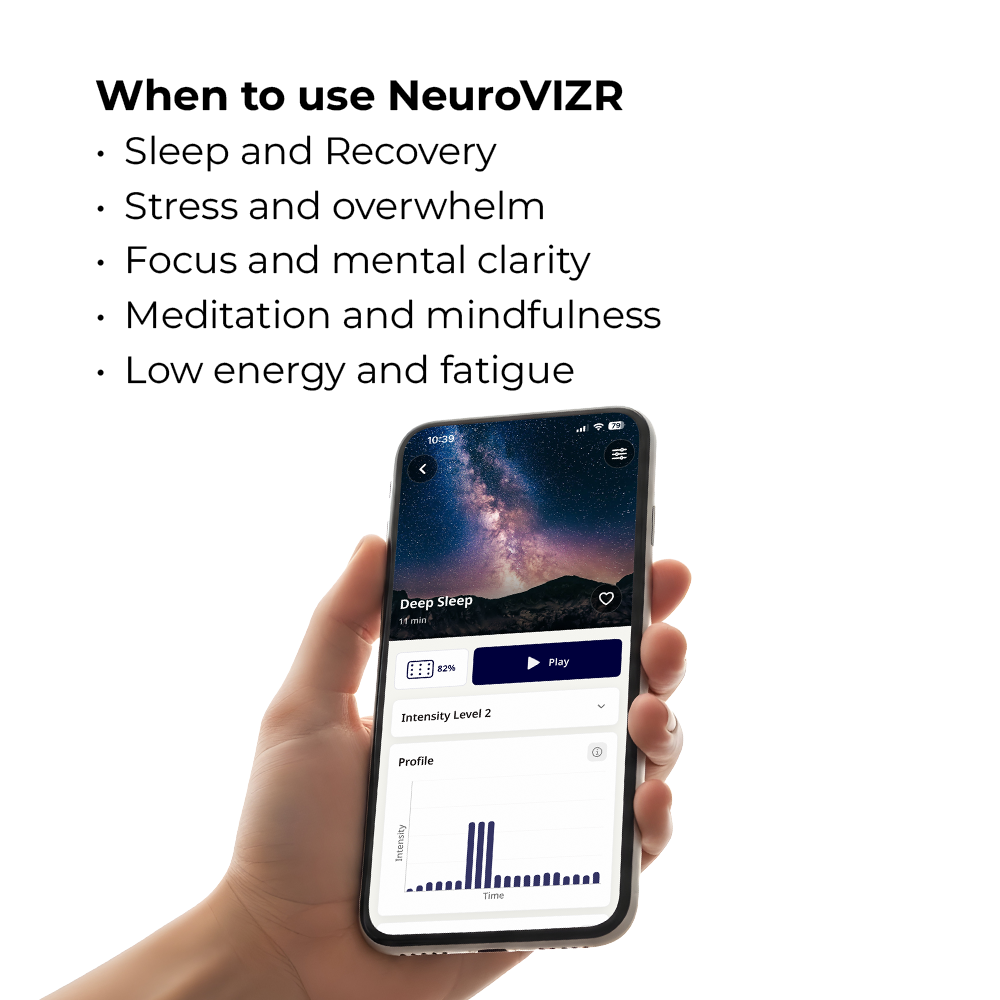
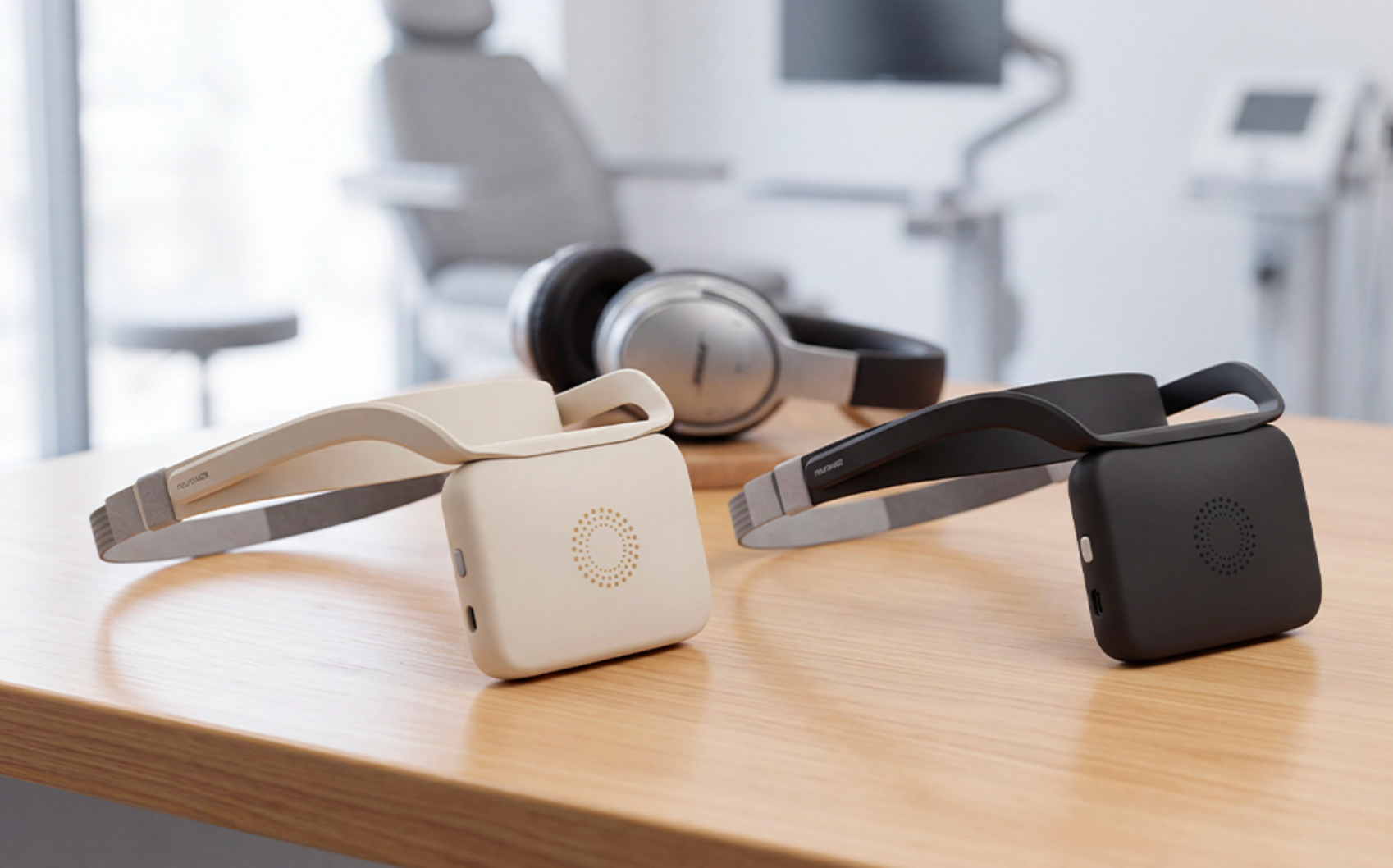
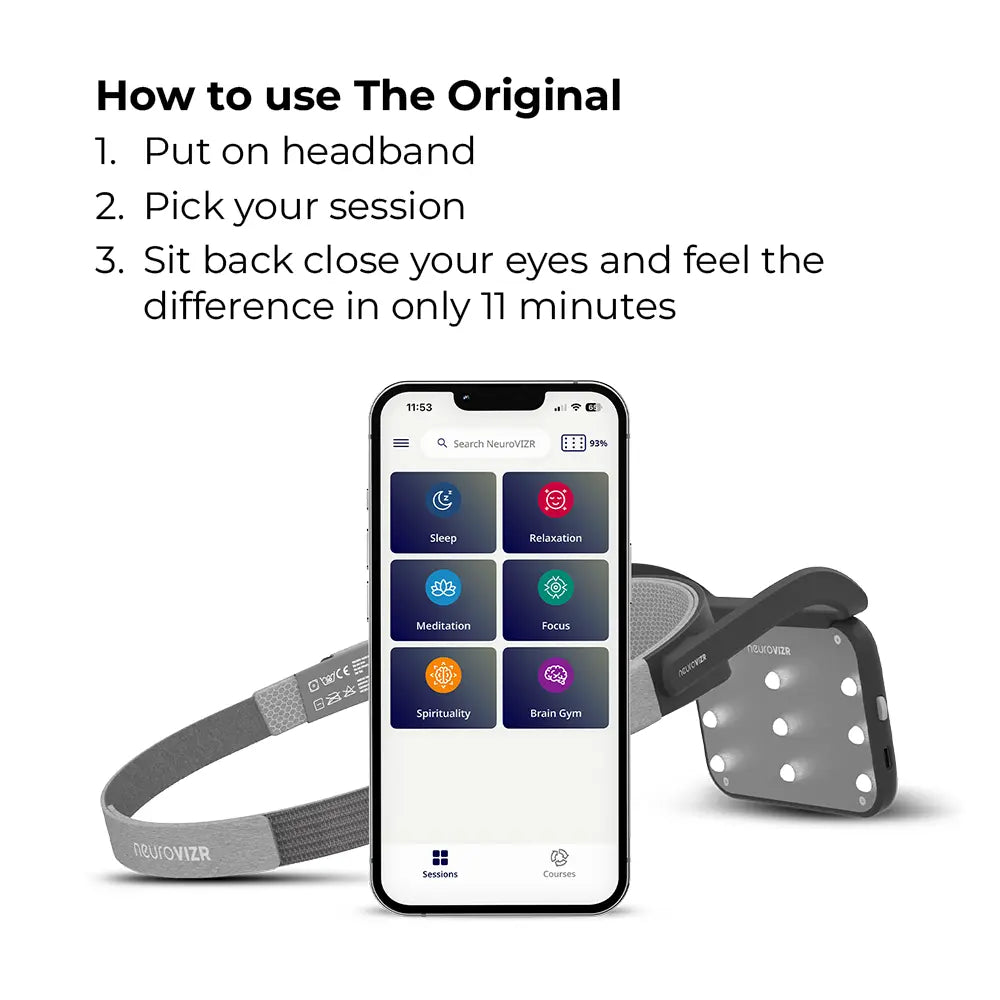
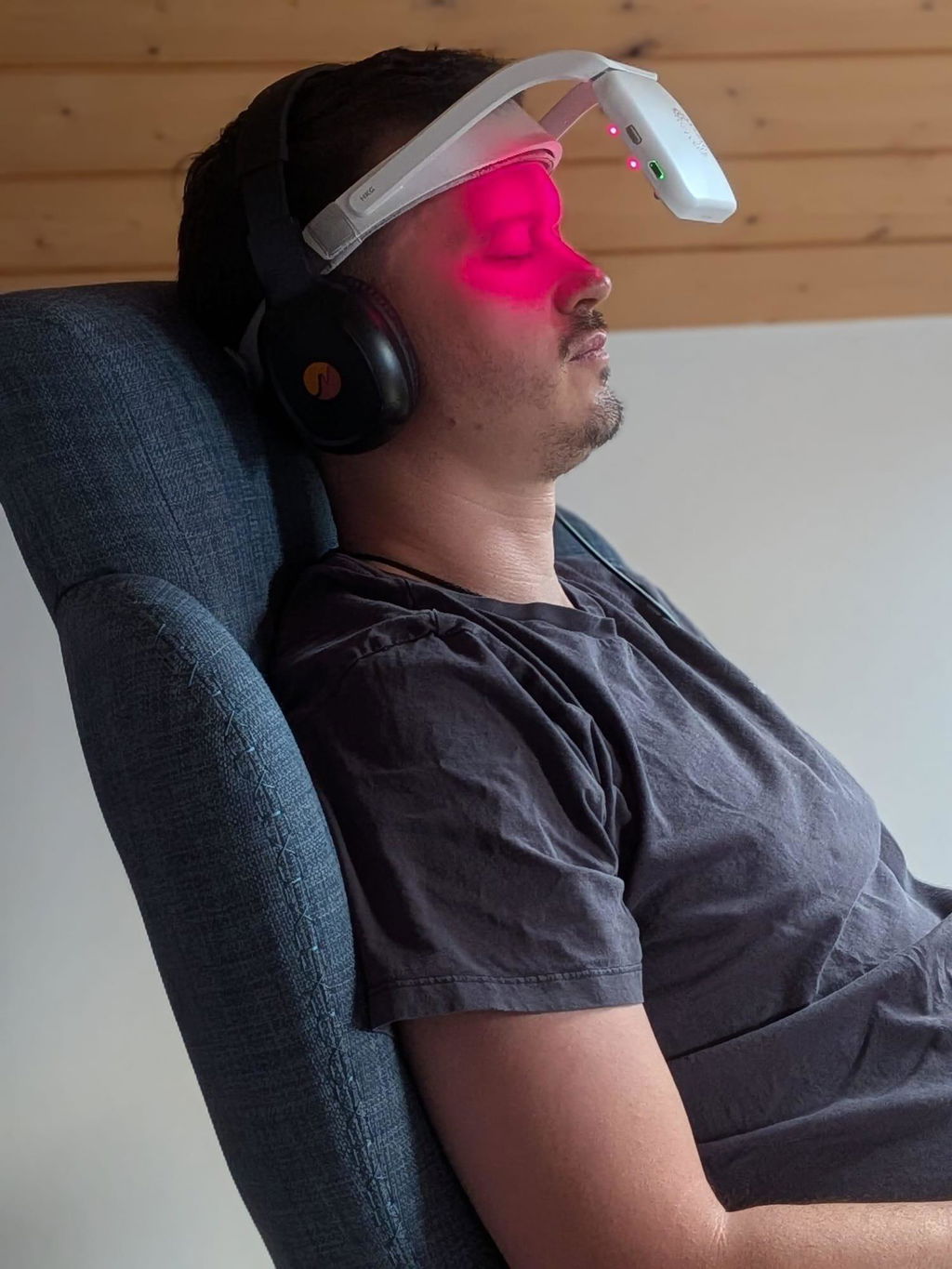
Try sensory light & sound experiences designed for relaxation
Many people incorporate rhythmic light and sound patterns into their nighttime routine to create a more immersive, calming atmosphere.
Using Sensory Experiences for Relaxation
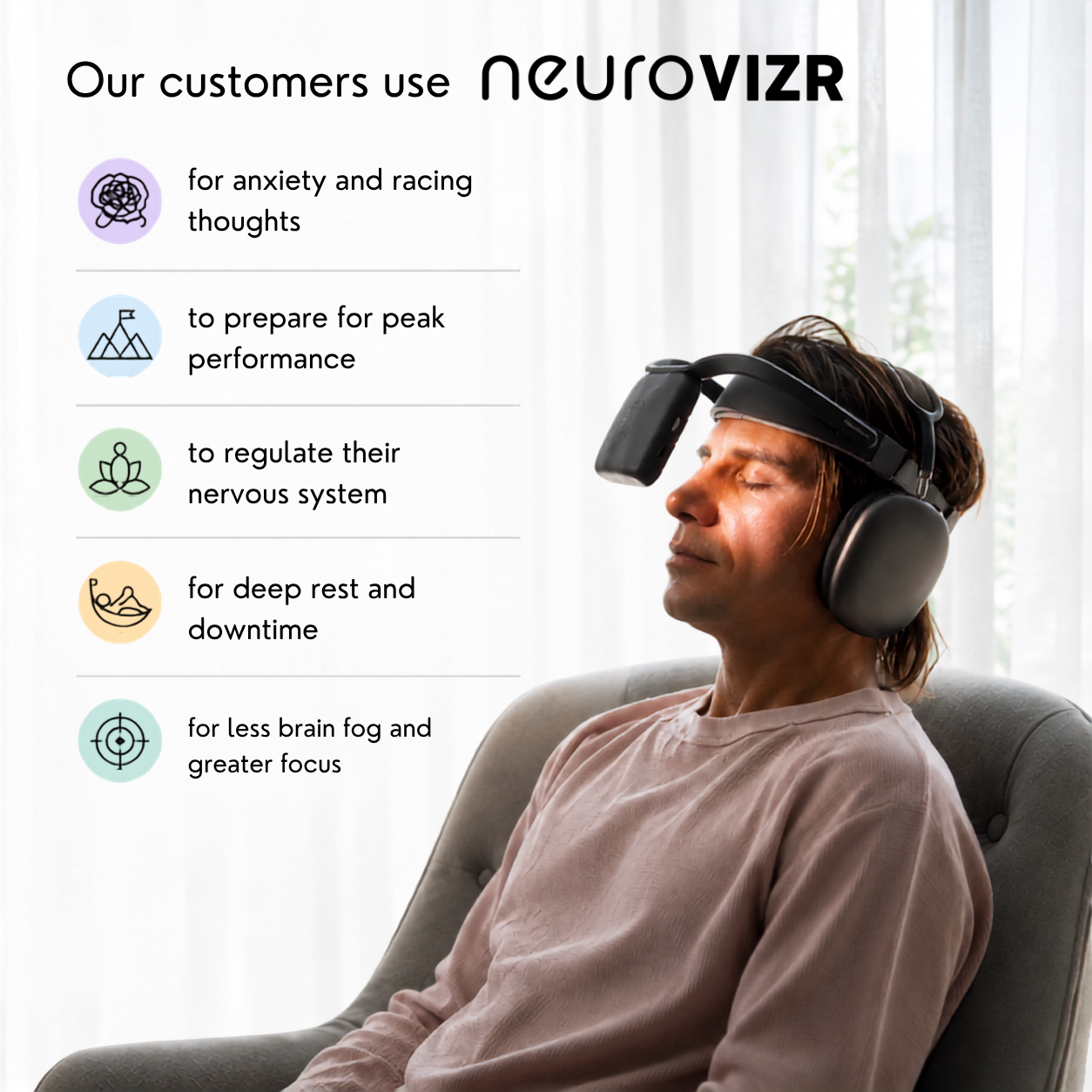
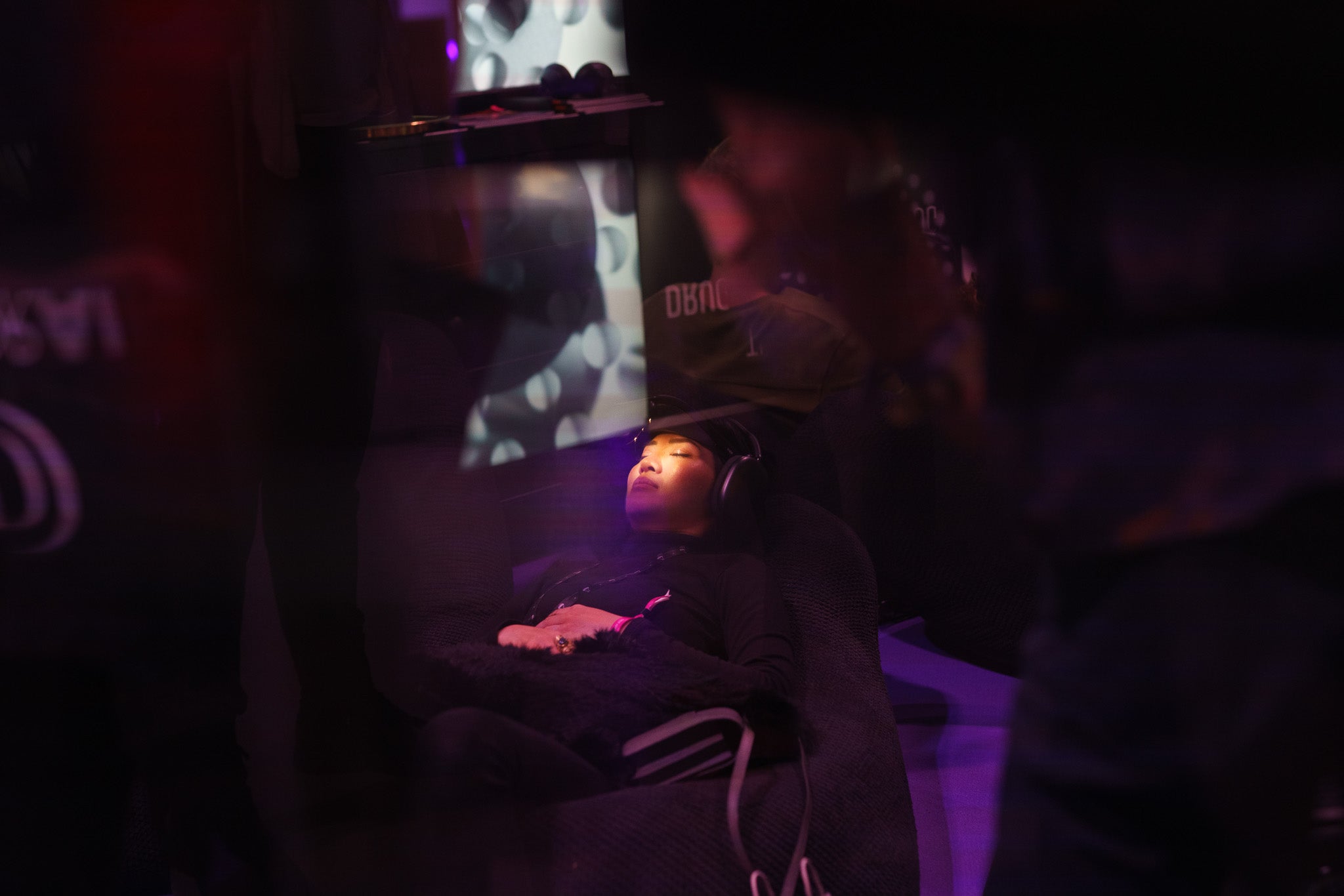
Modern relaxation tools are designed to support moments of calm through immersive sensory environments.
These experiences are often used to:
-
Unwind after a long day
-
Transition into a more relaxed state before sleep
-
Create a consistent nighttime ritual
Many users report that adding structured relaxation sessions helps them feel more prepared for sleep, even if results vary from person to person.
Focus on Sleep Quality, Not Perfection
It’s easy to get caught up in numbers, but sleep is highly personal.
Instead of chasing exact deep sleep metrics:
Focus on how you feel
Build a consistent routine
Create a relaxing environment
Over time, small changes can make a noticeable difference in how restful your nights feel.
FAQs
How do I improve my deep sleep?
Support your circadian rhythm with consistent sleep timing cooler room temperature and reduced late night screen exposure. Prioritize relaxation routines like light stretching slow breathing and limiting caffeine after noon.
Which is better: REM or deep sleep?
Both stages serve different functions and your brain needs a balance of each. Deep sleep restores the body while REM supports memory mood and cognitive processing.
Is 40 minutes of deep sleep enough?
For most adults 40 minutes is lower than ideal as research suggests 1 to 2 hours is common. If you consistently get less you may need to adjust lifestyle habits or evaluate sleep disruptors.
Why do I get so little deep sleep?
Stress late night stimulation alcohol and irregular schedules often reduce deep sleep. Medical issues like pain apnea or poor sleep hygiene can also disrupt slow wave sleep.





Share:
Sleep Corner: Syncing Your Routine with Your Natural Body Clock
Sleep Disorders in Adults Night Terrors