
ADHD Burnout and Daily Repetition Explained
  • Written by Gourav Rathore

Disclaimer

This content is for informational purposes only and does not constitute medical advice. Always consult a qualified professional for guidance on ADHD or mental health concerns.

ADHD burnout rarely happens all at once. It often builds quietly through everyday routines that feel repetitive and mentally draining over time.

For many individuals, daily life can feel like a constant loop: waking up, completing tasks, staying organized, managing distractions, and repeating the same patterns again. Over time, this repetition can feel overwhelming.

This experience is sometimes misunderstood as a lack of motivation. In reality, it often reflects how different individuals respond to routine, stimulation, and mental effort in daily life. When everyday tasks feel repetitive and demanding, it can lead to emotional fatigue and reduced energy.

Understanding this pattern can help reduce self-blame and create space for more supportive daily habits.

Why Repetition Can Feel More Challenging

Sensitivity to Novelty

Many people find it easier to stay engaged when activities feel interesting or varied. When tasks become repetitive, they may feel less engaging, making it harder to stay consistent.

Mental Effort in Daily Tasks

Planning, organizing, and switching between tasks can require extra effort. When these activities are repeated throughout the day, it can lead to mental fatigue.

Repetitive Routines and Stress

Doing the same tasks repeatedly without variation can feel limiting. This may lead to feelings such as:

  • Irritability

  • Mental fog

  • Reduced motivation

These responses are often linked to how individuals experience prolonged repetition and effort.

Emotional Load

Daily responsibilities can sometimes feel heavier when expectations are high. Over time, this may lead to emotional tiredness, especially when routines feel harder than expected.

Helpful Ways to Manage Daily Repetition

Creating supportive routines can make a noticeable difference. Small changes can help make everyday tasks feel more manageable and less repetitive.

Add Variety to Daily Tasks

Even simple changes can make routines feel more engaging:

  • Change your workspace

  • Adjust lighting or background sound

  • Rearrange task order

  • Introduce small sensory elements

These changes can help create a more engaging and balanced routine.

Reduce Frequent Task Switching

Switching between tasks repeatedly can feel tiring. Try:

  • Grouping similar tasks together

  • Completing one type of task before moving to another

This can help reduce mental load and improve focus.

Support Relaxation and Calm Moments

Daily routines become easier when there is space for relaxation. Helpful practices include:

  • Slow breathing exercises

  • Gentle stretching

  • Short pauses during the day

  • Creating quiet, distraction-free moments

These small habits can support a sense of balance.

Take Meaningful Breaks

Taking breaks is an important part of maintaining energy. Short pauses can help refresh focus and improve overall productivity.

Breaks can include:

  • Stepping away from screens

  • Engaging in something enjoyable

  • Changing your environment briefly

Explore Sensory-Based Experiences

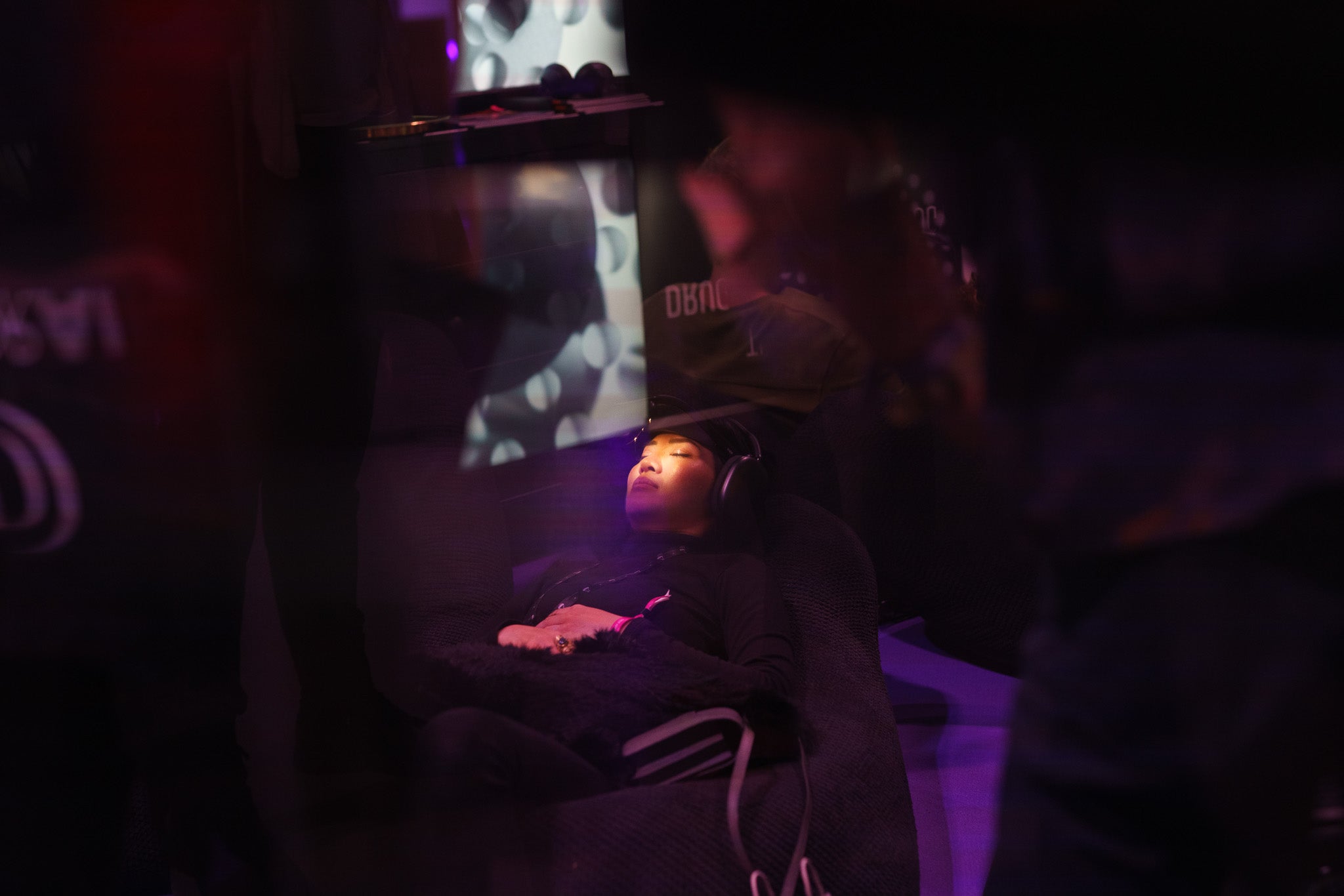
Some people find that structured light and sound patterns can create immersive sensory experiences that feel calming and refreshing.

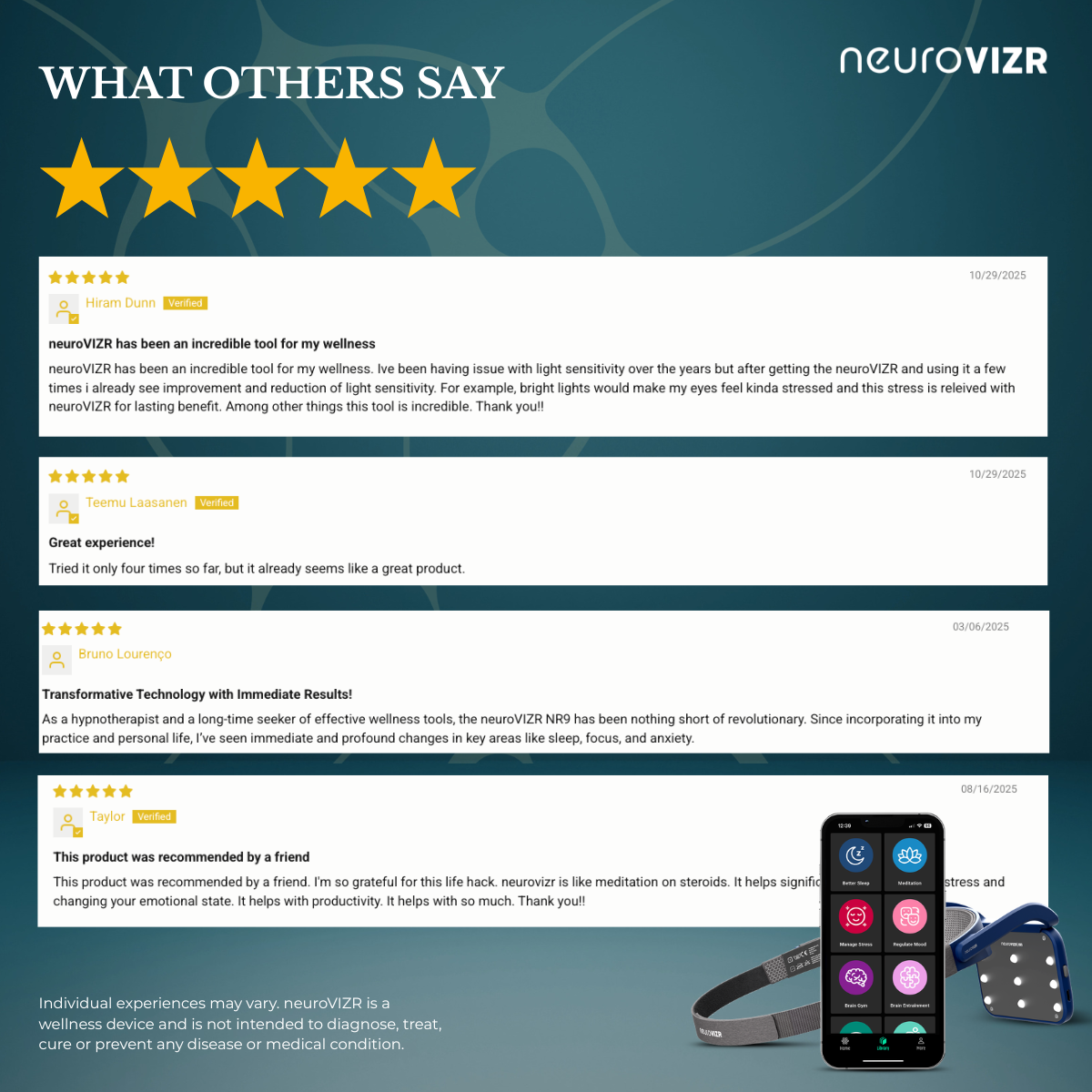
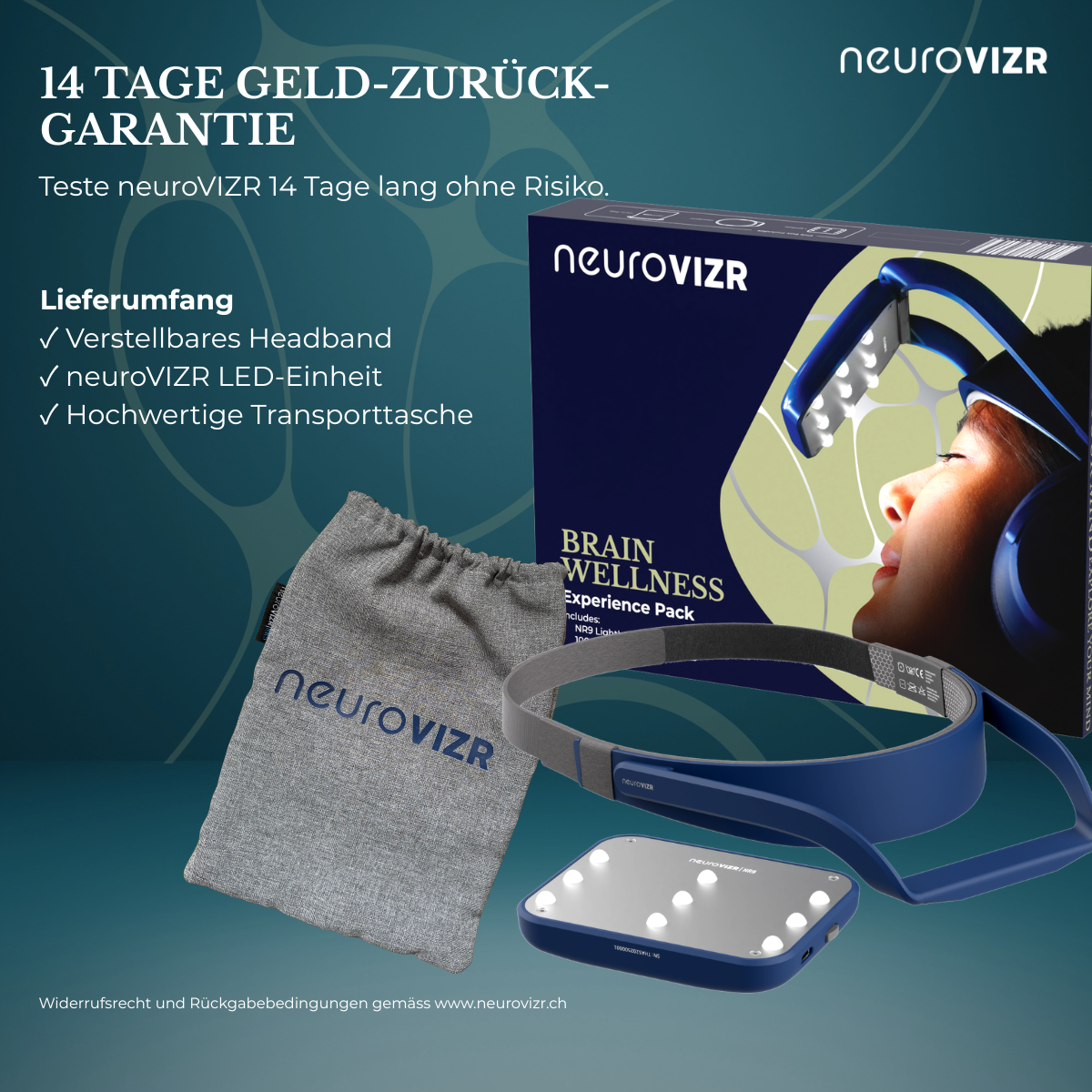
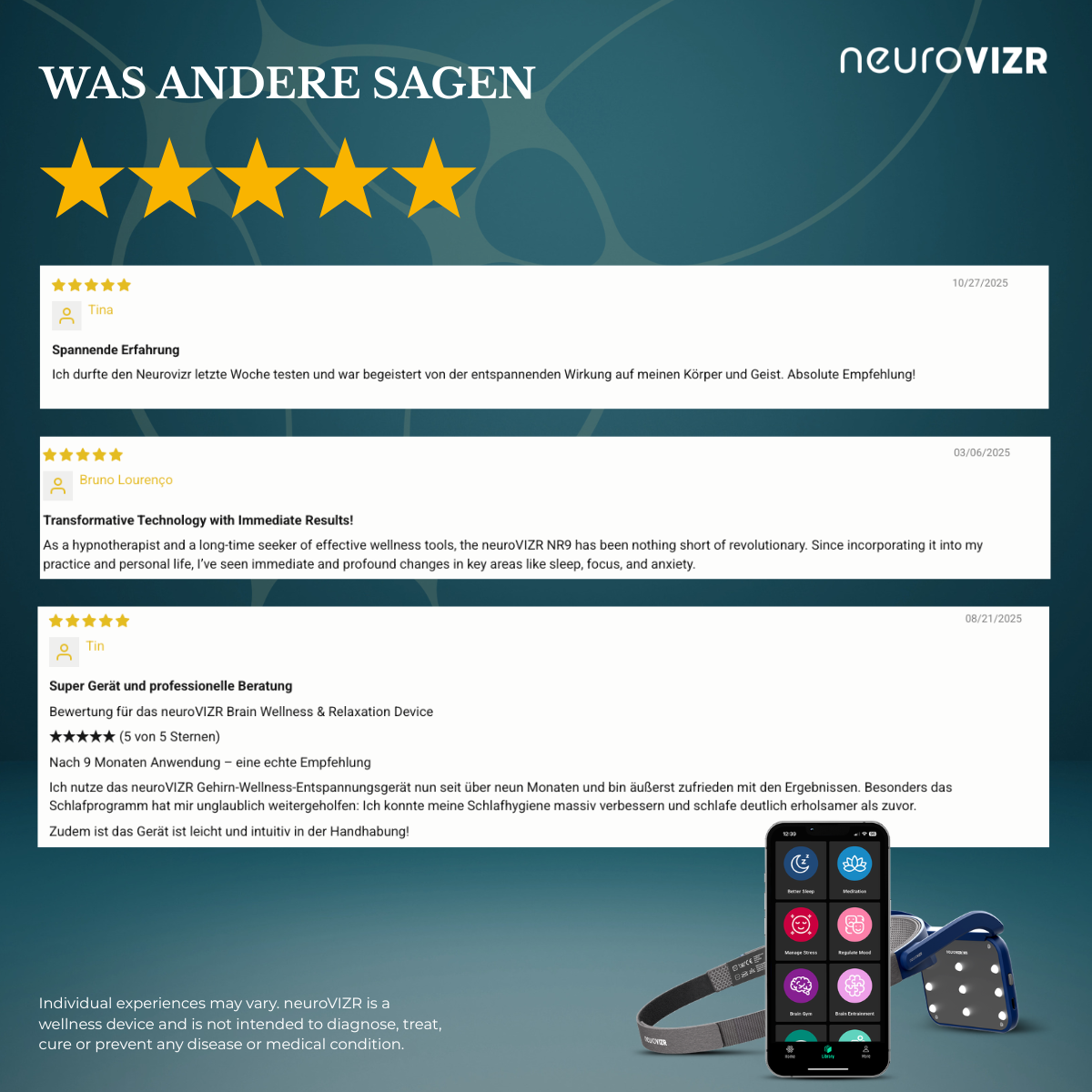
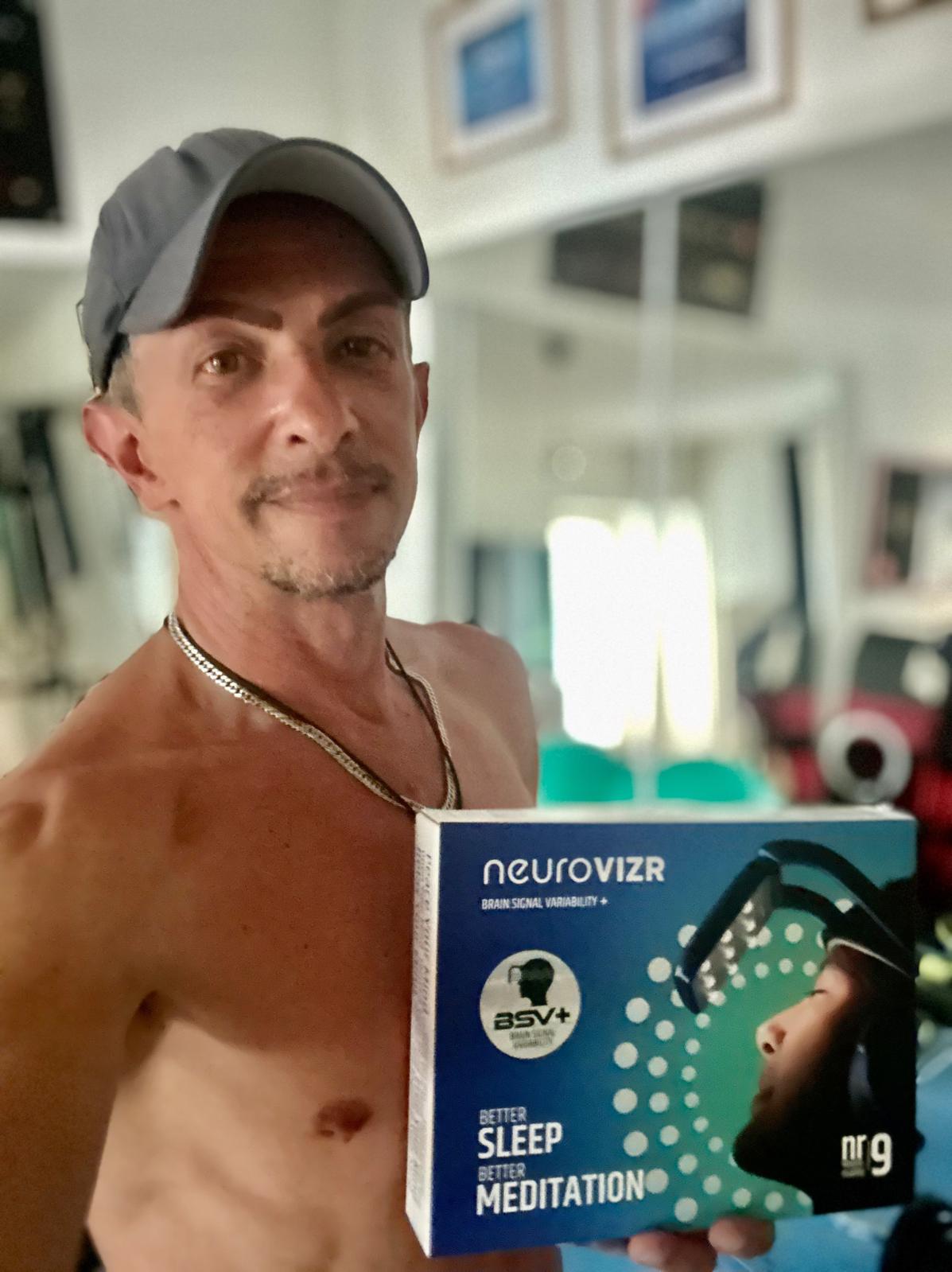
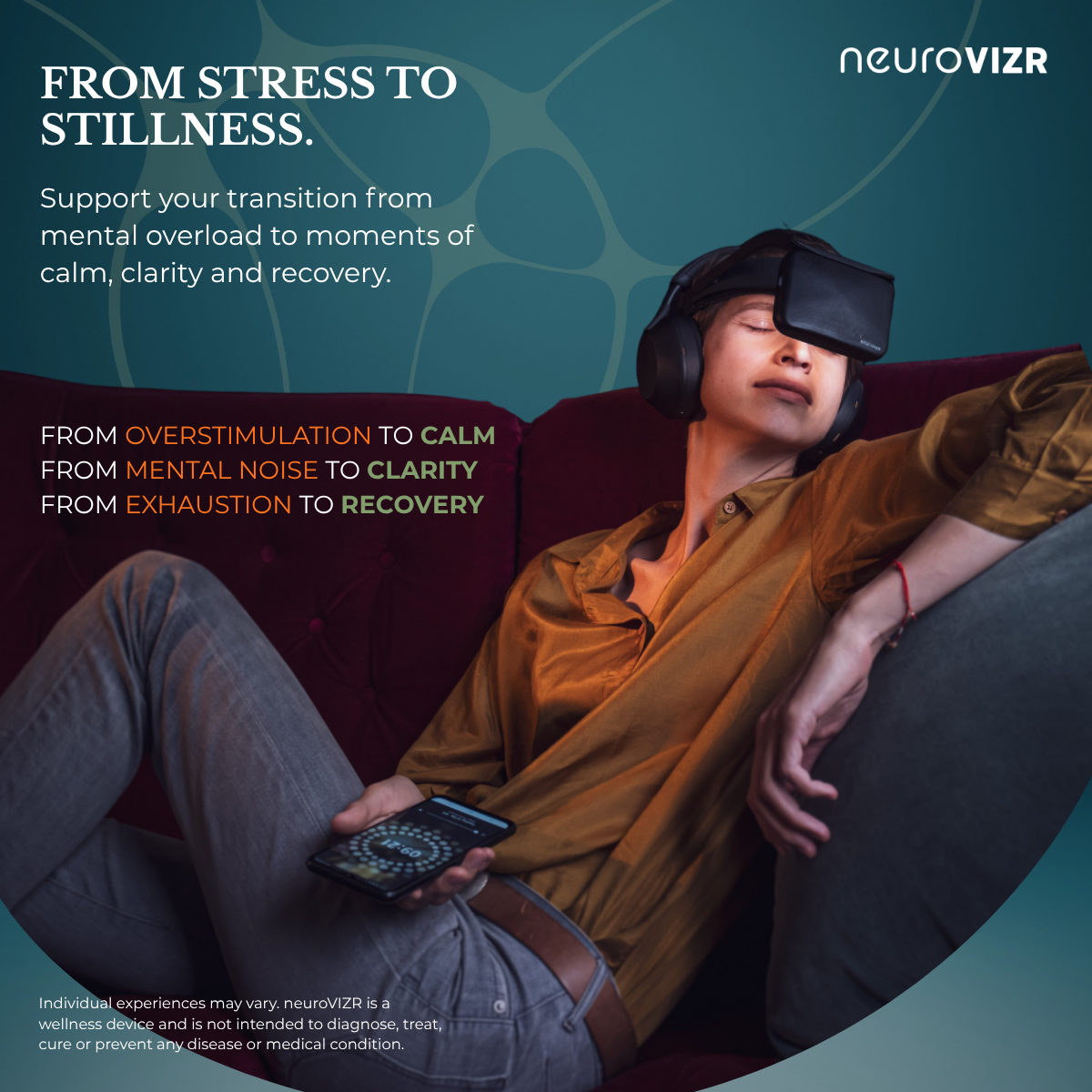
Tools like neuroVIZR are designed to provide rhythmic light and sound experiences that may support relaxation and help break the monotony of repetitive routines. These tools are often used as part of personal wellness routines to create moments of calm and reset.

A Shift in Perspective

Looking at daily repetition through a different lens can be helpful. Instead of viewing it as a limitation, it can be seen as a pattern that can be adjusted with supportive habits and environment changes.

When routines include:

  • Small variations

  • Balanced pacing

  • Time for relaxation

they can feel more manageable and sustainable over time.

Conclusion

Daily repetition can sometimes feel exhausting, especially when routines lack variety and require continuous effort. By introducing small changes, creating calming moments, and exploring supportive strategies, it becomes easier to manage everyday tasks.

The goal is not to force productivity, but to create an environment where focus, comfort, and balance can naturally develop. Sensory-based tools like neuroVIZR can be part of these routines, offering structured experiences that support relaxation and help bring a sense of rhythm to daily life.

FAQs

1. What is ADHD burnout?

ADHD burnout refers to a state of feeling mentally and emotionally drained due to ongoing daily demands and repetitive routines.

2. Why does repetition feel tiring?

Repetitive tasks may feel less engaging over time, which can make it harder to stay focused and motivated.

3. How can daily routines feel easier?

Adding small variations, reducing task switching, and including breaks can help make routines feel more manageable.

4. Can relaxation routines help?

Yes, relaxation practices such as breathing exercises, breaks, and sensory experiences can support a sense of calm and balance.


Disclaimer

This content is for informational purposes only and does not constitute medical advice. Always consult a qualified professional for guidance on ADHD or mental health concerns.

ADHD burnout rarely happens all at once. It often builds quietly through everyday routines that feel repetitive and mentally draining over time.

For many individuals, daily life can feel like a constant loop: waking up, completing tasks, staying organized, managing distractions, and repeating the same patterns again. Over time, this repetition can feel overwhelming.

This experience is sometimes misunderstood as a lack of motivation. In reality, it often reflects how different individuals respond to routine, stimulation, and mental effort in daily life. When everyday tasks feel repetitive and demanding, it can lead to emotional fatigue and reduced energy.

Understanding this pattern can help reduce self-blame and create space for more supportive daily habits.

Why Repetition Can Feel More Challenging

Sensitivity to Novelty

Many people find it easier to stay engaged when activities feel interesting or varied. When tasks become repetitive, they may feel less engaging, making it harder to stay consistent.

Mental Effort in Daily Tasks

Planning, organizing, and switching between tasks can require extra effort. When these activities are repeated throughout the day, it can lead to mental fatigue.

Repetitive Routines and Stress

Doing the same tasks repeatedly without variation can feel limiting. This may lead to feelings such as:

  • Irritability

  • Mental fog

  • Reduced motivation

These responses are often linked to how individuals experience prolonged repetition and effort.

Emotional Load

Daily responsibilities can sometimes feel heavier when expectations are high. Over time, this may lead to emotional tiredness, especially when routines feel harder than expected.

Helpful Ways to Manage Daily Repetition

Creating supportive routines can make a noticeable difference. Small changes can help make everyday tasks feel more manageable and less repetitive.

Add Variety to Daily Tasks

Even simple changes can make routines feel more engaging:

  • Change your workspace

  • Adjust lighting or background sound

  • Rearrange task order

  • Introduce small sensory elements

These changes can help create a more engaging and balanced routine.

Reduce Frequent Task Switching

Switching between tasks repeatedly can feel tiring. Try:

  • Grouping similar tasks together

  • Completing one type of task before moving to another

This can help reduce mental load and improve focus.

Support Relaxation and Calm Moments

Daily routines become easier when there is space for relaxation. Helpful practices include:

  • Slow breathing exercises

  • Gentle stretching

  • Short pauses during the day

  • Creating quiet, distraction-free moments

These small habits can support a sense of balance.

Take Meaningful Breaks

Taking breaks is an important part of maintaining energy. Short pauses can help refresh focus and improve overall productivity.

Breaks can include:

  • Stepping away from screens

  • Engaging in something enjoyable

  • Changing your environment briefly

Explore Sensory-Based Experiences

Some people find that structured light and sound patterns can create immersive sensory experiences that feel calming and refreshing.

Tools like neuroVIZR are designed to provide rhythmic light and sound experiences that may support relaxation and help break the monotony of repetitive routines. These tools are often used as part of personal wellness routines to create moments of calm and reset.

A Shift in Perspective

Looking at daily repetition through a different lens can be helpful. Instead of viewing it as a limitation, it can be seen as a pattern that can be adjusted with supportive habits and environment changes.

When routines include:

  • Small variations

  • Balanced pacing

  • Time for relaxation

they can feel more manageable and sustainable over time.

Conclusion

Daily repetition can sometimes feel exhausting, especially when routines lack variety and require continuous effort. By introducing small changes, creating calming moments, and exploring supportive strategies, it becomes easier to manage everyday tasks.

The goal is not to force productivity, but to create an environment where focus, comfort, and balance can naturally develop. Sensory-based tools like neuroVIZR can be part of these routines, offering structured experiences that support relaxation and help bring a sense of rhythm to daily life.

FAQs

1. What is ADHD burnout?

ADHD burnout refers to a state of feeling mentally and emotionally drained due to ongoing daily demands and repetitive routines.

2. Why does repetition feel tiring?

Repetitive tasks may feel less engaging over time, which can make it harder to stay focused and motivated.

3. How can daily routines feel easier?

Adding small variations, reducing task switching, and including breaks can help make routines feel more manageable.

4. Can relaxation routines help?

Yes, relaxation practices such as breathing exercises, breaks, and sensory experiences can support a sense of calm and balance.
Enhance Your Mental Clarity With neuroVIZR