

Disclaimer
This content is for informational purposes only and does not constitute medical advice. Complex PTSD is a serious mental health condition, and experiences may vary from person to person. If you are experiencing emotional distress, please consult a qualified healthcare professional.
Understanding Complex PTSD in Everyday Life
Sometimes, the body moves forward, but the mind continues to hold onto past experiences.
For many individuals, difficult experiences do not simply disappear over time. Instead, they can influence emotions, relationships, and self-perception. This is often associated with Complex Post-Traumatic Stress Disorder (C-PTSD), a condition linked to prolonged or repeated exposure to distressing situations.
While PTSD is often connected to a single event, Complex PTSD is commonly associated with ongoing experiences over time. It may influence how a person feels, reacts, and connects with others.
In this guide, we’ll explore what Complex PTSD is, review its commonly discussed symptoms, and look at supportive lifestyle approaches that may help individuals create moments of calm and stability.
What Is Complex PTSD?
Complex PTSD is generally associated with long-term exposure to challenging or overwhelming situations such as ongoing emotional stress, difficult environments, or repeated adverse experiences.
People experiencing these patterns may notice:
-
Difficulty with emotional balance
-
Challenges in relationships
-
Changes in self-perception
-
Feeling disconnected from emotions
Support often involves a combination of professional guidance, self-awareness practices, and consistent daily routines that focus on emotional well-being.
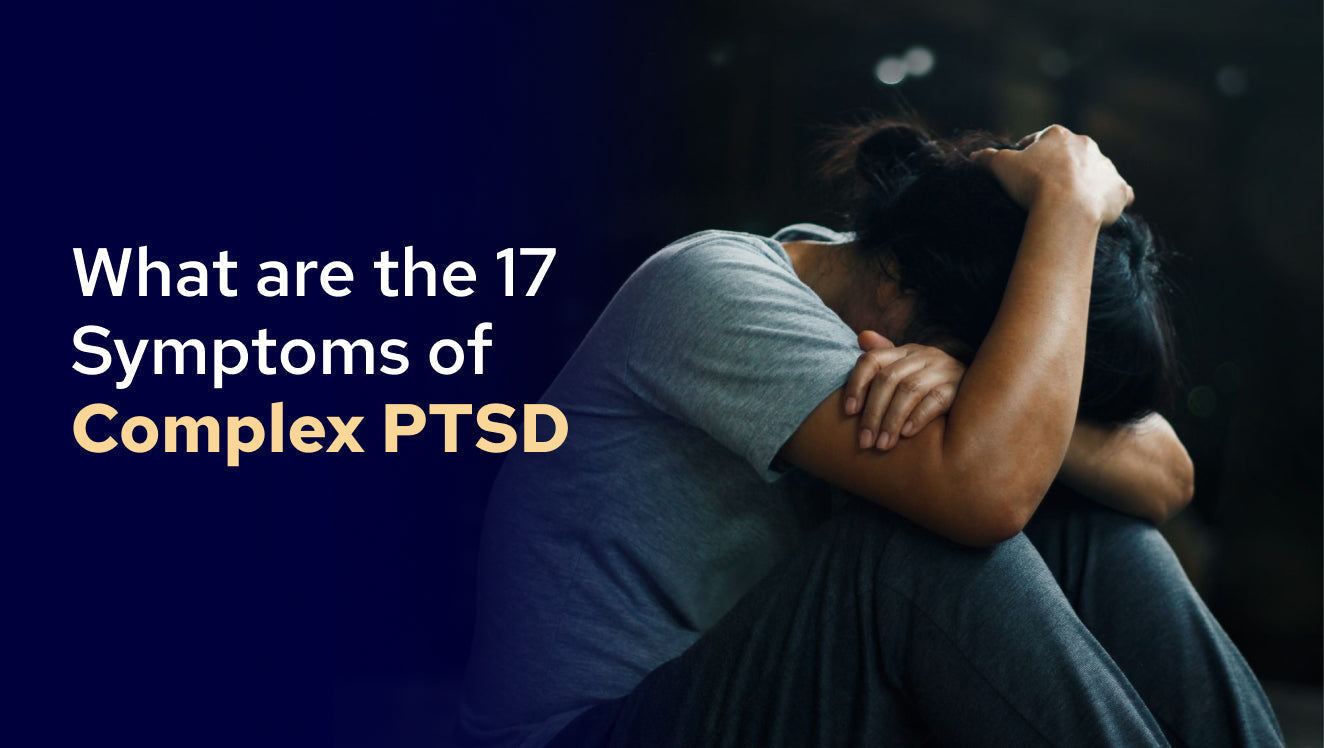
What Are the 17 Symptoms of Complex PTSD?
Below are commonly discussed experiences associated with Complex PTSD:
1. Emotional Flashbacks
Strong emotional responses that feel similar to past experiences, even without clear memories.
2. Persistent Shame or Guilt
Ongoing feelings of self-blame or unworthiness, even in situations beyond personal control.
3. Strong Inner Criticism
A constant internal voice that focuses on mistakes or perceived shortcomings.
4. Difficulty Trusting Others
Challenges in building or maintaining trust due to past experiences.
5. Feeling “Broken” or Stuck
A sense that personal growth or change may be difficult or out of reach.
6. Avoidance or Withdrawal
Avoiding situations, people, or environments that feel emotionally overwhelming.
7. Heightened Awareness (Hyper-alertness)
A constant sense of being on edge or watchful, even in safe environments.
8. Emotional Numbness
Feeling disconnected from emotions or experiencing reduced emotional intensity.
9. Dissociation
A sense of detachment from surroundings or feeling disconnected from reality
10. Difficulty Managing Emotions
Experiencing sudden or intense emotional changes that feel hard to control.
11. Loss of Sense of Self
Uncertainty about identity, values, or personal direction.
12. Sleep Challenges
Difficulty falling asleep, staying asleep, or experiencing restful sleep.
13. Physical Discomfort
Experiences such as fatigue, tension, or general discomfort without a clear cause.
14. Negative Self-Image
Viewing oneself in a consistently negative or critical way.
15. Relationship Difficulties
Struggles with communication, boundaries, or emotional closeness.
16. Feelings of Hopelessness
A sense that situations may not improve over time.
17. Intrusive Thoughts
Unwanted thoughts or memories that may arise unexpectedly
Supportive Approaches for Everyday Calm
Creating small, consistent habits may help support emotional balance and well-being. These may include:
-
Mindfulness or relaxation routines
-
Gentle movement practices like walking or stretching
-
Journaling or self-reflection
-
Creating a calm daily environment
Sensory-Based Relaxation Tools
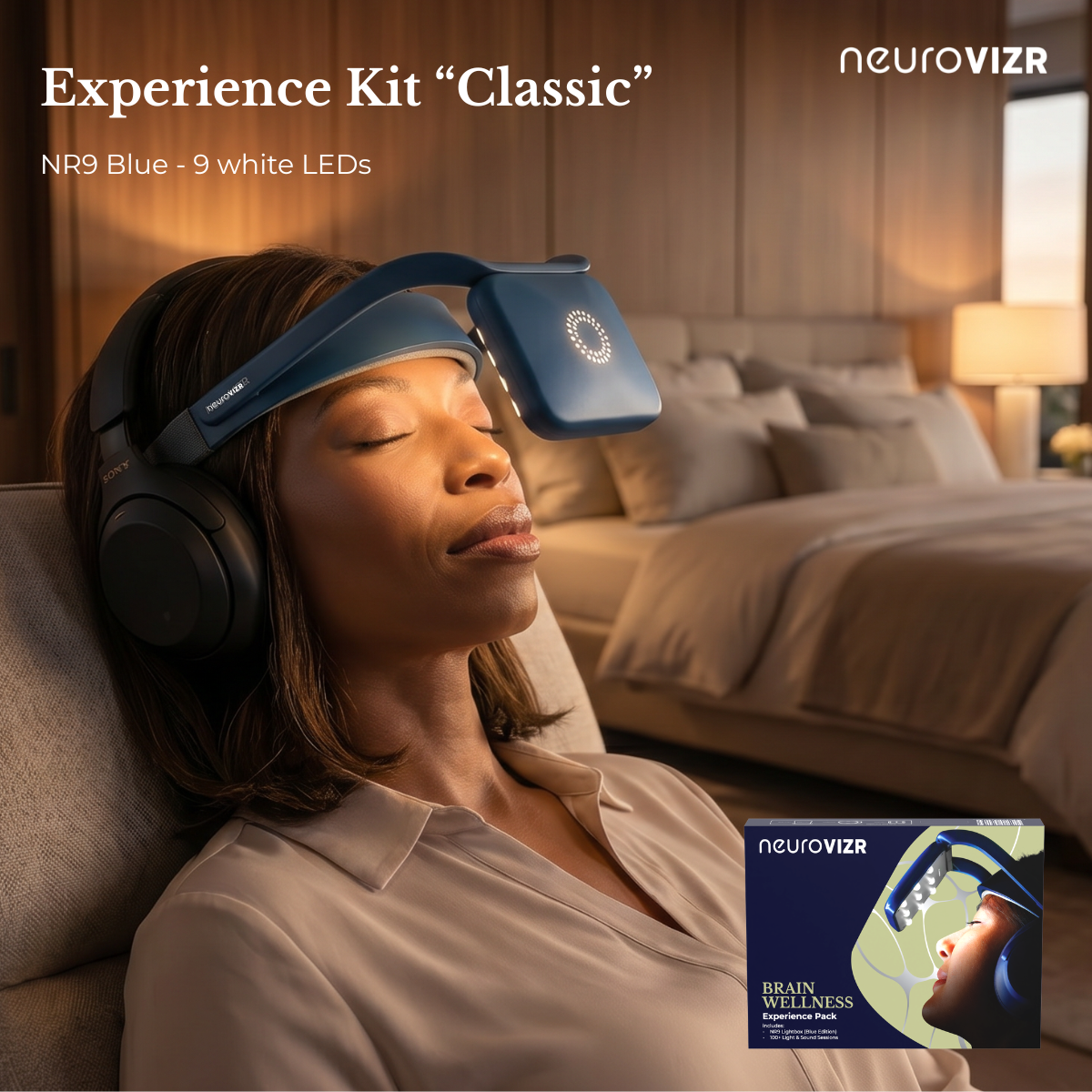
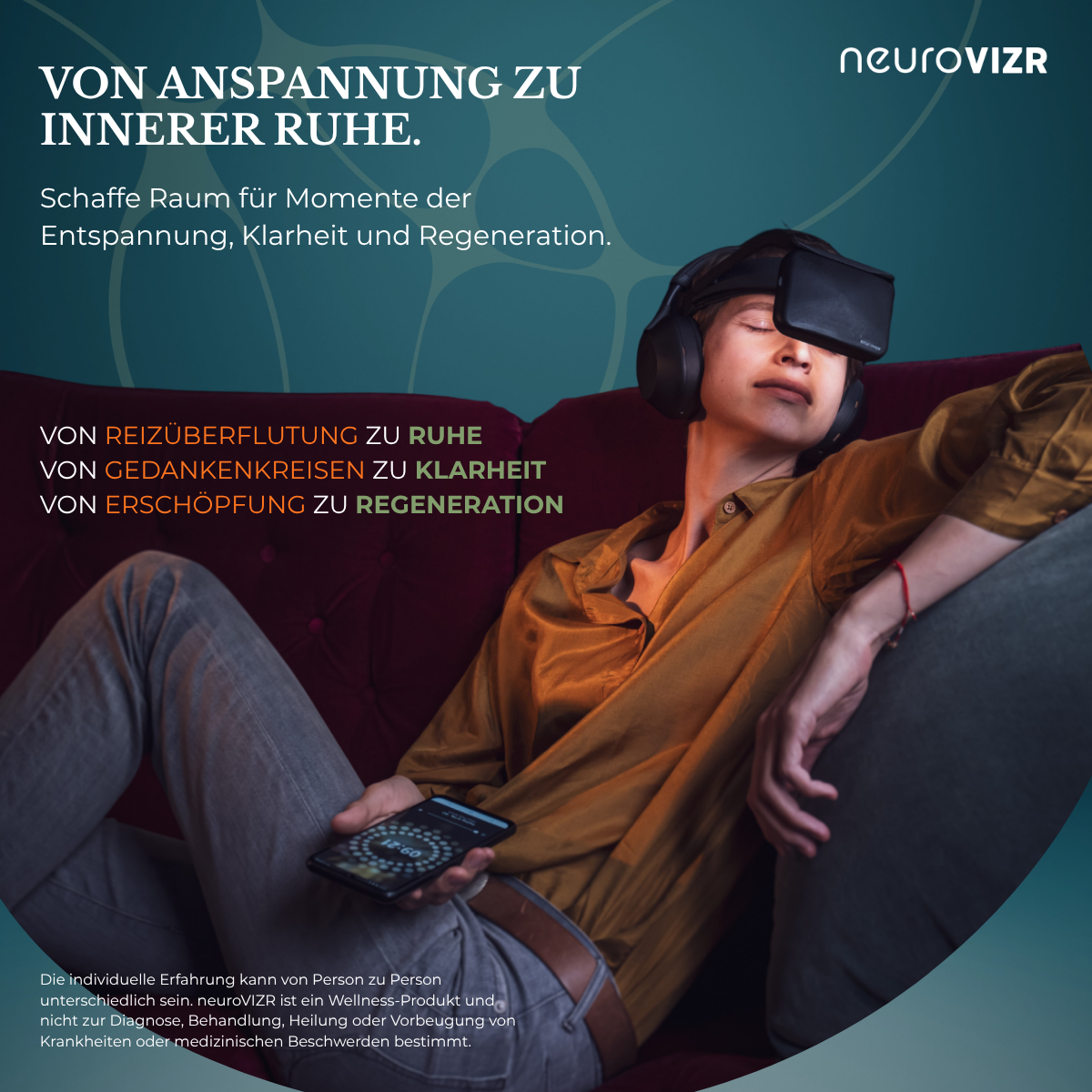
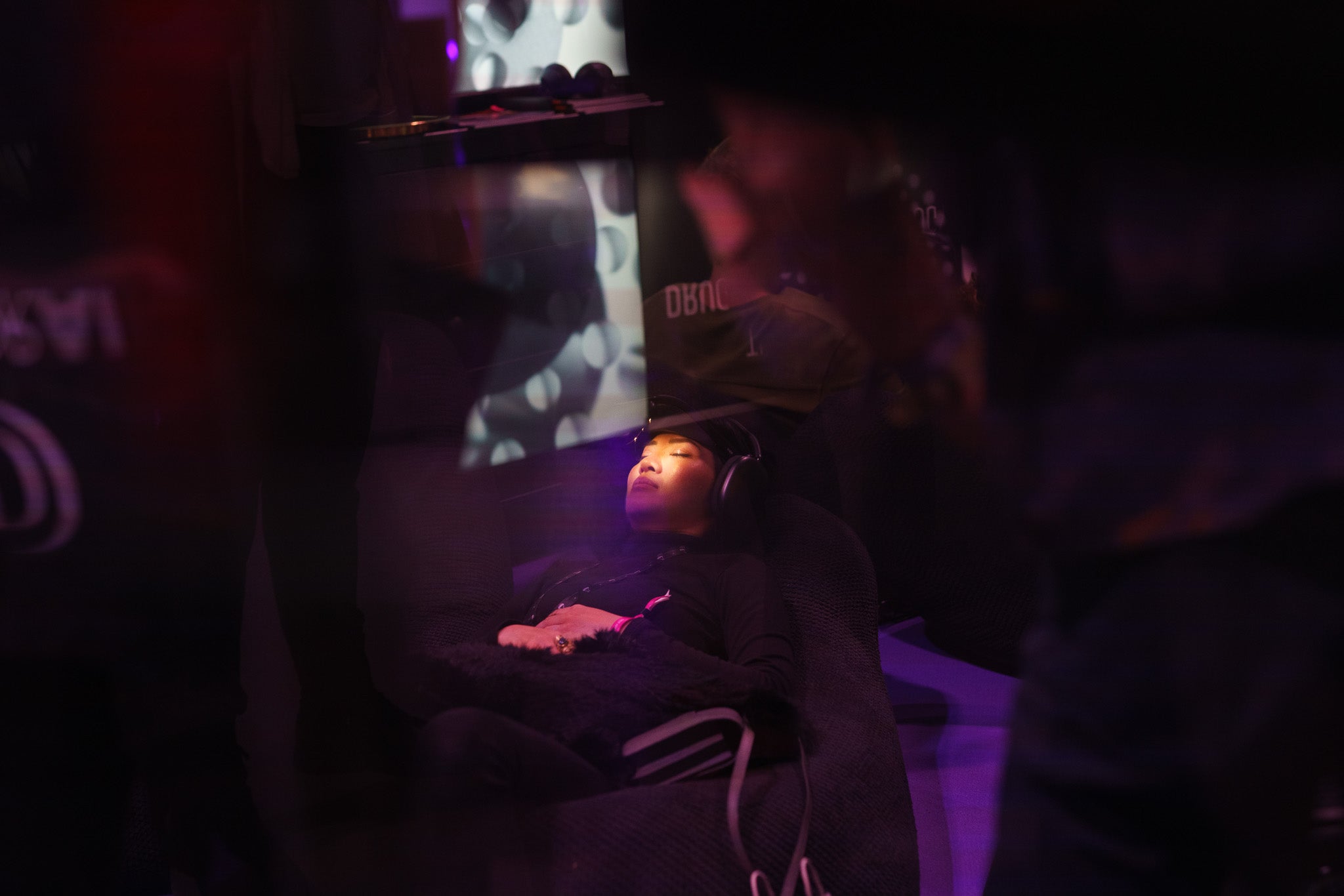
Some individuals explore sensory light and sound experiences as part of their relaxation routine.
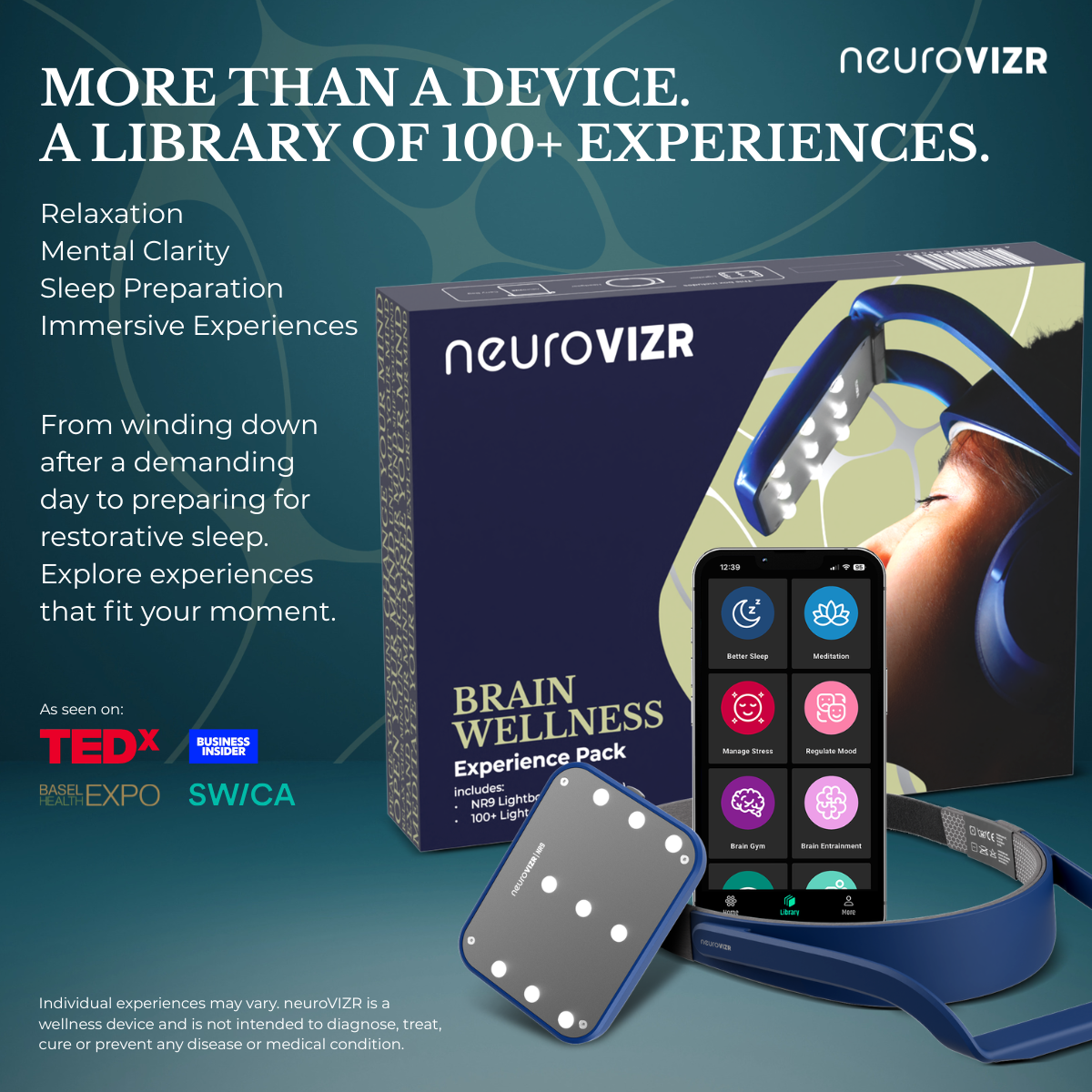
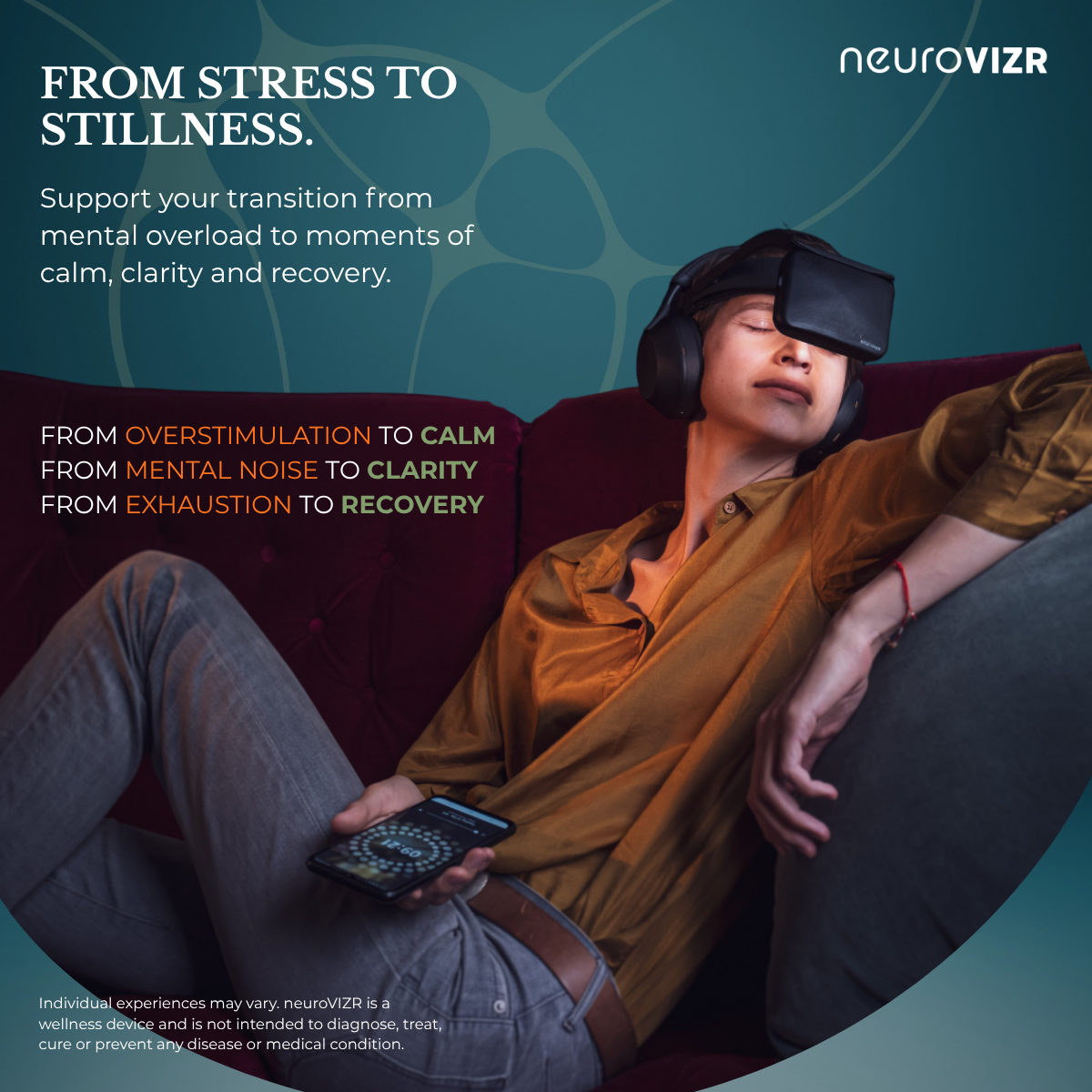
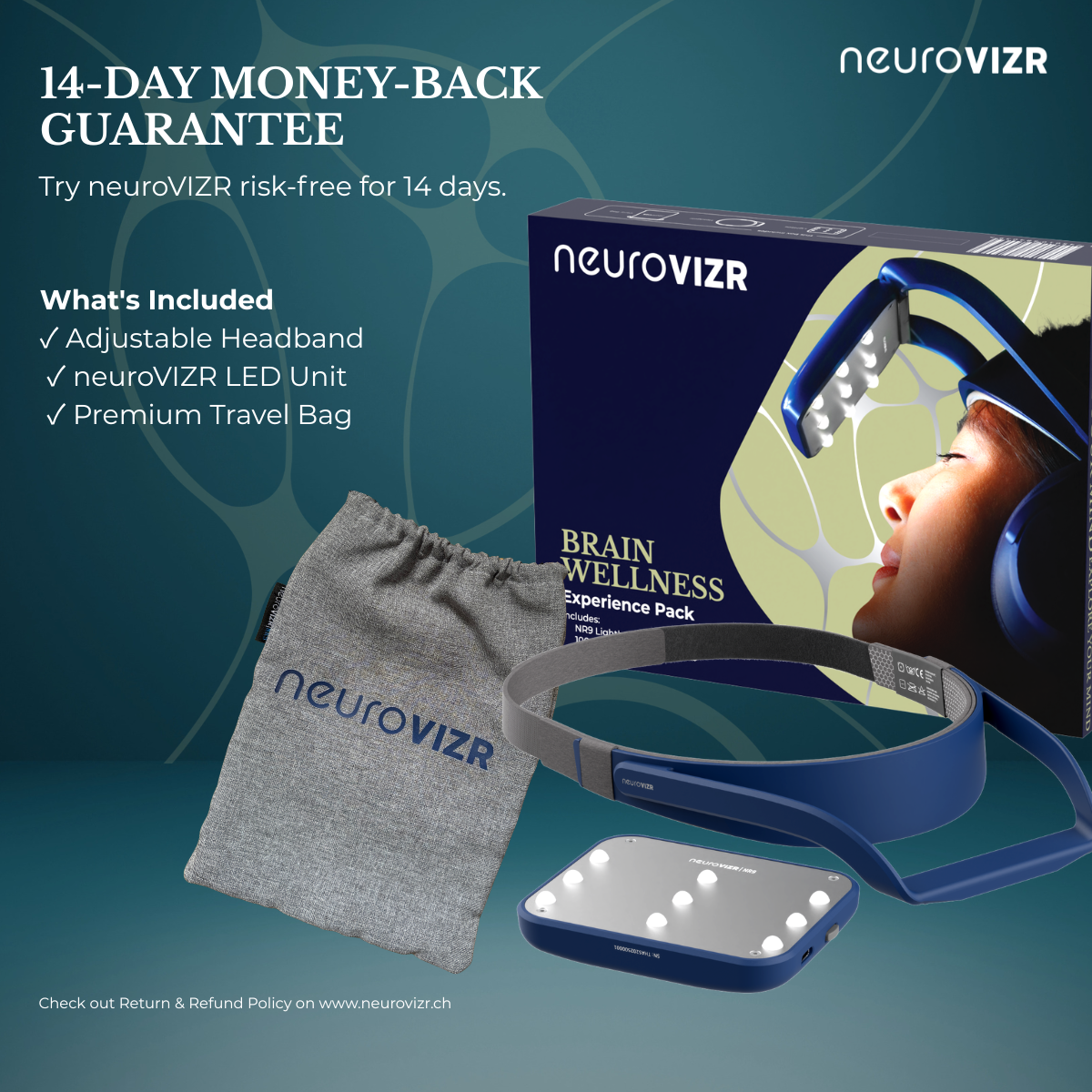
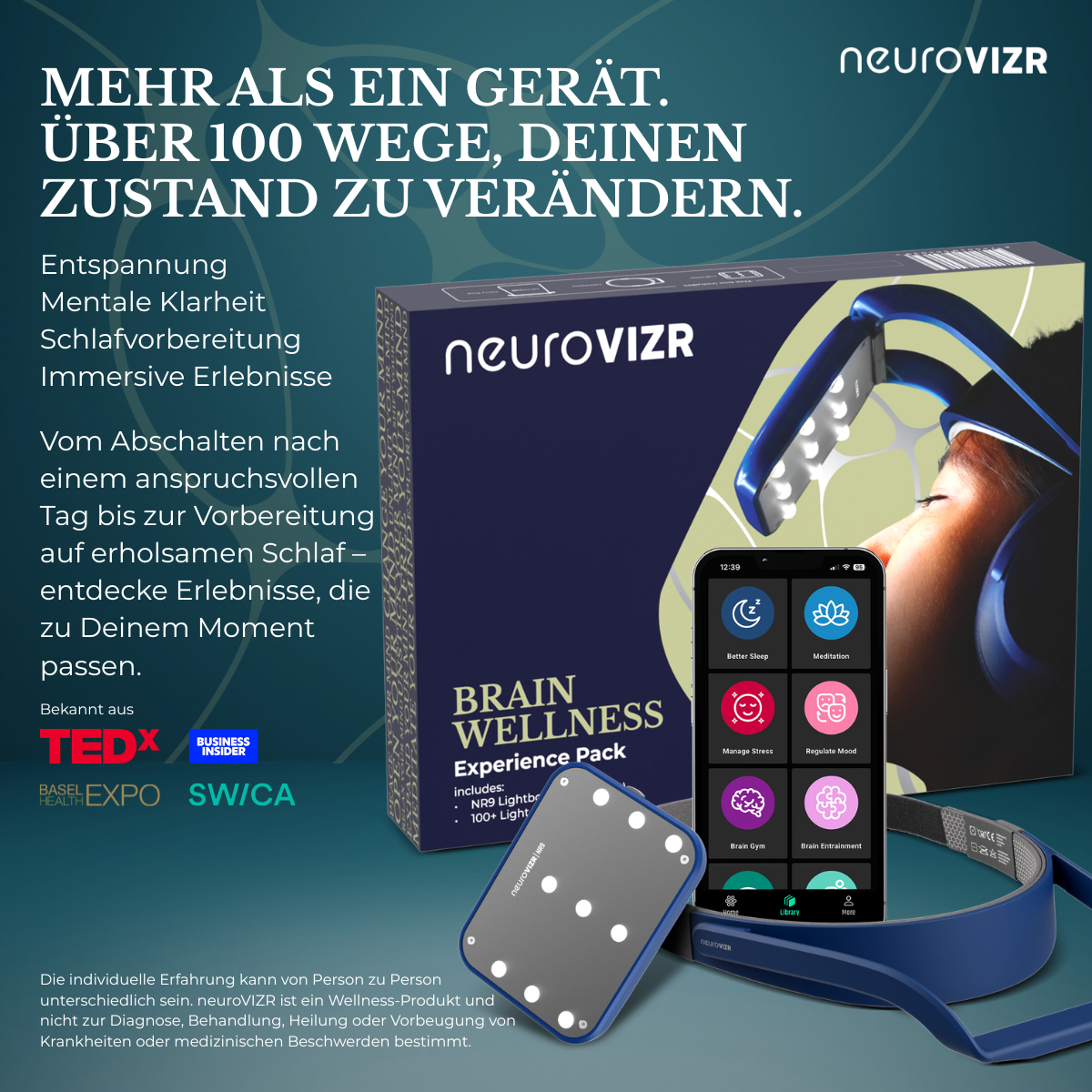
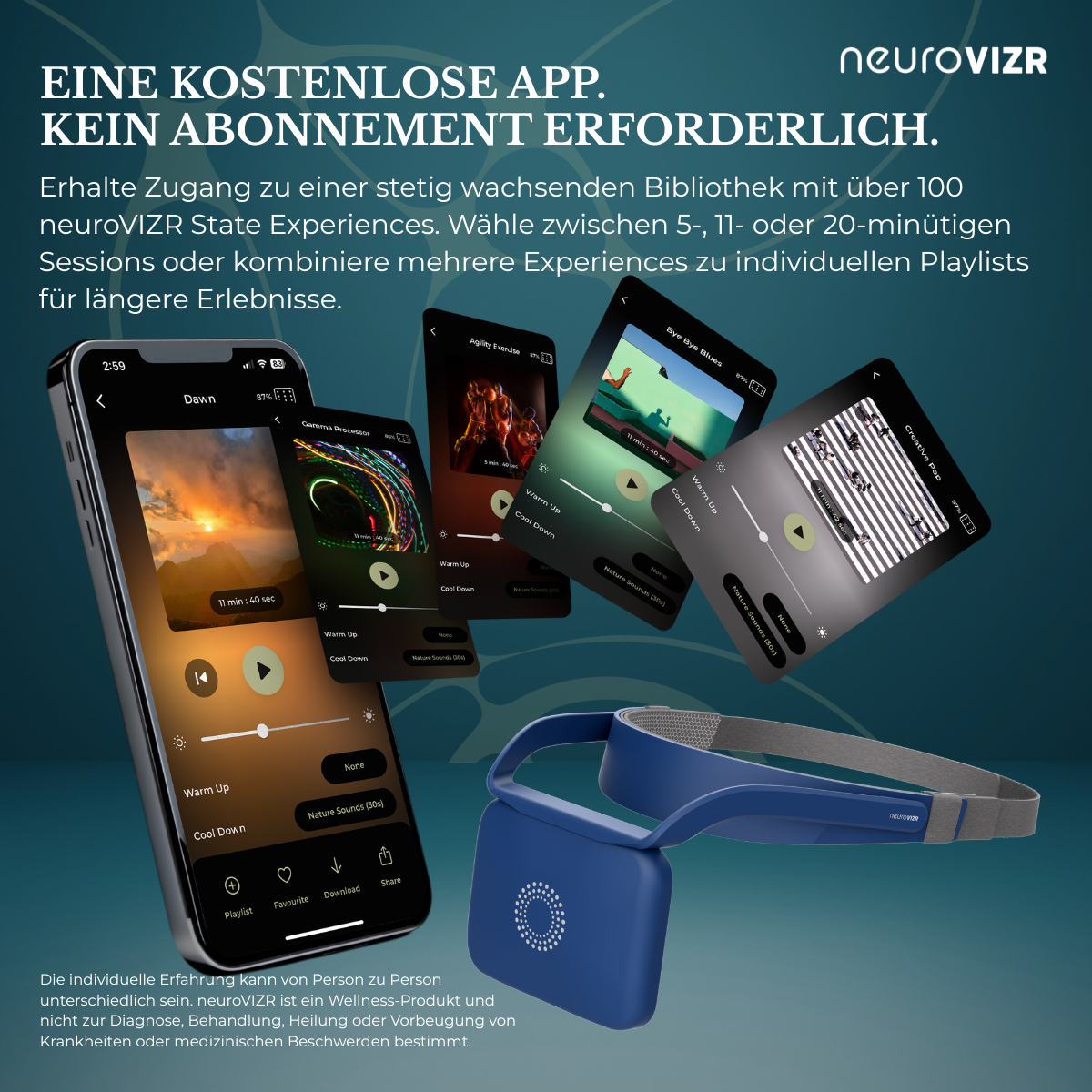
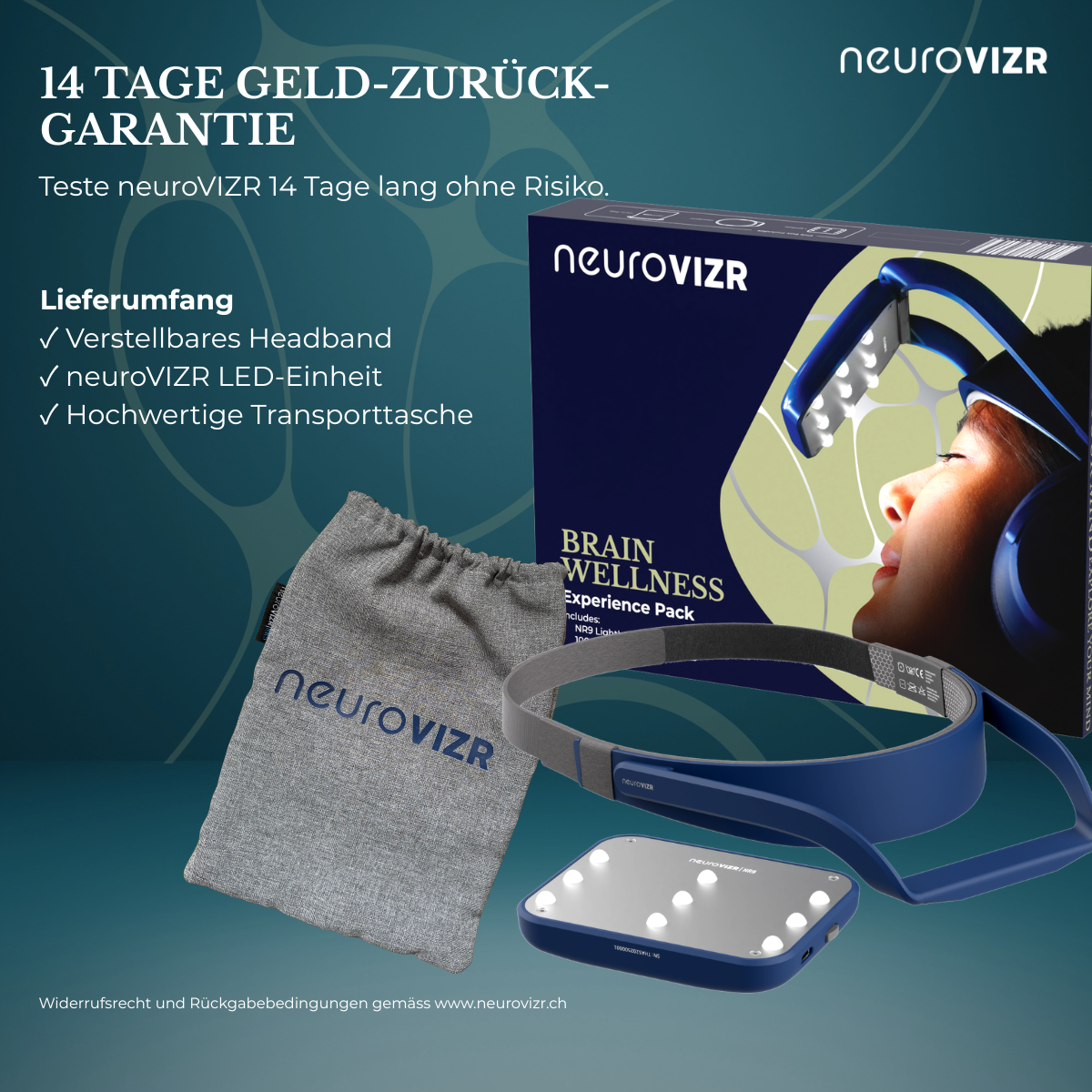
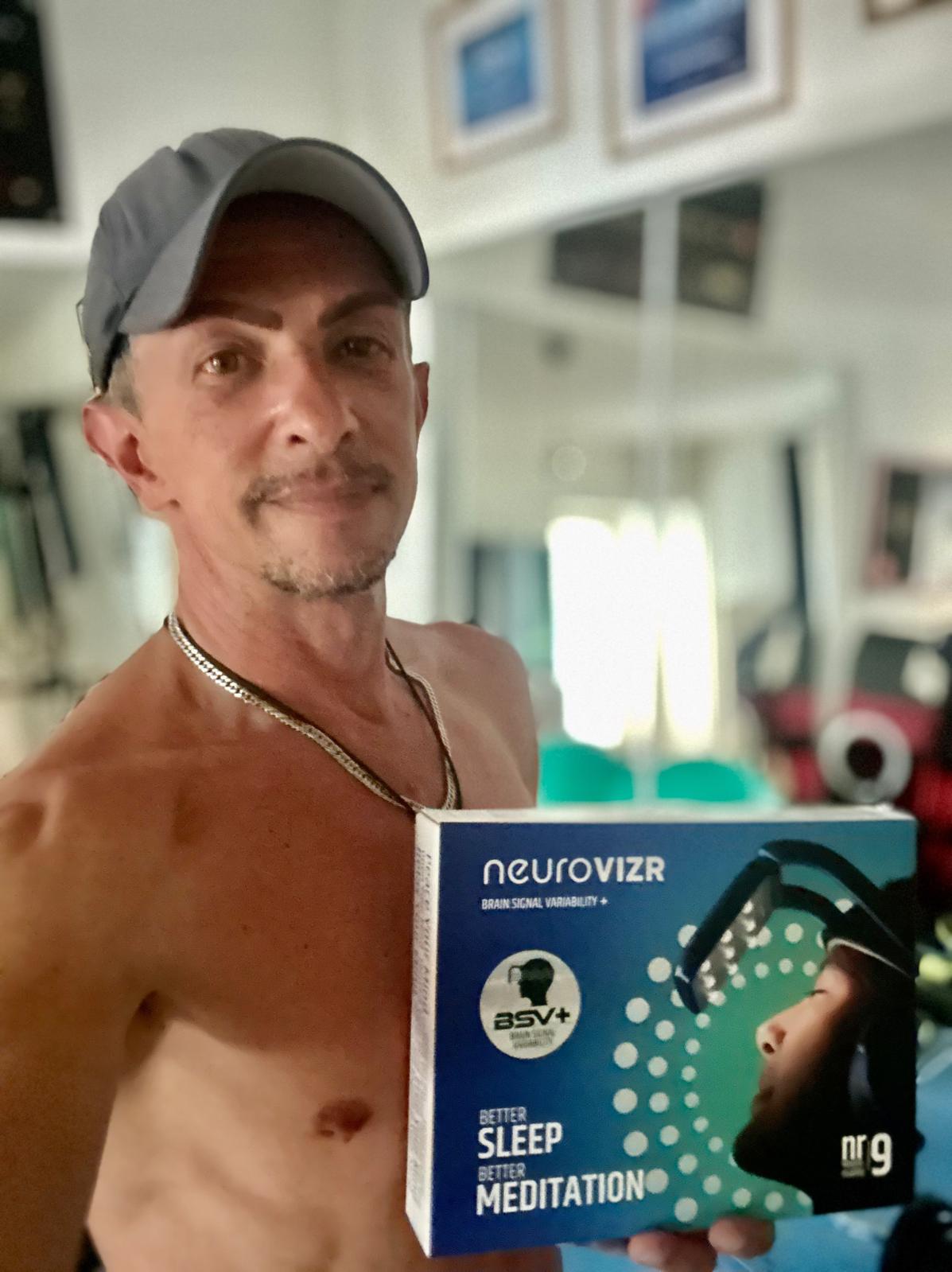
Devices that use structured light and sound patterns, such as neuroVIZR, create immersive sensory environments often associated with calm and focused attention. These tools are designed to support moments of relaxation and may help individuals step away from daily overstimulation.
They are best viewed as wellness tools that can be used alongside other supportive practices like mindfulness or guided relaxation.
Frequently Asked Questions (FAQ)
What is the difference between PTSD and Complex PTSD?
PTSD is often linked to a single event, while Complex PTSD is generally associated with repeated or long-term experiences.
Can Complex PTSD symptoms vary from person to person?
Yes, experiences can differ widely depending on individual circumstances and personal history.
How can someone support emotional well-being daily?
Simple routines like mindfulness, journaling, and relaxation practices may help create stability and calm.
Are sensory relaxation tools helpful?
Some people use sensory light and sound tools as part of their relaxation routine to create calming environments and support focus.
Final Thoughts
Complex PTSD can influence many aspects of daily life, but awareness is an important first step. With the right support, routines, and a focus on well-being, individuals can work toward creating more balance and calm in their lives.
Progress may take time, but small, consistent steps can make a meaningful difference.







Share:
Limbic Attention Deficit Disorder: What the Theory Suggests and What Science Currently Supports
Is PTSD a Disability?