
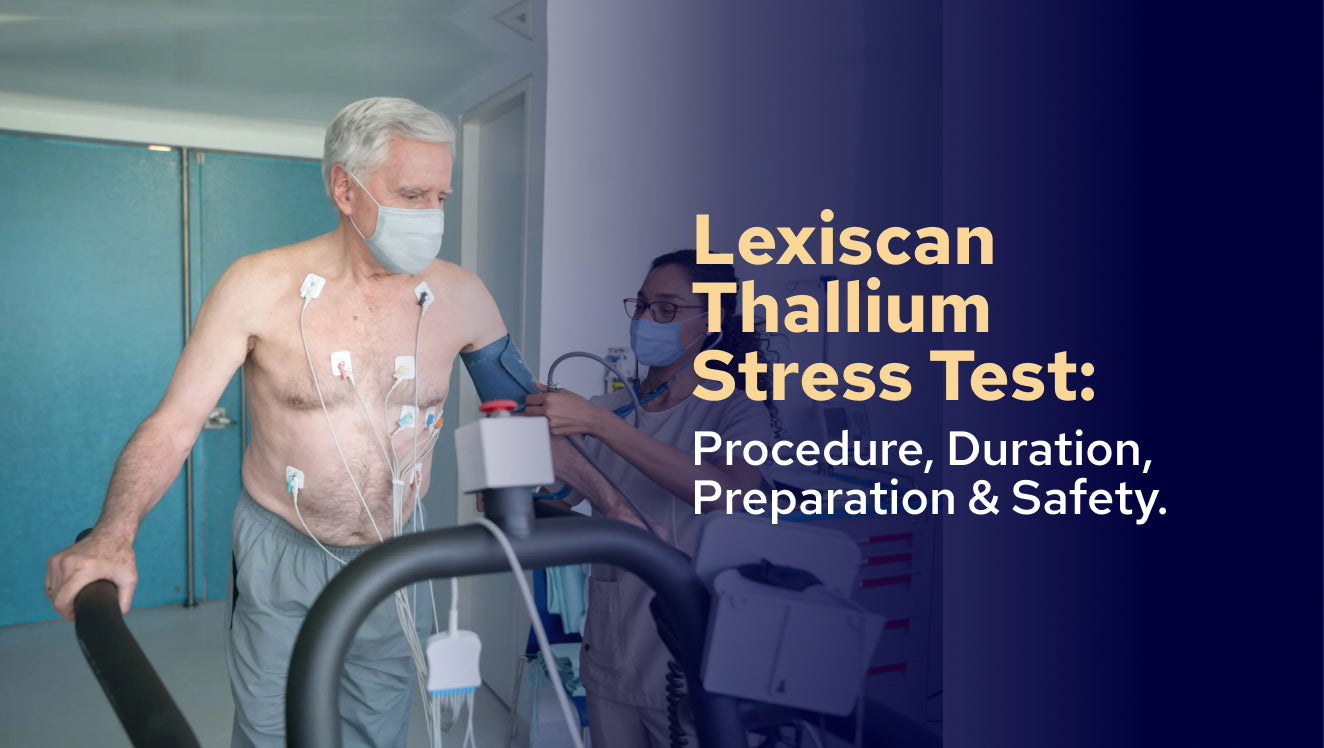
Lexiscan Thallium Stress Test: Procedure, Duration, Preparation & Safety
  • Written by Gourav Rathore

lexiscan-stress-test-overview-duration-preparation

Lexiscan Stress Test: Duration, Preparation & What to Expect

Learn what to expect during a Lexiscan stress test, including duration, preparation tips, and key steps explained in a simple, easy-to-understand way.


Lexiscan Stress Test: What to Expect, Duration & Preparation

Disclaimer

neuroVIZR is a wellness device designed to support relaxation, focus, and overall well-being. It is not a medical device and does not diagnose, treat, or prevent any condition. This article is for informational purposes only and does not constitute medical advice.

A Lexiscan stress test is a commonly used medical imaging procedure that helps assess how blood flows through the heart during conditions that simulate physical activity. It is often recommended when traditional exercise-based tests are not suitable.

In this guide, we’ll walk through the process in a simple and easy-to-understand way so you know what to expect.

What Is a Lexiscan Stress Test?

A Lexiscan stress test involves the use of a medication that temporarily increases blood flow in a way similar to light physical activity. This allows healthcare providers to observe how the heart responds under stress-like conditions.

The test is typically combined with imaging to capture detailed pictures of the heart.

Who Might Be Advised to Take This Test?

A healthcare provider may suggest this type of test if:

  • You experience symptoms such as chest discomfort, breathlessness, or dizziness

  • You are unable to perform physical exercise-based testing

  • There is a need to better understand heart function before certain procedures

  • Previous evaluations require additional imaging

Step-by-Step: What Happens During the Test

Here’s a simplified overview of the process:

1. Initial Setup

  • A small IV line is placed in your arm

  • Basic readings such as heart rate and blood pressure are monitored

2. Resting Phase

  • Initial images may be taken while your body is at rest

  • You will lie comfortably on a scanning table

3. Medication Phase

  • A medication is administered through the IV

  • This creates temporary effects similar to mild activity

4. Imaging Phase

  • A tracer is used to help capture detailed images

  • You will lie still while a scanner takes pictures of your heart

5. Recovery

  • Monitoring continues briefly after the test

  • You may be advised to stay hydrated afterward

How Long Does the Test Take?

The entire process typically takes around 2.5 to 3.5 hours, depending on the setup.

Approximate timeline:

  • Preparation: ~30 minutes

  • Medication phase: ~15 minutes

  • Waiting period: 30–60 minutes

  • Imaging: ~30 minutes

  • Recovery: ~30 minutes

How to Prepare for the Test

Preparation helps ensure a smooth experience.

Before the Test

  • Avoid caffeine-containing products for at least 24 hours

  • Follow any specific instructions provided by your healthcare provider

On the Day

  • Wear comfortable clothing

  • Stay hydrated if allowed

  • Bring a list of current medications

What Might You Experience During the Test?

Some individuals may notice temporary sensations during the procedure, such as:

  • Warmth or flushing

  • Mild shortness of breath

  • Light-headedness

These experiences are generally brief and monitored closely by the medical team.

Lexiscan vs. Exercise-Based Stress Tests

Feature

Lexiscan Test

Exercise Test

Physical activity

Not required

Required

Suitable for

Limited mobility

Physically active individuals

Duration

Longer

Shorter

Imaging support

Included

Sometimes not required


A Wellness Perspective on Preparation

While medical tests are guided by healthcare professionals, many people also focus on creating calm, supportive routines before appointments.

Simple practices such as:

  • Taking time to rest

  • Reducing daily overstimulation

  • Engaging in relaxation routines

may help you feel more prepared and comfortable before your appointment.

Final Thoughts

A Lexiscan stress test is a structured and commonly used procedure that provides valuable insights into heart function. By understanding the steps and preparing in advance, you can approach the experience with greater confidence and ease.

FAQs

How long does a Lexiscan stress test take?

It usually takes around 2.5 to 3.5 hours from start to finish.

Is physical exercise required during the test?

No, the procedure uses a medication to simulate activity instead of requiring exercise.

How should I prepare for the test?

Avoid caffeine, follow your provider’s instructions, and wear comfortable clothing.

What can I expect during the procedure?

You will be monitored throughout while images are taken to observe how your heart responds under simulated conditions.
lexiscan-stress-test-overview-duration-preparation

Lexiscan Stress Test: Duration, Preparation & What to Expect

Learn what to expect during a Lexiscan stress test, including duration, preparation tips, and key steps explained in a simple, easy-to-understand way.


Lexiscan Stress Test: What to Expect, Duration & Preparation

Disclaimer

neuroVIZR is a wellness device designed to support relaxation, focus, and overall well-being. It is not a medical device and does not diagnose, treat, or prevent any condition. This article is for informational purposes only and does not constitute medical advice.

A Lexiscan stress test is a commonly used medical imaging procedure that helps assess how blood flows through the heart during conditions that simulate physical activity. It is often recommended when traditional exercise-based tests are not suitable.

In this guide, we’ll walk through the process in a simple and easy-to-understand way so you know what to expect.

What Is a Lexiscan Stress Test?

A Lexiscan stress test involves the use of a medication that temporarily increases blood flow in a way similar to light physical activity. This allows healthcare providers to observe how the heart responds under stress-like conditions.

The test is typically combined with imaging to capture detailed pictures of the heart.

Who Might Be Advised to Take This Test?

A healthcare provider may suggest this type of test if:

  • You experience symptoms such as chest discomfort, breathlessness, or dizziness

  • You are unable to perform physical exercise-based testing

  • There is a need to better understand heart function before certain procedures

  • Previous evaluations require additional imaging

Step-by-Step: What Happens During the Test

Here’s a simplified overview of the process:

1. Initial Setup

  • A small IV line is placed in your arm

  • Basic readings such as heart rate and blood pressure are monitored

2. Resting Phase

  • Initial images may be taken while your body is at rest

  • You will lie comfortably on a scanning table

3. Medication Phase

  • A medication is administered through the IV

  • This creates temporary effects similar to mild activity

4. Imaging Phase

  • A tracer is used to help capture detailed images

  • You will lie still while a scanner takes pictures of your heart

5. Recovery

  • Monitoring continues briefly after the test

  • You may be advised to stay hydrated afterward

How Long Does the Test Take?

The entire process typically takes around 2.5 to 3.5 hours, depending on the setup.

Approximate timeline:

  • Preparation: ~30 minutes

  • Medication phase: ~15 minutes

  • Waiting period: 30–60 minutes

  • Imaging: ~30 minutes

  • Recovery: ~30 minutes

How to Prepare for the Test

Preparation helps ensure a smooth experience.

Before the Test

  • Avoid caffeine-containing products for at least 24 hours

  • Follow any specific instructions provided by your healthcare provider

On the Day

  • Wear comfortable clothing

  • Stay hydrated if allowed

  • Bring a list of current medications

What Might You Experience During the Test?

Some individuals may notice temporary sensations during the procedure, such as:

  • Warmth or flushing

  • Mild shortness of breath

  • Light-headedness

These experiences are generally brief and monitored closely by the medical team.

Lexiscan vs. Exercise-Based Stress Tests

Feature

Lexiscan Test

Exercise Test

Physical activity

Not required

Required

Suitable for

Limited mobility

Physically active individuals

Duration

Longer

Shorter

Imaging support

Included

Sometimes not required


A Wellness Perspective on Preparation

While medical tests are guided by healthcare professionals, many people also focus on creating calm, supportive routines before appointments.

Simple practices such as:

  • Taking time to rest

  • Reducing daily overstimulation

  • Engaging in relaxation routines

may help you feel more prepared and comfortable before your appointment.

Final Thoughts

A Lexiscan stress test is a structured and commonly used procedure that provides valuable insights into heart function. By understanding the steps and preparing in advance, you can approach the experience with greater confidence and ease.

FAQs

How long does a Lexiscan stress test take?

It usually takes around 2.5 to 3.5 hours from start to finish.

Is physical exercise required during the test?

No, the procedure uses a medication to simulate activity instead of requiring exercise.

How should I prepare for the test?

Avoid caffeine, follow your provider’s instructions, and wear comfortable clothing.

What can I expect during the procedure?

You will be monitored throughout while images are taken to observe how your heart responds under simulated conditions.
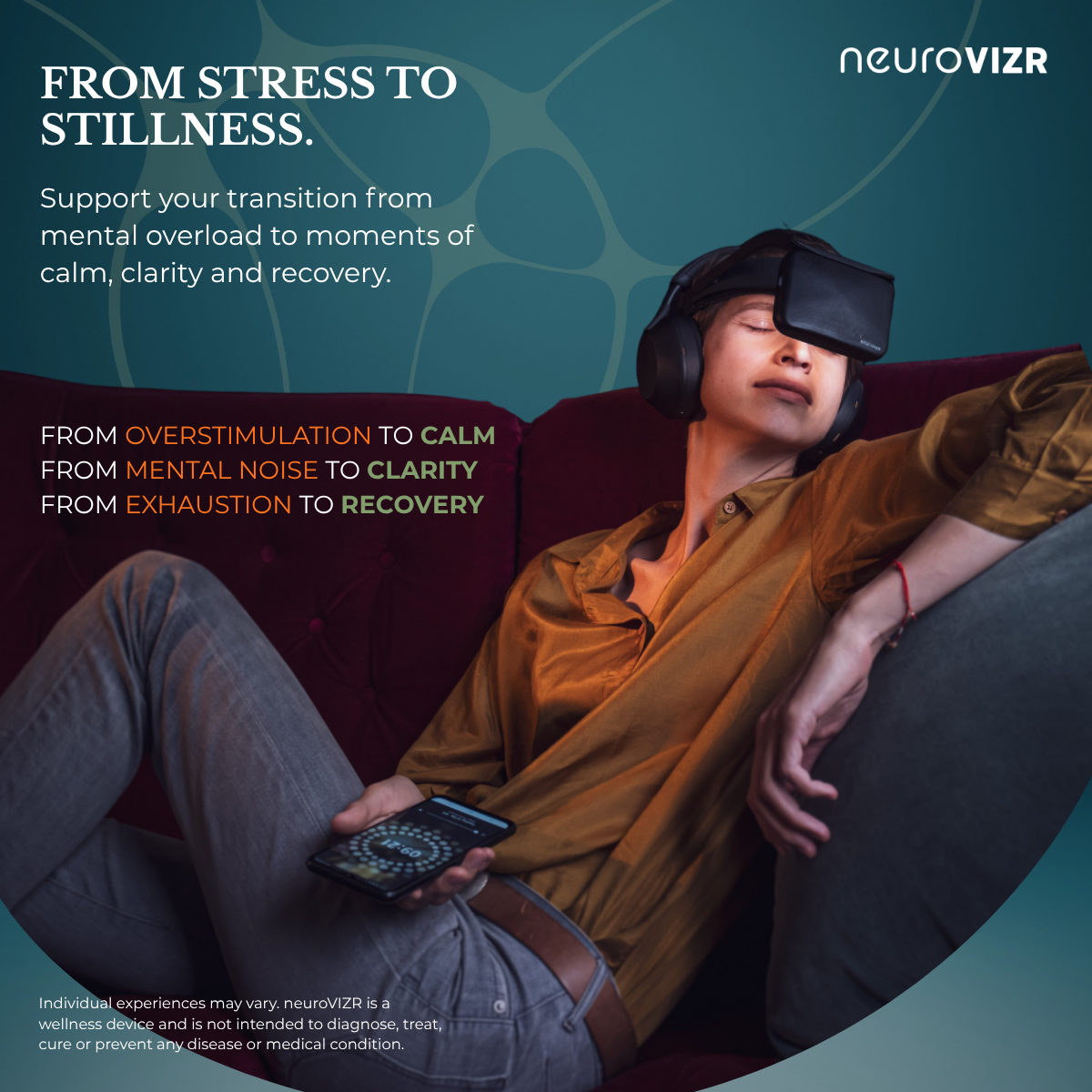
Enhance Your Mental Clarity With neuroVIZR