

Disclaimer
This content is for informational purposes only and does not constitute medical advice. neuroVIZR is a general wellness device designed for relaxation and sensory experiences and is not intended to diagnose, treat, cure, or prevent any disease. If you have concerns about your health, please consult a qualified healthcare professional.
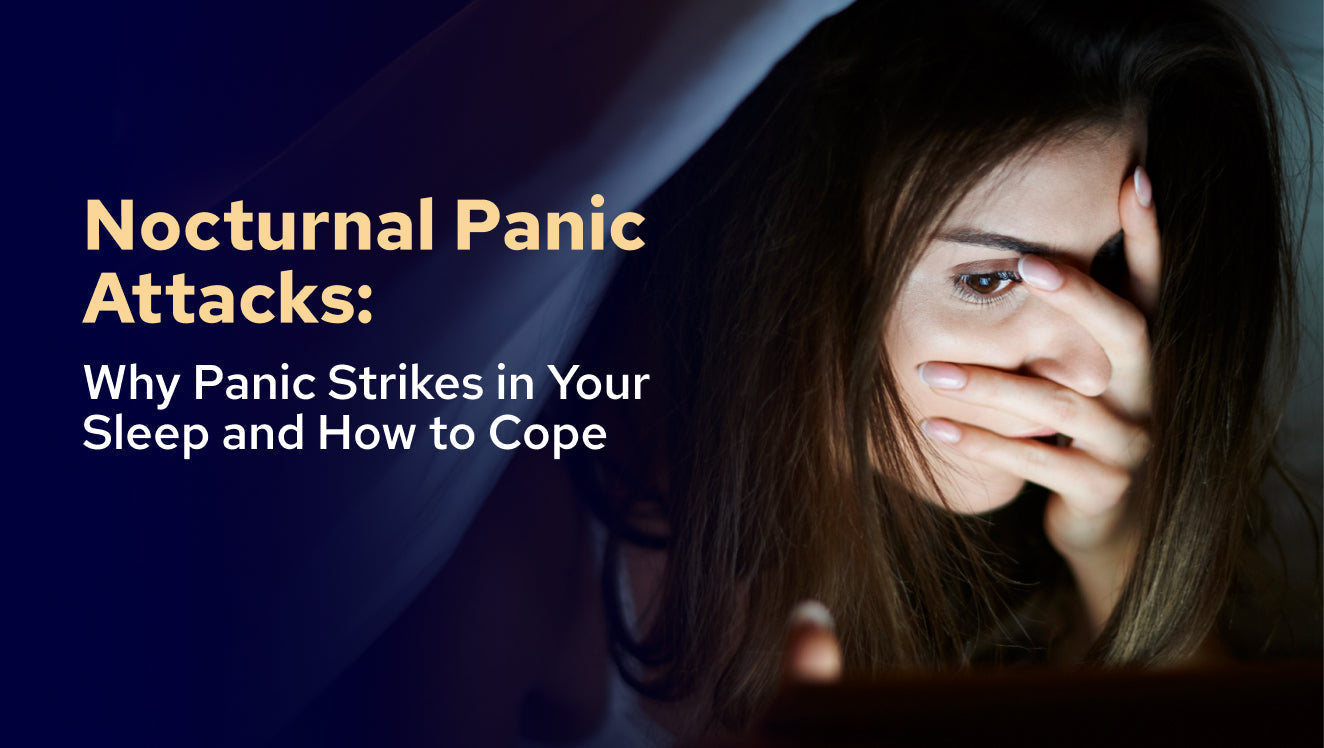
Waking Up in Panic During the Night
Waking up suddenly in the middle of the night with a racing heart, shortness of breath, and a strong sense of fear can feel overwhelming. These experiences are often described as nocturnal panic attacks and may leave you feeling unsettled or hesitant to go back to sleep.
Many people wonder what causes these episodes and whether they are dangerous. While they can feel intense, they are generally understood as part of the body’s natural stress response and are often associated with periods of heightened tension or emotional overload.
The reassuring part is that these experiences can be managed with the right awareness, routines, and support.
What Are Nocturnal Panic Attacks?
Nocturnal panic attacks are sudden episodes of intense discomfort or fear that occur during sleep, often waking you up abruptly.
Unlike dreams or nightmares, you are fully aware during these moments, which can make them feel more intense.
Common experiences include:
-
Rapid heartbeat
-
Shortness of breath
-
Chest discomfort
-
Sweating or chills
-
Trembling sensations
-
A strong feeling of unease or fear
These sensations can take time to settle, which may affect your ability to return to sleep.
What Do These Episodes Feel Like?
These nighttime experiences can feel more intense than similar sensations during the day because they happen unexpectedly.
You may notice:
-
A sudden jolt awake with physical discomfort
-
Difficulty catching your breath
-
A feeling of losing control
-
Heightened awareness of bodily sensations
Some people may confuse these symptoms with other physical conditions, which can increase worry in the moment.
Are Nocturnal Panic Attacks Dangerous?
One of the most common concerns is whether these experiences are harmful.
In most cases, nocturnal panic attacks are not life-threatening. They are often linked to the body’s natural stress response becoming active during sleep. While the sensations can feel intense, they typically pass on their own.
However, if you experience unusual or persistent symptoms such as severe chest pain or breathing difficulty, it’s always important to seek medical guidance to rule out other causes.
Why Do Panic Episodes Happen During Sleep?
There isn’t a single cause, but several factors may contribute to these nighttime experiences:
-
Heightened stress levels – Ongoing stress may carry into sleep
-
Mental overactivity – The mind may remain alert even during rest
-
Sleep disruptions – Irregular sleep patterns or poor sleep quality
-
Lifestyle factors – Caffeine, alcohol, or irregular routines
-
Emotional factors – Unprocessed thoughts or daily tension
These factors can influence how relaxed or alert your body feels at night.
Who May Experience These More Often?
You may be more likely to experience these episodes if you:
-
Feel frequently stressed or overwhelmed
-
Have irregular sleep habits
-
Consume stimulants late in the day
-
Experience ongoing emotional pressure
-
Have a highly active or sensitive mind
How to Cope When It Happens
When you wake up feeling overwhelmed, the goal is to gently bring your body back to a calmer state.
Helpful approaches include:
-
Slow breathing
Focus on steady, gentle breaths to help settle your body -
Grounding techniques
Remind yourself that the feeling will pass -
Muscle relaxation
Gradually relax different parts of your body -
Mindful awareness
Notice sensations without reacting strongly to them
These simple techniques may help you feel more in control during the moment.
Ways to Support Better Sleep and Relaxation
Creating a calming nighttime routine can help reduce the likelihood of these experiences.
You can try:
-
Keeping a consistent sleep schedule
-
Reducing screen time before bed
-
Limiting caffeine or heavy meals in the evening
-
Creating a calm sleep environment
-
Practicing relaxation or mindfulness before sleep
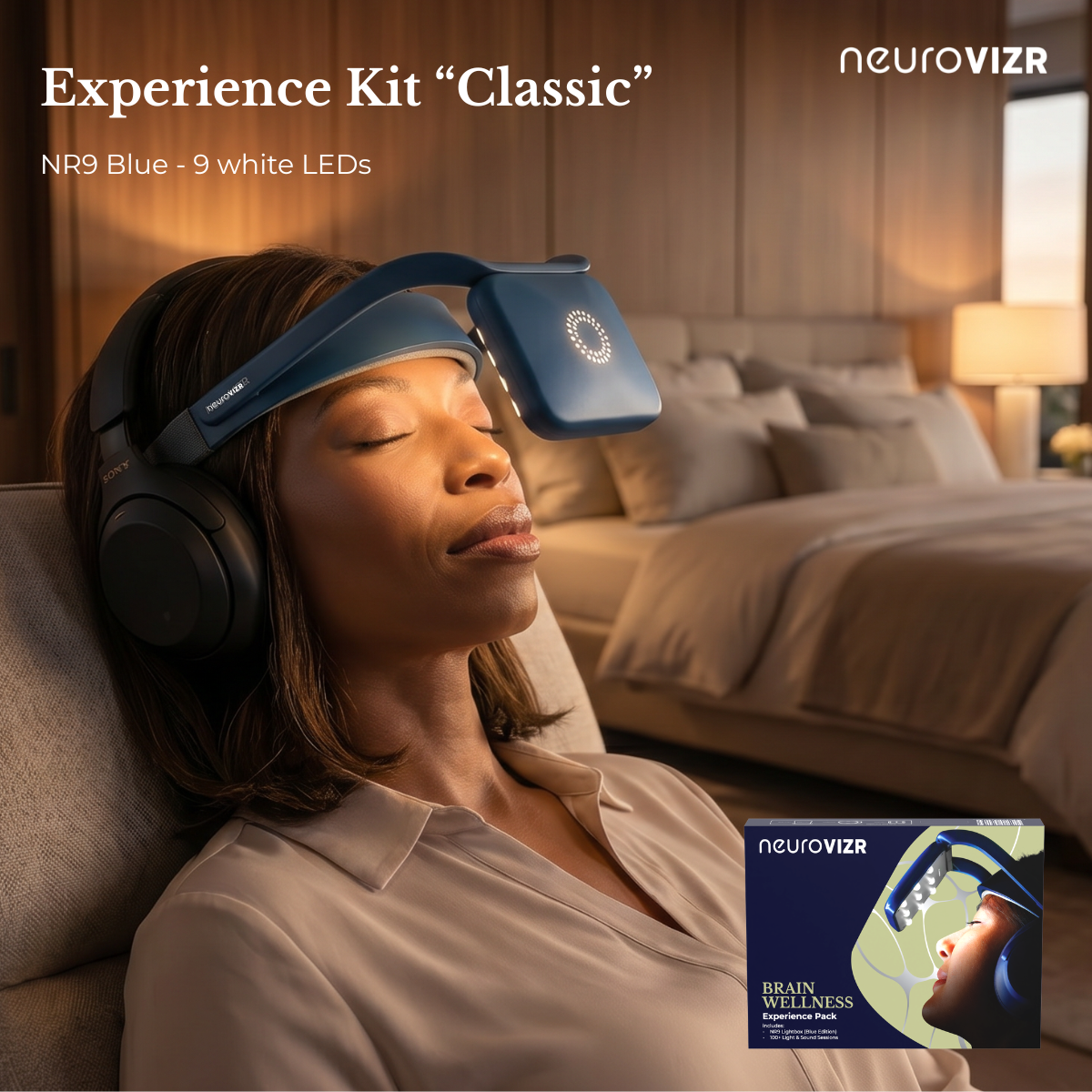
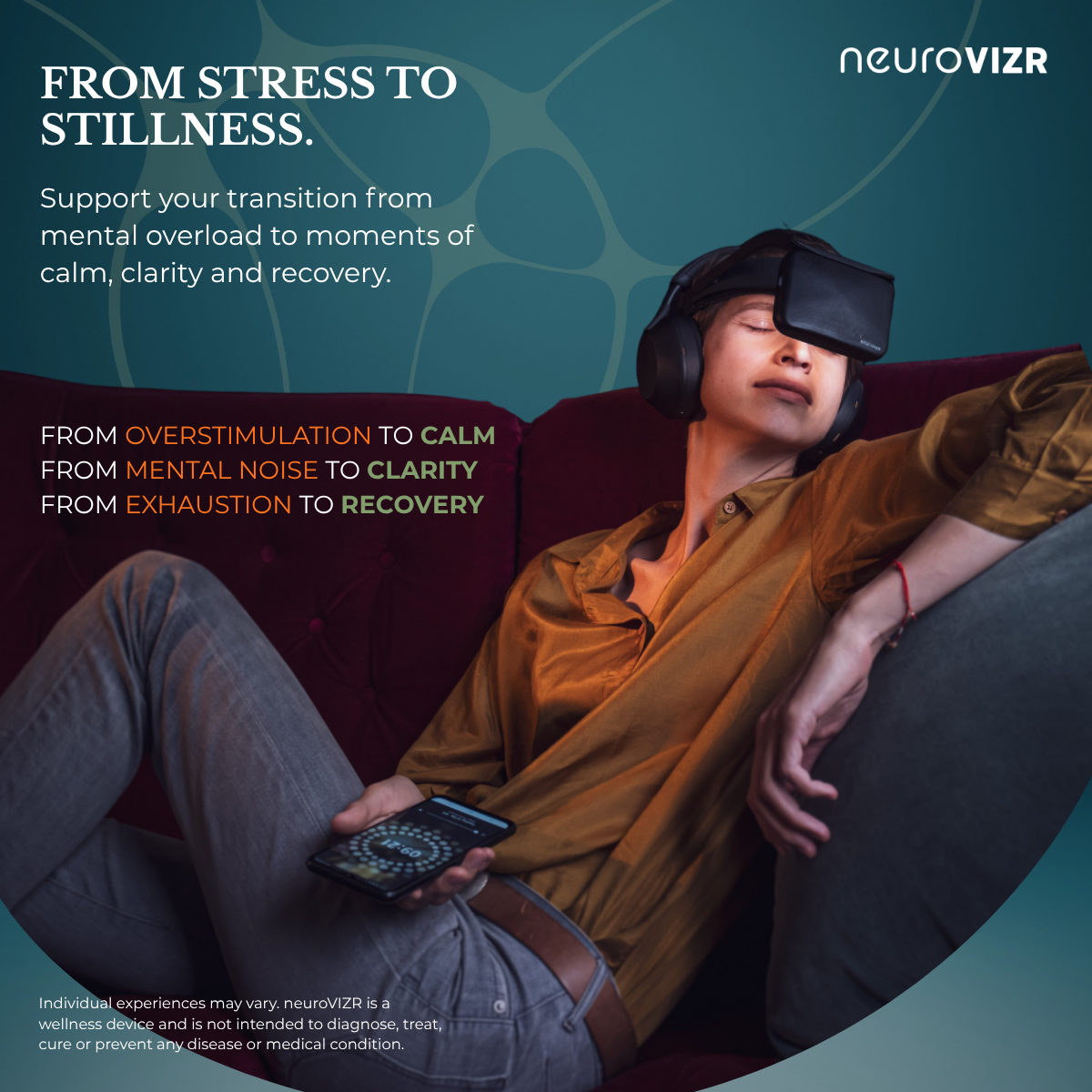
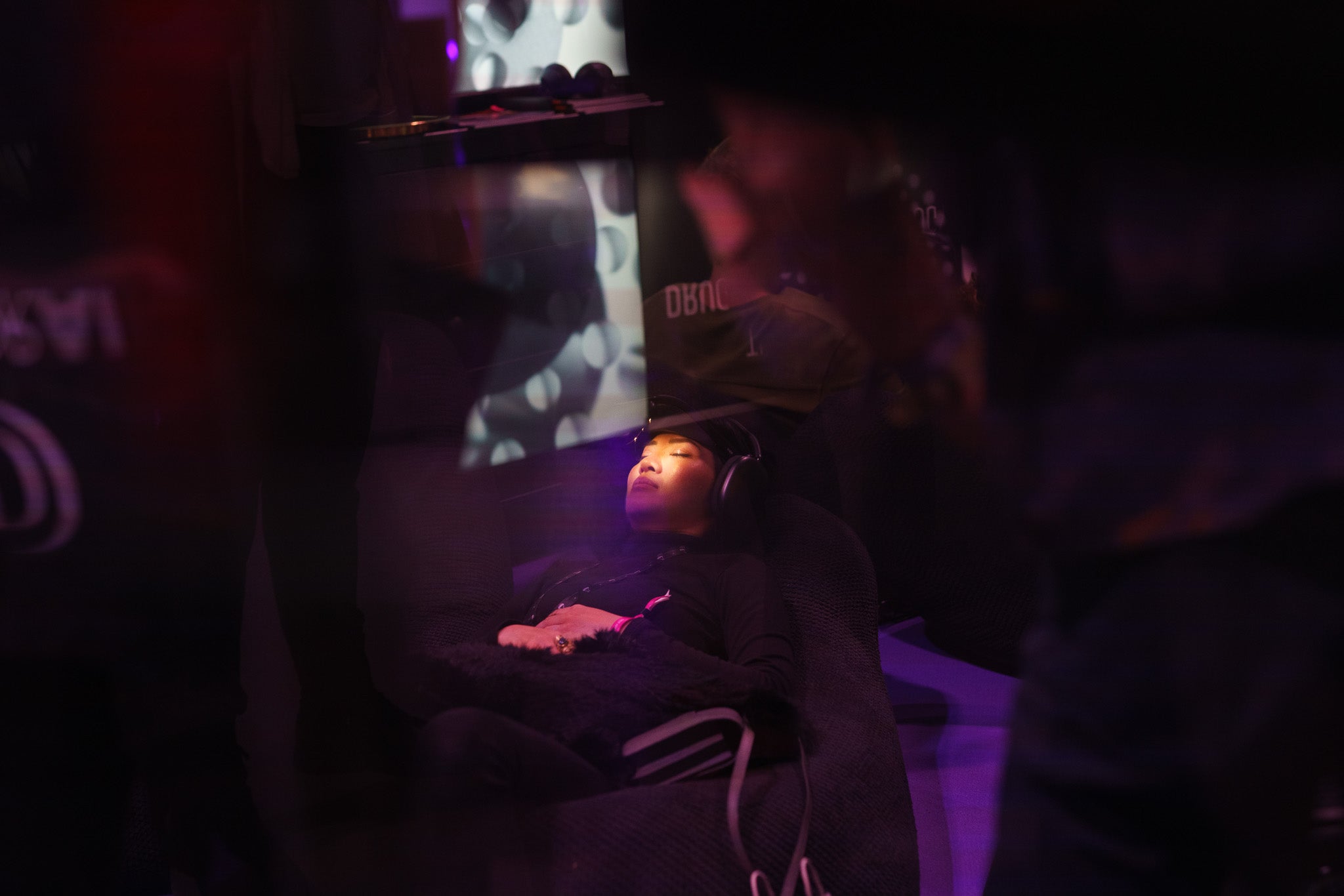
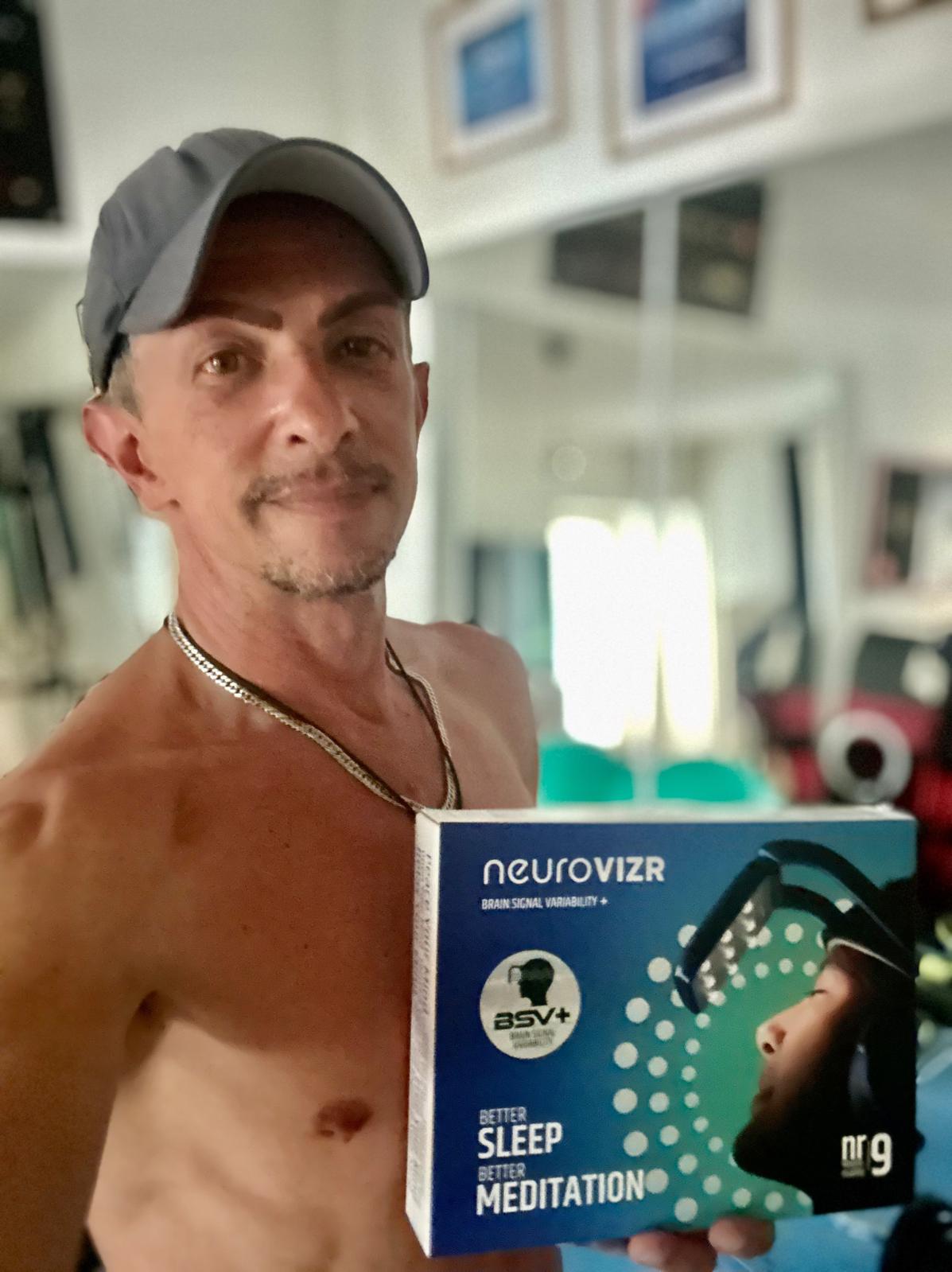
Some people also explore sensory relaxation tools, such as rhythmic light and sound patterns, as part of their evening routine. These experiences are often used to create moments of calm and help transition from a busy day into rest.
Living With Nocturnal Panic Episodes
While these experiences can feel intense, they are often manageable with the right approach. Building awareness, improving sleep habits, and creating calming routines can make a meaningful difference over time.
If these episodes continue to affect your sleep or daily life, speaking with a qualified professional can provide additional support and guidance.
FAQs
What causes panic-like feelings during sleep?
These experiences are often linked to heightened stress, irregular sleep patterns, or mental overactivity that continues into the night.
Are nighttime panic episodes harmful?
They are generally not considered life-threatening, but they can feel intense. If symptoms feel unusual or severe, it’s best to consult a professional.
How long do these episodes last?
They typically peak within a few minutes and gradually subside, although the after-effects may last longer.
Can relaxation routines help?
Yes, calming routines such as mindful breathing, consistent sleep habits, and sensory relaxation experiences may help support better sleep.










Share:
Handling Anxiety in a Relationship: A Complete Guide
Handling Anxiety in a Relationship: A Complete Guide