
PMDD and Perimenopause How Your Brain Is Adapting, Not Failing You
  • Written by Gourav Rathore

Disclaimer

This content is for informational purposes only and does not constitute medical advice. It is not intended to diagnose, treat, cure, or prevent any condition. Always consult a qualified healthcare professional for guidance. neuroVIZR is designed as a wellness tool and does not claim to address medical conditions.

For many women, the time before menstruation or the transition into menopause can feel overwhelming. One moment you may feel calm and focused, and the next, emotionally sensitive or mentally drained.

If this sounds familiar, you are not alone. These experiences are often part of natural biological transitions such as PMDD or perimenopause. Rather than seeing this as something going wrong, it can be helpful to understand it as a period of adaptation and change.

Understanding the Mind-Body Connection

Hormonal changes can influence how we experience energy, focus, and emotions in daily life. During phases like PMDD or perimenopause, these shifts may feel more noticeable.

You might experience:

  • Increased emotional sensitivity

  • Occasional brain fog or lack of clarity

  • Changes in sleep patterns

  • Moments of irritability or restlessness

These changes are often temporary and can be viewed as part of the body adjusting to new internal rhythms.

Why Emotional Changes Feel More Intense

Every individual experiences these transitions differently. Lifestyle, stress levels, and overall well-being can all influence how strongly these changes are felt.

During these phases, your system may become more responsive to everyday situations. This doesn’t mean something is wrong it may simply reflect a heightened awareness and sensitivity.

Instead of resisting these changes, understanding them can help create a more supportive and balanced daily routine.

A Different Perspective: Your Brain Is Adapting

It can be helpful to shift the perspective from “something is wrong” to “something is changing.”

Your body and mind are continuously adjusting to internal changes. This process may include:

  • Seeking more rest

  • Becoming more aware of stress

  • Encouraging slower, more mindful routines

These signals can be seen as gentle reminders to create space for balance and self-care.

Supporting Relaxation Through Sensory Experiences

One approach that many people explore during times of change is creating structured relaxation routines.

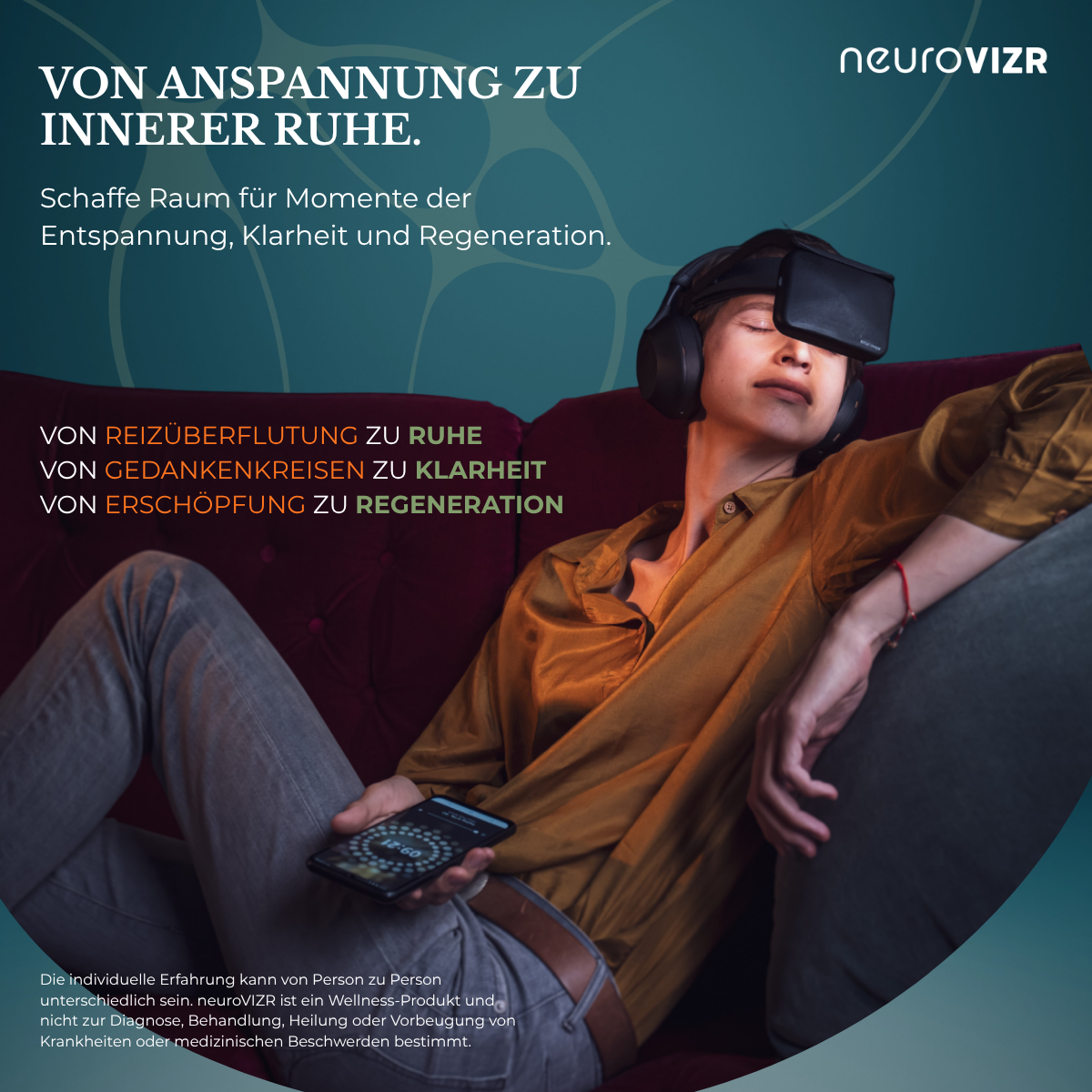
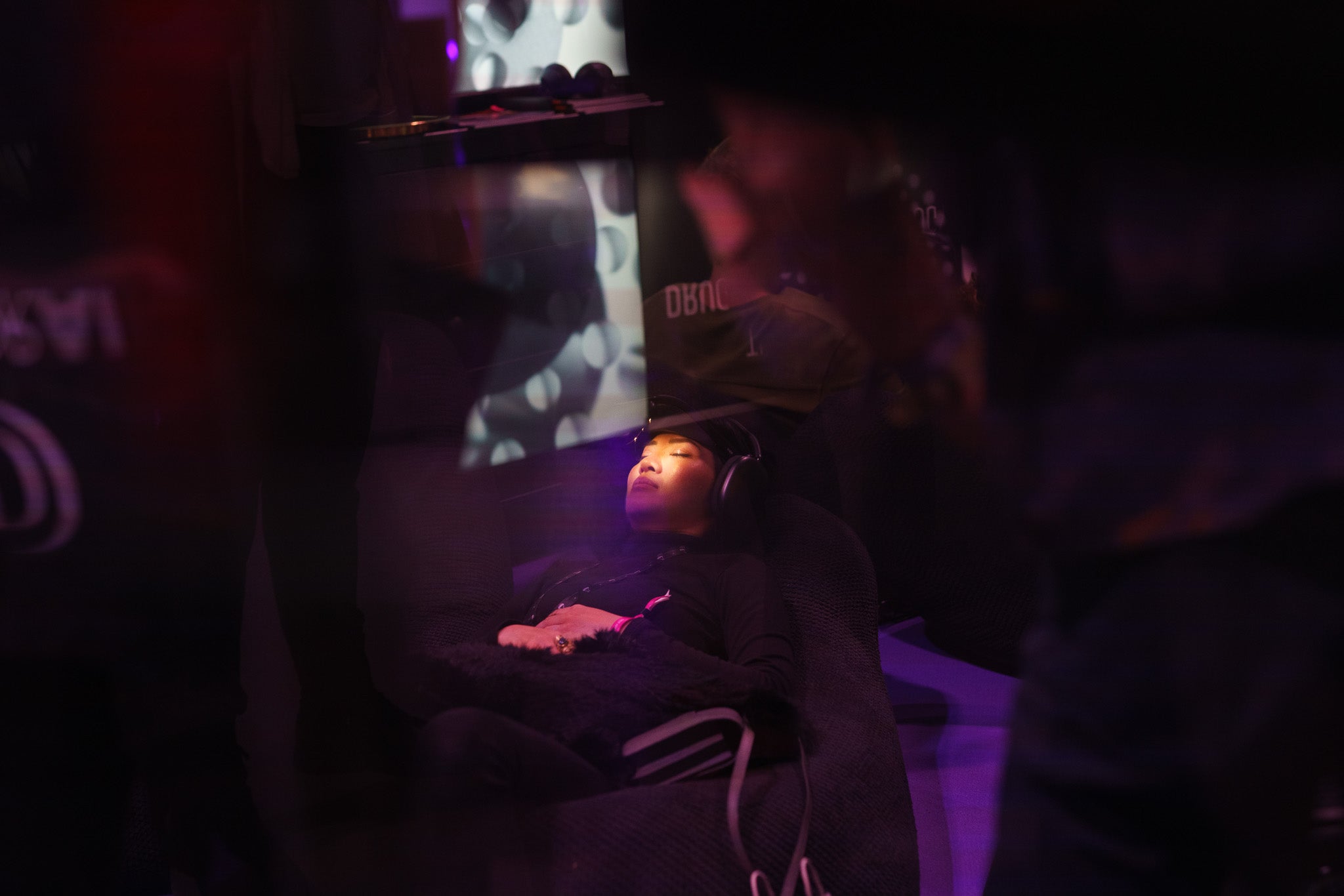
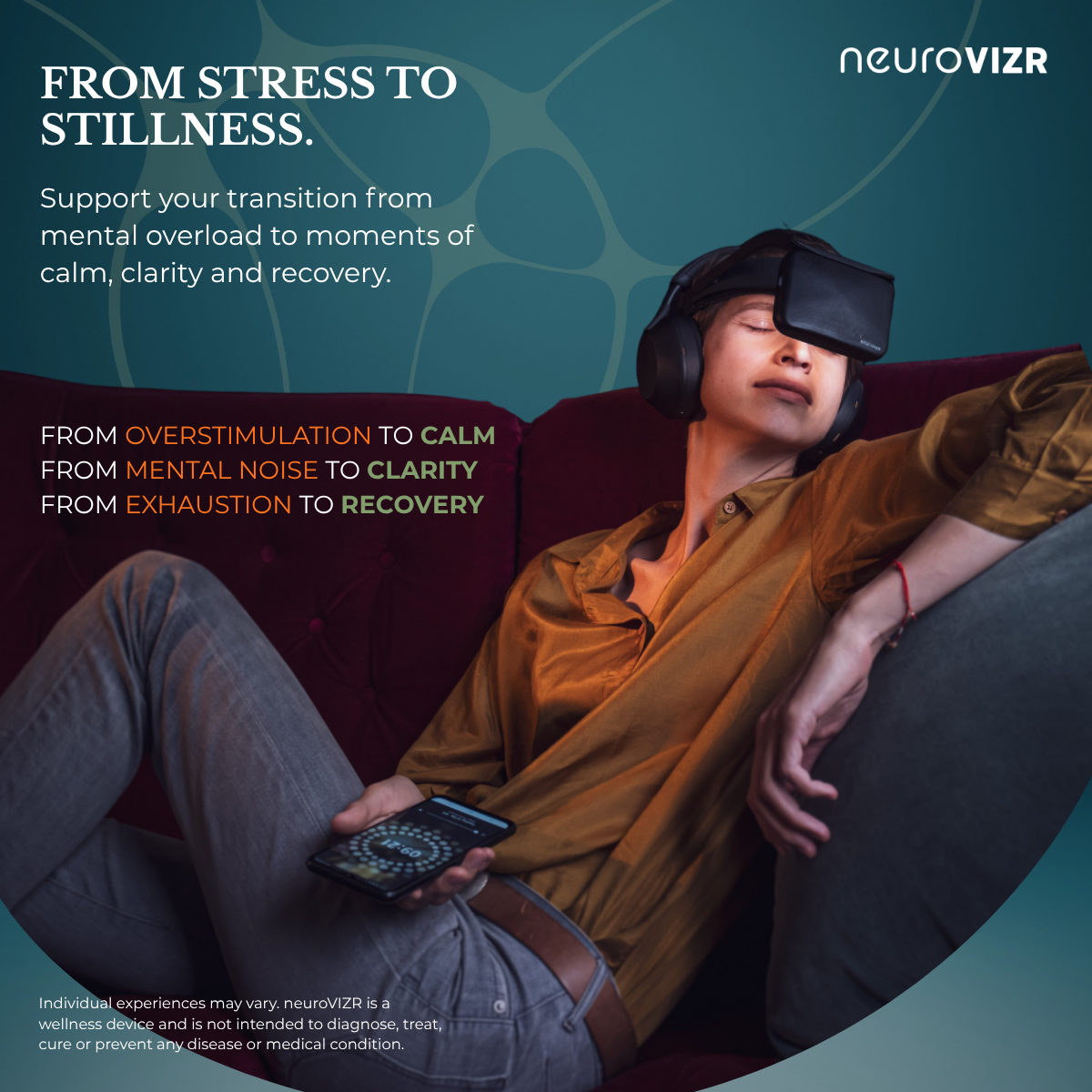
Tools that use rhythmic light and sound patterns, such as neuroVIZR, are designed to create immersive sensory experiences often associated with calm and focused attention. These experiences may help individuals step away from daily overstimulation and reconnect with moments of stillness.

Some users describe:

  • Feeling more relaxed during busy days

  • Improved ability to unwind

  • A greater sense of calm and clarity

These experiences are part of personal wellness routines and may vary from person to person.

Simple Ways to Support Yourself During This Phase

Here are some gentle, everyday practices that may support relaxation and balance:

1. Daily Check-Ins

Pause and notice how you feel throughout the day. Small moments of awareness can help you respond with care rather than pressure.

2. Create Relaxation Routines

Incorporate calming activities such as:

  • Quiet time away from screens

  • Gentle movement or stretching

  • Listening to soothing sounds

3. Focus on Comfort

Simple actions like warmth, rest, or slowing down your pace can make a difference in how you experience your day.

4. Reframe Your Thoughts

Instead of thinking, “Something is wrong,” try:

“My body is adjusting, and I can support it.”

5. Explore Sensory Wellness Tools

Using sensory light & sound experiences as part of a routine may help create a calming environment that supports relaxation and mindfulness.

A New Way to Look at This Transition

PMDD and perimenopause can feel challenging, but they can also be seen as periods of transformation.

With awareness and supportive routines, many people begin to:

  • Understand their needs more clearly

  • Build healthier daily habits

  • Develop a deeper connection with their well-being

Conclusion

These phases are not about failure they are about change.

By approaching them with curiosity, self-awareness, and supportive routines, it becomes possible to experience more balance and calm in everyday life.

Creating space for rest, mindfulness, and sensory experiences can help you navigate this transition in a more grounded and supportive way.

Key Takeaways

  • PMDD and perimenopause can influence emotional and daily experiences

  • These changes may reflect natural adaptation rather than dysfunction

  • Relaxation-focused routines can support overall well-being

  • Sensory experiences like rhythmic light and sound may help create calm moments

  • A mindful approach can improve how you navigate this phase

FAQ

What is PMDD in simple terms?

PMDD is a condition where some individuals experience stronger emotional and physical changes before menstruation compared to typical premenstrual symptoms.

Can lifestyle changes help during PMDD or perimenopause?

Supportive routines such as better sleep, stress management, and relaxation practices may help improve overall well-being during these phases.

At what age does perimenopause usually begin?

Perimenopause often begins in the 40s, though timing can vary from person to person.

How can relaxation routines help during these transitions?

Relaxation routines create moments of calm and can help you feel more balanced and grounded in your daily life.

What are sensory light and sound experiences?

They are structured experiences using rhythmic light and sound patterns designed to create immersive environments often associated with relaxation and mindfulness.


Disclaimer

This content is for informational purposes only and does not constitute medical advice. It is not intended to diagnose, treat, cure, or prevent any condition. Always consult a qualified healthcare professional for guidance. neuroVIZR is designed as a wellness tool and does not claim to address medical conditions.

For many women, the time before menstruation or the transition into menopause can feel overwhelming. One moment you may feel calm and focused, and the next, emotionally sensitive or mentally drained.

If this sounds familiar, you are not alone. These experiences are often part of natural biological transitions such as PMDD or perimenopause. Rather than seeing this as something going wrong, it can be helpful to understand it as a period of adaptation and change.

Understanding the Mind-Body Connection

Hormonal changes can influence how we experience energy, focus, and emotions in daily life. During phases like PMDD or perimenopause, these shifts may feel more noticeable.

You might experience:

  • Increased emotional sensitivity

  • Occasional brain fog or lack of clarity

  • Changes in sleep patterns

  • Moments of irritability or restlessness

These changes are often temporary and can be viewed as part of the body adjusting to new internal rhythms.

Why Emotional Changes Feel More Intense

Every individual experiences these transitions differently. Lifestyle, stress levels, and overall well-being can all influence how strongly these changes are felt.

During these phases, your system may become more responsive to everyday situations. This doesn’t mean something is wrong it may simply reflect a heightened awareness and sensitivity.

Instead of resisting these changes, understanding them can help create a more supportive and balanced daily routine.

A Different Perspective: Your Brain Is Adapting

It can be helpful to shift the perspective from “something is wrong” to “something is changing.”

Your body and mind are continuously adjusting to internal changes. This process may include:

  • Seeking more rest

  • Becoming more aware of stress

  • Encouraging slower, more mindful routines

These signals can be seen as gentle reminders to create space for balance and self-care.

Supporting Relaxation Through Sensory Experiences

One approach that many people explore during times of change is creating structured relaxation routines.

Tools that use rhythmic light and sound patterns, such as neuroVIZR, are designed to create immersive sensory experiences often associated with calm and focused attention. These experiences may help individuals step away from daily overstimulation and reconnect with moments of stillness.

Some users describe:

  • Feeling more relaxed during busy days

  • Improved ability to unwind

  • A greater sense of calm and clarity

These experiences are part of personal wellness routines and may vary from person to person.

Simple Ways to Support Yourself During This Phase

Here are some gentle, everyday practices that may support relaxation and balance:

1. Daily Check-Ins

Pause and notice how you feel throughout the day. Small moments of awareness can help you respond with care rather than pressure.

2. Create Relaxation Routines

Incorporate calming activities such as:

  • Quiet time away from screens

  • Gentle movement or stretching

  • Listening to soothing sounds

3. Focus on Comfort

Simple actions like warmth, rest, or slowing down your pace can make a difference in how you experience your day.

4. Reframe Your Thoughts

Instead of thinking, “Something is wrong,” try:

“My body is adjusting, and I can support it.”

5. Explore Sensory Wellness Tools

Using sensory light & sound experiences as part of a routine may help create a calming environment that supports relaxation and mindfulness.

A New Way to Look at This Transition

PMDD and perimenopause can feel challenging, but they can also be seen as periods of transformation.

With awareness and supportive routines, many people begin to:

  • Understand their needs more clearly

  • Build healthier daily habits

  • Develop a deeper connection with their well-being

Conclusion

These phases are not about failure they are about change.

By approaching them with curiosity, self-awareness, and supportive routines, it becomes possible to experience more balance and calm in everyday life.

Creating space for rest, mindfulness, and sensory experiences can help you navigate this transition in a more grounded and supportive way.

Key Takeaways

  • PMDD and perimenopause can influence emotional and daily experiences

  • These changes may reflect natural adaptation rather than dysfunction

  • Relaxation-focused routines can support overall well-being

  • Sensory experiences like rhythmic light and sound may help create calm moments

  • A mindful approach can improve how you navigate this phase

FAQ

What is PMDD in simple terms?

PMDD is a condition where some individuals experience stronger emotional and physical changes before menstruation compared to typical premenstrual symptoms.

Can lifestyle changes help during PMDD or perimenopause?

Supportive routines such as better sleep, stress management, and relaxation practices may help improve overall well-being during these phases.

At what age does perimenopause usually begin?

Perimenopause often begins in the 40s, though timing can vary from person to person.

How can relaxation routines help during these transitions?

Relaxation routines create moments of calm and can help you feel more balanced and grounded in your daily life.

What are sensory light and sound experiences?

They are structured experiences using rhythmic light and sound patterns designed to create immersive environments often associated with relaxation and mindfulness.
Enhance Your Mental Clarity With neuroVIZR