
World Stress Awareness Day How understanding your brain can help you regain calm
  • Written by Gourav Rathore

Disclaimer

This content is for informational purposes only and does not constitute medical advice. If you are experiencing ongoing stress or emotional concerns, consider speaking with a qualified professional.

Understanding Stress in Today’s Fast-Paced World

In today’s always-connected lifestyle, stress can feel like a constant background presence. Busy schedules, digital overload, and daily responsibilities can make it difficult to find moments of calm.

World Stress Awareness Day, observed on the first Wednesday of November, is a reminder to pause, reflect, and reconnect with simple habits that support mental well-being. It encourages individuals, workplaces, and communities to have open conversations about stress and explore healthier ways to manage it.

Not all stress is negative. Short-term pressure can help improve focus and motivation. However, when stress becomes ongoing, it can feel overwhelming and affect how we think, feel, and function in daily life.

Why Stress Awareness Matters

Taking time to notice your stress levels can make a meaningful difference. Many people only recognize stress when it begins to affect sleep, energy levels, or mood.

This awareness day encourages you to ask:

  • What is currently causing tension in my day?

  • How is my body responding to it?

  • What small changes can I make to feel more balanced?

By paying attention early, you can create space for healthier routines and more mindful responses to daily challenges.

How Ongoing Stress Can Affect Daily Life

You can think of your mind and body as a system that works best when balanced. When stress builds over time, that balance can feel disrupted.

Some common experiences associated with prolonged stress include:

  • Difficulty concentrating

  • Feeling mentally drained

  • Increased irritability

  • Trouble sleeping

  • Low energy levels

These signals are not weaknesses; they are simply signs that your mind and body may need rest, support, and recovery.

Creating Calm Through Sensory and Relaxation Experiences

Modern wellness approaches now focus on helping people reconnect with calm through simple, consistent practices.

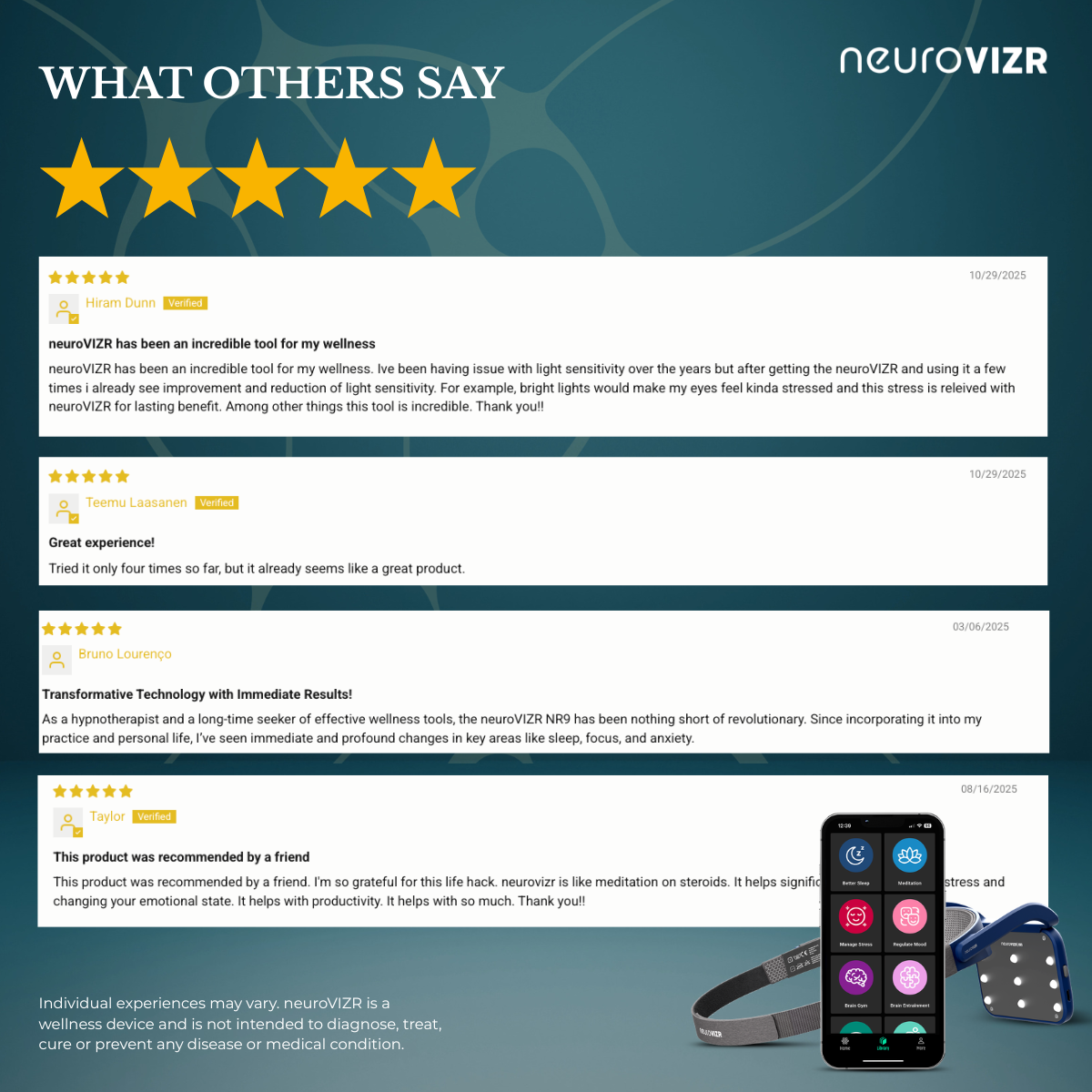
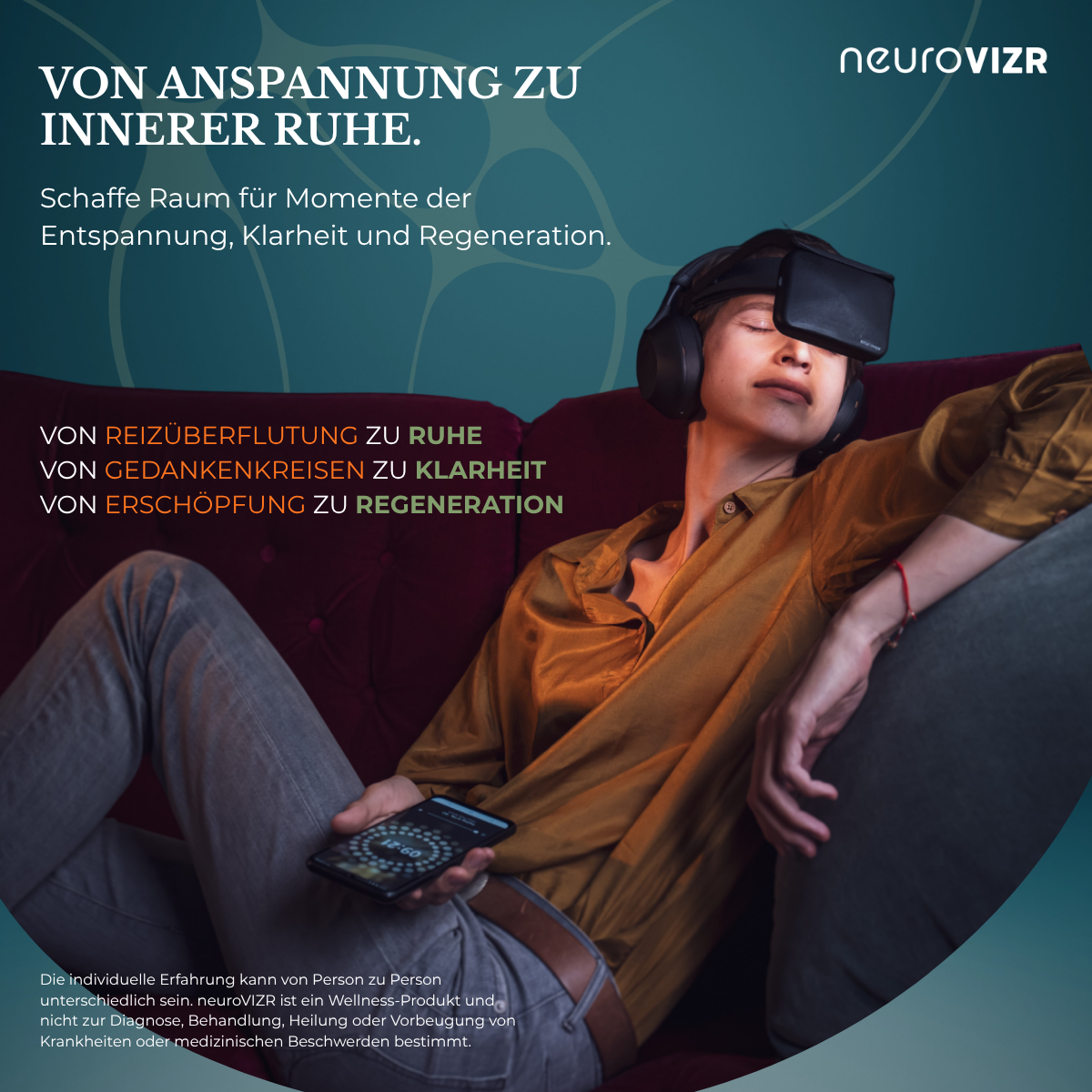
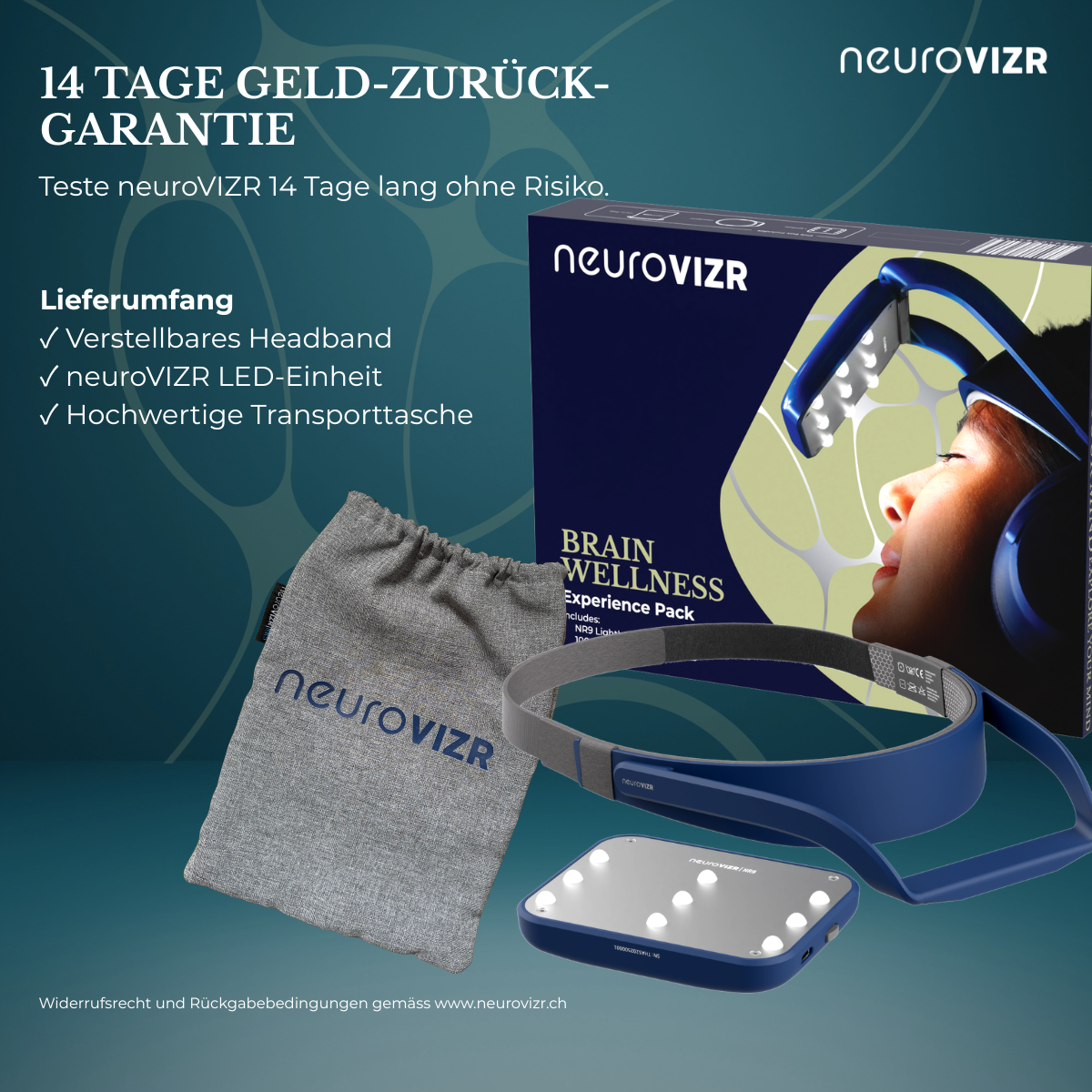
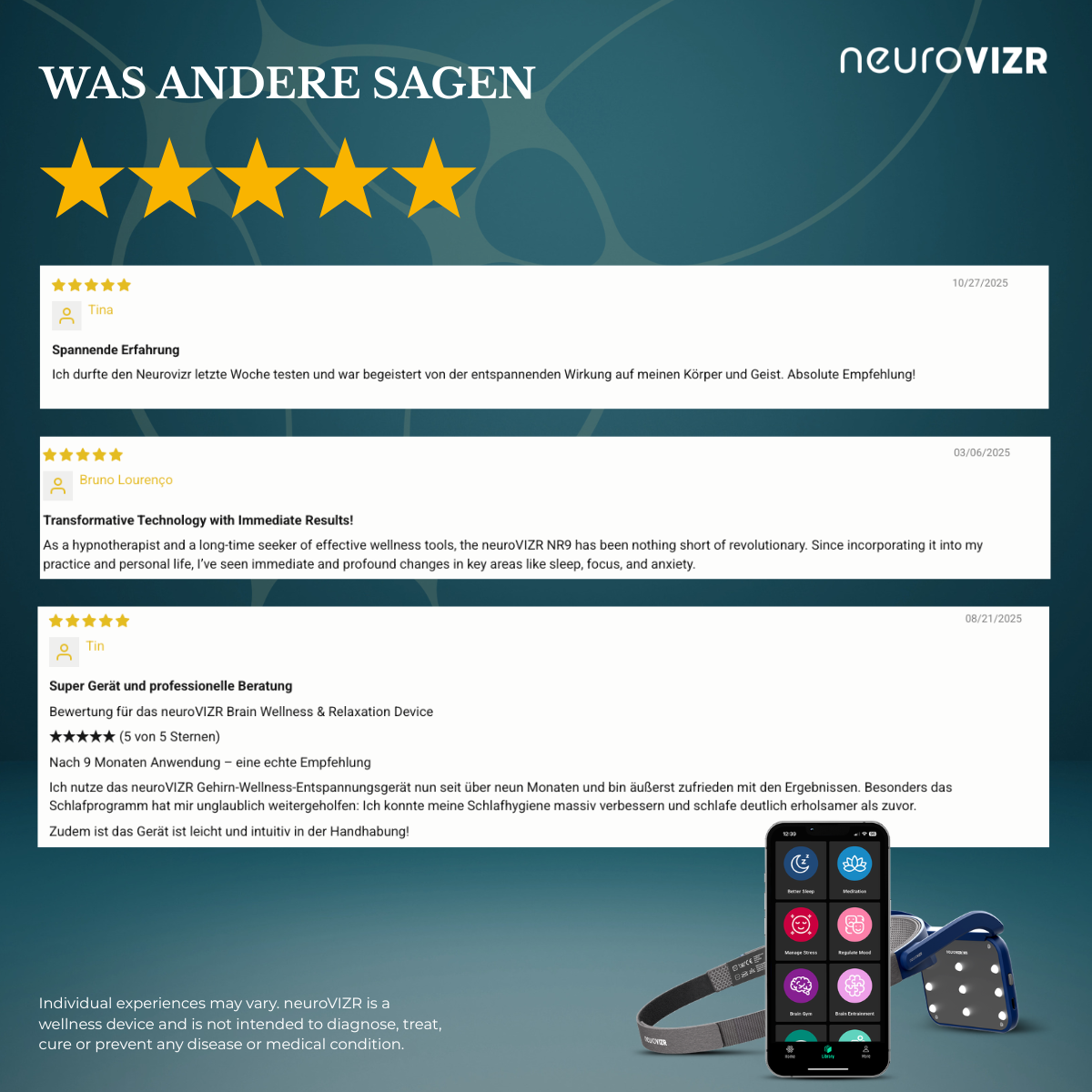
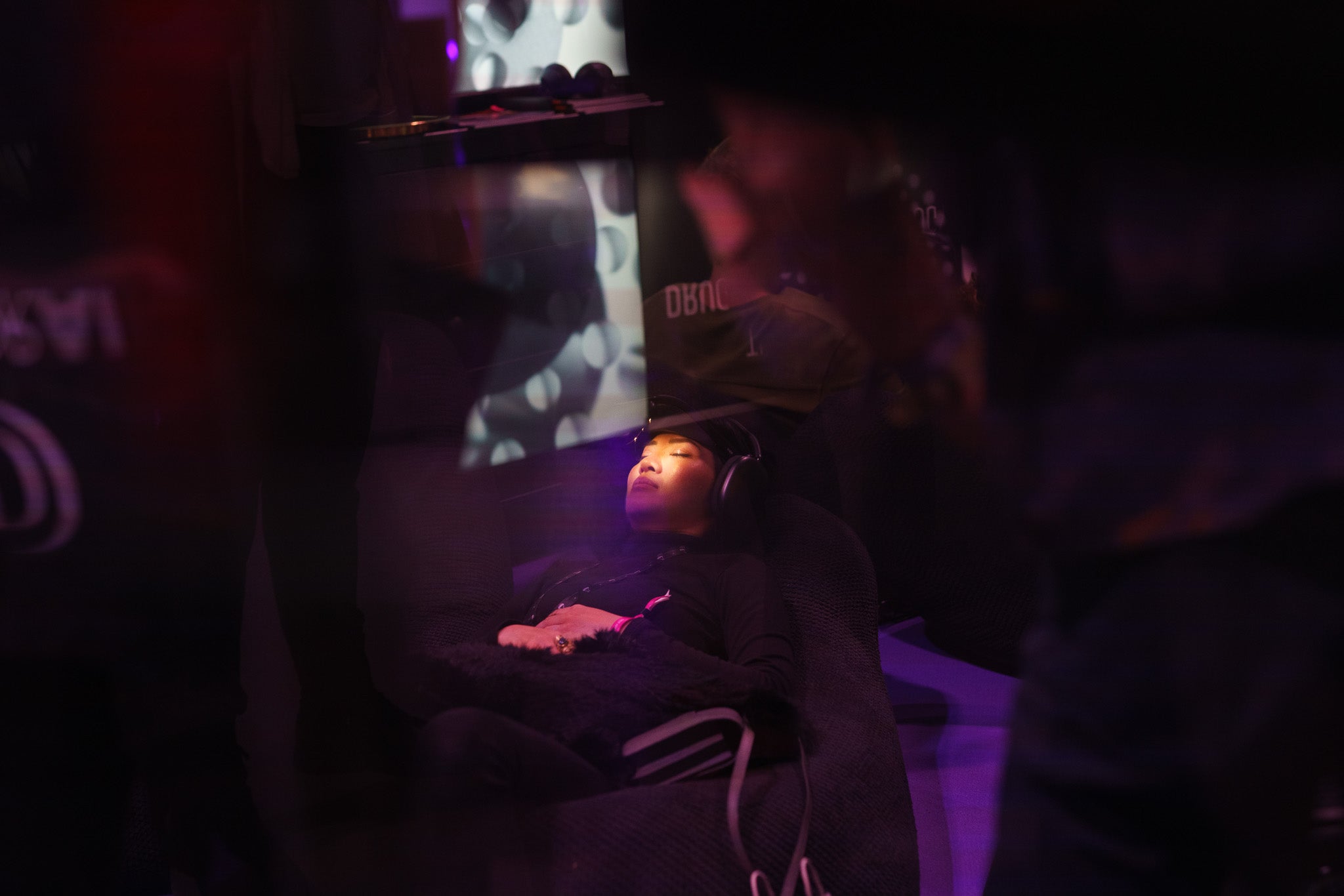
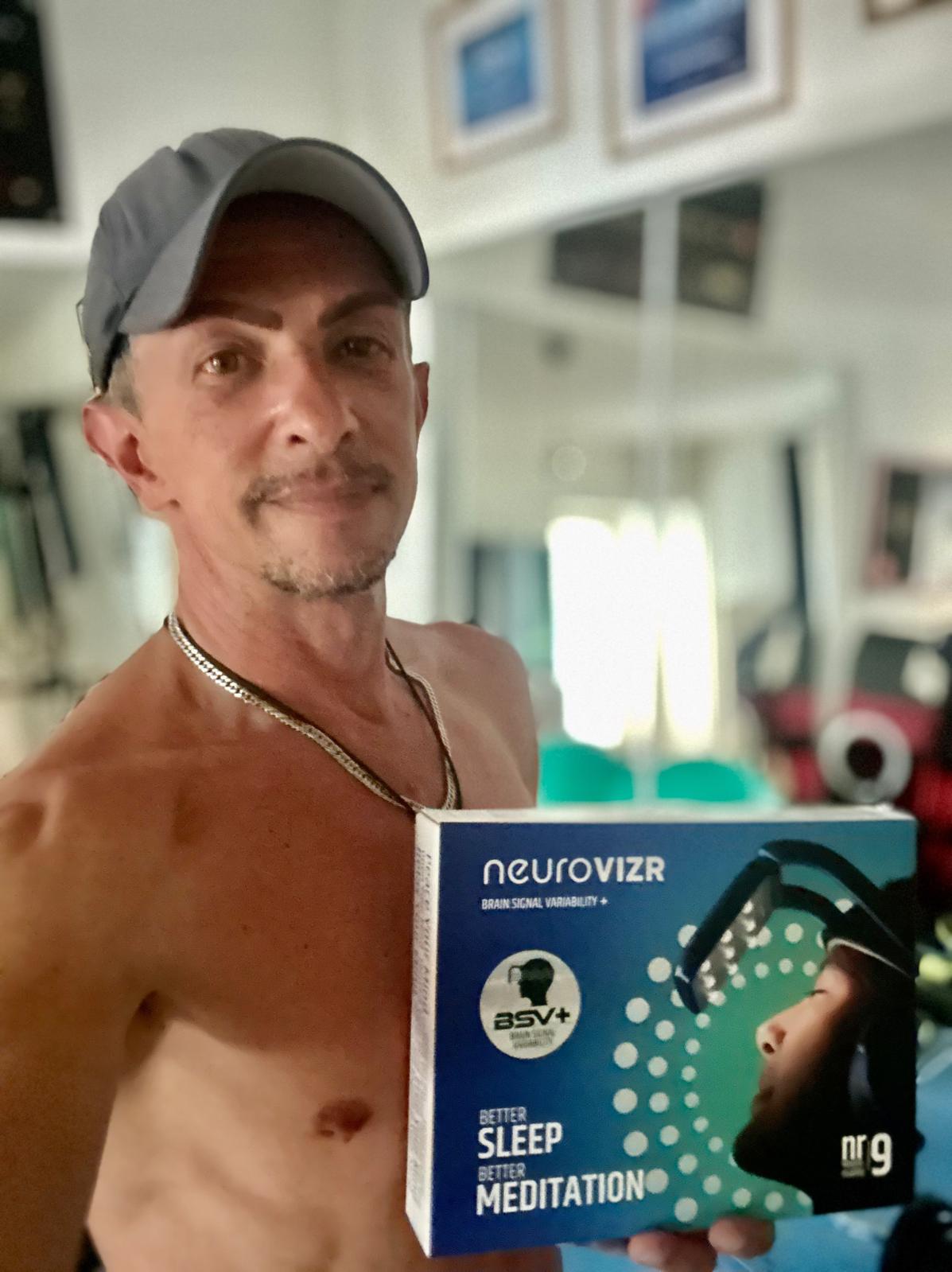
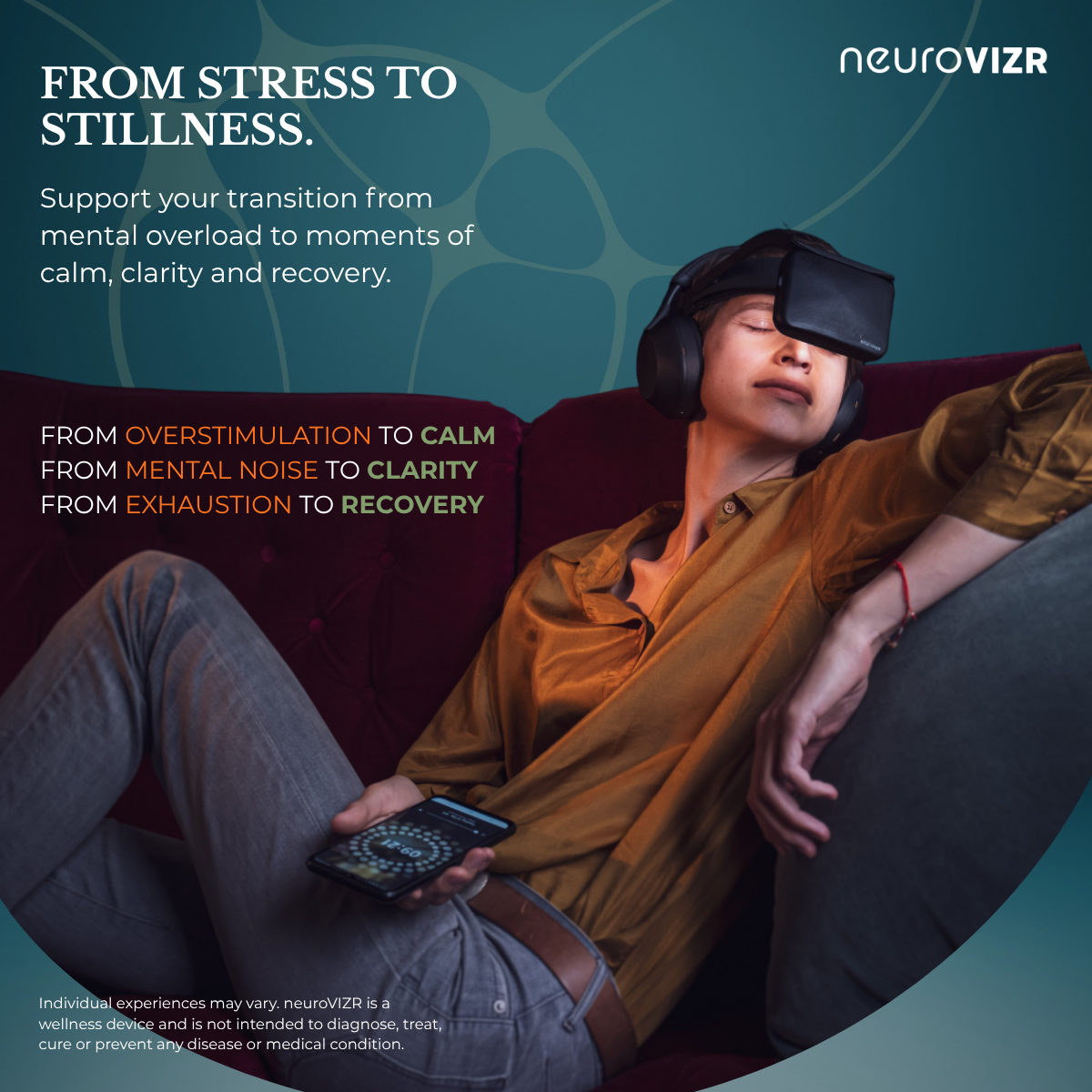
Tools that use rhythmic light and sound patterns, such as neuroVIZR, are designed to create immersive sensory experiences often associated with relaxation and focused attention. These sessions are intended to support moments of calm and help users step away from daily overstimulation.

Many individuals describe these experiences as a way to:

  • Pause and reset during a busy day

  • Create a dedicated relaxation routine

  • Support mindfulness and focus

Rather than replacing daily habits, these tools can be used alongside simple lifestyle practices to build a more balanced routine.

Simple Daily Habits to Support Relaxation

Stress management doesn’t require major changes. Small, consistent actions can help create a noticeable shift over time.

1. Practice Slow Breathing

Take a few minutes to focus on your breath:

  • Inhale slowly

  • Pause briefly

  • Exhale gently

This can help create a sense of calm and grounding.

2. Notice Your Stress Signals

Pay attention to how your body feels throughout the day:

  • Tight shoulders

  • Restlessness

  • Low energy

Awareness is the first step toward making positive changes.

3. Prioritize Restful Sleep

A consistent sleep routine supports overall well-being:

  • Go to bed at the same time each night

  • Reduce screen use before sleep

  • Create a calm nighttime environment

4. Move Your Body Regularly

Light physical activity, such as walking or stretching, can help release built-up tension and refresh your energy.

5. Set Healthy Boundaries

Protect your time and energy:

  • Take breaks when needed

  • Avoid overcommitting

  • Create space for yourself

6. Take Breaks from Screens

Digital overload can add to daily stress. Try creating small “offline moments” during your day.

7. Explore Relaxation Sessions

Incorporating sensory relaxation tools, such as light and sound-based sessions, can support mindfulness and help you build a calming routine.

8. Stay Connected

Talking with friends, family, or colleagues can help you feel supported and reduce feelings of isolation.

A Gentle Reminder: Your Mind Needs Care Too

You don’t need to eliminate stress completely to feel balanced. The goal is to create space for recovery, calm, and clarity within your daily routine.

This World Stress Awareness Day, take a few minutes to pause:

  • Step away from distractions

  • Focus on your breath

  • Try a simple relaxation activity

Small moments like these can help you reconnect with a sense of calm.

Key Takeaways

  • World Stress Awareness Day encourages mindful reflection and healthier daily habits

  • Short-term stress can be motivating, but ongoing stress may feel overwhelming

  • Simple routines like breathing, movement, and rest can support balance

  • Sensory relaxation experiences may help create moments of calm

  • Consistency is key when building long-term wellness habits

FAQs

What is World Stress Awareness Day?

It is an annual event observed on the first Wednesday of November, encouraging people to reflect on stress and adopt healthier daily habits.

What are simple ways to relax during a busy day?

You can try:

  • Deep breathing

  • Short walks

  • Taking screen breaks

  • Engaging in calming sensory experiences

How can I build a relaxation routine?

Start small by adding 5–10 minutes of calming activities daily, such as mindful breathing or quiet time away from distractions.

How do I know if I need more rest?

Common signs include low energy, difficulty focusing, or feeling overwhelmed. Taking breaks and prioritizing rest can help restore balance.


Disclaimer

This content is for informational purposes only and does not constitute medical advice. If you are experiencing ongoing stress or emotional concerns, consider speaking with a qualified professional.

Understanding Stress in Today’s Fast-Paced World

In today’s always-connected lifestyle, stress can feel like a constant background presence. Busy schedules, digital overload, and daily responsibilities can make it difficult to find moments of calm.

World Stress Awareness Day, observed on the first Wednesday of November, is a reminder to pause, reflect, and reconnect with simple habits that support mental well-being. It encourages individuals, workplaces, and communities to have open conversations about stress and explore healthier ways to manage it.

Not all stress is negative. Short-term pressure can help improve focus and motivation. However, when stress becomes ongoing, it can feel overwhelming and affect how we think, feel, and function in daily life.

Why Stress Awareness Matters

Taking time to notice your stress levels can make a meaningful difference. Many people only recognize stress when it begins to affect sleep, energy levels, or mood.

This awareness day encourages you to ask:

  • What is currently causing tension in my day?

  • How is my body responding to it?

  • What small changes can I make to feel more balanced?

By paying attention early, you can create space for healthier routines and more mindful responses to daily challenges.

How Ongoing Stress Can Affect Daily Life

You can think of your mind and body as a system that works best when balanced. When stress builds over time, that balance can feel disrupted.

Some common experiences associated with prolonged stress include:

  • Difficulty concentrating

  • Feeling mentally drained

  • Increased irritability

  • Trouble sleeping

  • Low energy levels

These signals are not weaknesses; they are simply signs that your mind and body may need rest, support, and recovery.

Creating Calm Through Sensory and Relaxation Experiences

Modern wellness approaches now focus on helping people reconnect with calm through simple, consistent practices.

Tools that use rhythmic light and sound patterns, such as neuroVIZR, are designed to create immersive sensory experiences often associated with relaxation and focused attention. These sessions are intended to support moments of calm and help users step away from daily overstimulation.

Many individuals describe these experiences as a way to:

  • Pause and reset during a busy day

  • Create a dedicated relaxation routine

  • Support mindfulness and focus

Rather than replacing daily habits, these tools can be used alongside simple lifestyle practices to build a more balanced routine.

Simple Daily Habits to Support Relaxation

Stress management doesn’t require major changes. Small, consistent actions can help create a noticeable shift over time.

1. Practice Slow Breathing

Take a few minutes to focus on your breath:

  • Inhale slowly

  • Pause briefly

  • Exhale gently

This can help create a sense of calm and grounding.

2. Notice Your Stress Signals

Pay attention to how your body feels throughout the day:

  • Tight shoulders

  • Restlessness

  • Low energy

Awareness is the first step toward making positive changes.

3. Prioritize Restful Sleep

A consistent sleep routine supports overall well-being:

  • Go to bed at the same time each night

  • Reduce screen use before sleep

  • Create a calm nighttime environment

4. Move Your Body Regularly

Light physical activity, such as walking or stretching, can help release built-up tension and refresh your energy.

5. Set Healthy Boundaries

Protect your time and energy:

  • Take breaks when needed

  • Avoid overcommitting

  • Create space for yourself

6. Take Breaks from Screens

Digital overload can add to daily stress. Try creating small “offline moments” during your day.

7. Explore Relaxation Sessions

Incorporating sensory relaxation tools, such as light and sound-based sessions, can support mindfulness and help you build a calming routine.

8. Stay Connected

Talking with friends, family, or colleagues can help you feel supported and reduce feelings of isolation.

A Gentle Reminder: Your Mind Needs Care Too

You don’t need to eliminate stress completely to feel balanced. The goal is to create space for recovery, calm, and clarity within your daily routine.

This World Stress Awareness Day, take a few minutes to pause:

  • Step away from distractions

  • Focus on your breath

  • Try a simple relaxation activity

Small moments like these can help you reconnect with a sense of calm.

Key Takeaways

  • World Stress Awareness Day encourages mindful reflection and healthier daily habits

  • Short-term stress can be motivating, but ongoing stress may feel overwhelming

  • Simple routines like breathing, movement, and rest can support balance

  • Sensory relaxation experiences may help create moments of calm

  • Consistency is key when building long-term wellness habits

FAQs

What is World Stress Awareness Day?

It is an annual event observed on the first Wednesday of November, encouraging people to reflect on stress and adopt healthier daily habits.

What are simple ways to relax during a busy day?

You can try:

  • Deep breathing

  • Short walks

  • Taking screen breaks

  • Engaging in calming sensory experiences

How can I build a relaxation routine?

Start small by adding 5–10 minutes of calming activities daily, such as mindful breathing or quiet time away from distractions.

How do I know if I need more rest?

Common signs include low energy, difficulty focusing, or feeling overwhelmed. Taking breaks and prioritizing rest can help restore balance.
Enhance Your Mental Clarity With neuroVIZR