

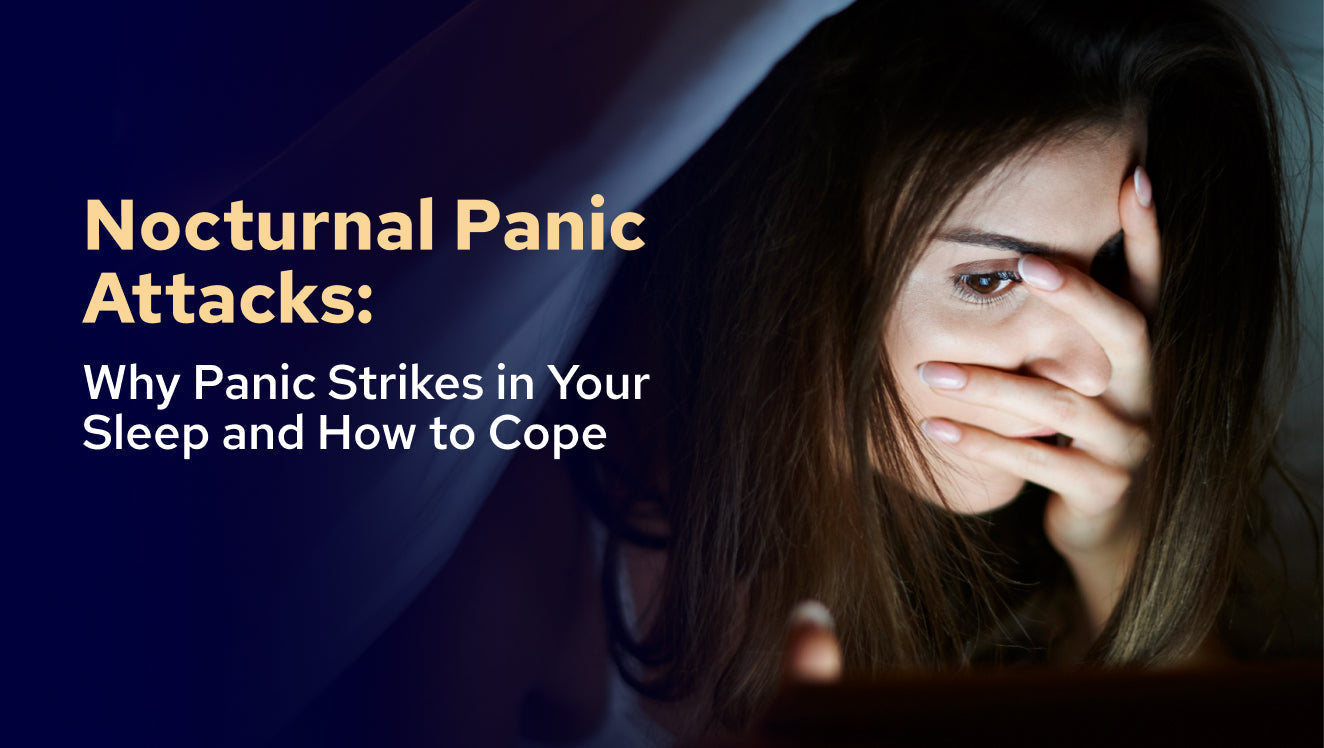
Waking suddenly with a racing heart, shortness of breath and fear can be frightening, especially when there's no obvious trigger. Nocturnal panic attacks happen during sleep and can feel intense, but they're not dangerous.
Why panic can strike at night
During sleep your body still processes stress. A build-up of daytime tension, shallow breathing or being in a lighter sleep stage can tip an already-alert nervous system into panic.
What it can feel like
- Waking abruptly with a pounding heart
- Shortness of breath or chest tightness
- A wave of fear or dread
- Symptoms peaking within minutes, then easing
How to cope in the moment
1. Remind yourself it will pass
Panic peaks and fades, naming it reduces its grip.
2. Slow your breathing
In for 4, out for 6. The long exhale calms the body.
3. Ground yourself
Feel your feet, the bed, the room around you.
4. Lower daytime stress
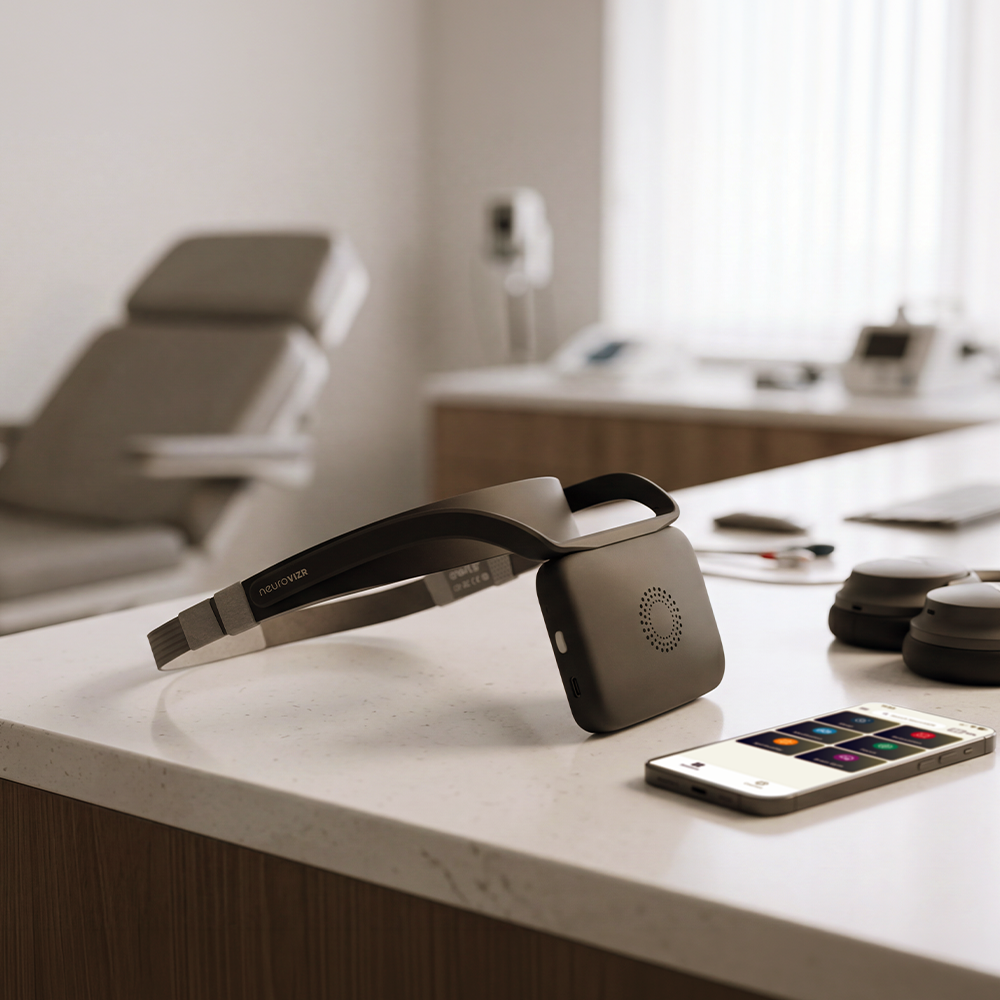
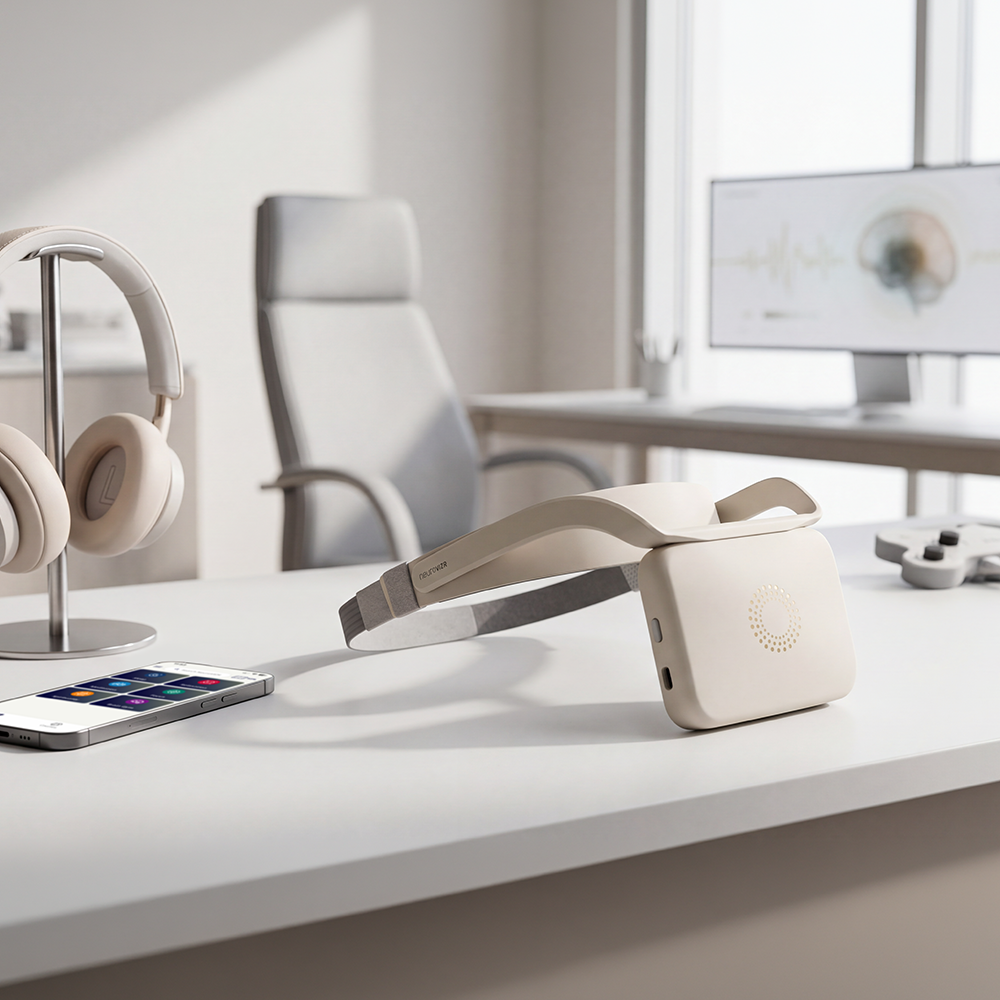
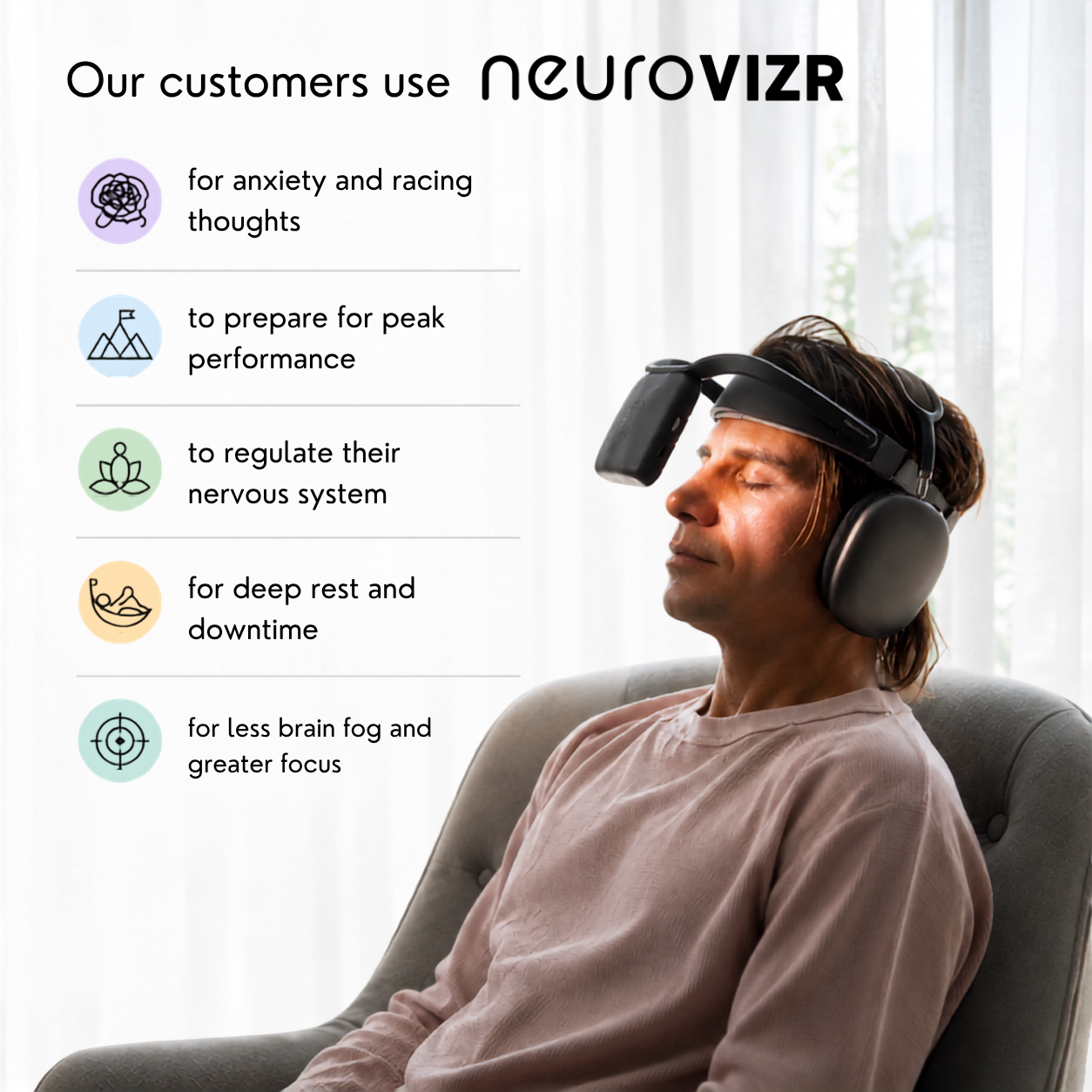
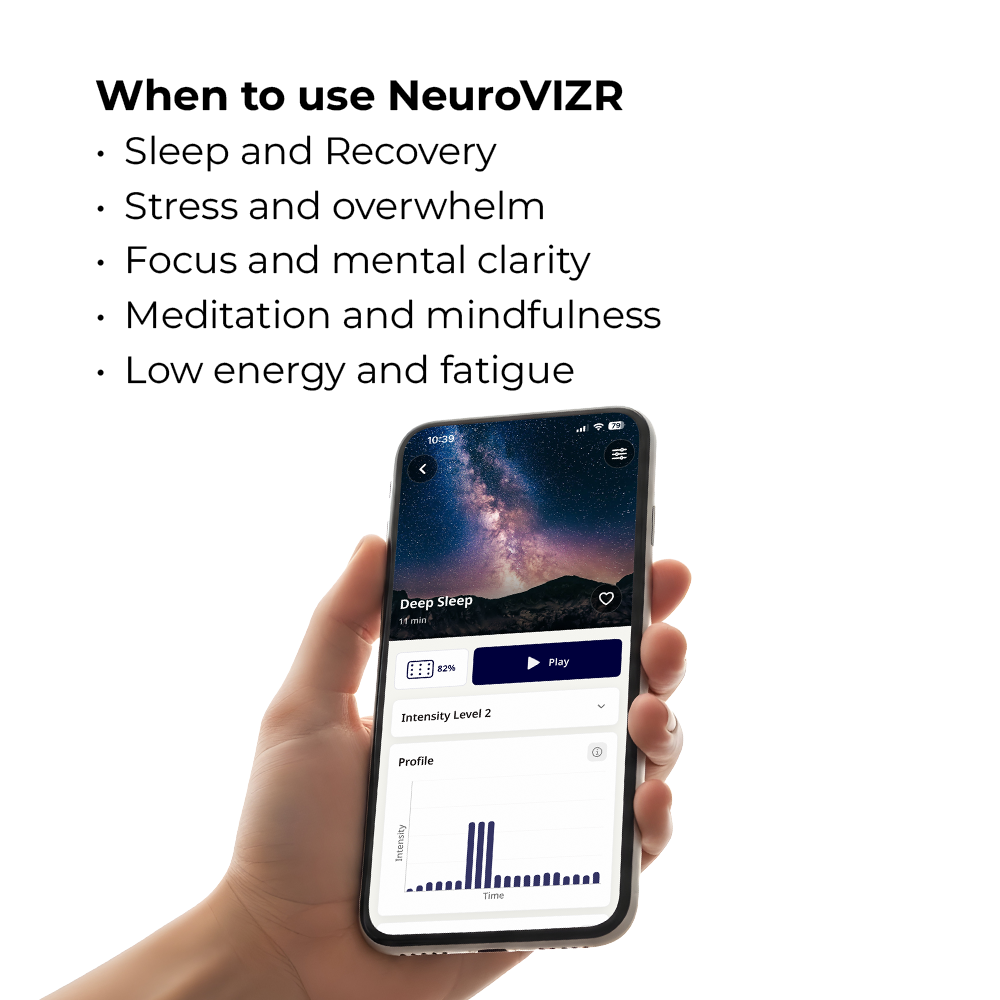
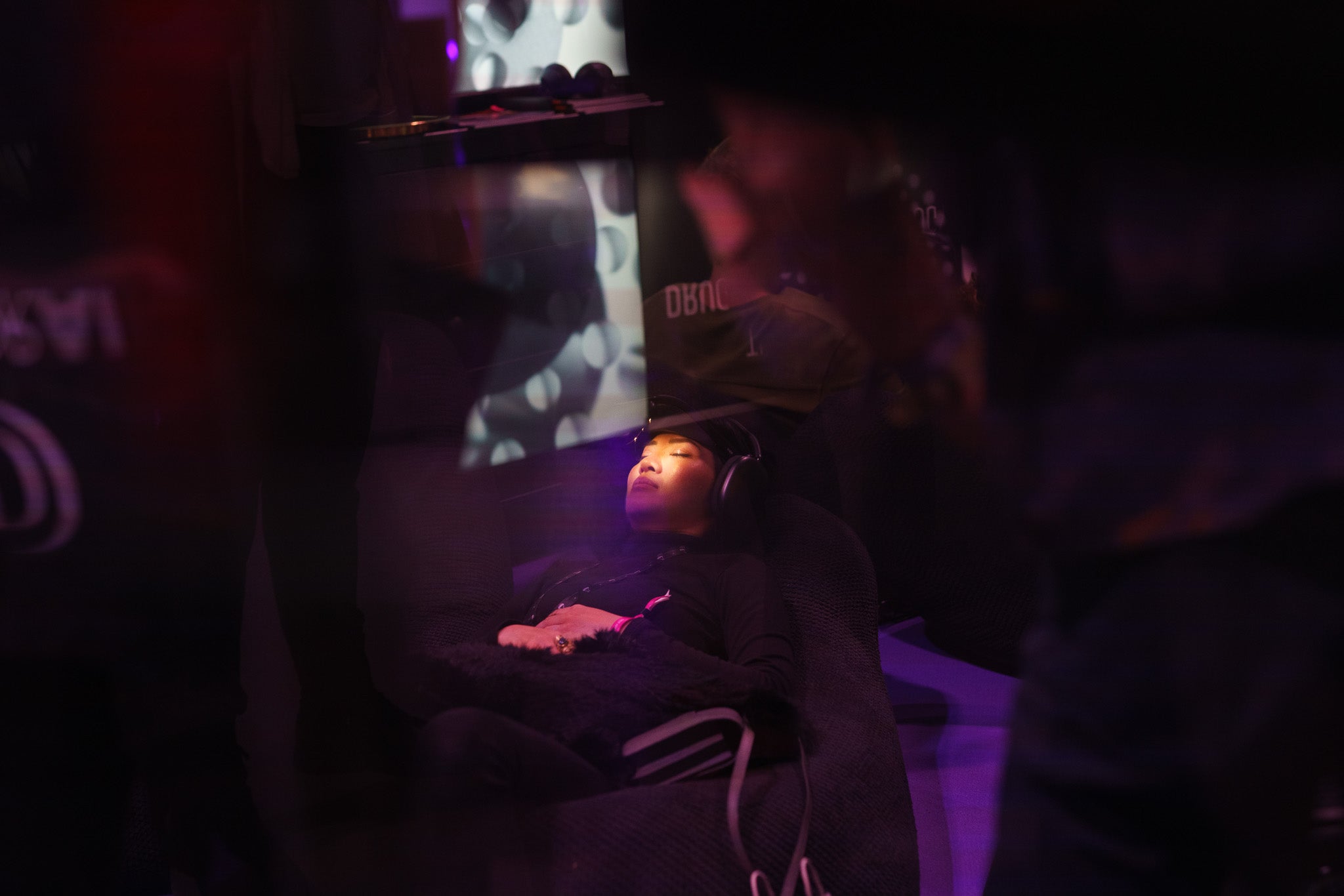
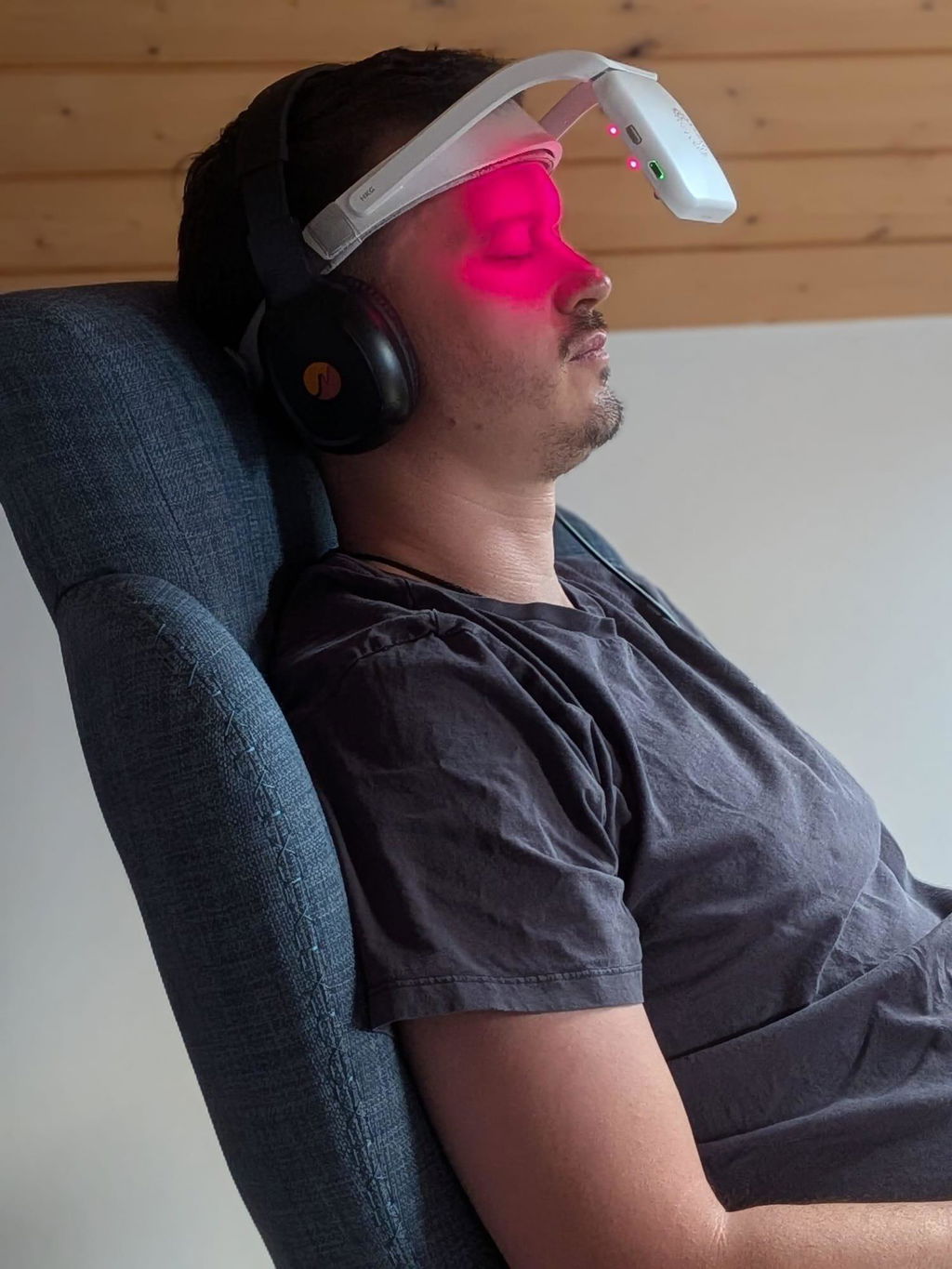
Calmer days mean calmer nights, build wind-down routines, including light-and-sound relaxation with a wellness device like neuroVIZR.
When to seek support
If night panic is frequent, a qualified professional can help you find lasting strategies.
FAQ
Are nocturnal panic attacks dangerous?
No, they feel intense but aren't harmful. They peak and pass.
How do I calm a panic attack at night?
Slow breathing with a long exhale and grounding your senses help most.








Share:
How to Calm an Overactive Mind (Without Fighting Your Thoughts)
21 Powerful Affirmations for Anxiety to Support Calm