

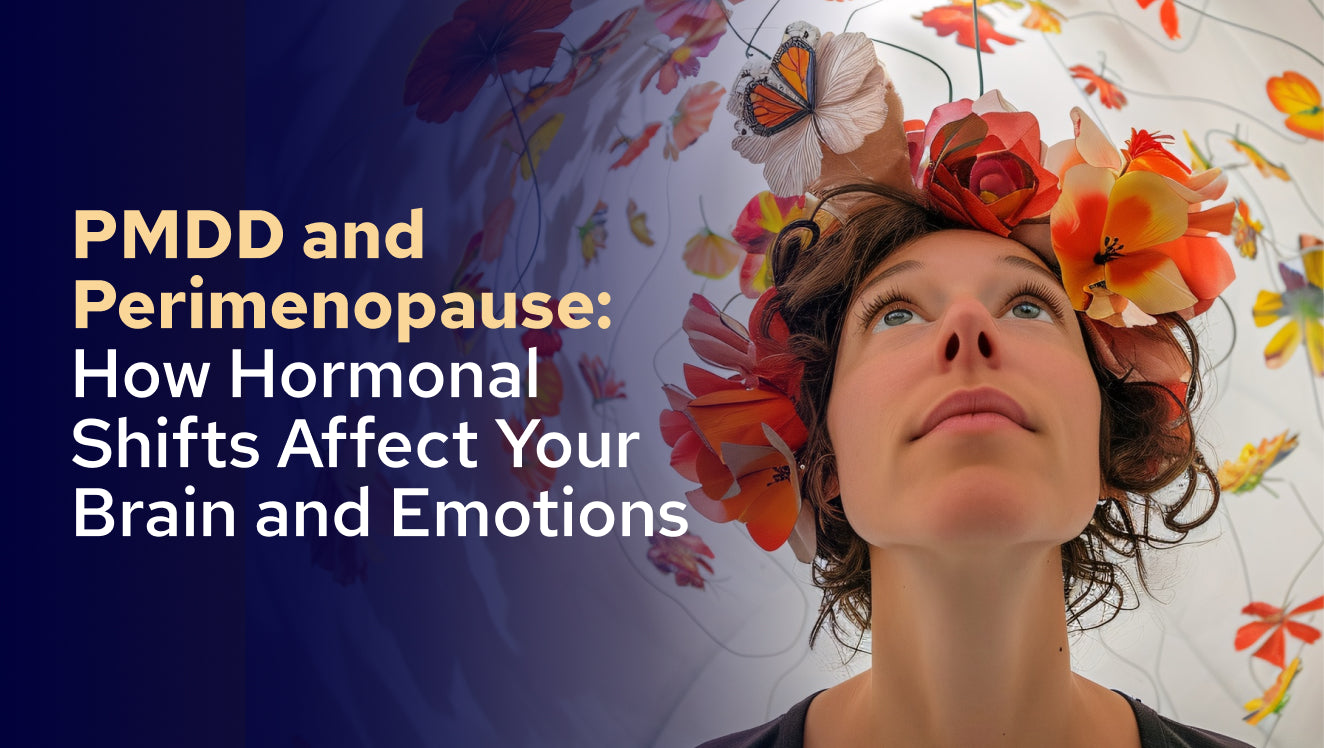
For some people, the days before a period bring more than mild PMS, intense mood shifts, irritability, low mood or anxiety that follow a monthly rhythm. This pattern is often described as PMDD (premenstrual dysphoric disorder).
What PMDD is about
PMDD is linked to how the brain and body respond to natural hormonal shifts across the cycle. It's not "just in your head", the timing is real, and awareness is the first step to feeling more in control.
Common experiences
- Mood dips, irritability or tearfulness before the period
- Anxiety or a sense of overwhelm
- Sleep changes and fatigue
- Symptoms that ease once the period starts
Gentle ways to support balance
1. Track your cycle
Noticing the pattern helps you plan gentler days around it.
2. Prioritise sleep and food
Steady sleep and balanced meals soften the dips.
3. Move gently
Light movement supports mood without adding pressure.
4. Calm the nervous system
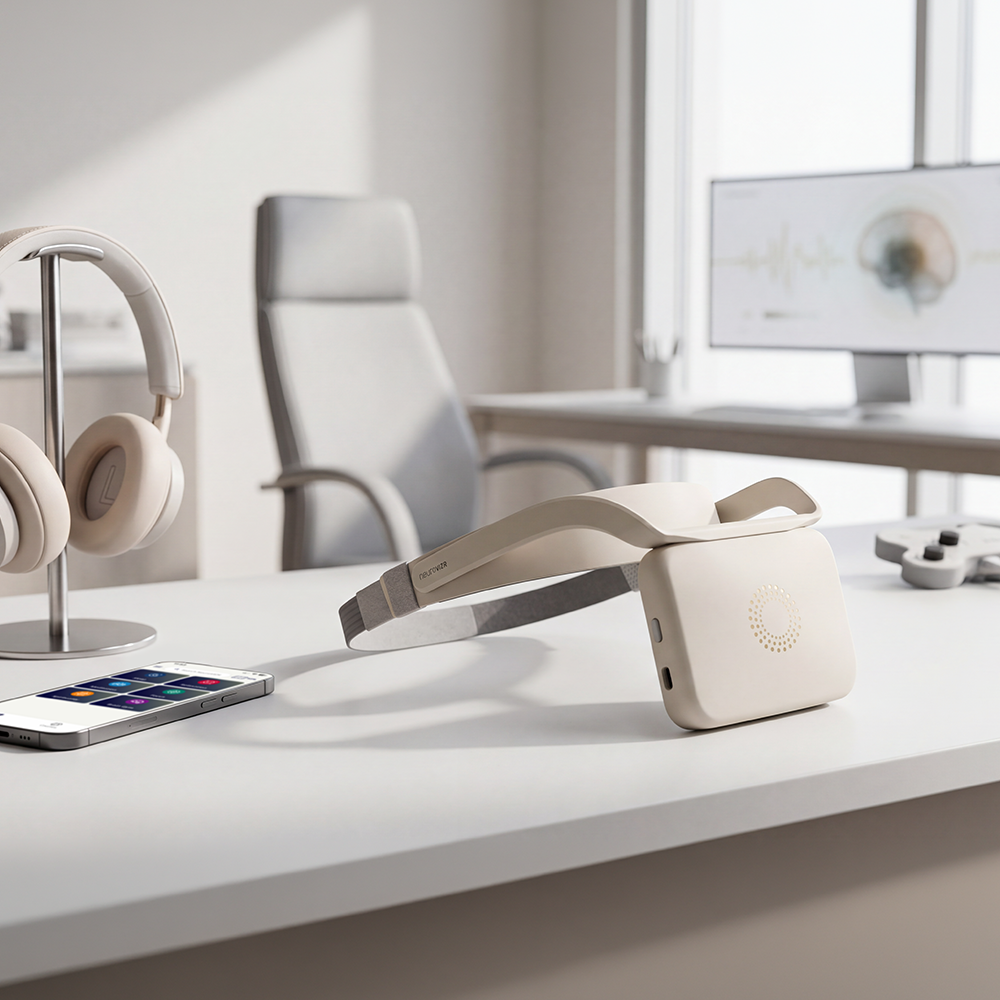
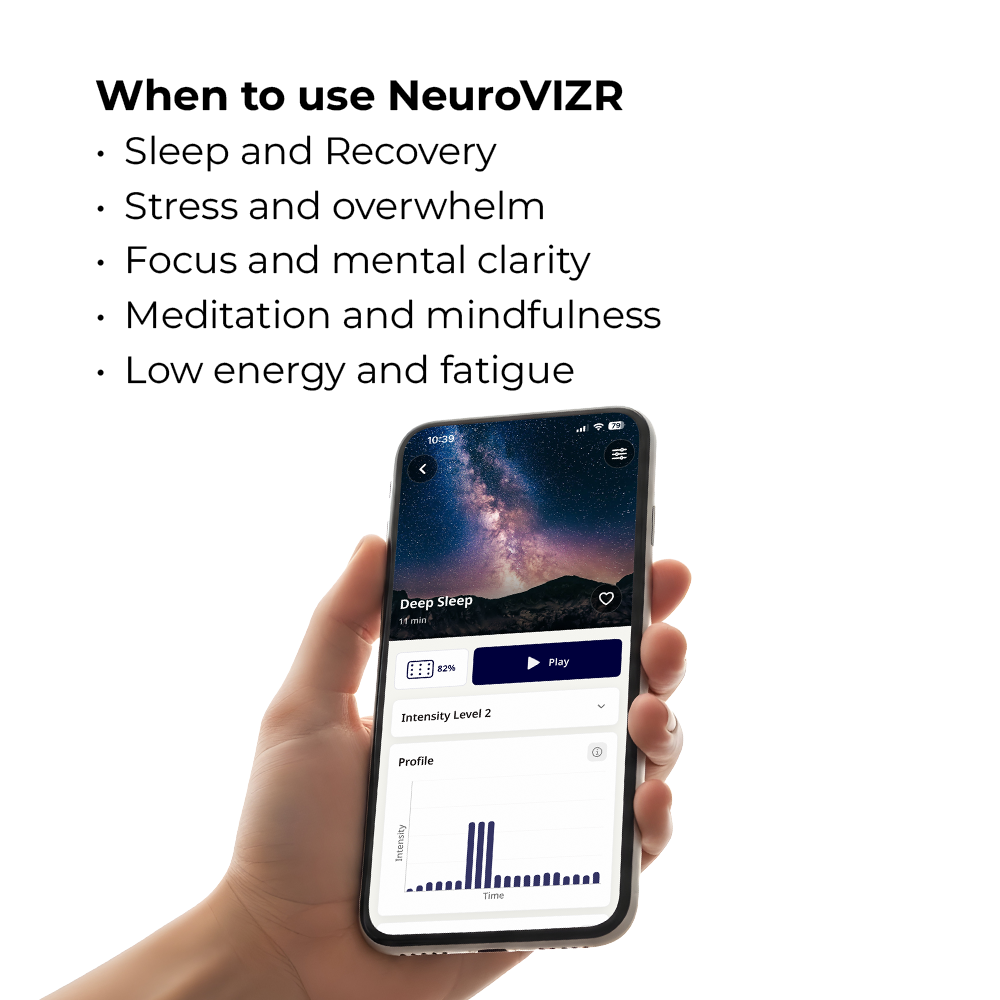
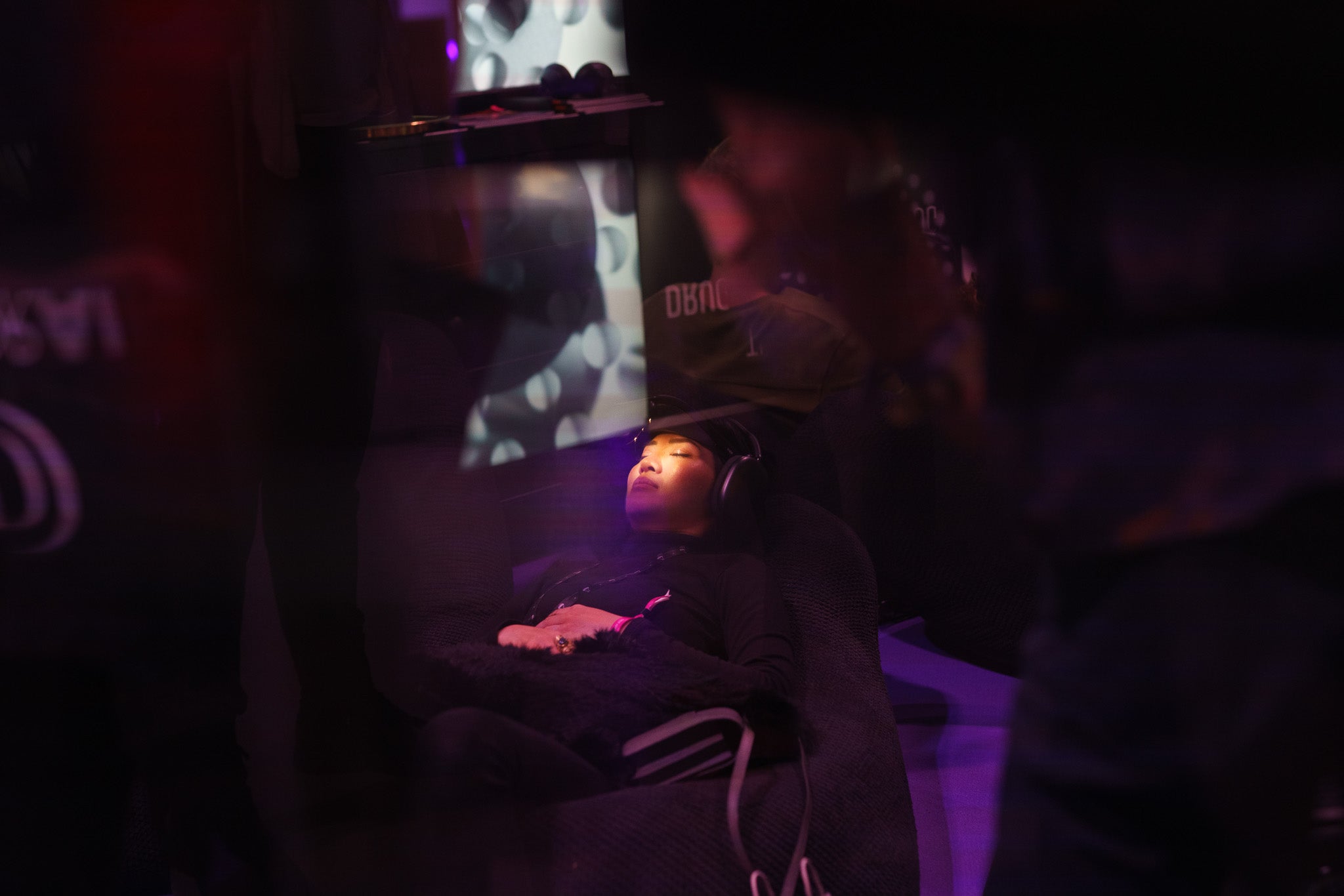
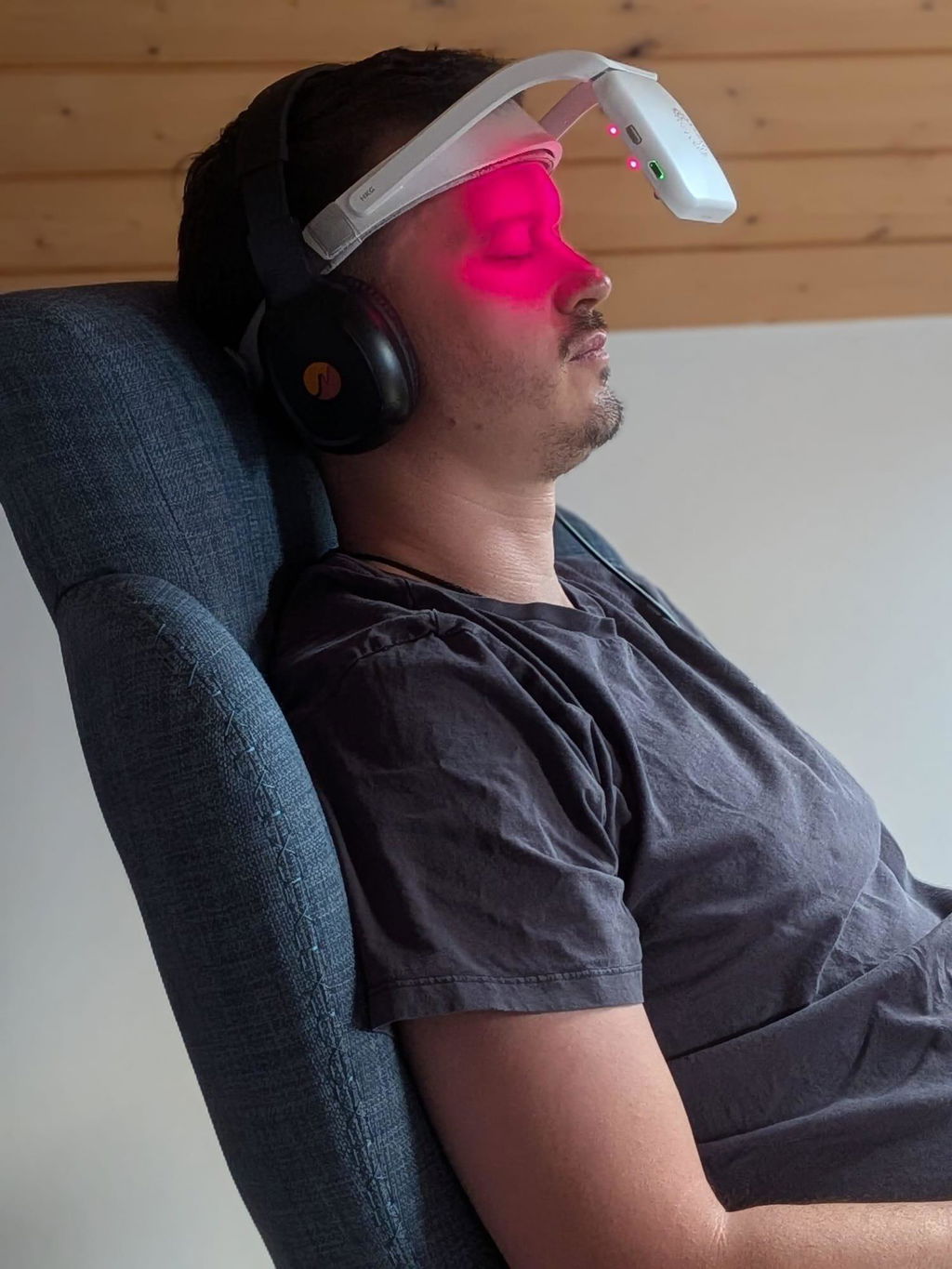
Slow breathing and relaxation routines, including light-and-sound wind-downs with a wellness device like neuroVIZR, can create moments of calm during tougher days.
5. Seek support
If symptoms are severe, a qualified professional can help with tailored options.
FAQ
What helps with PMDD naturally?
Cycle tracking, steady sleep, gentle movement and relaxation routines can all support balance.
Is PMDD the same as PMS?
They overlap, but PMDD tends to bring more intense, cyclical mood changes, support from a professional is worthwhile.










Share:
How to Calm an Overactive Mind (Without Fighting Your Thoughts)
How to Calm an Overactive Mind (Without Fighting Your Thoughts)