



Mental wellness has been a problem of mentality.
Think more positively. Be more resilient. Push through.
However, in case it is that easy, there would be much fewer individuals caught in loops of anxiety, psychological exhaustion, or emotional burnout.
As per neuroscience, mental health is not a personal quality or a score to unlock. It is a condition of the nervous system control, a situation, which enables your brain to slide freely between focus, rest, imagination, and healing.
When that law is upset the mind does not give in.
It protects.

The Reason Mental Wellness is so fragile during stress
The amygdala is a small, yet powerful brain structure located in the centre of your stress response and it is intended to pick up threats. It does not have to make you happy, it just has to keep you alive.
In case stress becomes chronic, the amygdala remains on. The nervous system switches to fight, flight or freeze, although there is no threat at hand. In the long run, this restricts the access to the prefrontal cortex or the area of the brain that provides clarity, decision-making processes, control of emotions, and perspective.
This is why the issues to mental wellness tend to manifest themselves as:
Rapid thoughts or worrying.
Inability to remember or concentrate.
Numbness or emotional reactivity.
Feeling “tired but wired”
It’s not a lack of willpower.
It is a brain that is more focused on safety rather than performance.
Read More - could you faint from lack of sleep
Mental Wellness Starts With Regulation, Not Control.
Among the most significant changes that neuroscience provides is as follows:
The brain controls optimally when it is not in danger.
Attempting to suppress thoughts without working on the state of the nervous system usually backfires. Logic cannot work against the body when it feels threatened.
Rather than posing, how can I cease feeling this way?
What would be more beneficial to ask is, What does my nervous system require to calm down at this point?
This is where it is followed by regulation before cognition. As the nervous system relaxes, so does the mind.
Regulatory practices: breath, rhythm, light input of senses, etc. allow the brain to shift out of survival mode and shift back to balance. So to speak, not violently.
The Brain Reacts to Sensory Signals and Rhythm.
The human brain is very sensitive to rhythmic input. Rhythm had been a sign of security much before language, regular light periods, regular sounds, regular shapes.
The current neuroscience demonstrates that light and sound stimulation when used deliberately can help the brain to naturally change states. These stimuli do not hack the brain. They direct it, give signs that it is safe to relax hypervigilance.
This is where neuroplasticity becomes important.
The brain is never the same, it is never standing still. The repetitions of signals of serenity, coherence and rhythm support the pathways that are related to the focus, relaxation, and emotional balance.
We are not making our brains work harder to think differently, we are just bombarding our brain with constant signals that it is not in danger, and it is by such consistency that mentality is honed.
What Mental Wellness Can Start to Feel Like Again
As regulation improves, many people notice subtle but meaningful changes:
-
Thoughts feel less urgent, more spacious
-
Focus returns without force
-
Emotional responses feel proportionate, not overwhelming
-
Rest becomes restorative instead of restless
These shifts aren’t dramatic breakthroughs. They’re signs of neural safety returning.
Mental wellness isn’t the absence of stress.
It’s the ability to move through stress without getting stuck there.
Integrating Mental Wellness Into Daily Life
Supporting your mental wellness doesn’t require perfection or rigid routines. It starts with small, consistent signals to your nervous system:
-
Pausing before reacting
-
Noticing when your body feels tense or safe
-
Choosing practices that soothe rather than stimulate
-
Allowing rest to be intentional, not earned
Even brief moments of regulation can interrupt stress loops and remind the brain that balance is possible.
A Kindler Concept of Mental Wellness.
Mental wellness is not being relaxed at all times.
It is having a nervous system capable of coming back to rest.
It is not a matter of mending your brain.
It’s about working with it.
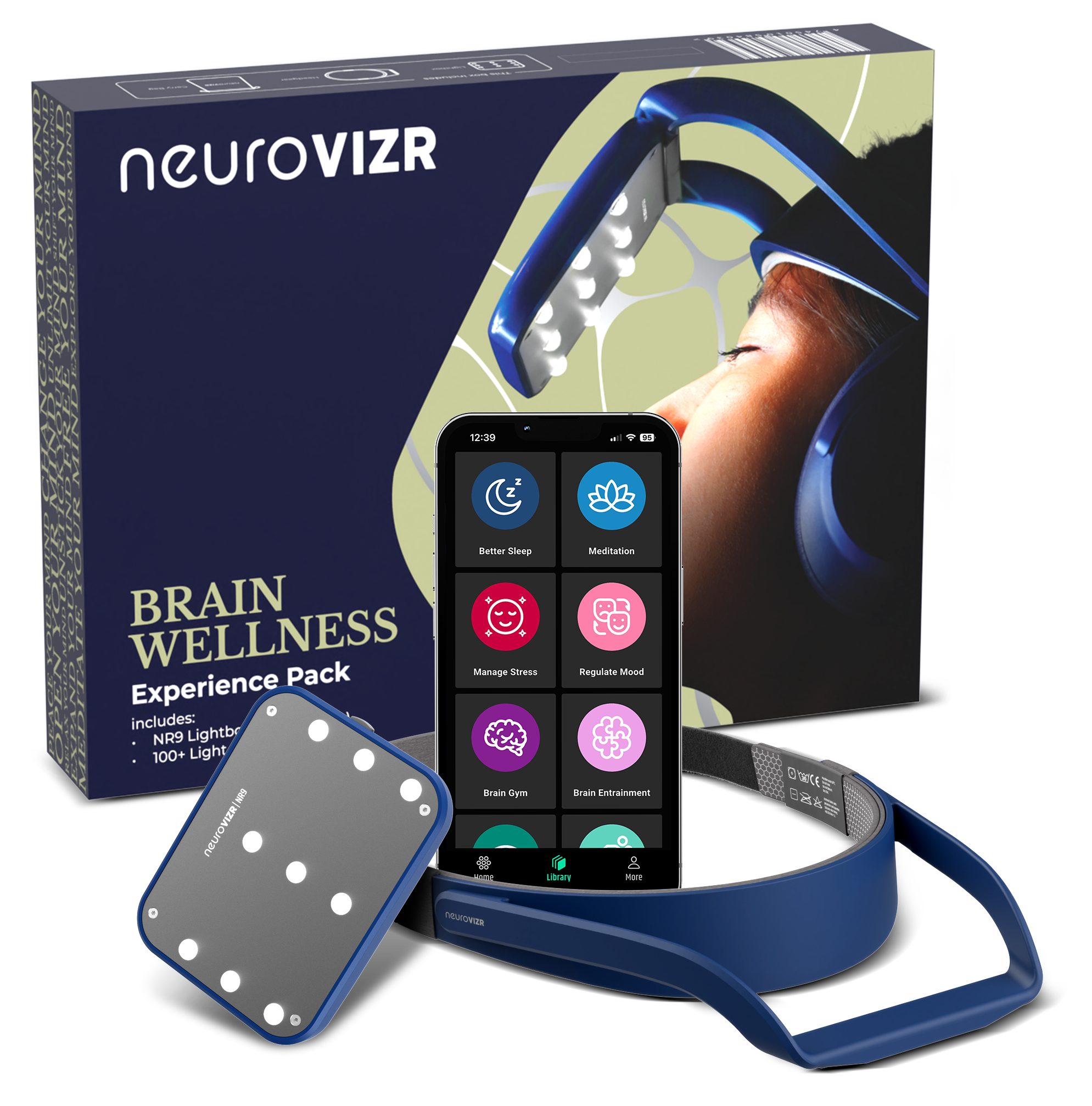
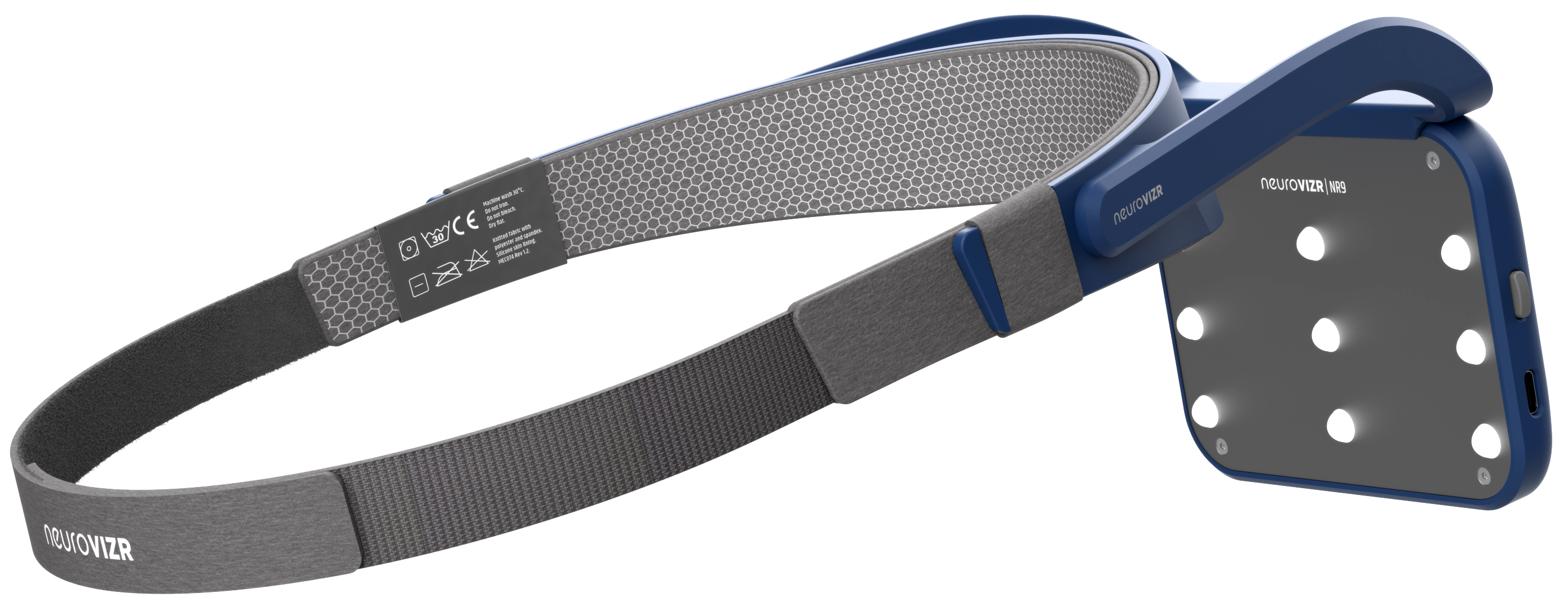
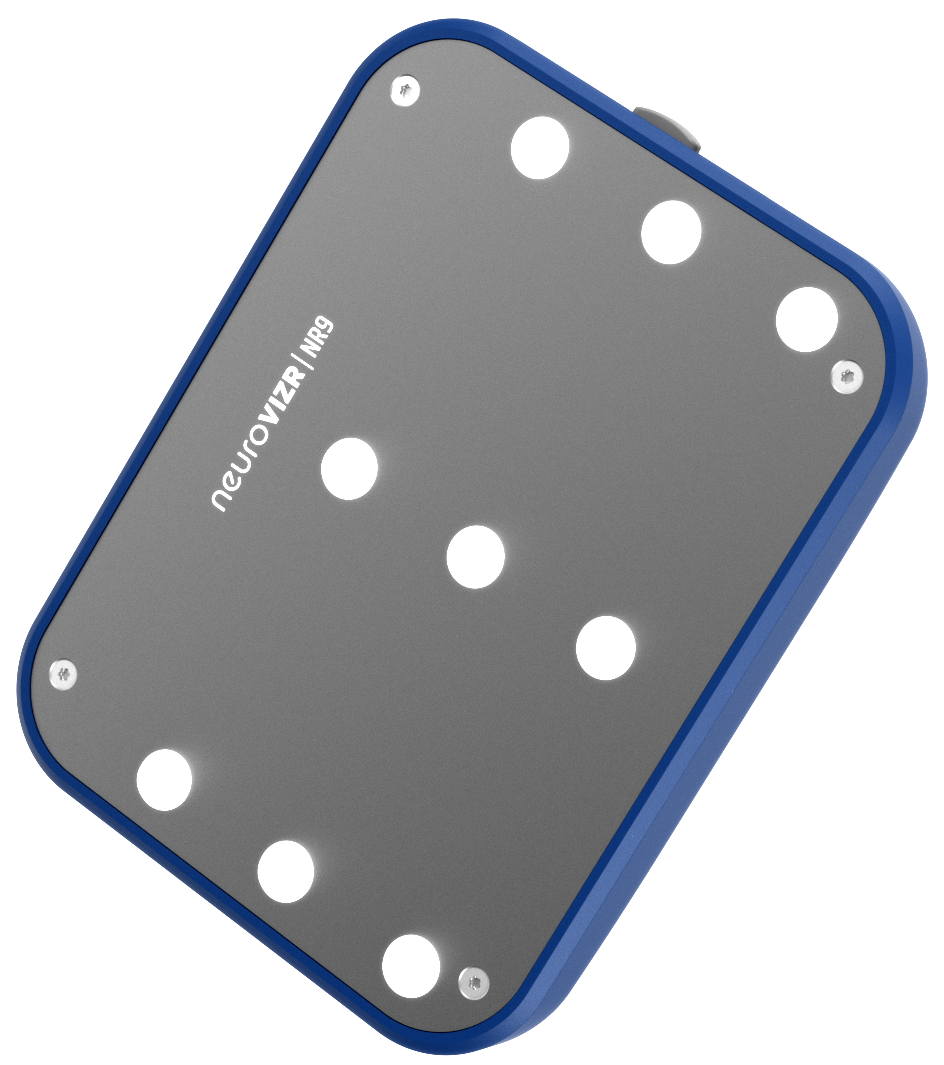
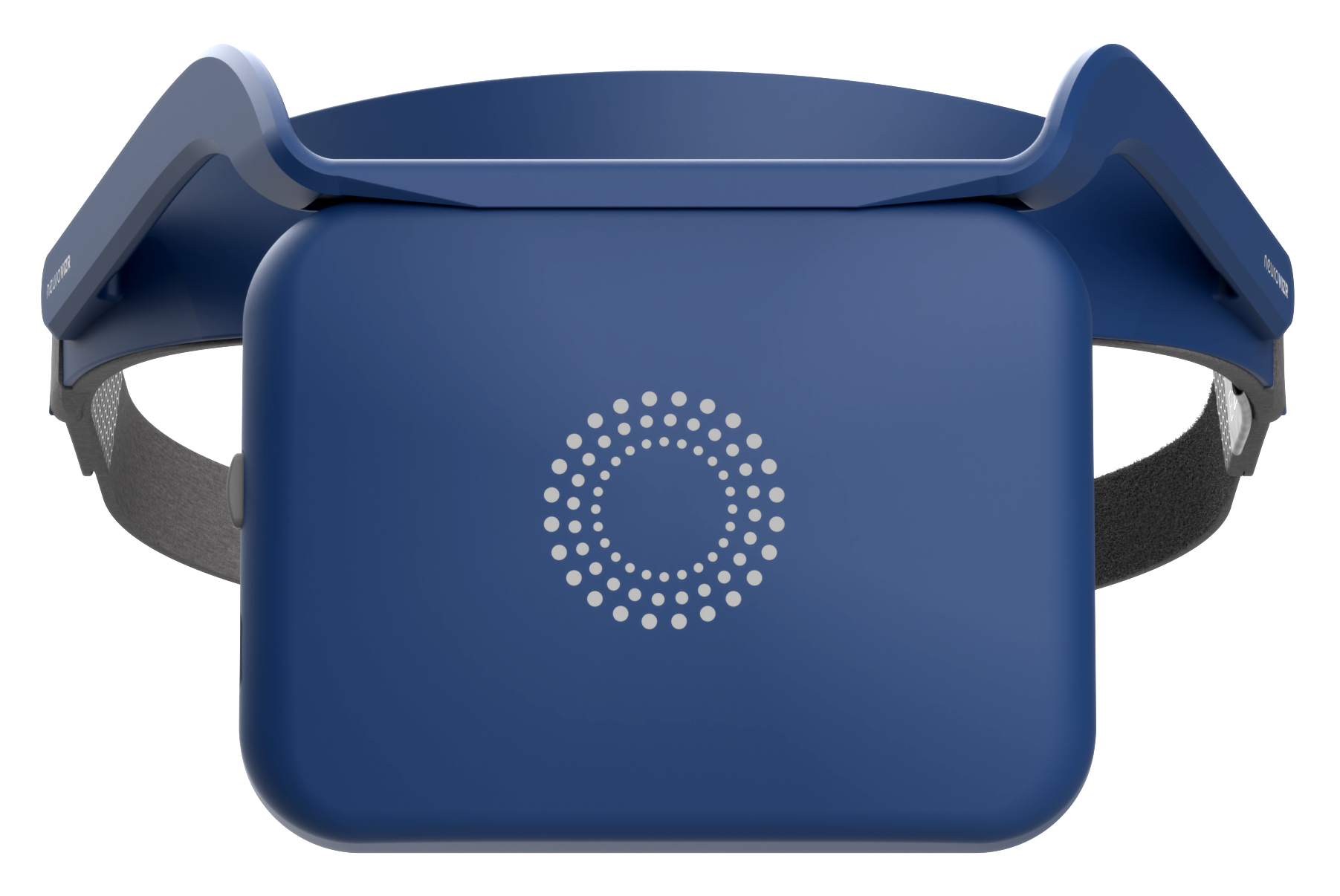
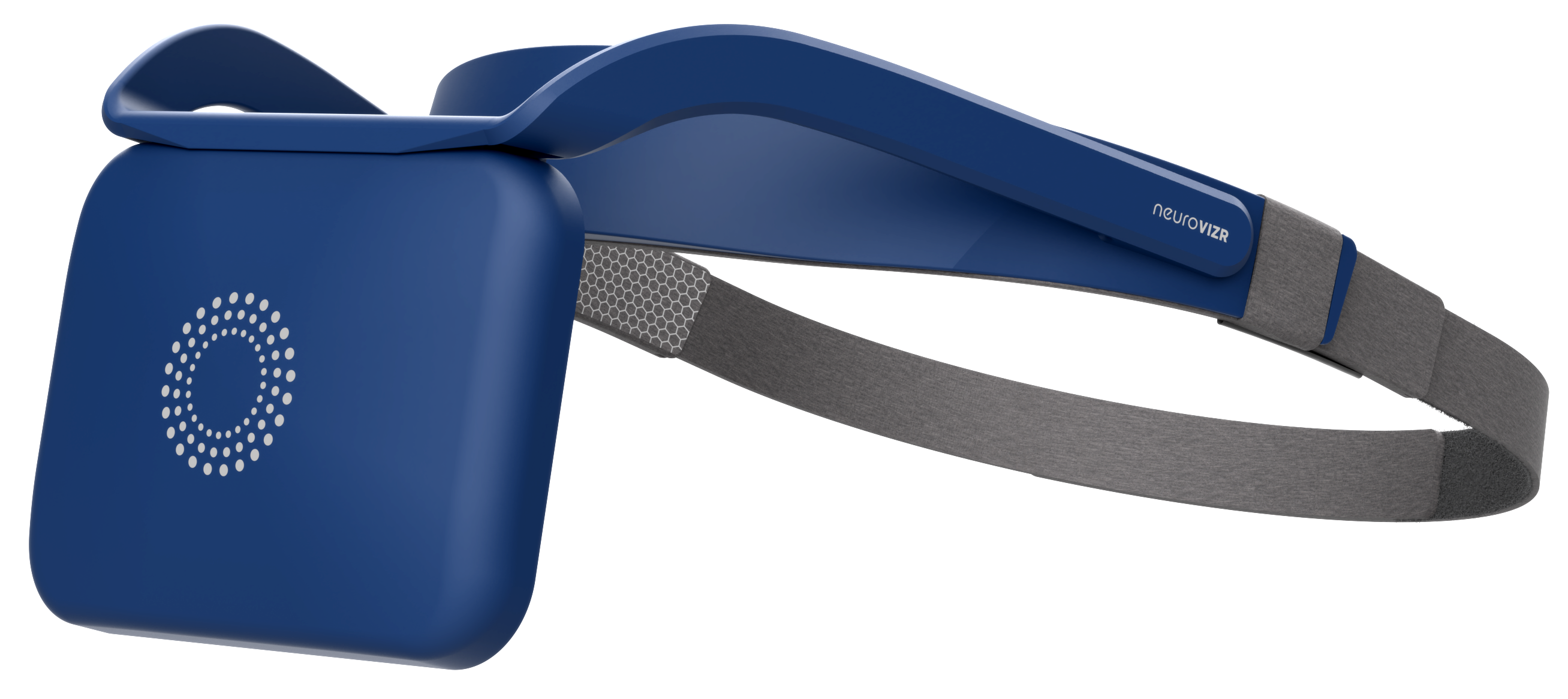
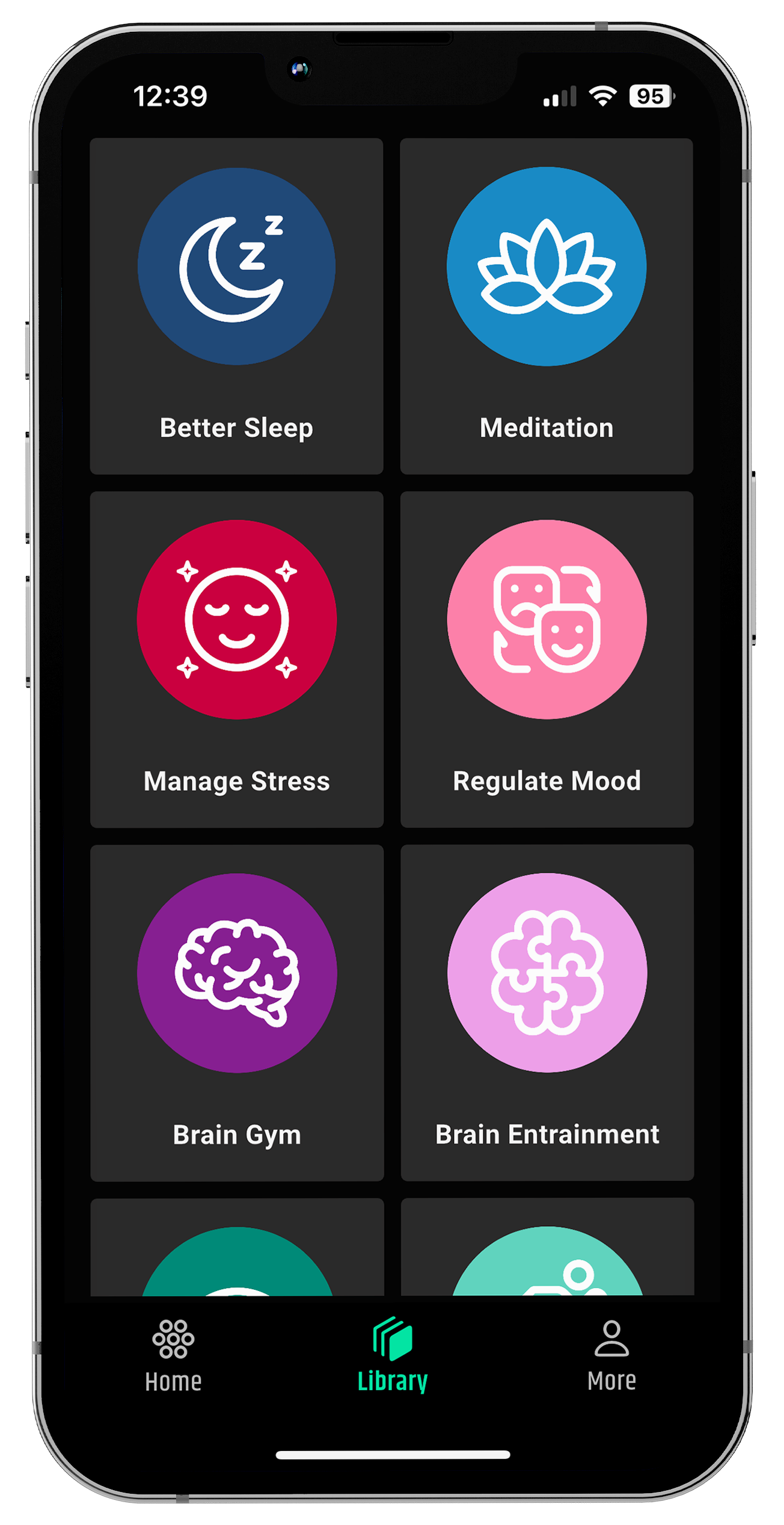
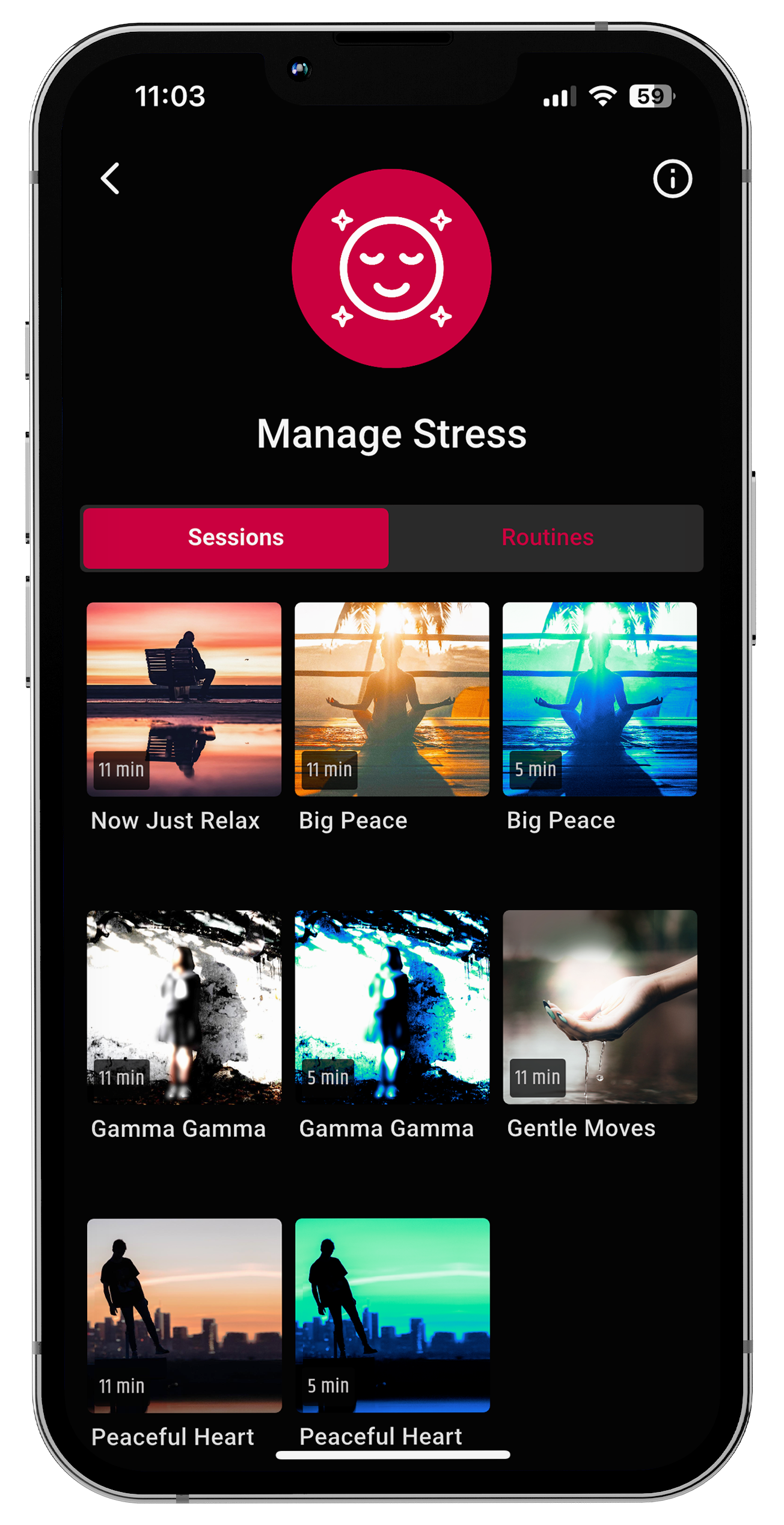
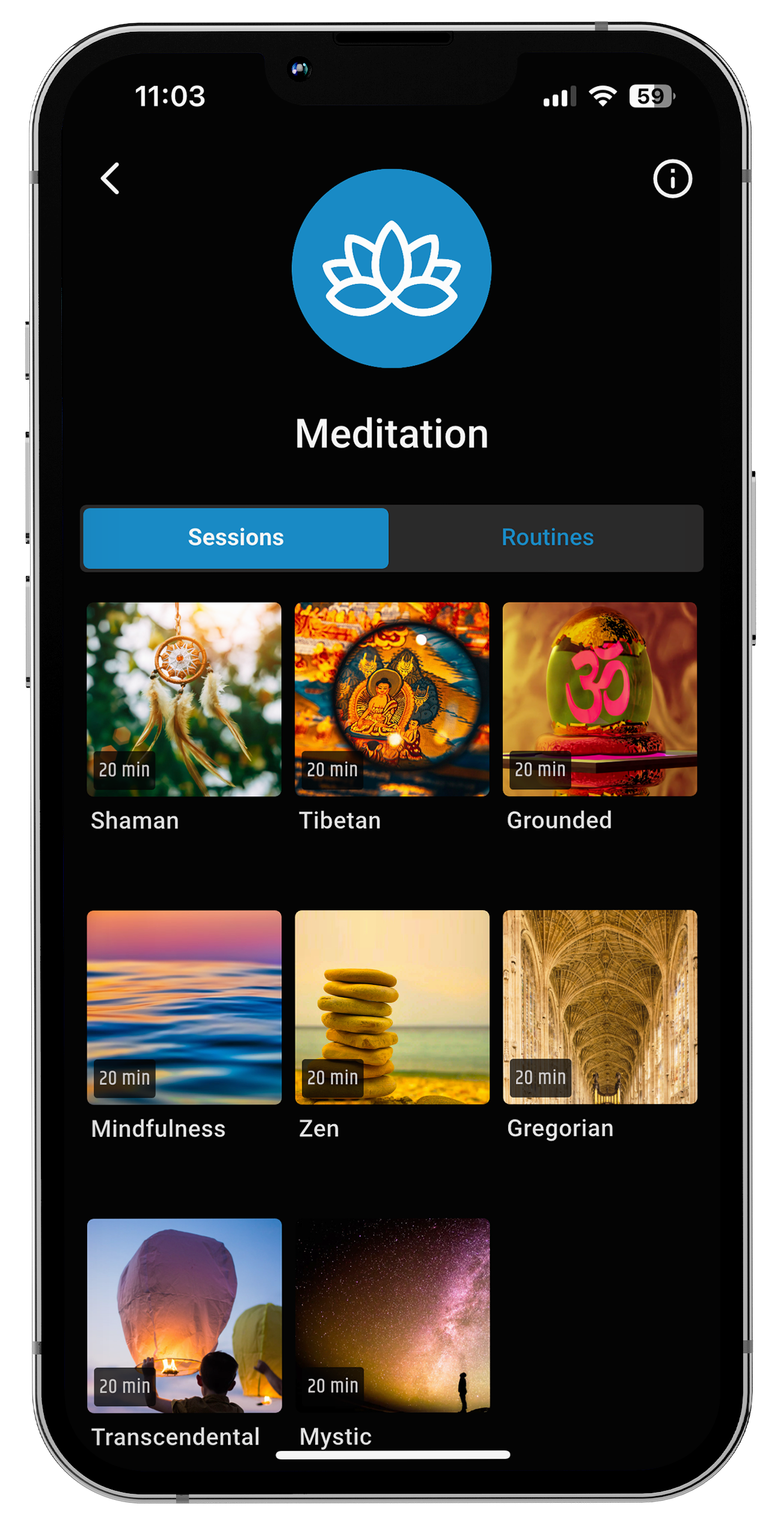
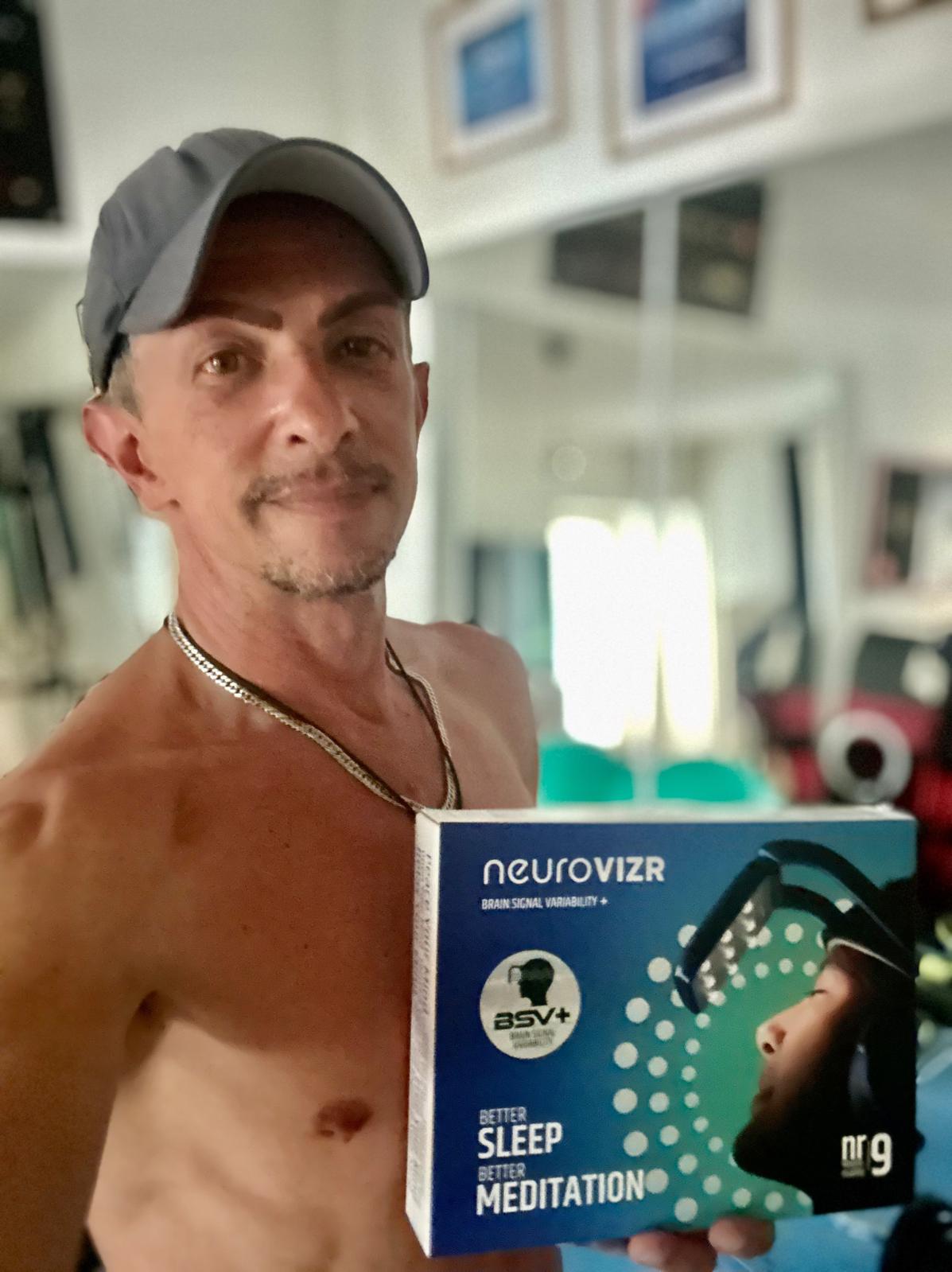
Our concept of mental wellness at neuroVIZR is done in this light, bringing neuroscience into real-world experiences that help you feel in control, flexible, and trusting your natural brain intelligence.
Since as the nervous system is supported,
sanity is revealed, creativity is revived, and sanity is a thing that you feel, not something you pursue.
FAQs
Why do I feel anxious or mentally overwhelmed even when nothing is “wrong”?
This often happens when the nervous system stays in a heightened state of alert. The brain may be responding to accumulated stress rather than present danger. It’s not a personal failure — it’s your nervous system prioritising protection over calm.
Is mental wellness about controlling thoughts?
Not exactly. Thought control alone rarely works when the nervous system is dysregulated. Mental wellness improves when regulation comes first — helping the brain feel safe so thoughts naturally slow, organise, and soften.
How does the nervous system affect mental health?
The nervous system constantly scans for safety or threat. When it senses safety, higher brain functions like clarity, creativity, and emotional balance are accessible. When it senses threat, survival responses take over, often impacting mood, focus, and sleep.
Can light and sound actually help mental wellness?
Yes — when used intentionally. The brain responds to rhythmic sensory input such as light and sound. These signals can help guide the nervous system out of hyper-alert states and support relaxation, focus, or recovery through natural neuroplastic processes.
Content Reference
-
Scientific References
-
Research Sources
-
Evidence-Based Sources
-
Neuroscience Research References
-
Academic & Scientific Sources
-
Peer-Reviewed Research
-
Research Foundations
-
Neuroscience & Mental Wellness Studies
Disclaimer
This article shares neuroscience-informed insights for mental wellness education. It does not constitute medical advice, diagnosis, or treatment.












Partager:
Mental Training for Athletes: How Your Brain Builds Focus, Flow, and Consistent Performance
Functional Neurological Disorder (FND)