

Mental Training for Athletes: How Your Brain Builds Focus, Flow, and Consistent Performance
  • Written by Gourav Rathore

Mental Training for Athletes: How Your Brain Builds Focus, Flow, and Consistent Performance

Every athlete knows the feeling: moments before a game, your body is ready, your training is solid, yet your mind starts spinning. Thoughts speed up. Focus blurs. A familiar pressure lands on your chest.
What’s happening here isn’t weakness, it's neuroscience.

Athletes spend years strengthening their muscles, building endurance, and refining technique. But performance doesn’t collapse because the body fails. It collapses when the brain shifts into survival mode. And when this happens, even the strongest athlete can feel suddenly disconnected from their own abilities.

Mental training isn’t motivation. It isn’t hype. It’s the art of learning how your brain behaves under pressure  and how to guide it back into clarity, flow, and presence.

Read More - sport psychology activities for athletes

What Does the Brain Do When Under Pressure?

There is a brain state behind every skill that you carry out, every movement that you make and every instinct that you believe in.

The amygdala (your inner alarm system) goes on when the stress level increases. It is natural - it is trying to save you. However, excessive activation robs the brain of the prefrontal cortex, its ability to concentrate on specific tasks, make decisions and perform actions peacefully.

It is because that in those times of high pressure you might find:

  • Overthinking

  • Inability to make fast decisions.

  • Knowing all to do but freezing anyway.

  • Finding that your body is not responding in the way that it normally does.

  • Losing rhythm or timing

The abilities remain but the brain has gone to the protection mode rather than the performance mode.

Athletes who are aware of this abandon the propensity of self-blame. They not only begin to train their muscles, but also their nervous system.

This shift is life-changing.

Another perspective that most athletic discussions lack is that mental toughness is developed at an early age. The long-term resilience developed by young athletes, especially, is as a result of learning to control pressure and emotion. When you work with youth athletes or even have one at home, these types of insights influence the development of confidence in them.

How Athletes Can Shift Into Focus and Flow

Mental training is not about controlling your thoughts. It’s about guiding your brain state.

Here are practical ways to shift your brain into clarity, confidence, and flow.

1. Pre-Performance Reset (2–5 minutes)

Before every performance, your job is to downshift the nervous system.
Why? Because calm brains make sharp decisions.

Simple ways to do this:

  • Slow breathing (longer exhales)

  • Lowering your visual field

  • Light + sound stimulation patterns that support calming brain rhythms

This quick reset prevents the amygdala from taking over.

2. Building Stable Focus

Focus isn’t a personality trait, it's a trainable neural circuit.

You can strengthen it through:

  • Short attention bursts

  • Visual tracking

  • Slow, rhythmic sensory input

  • Reducing cognitive load (too many thoughts = scattered execution)

Athletes often notice that when their senses become organized, their mind becomes organized too.

3. Flow Activation Ritual

Flow is the state where your body and brain feel synchronized. You aren’t thinking  you’re simply moving.

To enter flow more reliably:

  • Use a consistent ritual (breath → vision → intention)

  • Add rhythmic sensory cues

  • Reduce internal noise

  • Move into warm, predictable patterns before pushing intensity

Flow isn’t magic. It’s a pattern your brain learns to repeat.

4. Post-Performance Mental Recovery

What happens after practice or competition determines tomorrow’s performance.

Your brain needs:

  • Downshifting

  • Clearing mental residue

  • Resetting sensory tension

  • Rebalancing emotional load

Think of it like a cooldown for the nervous system essential for long-term consistency.

How Neurotechnology Supports Modern Mental Training

Athletes are starting to integrate neuroscience tools that support brain-state shifts more efficiently.
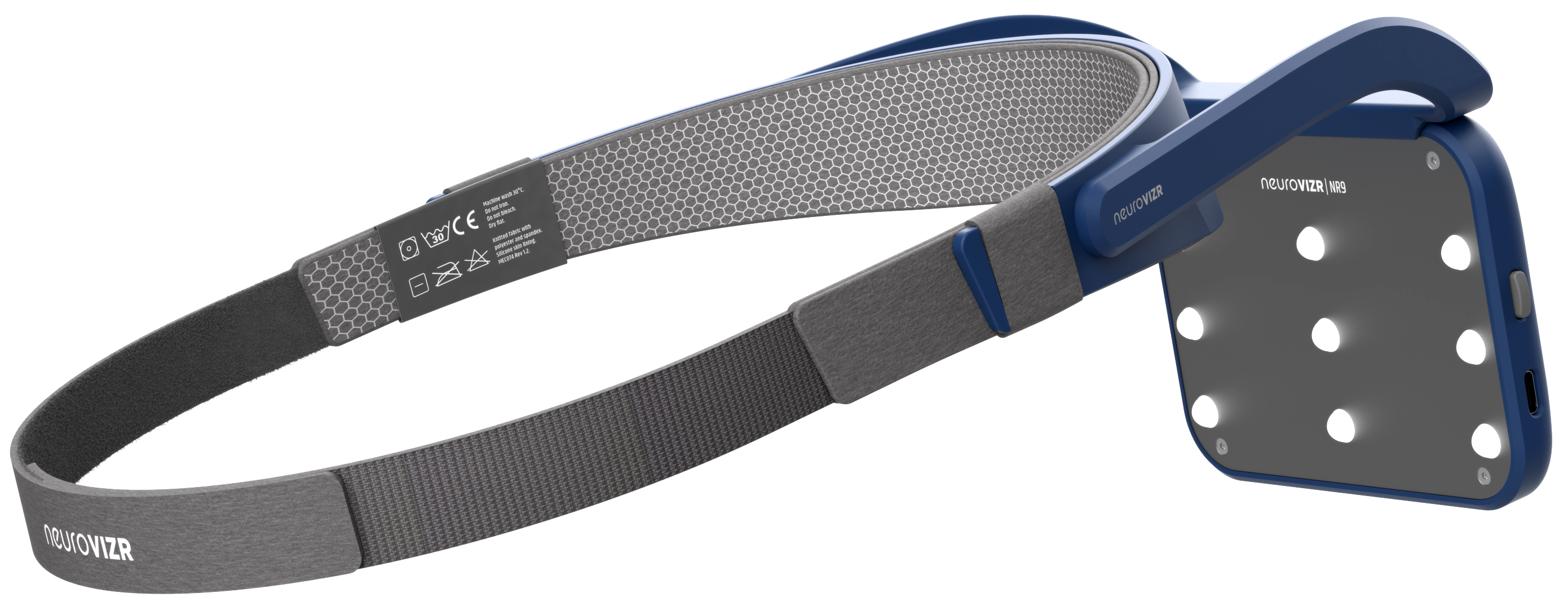
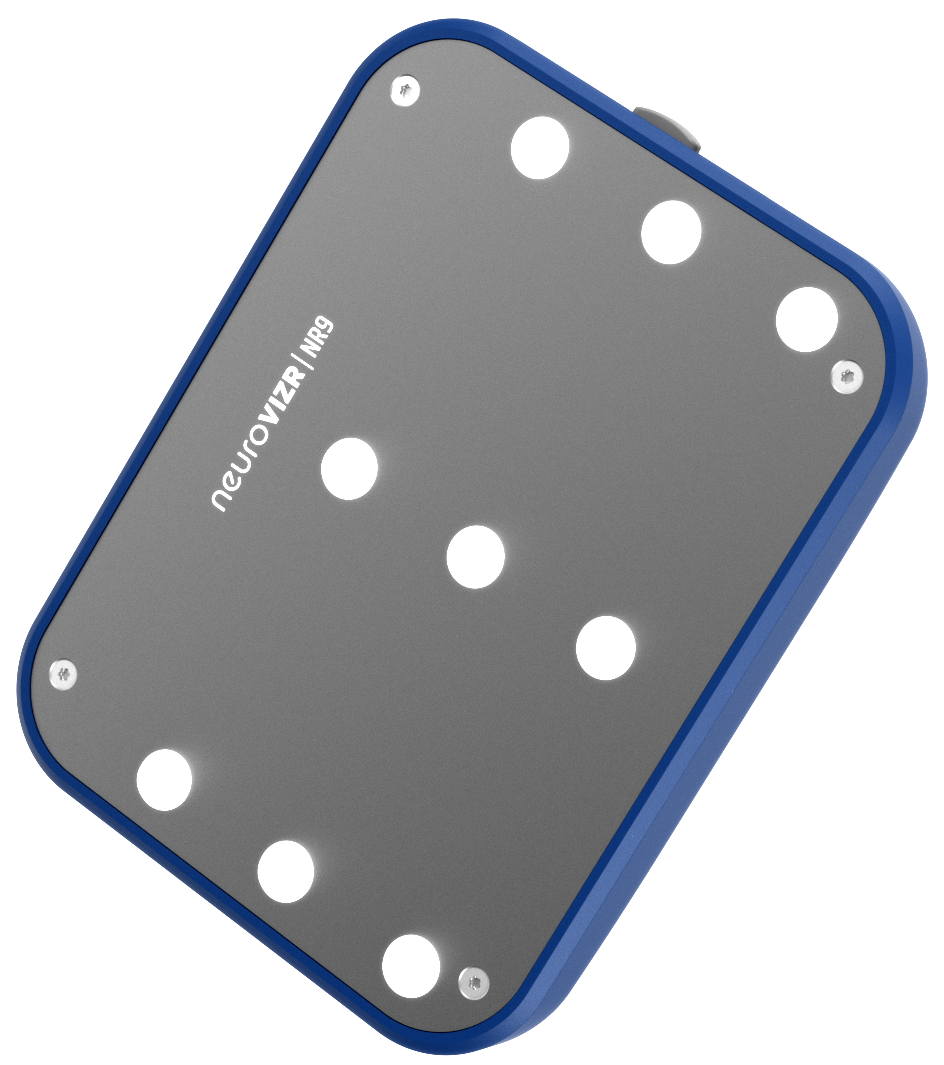
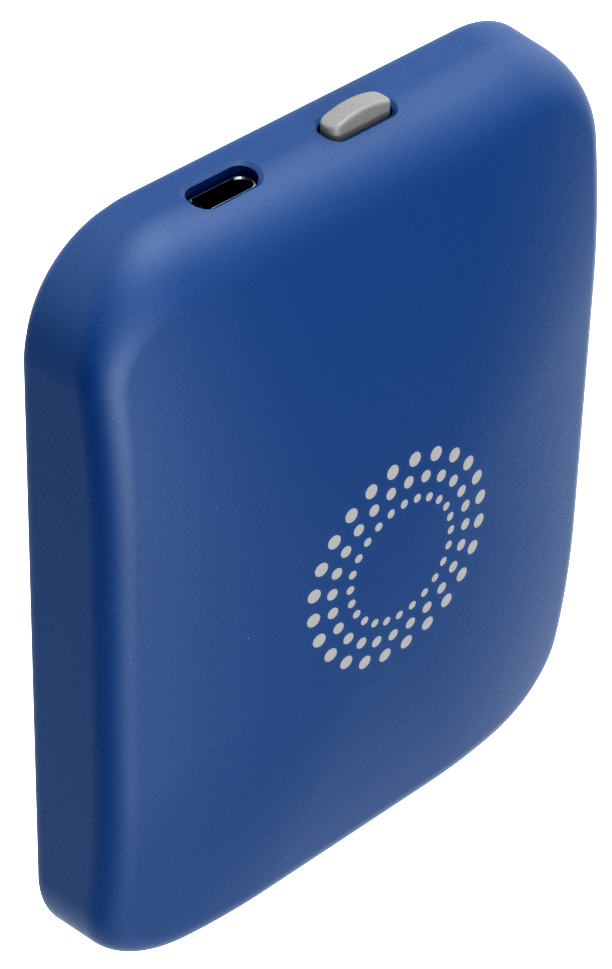
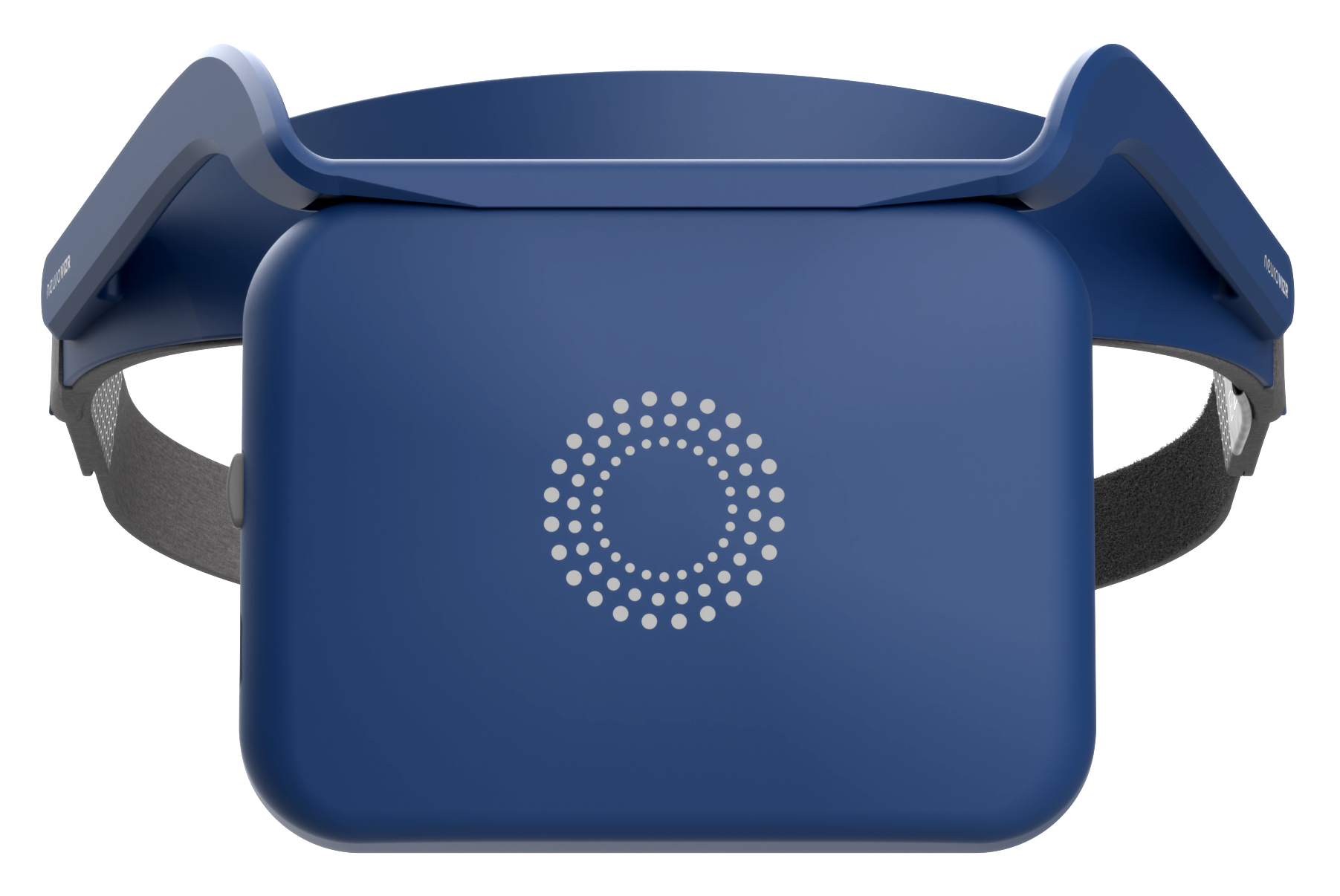
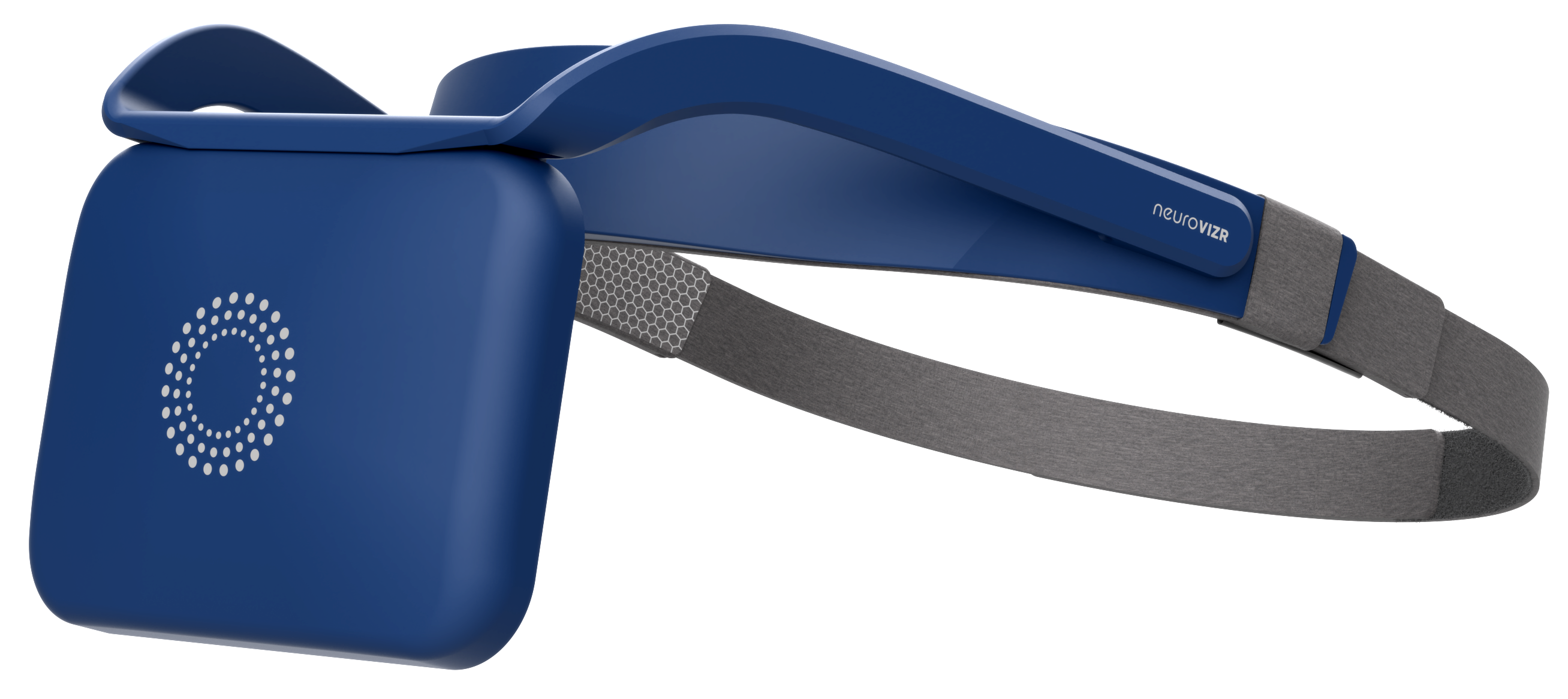
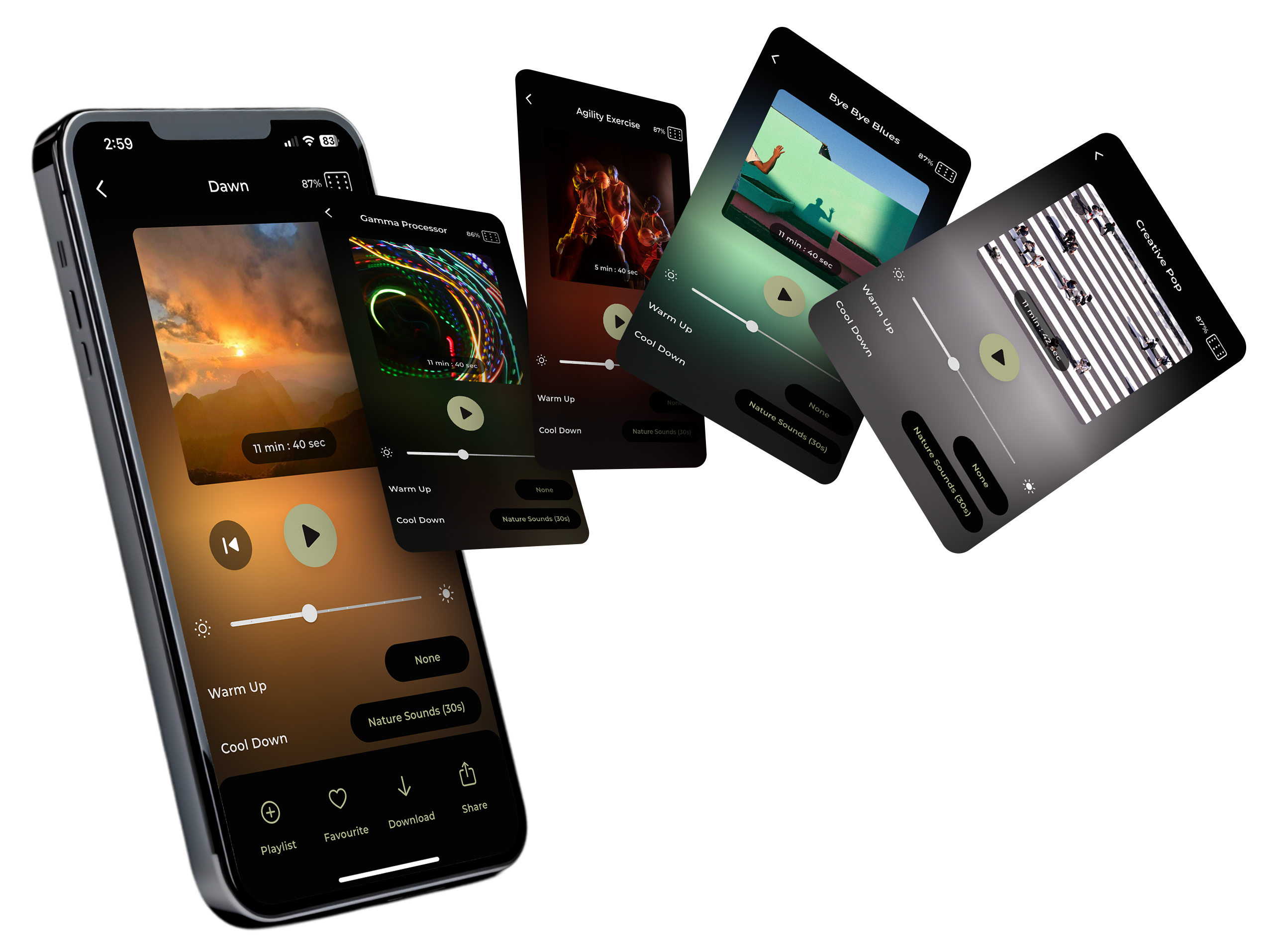
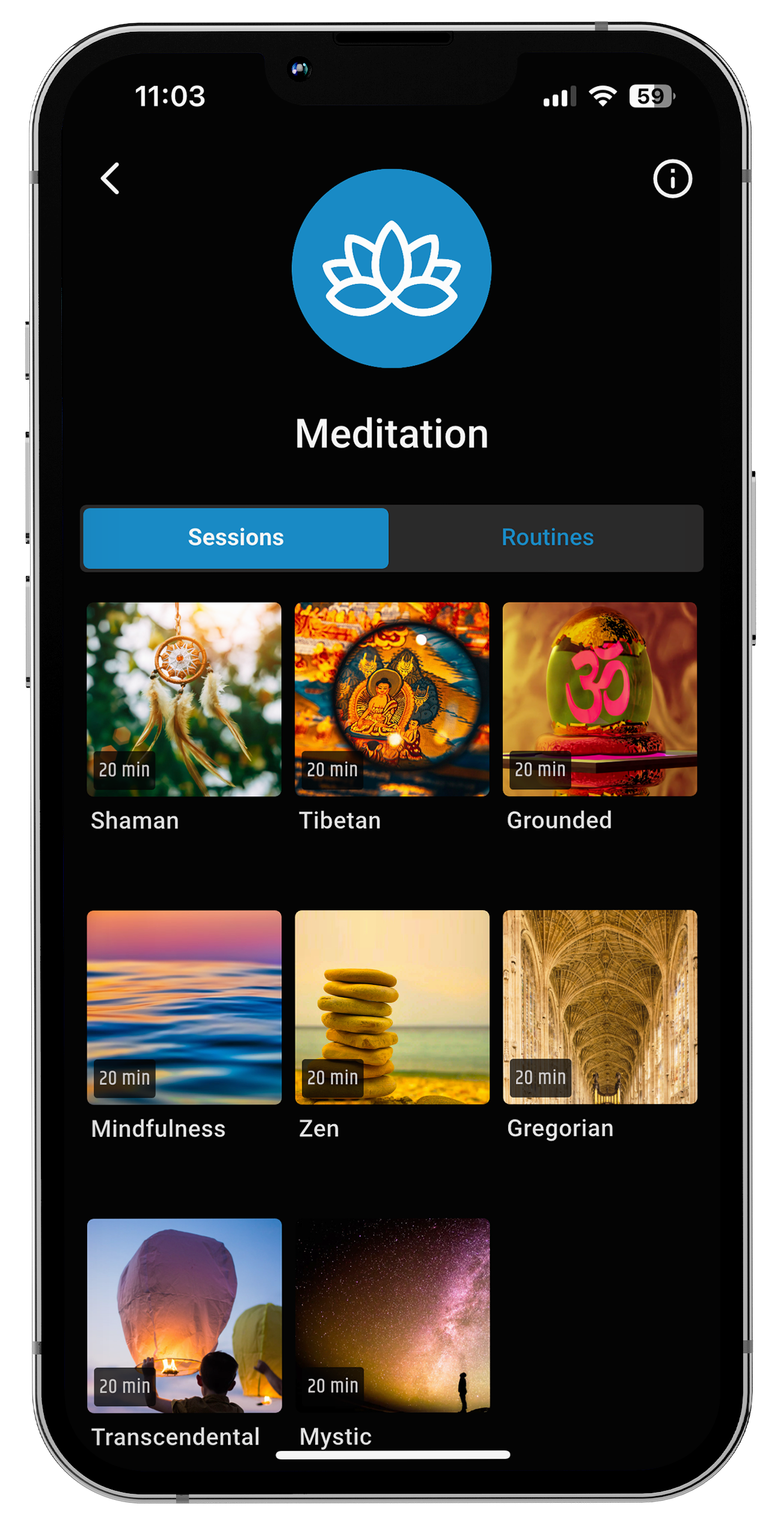
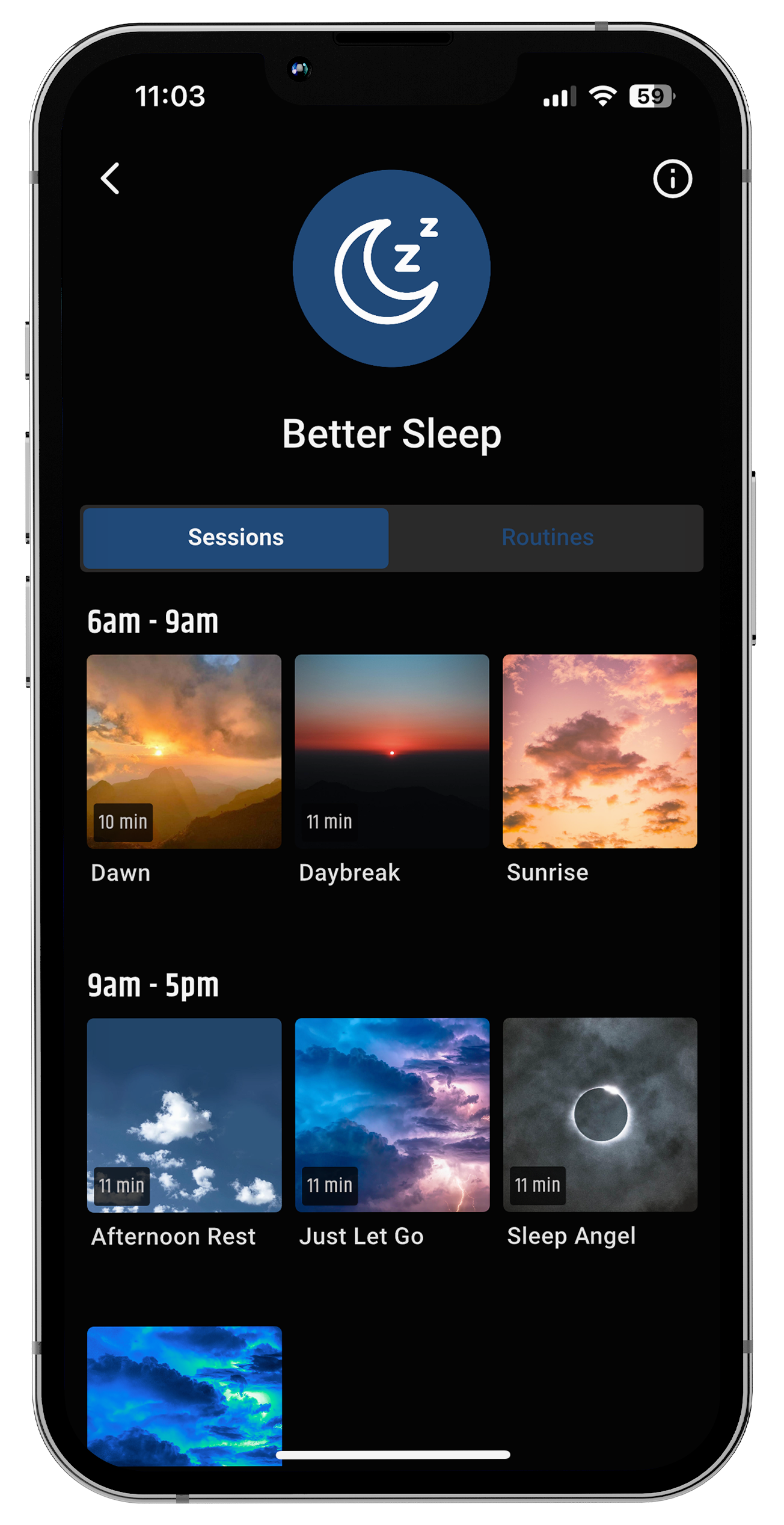
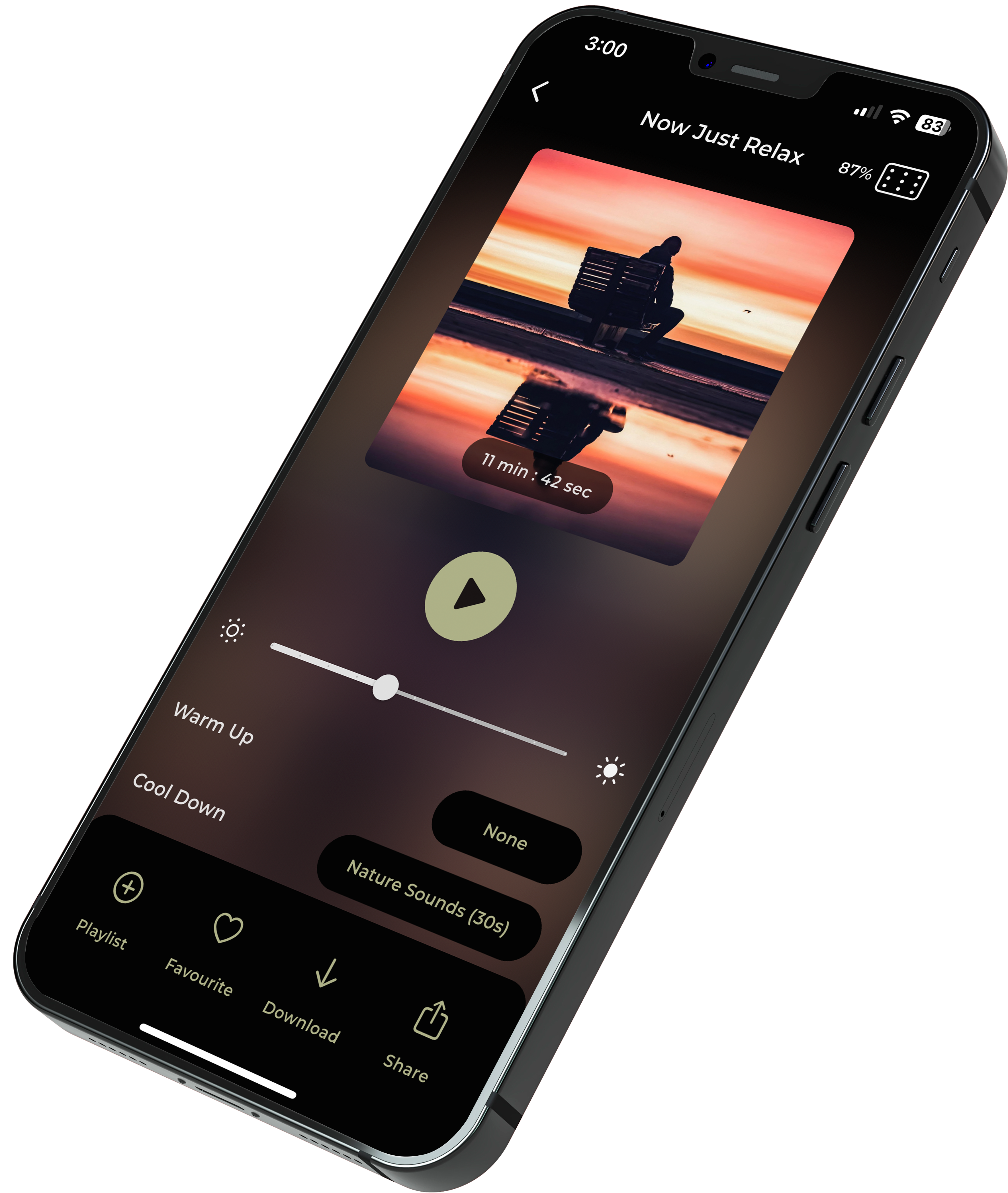
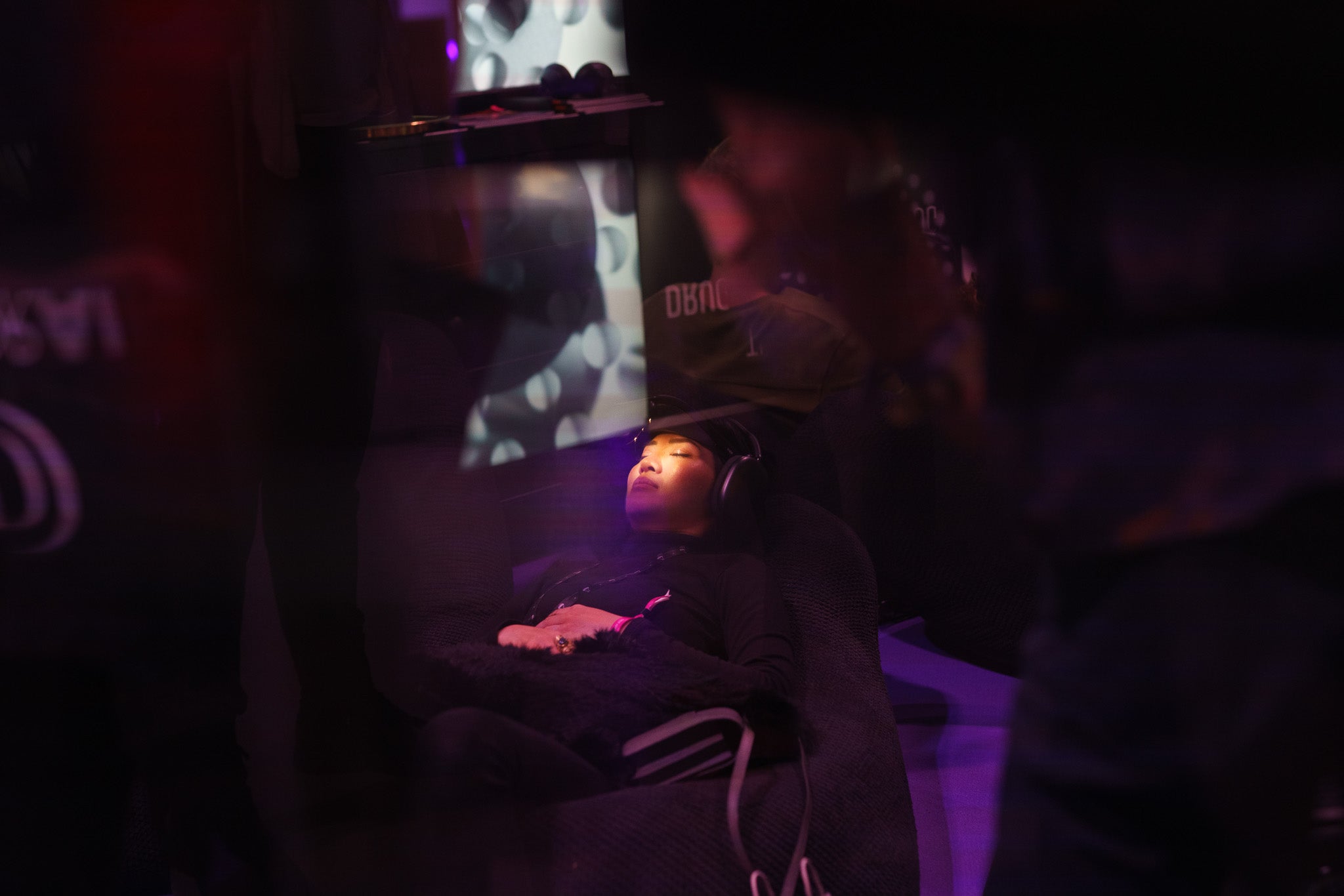
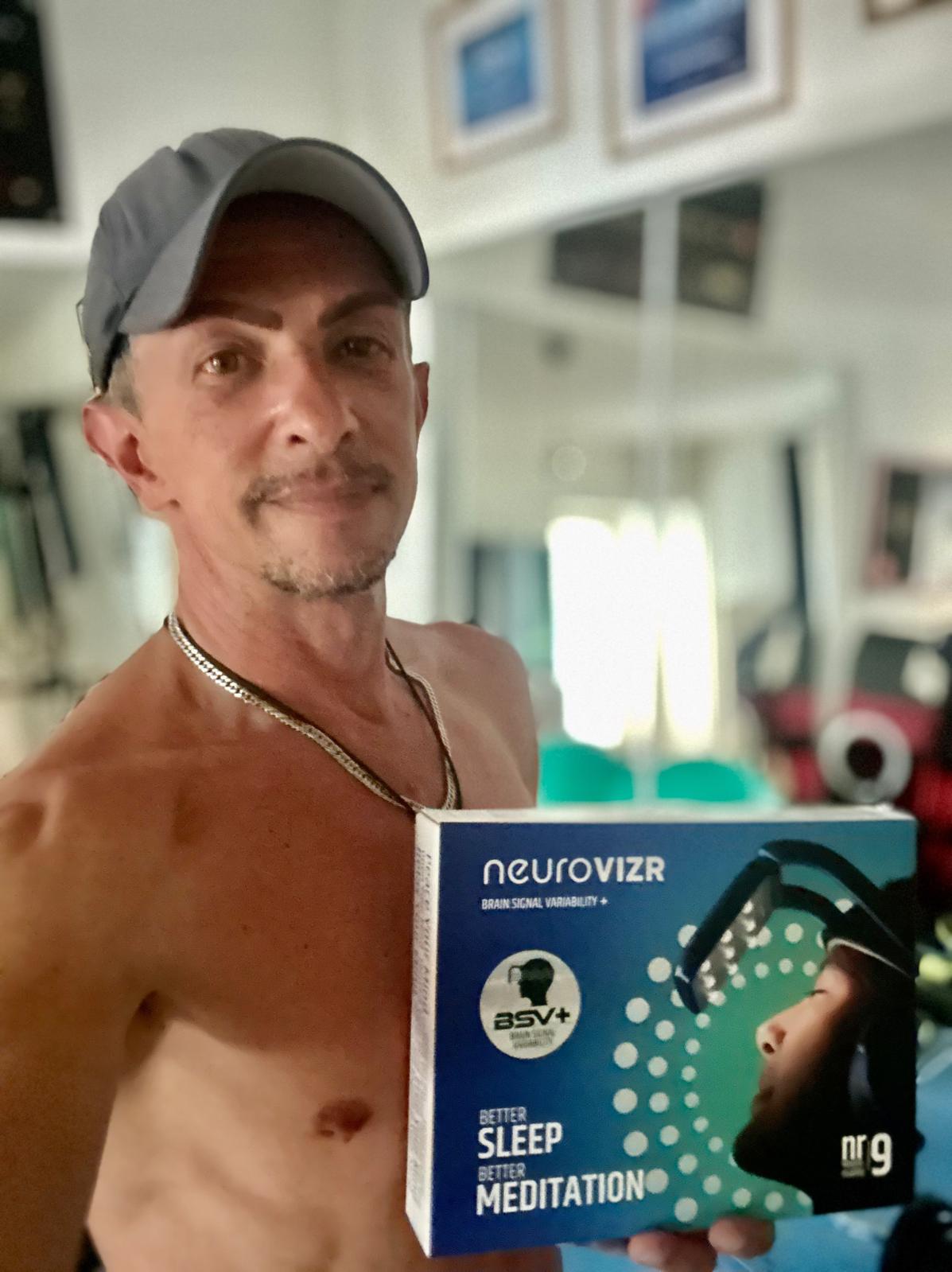
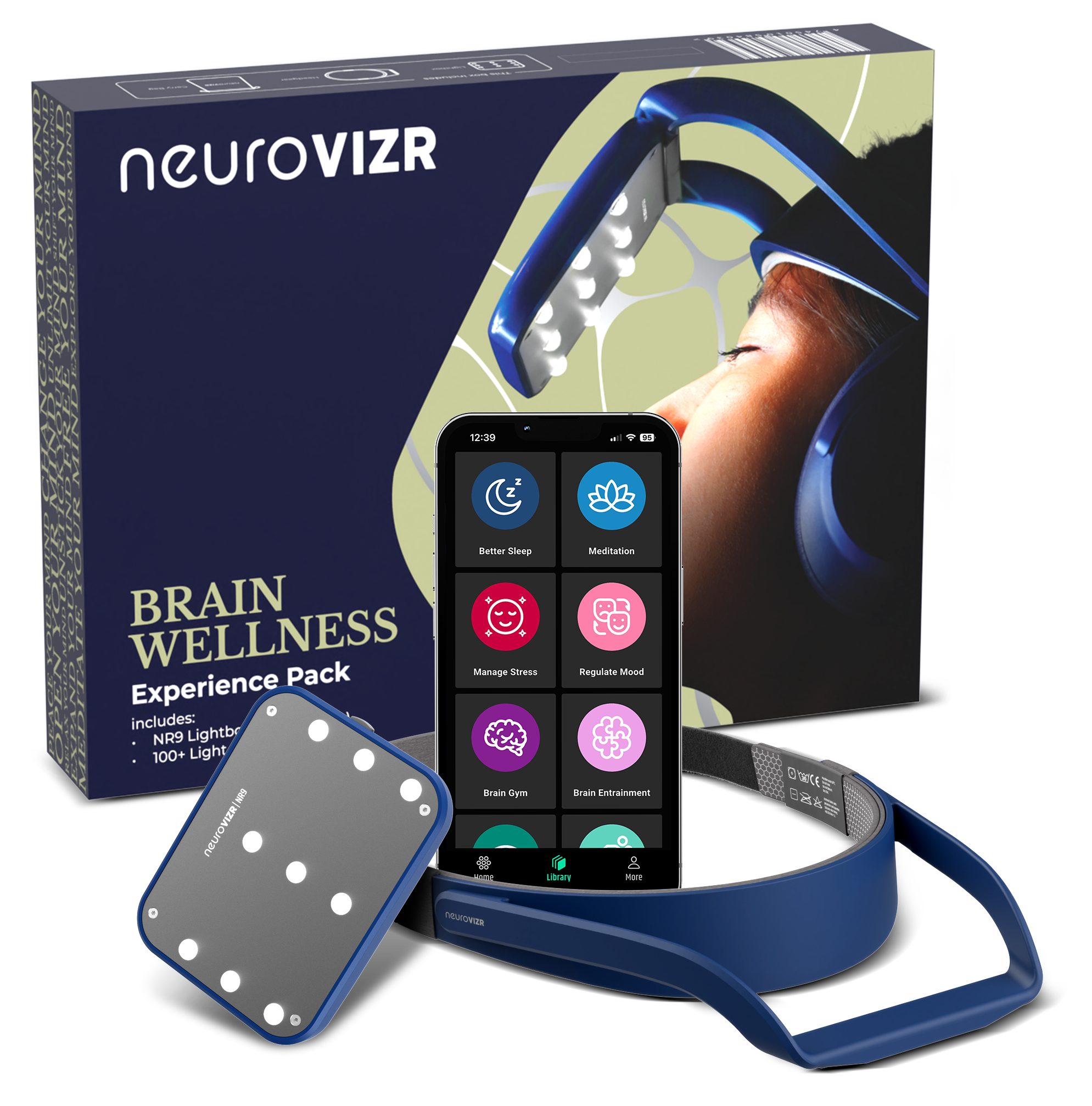
Light and sound stimulation devices, like neuroVIZR, offer sensory patterns that help the brain:

  • Move out of stress faster

  • Enter focus states more reliably

  • Build rhythm and mental stability

  • Recover after intense sessions

It’s not a replacement for training.
It’s a foundation for better training.

When the brain cooperates, the body follows.

The Transformation

Understanding your brain changes everything.

You stop fighting pressure.
You stop forcing focus.
You stop feeling disappointed in yourself.

Instead, you learn to:

  • Regulate the internal storm

  • Stabilize attention

  • Trust your instincts

  • Perform with clarity, not chaos

You realize your brain isn’t the thing holding you back, it's the key to unlocking your best.

Final Reflection

Your mind is not a barrier.
It’s your most responsive training partner.

And the more you understand its patterns, its stress signals, its rhythms, and its pathways  the more consistent, confident, and powerful your performance becomes.

At neuroVIZR, we help athletes train the internal state that shapes every external action supporting calm, focus, and peak mental readiness through science-backed light and sound experiences.

FAQs

What is mental training for athletes?

Mental training helps athletes regulate their brain state improving focus, emotional control, and performance consistency through science-based techniques.

Why do athletes lose focus under pressure?

High stress activates the brain’s alarm system, making decision-making and coordination harder even when skills are well-trained.

How does the brain influence athletic performance?

Your brain determines attention, reaction time, confidence, and flow state making it the core driver of reliable performance.

Can mental training improve flow?

Yes. When the nervous system is regulated and sensory input is stable, athletes enter flow more naturally and stay there longer.

How can neuroVIZR support athletes?

neuroVIZR uses light and sound stimulation to help the brain transition into calm, focused, and high-performance states more efficiently.

Disclaimer

This article is for educational purposes only and does not provide medical advice, diagnosis, or treatment. The information describes general brain-wellness concepts and should not be used as a substitute for professional medical guidance. If you have concerns about mental health, neurological conditions, or athletic performance issues, please consult a qualified healthcare provider. NeuroVIZR is a wellness technology designed for personal use and is not intended to treat or cure any medical condition.

Every athlete knows the feeling: moments before a game, your body is ready, your training is solid, yet your mind starts spinning. Thoughts speed up. Focus blurs. A familiar pressure lands on your chest.
What’s happening here isn’t weakness, it's neuroscience.

Athletes spend years strengthening their muscles, building endurance, and refining technique. But performance doesn’t collapse because the body fails. It collapses when the brain shifts into survival mode. And when this happens, even the strongest athlete can feel suddenly disconnected from their own abilities.

Mental training isn’t motivation. It isn’t hype. It’s the art of learning how your brain behaves under pressure  and how to guide it back into clarity, flow, and presence.

Read More - sport psychology activities for athletes

What Does the Brain Do When Under Pressure?

There is a brain state behind every skill that you carry out, every movement that you make and every instinct that you believe in.

The amygdala (your inner alarm system) goes on when the stress level increases. It is natural - it is trying to save you. However, excessive activation robs the brain of the prefrontal cortex, its ability to concentrate on specific tasks, make decisions and perform actions peacefully.

It is because that in those times of high pressure you might find:

  • Overthinking

  • Inability to make fast decisions.

  • Knowing all to do but freezing anyway.

  • Finding that your body is not responding in the way that it normally does.

  • Losing rhythm or timing

The abilities remain but the brain has gone to the protection mode rather than the performance mode.

Athletes who are aware of this abandon the propensity of self-blame. They not only begin to train their muscles, but also their nervous system.

This shift is life-changing.

Another perspective that most athletic discussions lack is that mental toughness is developed at an early age. The long-term resilience developed by young athletes, especially, is as a result of learning to control pressure and emotion. When you work with youth athletes or even have one at home, these types of insights influence the development of confidence in them.

How Athletes Can Shift Into Focus and Flow

Mental training is not about controlling your thoughts. It’s about guiding your brain state.

Here are practical ways to shift your brain into clarity, confidence, and flow.

1. Pre-Performance Reset (2–5 minutes)

Before every performance, your job is to downshift the nervous system.
Why? Because calm brains make sharp decisions.

Simple ways to do this:

  • Slow breathing (longer exhales)

  • Lowering your visual field

  • Light + sound stimulation patterns that support calming brain rhythms

This quick reset prevents the amygdala from taking over.

2. Building Stable Focus

Focus isn’t a personality trait, it's a trainable neural circuit.

You can strengthen it through:

  • Short attention bursts

  • Visual tracking

  • Slow, rhythmic sensory input

  • Reducing cognitive load (too many thoughts = scattered execution)

Athletes often notice that when their senses become organized, their mind becomes organized too.

3. Flow Activation Ritual

Flow is the state where your body and brain feel synchronized. You aren’t thinking  you’re simply moving.

To enter flow more reliably:

  • Use a consistent ritual (breath → vision → intention)

  • Add rhythmic sensory cues

  • Reduce internal noise

  • Move into warm, predictable patterns before pushing intensity

Flow isn’t magic. It’s a pattern your brain learns to repeat.

4. Post-Performance Mental Recovery

What happens after practice or competition determines tomorrow’s performance.

Your brain needs:

  • Downshifting

  • Clearing mental residue

  • Resetting sensory tension

  • Rebalancing emotional load

Think of it like a cooldown for the nervous system essential for long-term consistency.

How Neurotechnology Supports Modern Mental Training

Athletes are starting to integrate neuroscience tools that support brain-state shifts more efficiently.
Light and sound stimulation devices, like neuroVIZR, offer sensory patterns that help the brain:

  • Move out of stress faster

  • Enter focus states more reliably

  • Build rhythm and mental stability

  • Recover after intense sessions

It’s not a replacement for training.
It’s a foundation for better training.

When the brain cooperates, the body follows.

The Transformation

Understanding your brain changes everything.

You stop fighting pressure.
You stop forcing focus.
You stop feeling disappointed in yourself.

Instead, you learn to:

  • Regulate the internal storm

  • Stabilize attention

  • Trust your instincts

  • Perform with clarity, not chaos

You realize your brain isn’t the thing holding you back, it's the key to unlocking your best.

Final Reflection

Your mind is not a barrier.
It’s your most responsive training partner.

And the more you understand its patterns, its stress signals, its rhythms, and its pathways  the more consistent, confident, and powerful your performance becomes.

At neuroVIZR, we help athletes train the internal state that shapes every external action supporting calm, focus, and peak mental readiness through science-backed light and sound experiences.

FAQs

What is mental training for athletes?

Mental training helps athletes regulate their brain state improving focus, emotional control, and performance consistency through science-based techniques.

Why do athletes lose focus under pressure?

High stress activates the brain’s alarm system, making decision-making and coordination harder even when skills are well-trained.

How does the brain influence athletic performance?

Your brain determines attention, reaction time, confidence, and flow state making it the core driver of reliable performance.

Can mental training improve flow?

Yes. When the nervous system is regulated and sensory input is stable, athletes enter flow more naturally and stay there longer.

How can neuroVIZR support athletes?

neuroVIZR uses light and sound stimulation to help the brain transition into calm, focused, and high-performance states more efficiently.

Disclaimer

This article is for educational purposes only and does not provide medical advice, diagnosis, or treatment. The information describes general brain-wellness concepts and should not be used as a substitute for professional medical guidance. If you have concerns about mental health, neurological conditions, or athletic performance issues, please consult a qualified healthcare provider. NeuroVIZR is a wellness technology designed for personal use and is not intended to treat or cure any medical condition.

Améliorez votre clarté mentale avec neuroVIZR