

Sport Psychology Activities for Athletes
  • Written by Gourav Rathore

Sport Psychology Activities for Athletes

Physical ability is half the task in contemporary sport. It is the other half that is the silent yet decisive element, the mind of the athlete. Confidence, concentration, emotional composure and toughness are capable of changing the result of a contest as much as speed or power. However, there are a lot of athletes who consider doing mental training optional instead of mandatory.

The inner game is offered with systematic training at sport psychology activities. They assist in controlling the nervous system, enhance attention, decrease anxiety in performing and develop a mindset that is capable of dealing with pressure. The following are practical and evidence-based activities that athletes can apply in their daily routines (warm-ups, training sessions, and other routines before competitions) in order to optimize performance, both internally and externally.

Read more - Mental Toughness for Young Athletes

Mental Rehearsal: Brain-Training First, Body Second.

One of the most extensively researched sport psychology tools is visualization (alternatively, mental rehearsal). As an athlete pictures him or herself executing a movement, the sound of the ground, the beat of the breath, the sensation of acceleration, the brain is triggered to activate neural pathways that are like those triggered during physical performance.

How to practice:

Sit quietly for 3–5 minutes.

Imagine a new performance situation: the starting line, court, the field.

Visualize yourself performing your competencies with accuracy and composed effervescence.

Finish with a success snapshotthe point that you leave on a high note.

Why it works:

This prepares the motor cortex, alleviates anxiety, and creates a feeling of familiarity prior to the actual occurrence even before it occurs.

Breathwork Reset: Mastering Your Internal Pace

Nerves are natural. But unmanaged nervous-system activation disturbs timing, decision-making, and confidence. Breathwork techniques help athletes switch out of fight-or-flight and back into optimal performance zones.

Box Breathing (4-4-4-4)
Inhale 4 seconds → Hold 4 → Exhale 4 → Hold 4
Repeat for 5 cycles.

Even a 60-second breath reset can steady the heart rate and sharpen focus.

Why it works:
Controlled breathing stimulates the vagus nerve, improving emotional control and reducing impulsive or anxious reactions  crucial during high-pressure moments.

Self-Talk Scripts: Rewriting Internal Dialogue

Every athlete has an internal narrator. For some, it’s encouraging; for others, it becomes a source of doubt. Self-talk scripts help replace negative chatter with deliberate, performance-enhancing cues.

Examples:
“Stay sharp.”
“One point at a time.”
“Strong body, clear mind.”

How to use:
Choose 2–3 personal cue phrases.
Repeat them during warm-ups, moments of pressure, or after mistakes.
Over time, these scripts become automatic anchors.

Focus Anchoring: Returning Attention on Command

Distraction is one of the biggest performance killers. But attention is trainable. Focus anchoring teaches athletes to quickly redirect attention when the mind drifts.

Activity:
Pick a simple anchor - breath, foot contact, grip, posture, or a visual point.
Every time attention wanders, return to the anchor without judgment.
Practice in 2-minute intervals during warm-ups.

This builds mental agility and the ability to “reset” rapidly in competition.

The Confidence Timeline: Rebuilding Trust in Yourself

Confidence isn’t created out of thin air, it’s built from remembered evidence. The Confidence Timeline helps athletes reconnect with their best moments and reinforce internal belief.

How to practice:
Write down 5 past performances you’re proud of.
Identify:
– What you did well
– What mindset you had
– What made it work
Review before training or competition.

This shifts the mind from fear to capability, reminding athletes that excellence is repeatable.

Stress–Energy Mapping: Understanding Your Performance State

Athletes often push harder when they actually need to regulate. Stress–energy mapping gives them a quick way to understand where they are and what they need.

Draw a simple grid:

  • High energy / low energy

  • Positive / negative

Place your current state on the chart.
Then choose one strategy: breathwork, pacing, positive self-talk to shift toward “positive high energy.”

This helps athletes build emotional intelligence alongside physical intelligence.

Mindfulness Drills: Staying Present in Fast Games

Fast reactions require a quiet mind. Mindfulness trains present-moment awareness so athletes can recover quickly after mistakes and stay locked into the play.

3-minute drill:
1 min noticing sounds
1 min noticing breath
1 min noticing body sensations

This trains the ability to reset attention rapidly during competition.

Goal Ladder: How to Close Big Goals into Daily Wins.

Great goals will cause stress. Goal Ladder divides them into short, inspiring steps.

Example:

  • Primary objective: to make progress on sprint start.

  • Weekly: 3 methodical classes.

  • Day-to-day: 5 explosive reps and 1 video analysis.

  • Session-level: Single intention (e.g., react faster to the first movement).

  • Sometimes little steady gains lead to great leaps.

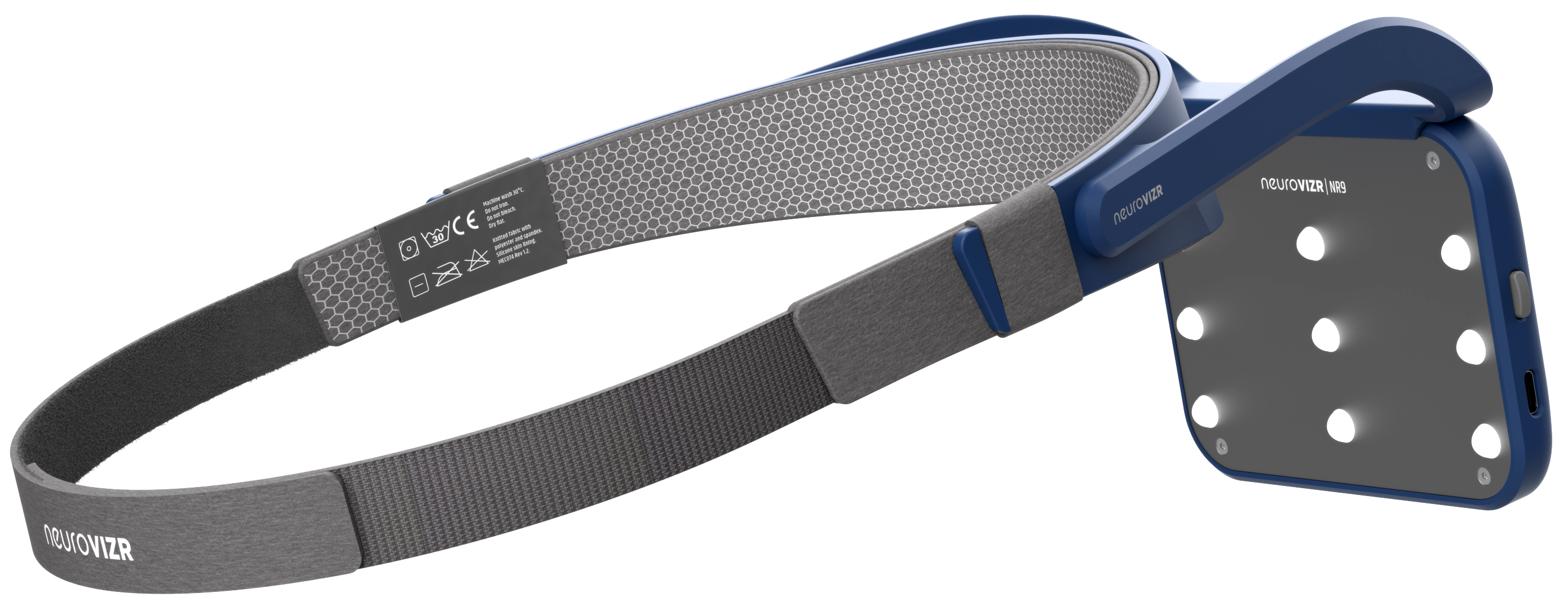
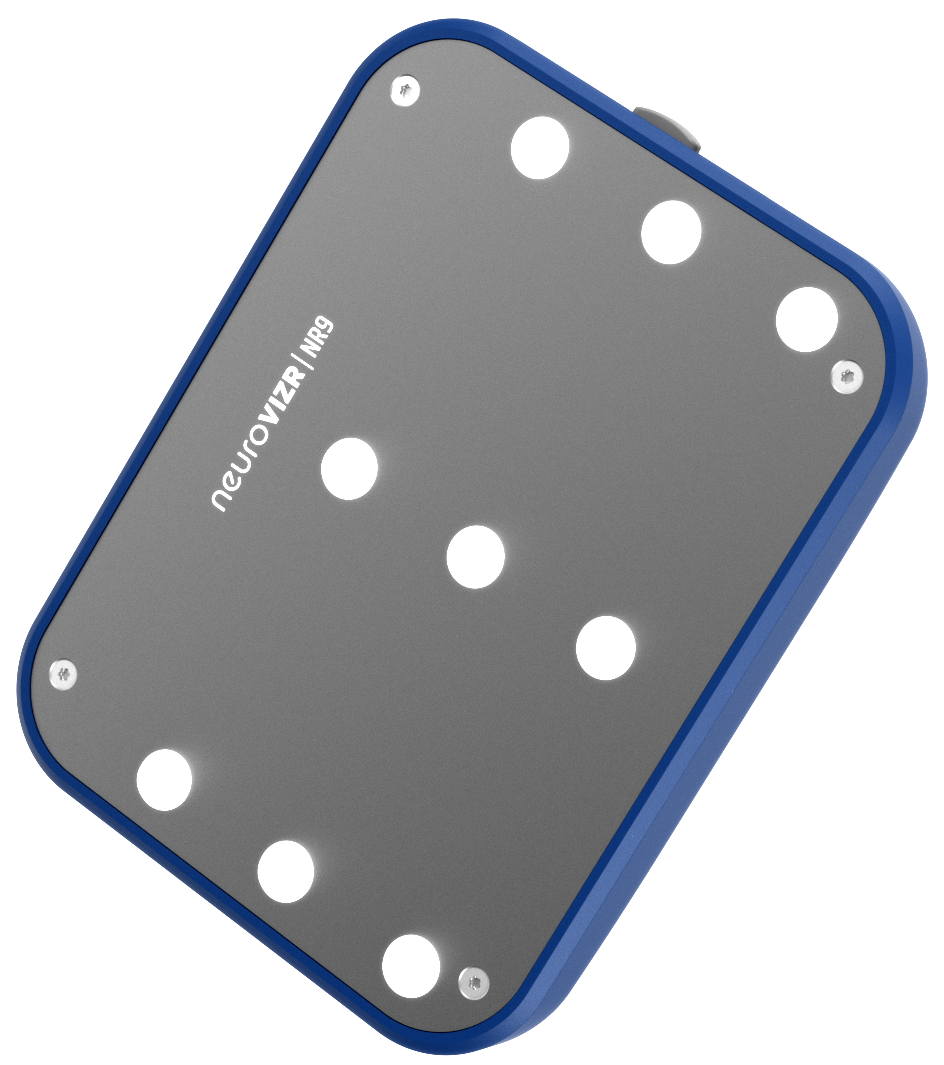
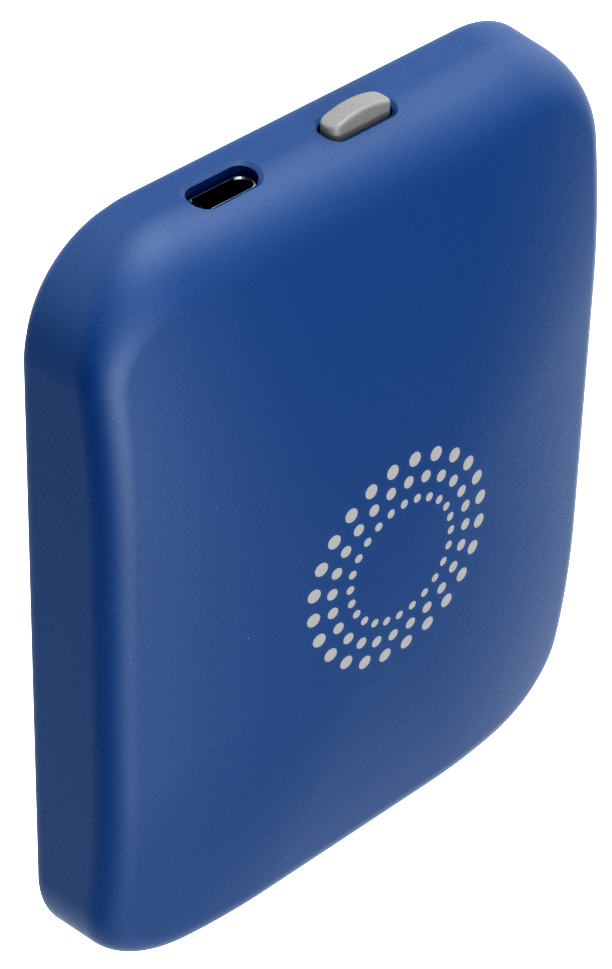
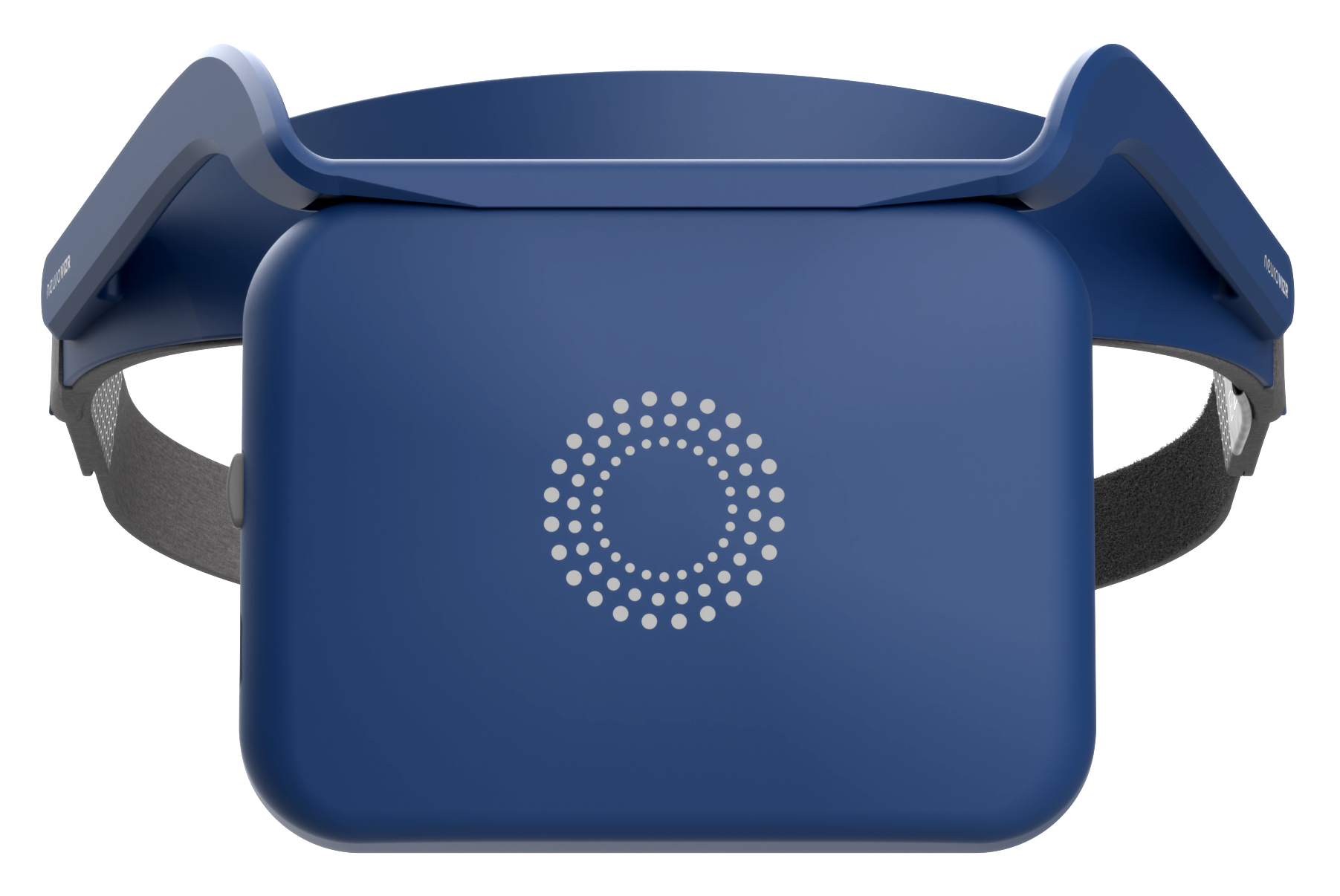
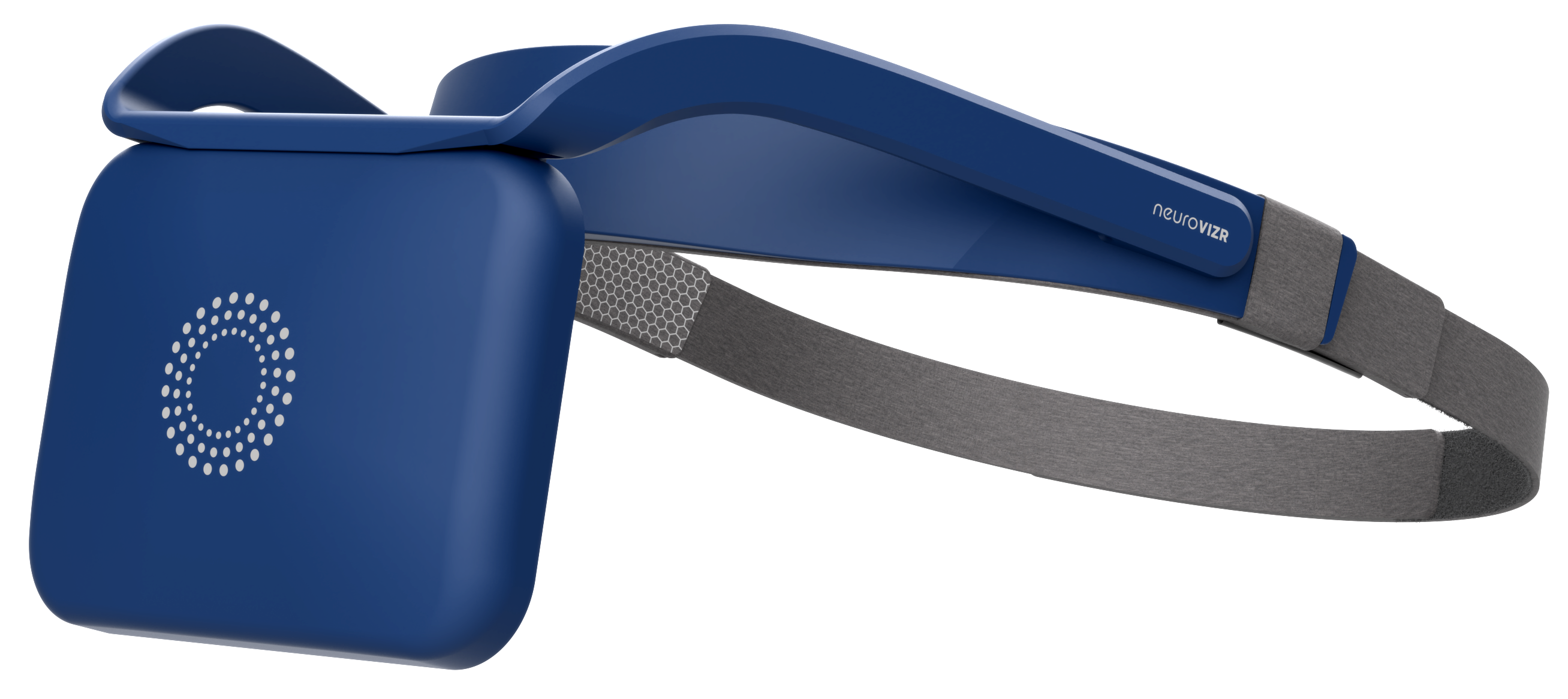
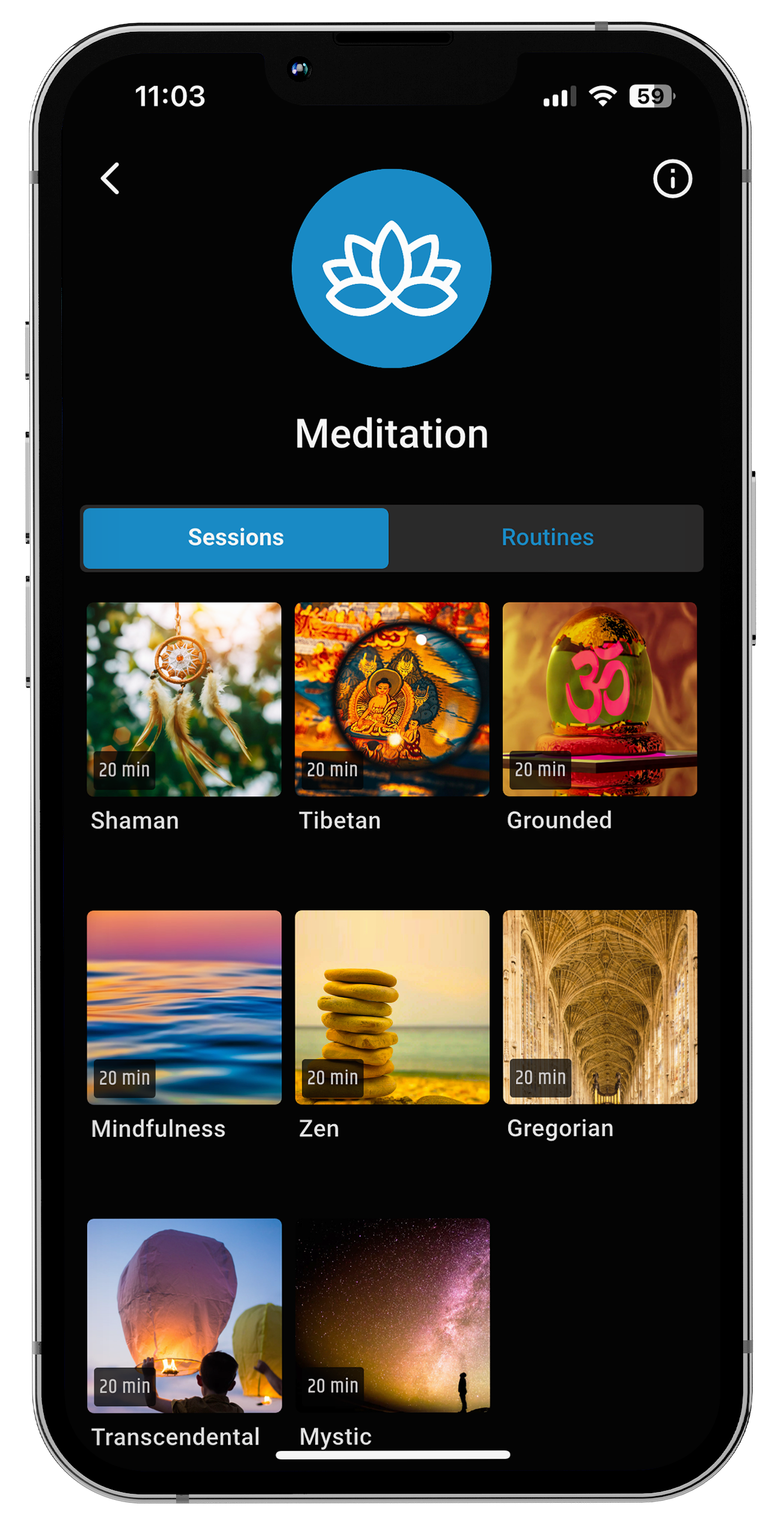
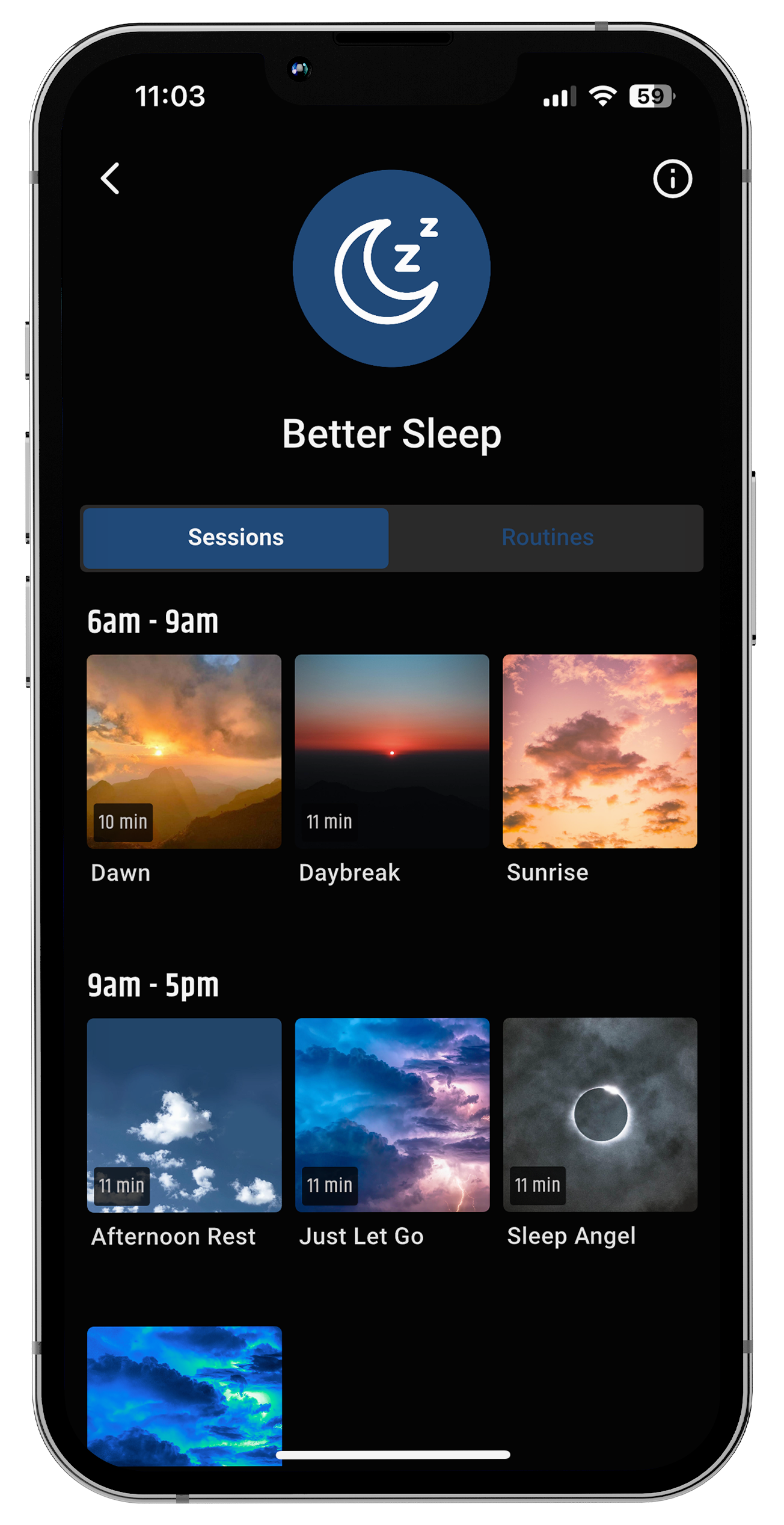
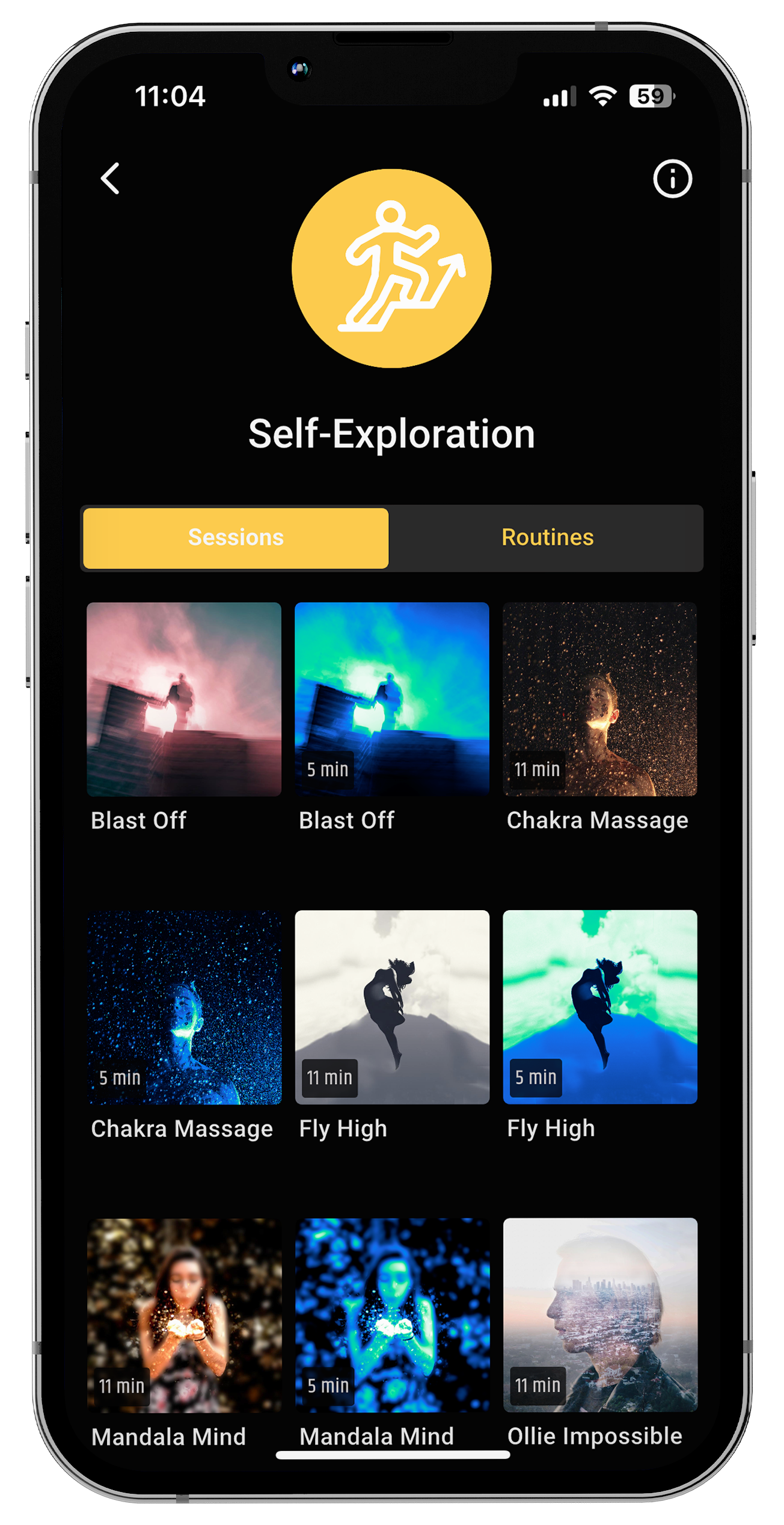
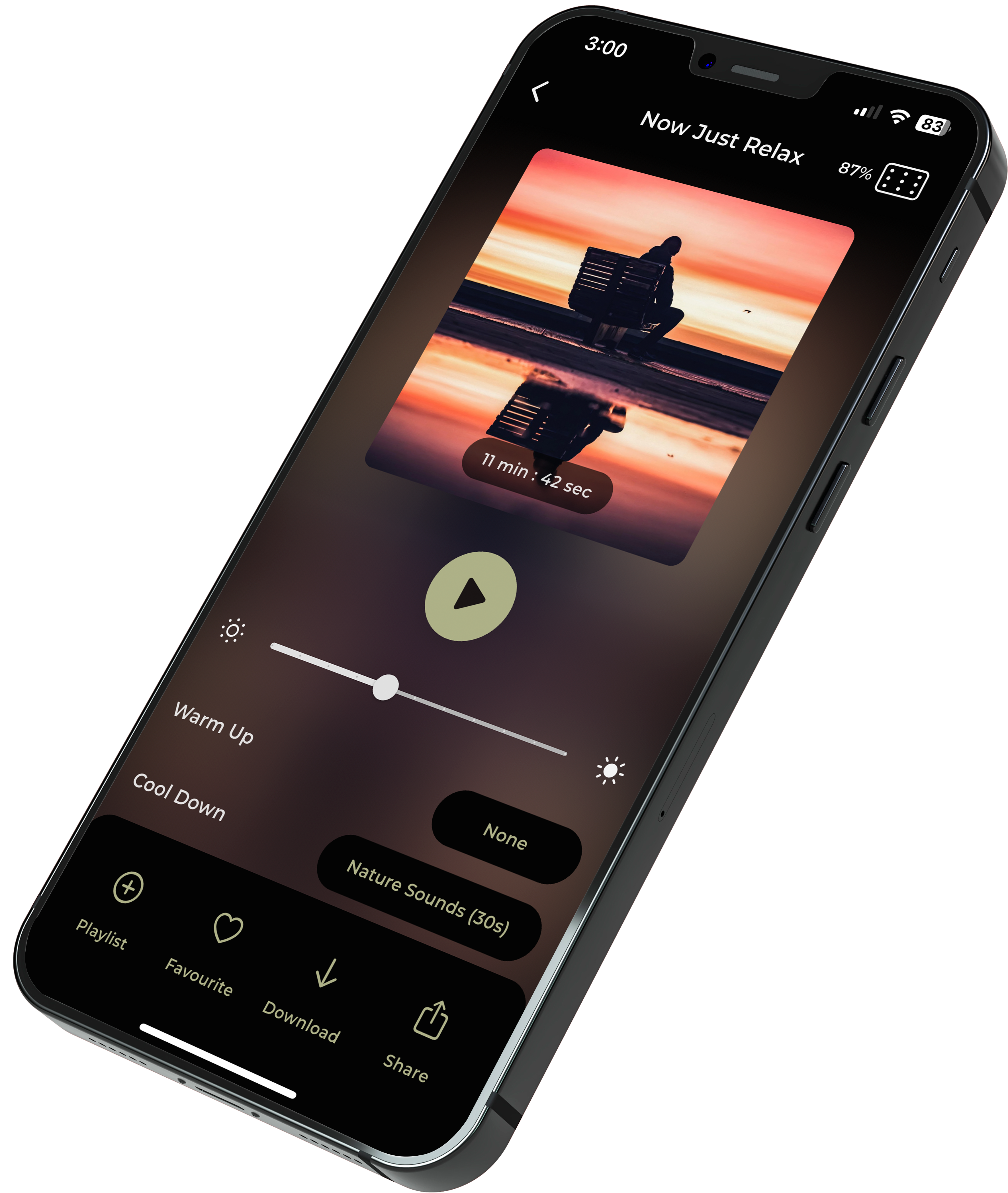
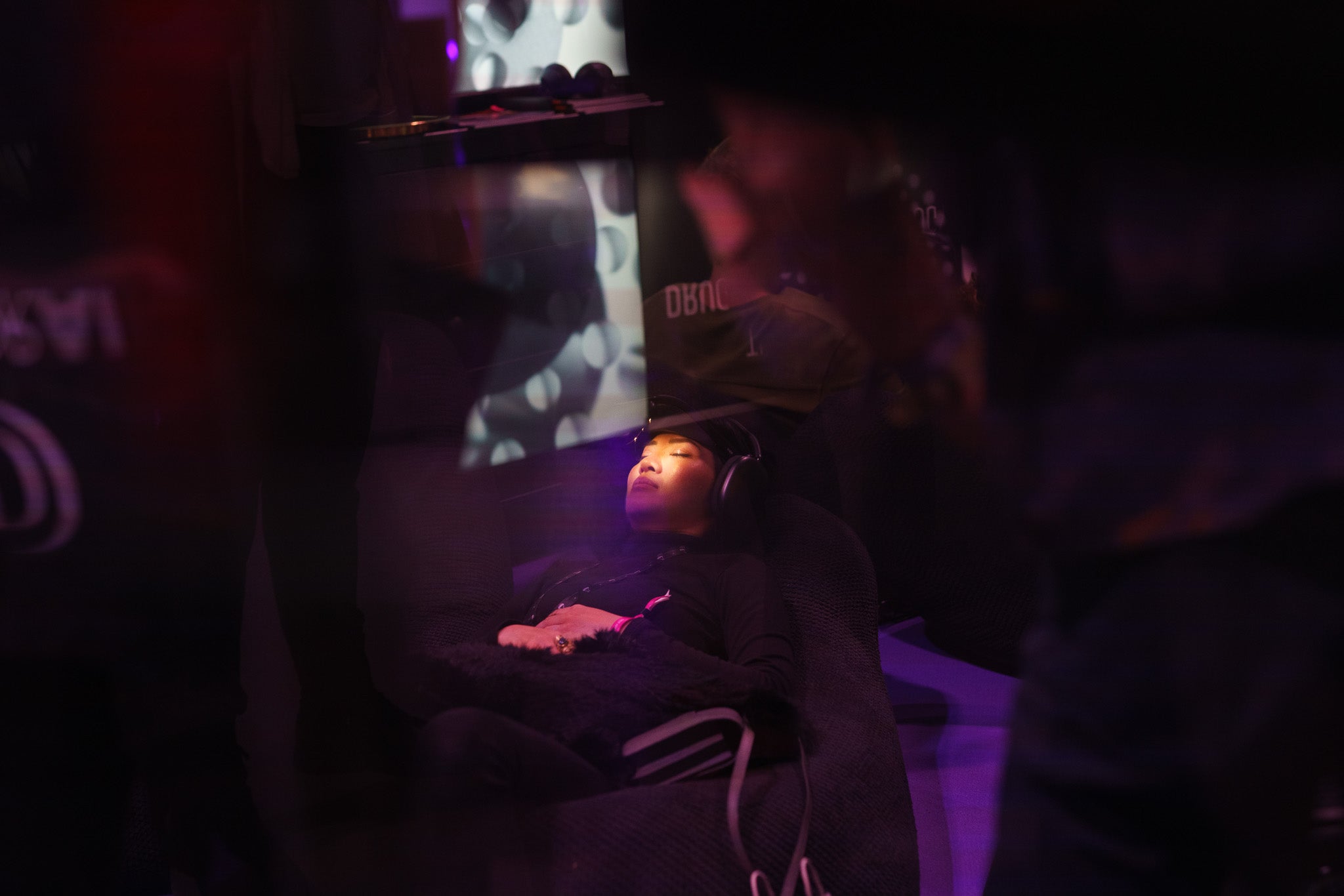
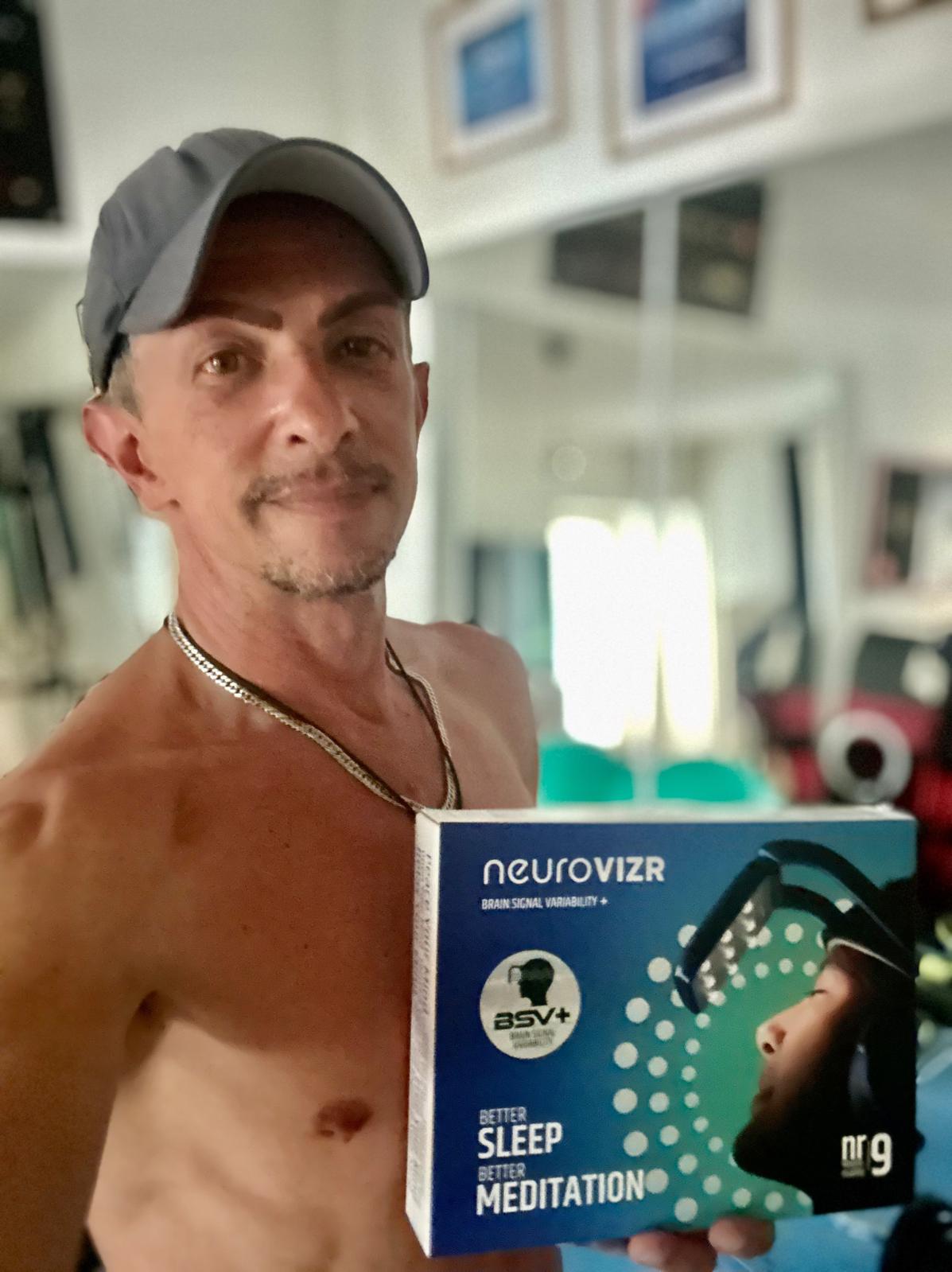
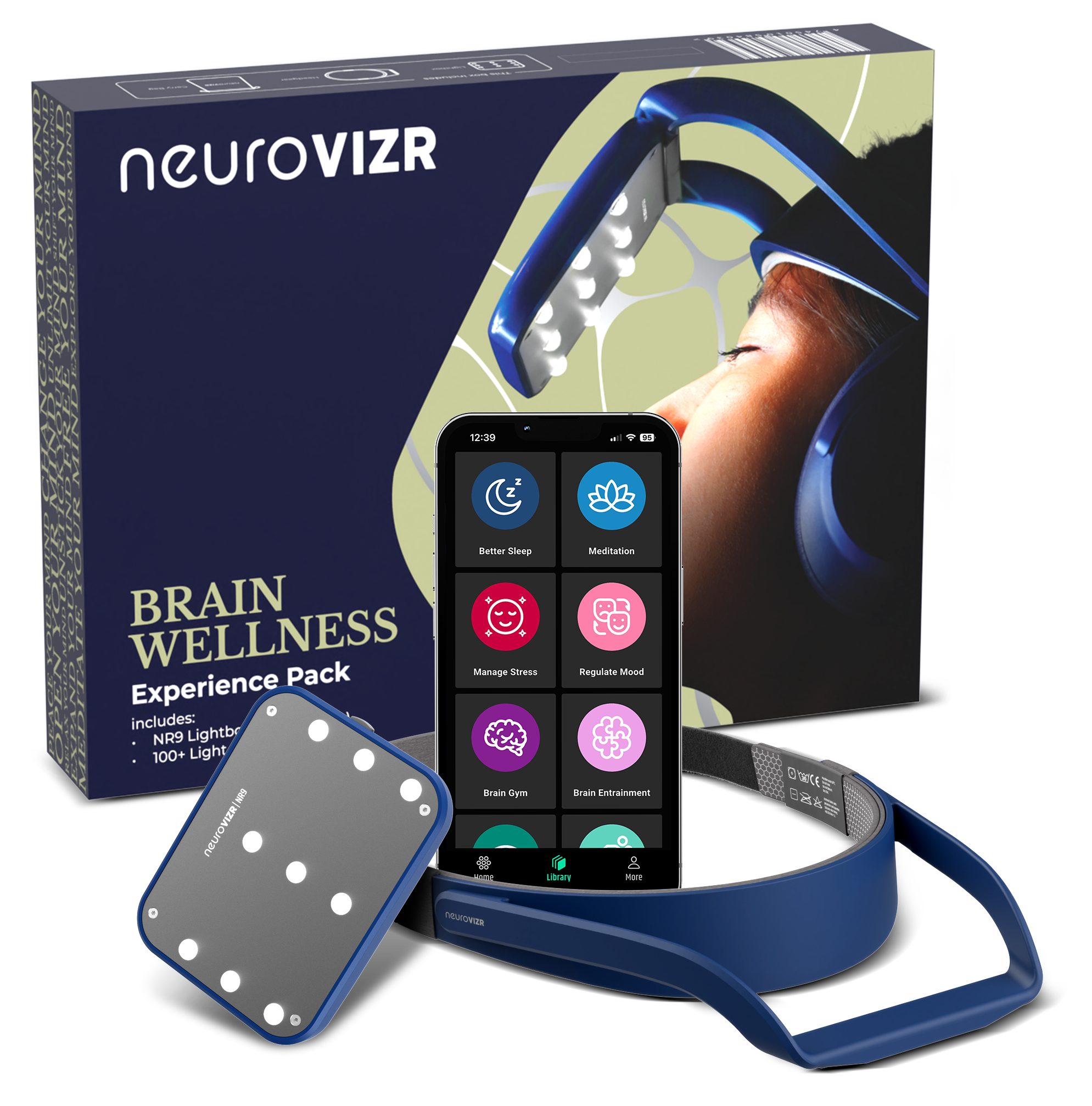
How neuroVIZR Helps

  • Helps to focus better and concentrate better - before work, training or creativity.

  • Reduces stress and promotes emotional control, soothes over-activity of the neural system and maintains balance in brain rhythms.

  • Enhances relaxation and sleep preparedness, and thus the brain decreases its active state and makes the brain ready to rest.

  • Non-invasive and medication-free brain wellness device - does not introduce side-effects when used in everyday life.

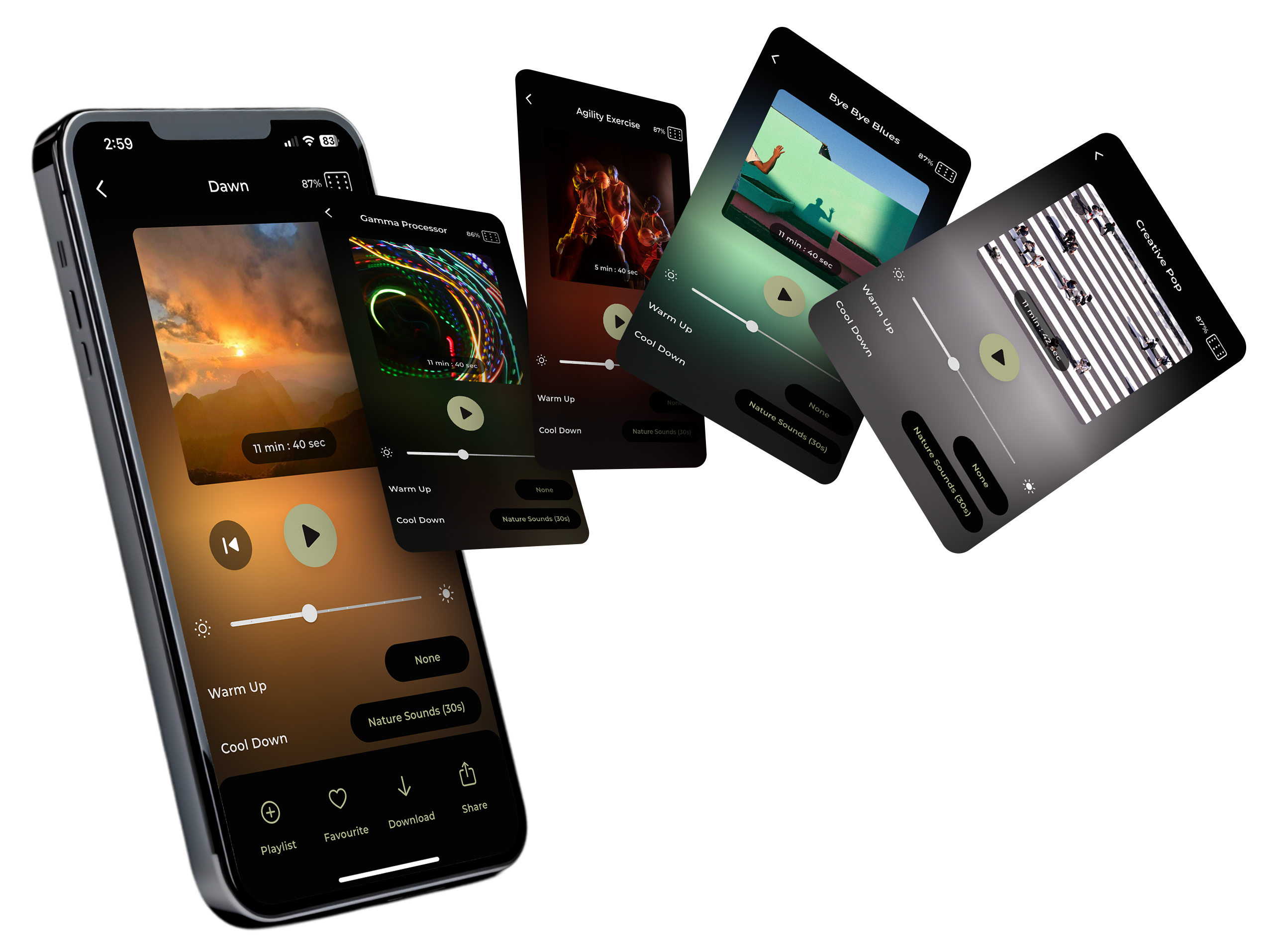
  • Offers can be used in a variety of ways - as a brain warms up before playing, reset during periods of stress, or recovery after doing something.

  • Physical training is complemented by mental resilience and brain wellness, which are perceived as general performance.

  • Stimulates mental flexibility and neuroplasticity - beneficial in creativity, acquisition of new skills or facing change.

Final Thoughts

Mental training is not an additional thing, it is a necessity. The rehearsal of visualization, breath regulation, self-talk, anchoring focus and emotional mapping by athletes ultimately results in the psychological strength to be able to perform under pressure.

Similar to strength and conditioning, sport psychology exercises remodel the brain due to repetition. Gradually, athletes do not only play better but they feel more stable, sure, and more in charge of their inner world.

FAQs

1. What are sport psychology activities?

Sport psychology activities are mental training exercises that help athletes improve focus, confidence, emotional control, and performance under pressure.

2. Why should athletes practice mental training?

Mental training strengthens the brain’s ability to stay calm, make quick decisions, and recover after mistakes, which directly improves overall performance.

3. How often should athletes use these activities?

Most exercises, like breathwork or visualization, can be done daily. Even 3–5 minutes before training or competition can make a noticeable difference.

4. What is the best mental training activity for performance anxiety?

Breathwork and visualization are the most effective for managing anxiety because they calm the nervous system and build a sense of control before competition.

Disclaimer-

This content is for general information and personal reflection only. It is not medical advice or a substitute for professional guidance. Always consult a qualified expert for any health-related concerns.

Content Reference- 

  • American Psychological Association (APA) – Sport & Performance Psychology

  • Journal of Applied Sport Psychology

  • Foundations of Sport and Exercise Psychology – Weinberg & Gould

  • The Sport Psych Handbook – Shane Murphy


Physical ability is half the task in contemporary sport. It is the other half that is the silent yet decisive element, the mind of the athlete. Confidence, concentration, emotional composure and toughness are capable of changing the result of a contest as much as speed or power. However, there are a lot of athletes who consider doing mental training optional instead of mandatory.

The inner game is offered with systematic training at sport psychology activities. They assist in controlling the nervous system, enhance attention, decrease anxiety in performing and develop a mindset that is capable of dealing with pressure. The following are practical and evidence-based activities that athletes can apply in their daily routines (warm-ups, training sessions, and other routines before competitions) in order to optimize performance, both internally and externally.

Read more - Mental Toughness for Young Athletes

Mental Rehearsal: Brain-Training First, Body Second.

One of the most extensively researched sport psychology tools is visualization (alternatively, mental rehearsal). As an athlete pictures him or herself executing a movement, the sound of the ground, the beat of the breath, the sensation of acceleration, the brain is triggered to activate neural pathways that are like those triggered during physical performance.

How to practice:

Sit quietly for 3–5 minutes.

Imagine a new performance situation: the starting line, court, the field.

Visualize yourself performing your competencies with accuracy and composed effervescence.

Finish with a success snapshotthe point that you leave on a high note.

Why it works:

This prepares the motor cortex, alleviates anxiety, and creates a feeling of familiarity prior to the actual occurrence even before it occurs.

Breathwork Reset: Mastering Your Internal Pace

Nerves are natural. But unmanaged nervous-system activation disturbs timing, decision-making, and confidence. Breathwork techniques help athletes switch out of fight-or-flight and back into optimal performance zones.

Box Breathing (4-4-4-4)
Inhale 4 seconds → Hold 4 → Exhale 4 → Hold 4
Repeat for 5 cycles.

Even a 60-second breath reset can steady the heart rate and sharpen focus.

Why it works:
Controlled breathing stimulates the vagus nerve, improving emotional control and reducing impulsive or anxious reactions  crucial during high-pressure moments.

Self-Talk Scripts: Rewriting Internal Dialogue

Every athlete has an internal narrator. For some, it’s encouraging; for others, it becomes a source of doubt. Self-talk scripts help replace negative chatter with deliberate, performance-enhancing cues.

Examples:
“Stay sharp.”
“One point at a time.”
“Strong body, clear mind.”

How to use:
Choose 2–3 personal cue phrases.
Repeat them during warm-ups, moments of pressure, or after mistakes.
Over time, these scripts become automatic anchors.

Focus Anchoring: Returning Attention on Command

Distraction is one of the biggest performance killers. But attention is trainable. Focus anchoring teaches athletes to quickly redirect attention when the mind drifts.

Activity:
Pick a simple anchor - breath, foot contact, grip, posture, or a visual point.
Every time attention wanders, return to the anchor without judgment.
Practice in 2-minute intervals during warm-ups.

This builds mental agility and the ability to “reset” rapidly in competition.

The Confidence Timeline: Rebuilding Trust in Yourself

Confidence isn’t created out of thin air, it’s built from remembered evidence. The Confidence Timeline helps athletes reconnect with their best moments and reinforce internal belief.

How to practice:
Write down 5 past performances you’re proud of.
Identify:
– What you did well
– What mindset you had
– What made it work
Review before training or competition.

This shifts the mind from fear to capability, reminding athletes that excellence is repeatable.

Stress–Energy Mapping: Understanding Your Performance State

Athletes often push harder when they actually need to regulate. Stress–energy mapping gives them a quick way to understand where they are and what they need.

Draw a simple grid:

  • High energy / low energy

  • Positive / negative

Place your current state on the chart.
Then choose one strategy: breathwork, pacing, positive self-talk to shift toward “positive high energy.”

This helps athletes build emotional intelligence alongside physical intelligence.

Mindfulness Drills: Staying Present in Fast Games

Fast reactions require a quiet mind. Mindfulness trains present-moment awareness so athletes can recover quickly after mistakes and stay locked into the play.

3-minute drill:
1 min noticing sounds
1 min noticing breath
1 min noticing body sensations

This trains the ability to reset attention rapidly during competition.

Goal Ladder: How to Close Big Goals into Daily Wins.

Great goals will cause stress. Goal Ladder divides them into short, inspiring steps.

Example:

  • Primary objective: to make progress on sprint start.

  • Weekly: 3 methodical classes.

  • Day-to-day: 5 explosive reps and 1 video analysis.

  • Session-level: Single intention (e.g., react faster to the first movement).

  • Sometimes little steady gains lead to great leaps.

How neuroVIZR Helps

  • Helps to focus better and concentrate better - before work, training or creativity.

  • Reduces stress and promotes emotional control, soothes over-activity of the neural system and maintains balance in brain rhythms.

  • Enhances relaxation and sleep preparedness, and thus the brain decreases its active state and makes the brain ready to rest.

  • Non-invasive and medication-free brain wellness device - does not introduce side-effects when used in everyday life.

  • Offers can be used in a variety of ways - as a brain warms up before playing, reset during periods of stress, or recovery after doing something.

  • Physical training is complemented by mental resilience and brain wellness, which are perceived as general performance.

  • Stimulates mental flexibility and neuroplasticity - beneficial in creativity, acquisition of new skills or facing change.

Final Thoughts

Mental training is not an additional thing, it is a necessity. The rehearsal of visualization, breath regulation, self-talk, anchoring focus and emotional mapping by athletes ultimately results in the psychological strength to be able to perform under pressure.

Similar to strength and conditioning, sport psychology exercises remodel the brain due to repetition. Gradually, athletes do not only play better but they feel more stable, sure, and more in charge of their inner world.

FAQs

1. What are sport psychology activities?

Sport psychology activities are mental training exercises that help athletes improve focus, confidence, emotional control, and performance under pressure.

2. Why should athletes practice mental training?

Mental training strengthens the brain’s ability to stay calm, make quick decisions, and recover after mistakes, which directly improves overall performance.

3. How often should athletes use these activities?

Most exercises, like breathwork or visualization, can be done daily. Even 3–5 minutes before training or competition can make a noticeable difference.

4. What is the best mental training activity for performance anxiety?

Breathwork and visualization are the most effective for managing anxiety because they calm the nervous system and build a sense of control before competition.

Disclaimer-

This content is for general information and personal reflection only. It is not medical advice or a substitute for professional guidance. Always consult a qualified expert for any health-related concerns.

Content Reference- 

  • American Psychological Association (APA) – Sport & Performance Psychology

  • Journal of Applied Sport Psychology

  • Foundations of Sport and Exercise Psychology – Weinberg & Gould

  • The Sport Psych Handbook – Shane Murphy
 

Enhance Your Mental Clarity With neuroVIZR