



A Clear, Evidence-Based Look at the Research Behind Light & Sound Brain Stimulation
Brainwave entrainment is often promoted as a way to improve focus, relaxation, sleep, and mental clarity. But one important question remains:
Is brainwave entrainment scientifically proven?
The short answer:
Yes brainwave entrainment is scientifically supported as a measurable neurological phenomenon. Research shows that the brain can synchronize its electrical activity to rhythmic light and sound stimuli.
However, while the mechanism of entrainment is well-documented, the degree of effectiveness for specific outcomes (like sleep, focus, or mood support) varies depending on study design, stimulation method, and individual differences.
This article explores:
-
What brainwave entrainment actually is
-
What peer-reviewed audiovisual stimulation research says
-
How effective brainwave entrainment appears to be
-
Safety considerations
-
What realistic expectations look like
-
How wellness devices like neuroVIZR fit into the science

What Is Brainwave Entrainment?
Brainwave entrainment refers to the process where the brain synchronizes its electrical activity to an external rhythmic stimulus such as pulsing light, rhythmic sound, or combined audio-visual stimulation.
Your brain naturally produces electrical patterns known as brainwaves, measured by EEG (electroencephalography). These brainwaves fall into frequency bands:
-
Delta (0.5–4 Hz) – Deep sleep
-
Theta (4–8 Hz) – Relaxation, creativity
-
Alpha (8–12 Hz) – Calm focus
-
Beta (12–30 Hz) – Active thinking
-
Gamma (30–100 Hz) – Higher cognitive processing
When exposed to rhythmic sensory input (for example, flashing lights at 10 Hz), the brain may begin producing electrical activity that mirrors that frequency. This phenomenon is known as the frequency-following response (FFR).
This is the core scientific basis behind brainwave entrainment effectiveness.
Is Brainwave Entrainment Scientifically Proven?
To answer properly, we need to separate two questions:
-
Is the mechanism scientifically proven?
-
Are the benefits scientifically proven?
1️. The Mechanism: Scientifically Established
The ability of the brain to synchronize to rhythmic sensory stimulation is well documented in neuroscience. EEG studies consistently show frequency-following responses during:
-
Photic (light-based) stimulation
-
Auditory rhythmic stimulation
-
Combined audio-visual stimulation
This means the brain does respond measurably to rhythmic light and sound patterns. So yes brainwave entrainment as a neurological phenomenon is scientifically proven.
2️. The Benefits: Promising but Variable
Where things become more nuanced is in outcome claims.
Research into brainwave entrainment effectiveness suggests potential support for:
-
Relaxation
-
Stress reduction
-
Improved sleep onset
-
Enhanced focus
-
Mood support
However, outcomes vary across studies due to:
-
Small sample sizes
-
Short intervention periods
-
Differences in stimulation protocols
-
Individual brain variability
The scientific community generally views entrainment as promising and plausible, but not a medical treatment or cure for clinical disorders.
This distinction is critical.
What Does Audio-visual Stimulation Research Show?
Audio-visual stimulation research combines light pulses with synchronized sound frequencies. This dual-sensory approach appears to produce stronger entrainment effects than audio-only methods.
Several controlled studies have observed:
-
Increased alpha activity during relaxation protocols
-
Theta enhancement during meditation-like stimulation
-
Gamma synchronization in cognitive tasks
-
Improved subjective relaxation scores
Some research has explored entrainment for:
-
Sleep quality support
-
Attention regulation
-
Stress reduction
-
Cognitive performance enhancement
Importantly, most researchers classify these results as supportive of wellness applications, not replacements for clinical care.
Brainwave Entrainment Effectiveness: What Influences Results?
The effectiveness of brainwave entrainment depends on several variables.
1️. Stimulation Type
-
Binaural beats (audio only)
-
Monaural beats
-
Isochronic tones
-
Photic stimulation (light)
-
Combined audio-visual stimulation
Research suggests combined audio-visual stimulation may produce stronger entrainment effects due to multisensory activation.
2️. Session Duration
Short sessions may induce temporary shifts.
Repeated sessions may reinforce patterns over time.
Neuroplasticity, the brain’s ability to adapt, likely plays a role in long-term outcomes.
3️. Individual Differences
Not all brains respond identically.
Factors that influence results:
-
Age
-
Stress levels
-
Baseline brainwave patterns
-
Sensory sensitivity
-
Sleep quality
This explains why some users report significant relaxation benefits, while others report subtle effects.
Is Brainwave Entrainment Safe?
Neurostimulation safety is an important concern.
Generally, non-invasive light and sound stimulation devices are considered safe for most healthy adults when used as directed.
However, there are important precautions.
Who Should Avoid Brain Stimulation Devices?
Brain stimulation devices may not be suitable for individuals with:
-
Photosensitive epilepsy
-
History of seizure disorders
-
Certain neurological conditions
-
Light-triggered migraines
-
Severe psychiatric instability
Pregnant individuals or those under medical supervision should consult a healthcare professional before use.
This is why responsible wellness devices clearly state that they are not medical treatments and do not claim to cure disease.
Brainwave Entrainment vs Medical Neurostimulation
It is essential to distinguish between:
-
Clinical neurostimulation (e.g., TMS, tDCS used in hospitals)
-
Consumer light & sound wellness devices
Medical neurostimulation is used under physician supervision for specific conditions.
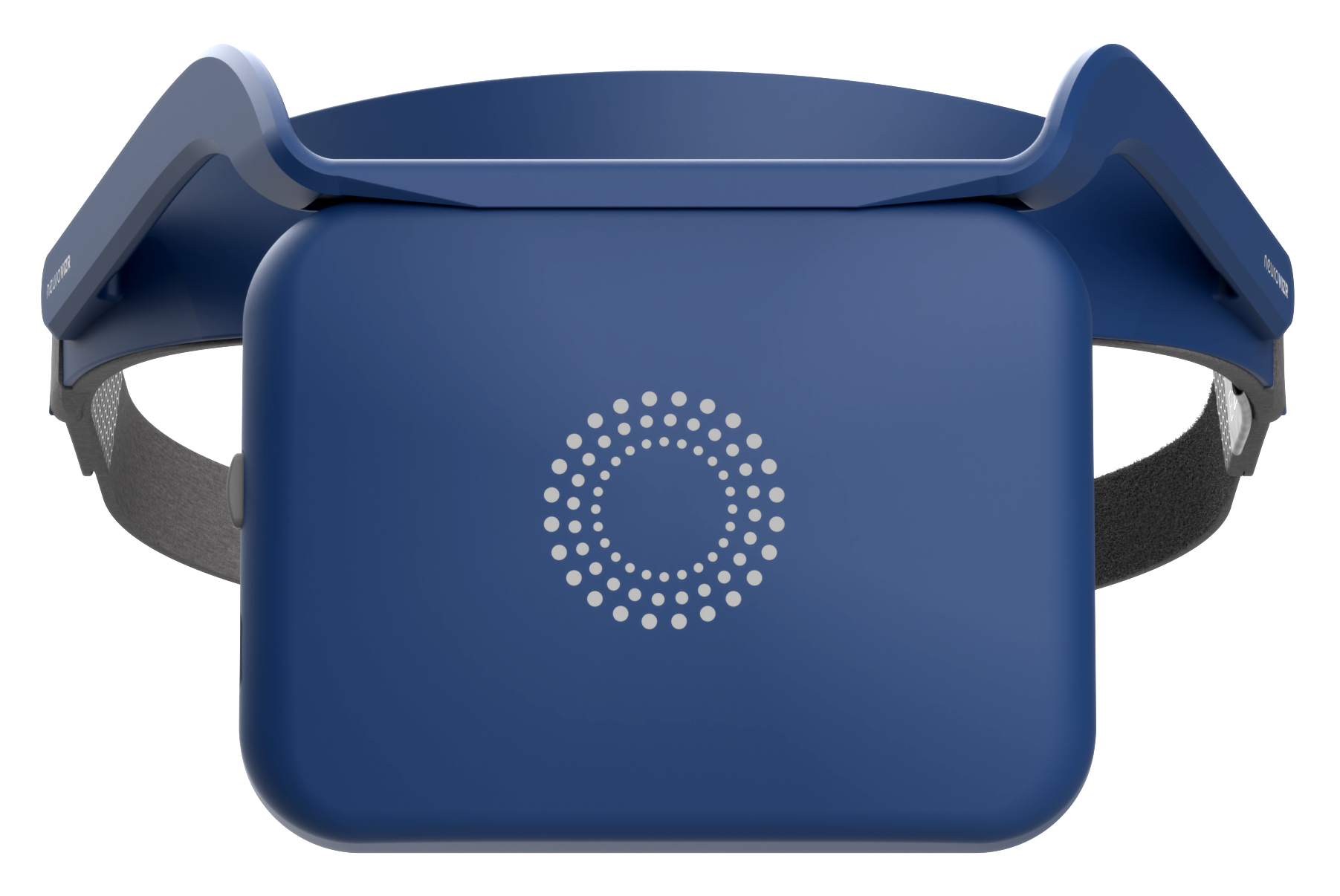
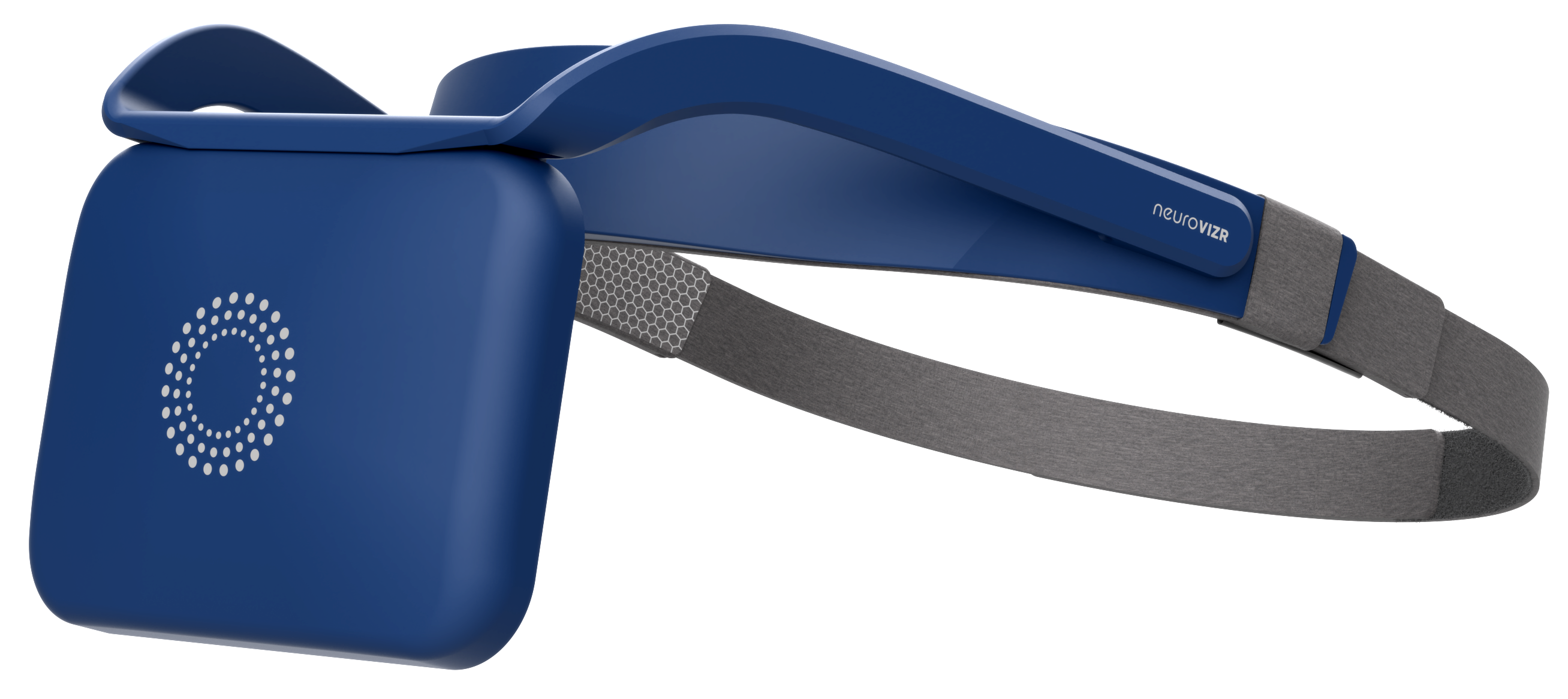
Light and sound wellness devices, such as neuroVIZR, are designed for:
-
Relaxation support
-
Focus enhancement
-
Mind-body wellness
-
Stress management
They do not diagnose, treat, cure, or prevent medical conditions.
This transparency is critical for compliance and credibility.
What the Scientific Community Says
Most researchers agree on three key points:
-
Brainwave entrainment is a real neurological phenomenon.
-
Audio-visual stimulation can influence EEG patterns.
-
More large-scale research is needed to define long-term clinical impact.
In other words:
-
The science supports the mechanism.
-
The outcomes show promise.
-
But exaggerated claims are not supported.
Common Misconceptions
“Brainwave entrainment rewires your brain permanently.”
Reality: Temporary synchronization is well documented. Long-term structural change requires consistent behavioral reinforcement and broader neuroplastic processes.
“It cures anxiety or depression.”
Reality: There is no scientific consensus supporting brainwave entrainment as a cure for psychiatric conditions.
“All devices are the same.”
Reality: Device quality, waveform precision, frequency accuracy, and sensory synchronization matter significantly.
Realistic Expectations for Users
When used responsibly, many people report:
-
A quicker transition into relaxed states
-
Improved ability to unwind
-
Better focus during structured sessions
-
Enhanced meditation depth
These are wellness-support outcomes not medical guarantees.
Brainwave entrainment appears to function best as a support tool, not a standalone solution.
How Devices Like neuroVIZR Fit Into the Science
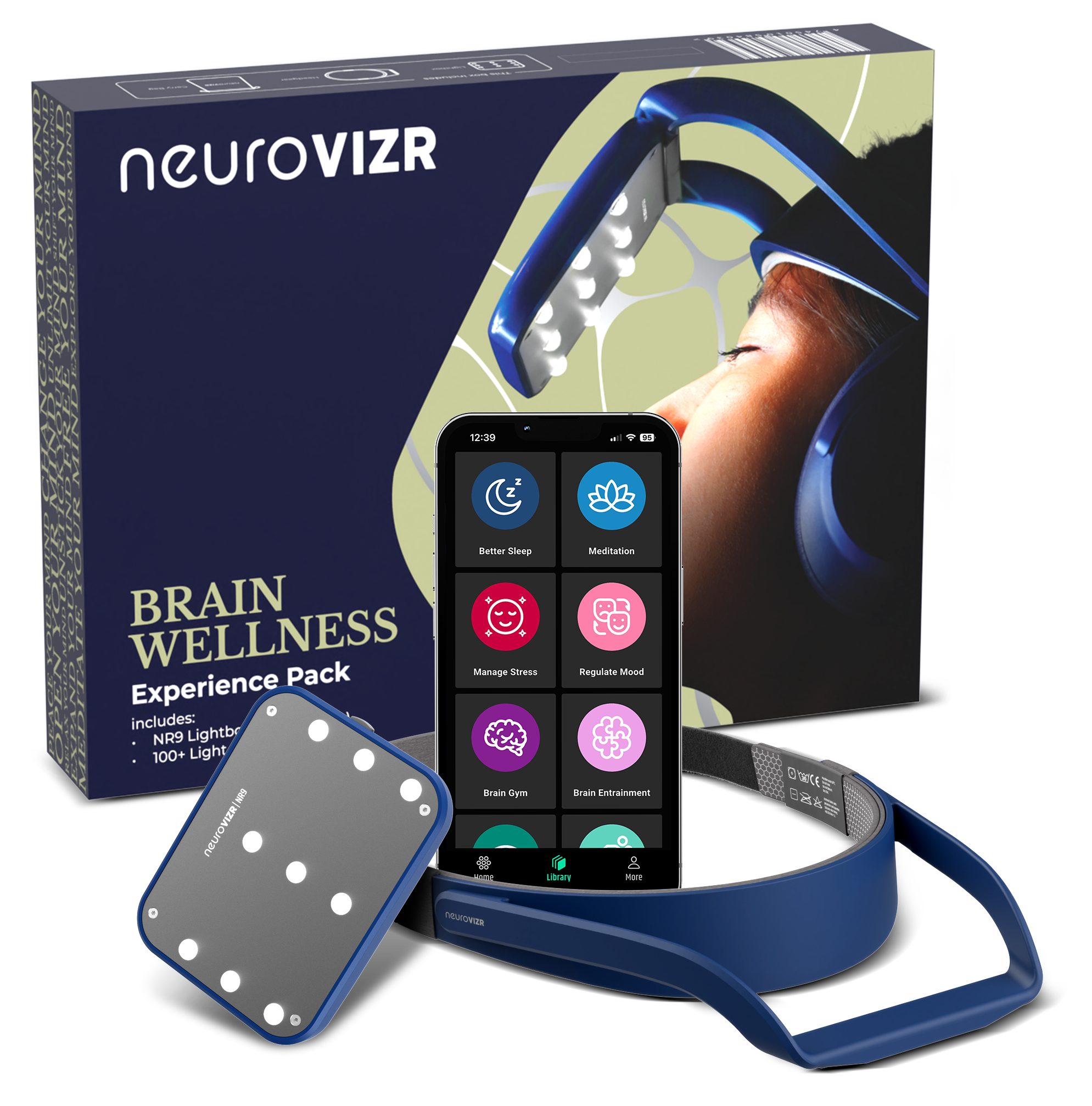
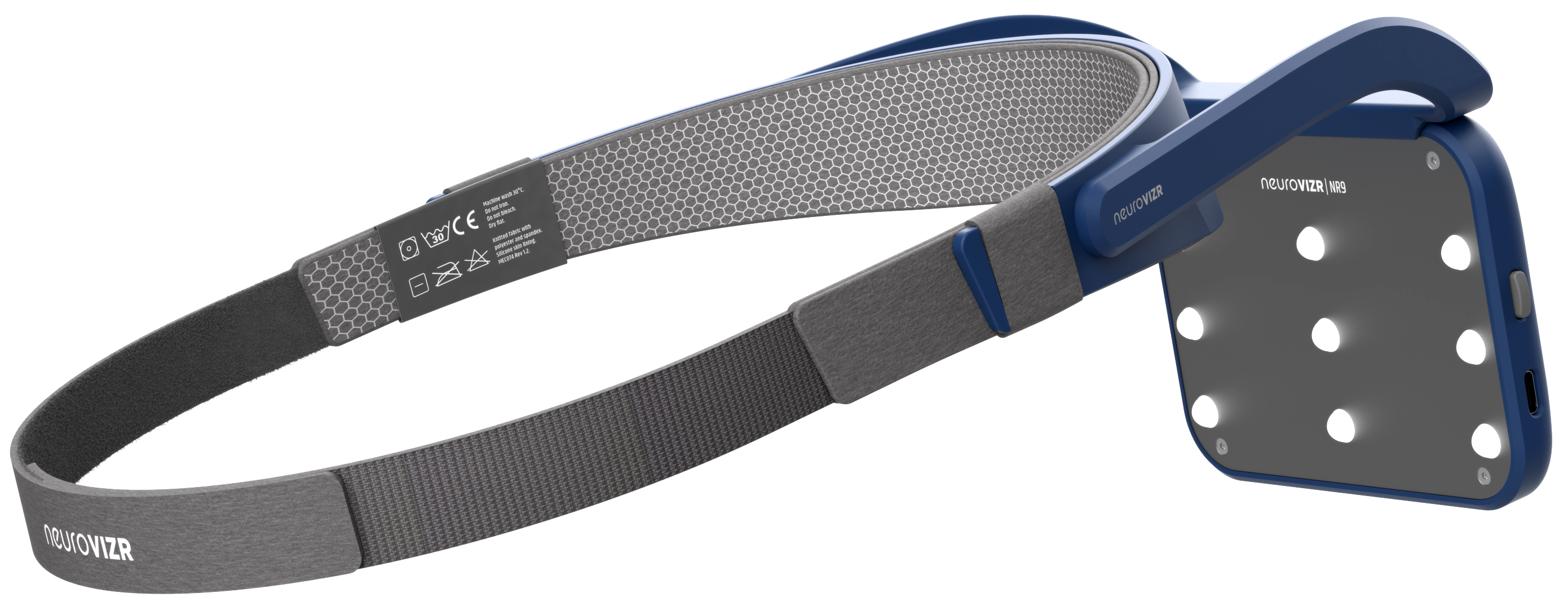
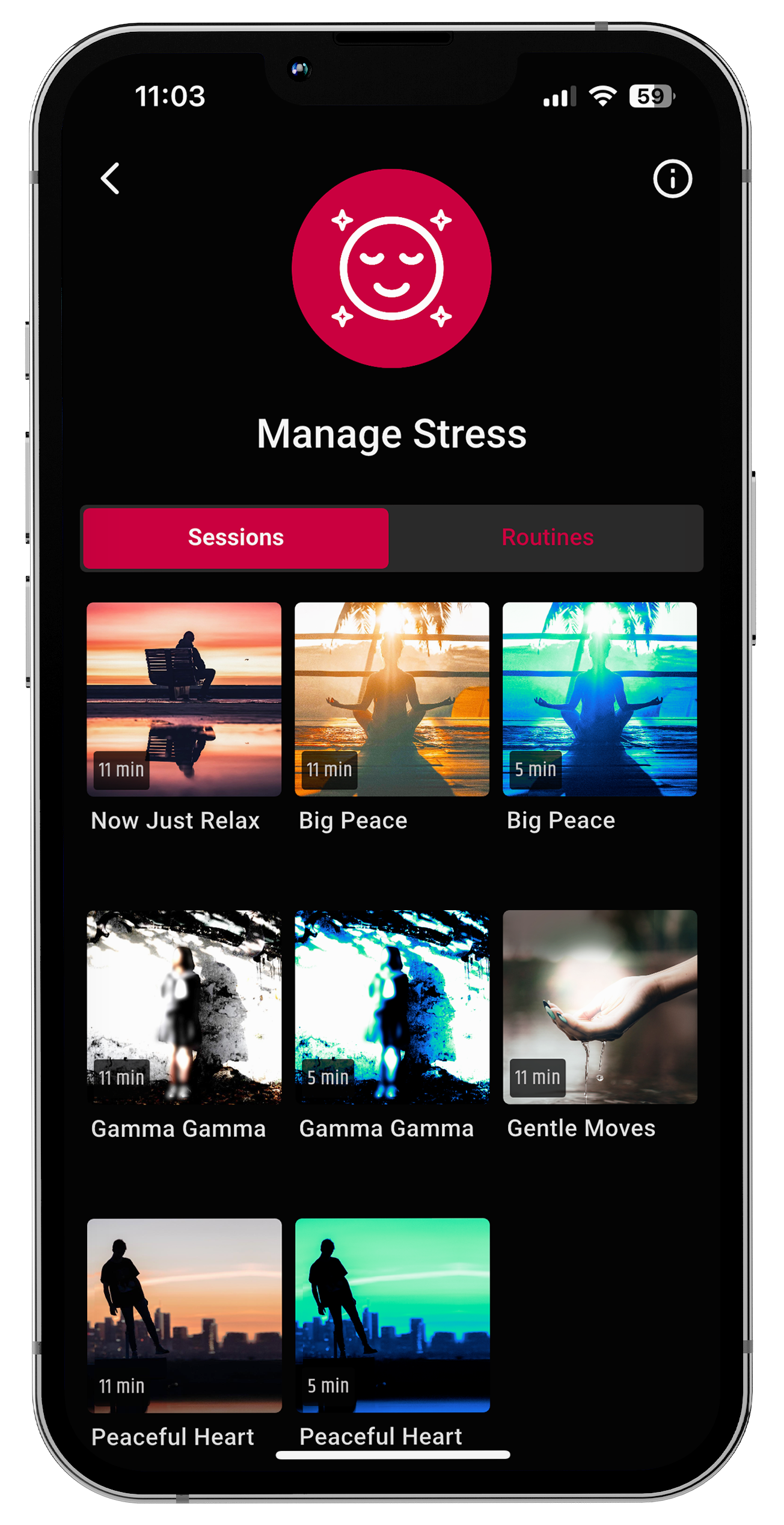
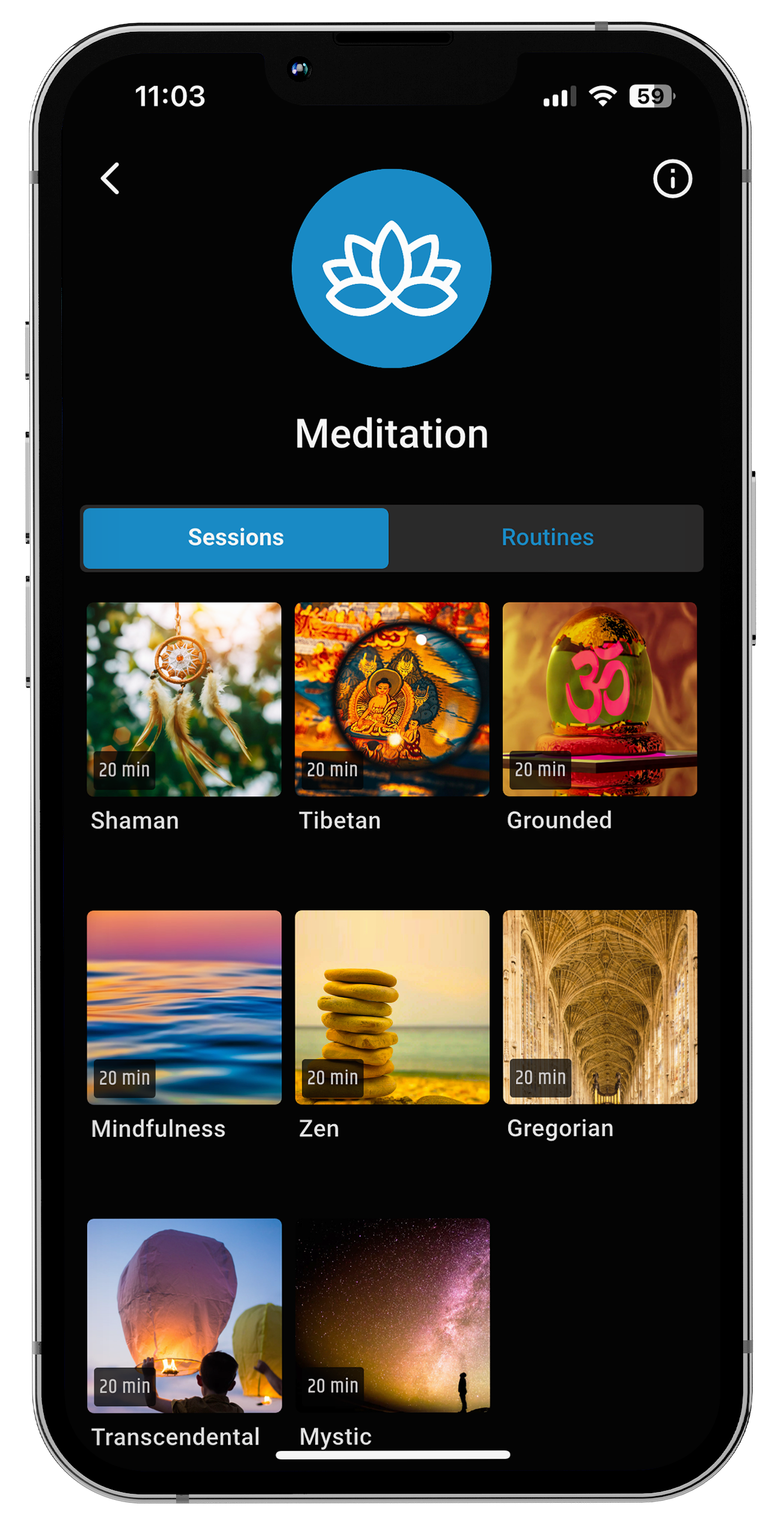
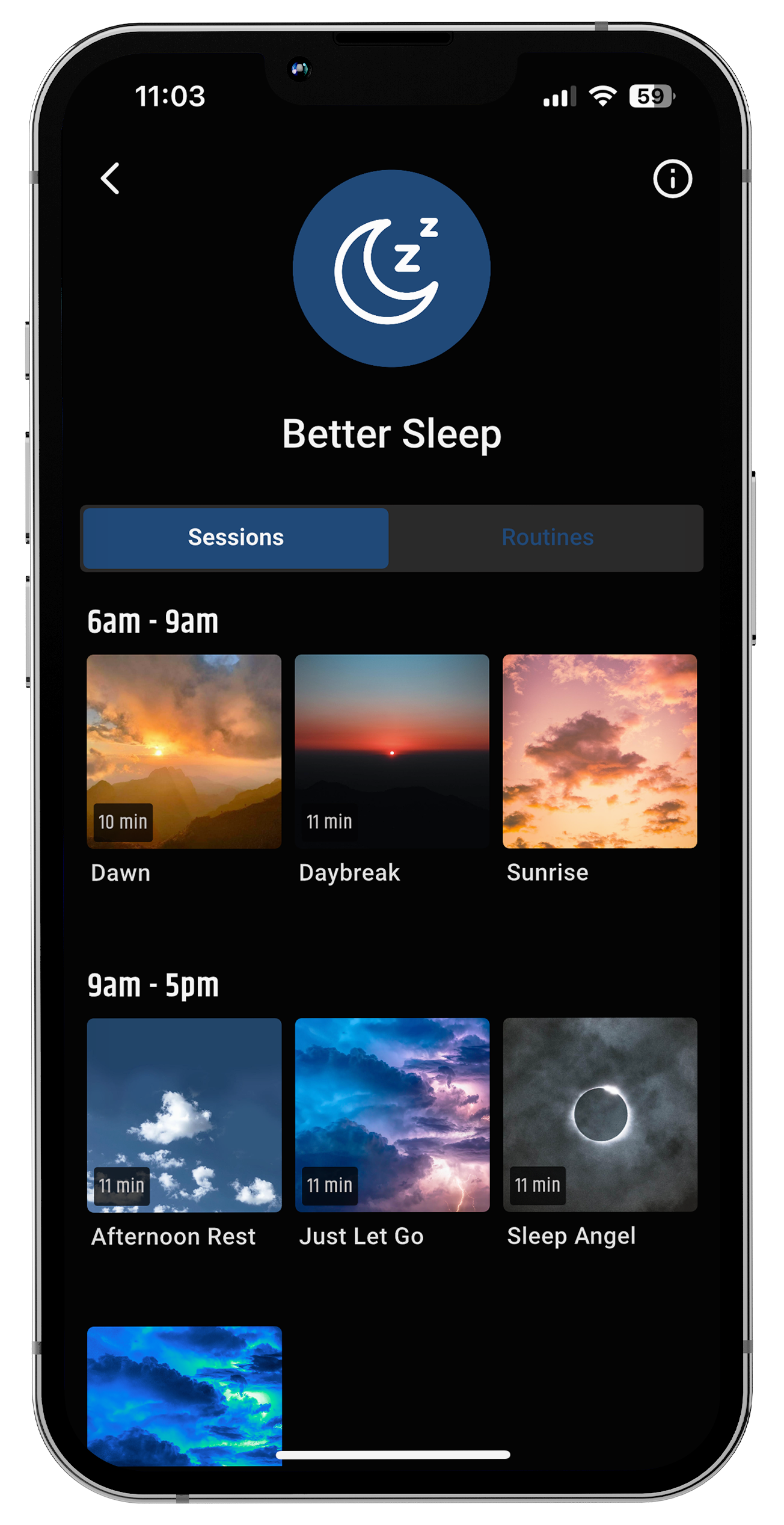
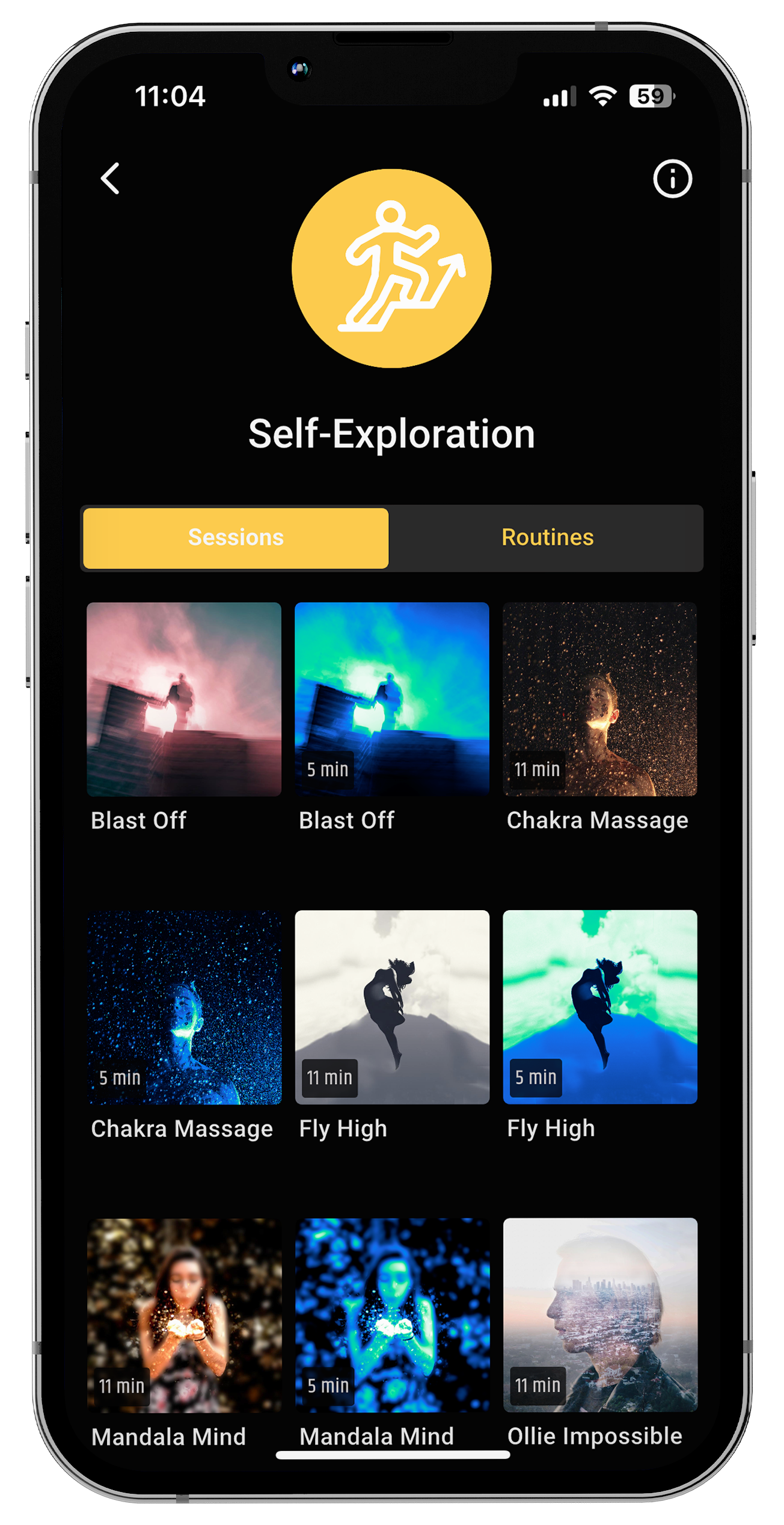
neuroVIZR is positioned as a general wellness device that uses light and sound stimulation principles aligned with entrainment research.
It does not claim to cure or treat conditions.
Instead, it aims to:
-
Support relaxation routines
-
Promote calm focus states
-
Enhance meditation experiences
-
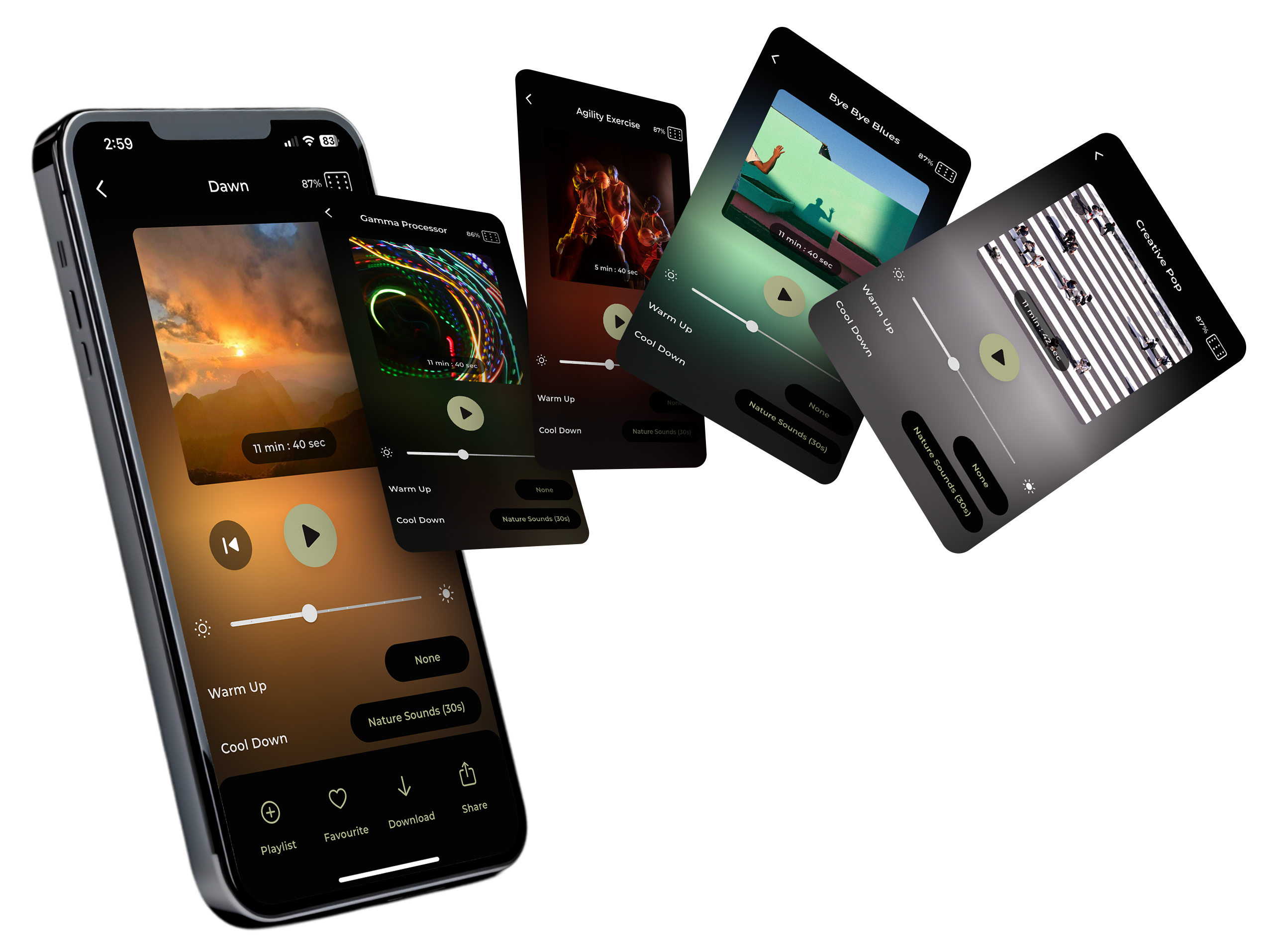
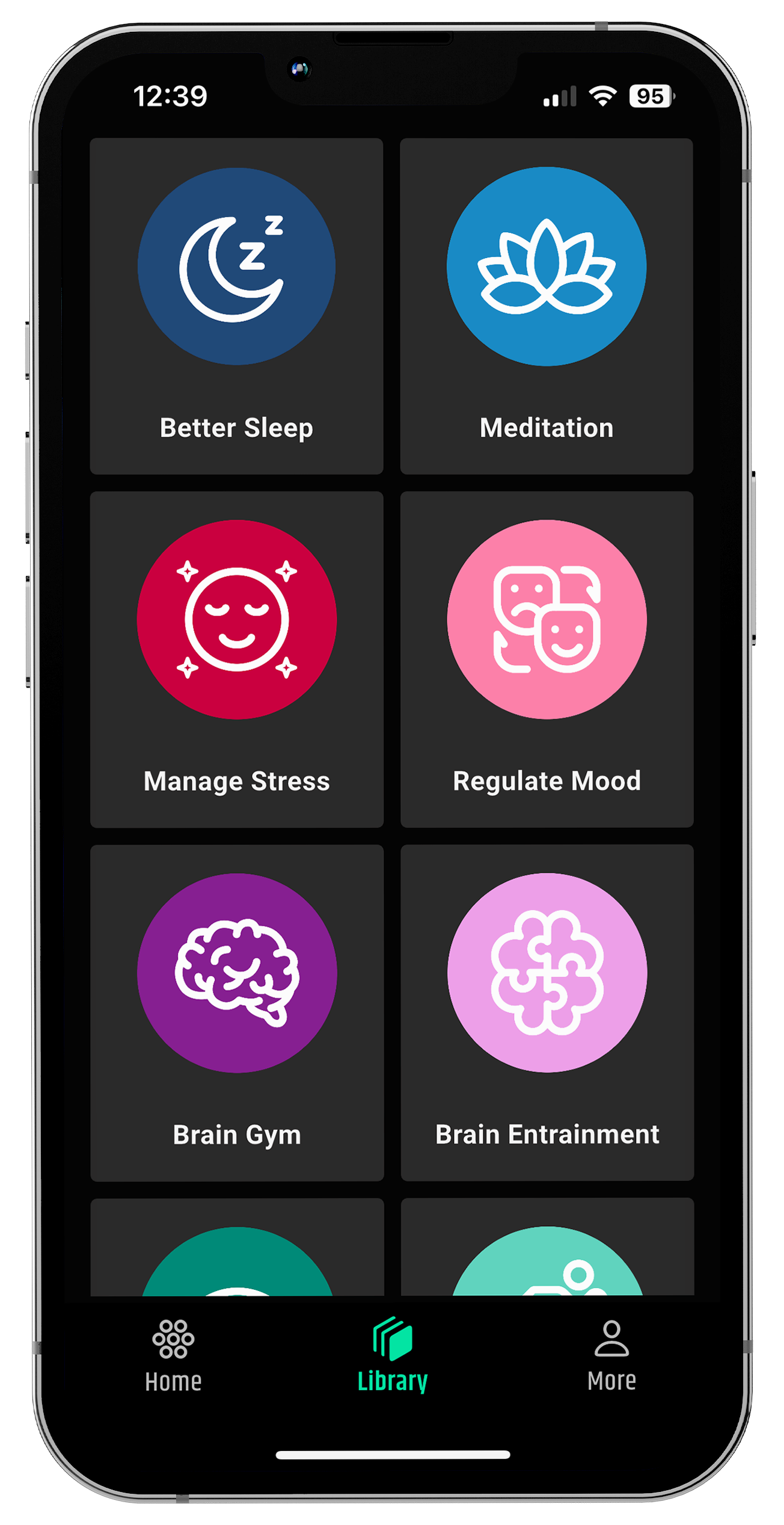
Provide structured audiovisual sessions
When used consistently as part of a broader wellness routine including sleep hygiene, stress management, and healthy habits such devices may complement overall mental performance practices.
Final Verdict: Is Brainwave Entrainment Scientifically Proven?
Yes brainwave entrainment as a neurological synchronization process is scientifically supported.
The brain demonstrably responds to rhythmic light and sound stimuli.
However:
-
It is not a medical cure.
-
It is not a guaranteed solution.
-
It works best as a structured wellness support tool.
For individuals seeking non-drug approaches to relaxation, focus enhancement, or meditation support, brainwave entrainment devices represent a science-aligned option when used responsibly and with realistic expectations.
Frequently Asked Questions
Is brainwave entrainment scientifically proven?
Yes, the neurological mechanism of frequency-following response is well established. However, outcome effectiveness varies by application and individual.
Does brainwave entrainment really work?
Many studies and user reports suggest it can support relaxation and focus. Results depend on stimulation quality and individual differences.
Is audio-visual stimulation research reliable?
There are peer-reviewed studies showing EEG synchronization effects. However, more large-scale research is still needed.
Are there brain stimulation side effects?
Most healthy users tolerate non-invasive devices well. Mild temporary effects may include light sensitivity or eye strain. Those with seizure disorders should avoid use unless medically cleared.
Who should not use brain stimulation devices?
Individuals with epilepsy, seizure disorders, or photosensitivity should avoid light-based stimulation unless advised by a medical professional.
Disclaimer
The information provided in this article is for educational and informational purposes only and is not intended as medical advice. Brainwave entrainment and audio-visual stimulation devices, including neuroVIZR, are designed for general wellness use. They are not intended to diagnose, treat, cure, or prevent any medical or psychological condition.
Individuals with epilepsy, seizure disorders, neurological conditions, or those under medical supervision should consult a qualified healthcare professional before using light- or sound-based stimulation devices. Always use wellness devices as directed by the manufacturer.
If you are experiencing a medical or mental health emergency, seek professional medical care immediately.







Partager:
Comprendre les dispositifs anti-stress grâce à la science des ondes cérébrales