

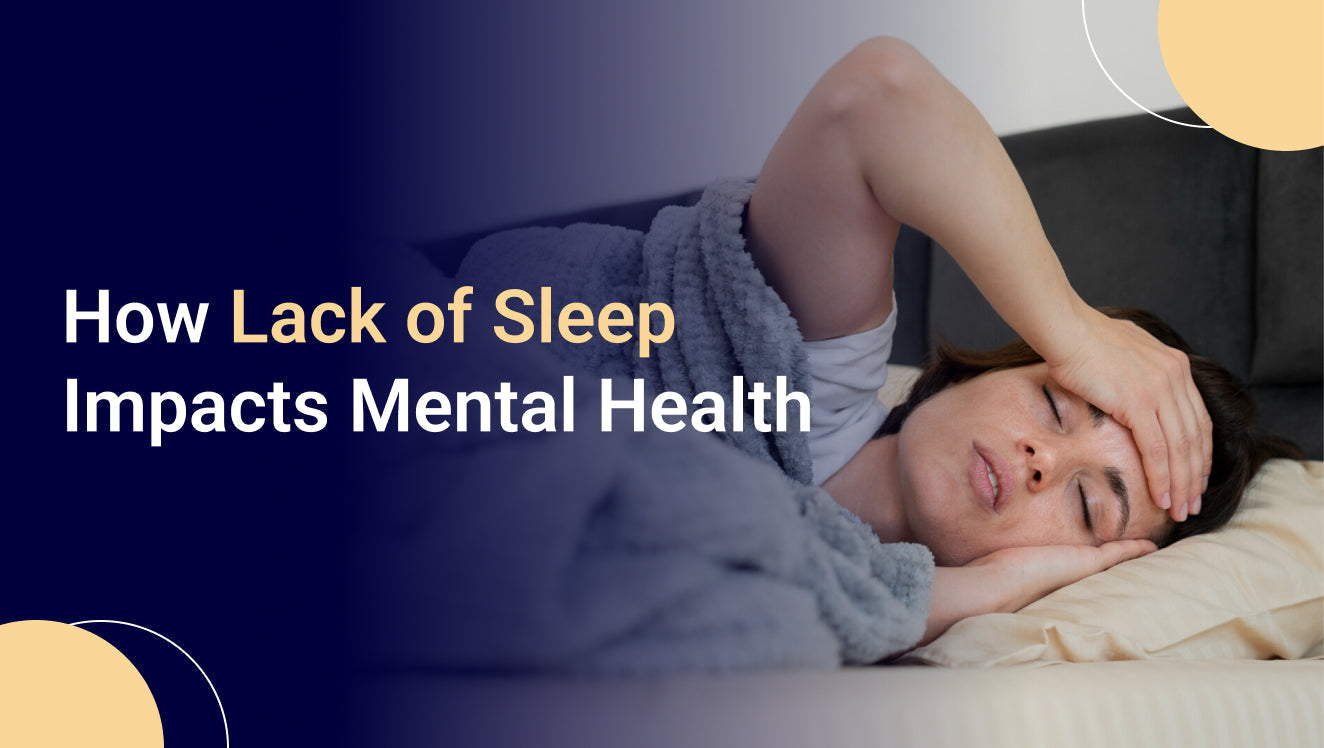
How Lack of Sleep Impacts Mental Health
  • Written by Gourav Rathore

How Lack of Sleep Impacts Mental Health

Sleep is not simply rest. It is the major process by which the brain controls emotional, cognitive and balance of the nervous systems. Sleep disturbances or sleep deprivation have far-reaching consequences when it comes to sleep and fatigue are not the only effects. The clarity of the mind, the strength of the emotions, the sanity of the mind start to fail, and they can be confusing or very personal.

Lots of individuals report being more anxious, emotionally sensitive or less connected during the time when sleep is insufficient. This cannot be termed as a character weakness or discipline. It is the brain reacting to the physiological stress that is long-term.

How Lack of Sleep Affects the Brain

In healthy sleep, the brain passes through various levels which facilitate memory consolidation, emotional processing and neural recovery. Deep sleep gives the nervous system a chance to slack and to balance the system whereas the REM sleep incorporates emotional experiences and also controls moods.

Under state of sleep deprivation, some important changes take place:

  • Amygdala is more sensitive, emotional and stress sensitive.

  • The efficiency in the prefrontal cortex is diminished and it decreases impulse control, attention and decision making.

  • Stress hormones such as cortisol are constant and the body is constantly alert.

  • There is a decreased neural cleanup, which is part of mental exhaustion and lack of clarity of mind.

This imbalance progresses over time to an otherwise tired body to build up a nervous system which is always on even when it is tired.

Psychological and Emotional Impact of Sleep loss.

Sleep deprivation directly has a direct effect on mental health that most people do not realize.

Heightened anxiety

Sleeplessness enhances threat perception. Even minor stressors are overwhelming, and the mind cannot help thinking or worrying about it.

Depression and emotional numbness.

Deficiency of sleep disrupts the regulation of dopamine and serotonin which may result in emotional numbness, irritability or depressive symptoms.

Reduced stress tolerance

The brain is made less flexible. The pace of emotional recovery is slowed, and the response is more pronounced than normal.

Cognitive overload

The speed of attention, memory, and processing are affected, and daily tasks appear to be psychologically exhausting.

In even more extreme cases, serious sleep deprivation may even have an impact on blood pressure and state of consciousness. Other individuals also report feeling dizzy or almost blacking out, which is investigated in this article on whether you might faint because you are so tired. The relationship indicates the close association between sleep, brain stability, and physical safety.

Common Gaps in Popular Sleep Advice

A lot of sleep articles are written about habits and routines, and lack the deeper picture of the nervous system.

Sleep deprivation does not only concern the hours loss. It is of a brain that is no longer quite safe to rest.

When there is repeated disruption of the sleep, the nervous system also adapt by remaining alert. This may form a cycle whereby the brain is awake during the night yet the body is over tired. With time, individuals can become tired but wired and fail to have deep restful sleep despite the efforts.

Sleep depth is another factor that is usually overlooked. You can spend sufficient time in bed, and still, you cannot get up feeling refreshed. The most important work that the brain undertakes is in deep sleep phase. It is vital to support this step, and that is why the knowledge of how to achieve more deep sleep may be more effective than the intention to get more sleep.

Why Sleep Feels So Refreshing

Once the brain eventually reaches a safe, coherent state, sleep is terribly good. This is not a feeling of indulgence. It is a relief.

Sleep triggers reward and restorative systems that lower stress hormones, reestablish emotional systems, and clear the brain. The emotional state of comfort or pleasure that is linked with sleep indicates the restoration of the nervous system to regulativeness. The reasons why sleep is so good expound more on this experience which is the reason that the body and the emotional relief that the brain receives when it is really resting.

How Better Sleep Supports a Healthier Mind

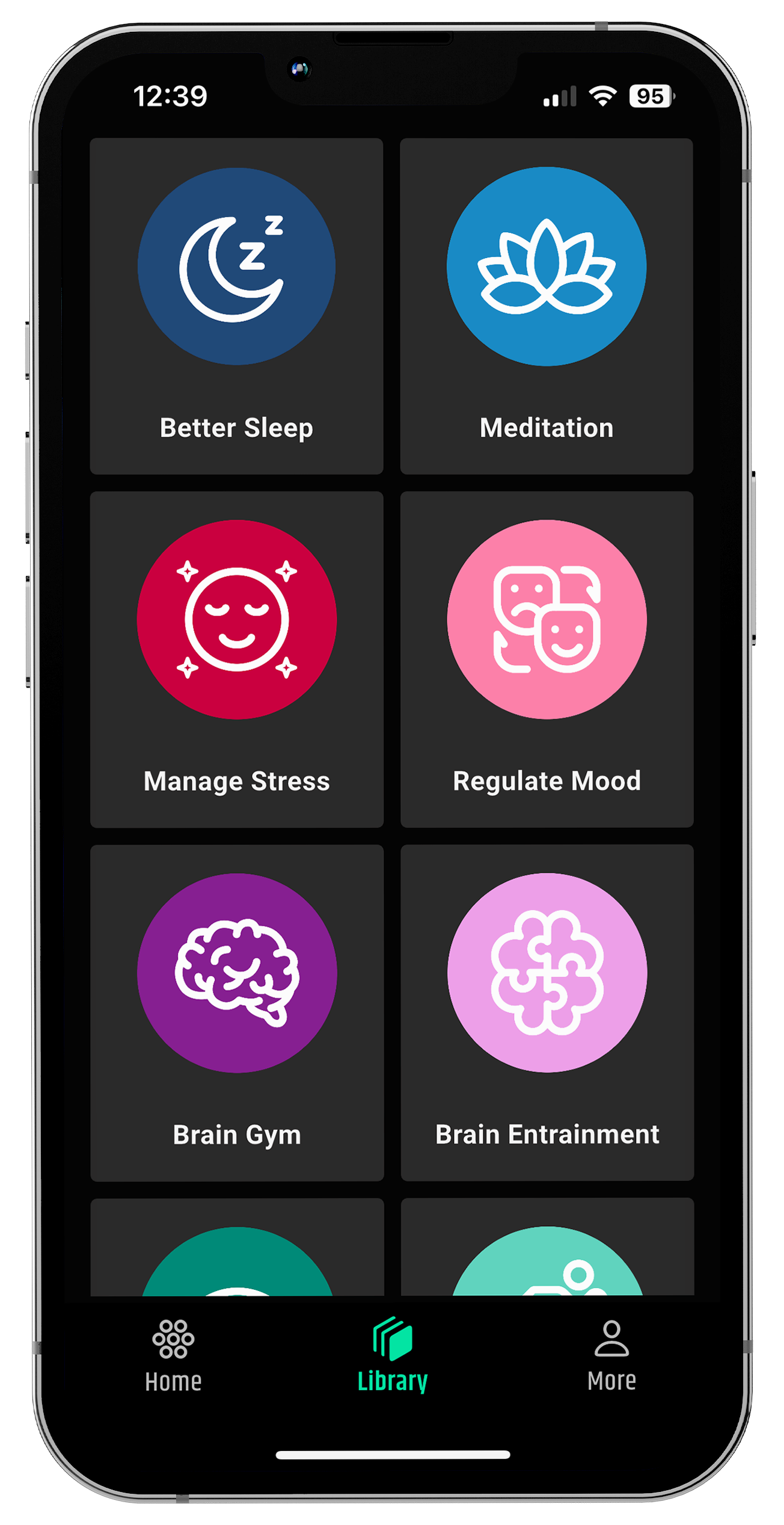
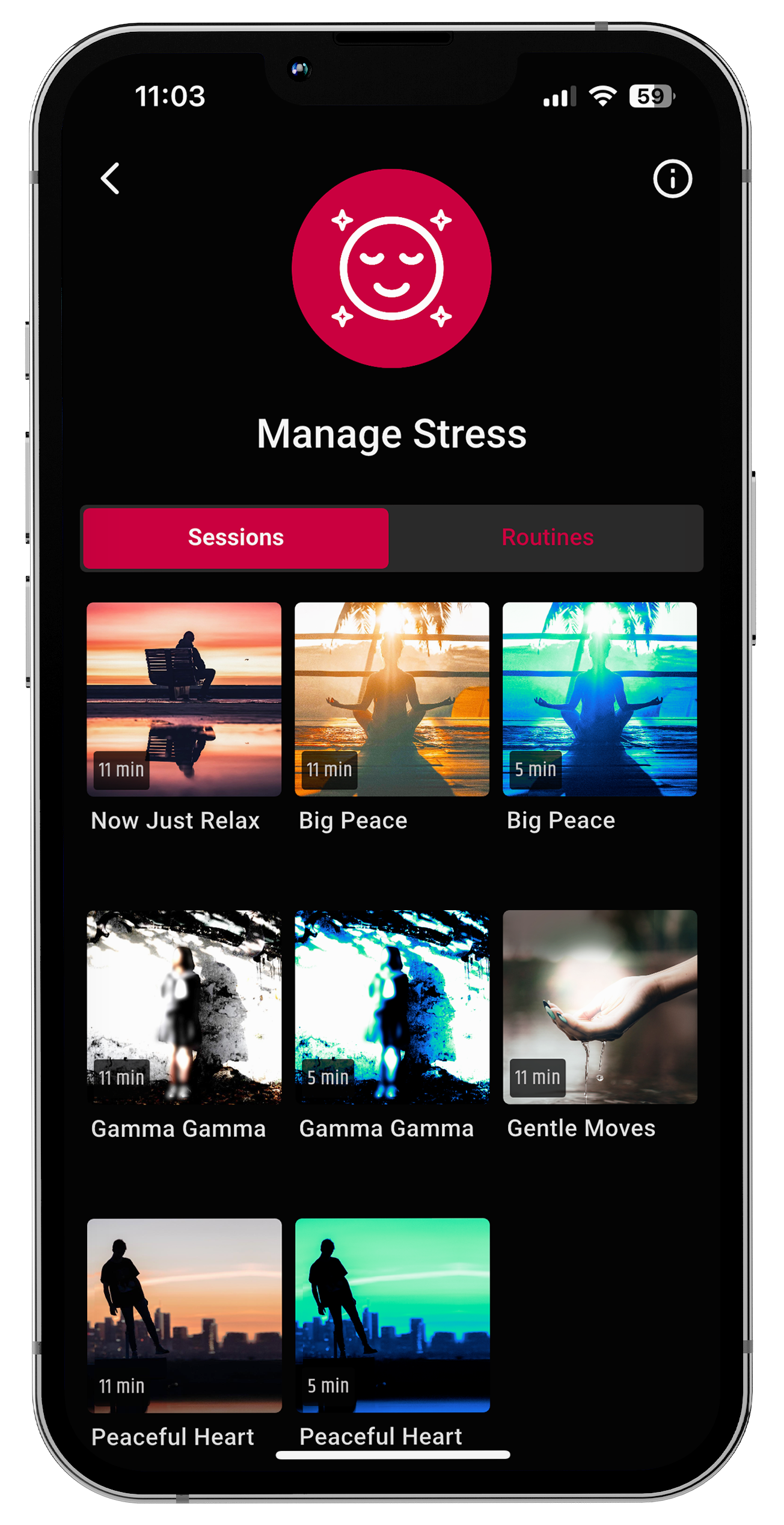
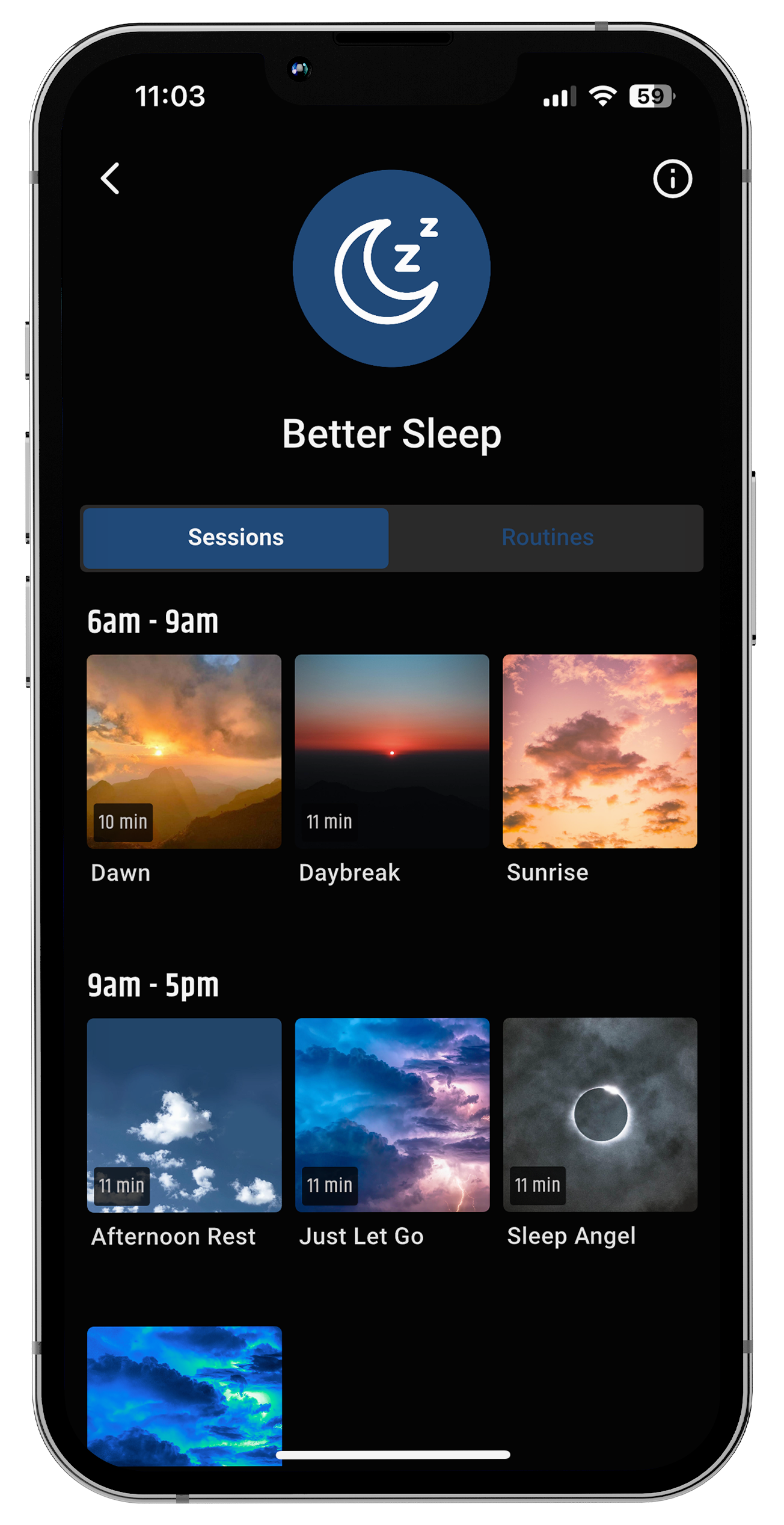
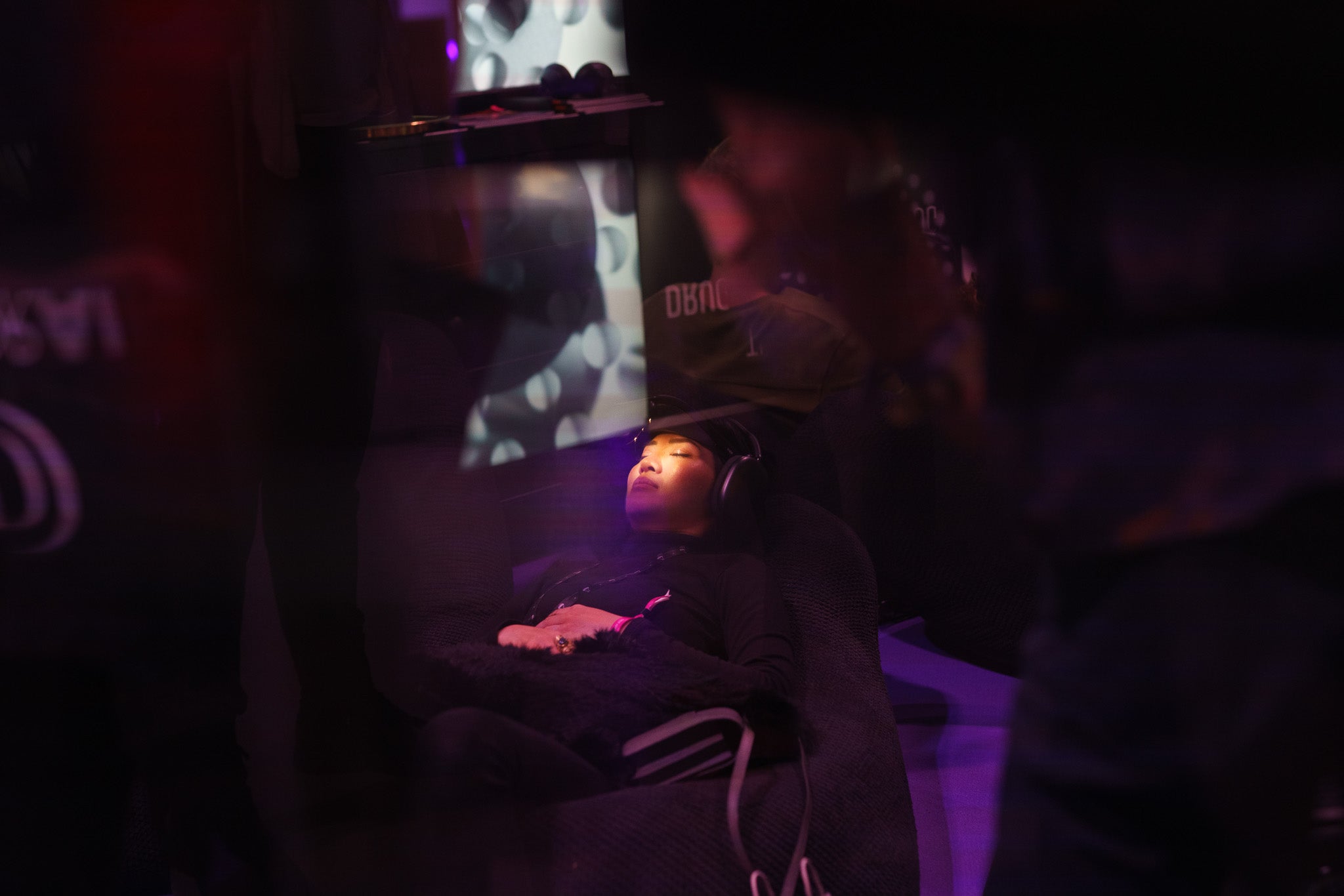
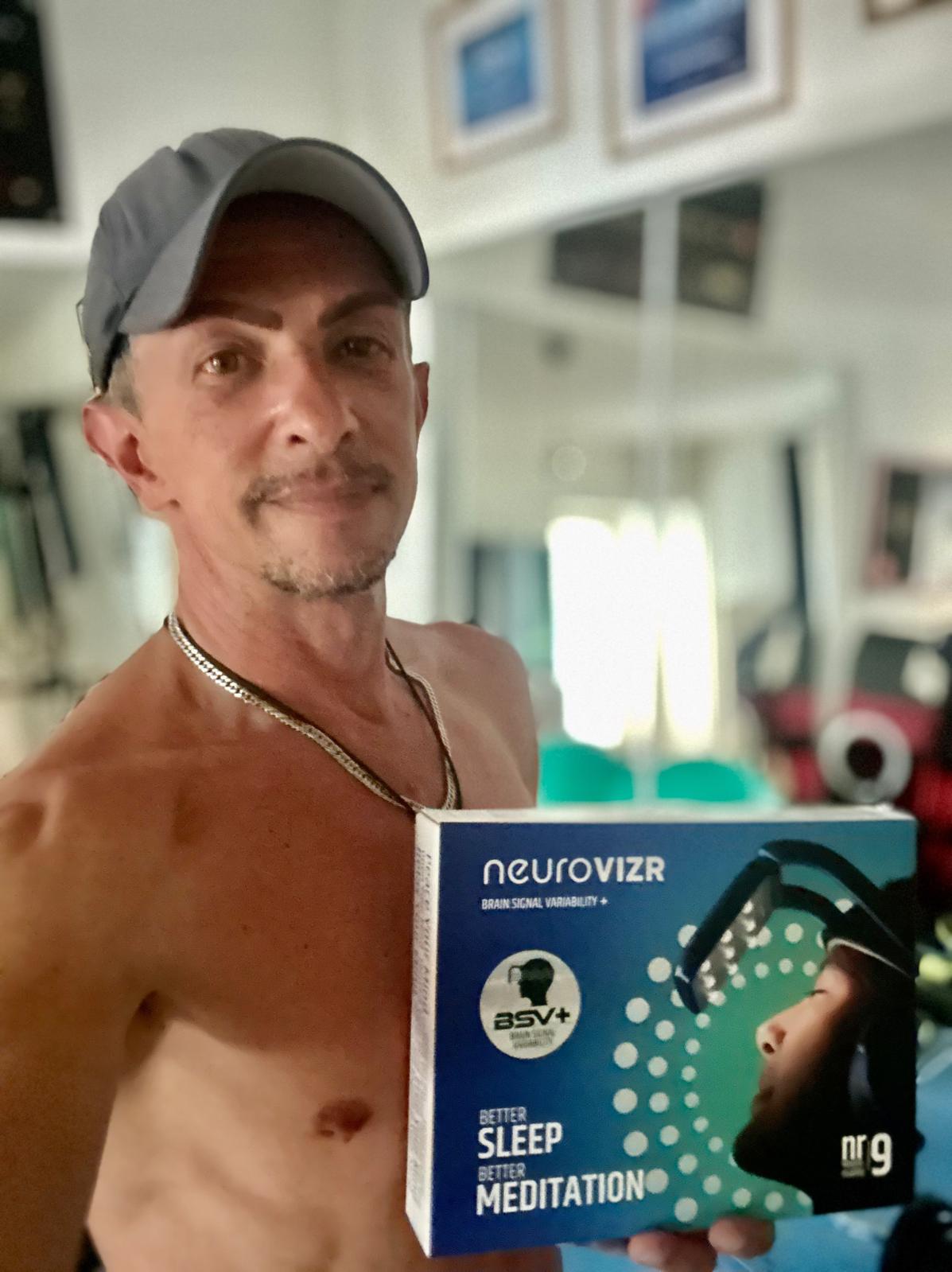
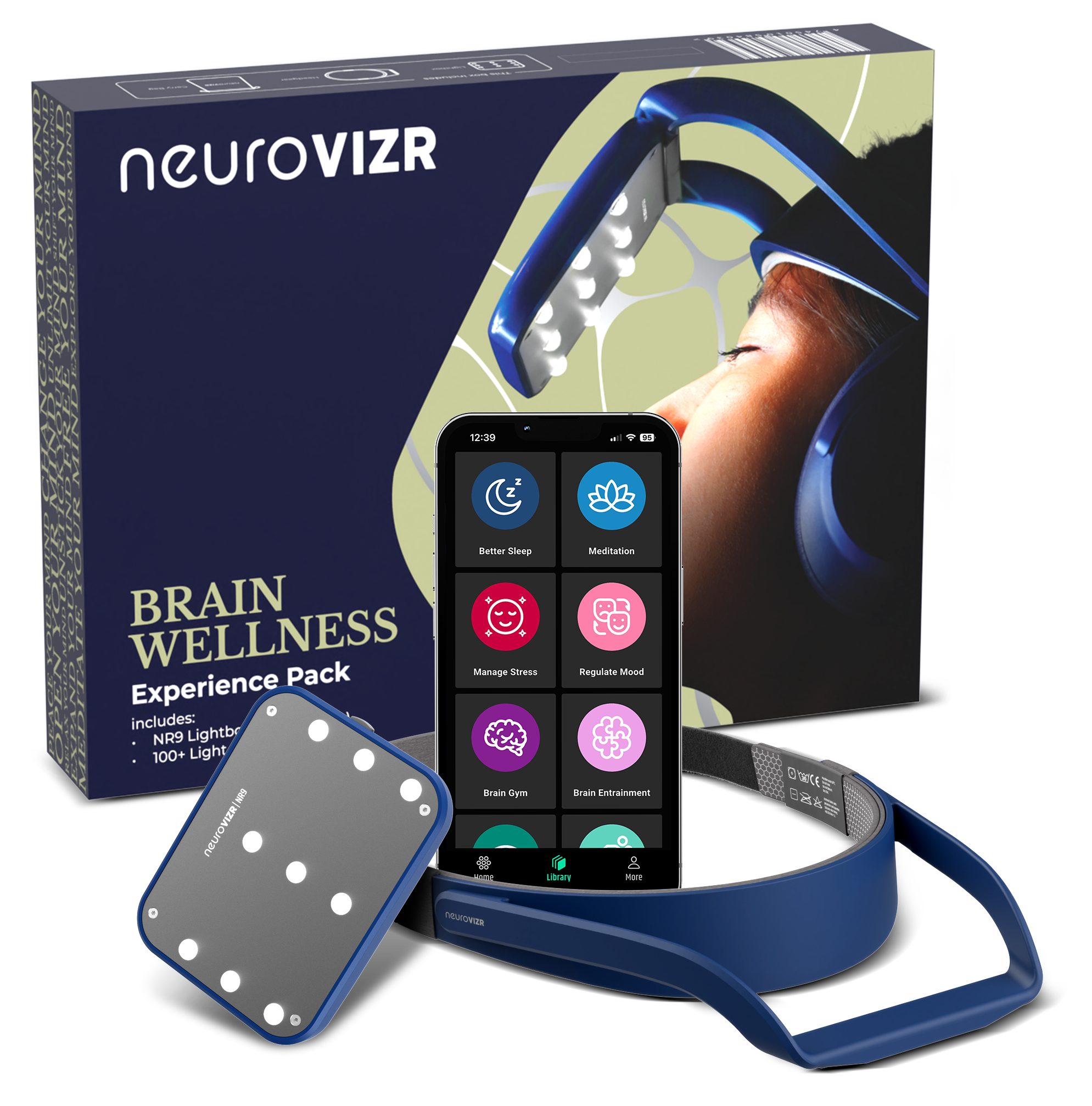
neuroVIZR would suggest that sleep issues are not concerned about compelling the brain to shut down. They are concerned with assisting the nervous system to change the state of alertness to regulation.

This transition can be facilitated by neurotechnology that uses light to help the brain rhythms to shift towards more relaxed and coherent conditions prior to the onset of sleep. The objective, as opposed to stimulating the brain or suppressing it, is to establish the environment in which the nervous system feels secure enough to release.

This method honors the natural intelligence of the brain. Sleep becomes more accessible and more restorative when the nervous system is supported as opposed to controlled.

Supporting Mental Health Through Better Sleep Quality

Improving sleep begins with addressing both the environment and nervous system state.

  • Reduce overstimulation in the evening, especially harsh lighting and screen exposure

  • Create predictable wind-down cues that signal safety to the brain

  • Support deep sleep rather than chasing sleep quantity alone

  • Pay attention to how your body feels upon waking, not just how long you slept

Mental health is not separate from sleep. It is shaped by it every night.

Closing Reflection

Sleep deprivation changes how the brain interprets the world. Emotions feel heavier, thoughts feel louder, and resilience feels harder to access. None of this means something is wrong with you. It means your nervous system is asking for restoration.

When sleep is supported with understanding, compassion, and neuroscience-informed tools, mental clarity and emotional balance often begin to return naturally. Sleep is not a passive state. It is one of the most powerful forms of mental health support the brain has.

FAQ’s

How to deal with sleep deprivation?

Dealing with sleep deprivation starts with reducing nervous system overload, not forcing sleep. The brain needs signals of safety before it can rest.

Helpful steps include:

  • Prioritising consistent sleep and wake times to stabilise circadian rhythm

  • Reducing light and cognitive stimulation in the evening

  • Supporting the nervous system through slow breathing, body awareness, or calming sensory input

  • Focusing on sleep quality and depth, not just total hours

Sleep deprivation improves when the brain shifts out of constant alert mode and into regulation.

How many hours is sleep deprivation?

Sleep deprivation generally occurs when an adult regularly gets less than 7 hours of sleep per night.

  • Short term sleep deprivation can begin after one or two nights of 4 to 6 hours

  • Chronic sleep deprivation develops when insufficient sleep continues for weeks or months

Even small, repeated sleep deficits can accumulate and impact mood, focus, and emotional regulation.

What are the 5 stages of sleep deprivation?

Sleep deprivation often progresses gradually rather than all at once. Common stages include:

  • Mild fatigue and reduced concentration

  • Emotional reactivity and irritability

  • Impaired memory, decision making, and focus

  • Heightened anxiety, low mood, or emotional numbness

  • Physical symptoms such as dizziness, microsleeps, or weakened stress tolerance

Not everyone experiences these stages the same way, but they reflect increasing nervous system strain.

How to survive on 4 hours of sleep?

Surviving 4 hours of sleep is possible short term, but it is not sustainable for mental health.

If it happens occasionally:

  • Reduce cognitive and emotional load the next day

  • Avoid stimulants late in the day, which can worsen the next night’s sleep

  • Take brief rest periods to reduce nervous system demand

  • Focus on recovery the following night rather than normalising sleep loss

Long term reliance on 4 hours of sleep increases the risk of emotional dysregulation, anxiety, and cognitive burnout.

Disclaimer

This content is for educational purposes only and does not replace professional medical or mental health advice. If sleep problems or mental health symptoms persist, please consult a qualified healthcare professional.

 

Sleep is not simply rest. It is the major process by which the brain controls emotional, cognitive and balance of the nervous systems. Sleep disturbances or sleep deprivation have far-reaching consequences when it comes to sleep and fatigue are not the only effects. The clarity of the mind, the strength of the emotions, the sanity of the mind start to fail, and they can be confusing or very personal.

Lots of individuals report being more anxious, emotionally sensitive or less connected during the time when sleep is insufficient. This cannot be termed as a character weakness or discipline. It is the brain reacting to the physiological stress that is long-term.

How Lack of Sleep Affects the Brain

In healthy sleep, the brain passes through various levels which facilitate memory consolidation, emotional processing and neural recovery. Deep sleep gives the nervous system a chance to slack and to balance the system whereas the REM sleep incorporates emotional experiences and also controls moods.

Under state of sleep deprivation, some important changes take place:

  • Amygdala is more sensitive, emotional and stress sensitive.

  • The efficiency in the prefrontal cortex is diminished and it decreases impulse control, attention and decision making.

  • Stress hormones such as cortisol are constant and the body is constantly alert.

  • There is a decreased neural cleanup, which is part of mental exhaustion and lack of clarity of mind.

This imbalance progresses over time to an otherwise tired body to build up a nervous system which is always on even when it is tired.

Psychological and Emotional Impact of Sleep loss.

Sleep deprivation directly has a direct effect on mental health that most people do not realize.

Heightened anxiety

Sleeplessness enhances threat perception. Even minor stressors are overwhelming, and the mind cannot help thinking or worrying about it.

Depression and emotional numbness.

Deficiency of sleep disrupts the regulation of dopamine and serotonin which may result in emotional numbness, irritability or depressive symptoms.

Reduced stress tolerance

The brain is made less flexible. The pace of emotional recovery is slowed, and the response is more pronounced than normal.

Cognitive overload

The speed of attention, memory, and processing are affected, and daily tasks appear to be psychologically exhausting.

In even more extreme cases, serious sleep deprivation may even have an impact on blood pressure and state of consciousness. Other individuals also report feeling dizzy or almost blacking out, which is investigated in this article on whether you might faint because you are so tired. The relationship indicates the close association between sleep, brain stability, and physical safety.

Common Gaps in Popular Sleep Advice

A lot of sleep articles are written about habits and routines, and lack the deeper picture of the nervous system.

Sleep deprivation does not only concern the hours loss. It is of a brain that is no longer quite safe to rest.

When there is repeated disruption of the sleep, the nervous system also adapt by remaining alert. This may form a cycle whereby the brain is awake during the night yet the body is over tired. With time, individuals can become tired but wired and fail to have deep restful sleep despite the efforts.

Sleep depth is another factor that is usually overlooked. You can spend sufficient time in bed, and still, you cannot get up feeling refreshed. The most important work that the brain undertakes is in deep sleep phase. It is vital to support this step, and that is why the knowledge of how to achieve more deep sleep may be more effective than the intention to get more sleep.

Why Sleep Feels So Refreshing

Once the brain eventually reaches a safe, coherent state, sleep is terribly good. This is not a feeling of indulgence. It is a relief.

Sleep triggers reward and restorative systems that lower stress hormones, reestablish emotional systems, and clear the brain. The emotional state of comfort or pleasure that is linked with sleep indicates the restoration of the nervous system to regulativeness. The reasons why sleep is so good expound more on this experience which is the reason that the body and the emotional relief that the brain receives when it is really resting.

How Better Sleep Supports a Healthier Mind

neuroVIZR would suggest that sleep issues are not concerned about compelling the brain to shut down. They are concerned with assisting the nervous system to change the state of alertness to regulation.

This transition can be facilitated by neurotechnology that uses light to help the brain rhythms to shift towards more relaxed and coherent conditions prior to the onset of sleep. The objective, as opposed to stimulating the brain or suppressing it, is to establish the environment in which the nervous system feels secure enough to release.

This method honors the natural intelligence of the brain. Sleep becomes more accessible and more restorative when the nervous system is supported as opposed to controlled.

Supporting Mental Health Through Better Sleep Quality

Improving sleep begins with addressing both the environment and nervous system state.

  • Reduce overstimulation in the evening, especially harsh lighting and screen exposure

  • Create predictable wind-down cues that signal safety to the brain

  • Support deep sleep rather than chasing sleep quantity alone

  • Pay attention to how your body feels upon waking, not just how long you slept

Mental health is not separate from sleep. It is shaped by it every night.

Closing Reflection

Sleep deprivation changes how the brain interprets the world. Emotions feel heavier, thoughts feel louder, and resilience feels harder to access. None of this means something is wrong with you. It means your nervous system is asking for restoration.

When sleep is supported with understanding, compassion, and neuroscience-informed tools, mental clarity and emotional balance often begin to return naturally. Sleep is not a passive state. It is one of the most powerful forms of mental health support the brain has.

FAQ’s

How to deal with sleep deprivation?

Dealing with sleep deprivation starts with reducing nervous system overload, not forcing sleep. The brain needs signals of safety before it can rest.

Helpful steps include:

  • Prioritising consistent sleep and wake times to stabilise circadian rhythm

  • Reducing light and cognitive stimulation in the evening

  • Supporting the nervous system through slow breathing, body awareness, or calming sensory input

  • Focusing on sleep quality and depth, not just total hours

Sleep deprivation improves when the brain shifts out of constant alert mode and into regulation.

How many hours is sleep deprivation?

Sleep deprivation generally occurs when an adult regularly gets less than 7 hours of sleep per night.

  • Short term sleep deprivation can begin after one or two nights of 4 to 6 hours

  • Chronic sleep deprivation develops when insufficient sleep continues for weeks or months

Even small, repeated sleep deficits can accumulate and impact mood, focus, and emotional regulation.

What are the 5 stages of sleep deprivation?

Sleep deprivation often progresses gradually rather than all at once. Common stages include:

  • Mild fatigue and reduced concentration

  • Emotional reactivity and irritability

  • Impaired memory, decision making, and focus

  • Heightened anxiety, low mood, or emotional numbness

  • Physical symptoms such as dizziness, microsleeps, or weakened stress tolerance

Not everyone experiences these stages the same way, but they reflect increasing nervous system strain.

How to survive on 4 hours of sleep?

Surviving 4 hours of sleep is possible short term, but it is not sustainable for mental health.

If it happens occasionally:

  • Reduce cognitive and emotional load the next day

  • Avoid stimulants late in the day, which can worsen the next night’s sleep

  • Take brief rest periods to reduce nervous system demand

  • Focus on recovery the following night rather than normalising sleep loss

Long term reliance on 4 hours of sleep increases the risk of emotional dysregulation, anxiety, and cognitive burnout.

Disclaimer

This content is for educational purposes only and does not replace professional medical or mental health advice. If sleep problems or mental health symptoms persist, please consult a qualified healthcare professional.


Améliorez votre clarté mentale avec neuroVIZR