



We spend nearly one-third of our lives asleep. That fact alone is worth paying attention to. Sleep is not something that happens in the background or fills the space between productive hours. It is one of the most active and essential processes the body relies on to function well. Yet in everyday life, sleep is often the first thing to be compromised. Late nights are normalized, early mornings are praised, and fatigue is brushed off as part of being busy. What is rarely discussed is how deeply sleep affects the body and brain, and what happens when it is consistently disrupted.
This article looks at how sleep affects overall health, what happens inside the brain during different stages of sleep, why REM sleep matters, and practical ways to improve sleep quality in a sustainable, realistic way.
How Sleep Is Linked to Health
Sleep influences almost every system in the body. Its impact is broad, measurable, and deeply interconnected.
-
Hormonal regulation
Sleep plays a central role in balancing hormones that govern stress, hunger, growth, and metabolism. During healthy sleep cycles, cortisol levels drop, allowing the body to recover from daily stress. Growth hormone is released, supporting tissue repair and muscle recovery. When sleep is disrupted, this balance is lost. Elevated cortisol increases inflammation and fatigue, while disrupted appetite hormones can lead to overeating and metabolic imbalance. -
Immune function
The immune system relies on sleep to function efficiently. During sleep, the body produces cytokines that help fight infection and inflammation. Consistently poor sleep reduces immune response, making the body more susceptible to illness and slowing recovery. -
Cardiovascular health
Sleep allows the heart and blood vessels to enter a state of reduced demand. Blood pressure and heart rate naturally dip during the night. This nightly reduction is essential for long-term cardiovascular health. When sleep is shortened or fragmented, the heart remains under stress for longer periods, increasing the risk of hypertension and heart disease. -
Cognitive performance
Attention, memory, and decision-making are directly linked to sleep quality. Even modest sleep deprivation impairs reaction time, problem-solving ability, and concentration. Over time, chronic sleep loss affects learning capacity and mental clarity. -
Emotional stability
Sleep is essential for emotional regulation. Without adequate rest, the brain’s emotional centers become more reactive, while areas responsible for rational control become less effective. This imbalance can amplify anxiety, irritability, and mood fluctuations.
What Happens to the Brain During Sleep?
When we fall asleep, the brain transitions through multiple stages, each serving a distinct purpose.
In the early stages of sleep, brain activity slows. Sensory input decreases. The nervous system begins shifting from alertness to restoration. As sleep deepens, brain waves become slower and more synchronized. This stage is critical for physical repair and energy restoration.
One of the most important functions of sleep occurs quietly during these deeper stages. The brain activates its waste-clearing system, known as the glymphatic system. This system removes metabolic byproducts that accumulate during waking hours. Many of these byproducts are associated with cognitive decline when allowed to build up over time.
Sleep is also when the brain reorganizes information. Important memories are strengthened. Irrelevant information is filtered out. Neural connections are refined, making learning more efficient and recall more accurate.
Without sufficient sleep, the brain remains overloaded. Signals become noisy. Focus weakens. Mental fatigue sets in faster. Over time, this affects not only productivity but also overall neurological health.

What Is REM Sleep?
REM sleep, or Rapid Eye Movement sleep, is one of the most distinct and important stages of the sleep cycle.
During REM sleep, brain activity increases significantly, often resembling waking states. This is the phase when most dreaming occurs. However, dreaming is not random. REM sleep plays a vital role in emotional processing and memory integration.
Experiences from the day are revisited and reorganized. Emotional intensity linked to memories is reduced, allowing the brain to process stress without reactivating it fully. This is why REM sleep is closely linked to emotional resilience.
REM sleep also supports creativity and problem-solving. By forming new connections between ideas and experiences, the brain enhances insight and adaptability.
When REM sleep is consistently disrupted, emotional regulation suffers. People may feel more reactive, less patient, and more mentally drained. Over time, the absence of restorative REM sleep can contribute to chronic stress and mood disorders.
Practical Ways to Improve Sleep Quality
Improving sleep quality starts with understanding that sleep is a neurological process before it is a physical one. The body may be tired, but if the brain stays alert, sleep remains light, delayed, or broken. Supporting sleep means creating the right conditions for the brain to shift into recovery mode.
1. Close mental loops before bedtime
Unfinished thoughts are one of the biggest disruptors of sleep. When the brain senses incomplete tasks, it stays alert as a form of protection. Writing down pending responsibilities or concerns before bed helps offload this mental burden. This simple act signals completion and allows the brain to disengage without fear of forgetting something important.
2. Build a predictable pre-sleep rhythm
The brain responds strongly to patterns. A consistent sequence of activities before bed teaches the nervous system what comes next. This does not need to be elaborate. Repeating the same calming actions each night, such as dimming lights, reading, or stretching, gradually conditions the brain to associate these cues with rest.
3. Reduce sensory stimulation, not just screen time
Sleep disruption is not caused by screens alone. Bright lights, loud conversations, and constant notifications all keep the brain stimulated. Lowering overall sensory input in the evening creates a smoother transition into sleep. Quiet spaces, softer lighting, and reduced noise help the brain shift from alertness to calm.
4. Regulate breathing to calm the nervous system
Breathing patterns directly influence sleep readiness. Slow, steady breathing activates the body’s relaxation response and lowers heart rate. Even a few minutes of controlled breathing before bed can reduce nighttime awakenings and improve sleep depth by calming the nervous system.
5. Time for physical activity intentionally
Movement supports sleep, but timing matters. Intense workouts late in the evening can elevate stress hormones and delay sleep onset. Gentle movement earlier in the evening, such as walking or light stretching, releases physical tension without overstimulating the brain.
6. Support the brain’s transition into rest
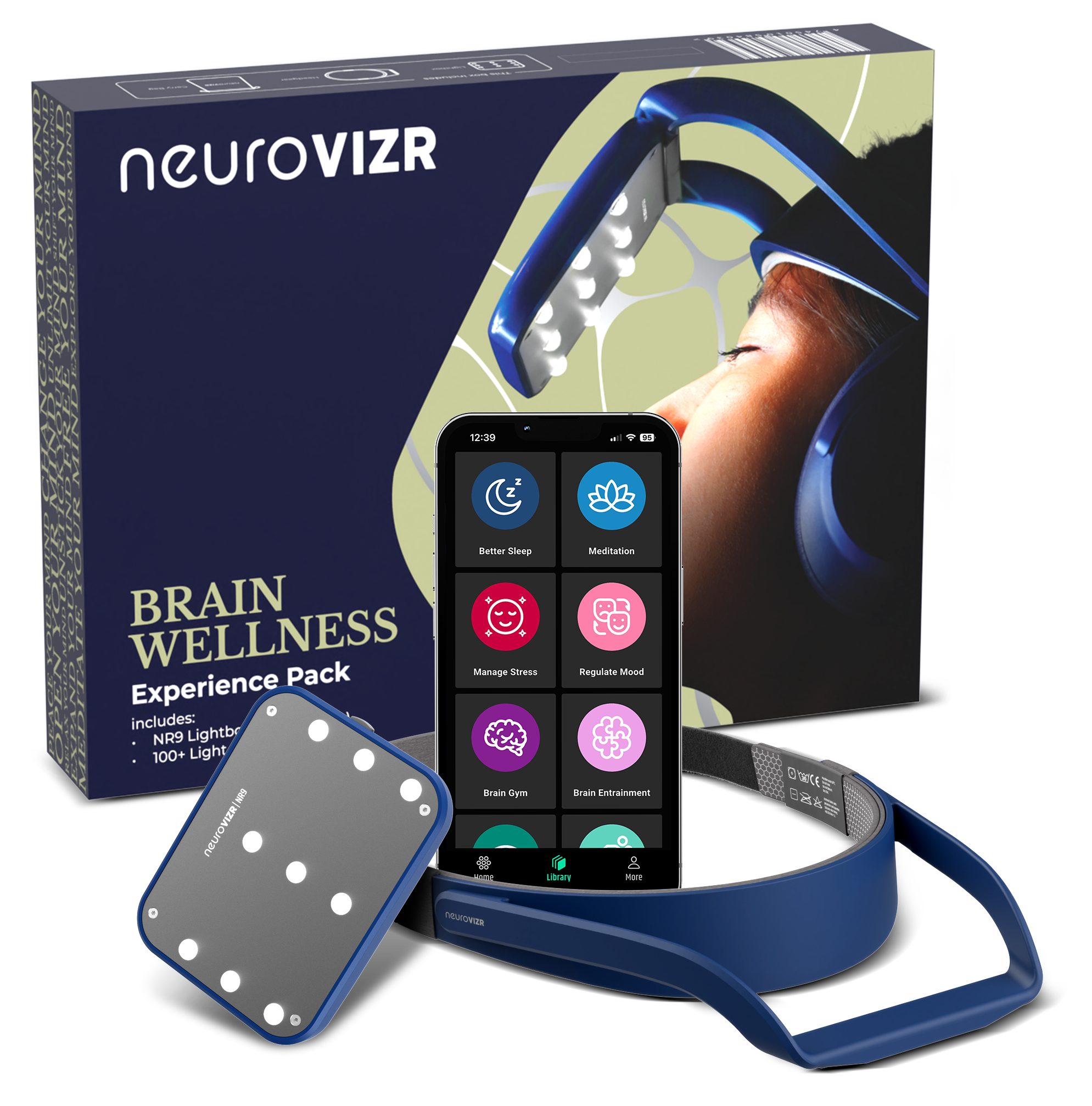
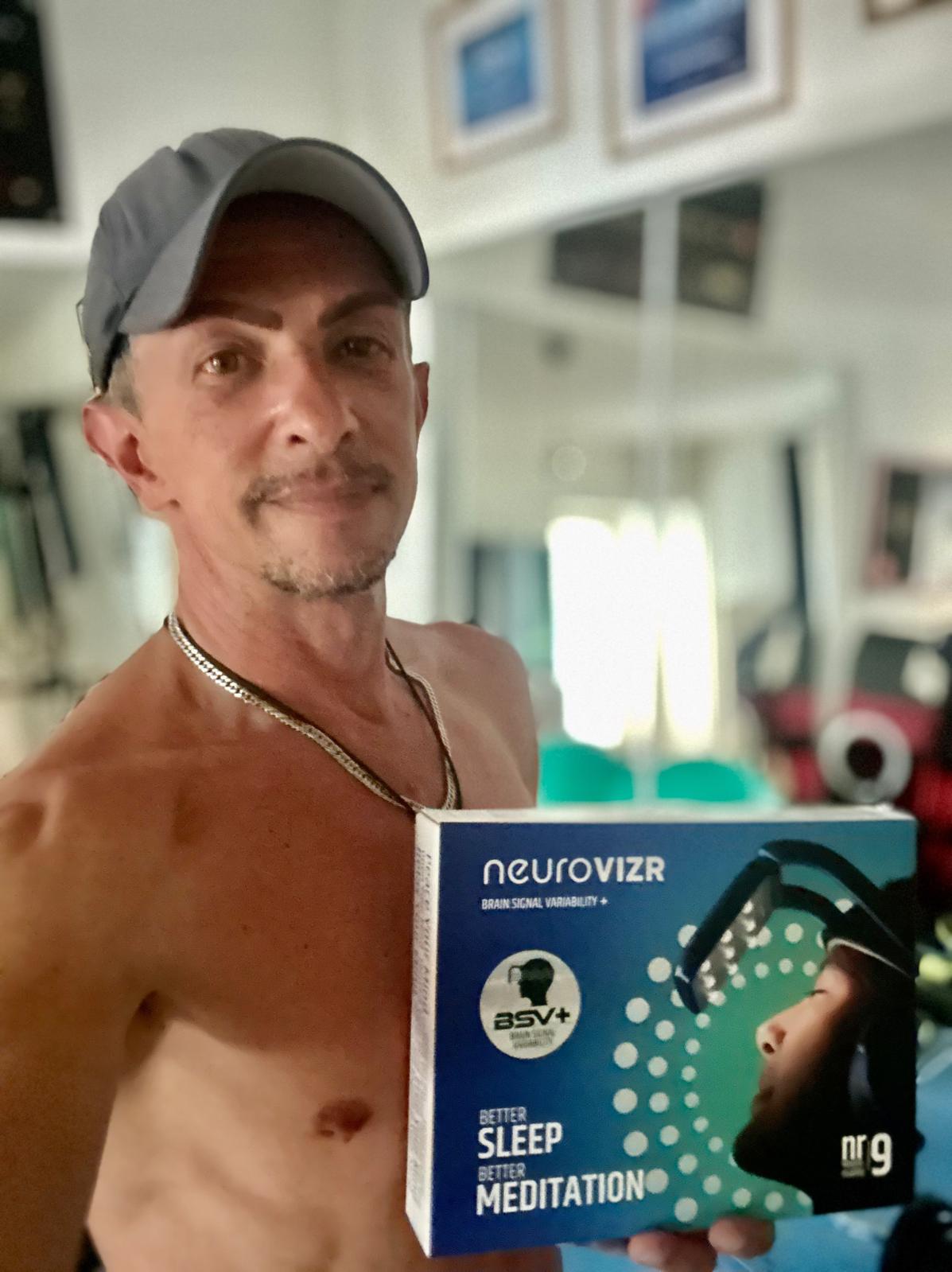
For individuals who struggle with racing thoughts or persistent mental activity at night, brain-focused tools can be helpful. Non-invasive brain wellness devices like NeuroVIZR use synchronized light and sound patterns to encourage relaxed brain states. This approach supports sleep readiness by guiding the brain toward calm rather than forcing sleep.
How neuroVIZR Helps
Many sleep problems today are not caused by a lack of physical tiredness, but by an overactive mind. Long workdays, constant stimulation, and ongoing stress keep the brain alert even when the body is ready to rest. In these cases, simply lying down is not enough to trigger quality sleep
neuroVIZR is designed to support the brain during this transition. It uses synchronized light and sound patterns to encourage calmer brain states associated with relaxation and sleep readiness. Instead of forcing the body into sleep, it helps the brain gradually shift out of heightened alertness.
With regular use, neuroVIZR can support easier sleep onset, reduced mental restlessness at night, and more consistent sleep patterns. For individuals looking for a non-medicated, brain-focused approach to improving sleep, it offers a supportive and practical option.
Final Thoughts
Sleep is not a passive state or a break from daily life. It is a fundamental process that allows the body and brain to recover, reset, and function properly. When sleep is consistently disrupted, the effects often appear gradually, through lower energy, reduced focus, and changes in emotional balance, long before they feel serious.
Understanding how sleep is understood and supported makes it easier to improve without drastic changes. Small adjustments, consistency, and attention to mental rest can make a meaningful difference over time. Prioritizing sleep is not about doing less; it is about giving the body and brain what they need to function at their best, day after day.


















Partager:
Sleep Tips: 6 Brain-Based Ways a Brain Training App Can Support Better Sleep
Sleep Corner: Syncing Your Routine with Your Natural Body Clock