


How To Get More Deep Sleep
  • Written by Gourav Rathore

How To Get More Deep Sleep?

When you are lying in bed and cannot go to sleep even though your body is demanding that you sleep then you might be missing out on deep sleep and not getting the actual sleep You know therefore that groggy wake-up feeling that no coffee can make you feel any better you may need the actual sleep and rest every one of your body can get You.

Deep sleep is not about trying to sleep more It is about providing the environment in which the brain would rather be shifting into slow wave rhythms. The essence of deep sleep is a state of safety and calm low arousal. When we respect this we enable deep repair, memory consolidation, hormone regulation and emotional balance.

What is going on in your brains?

To achieve deep sleep the brain must leave the wakefulness state of beta or high alpha brain waves to the slower delta waves During the day the brain can be alert but not able to get deep sleep to repair and restore itself In this state the brain is on the guard, but it will not be able to get deep sleep.

Deep sleep needs a restful amygdala, low stress hormone stable circadian rhythm and low levels of sensory interference. When light blue screens or the noise of a loud street or emotional stress force the nervous system into a state of vigilance, deep sleep is elusive.

In very simple terms deep sleep starts when your body sends you one message only: you are safe enough to relax.

Light methods of welcoming deep sleep

Below are some of the tips that will assist your nervous system to relax and your brain to lose consciousness or rather, sleep.

1. Control your nervous system before sleep

Take 5-10 minutes to complete a calming practice Dim the lights reduce the display on the screen tone down the sound Try slow exhale breathing breathing out six to eight seconds A few cycles of this will help the brain leave the fight or flight mode and transition to rest mode This mode will promote more parasympathetic activation and an alert to drop in the deeper waves.

2. Focus your mind and empty your head

Going to sleep with thoughts that are incomplete or things you do not want to do, or things you need to do that you are not finished with yet your prefrontal cortex might not get to rest and Use a simple notebook or a quick brain dump, and get the thoughts out of your mind onto paper That will help your working memory to rest and allow your brain to be physically rested.

3. Anchor a stable sleep rhythm

Regular wakefulness and sleep times aid in regulating melatonin and cortisol rhythm Morning light exposure assist in the establishment of the inner clock No bright screen or stimulating content one or two hours before sleep This assists in producing natural melatonin levels that reduce the state of alertness and slow wave sleep.

4. Reduce sensory and environmental noise

Keep your sleeping space calm Dark quiet cool If outside noise is a source of disturbance use earplugs or a white noise something soft to listen to. A cozy environment makes the brain think that it is safe enough to turn off protective vigilance and enter into deep sleep.

5. Favorable brainwave transitional entraining

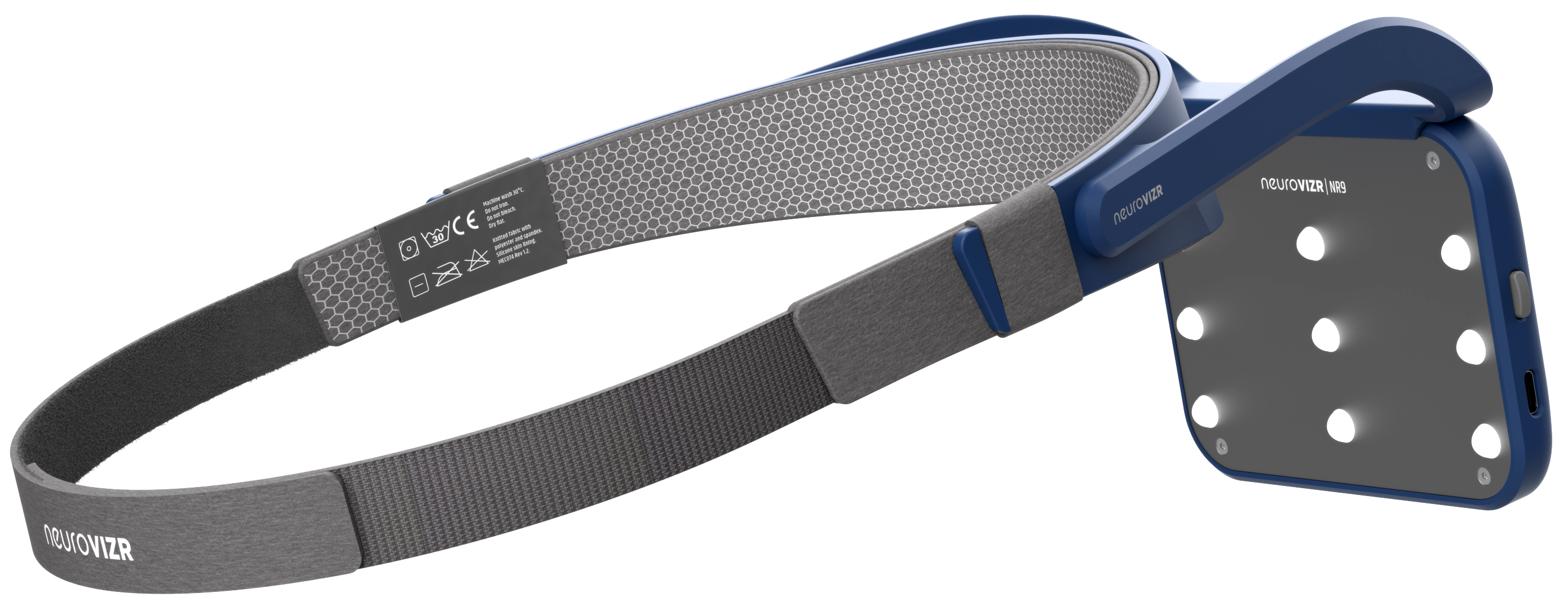
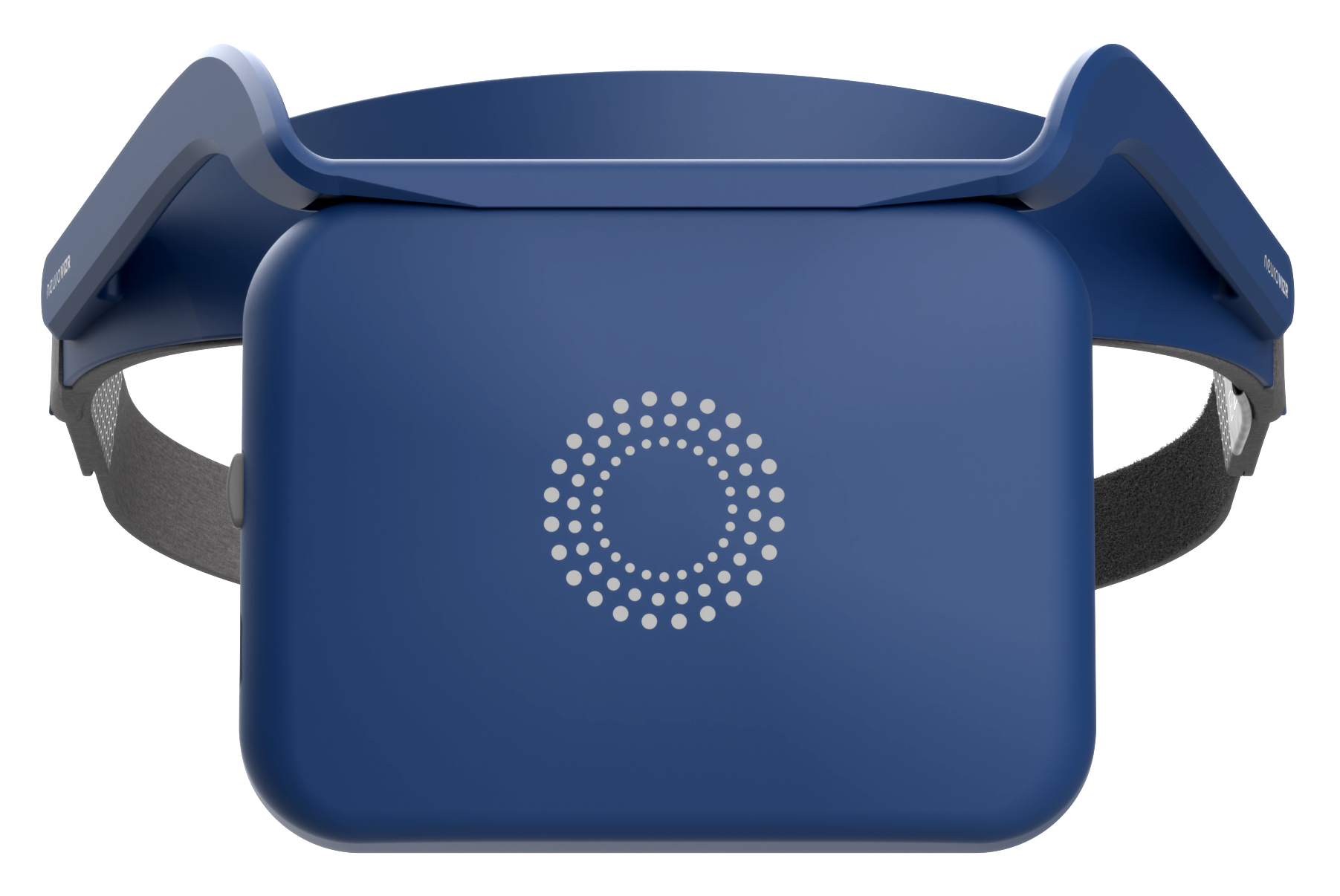
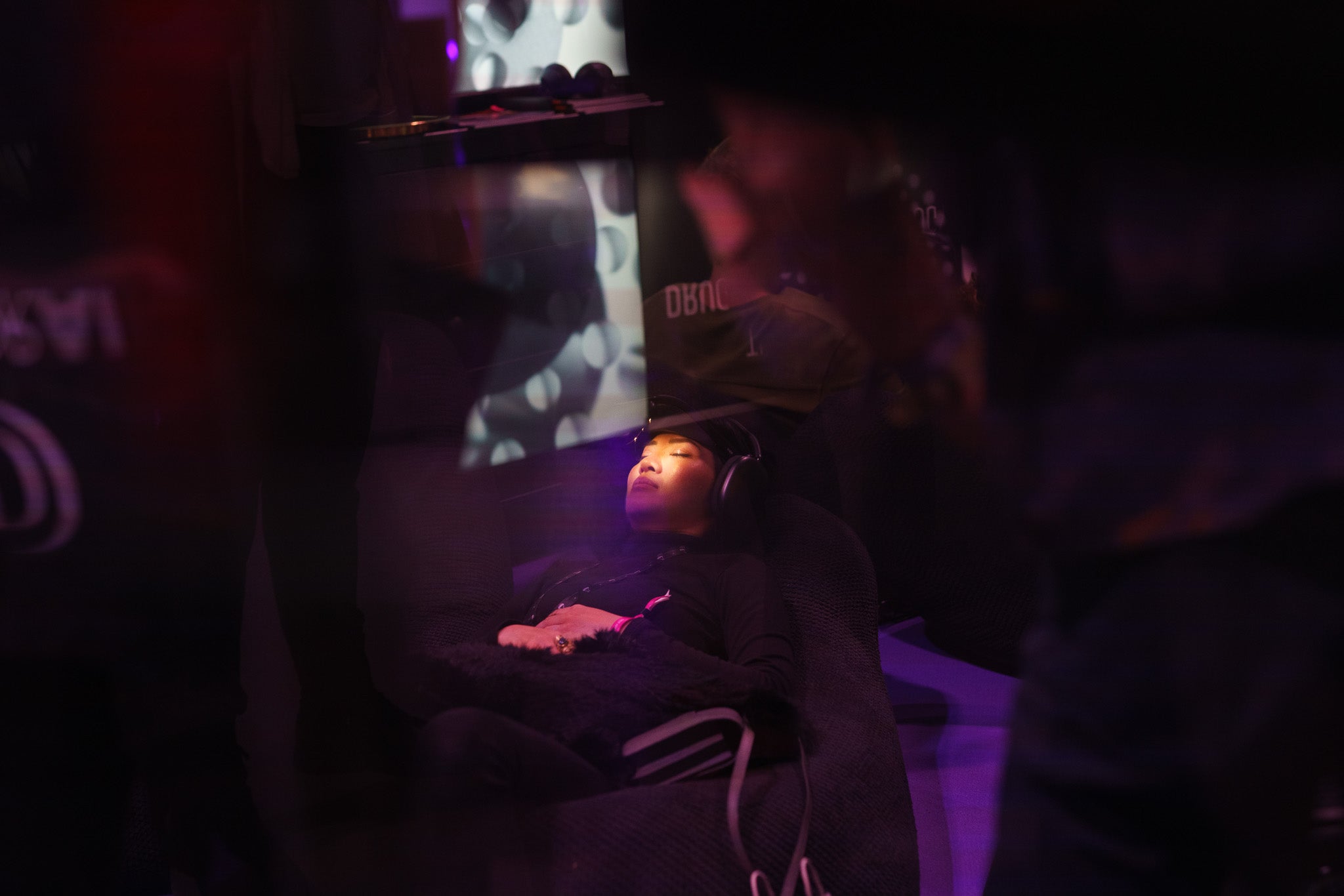
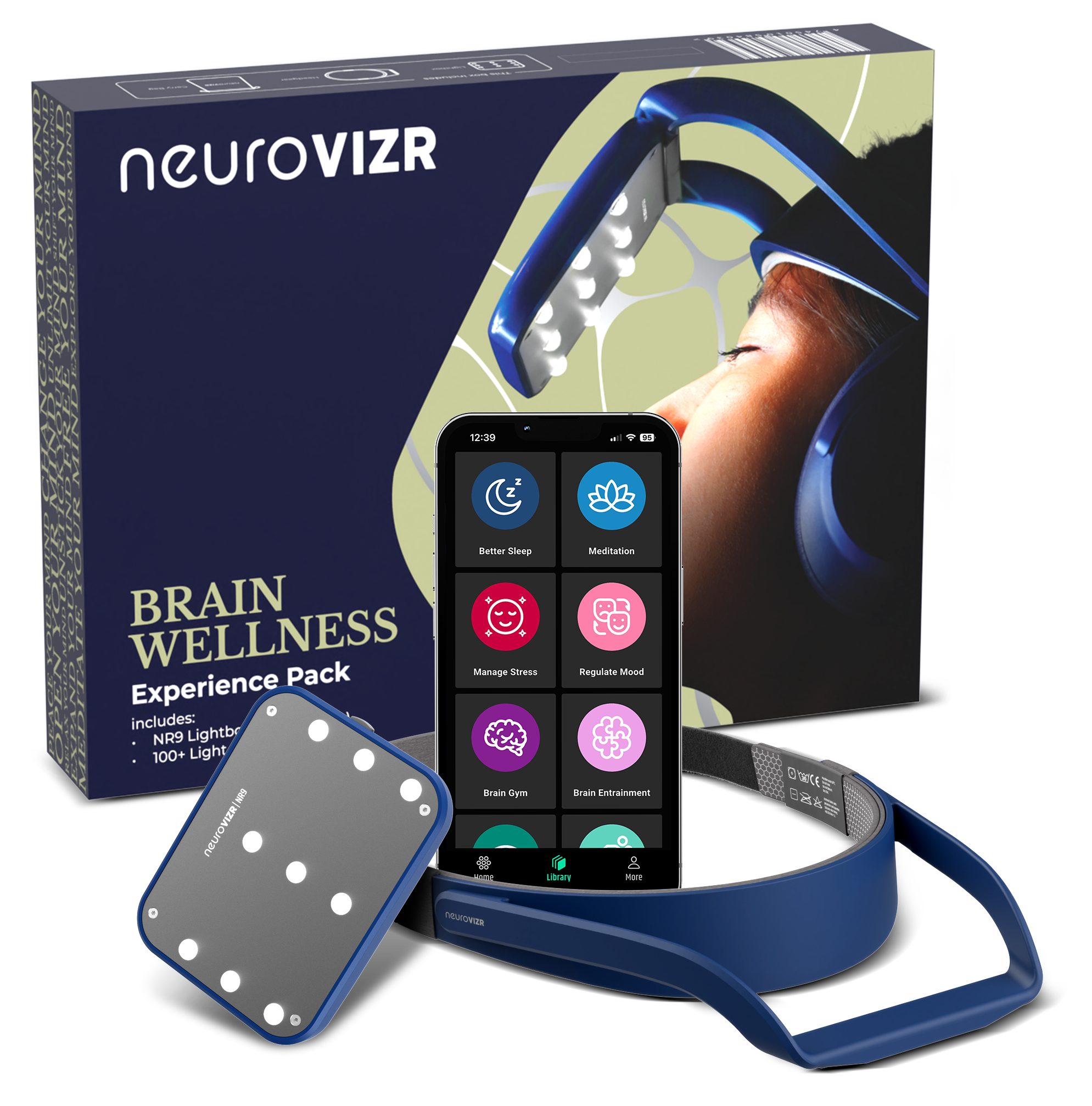
Light or soft sound can be used to stimulate the brain to the theta or delta range. Those frequencies will aid in relaxation and falling asleep. Those tools can be used consciously and may help change the state of the organism between being awake and in restful sleep.

Read more-

why does sleep feel so good

how do i fix my sleep schedule

The benefits of deep sleep to you

Deep sleep When your brain gets deep sleep your mornings will become lighter. Your concentration is sharper and your mood is more stable. Your stress levels are less stressful to manage and your immune system has an opportunity to restore itself. Deep sleep helps with memory processing and emotional regulation as well as physical recovery.

You find that little measures, such as drawing the lights down a notch later or writing down before sleep, start to produce better sleep over time. Rather than compelling yourself to sleep you start creating a home to it You no longer seek to sleep; you go to welcome it.

With time your body gets used to the safe rhythm and your nervous system is more sensitive to the cues of being calm. Deep sleep becomes available instead of being out of reach.

Key Takeaways

  • Deep sleep is not just about time but about safety rhythm and nervous system regulation

  • Simple evening rituals and sensory downshifting help shift the brain from vigilance into rest mode

  • Consistent sleep rhythm and mental declutter help the brain prepare for restorative slow-wave sleep

Conclusion-

Deep sleep is not something we force It is something we create space for When we support the nervous system with calm rhythm and safety the brain naturally returns to deep restorative rest Small shifts repeated consistently can change the way you wake up and the way you live

Content Disclaimer:
This article is for educational and informational purposes only and is not intended to provide medical advice, diagnosis, or treatment. The concepts described such as brainwave states, nervous system regulation, and sleep optimization are based on general scientific research and wellness practices. Individual sleep needs and health conditions may vary. Always consult a qualified healthcare professional if you have concerns about chronic insomnia, sleep disorders, or underlying medical issues.

Content References:

National Institutes of Health (NIH)

National Sleep Foundation

American Academy of Sleep Medicine (AASM)

Harvard Medical School: Division of Sleep Medicine

Matthew Walker, PhD

Journal of Neuroscience

Journal of Sleep Research

Stanford Neuroscience & Huberman Lab

World Health Organization (WHO)

When you are lying in bed and cannot go to sleep even though your body is demanding that you sleep then you might be missing out on deep sleep and not getting the actual sleep You know therefore that groggy wake-up feeling that no coffee can make you feel any better you may need the actual sleep and rest every one of your body can get You.

Deep sleep is not about trying to sleep more It is about providing the environment in which the brain would rather be shifting into slow wave rhythms. The essence of deep sleep is a state of safety and calm low arousal. When we respect this we enable deep repair, memory consolidation, hormone regulation and emotional balance.

What is going on in your brains?

To achieve deep sleep the brain must leave the wakefulness state of beta or high alpha brain waves to the slower delta waves During the day the brain can be alert but not able to get deep sleep to repair and restore itself In this state the brain is on the guard, but it will not be able to get deep sleep.

Deep sleep needs a restful amygdala, low stress hormone stable circadian rhythm and low levels of sensory interference. When light blue screens or the noise of a loud street or emotional stress force the nervous system into a state of vigilance, deep sleep is elusive.

In very simple terms deep sleep starts when your body sends you one message only: you are safe enough to relax.

Light methods of welcoming deep sleep

Below are some of the tips that will assist your nervous system to relax and your brain to lose consciousness or rather, sleep.

1. Control your nervous system before sleep

Take 5-10 minutes to complete a calming practice Dim the lights reduce the display on the screen tone down the sound Try slow exhale breathing breathing out six to eight seconds A few cycles of this will help the brain leave the fight or flight mode and transition to rest mode This mode will promote more parasympathetic activation and an alert to drop in the deeper waves.

2. Focus your mind and empty your head

Going to sleep with thoughts that are incomplete or things you do not want to do, or things you need to do that you are not finished with yet your prefrontal cortex might not get to rest and Use a simple notebook or a quick brain dump, and get the thoughts out of your mind onto paper That will help your working memory to rest and allow your brain to be physically rested.

3. Anchor a stable sleep rhythm

Regular wakefulness and sleep times aid in regulating melatonin and cortisol rhythm Morning light exposure assist in the establishment of the inner clock No bright screen or stimulating content one or two hours before sleep This assists in producing natural melatonin levels that reduce the state of alertness and slow wave sleep.

4. Reduce sensory and environmental noise

Keep your sleeping space calm Dark quiet cool If outside noise is a source of disturbance use earplugs or a white noise something soft to listen to. A cozy environment makes the brain think that it is safe enough to turn off protective vigilance and enter into deep sleep.

5. Favorable brainwave transitional entraining

Light or soft sound can be used to stimulate the brain to the theta or delta range. Those frequencies will aid in relaxation and falling asleep. Those tools can be used consciously and may help change the state of the organism between being awake and in restful sleep.

Read more-

why does sleep feel so good

how do i fix my sleep schedule

The benefits of deep sleep to you

Deep sleep When your brain gets deep sleep your mornings will become lighter. Your concentration is sharper and your mood is more stable. Your stress levels are less stressful to manage and your immune system has an opportunity to restore itself. Deep sleep helps with memory processing and emotional regulation as well as physical recovery.

You find that little measures, such as drawing the lights down a notch later or writing down before sleep, start to produce better sleep over time. Rather than compelling yourself to sleep you start creating a home to it You no longer seek to sleep; you go to welcome it.

With time your body gets used to the safe rhythm and your nervous system is more sensitive to the cues of being calm. Deep sleep becomes available instead of being out of reach.

Key Takeaways

  • Deep sleep is not just about time but about safety rhythm and nervous system regulation

  • Simple evening rituals and sensory downshifting help shift the brain from vigilance into rest mode

  • Consistent sleep rhythm and mental declutter help the brain prepare for restorative slow-wave sleep

Conclusion-

Deep sleep is not something we force It is something we create space for When we support the nervous system with calm rhythm and safety the brain naturally returns to deep restorative rest Small shifts repeated consistently can change the way you wake up and the way you live

Content Disclaimer:
This article is for educational and informational purposes only and is not intended to provide medical advice, diagnosis, or treatment. The concepts described such as brainwave states, nervous system regulation, and sleep optimization are based on general scientific research and wellness practices. Individual sleep needs and health conditions may vary. Always consult a qualified healthcare professional if you have concerns about chronic insomnia, sleep disorders, or underlying medical issues.

Content References:

National Institutes of Health (NIH)

National Sleep Foundation

American Academy of Sleep Medicine (AASM)

Harvard Medical School: Division of Sleep Medicine

Matthew Walker, PhD

Journal of Neuroscience

Journal of Sleep Research

Stanford Neuroscience & Huberman Lab

World Health Organization (WHO)
Améliorez votre clarté mentale avec neuroVIZR