

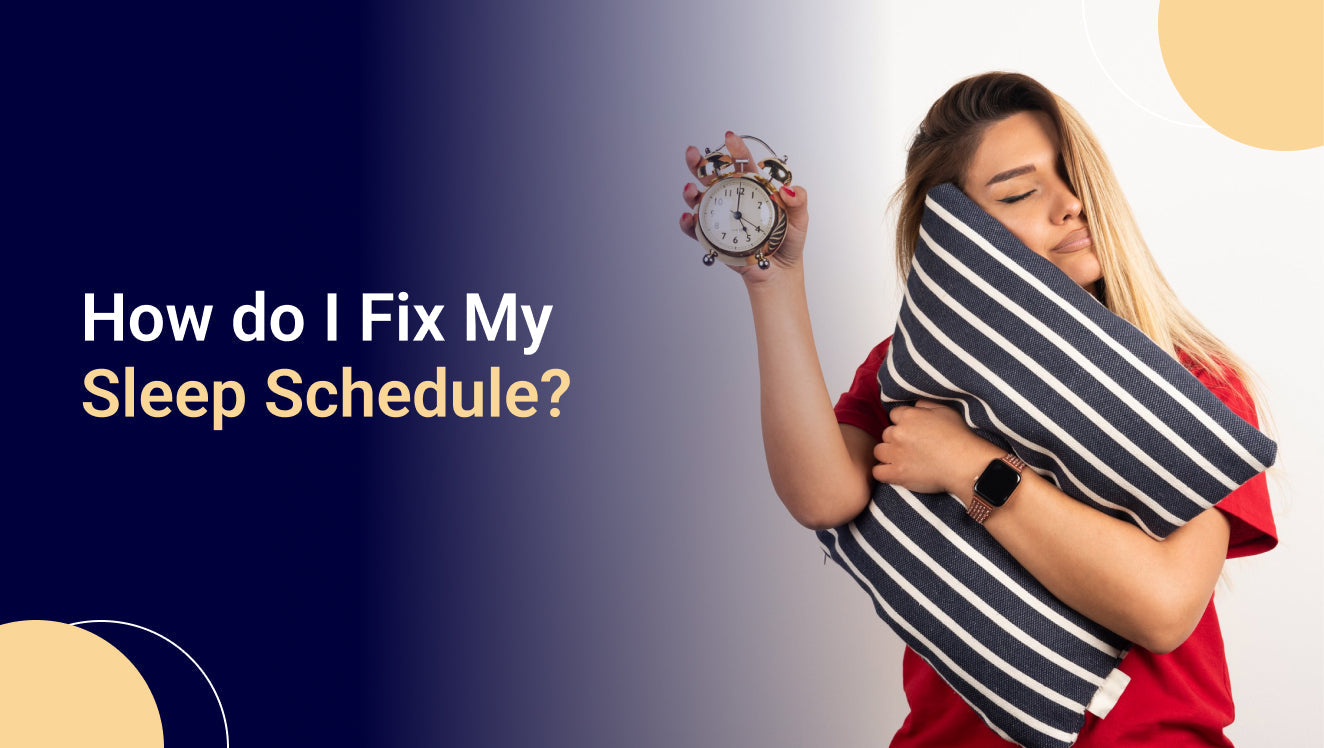
Liegen Sie manchmal um 2 Uhr morgens im Bett, scrollen durch Ihr Handy und wissen, dass Sie sich am nächsten Morgen hassen werden, können aber trotzdem nicht aufhören?
Manchmal wachen Sie bereits erschöpft auf, als hätte Ihr Körper nie mitbekommen, dass Sie geschlafen haben. Ihr Gehirn fühlt sich benebelt an, Ihre Stimmung ist schlecht, und selbst einfache Aufgaben fühlen sich schwerer an, als sie sollten.
Das Schlimmste ist, dass Sie nicht einmal einen klaren Grund nennen können.
Ihr Schlaf hat jedoch nicht plötzlich aufgehört zu funktionieren, sondern er ist aus dem Rhythmus geraten. Und sobald dieser Rhythmus gestört ist, zahlen alles – von Ihrer Energie bis zu Ihren Emotionen – den Preis.
Lassen Sie uns die Auslöser und einige bewährte Wege zur Verbesserung Ihres Schlafs verstehen.
Gründe, warum Sie nicht richtig schlafen können
Schlafprobleme treten selten über Nacht auf. Sie entwickeln sich in der Regel durch eine Mischung aus Lebensgewohnheiten, emotionalen Auslösern und Umweltfaktoren.
Hier sind einige der häufigsten Gründe, warum Menschen Schwierigkeiten haben, einzuschlafen oder durchzuschlafen.
-
Unregelmässige Schlafzeiten
Wenn sich Ihre Schlaf- und Wachzeiten täglich ändern, gerät Ihre innere Uhr durcheinander. Dies führt dazu, dass Ihr Geist wach ist, wenn er sich eigentlich beruhigen sollte, und schläfrig, wenn er aktiv sein sollte.
-
Übermässige Bildschirmnutzung am Abend
Helles Licht von Telefonen oder Laptops signalisiert Ihrem Gehirn, dass es noch Tag ist. Dies verzögert Ihre natürliche Fähigkeit einzuschlafen und reduziert die Qualität der Erholung, sobald Sie es tun.
-
Stress und emotionale Überlastung
Rasende Gedanken, Sorgen um den nächsten Tag oder ungelöste Emotionen halten Ihren Geist aktiv und erschweren es, in einen friedlichen Schlaf zu finden.
-
Mangel an Tageslicht
Ihr Körper ist auf Tageslicht angewiesen, um zu verstehen, wann der Tag beginnt und endet. Ohne ausreichendes Morgenlicht verzögert sich Ihre Schlafzeit auf natürliche Weise.
-
Lange Nickerchen am Tag oder Inaktivität
Wenig Bewegung während des Tages reduziert das Bedürfnis Ihres Körpers nach tiefem Schlaf in der Nacht. Lange Nickerchen verschieben auch Ihren Schlafdruck und verzögern Ihre Schlafenszeit.
-
Unangenehme Schlafumgebung
Ein zu helles, lautes, warmes oder unordentliches Zimmer kann Ihre Fähigkeit, sich zu entspannen und durchzuschlafen, stören.
Wie Sie Ihren Schlaf verbessern
Hier sind die effektivsten und wissenschaftlich fundiertesten Methoden, um Ihren natürlichen Schlafplan wiederherzustellen:
-
Stress bewältigen
Stress ist einer der Hauptgründe, warum Ihr Geist nachts nicht abschalten kann.
Wenn Sie emotionalen Druck, unfertige Gedanken und tägliche Sorgen mit ins Bett nehmen, bleibt Ihr Gehirn aktiv, selbst wenn Ihr Körper müde ist.
Stressbewältigung beginnt damit, Ihre Auslöser zu verstehen und einfache beruhigende Gewohnheiten für den Tag zu entwickeln.
Sanfte Atemübungen, achtsame Pausen, leichte Bewegung und das Aufschreiben Ihrer Gedanken vor dem Schlafengehen helfen, mentale Anspannung abzubauen.
Wenn Ihr Geist unterstützt wird, fällt es Ihrem Körper leichter, sich zu entspannen. Stressreduzierung verbessert nicht nur den Schlaf; sie verbessert das allgemeine emotionale Gleichgewicht und hilft Ihnen, sich erfrischt zu fühlen, wenn Sie aufwachen. Schlaf – der wahre Langlebigkeits-Code: Sie müssen richtig schlafen, um sich vollständig von Angst, Müdigkeit und Gehirnnebel zu erholen. Und wenn Sie nicht genug Schlaf bekommen, müssen Sie die Bedeutung des Schlafes für die Erholung lesen.
-
Übernehmen Sie die Kontrolle über Ihre täglichen Gewohnheiten
Ihre tägliche Routine beeinflusst Ihren Schlaf mehr, als Sie denken. Die Zeit, zu der Sie essen, wie lange Sie Bildschirme nutzen, wann Sie Ihren Körper bewegen und wie Sie Pausen über den Tag verteilt einplanen – all das beeinflusst die Qualität Ihres Schlafes.
Die Kontrolle zu übernehmen bedeutet, diese Muster zu beobachten und ungesunde Gewohnheiten durch gesündere zu ersetzen.
Regelmässige Mahlzeiten, kurze Spaziergänge, Sonnenlichtexposition und die Reduzierung von Stimulation am Abend helfen Ihrem inneren Rhythmus, sich natürlich anzupassen. Wenn Ihre Tagesgewohnheiten ausgewogen sind, werden Ihre Nächte automatisch ruhiger. Das Ziel ist nicht Perfektion, sondern Beständigkeit, denn eine stetige Routine lehrt Ihren Geist genau, wann es Zeit ist, sich auszuruhen.
Erfahren Sie auch, wie viel Schlaf Sie brauchen sollten, um Ihr Leben besser zu gestalten.
-
Nutzen Sie Brain-Wellness-Geräte
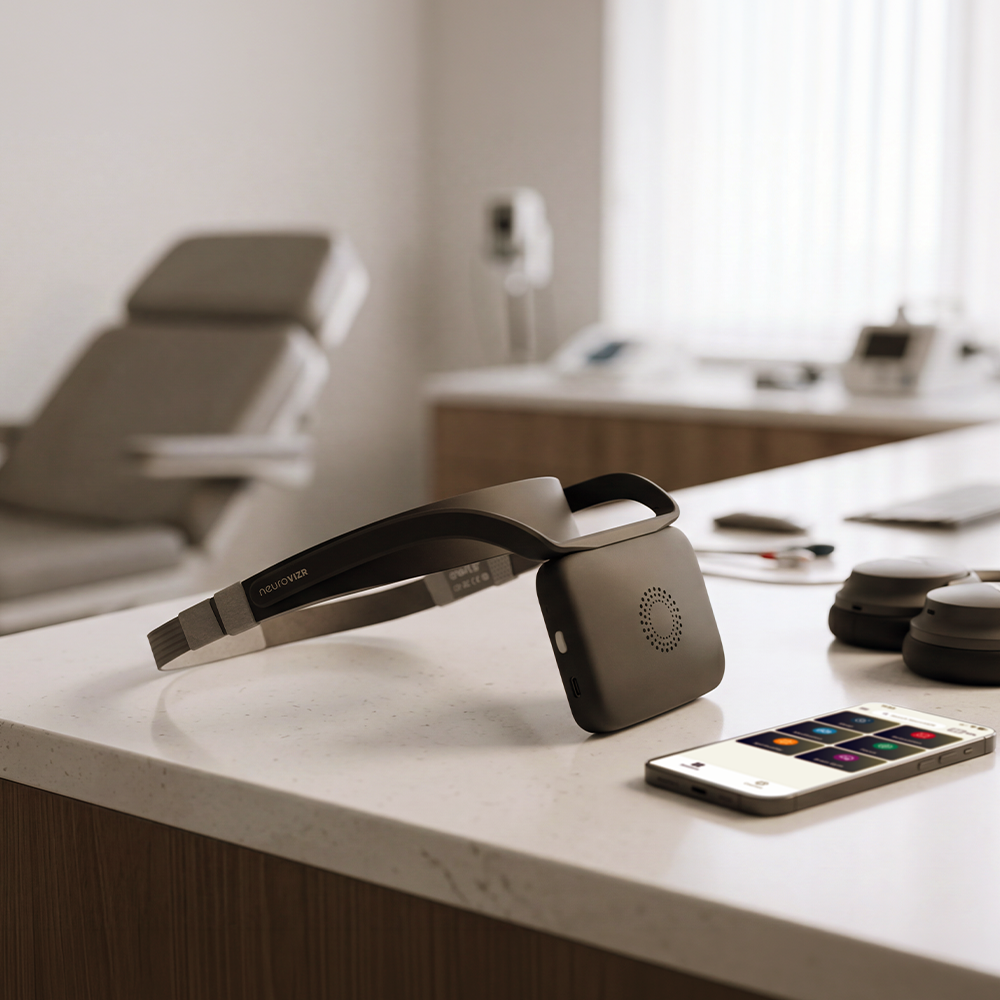
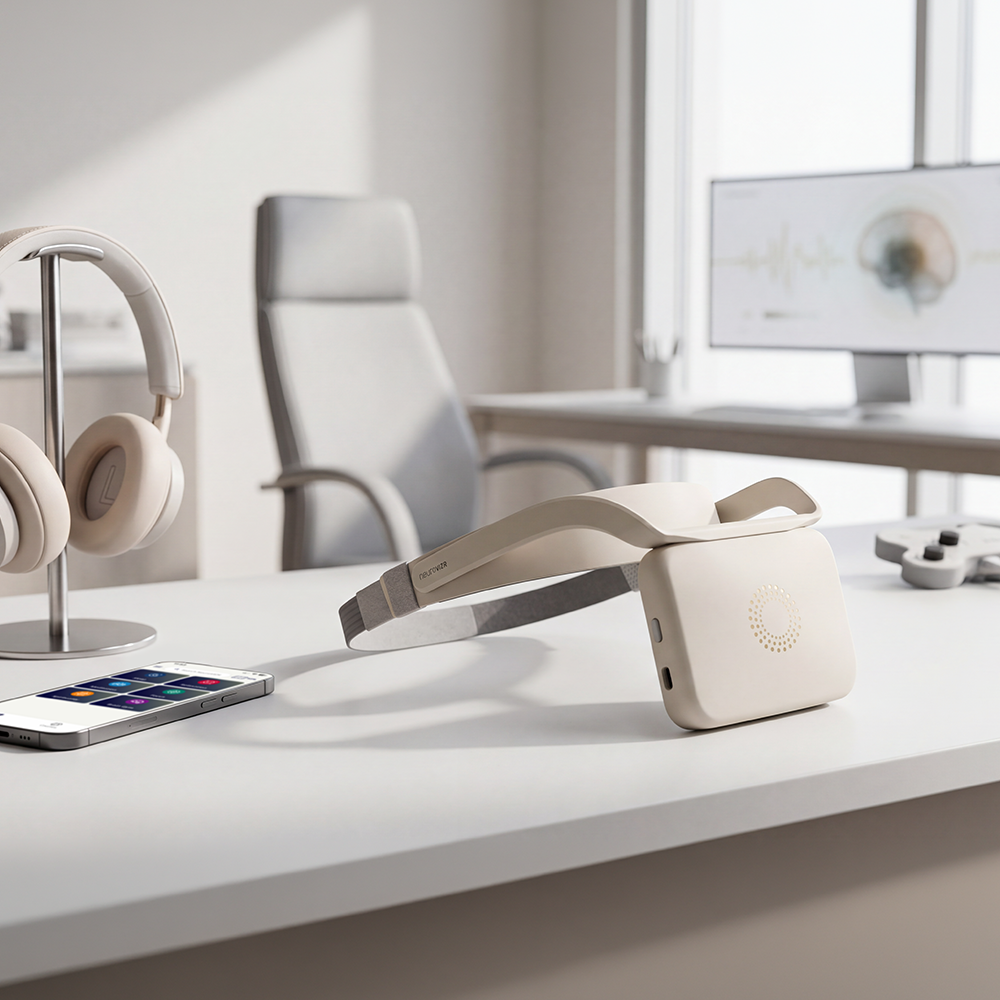
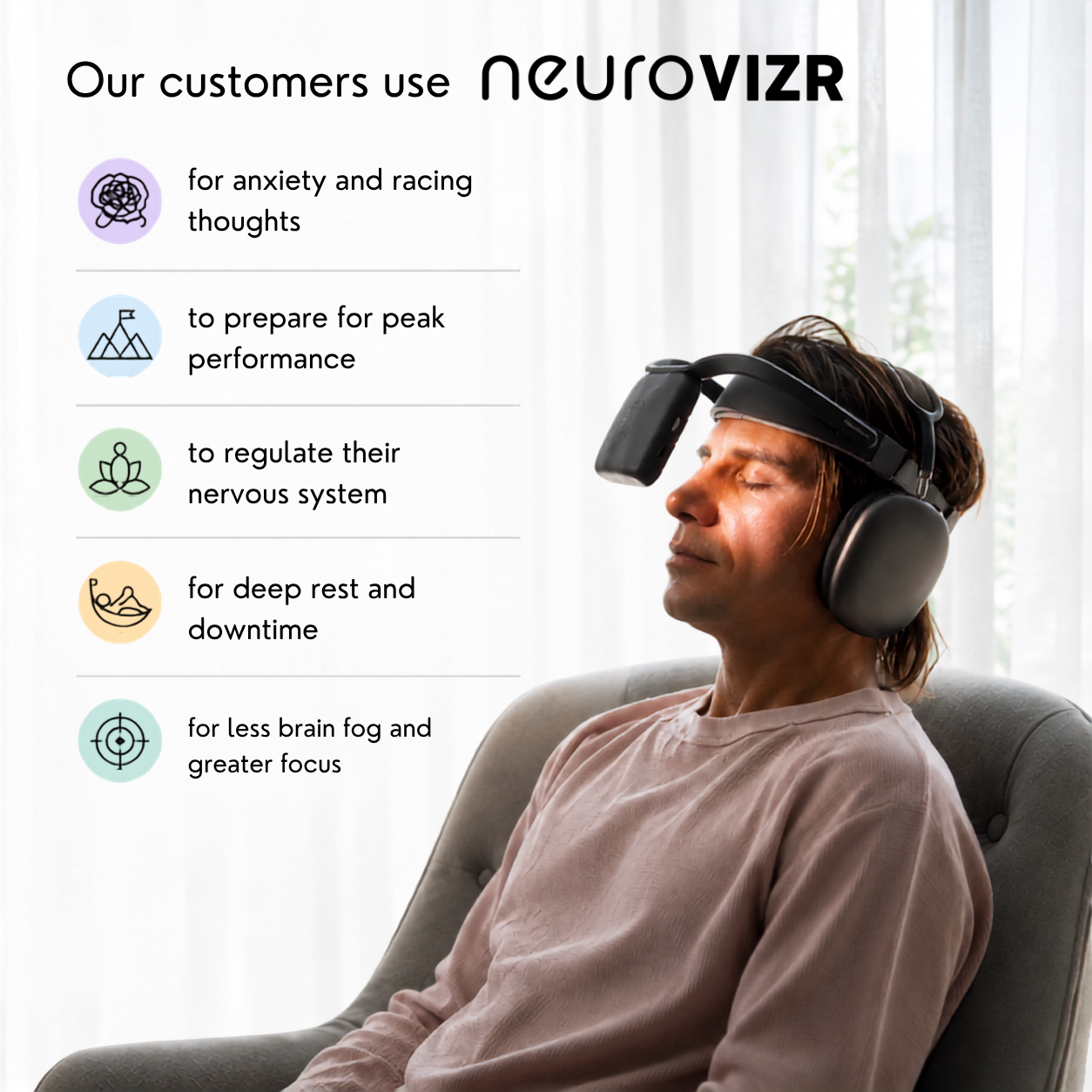
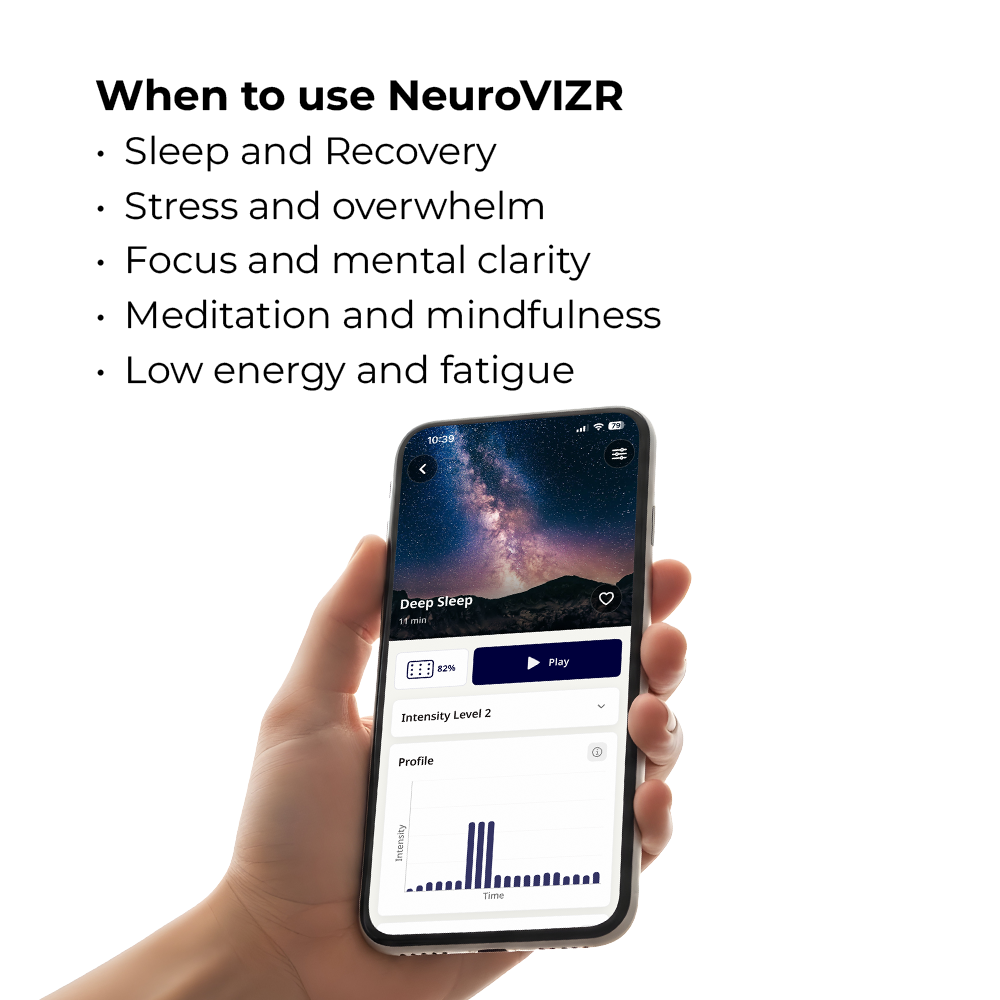
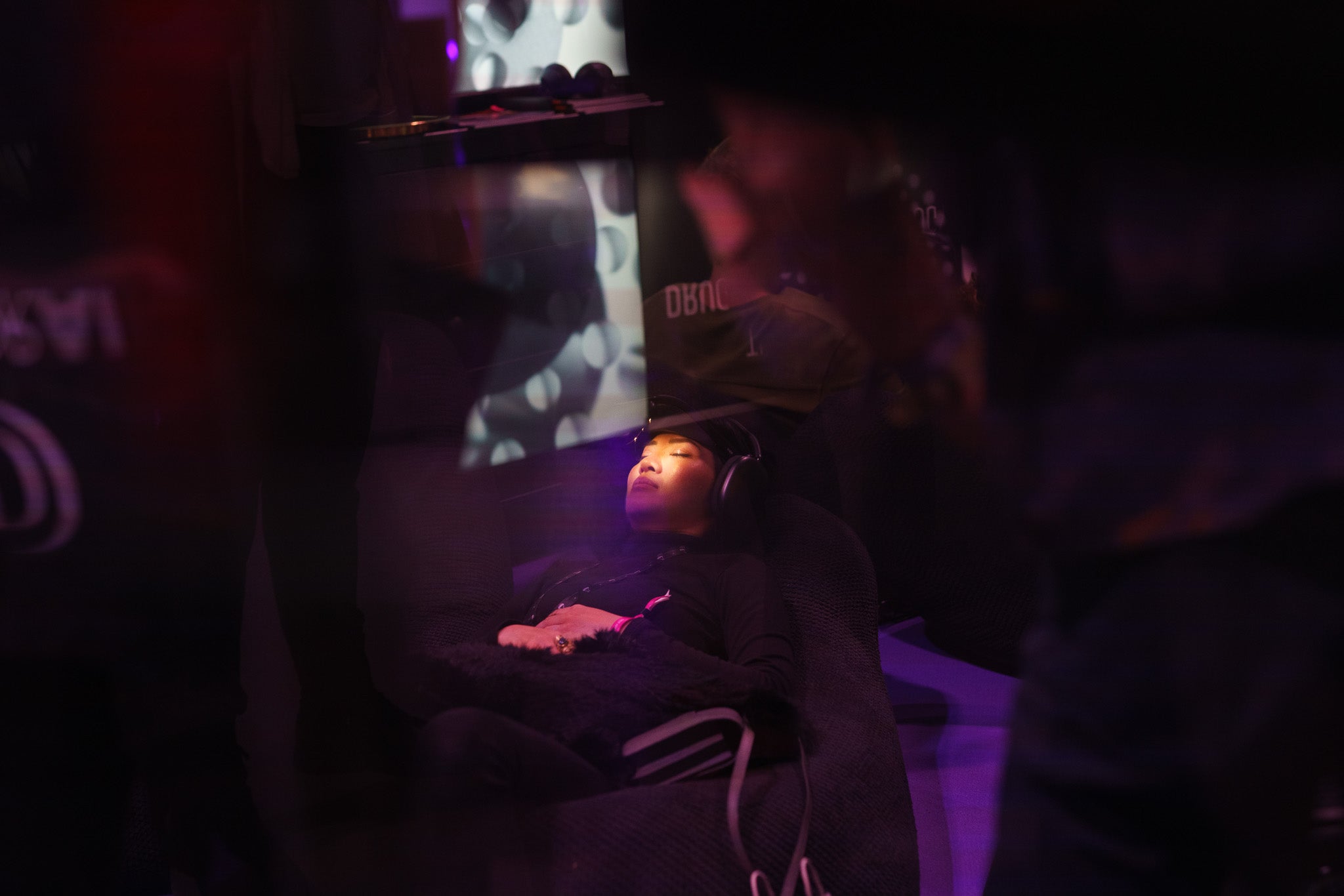
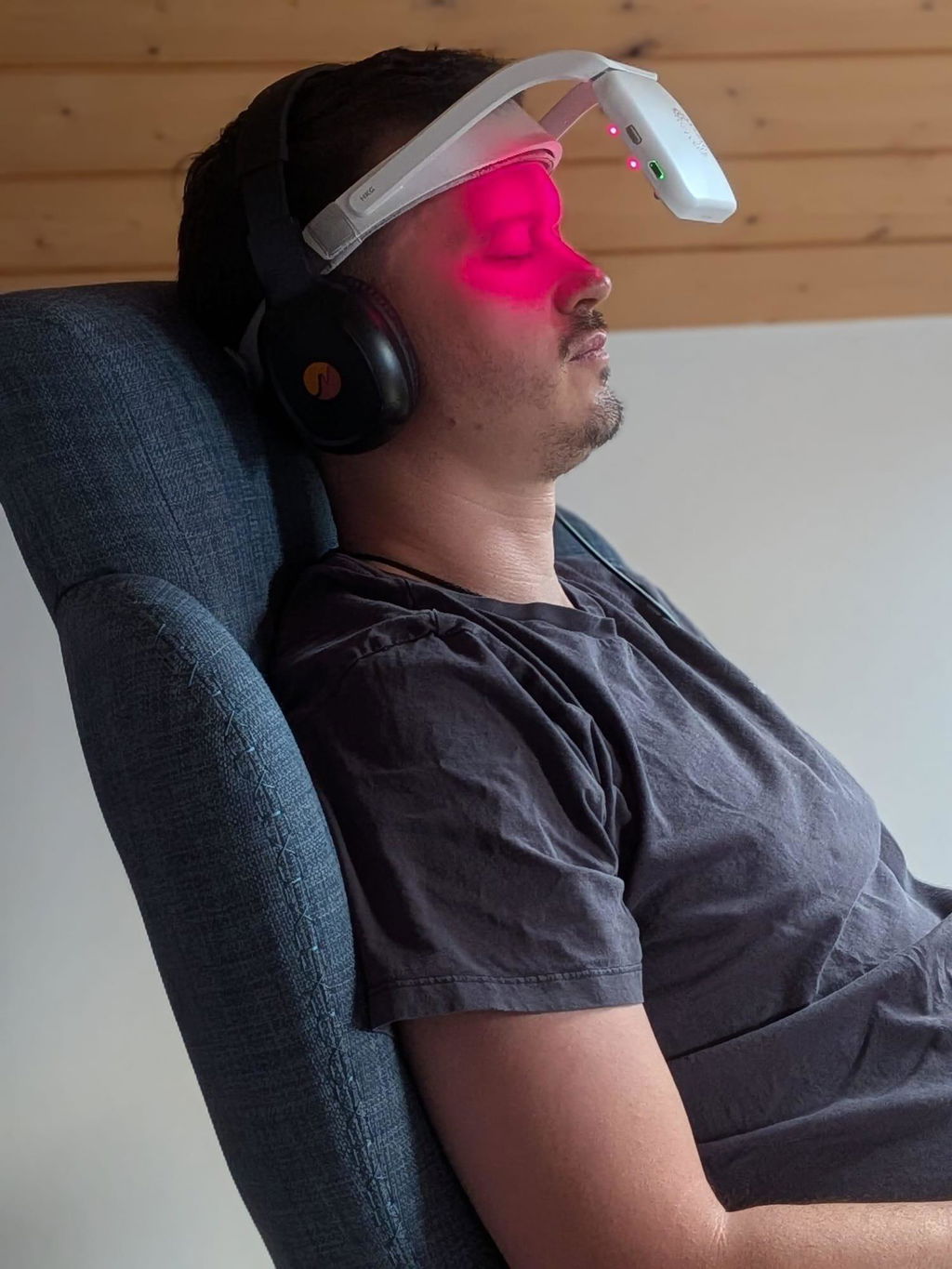
Brain-Wellness-Geräte bieten moderne Unterstützung zur Entspannung, indem sie Ihre Sinne in einen ruhigeren Zustand führen. neuroVIZR wurde entwickelt, um Ihr Gehirn sanft mit Licht und rhythmischen Mustern zu stimulieren, die tiefe Entspannung fördern.
Wenn Ihr Geist diese beruhigenden Signale empfängt, fällt es leichter, von Stress in einen friedlichen abendlichen Zustand zu wechseln.
Die regelmässige Anwendung eines solchen Tools kann helfen, mentales Geplapper zu reduzieren, die Konzentration zu verbessern und Ihr Gehirn auf einen erholsamen Schlaf vorzubereiten. Es ist vorteilhaft für Menschen, die Schwierigkeiten haben, nachts von der Arbeit oder Technologie abzuschalten.
In Kombination mit einer stabilen Schlafroutine wird es zu einem starken Partner bei der Wiederherstellung des natürlichen Gleichgewichts.
-
Alkohol und Koffein einschränken
Viele Menschen greifen zu einer Tasse Kaffee für Energie und einem Drink zur Entspannung, doch beides kann ihren Schlaf stören. Koffein bleibt länger in Ihrem System, als Sie erwarten, und kann Ihr Gehirn noch Stunden später wach halten.
Alkohol kann anfangs schläfrig machen, stört aber die tieferen Schlafphasen und führt zu frühem Aufwachen oder unruhigem Schlaf. Das Einschränken beider, besonders am Abend, ermöglicht Ihrem Körper, sich reibungslos zu regulieren.
Ersetzen Sie sie durch beruhigende Alternativen wie Kräutertees oder warmes Wasser. Wenn Ihr System nicht überstimuliert ist, schlafen Sie schneller ein und tiefer.
-
Gönnen Sie sich ausreichend Zeit zum Entspannen
Ihr Geist kann nicht sofort von der Tagesaktivität in einen friedlichen Schlaf übergehen. Er braucht einen sanften Übergang. Die Entspannungszeit schafft diese Brücke zwischen einem anstrengenden Tag und einer erholsamen Nacht. Diese Zeit kann leichte Dehnübungen, eine warme Dusche, leise Musik, Lesen oder einfache Atemübungen umfassen.
Eine ruhige, dunkle und aufgeräumte Umgebung unterstützt Ihren Körper dabei, Spannungen abzubauen. Vermeiden Sie Bildschirme, schwere Mahlzeiten oder Gespräche, die Ihren Geist aktivieren. Wenn Sie sich genügend Zeit zum Entschleunigen gönnen, lernt Ihr Körper, diese Routine als Signal zur Ruhe zu erkennen.
Mit der Zeit wird dies zu einem natürlichen und wohltuenden Teil Ihres Abends.
Abschliessende Gedanken
Gesunder Schlaf kehrt zurück, wenn Ihre Gewohnheiten, Ihr Geist und Ihre Umgebung zusammenwirken. Und heute erleichtert neuroVIZR den Wiederaufbau dieses Gleichgewichts. Mit Beständigkeit und der richtigen Unterstützung kann tiefer, erholsamer Schlaf wieder zu Ihrer täglichen Realität werden!
FAQs
1. Was ist die 10-3-2-1-0-Regel für den Schlaf?
Die 10-3-2-1-0-Regel ist eine einfache Routine, um Ihren Körper auf einen tieferen Schlaf vorzubereiten:
-
10 Stunden vor dem Schlafengehen: Kein Koffein.
-
3 Stunden vor dem Schlafengehen: Keine schweren Mahlzeiten oder Alkohol.
-
2 Stunden vor dem Schlafengehen: Keine Arbeit mehr.
-
1 Stunde vor dem Schlafengehen: Keine Bildschirme.
-
0: Anzahl der Male, die Sie morgens die Schlummertaste drücken sollten.
2. Warum schläft die Gen Z spät?
Die Gen Z schläft oft spät aufgrund von hoher Bildschirmnutzung, nächtlichem Scrollen, akademischem/beruflichem Druck und unregelmässigen Routinen. Ihr zirkadianer Rhythmus verschiebt sich in den Teenager- und jungen Erwachsenenjahren natürlicherweise nach hinten, was es noch schwieriger macht, früh einzuschlafen.
3. Kann ich meinen Schlafplan durch eine durchgemachte Nacht reparieren?
Nein. Eine durchgemachte Nacht geht meist nach hinten los. Sie erhöht den Schlafmangel, stört Ihre Körperuhr weiter, erhöht das Stressniveau und macht die nächsten Nächte noch schwieriger zu regulieren. Eine schrittweise Anpassung funktioniert besser: Wachen Sie täglich zur gleichen Zeit auf und passen Sie die Schlafenszeit langsam an.
4. Wer schläft 90 % des Tages?
Tiere wie Koalas und braune Fledermäuse können bis zu 18–20 Stunden am Tag schlafen, also fast 90 % des Tages. Menschen liegen weit unter diesem Bereich, es sei denn, sie haben schwere medizinische Bedingungen.
5. Sind 22 Uhr bis 4 Uhr morgens ausreichend Schlaf?
Das sind 6 Stunden, was unter den empfohlenen 7–9 Stunden für Erwachsene liegt. Manche Menschen können vorübergehend mit 6 Stunden auskommen, aber auf lange Sicht kann dies zu Müdigkeit, schwächerem Immunsystem, Stimmungsschwankungen und verminderter Leistungsfähigkeit führen.
Haftungsausschluss
Dieser Inhalt dient ausschliesslich zu Informationszwecken und ist keine medizinische Beratung. neuroVIZR ist kein medizinisches Gerät. Bitte konsultieren Sie einen qualifizierten Arzt bei Bedenken bezüglich Medikamenten, Aufmerksamkeitsstörungen oder psychischer Gesundheit.








Teilen:
Die besten Schlafmittel ohne Medikamente – Funktionieren Gehirnstimulationsgeräte?
Grünes Rauschen für den Schlaf: Die verborgene Frequenz der Natur für tiefe Ruhe