



The brain does not deteriorate gradually at times.
It sometimes seems to drown everyone in one swift move.
One who was thinking well yesterday can find himself at a loss, lost, emotional, or mentally out of range. It is a shocking change that may be terrifying, not only to an individual, but to all the people around him or her.
Such experiences are frequently referred to as falling under the umbrella term of acute brain disorders - which are illnesses in which the functioning of the brain is disrupted in the short term, as opposed to the long term.
Knowing what is going on does not only make it less frightening.
It reinstates a feeling of ground, agency and security.

What Is an Acute Brain Disorder?
An acute brain disorder is a rapid malfunction in the brain that occurs in a matter of hours, days, weeks and not years.
In comparison to chronic neurological disorders, acute disturbances usually occur as a result of:
-
Acute physiological stress
-
Inflammation or infection
-
Oxygen or metabolic disequilibrium
-
Medication reactions
-
Overwhelming emotional or nervous system
The brain is very adaptive, however it is also energy-dependent and security oriented. Once that balance is jeopardized the system favours survival over transparency.
Read more - anxiety disorder brain fog
Feelings of Acute Brain Disruption (Outside Medical Terms)
On the inside, acute brain disturbances can hardly be perceived as neurological.
They are experienced as losing familiarity with the own mind.
Common experiences include:
-
Diffusion or retarded thought
-
Lack of focus or concentration of thoughts
-
Affective instability or anaesthesia
-
Sensory saturation or dissociation
-
Memory gaps or mental fog
-
Increased anxiety or fear without any obvious cause
What’s Happening in the Brain?
When the brain is interrupted acutely, it tends to switch to the protective mode.
That may neurologically appear as follows:
-
The prefrontal cortex (that controls reasoning, attention and regulation) is underactive.
-
The threat-detection apparatus and the amygdala become gaining preeminence.
-
Brain networks become out of phase with each other - signals do not flow as smoothly.
-
Change in neurotransmitter balance, including attention, mood, and perception.
This is not failure.
It’s the brain attempting to cope under pressure.
In some cases, acute mental states overlap with anxiety-driven conditions. For example, people experiencing persistent anxiety may also notice cognitive fog, slowed processing, or detachment, a pattern explored more deeply in this article on anxiety disorder and brain fog.
Acute vs Chronic Brain Conditions: Why the Difference Matters
Understanding whether a condition is acute or chronic changes how we respond.
|
Acute Brain Disruption |
Chronic Brain Conditions |
|
Sudden onset |
Gradual progression |
|
Often reversible |
Often long-term |
|
Trigger-based |
Structural or degenerative |
|
Nervous system overload |
Ongoing neurological change |
Acute conditions require stabilisation, support, and regulation, not long-term identity labels.
Integration: Helping the Brain in Acute Overload.
When the brain is in acute stress, it is seldom the case to do more.
Some useful strategies can be:
-
Lessening the overloading of the senses (light, noise, stimulation)
-
Recreating natural rhythms (sleep, hydration, nourishment).
-
Light practice in the control of the nervous system.
-
Non judgmental observation instead of mental control.
-
When necessary, professional medical or neurological assessment.
We have observed over and over that the brain stabilises quicker when it is not being forced to listen but feels listened to.
This is the reason why contemporary neuroscience tends to pay more attention to regulation rather than optimisation.
How This Will Transform Your Relationship with Your Brain?
A brain disorder is not an acute one.
It is usually an indication that your system is at its threshold.
Once you cease to interpret symptoms as expressions of personal ineptitude, then you see the difference:
-
Fear softens into curiosity
-
The shame is replaced with compassion.
-
There is collaboration in healing rather than a confrontation.
Intervention is not what the brain is requesting, it is enabling it.
A Grounded Takeaway
Acute brain disruptions remind us of something essential:
The brain is not a machine, it's a living, adaptive system shaped by safety, stress, and environment.
Understanding this creates space for recovery.
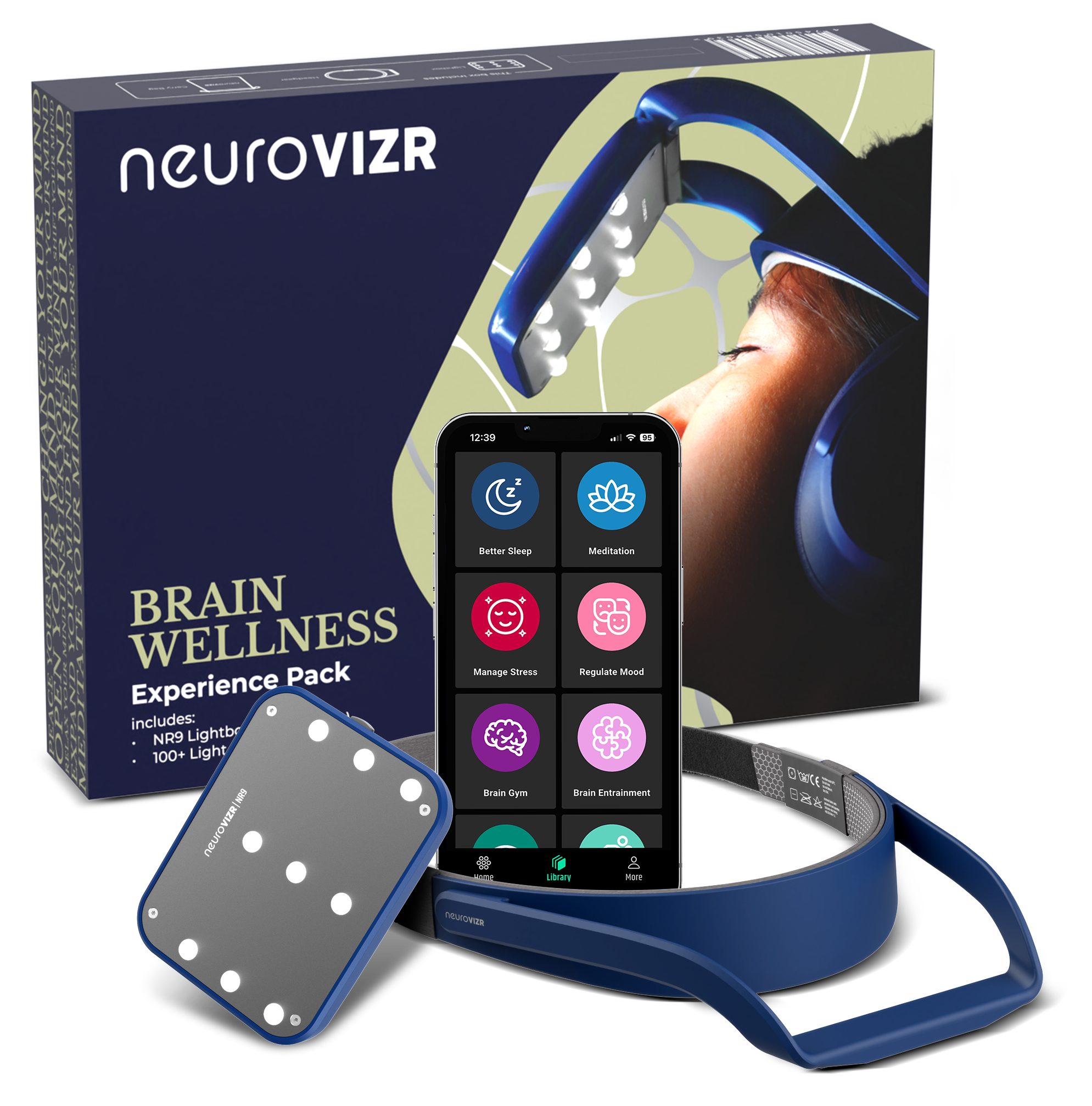
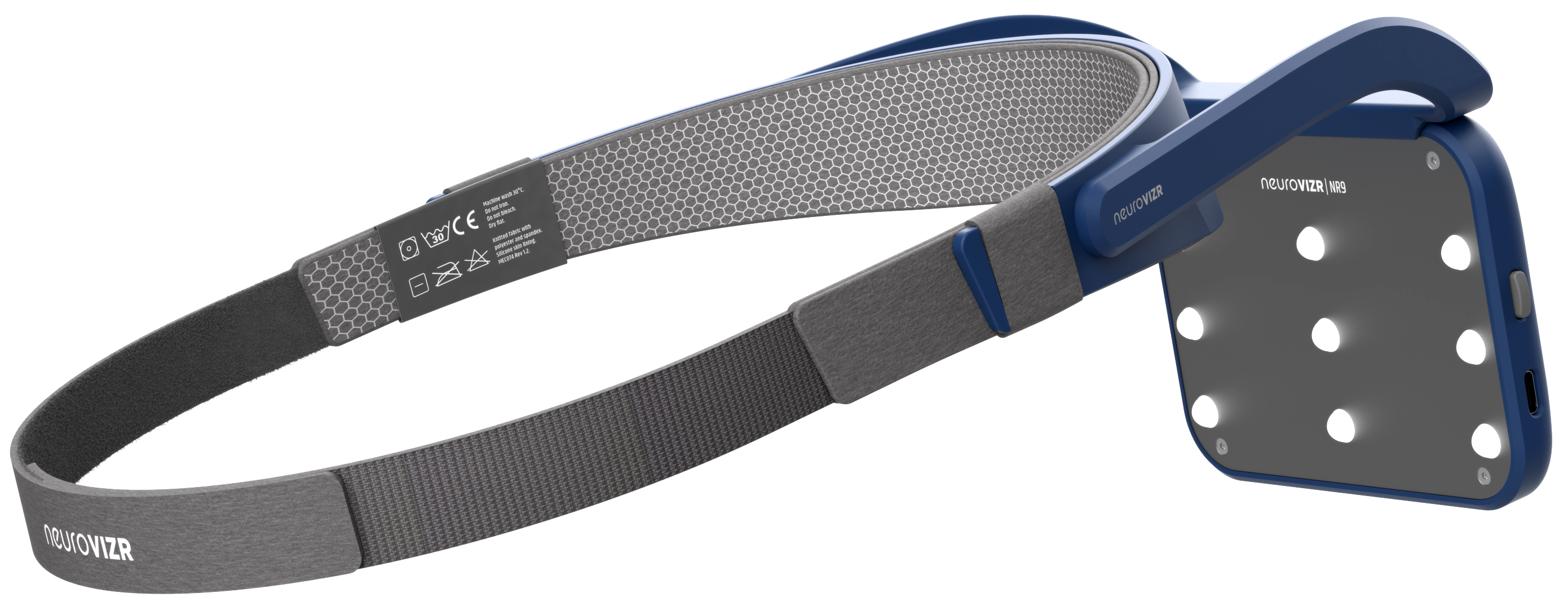
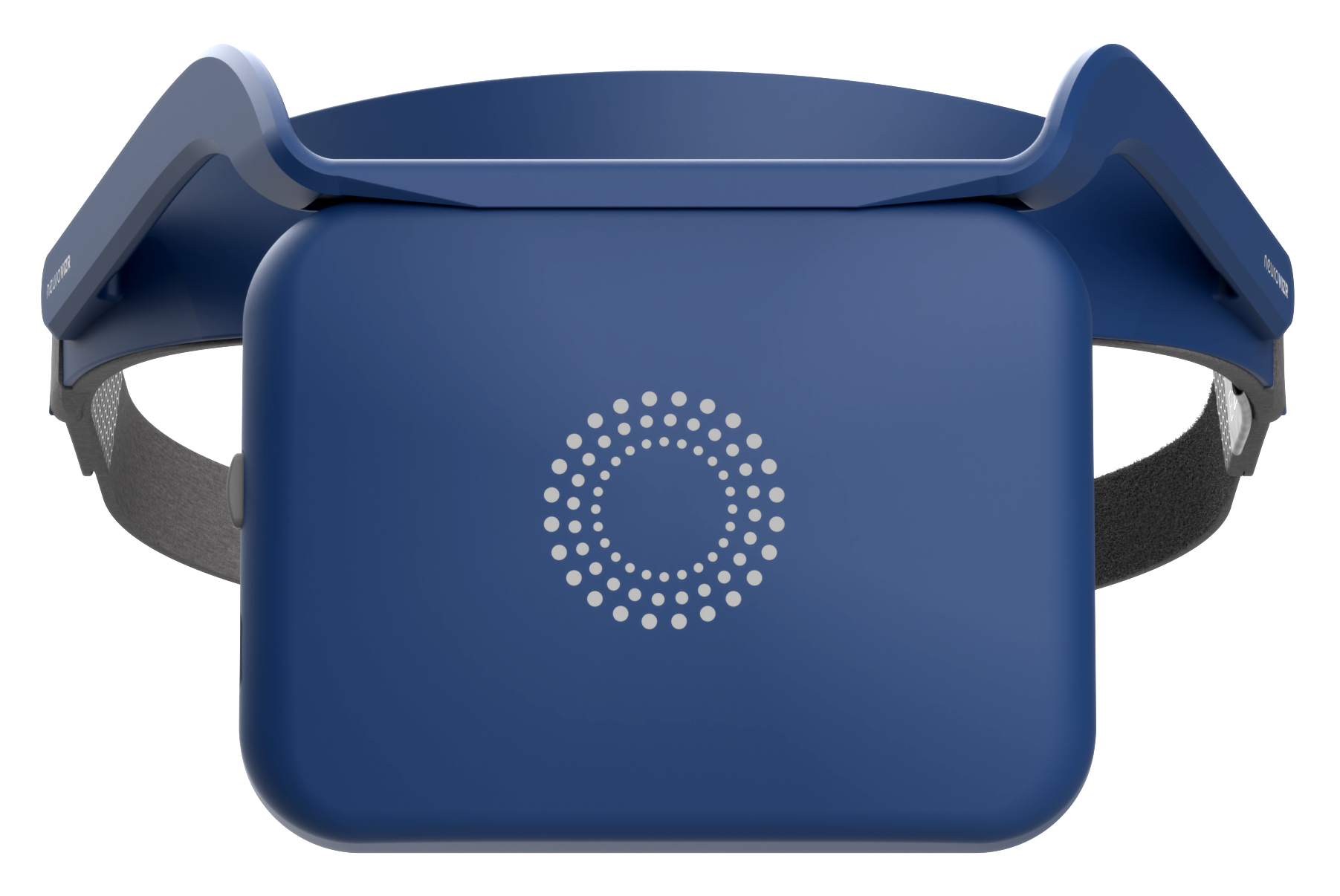
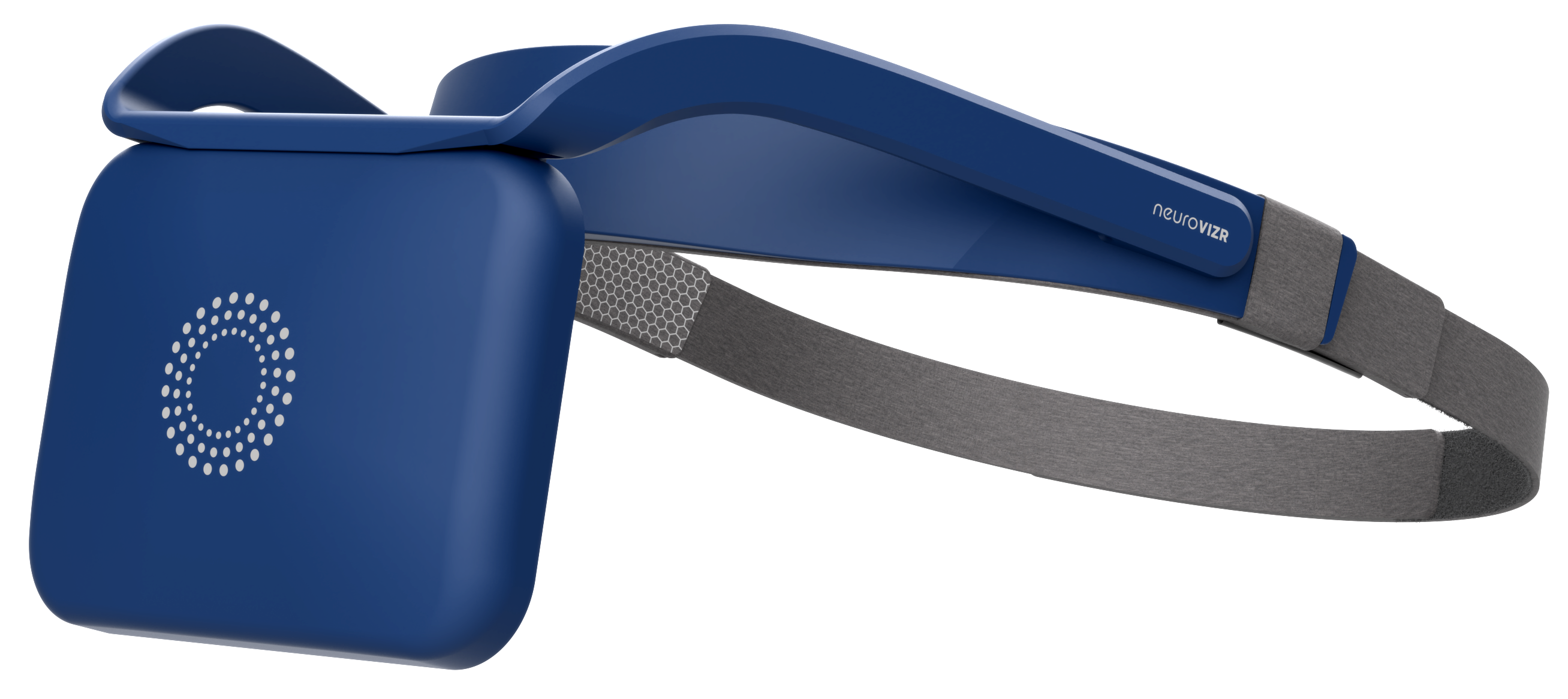
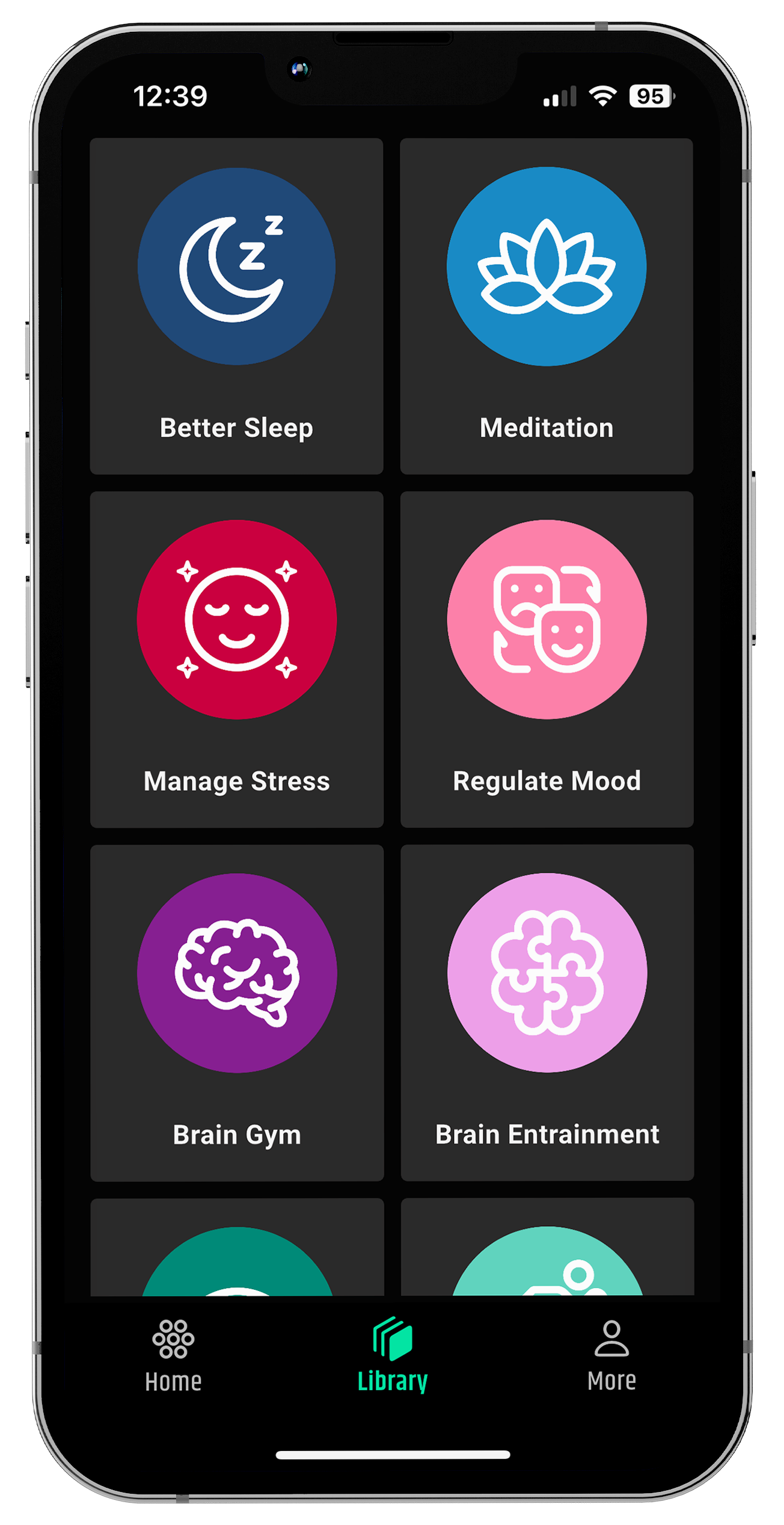
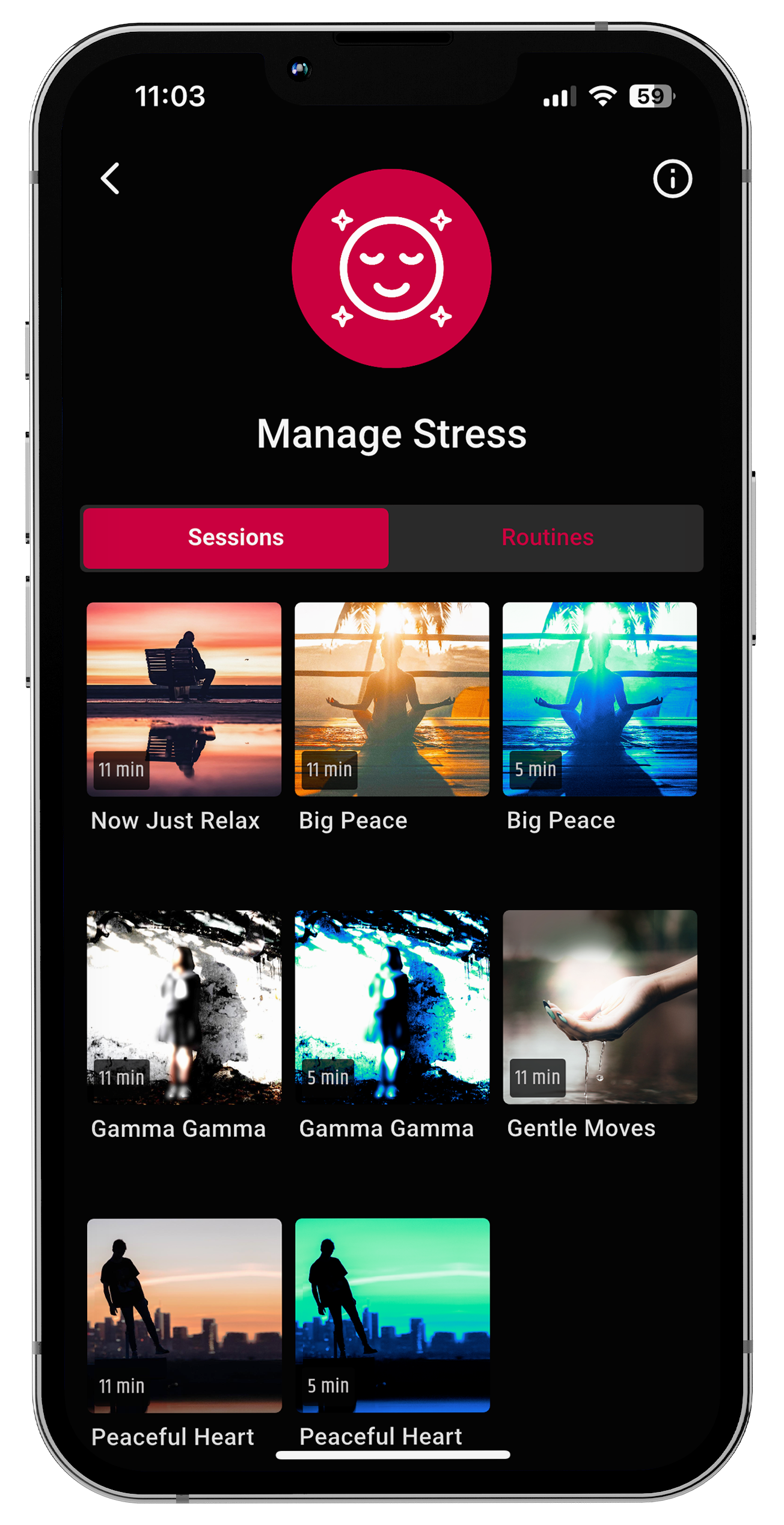
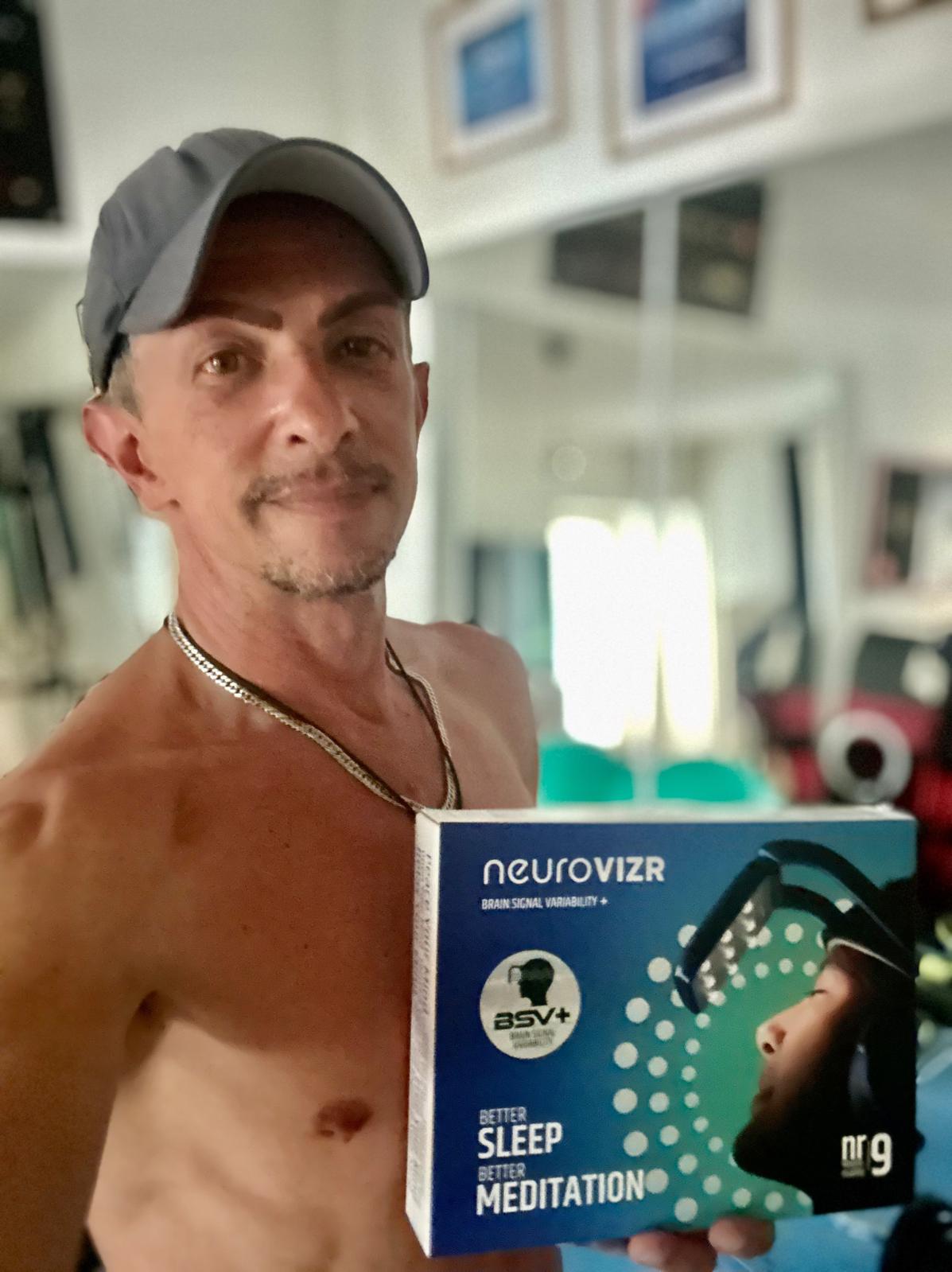
At neuroVIZR, we translate neuroscience into experiences and insights that help people reconnect with their brain not through force, but through regulation, rhythm, and awareness.
FAQs
Are acute brain disorders reversible?
Many acute brain disruptions are partially or fully reversible, especially when the underlying cause is identified and addressed early. Recovery often depends on timely medical support, nervous system regulation, and allowing the brain adequate rest and stability.
Can anxiety cause acute brain symptoms?
Yes. Intense or prolonged anxiety can push the nervous system into a sustained threat state, affecting focus, memory, and clarity. This is why some people experience symptoms like confusion or mental fog during anxiety-related episodes. The brain is responding to perceived danger, not failing.
How is an acute brain disorder different from chronic neurological conditions?
Acute brain disorders have a sudden onset and are often linked to temporary disruptions in brain function. Chronic neurological conditions usually develop gradually and may involve long-term structural or degenerative changes in the brain.
What are common early signs of acute brain disruption?
Early signs may include sudden confusion, difficulty concentrating, emotional instability, sensory overload, memory lapses, or a feeling of being mentally “disconnected.” Any rapid or unexplained change in brain function should be taken seriously.
Content Reference
-
National Institute of Neurological Disorders and Stroke (NINDS)
-
World Health Organization (WHO)
-
Mayo Clinic
-
Cleveland Clinic
-
National Institute of Mental Health (NIMH)
-
Harvard Medical School










Partager:
Anxiety Disorder and Brain Fog: What’s Really Happening in Your Brain
Brain Fog from Stress: Why Your Mind Feels Cloudy and What Your Brain Is Asking For