

Anxiety Disorder and Brain Fog: What’s Really Happening in Your Brain
  • Written by Gourav Rathore

Anxiety Disorder and Brain Fog: What’s Really Happening in Your Brain

Brain fog is like an additional, unseen weight to you, living with anxiety.

You are attempting to think clearly, to remember, to be present, however, you are slow, disjointed, or weirdly out of touch. Words slip away. Focus doesn’t land. Even the straightforward decisions are burdened more than they ought to.

This isn’t a personal failure.

And it isn’t “just stress.”

Brain fog is a typical neurological reaction to constant anxiety and the cause of their occurrence is sometimes the initial move to the cure.

Read more - does caffeine cause brain fog

How Anxiety Makes the Brain fog (In Human Terms)

The state of protection is anxiety which keeps the brain in its state.

Your nervous system responds by prioritizing survival over clarity when being threatened, which happens to be on-going, be it emotional, psychological or physiological. The brain diverts the energy flow towards other cognitive activities such as:

  • Focus

  • Memory recall

  • Creative thinking

  • Emotional nuance

Rather it directs resources toward systems that ensure that you stay alert and safe.

According to neuroscience, this usually includes:

  • The Amygdala overactivates the danger detector of the brain which remains on too long.

  • Weaker activity in the prefrontal cortex which facilitates reason, planning and clarity.

  • Stress hormones disrupt the working memory and attention control.

The outcome is not anarchy, but suppression.

That is why your mind is so hazy, it is attempting to conserve power and at the same time be alert.

Why Brain Fog Can Persist Even When Anxiety Feels “Managed”

Many people notice that brain fog lingers even after anxiety symptoms improve.

This happens because anxiety doesn’t only affect thoughts it reshapes rhythms in the brain and body. One of the most important (and often overlooked) contributors is sleep disruption.

An anxious nervous system rarely enters deep, restorative sleep consistently. Over time, this affects:

  • Memory consolidation

  • Neural detoxification processes

  • Emotional regulation circuits

If sleep becomes fragmented or irregular, the brain struggles to fully reset making fog, slowness, and mental fatigue more likely.

Brain Fog Is Not Damage It is Adaptation.

This distinction matters.

The state of brain fog associated with anxiety is not an indication that your brain is malfunctioning. It is an indication that your system has been overworked too long.

Very often what the brain is doing is what it has been designed to do:

  • Minimise superfluous processing.

  • Limit emotional overload

  • Defend against additional stress.

The issue is not intelligence or ability, it is the continuous activation of the nervous system without sufficient rest.

Helping the Brain that Helps itself.

The attempt to force brain fog fails. Clearness is less likely to be regained when the nervous system is not so sure that it is secure to change out of protection.

Beneficial strategies usually involve:

  • Light management of the nervous system as opposed to tough productivity measures.

  • Restoring the regularity of sleep-wake.

  • Lowering continuous mental load (particularly multitasking)

  • Sensory balance and variability of brain states practices.

Minor, repeated indicators of safety, as opposed to anything dramatic, enable the brain to reassign energy back to clarity and focus.

Helping the Brain that Helps itself

The attempt to force brain fog fails. Clearness is less likely to be regained when the nervous system is not so sure that it is secure to change out of protection.

Beneficial strategies usually involve:

  • Light management of the nervous system as opposed to tough productivity measures.

  • Restoring the regularity of sleep-wake.

  • Lowering continuous mental load (particularly multitasking)

  • Sensory balance and variability of brain states practices.

Minor, repeated indicators of safety, as opposed to anything dramatic, enable the brain to reassign energy back to clarity and focus.

A Grounded Closing Thought

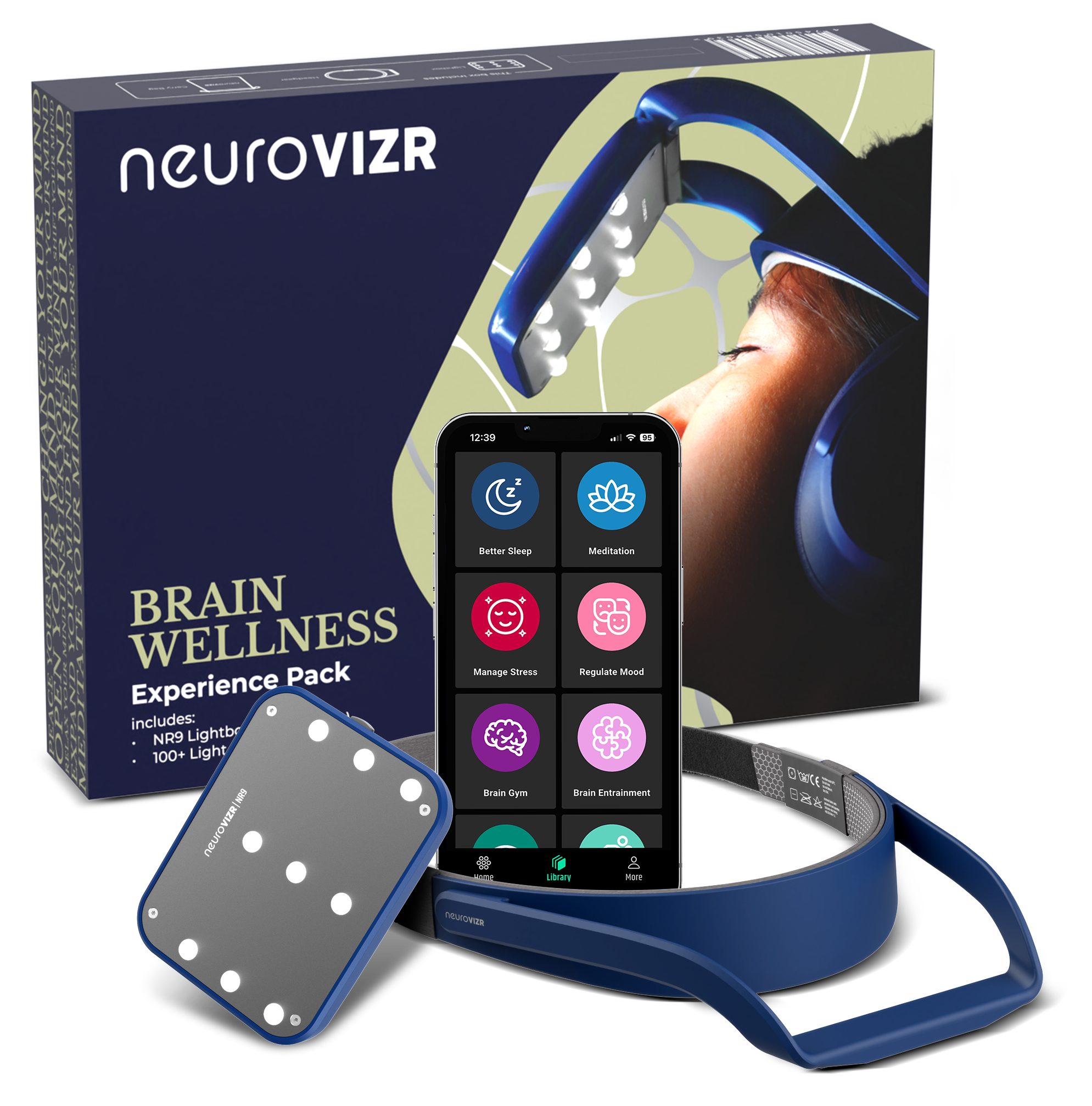
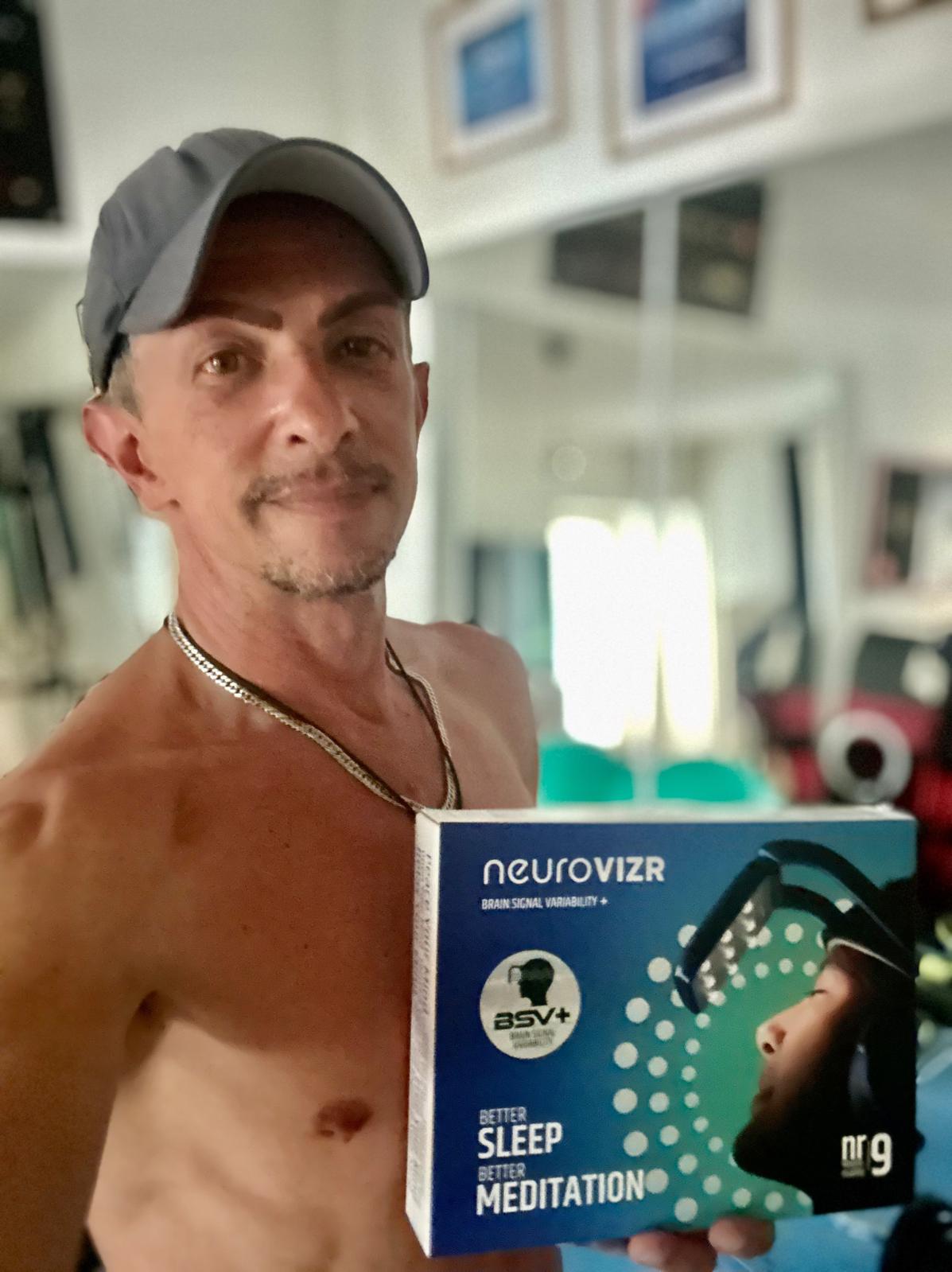
At neuroVIZR, the focus isn’t on forcing the brain to perform, but on supporting its natural rhythms especially when anxiety has kept the system on high alert for too long.

When the brain feels listened to rather than pushed, fog doesn’t need to be fought. It gradually lifts as safety, rest, and balance return.

FAQ’s

Can anxiety really cause brain fog?

Yes. Anxiety keeps the nervous system in a prolonged state of alert, which can reduce the brain’s ability to focus, recall information, and think clearly. Brain fog is a common response when the brain prioritises safety over higher cognitive functions.

Why does my brain feel slow even when my anxiety feels under control?

Even when anxious thoughts improve, the nervous system may still be recovering. Ongoing stress can disrupt sleep, brain rhythms, and emotional regulation, all of which affect mental clarity. Brain fog often lingers until the system fully resets.

Is brain fog a sign of brain damage or cognitive decline?

No. Brain fog linked to anxiety is usually functional, not structural. It reflects how the brain is adapting to prolonged stress, not permanent damage. With proper regulation and rest, clarity can return.

How is brain fog connected to sleep problems?

Sleep is essential for memory processing, emotional balance, and mental clarity. Anxiety often disrupts deep and consistent sleep, preventing the brain from fully restoring itself. Over time, this can intensify fog, fatigue, and difficulty concentrating.

Content Reference

  • National Institute of Mental Health (NIMH)

  • Harvard Medical School

  • American Psychological Association (APA)

  • Cleveland Clinic

  • Johns Hopkins Medicin

 

Brain fog is like an additional, unseen weight to you, living with anxiety.

You are attempting to think clearly, to remember, to be present, however, you are slow, disjointed, or weirdly out of touch. Words slip away. Focus doesn’t land. Even the straightforward decisions are burdened more than they ought to.

This isn’t a personal failure.

And it isn’t “just stress.”

Brain fog is a typical neurological reaction to constant anxiety and the cause of their occurrence is sometimes the initial move to the cure.

Read more - does caffeine cause brain fog

How Anxiety Makes the Brain fog (In Human Terms)

The state of protection is anxiety which keeps the brain in its state.

Your nervous system responds by prioritizing survival over clarity when being threatened, which happens to be on-going, be it emotional, psychological or physiological. The brain diverts the energy flow towards other cognitive activities such as:

  • Focus

  • Memory recall

  • Creative thinking

  • Emotional nuance

Rather it directs resources toward systems that ensure that you stay alert and safe.

According to neuroscience, this usually includes:

  • The Amygdala overactivates the danger detector of the brain which remains on too long.

  • Weaker activity in the prefrontal cortex which facilitates reason, planning and clarity.

  • Stress hormones disrupt the working memory and attention control.

The outcome is not anarchy, but suppression.

That is why your mind is so hazy, it is attempting to conserve power and at the same time be alert.

Why Brain Fog Can Persist Even When Anxiety Feels “Managed”

Many people notice that brain fog lingers even after anxiety symptoms improve.

This happens because anxiety doesn’t only affect thoughts it reshapes rhythms in the brain and body. One of the most important (and often overlooked) contributors is sleep disruption.

An anxious nervous system rarely enters deep, restorative sleep consistently. Over time, this affects:

  • Memory consolidation

  • Neural detoxification processes

  • Emotional regulation circuits

If sleep becomes fragmented or irregular, the brain struggles to fully reset making fog, slowness, and mental fatigue more likely.

Brain Fog Is Not Damage It is Adaptation.

This distinction matters.

The state of brain fog associated with anxiety is not an indication that your brain is malfunctioning. It is an indication that your system has been overworked too long.

Very often what the brain is doing is what it has been designed to do:

  • Minimise superfluous processing.

  • Limit emotional overload

  • Defend against additional stress.

The issue is not intelligence or ability, it is the continuous activation of the nervous system without sufficient rest.

Helping the Brain that Helps itself.

The attempt to force brain fog fails. Clearness is less likely to be regained when the nervous system is not so sure that it is secure to change out of protection.

Beneficial strategies usually involve:

  • Light management of the nervous system as opposed to tough productivity measures.

  • Restoring the regularity of sleep-wake.

  • Lowering continuous mental load (particularly multitasking)

  • Sensory balance and variability of brain states practices.

Minor, repeated indicators of safety, as opposed to anything dramatic, enable the brain to reassign energy back to clarity and focus.

Helping the Brain that Helps itself

The attempt to force brain fog fails. Clearness is less likely to be regained when the nervous system is not so sure that it is secure to change out of protection.

Beneficial strategies usually involve:

  • Light management of the nervous system as opposed to tough productivity measures.

  • Restoring the regularity of sleep-wake.

  • Lowering continuous mental load (particularly multitasking)

  • Sensory balance and variability of brain states practices.

Minor, repeated indicators of safety, as opposed to anything dramatic, enable the brain to reassign energy back to clarity and focus.

A Grounded Closing Thought

At neuroVIZR, the focus isn’t on forcing the brain to perform, but on supporting its natural rhythms especially when anxiety has kept the system on high alert for too long.

When the brain feels listened to rather than pushed, fog doesn’t need to be fought. It gradually lifts as safety, rest, and balance return.

FAQ’s

Can anxiety really cause brain fog?

Yes. Anxiety keeps the nervous system in a prolonged state of alert, which can reduce the brain’s ability to focus, recall information, and think clearly. Brain fog is a common response when the brain prioritises safety over higher cognitive functions.

Why does my brain feel slow even when my anxiety feels under control?

Even when anxious thoughts improve, the nervous system may still be recovering. Ongoing stress can disrupt sleep, brain rhythms, and emotional regulation, all of which affect mental clarity. Brain fog often lingers until the system fully resets.

Is brain fog a sign of brain damage or cognitive decline?

No. Brain fog linked to anxiety is usually functional, not structural. It reflects how the brain is adapting to prolonged stress, not permanent damage. With proper regulation and rest, clarity can return.

How is brain fog connected to sleep problems?

Sleep is essential for memory processing, emotional balance, and mental clarity. Anxiety often disrupts deep and consistent sleep, preventing the brain from fully restoring itself. Over time, this can intensify fog, fatigue, and difficulty concentrating.

Content Reference

  • National Institute of Mental Health (NIMH)

  • Harvard Medical School

  • American Psychological Association (APA)

  • Cleveland Clinic

  • Johns Hopkins Medicin


Enhance Your Mental Clarity With neuroVIZR