


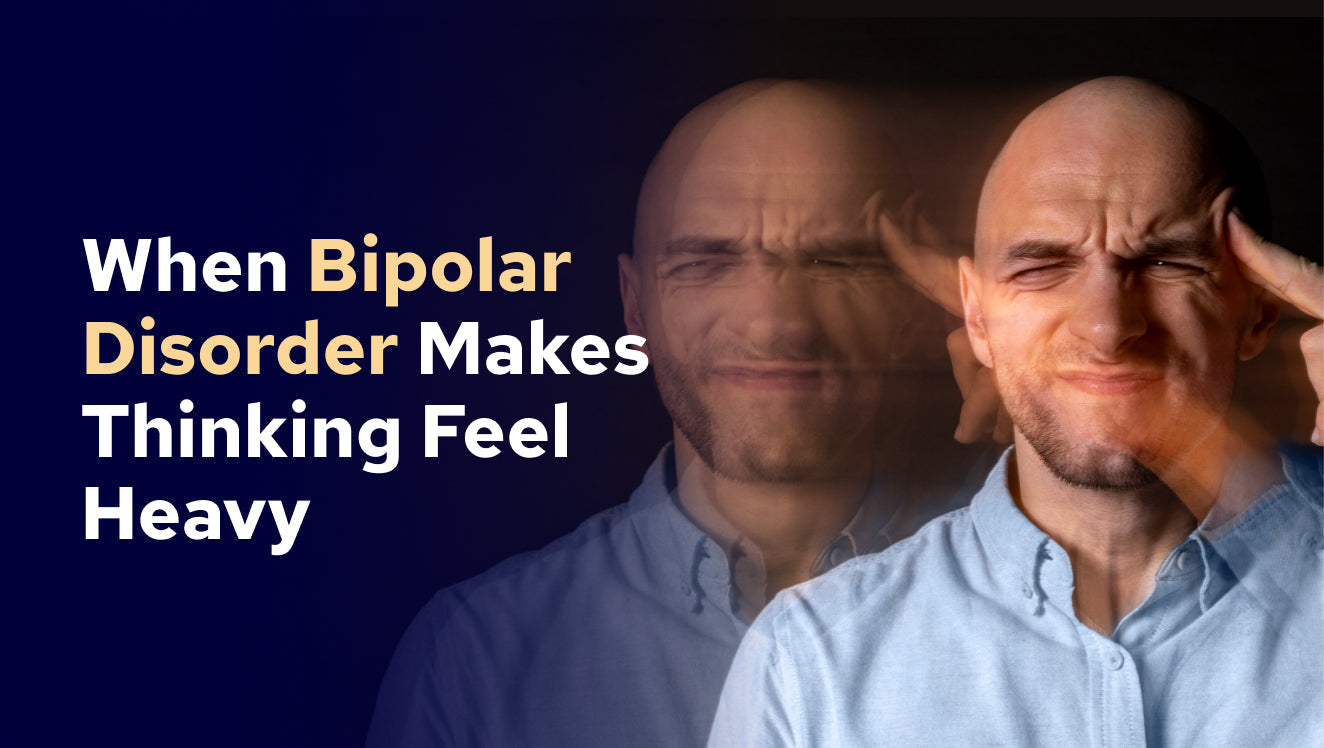
Brain fog may be more irritating than the mood swings themselves in case you live with bipolar disorder.
One day you are thinking clearly and in touch. On a different day, even the simplest decisions seem distant, slow, or painful to make, your brain is covered by cotton.
This isn’t laziness.
And it is not stupidness.
And it is not what you are fantasizing.
Brain fog of bipolar disorder is a true neurocognitive event, which is influenced by sleep disturbance, emotional regulation methods, drug actions, and the brain itself trying to defend itself continuously.
It may be the single most effective step of being less broken even though this happens, as well as more sympathetic to your own mind.

What Does Brain Fog Feel like in Bipolar Disorder?
Different people define it in different ways, although there are shared experiences that include:
-
Problem with concentration or attention.
-
Difficulty in slow thinking or word finding.
-
Forgiveness or blankness to mind.
-
Loss of inspiration or concentration.
-
Being mentally out of touch with work or communication.
To numerous individuals, the brain fog does not just occur during depression or mania and it is persistent between the episodes. That is disorienting - particularly in times when mood is not very unstable and yet cognition is.
What’s Happening in the Brain?
There is no mechanism that causes brain fog in bipolar disorder. It is a consequence of a variety of systems that interrelate with each other over time.
1. Emotional Regulation Networks Remain On.
The main parts of the brain, engaged in mood control like amygdala, prefrontal cortex and limbic system tend to be more responsive even when the person is not experiencing acute episodes.
With emotional circuits remaining on alert, there is less money available to:
-
Working memory
-
Focus
-
Executive functioning
The brain is more concerned with emotional security than rationality.
2. Sleep Disruption Changes Cognitive Processing
Sleep plays a central role in memory consolidation, attention, and mental clarity. In bipolar disorder, sleep rhythms are often fragile even subtle disruptions can have cognitive effects.
Research consistently shows that poor sleep impacts:
-
Reaction time
-
Decision-making
-
Emotional regulation
-
Attention control
This is why sleep disorders are so closely linked to brain fog.
3. Mental Energy is Neurochemically Shifted.
Bipolar disorder is associated with changes in neurotransmitters like dopamine, serotonin and glutamate. Not only mood is affected by these chemicals - mental clarity, processing speed and motivation.
The brain is also able to purposely reduce processing speed as a protective feature during depressive or post-episode phases, and use the saved energy instead of maximizing performance.
4. Drugs Can Help Not Be the Opponent.
Cognitive dulling may be caused by some mood stabilizers or antipsychotic drugs in some individuals. The thing is that it does not imply that the medication is wrong - it is simple that the brain is acclimating.
It is impossible that brain fog is not a trade-off. And it can change over time.
Why Is Brain Fog Not an Ageing Sign?
The fear that it is something forever damaged is one of the most painful things about brain fog.
Factually, most researchers are finding cognitive changes in bipolar disorder to be state-based and regulation-based instead of degenerative.
The brain is often:
-
Over-protecting
-
Over-regulating
-
Or the recovery of long stress.
This view is in line with the larger sense of mental wellness as a process of regulation, but not a specific characteristic.
The Sleep Fog Connection: When Rest Is Missing
Many people underestimate how deeply sleep loss affects cognition. Chronic sleep deprivation doesn’t just cause tiredness it can mimic serious neurological symptoms.
In extreme cases, lack of sleep can even lead to dizziness, dissociation, or fainting-like sensations.
This highlights how fundamental rest is to brain stability, especially for mood-sensitive nervous systems.
Learning to Work With the Brain, Not Against It.
A quick brain fog solution does not exist but one can help the brain regulatory efforts to thrive.
Non-Coercive, Brain-Friendly Approaches.
-
Get sleep patterns going and then attempt to maximize productivity.
-
Less cognitive overload in foggy times.
-
Take external support (lists, reminders, structure) with no shame.
-
Control the nervous system by means of peaceful sensory stimulation, but not excitement.
To most, it is not sharper thinking, but rather, more stable.
A Change of Direction Which is usually helpful.
Brain fog is not a failure on the part
It’s often a signal.
A signal that the brain is:
-
Recovering
-
Protecting
-
Or requesting slower, more gradual entry.
Cognition is a side-effect of stopping the demand to demand clear output and in its place to favor regulation, not its aim.
A Final Reflection
If your mind feels foggy, it may not be broken, it may be tired of working too hard for too long.
Sometimes clarity doesn’t return through effort, but through listening.
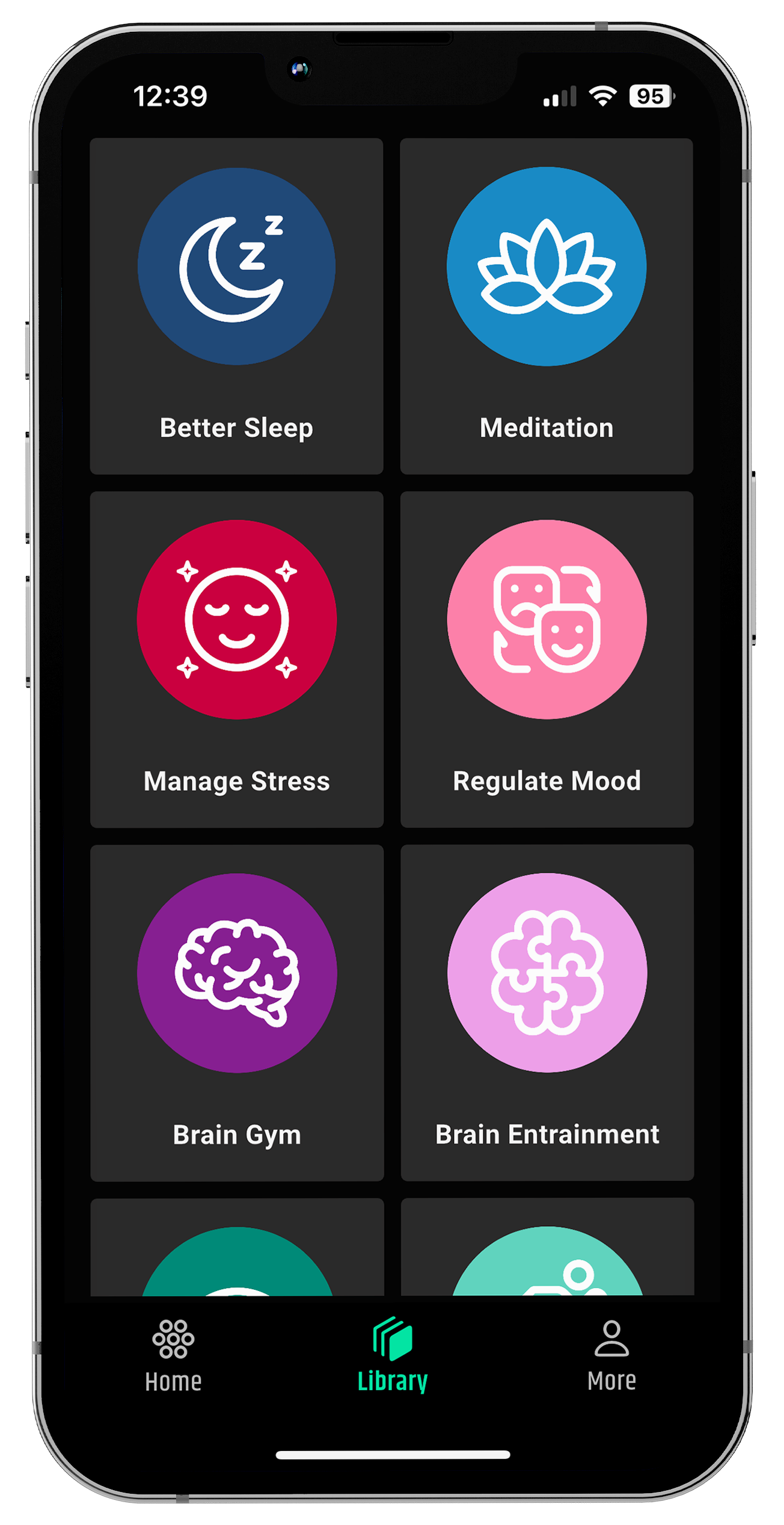
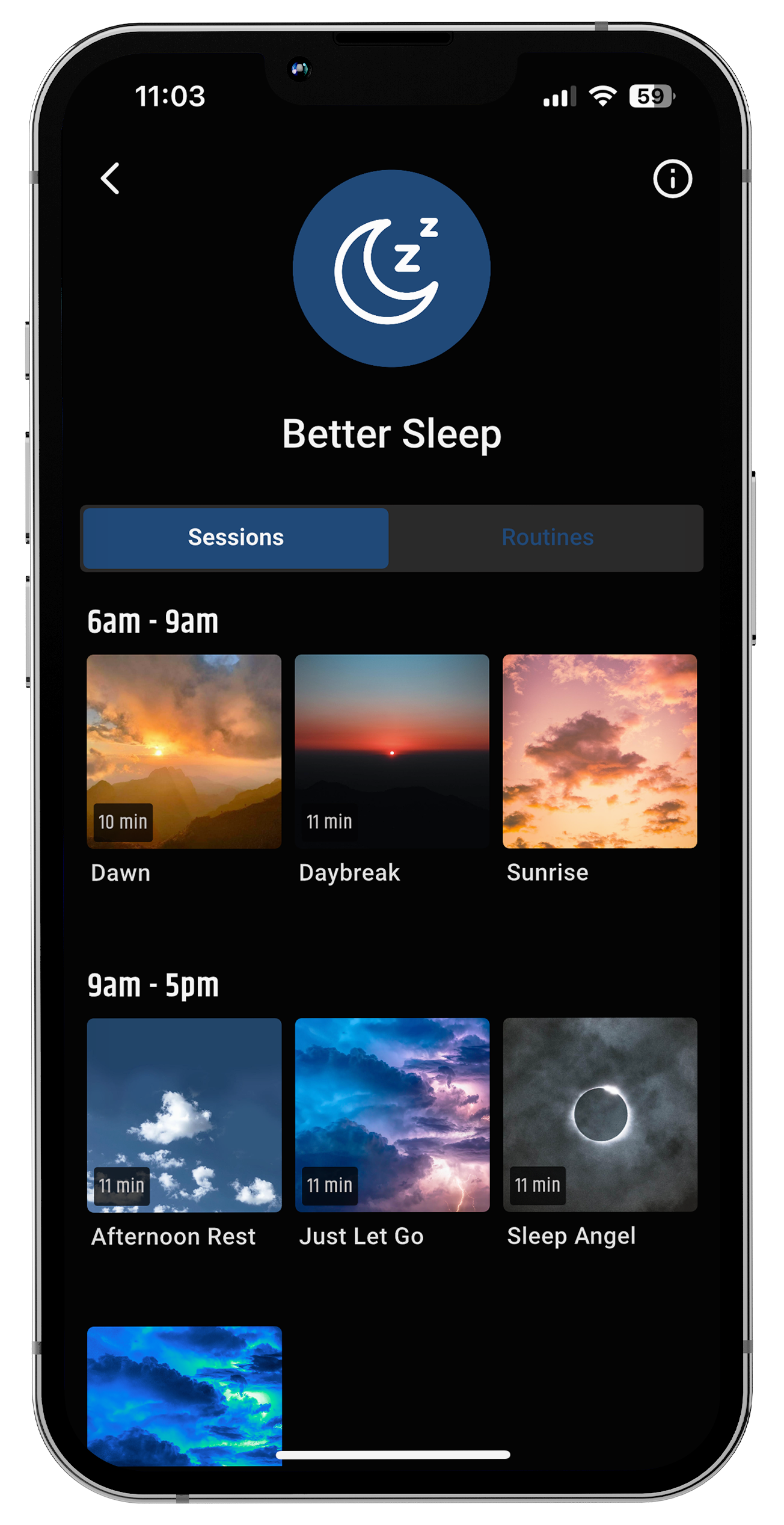
At neuroVIZR, this understanding shapes how neuroscience, regulation, and lived experience come together not to fix the brain, but to support it in doing what it already knows how to do.
FAQ’s
Is brain fog a common symptom of bipolar disorder?
Yes. Many people with bipolar disorder experience brain fog, including difficulty concentrating, slower thinking, or memory challenges. It can occur during mood episodes or even when mood feels relatively stable.
What causes brain fog in bipolar disorder?
Brain fog is usually influenced by a combination of factors, including emotional regulation changes, sleep disruption, neurochemical shifts, and sometimes medication effects. It’s often the brain’s way of conserving energy and maintaining stability.
Does brain fog mean bipolar disorder is getting worse?
Not necessarily. Brain fog does not automatically signal progression or decline. In many cases, it reflects temporary changes in regulation, stress load, or sleep quality rather than long-term cognitive damage.
Can lack of sleep make bipolar brain fog worse?
Absolutely. Sleep plays a crucial role in attention, memory, and emotional regulation. Even mild sleep disruption can significantly increase brain fog in people with bipolar disorder.
Content reference
-
National Institute of Mental Health (NIMH)
-
World Health Organization (WHO)
-
Harvard Medical School
-
Mayo Clinic
-
American Psychiatric Association
Disclaimer
This content is for informational purposes only and does not replace professional medical advice, diagnosis, or treatment. If you have concerns about bipolar disorder or brain fog, please consult a qualified healthcare professional.





















Share:
How to Calm an Overactive Mind (Without Fighting Your Thoughts)
Anxiety Disorder and Brain Fog: What’s Really Happening in Your Brain