

How to Calm an Overactive Mind (Without Fighting Your Thoughts)
  • Written by Gourav Rathore

How to Calm an Overactive Mind (Without Fighting Your Thoughts)

The overactive mind does not necessarily manifest itself as anxiety.

At times it seems like the mind cannot calm down. It is creativity that will not turn off sometimes. And most times it is especially at night when the body is exhausted yet the brain does not want to slow down.

Suppose this is not a new noise, it should be known before proceeding that:
An overactive mind does not amount to failure of discipline or will power.
It is a nervous system which has not been given the message that it is safe to rest.

The reason why the mind is overactive

A neuroscience viewpoint would attribute an overactive mind to an indication of arousal within the brain.

At the time of accumulation of stress, stimulation, or emotional load:

  • The amygdala remains on guard, probing menaces.

  • The prefrontal cortex continues analysing, planning or replaying.

  • Even on a day when nothing is wrong, the nervous system still tends to lean towards fight-or-flight.

That is the reason why advising oneself to relax is not very effective most of the time.

The brain does not relax because it is forced to relax, the brain relaxes because it regulates.

Body Mind Calming Starts With the Body.

Cognitive control is not the quickest method of silencing mental overactivity, it is sensory input.

The body and the environment constantly send signals into the brain to choose:

Is it safe to slow down?

Mild stimuli such as rhythms, predictability, and gentle stimulation assist in changing the nervous system to a less agitated state. This is what also makes people realize that their thoughts have settled as they are walking, breathing slowly, or listening to constant sounds.

As soon as the body starts feeling controlled, the mind is too.

Why an Overactive Mind Disrupts Sleep

Many people only notice their racing thoughts at bedtime. That’s because sleep requires the brain to transition out of alertness and an overactive mind resists that shift.

If your thoughts spike the moment you lie down, it’s often connected to:

  • An inconsistent sleep–wake rhythm

  • Excess stimulation late in the day

  • A nervous system that hasn’t fully downregulated

This is closely linked to sleep timing and consistency. If your brain doesn’t recognise when rest is supposed to happen, it stays in problem-solving mode. That’s why addressing circadian rhythm is often the first step.

Deep Sleep and Mental Quiet Are Connected

True mental calm often arrives after the brain enters deeper stages of sleep. During deep sleep:

  • Neural activity slows

  • Emotional processing resets

  • Stress hormones decrease

If deep sleep is limited, the mind is more likely to feel busy, reactive, or foggy the next day creating a cycle of overactivity.

Supporting deeper sleep isn’t about forcing longer hours in bed. It’s about helping the brain feel safe enough to let go. 

Practical Ways to Calm an Overactive Mind

Rather than trying to silence thoughts, focus on changing the brain’s state.

1. Lower Cognitive Demand in the Evening

Reduce tasks that require heavy decision-making or emotional processing close to bedtime. The brain needs a clear signal that the day is ending.

2. Use Predictable Sensory Cues

Soft light, rhythmic sound, or steady breathing patterns help the nervous system shift out of high alert. Predictability tells the brain it can stop scanning.

3. Work With the Brain, Not Against It

Mental overactivity often reflects creativity or sensitivity. Calming the mind doesn’t mean losing those traits, it means learning when to let them rest.

A Different Relationship With Your Mind

An overactive mind isn’t something to defeat.
It’s something to befriend and guide.

When you stop trying to control your thoughts and instead support the nervous system beneath them, mental quiet becomes a by-product not a battle.

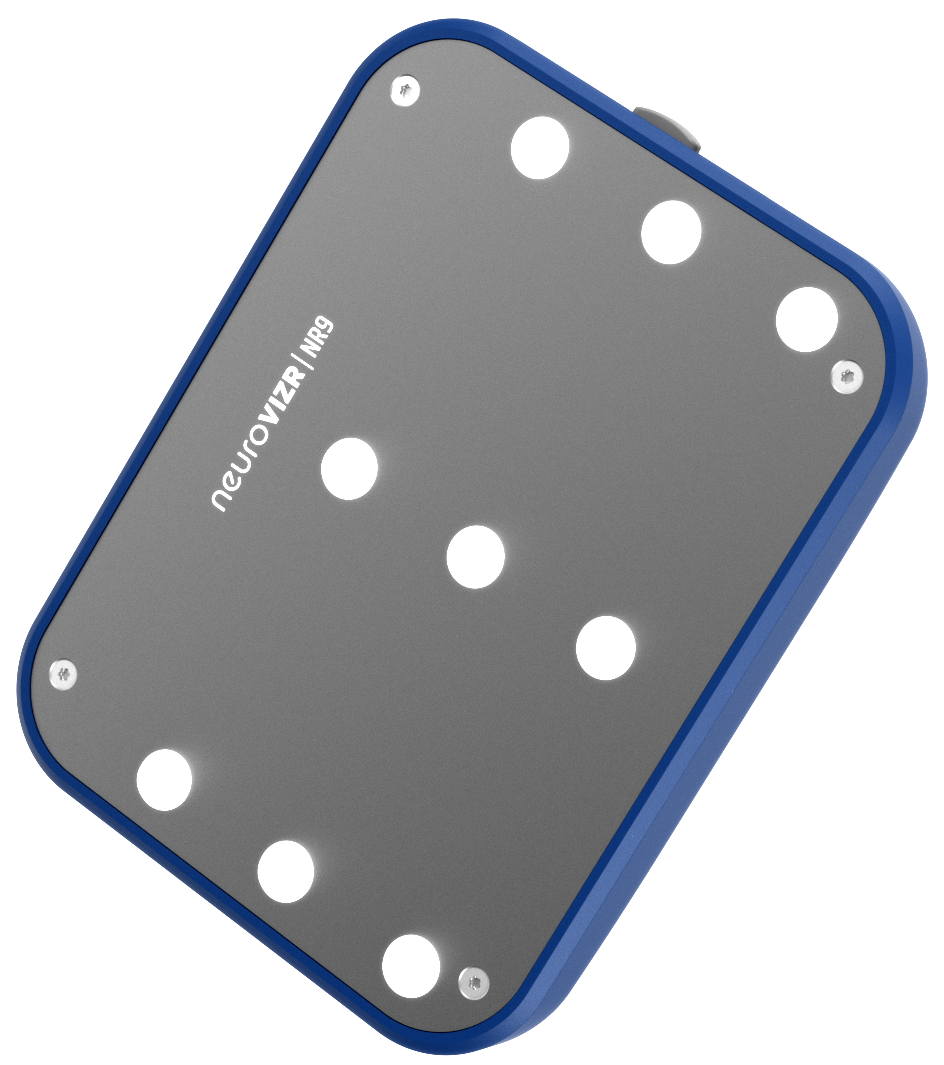
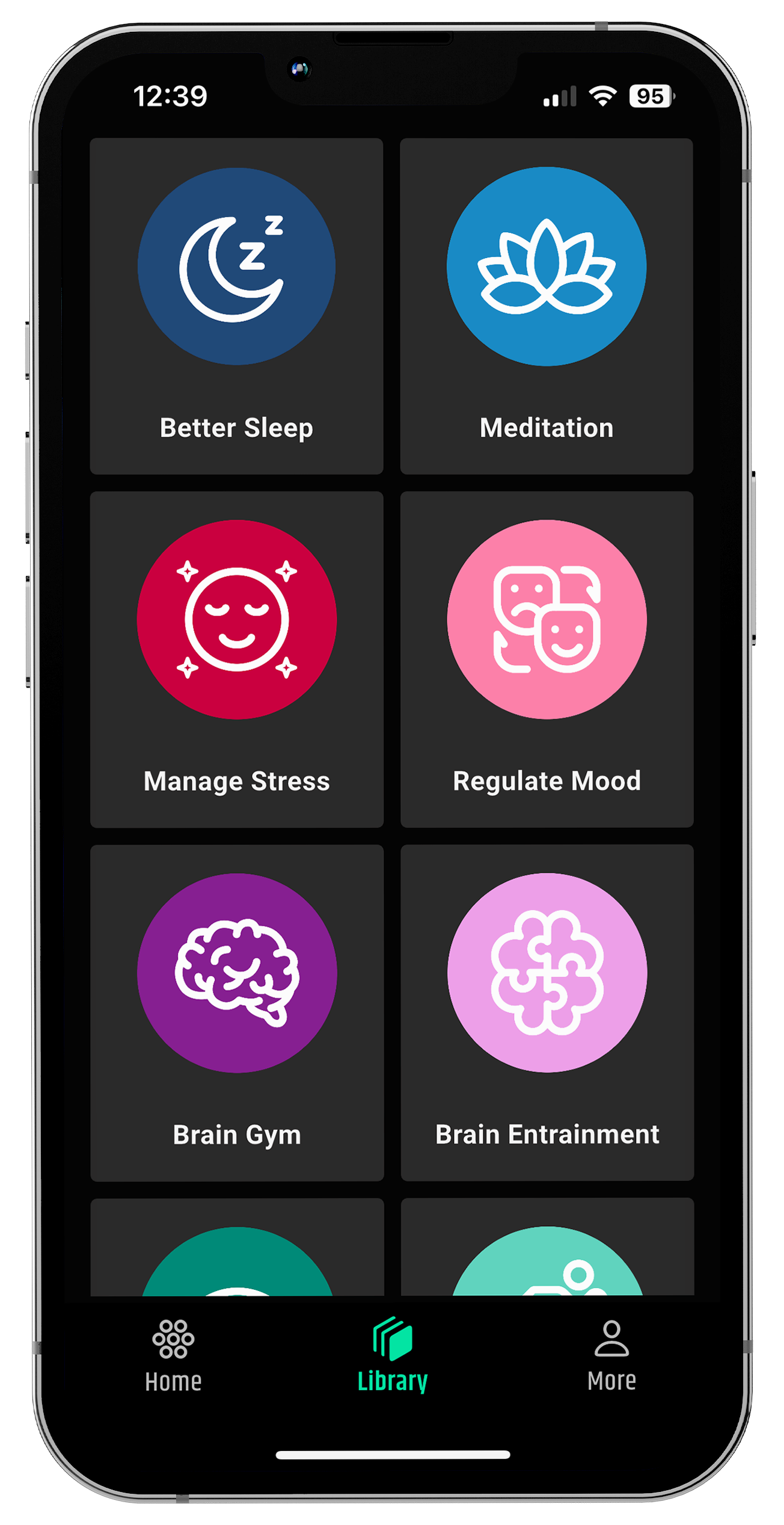
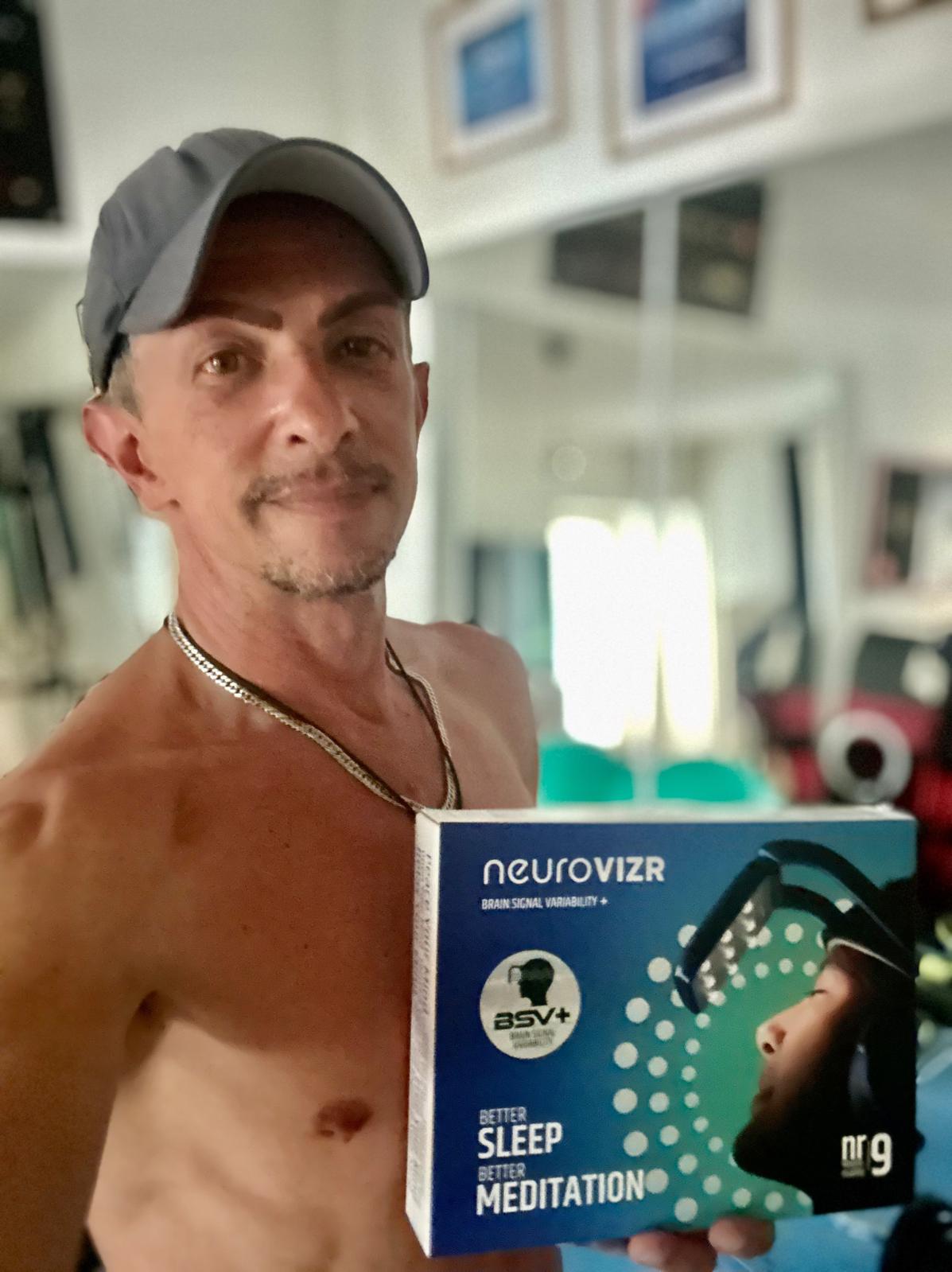
This is the philosophy behind neuroVIZR’s approach: translating neuroscience into gentle, body-based signals that help the brain settle naturally, without force or suppression.

FAQs

Why is my mind always overactive?

An overactive mind is often a sign that your nervous system is staying in a state of alert. Stress, emotional load, irregular sleep, or constant stimulation can keep the brain scanning for threats, even when you’re physically safe. It’s less about “thinking too much” and more about the brain not receiving clear signals to slow down.

Is an overactive mind the same as anxiety?

Not always. Anxiety can involve fear or worry, but an overactive mind may also show up as constant planning, creativity that won’t switch off, or mental restlessness. In many cases, it reflects heightened arousal in the nervous system rather than a psychological disorder.

Why does my mind race more at night?

At night, external distractions reduce, and the brain finally has space to process unresolved input from the day. If your nervous system hasn’t downregulated, thoughts become louder. Irregular sleep timing or poor sleep quality can make this worse, as the brain struggles to transition into rest mode.

Can poor sleep make my mind more overactive during the day?

Yes. When deep sleep is limited, the brain doesn’t fully reset emotional and cognitive circuits. This can lead to increased reactivity, mental noise, and difficulty focusing the next day creating a cycle between poor sleep and an overactive mind.

Content reference 

  • Stephen Porges 

  • Joseph LeDoux 

  • Michael Merzenich 

  • Till Roenneberg

  • Harvard Medical School

Disclaimer

The information shared in this article is for educational and informational purposes only and is not intended to diagnose, treat, cure, or prevent any medical or mental health condition. It does not replace professional medical advice, diagnosis, or treatment.


 

The overactive mind does not necessarily manifest itself as anxiety.

At times it seems like the mind cannot calm down. It is creativity that will not turn off sometimes. And most times it is especially at night when the body is exhausted yet the brain does not want to slow down.

Suppose this is not a new noise, it should be known before proceeding that:
An overactive mind does not amount to failure of discipline or will power.
It is a nervous system which has not been given the message that it is safe to rest.

The reason why the mind is overactive

A neuroscience viewpoint would attribute an overactive mind to an indication of arousal within the brain.

At the time of accumulation of stress, stimulation, or emotional load:

  • The amygdala remains on guard, probing menaces.

  • The prefrontal cortex continues analysing, planning or replaying.

  • Even on a day when nothing is wrong, the nervous system still tends to lean towards fight-or-flight.

That is the reason why advising oneself to relax is not very effective most of the time.

The brain does not relax because it is forced to relax, the brain relaxes because it regulates.

Body Mind Calming Starts With the Body.

Cognitive control is not the quickest method of silencing mental overactivity, it is sensory input.

The body and the environment constantly send signals into the brain to choose:

Is it safe to slow down?

Mild stimuli such as rhythms, predictability, and gentle stimulation assist in changing the nervous system to a less agitated state. This is what also makes people realize that their thoughts have settled as they are walking, breathing slowly, or listening to constant sounds.

As soon as the body starts feeling controlled, the mind is too.

Why an Overactive Mind Disrupts Sleep

Many people only notice their racing thoughts at bedtime. That’s because sleep requires the brain to transition out of alertness and an overactive mind resists that shift.

If your thoughts spike the moment you lie down, it’s often connected to:

  • An inconsistent sleep–wake rhythm

  • Excess stimulation late in the day

  • A nervous system that hasn’t fully downregulated

This is closely linked to sleep timing and consistency. If your brain doesn’t recognise when rest is supposed to happen, it stays in problem-solving mode. That’s why addressing circadian rhythm is often the first step.

Deep Sleep and Mental Quiet Are Connected

True mental calm often arrives after the brain enters deeper stages of sleep. During deep sleep:

  • Neural activity slows

  • Emotional processing resets

  • Stress hormones decrease

If deep sleep is limited, the mind is more likely to feel busy, reactive, or foggy the next day creating a cycle of overactivity.

Supporting deeper sleep isn’t about forcing longer hours in bed. It’s about helping the brain feel safe enough to let go. 

Practical Ways to Calm an Overactive Mind

Rather than trying to silence thoughts, focus on changing the brain’s state.

1. Lower Cognitive Demand in the Evening

Reduce tasks that require heavy decision-making or emotional processing close to bedtime. The brain needs a clear signal that the day is ending.

2. Use Predictable Sensory Cues

Soft light, rhythmic sound, or steady breathing patterns help the nervous system shift out of high alert. Predictability tells the brain it can stop scanning.

3. Work With the Brain, Not Against It

Mental overactivity often reflects creativity or sensitivity. Calming the mind doesn’t mean losing those traits, it means learning when to let them rest.

A Different Relationship With Your Mind

An overactive mind isn’t something to defeat.
It’s something to befriend and guide.

When you stop trying to control your thoughts and instead support the nervous system beneath them, mental quiet becomes a by-product not a battle.

This is the philosophy behind neuroVIZR’s approach: translating neuroscience into gentle, body-based signals that help the brain settle naturally, without force or suppression.

FAQs

Why is my mind always overactive?

An overactive mind is often a sign that your nervous system is staying in a state of alert. Stress, emotional load, irregular sleep, or constant stimulation can keep the brain scanning for threats, even when you’re physically safe. It’s less about “thinking too much” and more about the brain not receiving clear signals to slow down.

Is an overactive mind the same as anxiety?

Not always. Anxiety can involve fear or worry, but an overactive mind may also show up as constant planning, creativity that won’t switch off, or mental restlessness. In many cases, it reflects heightened arousal in the nervous system rather than a psychological disorder.

Why does my mind race more at night?

At night, external distractions reduce, and the brain finally has space to process unresolved input from the day. If your nervous system hasn’t downregulated, thoughts become louder. Irregular sleep timing or poor sleep quality can make this worse, as the brain struggles to transition into rest mode.

Can poor sleep make my mind more overactive during the day?

Yes. When deep sleep is limited, the brain doesn’t fully reset emotional and cognitive circuits. This can lead to increased reactivity, mental noise, and difficulty focusing the next day creating a cycle between poor sleep and an overactive mind.

Content reference 

  • Stephen Porges 

  • Joseph LeDoux 

  • Michael Merzenich 

  • Till Roenneberg

  • Harvard Medical School

Disclaimer

The information shared in this article is for educational and informational purposes only and is not intended to diagnose, treat, cure, or prevent any medical or mental health condition. It does not replace professional medical advice, diagnosis, or treatment.


Enhance Your Mental Clarity With neuroVIZR