


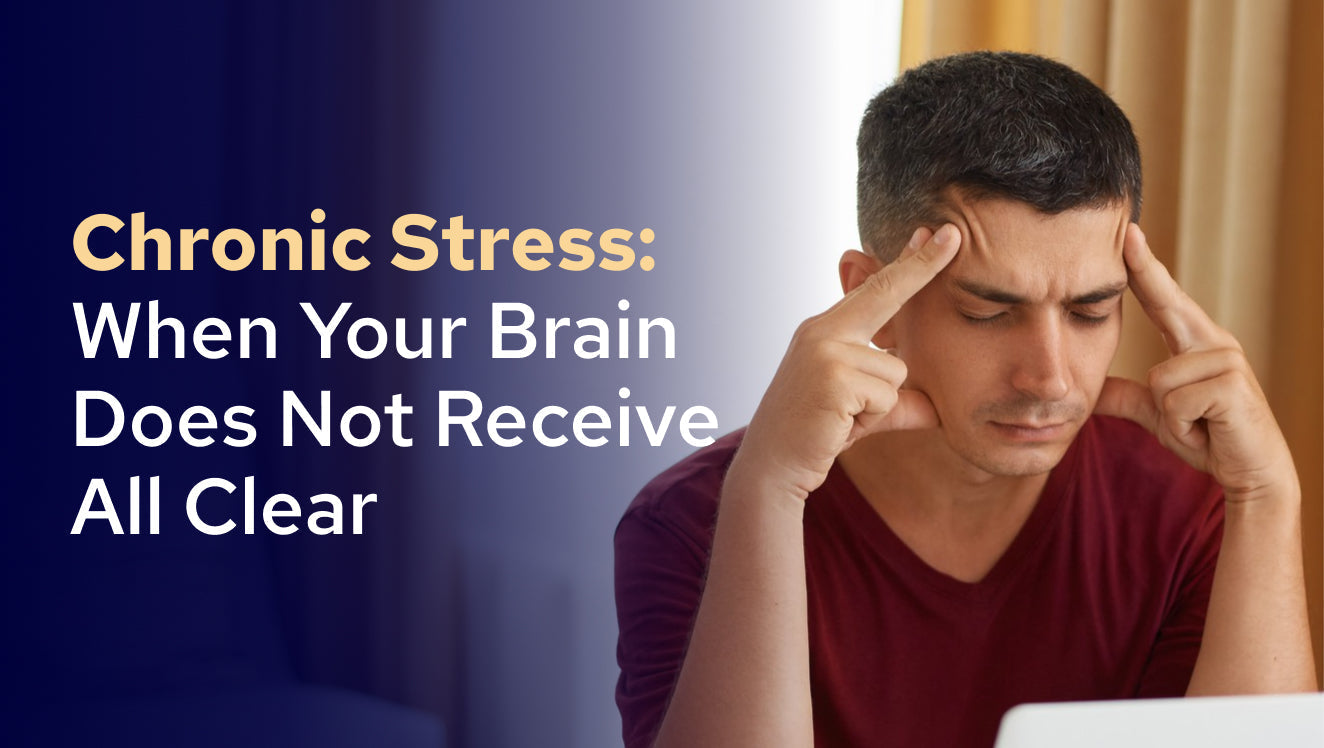
Chronic stress does not necessarily need to be loud.
Occasionally it seems as though you can be able to go through the day all right but not to breathe out.
You are sleeping, but you do not feel refreshed.
You sleep yet your mind remains awake.
You say to yourself that all is well but your body does not actually believe you.
This is how long-term stress usually is: not alarm but invariable preparation.
And it is no failure of mine.
It is an excitable system that has been conditioned to remain activated.
The Real Impact of Chronic Stress on the Brain
According to neuroscience, chronic stress is not the production of occasional pressure.
It has to do with a sustained stimulation of the threat-response circuitry of the brain.
When stress becomes chronic:
-
There is an increase in sensitivity of the amygdala (the threat detector of the brain).
-
The prefrontal cortex (sanity, choice control, emotional stability) becomes less available.
-
The stress hormones such as cortisol are not brought down as expected.
-
Even when in safe conditions, the nervous system spends more time in the fight-or-flight
In the long run, the brain does not simply get stressed.
It is growing to structure itself around it.
This is the reason why chronic stress may appear like a real challenge to think your way through.
The patterns have ceased to be cognitive in themselves; they are neural and physiological.

Why Rest Alone Often Doesn’t Work
Many people with chronic stress hear the same advice:
“Just relax.”
“Take a break.”
“Get more rest.”
But here’s the paradox:
You can rest your body while your nervous system stays alert.
This is the tired but wired state
where the brain has lost its natural ability to downshift.
Chronic stress isn’t just exhaustion.
It’s reduced neural flexibility.
And flexibility is what allows recovery.
Read more - could you faint from lack of sleep
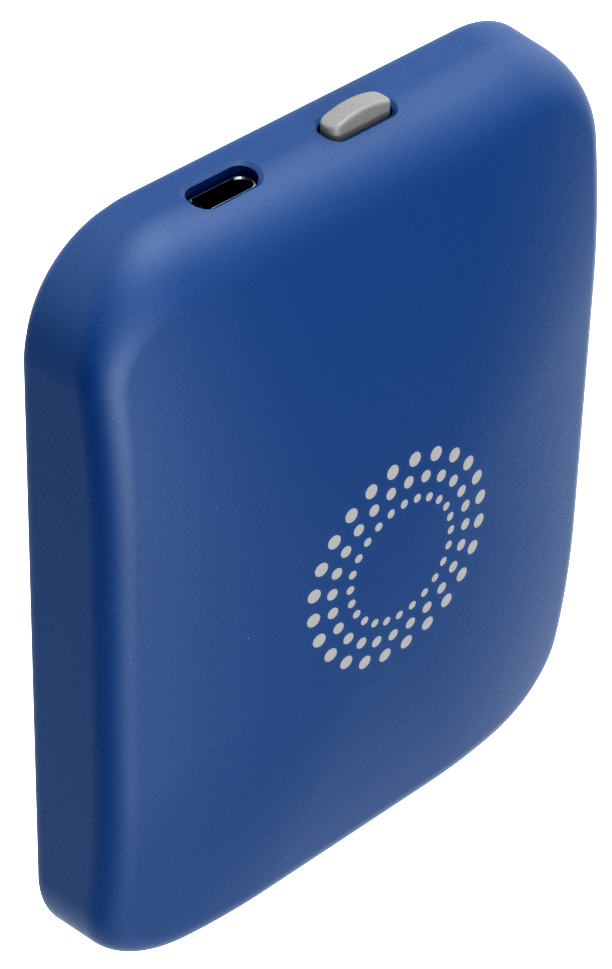
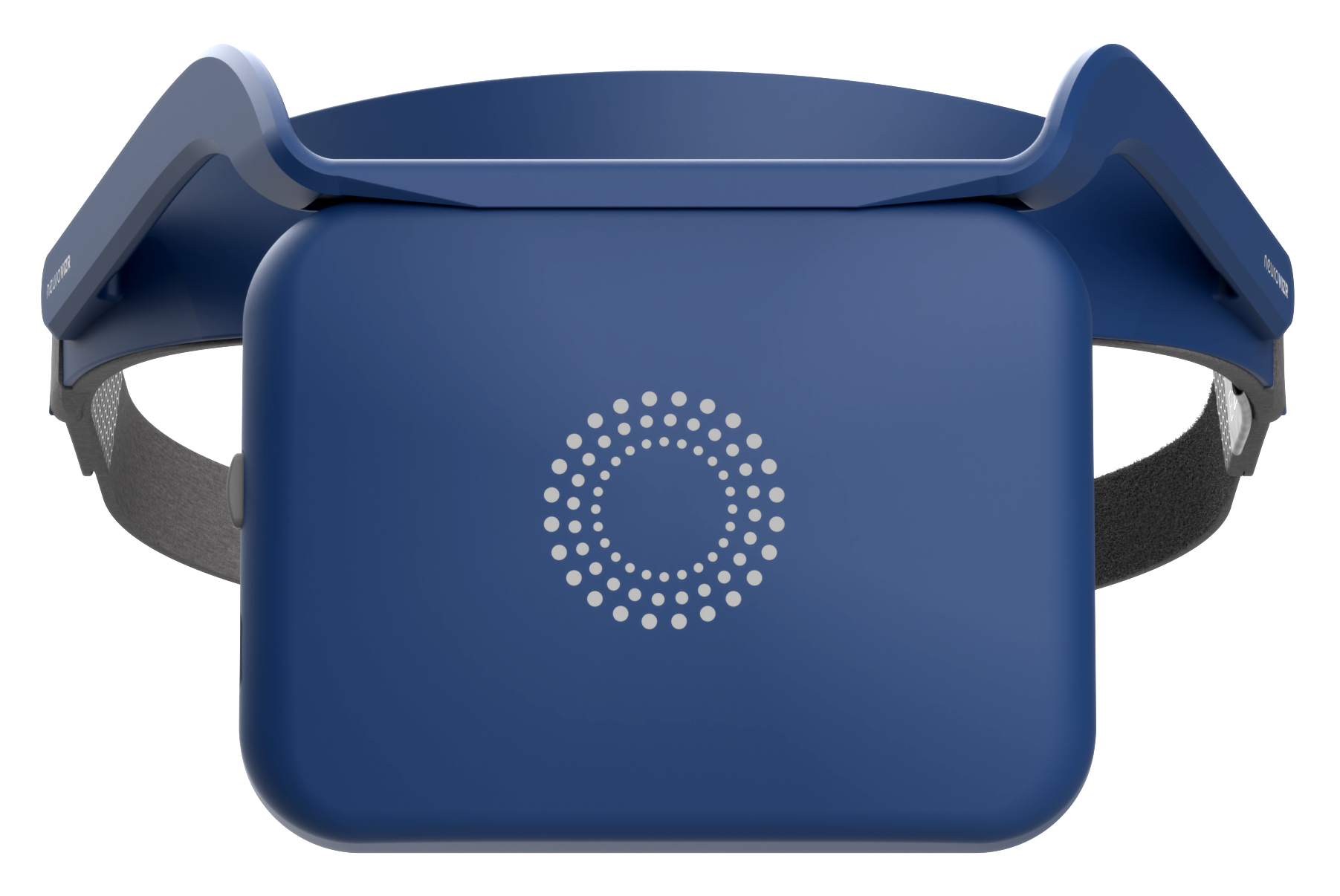
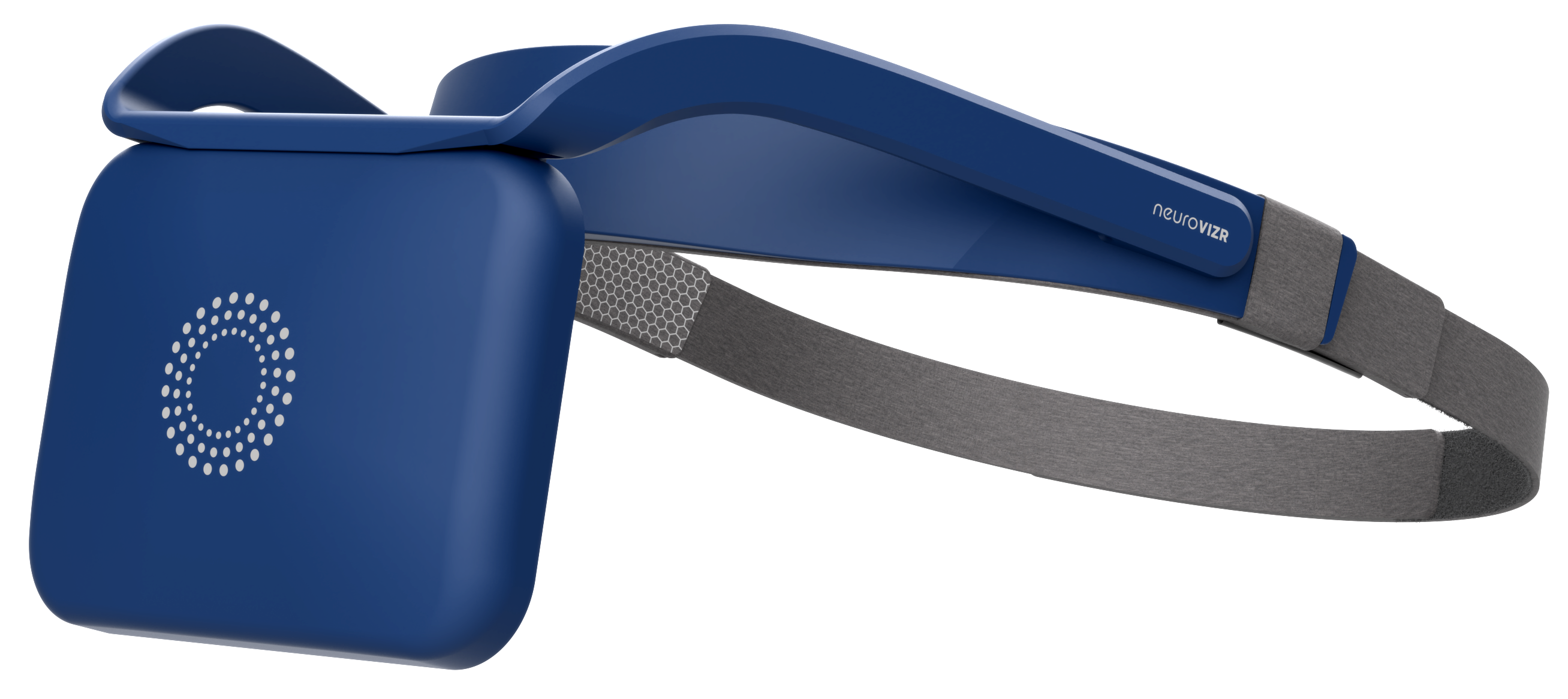
How neuroVIZR Relates to Chronic Stress
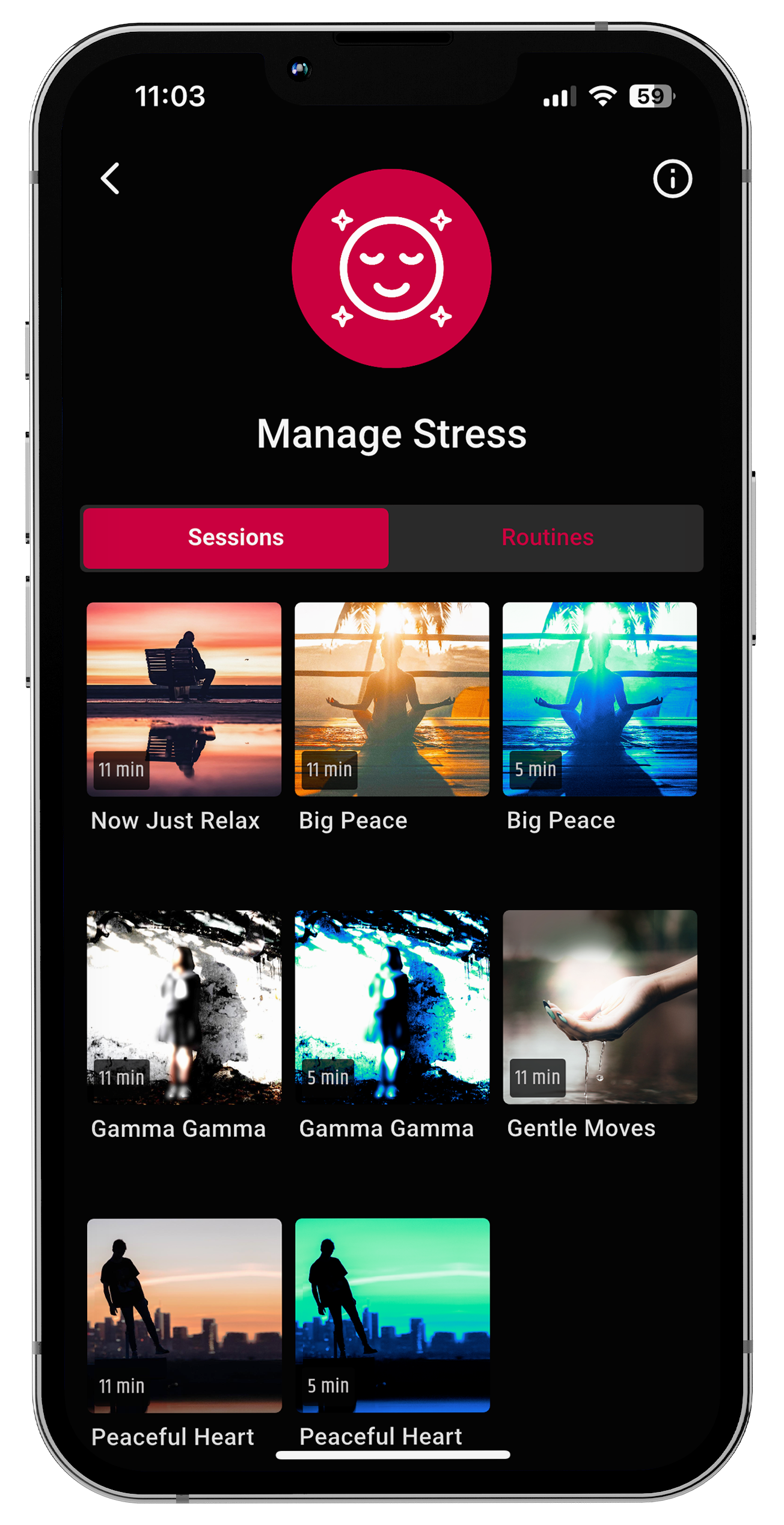
neuroVIZR approaches stress from a different angle
not by forcing calm, but by engaging the brain’s adaptive capacity.
1. Stress Creates Rigid Brain Patterns
Under chronic stress, the brain tends to lock into repetitive activation loops scanning, anticipating, bracing.
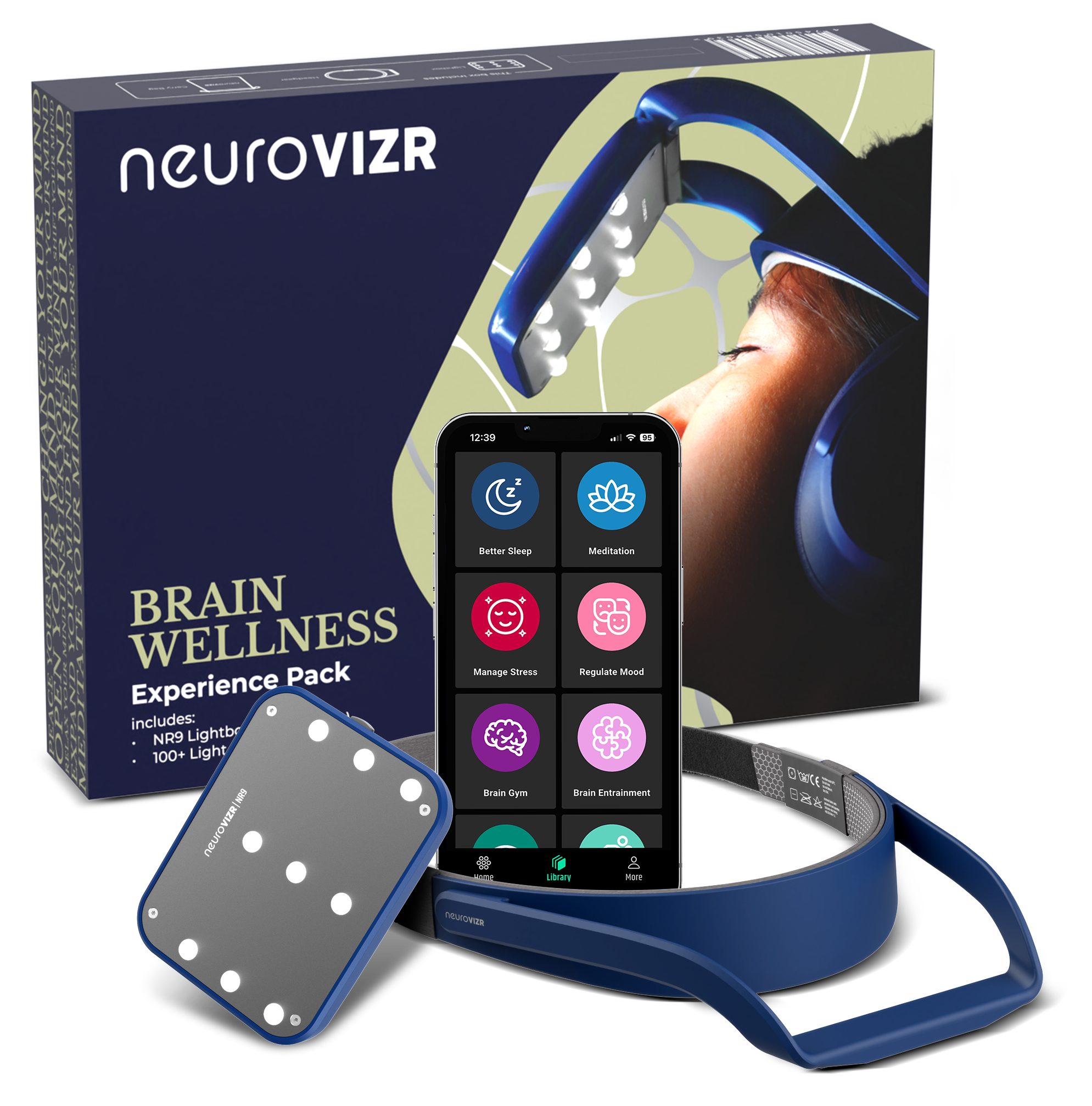
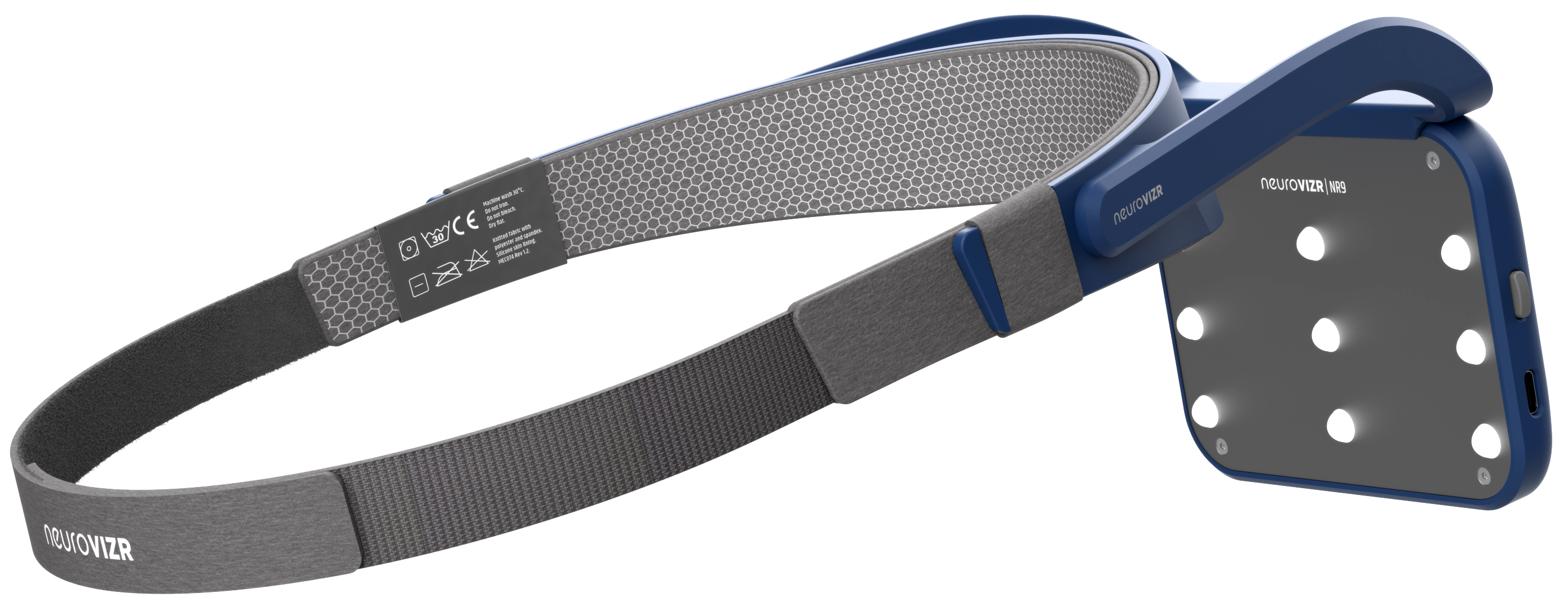
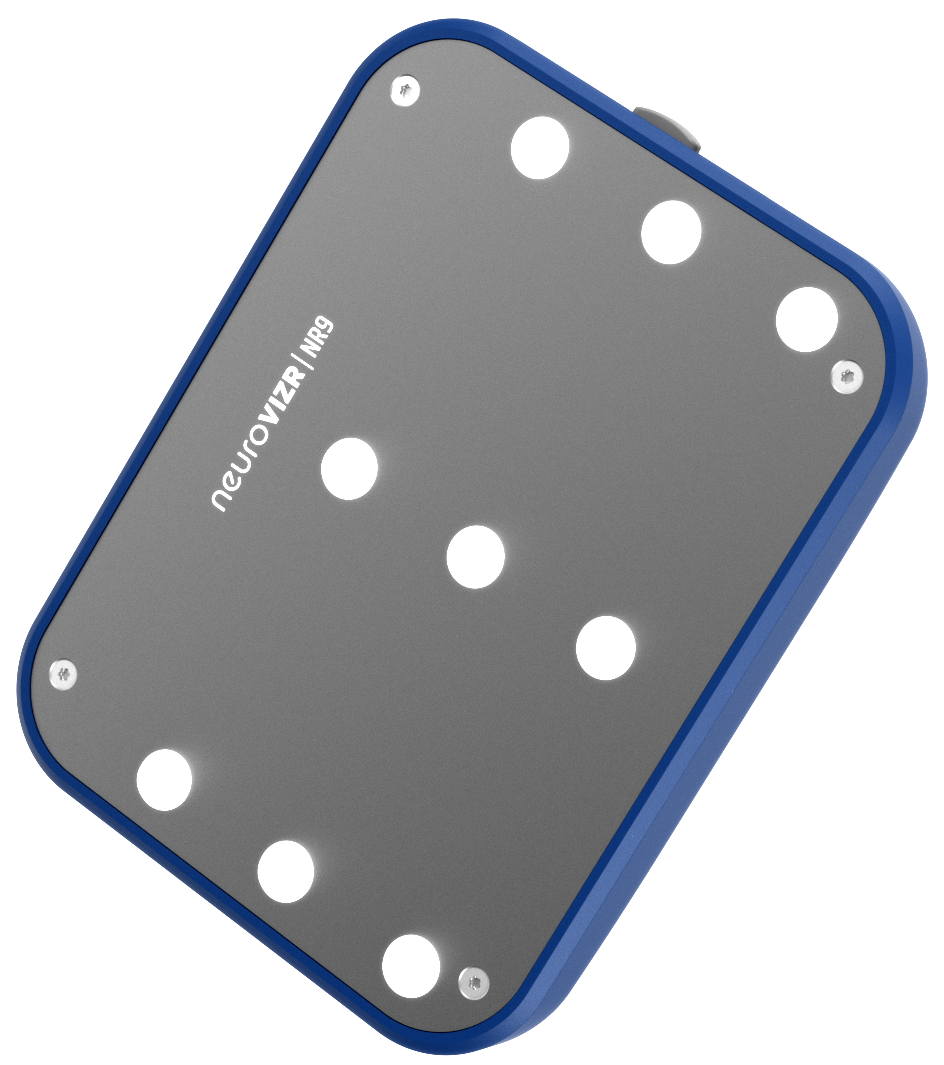
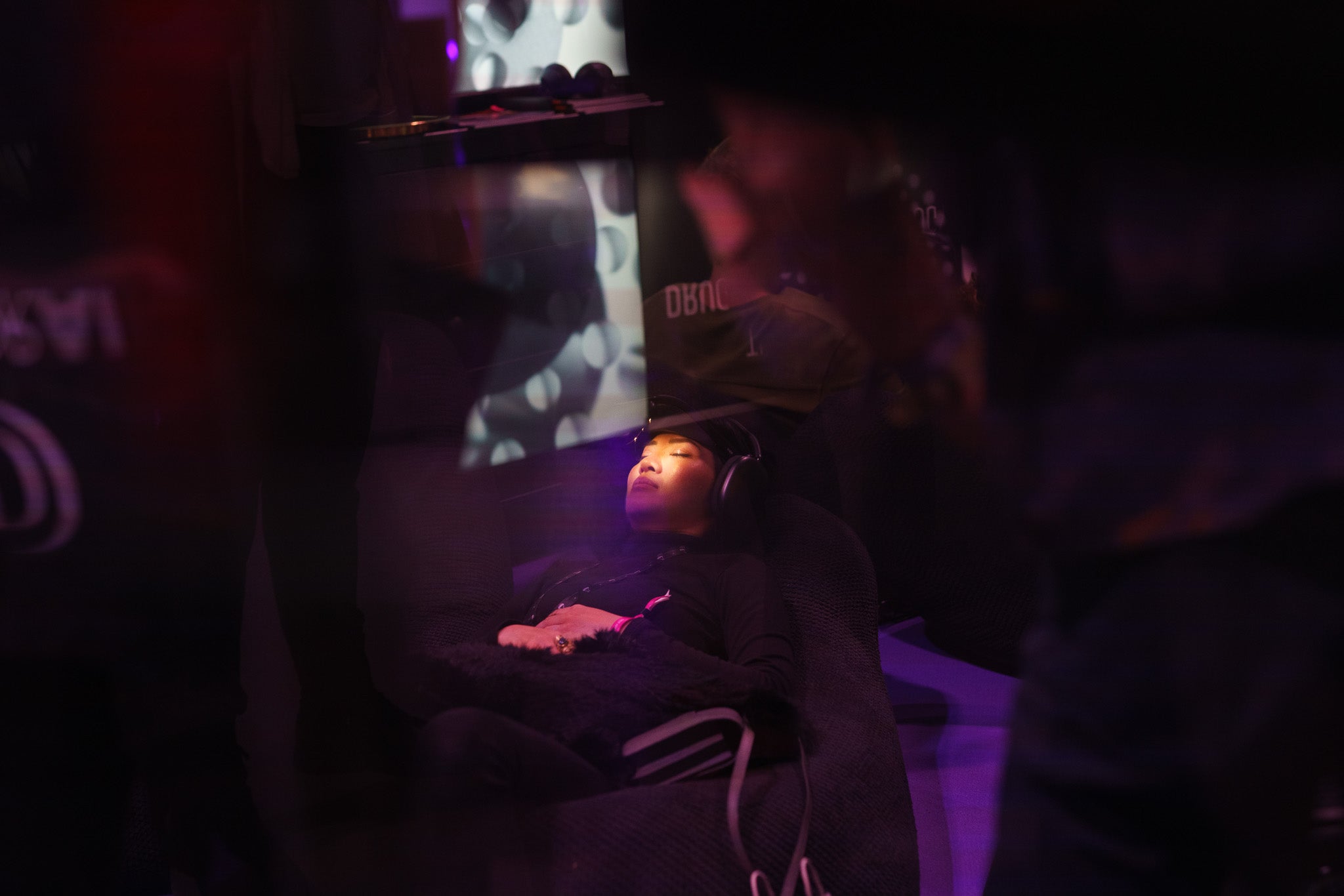
neuroVIZR uses structured light and sound stimulation to gently challenge these rigid patterns.
Instead of suppressing activity, it invites the brain into dynamic engagement, a state where flexibility can return.
This matters because the brain recovers not through shutdown, but through healthy variation.
2. From Hypervigilance to Coherence
neuroVIZR sessions often produce a noticeable shift:
-
less mental noise
-
more internal quiet
-
a sense of coherence rather than collapse
This isn’t sedation.
It’s the nervous system receiving new, organised sensory input something chronic stress often deprives it of.
We’ve seen that regulation isn’t about control.
It’s about giving the brain something safe and structured to respond to.
3. Building Stress Resilience Over Time
Chronic stress builds through repetition
and so does resilience.
With repeated neuroVIZR sessions, the brain practices:
-
shifting states more smoothly
-
recovering faster after activation
-
spending less time stuck in survival mode
This aligns with neuroplasticity the brain’s ability to reorganise itself through experience.
Not overnight.
Not forcefully.
But gradually, intelligently.
What This Changes in Your Relationship With Stress
When you understand chronic stress as a learned brain state, something important shifts:
You stop blaming yourself.
You stop fighting your nervous system.
You start working with it.
Stress becomes a signal not an identity.
Tools like neuroVIZR don’t replace therapy, rest, or reflection.
They support the neural conditions that make those things more effective.
Simple Integration: Supporting a Stressed Nervous System
Alongside any technology, these principles matter:
-
Reduce self-judgment safety begins internally
-
Prioritise sensory grounding (light, sound, movement, breath)
-
Allow recovery without urgency
-
Support the brain’s need for rhythm, not perfection
Chronic stress softens when the nervous system feels heard, not corrected.
A Grounded Takeaway
Chronic stress isn’t a weakness.
It’s a brain that adapted too well for too long.
And adaptability is also what allows healing.
At neuroVIZR, we explore how light, sound, and neuroscience can support the brain’s natural ability to reorganise, helping you move from constant alertness toward clarity, coherence, and recovery.
Not by forcing calm.
But by restoring flexibility.
FAQ’s
What is chronic stress, in simple terms?
Chronic stress happens when your brain and nervous system stay in “alert mode” for too long. Even when life feels calm on the outside, your body may still behave as if something is wrong. Over time, this constant activation can affect sleep, focus, mood, and overall wellbeing.
How is chronic stress different from normal stress?
Normal stress is temporary; your body activates, responds, and then returns to balance.
Chronic stress doesn’t switch off easily. The nervous system remains activated even after the original stressor is gone, making it harder to relax, recover, or feel safe in your own body.
Why do I feel tired but unable to relax?
This is a common sign of chronic stress. The body may be exhausted, but the brain’s threat system stays active. This “tired but wired” state happens when the nervous system has lost flexibility and struggles to downshift into rest.
Can chronic stress change the brain?
Yes but not permanently in a negative way.
Long-term stress can strengthen threat-related brain pathways and reduce access to calm, regulated states. The good news is that the brain is plastic, meaning it can reorganise and relearn healthier patterns with the right support.
Disclaimer
This content is for educational purposes only and is not a substitute for medical or mental health advice. neuroVIZR is a non-invasive wellness tool, and individual experiences may vary. Please consult a qualified healthcare professional for diagnosis or treatment.









Share:
Menopause and Depression: What’s Happening in the Brain
How to Calm an Overactive Mind (Without Fighting Your Thoughts)