


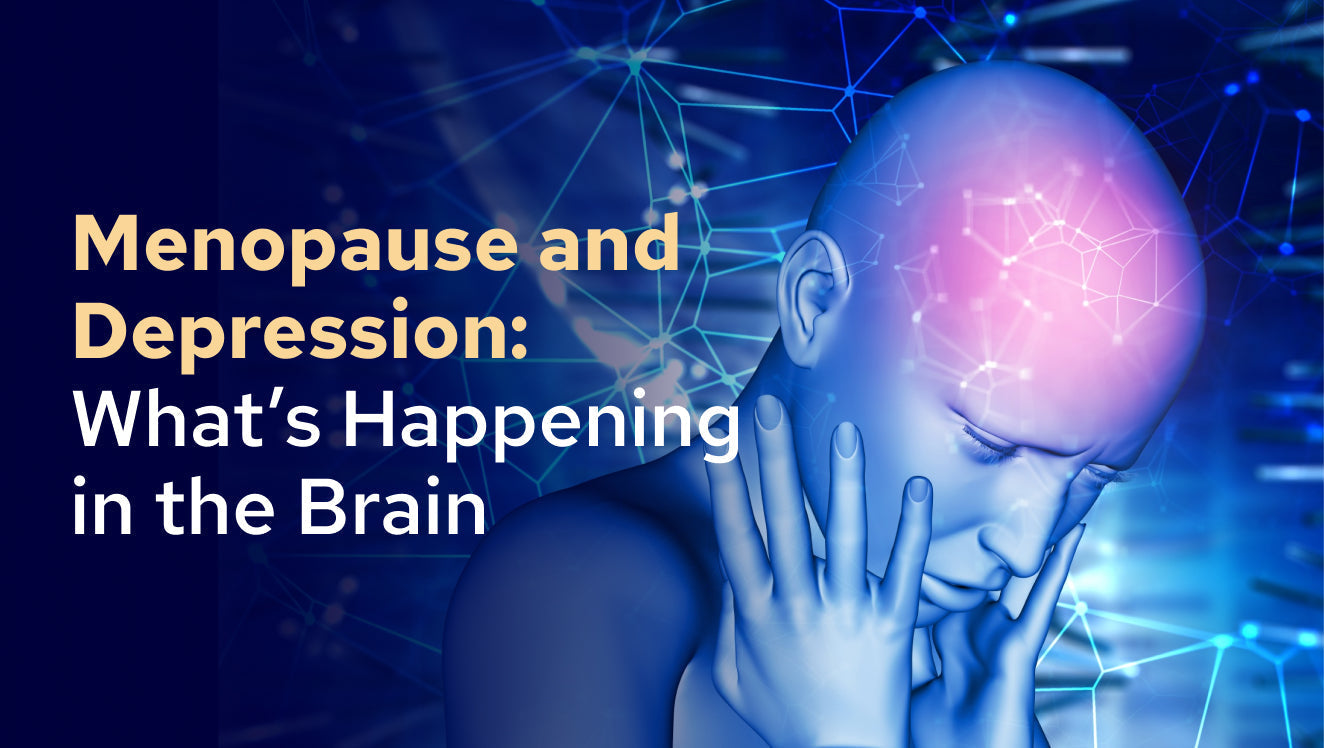
Learning about the Brain, the Body, and the Emotional Change that No One Prepares You to.
In the case of many women, menopause does not come as an event, but it comes gradually, silently, and even in a confusing way. One day you find something wrong with sleep. Another day you are even more patient. Then there is a burden that you can never call.
You may find yourself asking:
Why is it that I am low when nothing is wrong?
Or more to the point: Can menopause make one depressed?
The simple answer is: no, no, it can help it, but not as we are often told.
Better still, it is not a failure for them.
It is a brain and nervous system that is in transition.
What is Going on with Menopause and Mood?
Menopause is generally said to be a hormonal event. However, in the real sense, it is also a neurological one.
It is not only the hormones such as estrogen and progesterone that affect the reproductive system, they actually help the brain to regulate mood, stress, motivation and emotional stability.
With these hormones changing and slowly decreasing, the brain has to learn again to control itself.
This can affect:
-
Serotonin and dopamine, which determine the mood and motivation.
-
The prefrontal cortex that controls emotions and clarity.
-
The limbic system that processes the emotion and threat.
-
The nervous system is made more receptive by the stress response.
Emotional strength can run low when they are straining the systems, even on women who have never suffered depression in their lives.
This isn't a weakness.
It is neurobiology adapting to change.

Why Menopause Feel Emotionally Heavier?
Many women describe menopause-related depression not as constant sadness, but as:
-
Emotional flatness or emptiness
-
Loss of joy or interest in things that once felt meaningful
-
Increased irritability or emotional sensitivity
-
Brain fog that makes everything feel harder
-
A deep fatigue that rest doesn’t always fix
Often, the most distressing part is the feeling of not recognising yourself anymore.
Why Some Women Are More Vulnerable
Not everyone experiences menopause the same way. Mood changes are more likely if there’s:
-
A history of PMS, PMDD, or postpartum mood shifts
-
Chronic stress or long-term emotional overload
-
Disrupted sleep (very common during perimenopause and menopause)
-
A highly sensitive or over-activated nervous system
These factors don’t mean depression is inevitable, they simply mean the brain may need more intentional support during this phase.
Supporting the Brain During Menopause
Healing during menopause isn’t about forcing positivity or pushing through discomfort. It’s about working with the brain, not against it.
Support often begins with:
-
Calming an overactive stress response
-
Restoring sleep and circadian rhythm
-
Giving the nervous system more moments of safety and regulation
-
Engaging the brain in ways that encourage neuroplasticity
-
Seeking medical or therapeutic support when needed
Small, consistent inputs matter more than drastic fixes.
A regulated brain can adapt. An overwhelmed one cannot.
Where neuroVIZR Fits In
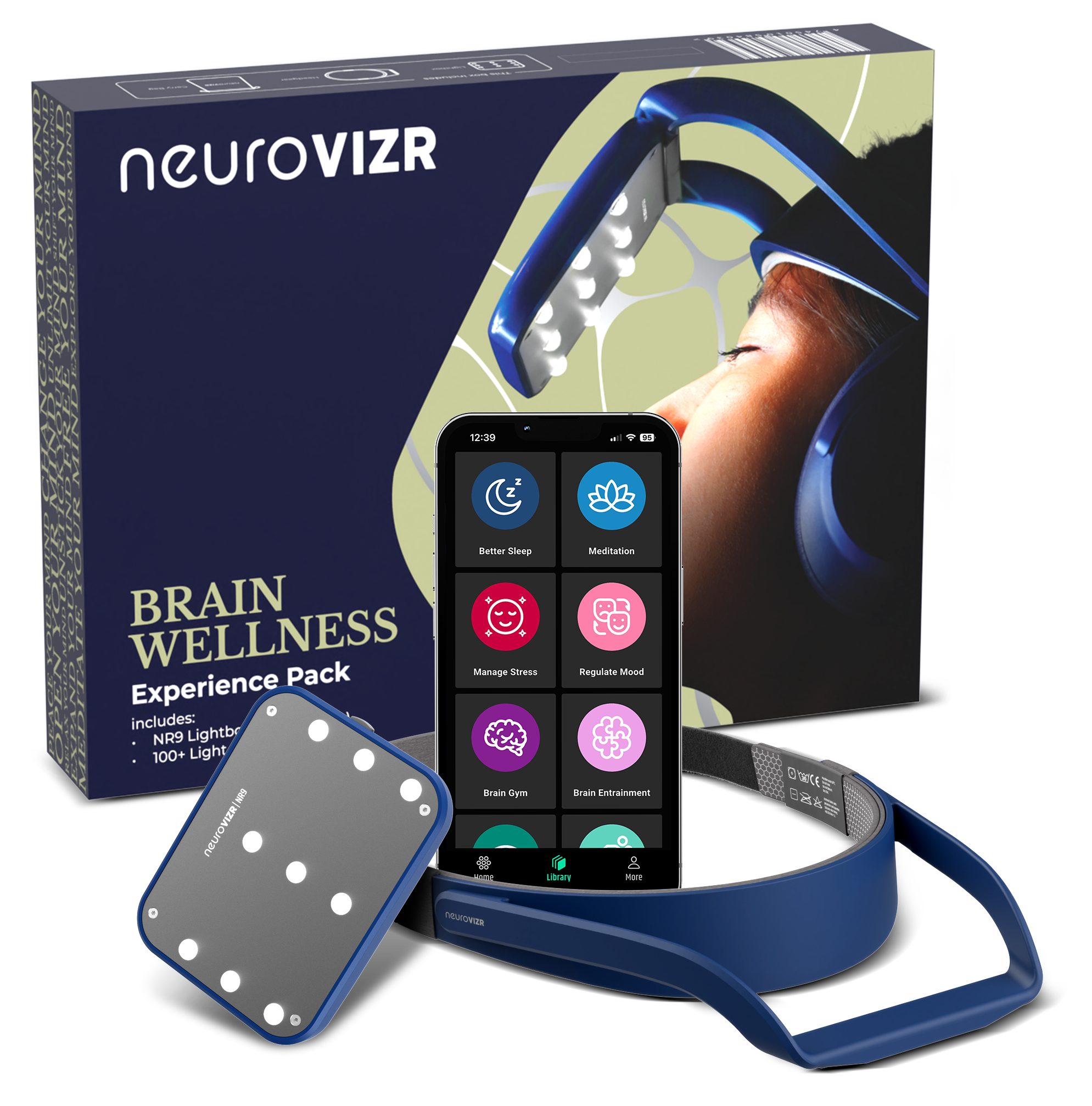
At neuroVIZR, we approach brain health with an understanding that the brain is always adapting especially during times of transition.
Rather than trying to fix or override what the brain is experiencing, our philosophy is rooted in supporting regulation, adaptability, and self-awareness. Change becomes possible not through pressure, but through conditions that allow the brain to settle, recalibrate, and respond in its own time.
During phases like menopause, many people find value in approaches that encourage pause, presence, and gentle nervous system support not as solutions in themselves, but as part of a broader relationship with brain wellbeing.
neuroVIZR exists within that space: as an invitation to listen more closely to the brain, and to meet change with curiosity instead of control.
Conclusion
Menopause isn’t a personal failure, it's a brain in transition. When emotional changes are met with understanding rather than self-judgement, the nervous system can begin to settle and adapt. With the right support, this phase doesn’t have to feel overwhelming. It can become a time of recalibration, clarity, and renewed connection with your brain.
FAQ’s
What are the emotional symptoms of menopause-related depression?
Symptoms can include:
-
Persistent low mood or emotional flatness
-
Irritability or emotional sensitivity
-
Loss of interest or joy
-
Brain fog and mental fatigue
-
Feeling disconnected from your usual self
These experiences are real and rooted in brain–body changes, not personal weakness.
How is menopause-related depression different from regular depression?
Menopause-related depression is often more fluctuation-based and closely tied to hormonal shifts, sleep disruption, and stress sensitivity. It may feel less like constant sadness and more like emotional instability, emptiness, or overwhelm.
Can perimenopause cause depression too?
Absolutely. In fact, perimenopause is often when mood symptoms are strongest, because hormones fluctuate unpredictably. Many women experience anxiety or depression years before menopause itself.
Is menopause depression “just hormonal”?
No. While hormones play a role, menopause-related depression also involves:
-
Nervous system regulation
-
Stress response sensitivity
-
Sleep disruption
-
Identity and life-stage transitions
Reducing it to “just hormones” oversimplifies a complex brain experience.
Disclaimer
This content is for informational purposes only and is not medical advice. Experiences vary. If you’re experiencing ongoing emotional distress, please consult a qualified healthcare professional. neuroVIZR does not diagnose or treat medical conditions.
Content Reference
-
Harvard Medical School
-
National Institute on Aging (NIA)
-
National Institutes of Health (NIH)
- The North American Menopause Society (NAMS)





















Share:
Understanding Anxiety in Perimenopause
Chronic Stress: When Your Brain Does Not Receive All Clear