

Haftungsausschluss
neuroVIZR ist ein Wellness-Gerät zur Unterstützung von Entspannung, Fokus und allgemeinem Wohlbefinden. Es ist kein medizinisches Gerät und nicht dazu bestimmt, Krankheiten zu diagnostizieren, zu behandeln, zu heilen oder zu verhindern. Individuelle Erfahrungen können variieren.
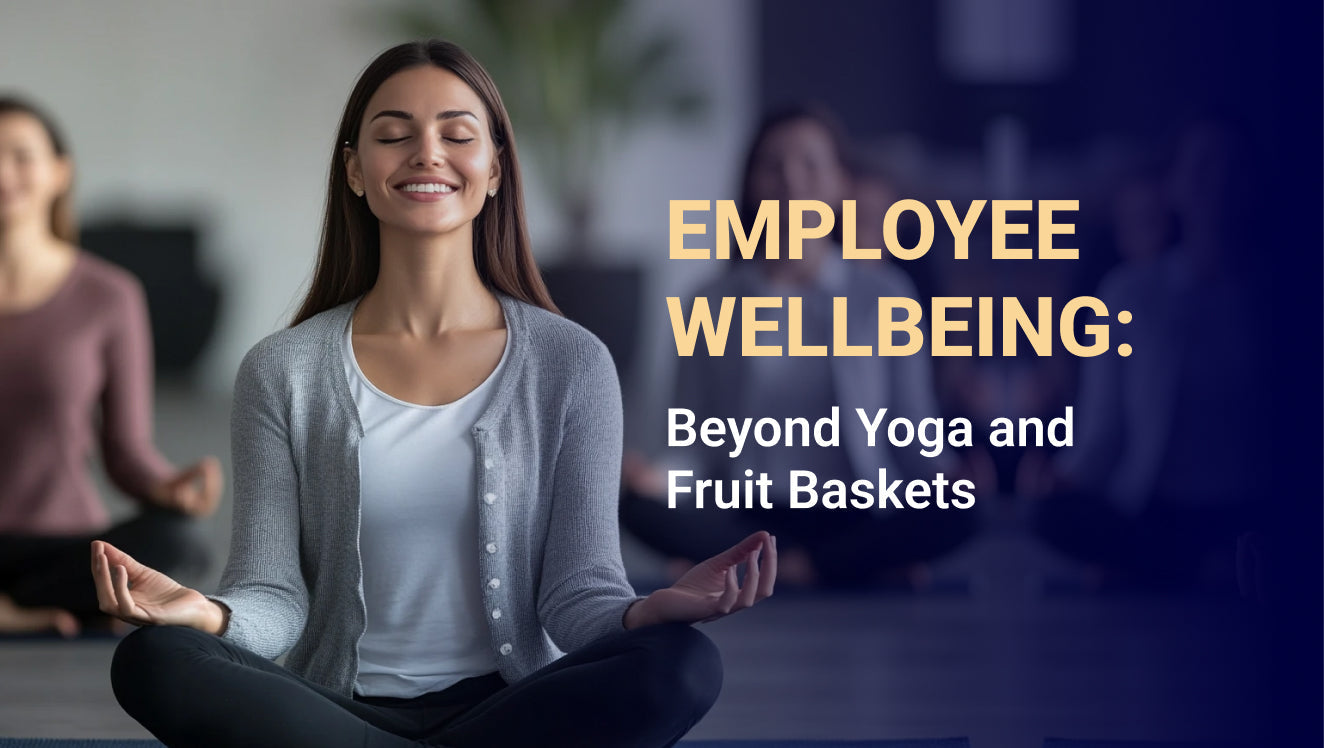
Wir alle kennen es: der Obstkorb in der Küche, die gelegentliche Yogastunde und die „Wellness-Mittwoch“-E-Mails, die oft ungeöffnet bleiben.
In der Zwischenzeit jonglieren Mitarbeiter mit Fristen, nehmen an Besprechungen ohne Pause teil, überspringen Pausen und haben Schwierigkeiten, nach der Arbeit abzuschalten.
Das ist die Realität des modernen Arbeitsplatzes.
Warum traditionelle Wellnessprogramme zu kurz greifen
Viele Organisationen investieren in das Wohlbefinden ihrer Mitarbeiter durch:
-
Fitnessstudio-Mitgliedschaften und Fitness-Apps
-
Stationen mit gesunden Snacks
-
Gelegentliche Workshops zum Stressmanagement
Obwohl diese Initiativen hilfreich sein können, konzentrieren sie sich oft nur auf oberflächliche Gewohnheiten.
Was oft fehlt, ist Unterstützung für mentale Erholung und tägliche Reset-Routinen.
Ein neuer Ansatz für das Wohlbefinden der Mitarbeiter
Das heutige Arbeitsumfeld erfordert einen durchdachteren Ansatz – einen, der Folgendes unterstützt:
-
Momente der Ruhe während geschäftiger Zeitpläne
-
Besseren Fokus über den Tag hinweg
-
Konstante Entspannungsroutinen
-
Ein ausgeglicheneres Arbeitserlebnis
Anstatt einmaliger Vergünstigungen erforschen Unternehmen nun kontinuierliche Wellnesspraktiken, die sich natürlich in den Arbeitsalltag einfügen.
Der blinde Fleck am Arbeitsplatz
Mitarbeiterstress ist nicht immer sichtbar, aber seine Auswirkungen können sich zeigen als:
-
Reduzierter Fokus und Produktivität
-
Niedrige Energiewerte
-
Erhöhte Fehlzeiten
-
Höhere Mitarbeiterfluktuation
Viele Unternehmen erkennen nun die Bedeutung der Schaffung von Räumen und Tools, die mentale Klarheit und Entspannung unterstützen, nicht nur körperliche Aktivität.
Praktische Wege zur Unterstützung des Mitarbeiterwohnbefindens
Hier sind einige effektive Strategien, die Unternehmen umsetzen können:
1. Echte Pausen fördern
Schaffen Sie eine Kultur, in der Mitarbeiter ihren Schreibtisch verlassen und sich aufladen können, auch nur für ein paar Minuten.
2. Offene Gespräche unterstützen
Fördern Sie einen Arbeitsplatz, an dem sich Mitarbeiter wohl fühlen, Stress und Arbeitsbelastung zu besprechen.
3. Wellness-Tools einführen
Bieten Sie Zugang zu Tools, die Entspannung und Fokus während des Arbeitstages unterstützen, wie z. B. sensorische Wellness-Geräte oder geführte Sitzungen.
4. Tägliche Wellness-Routinen aufbauen
Integrieren Sie kleine, konsistente Wellness-Praktiken in den Arbeitsalltag, anstatt nur gelegentliche Aktivitäten anzubieten.
Ein intelligenterer Weg zur Entspannung und zum Neuanfang
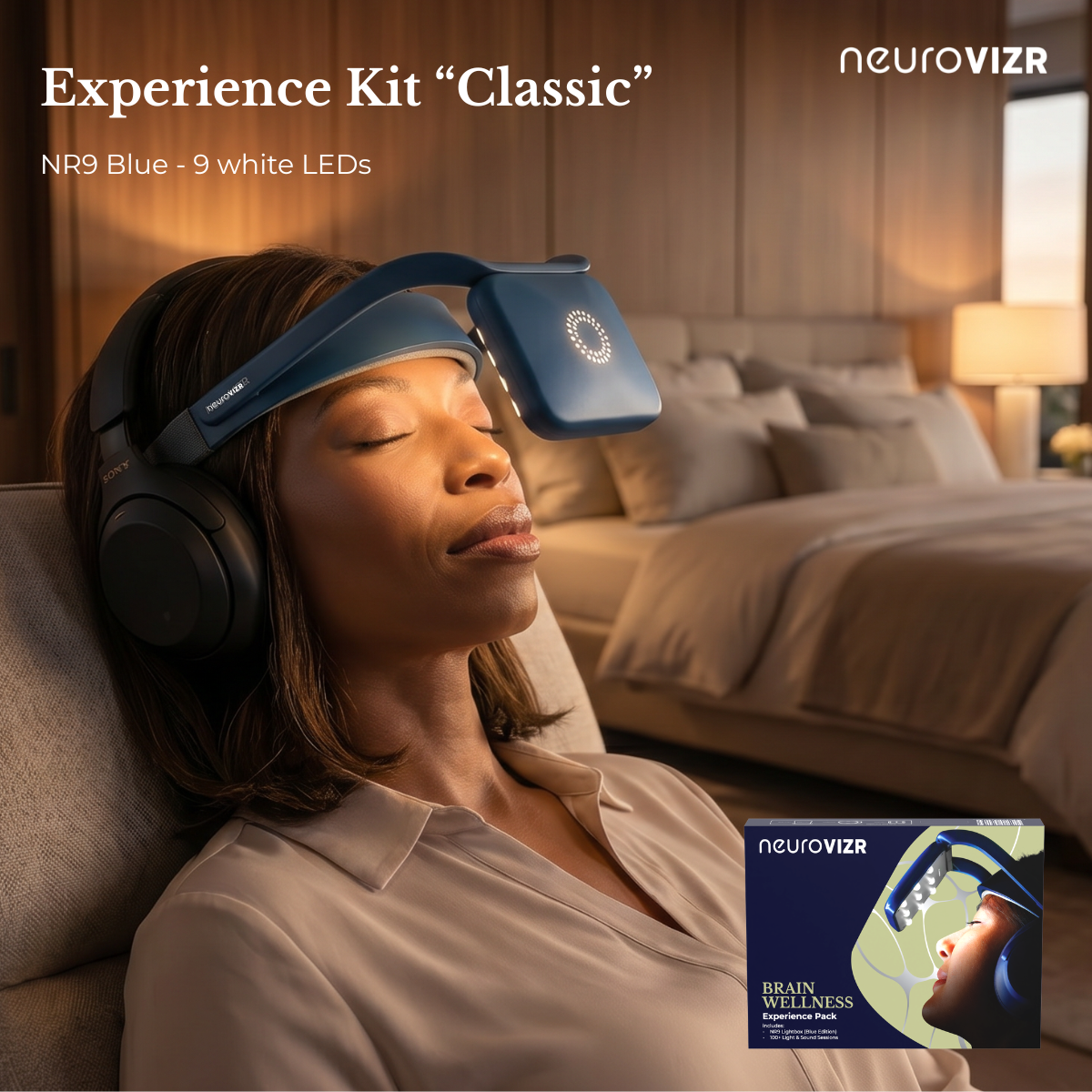
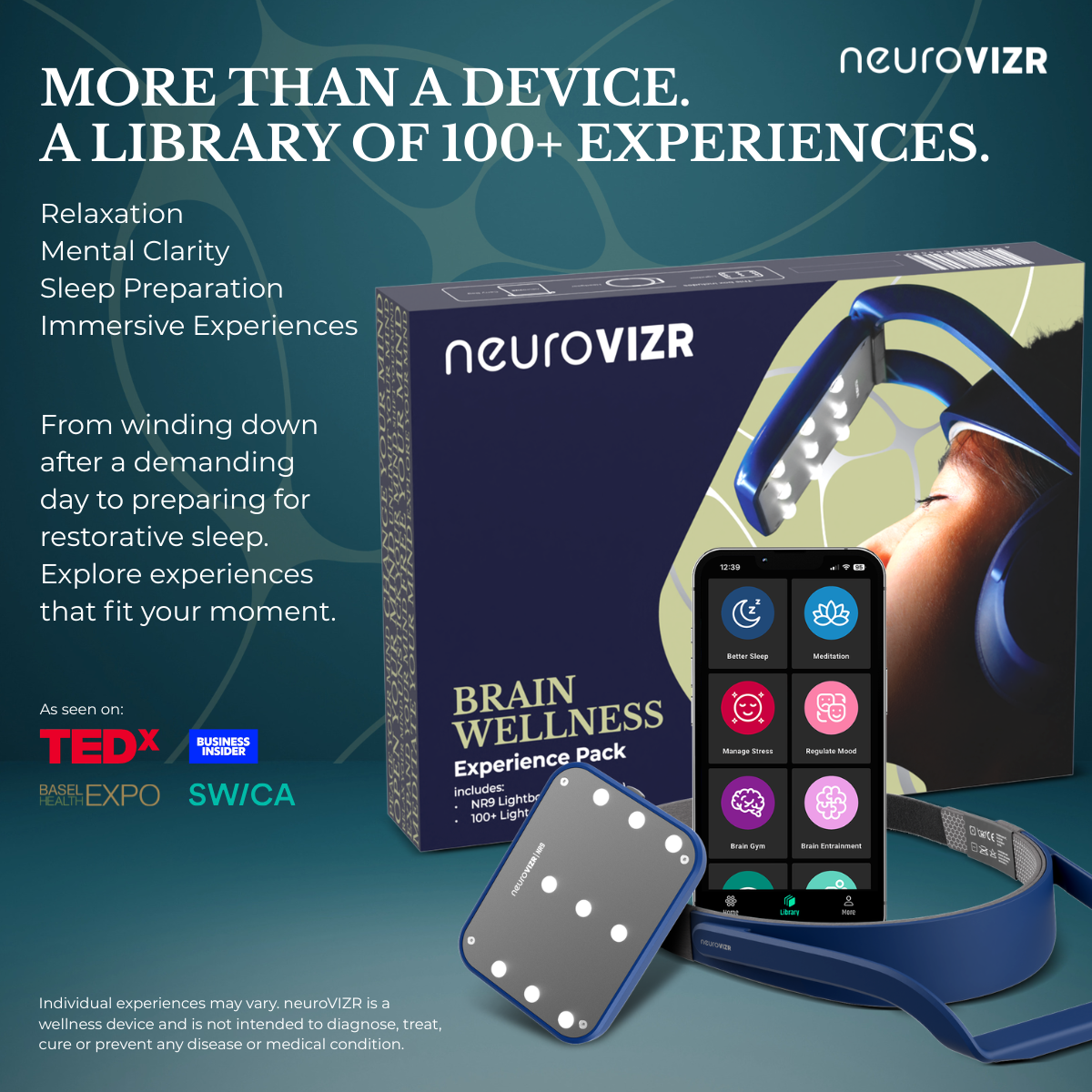
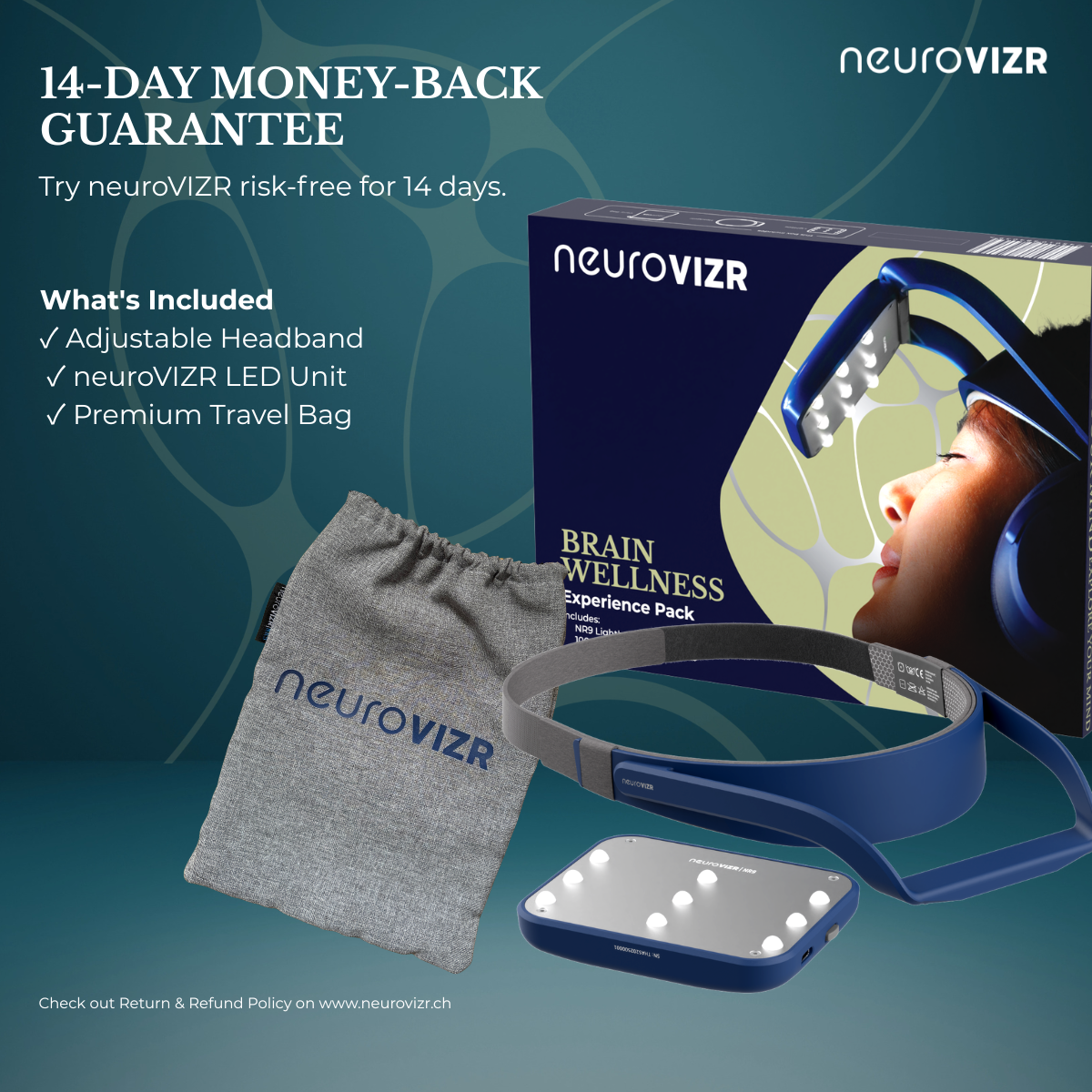
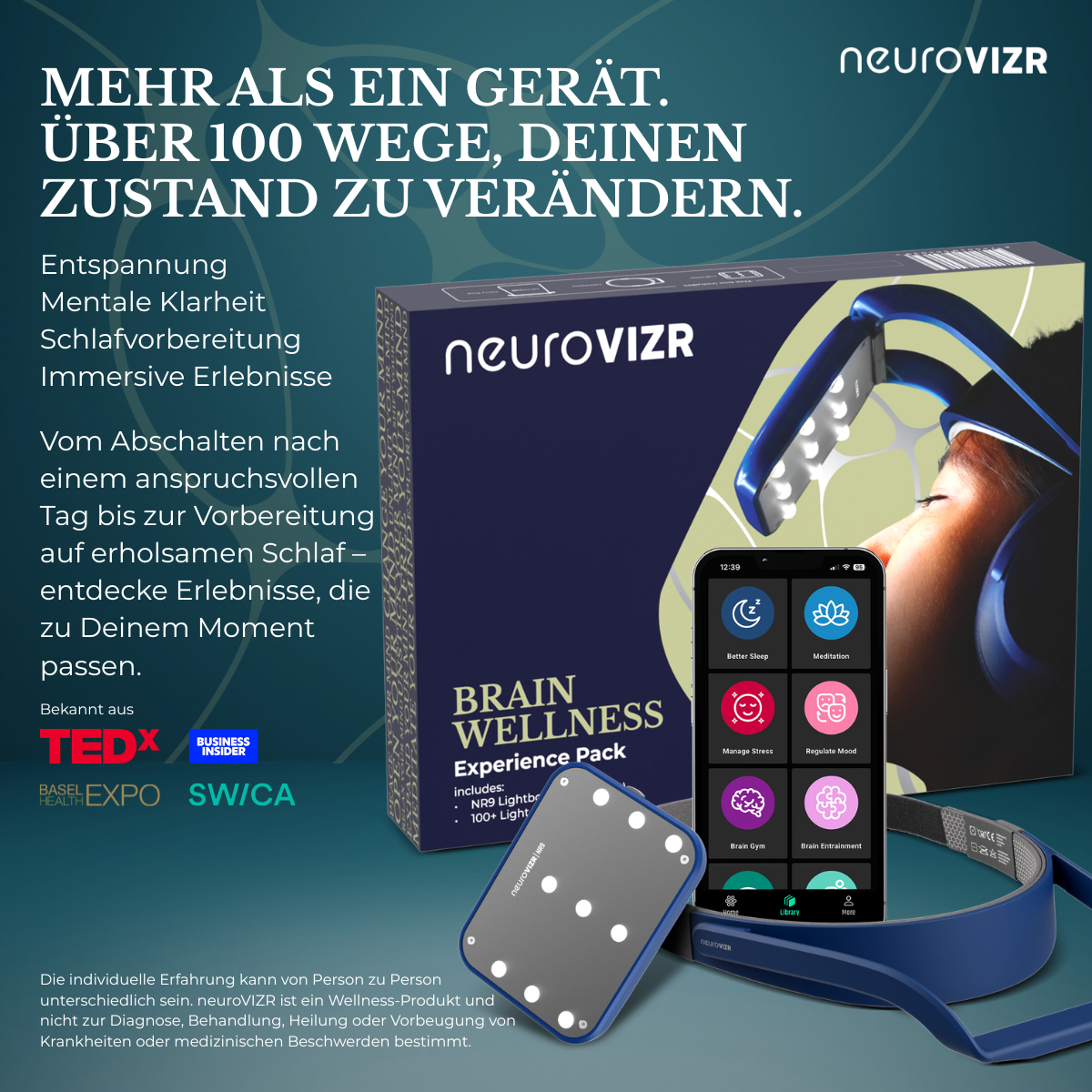
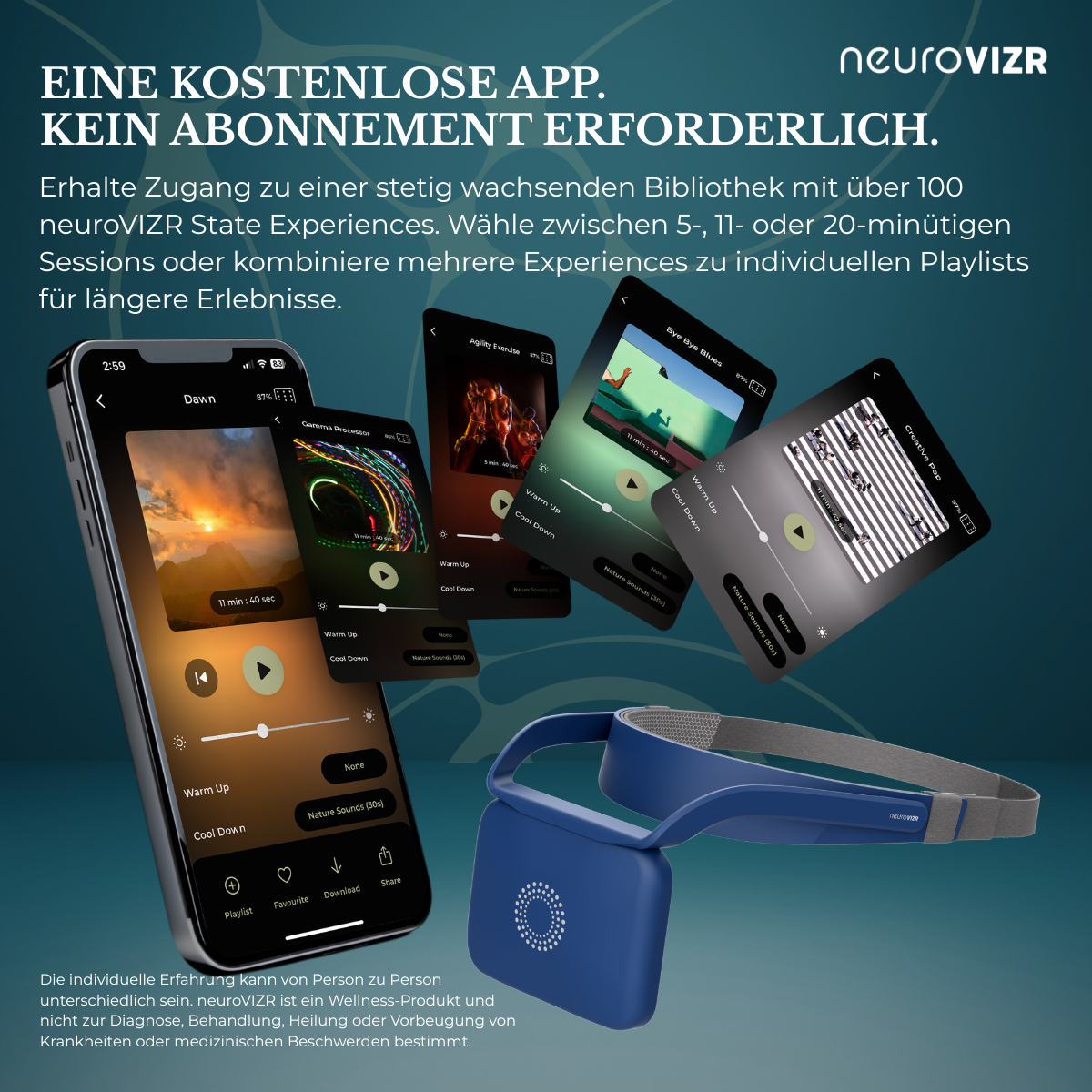
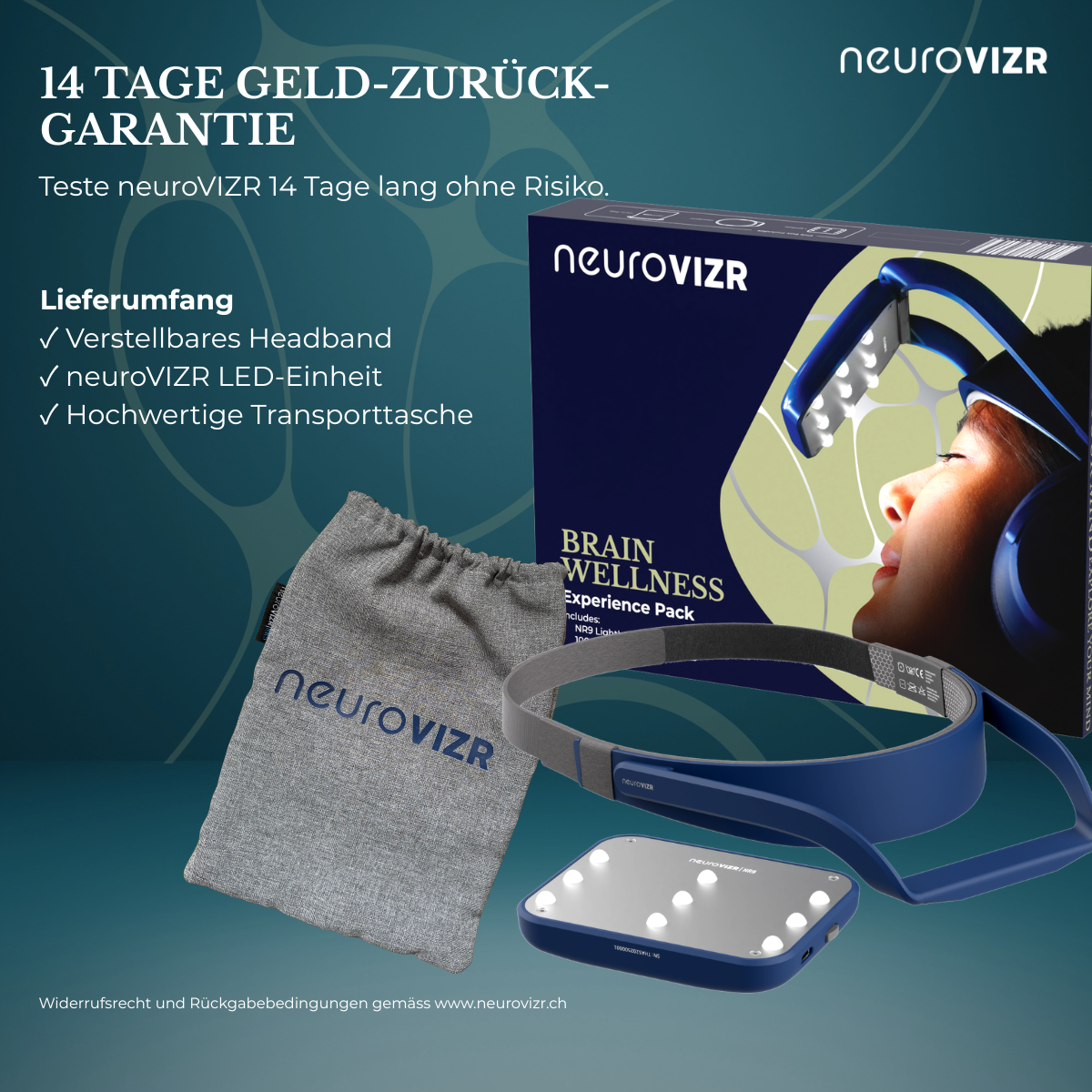
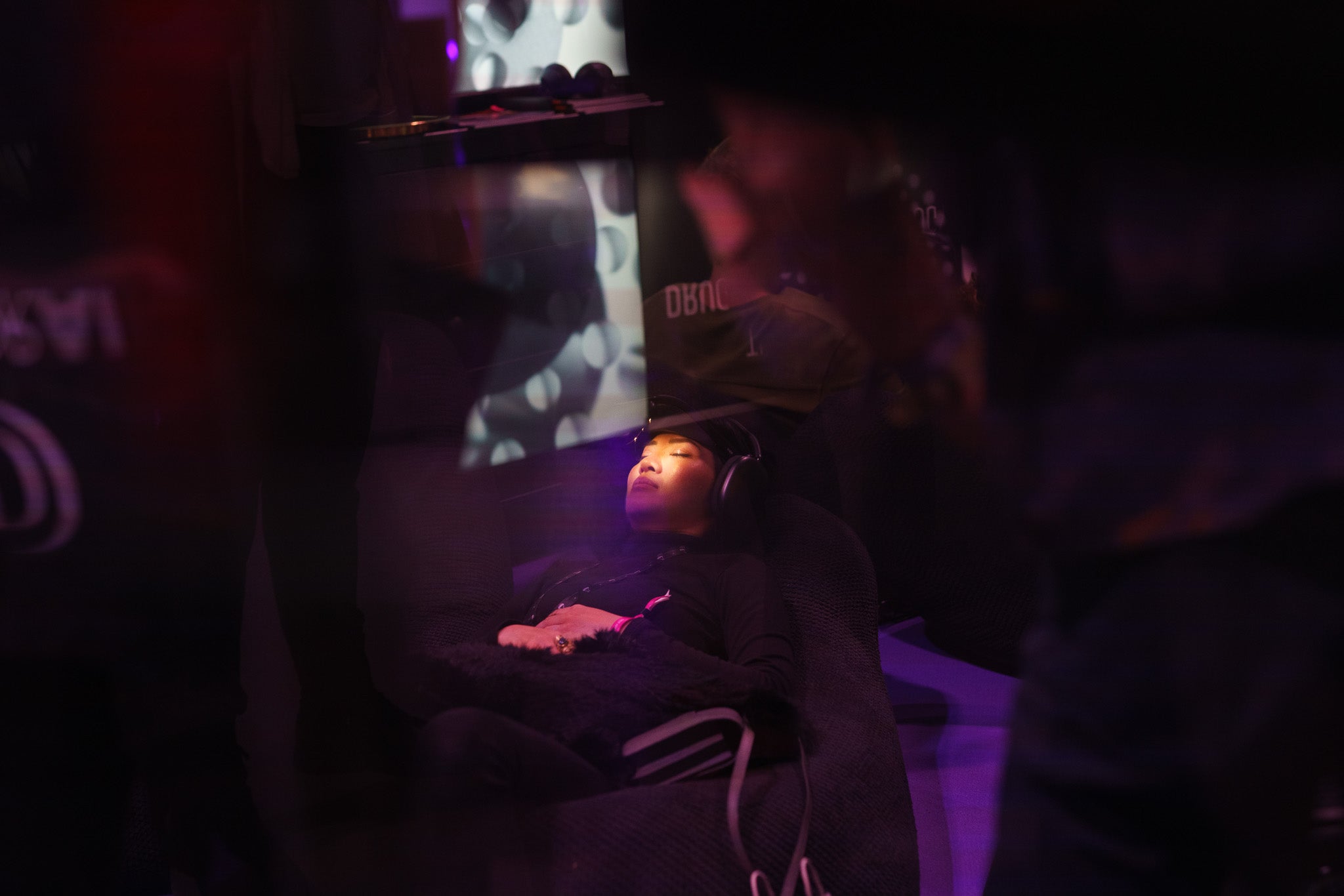
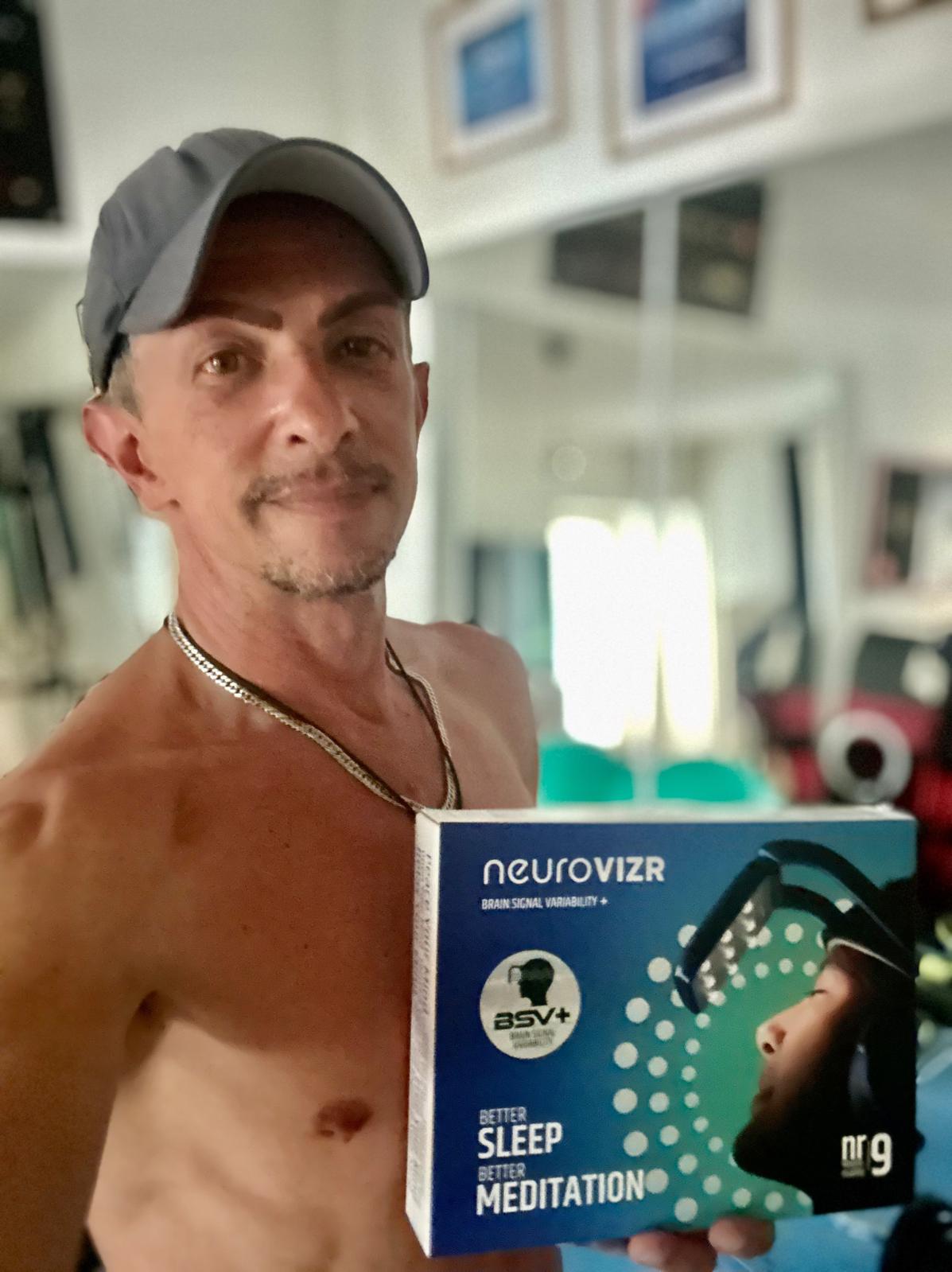
Geräte, die strukturierte Licht- und Klangmuster verwenden, wie neuroVIZR, erzeugen immersive sensorische Erlebnisse, die oft mit Entspannung und konzentrierter Aufmerksamkeit verbunden sind.
Diese Tools sind darauf ausgelegt, Folgendes zu tun:
-
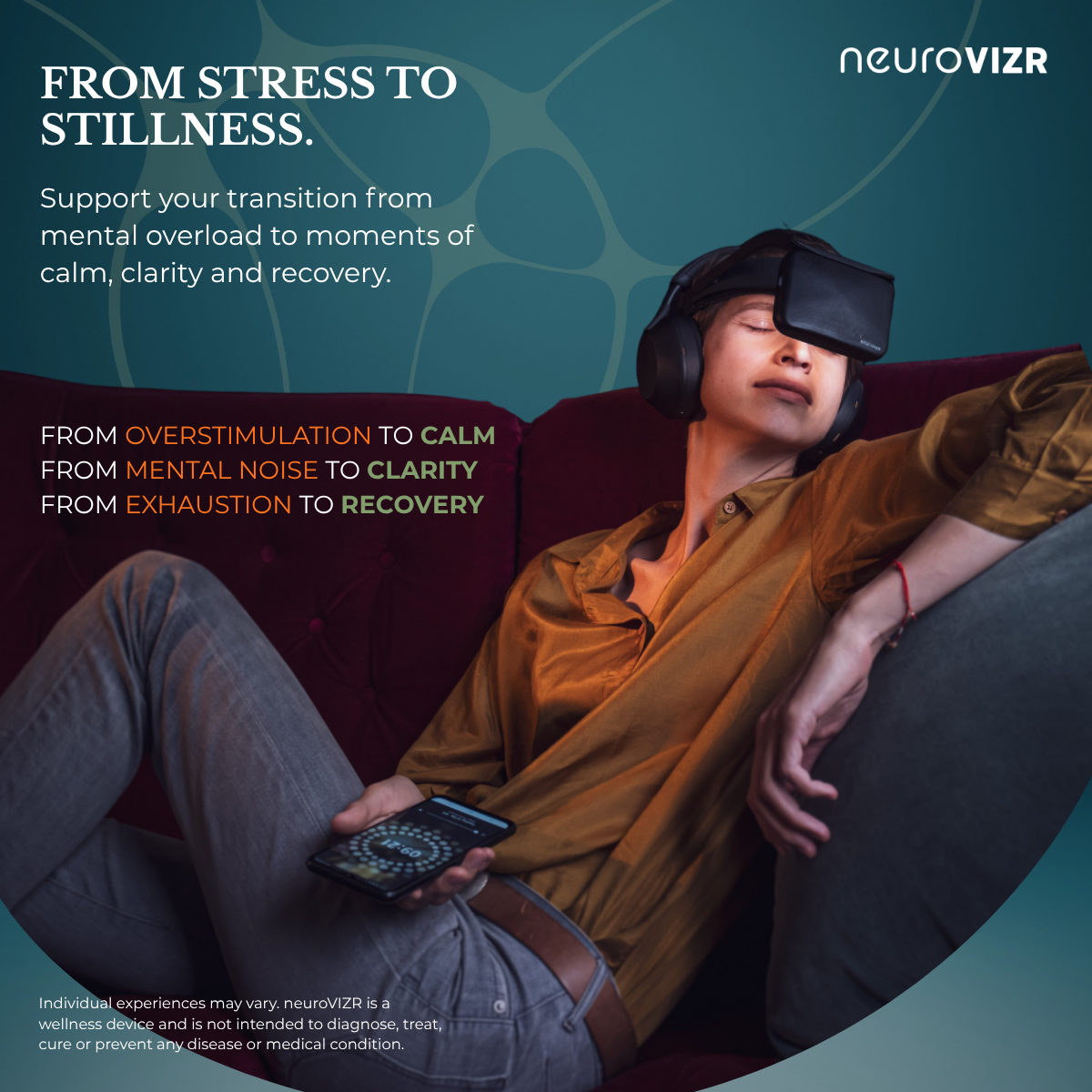
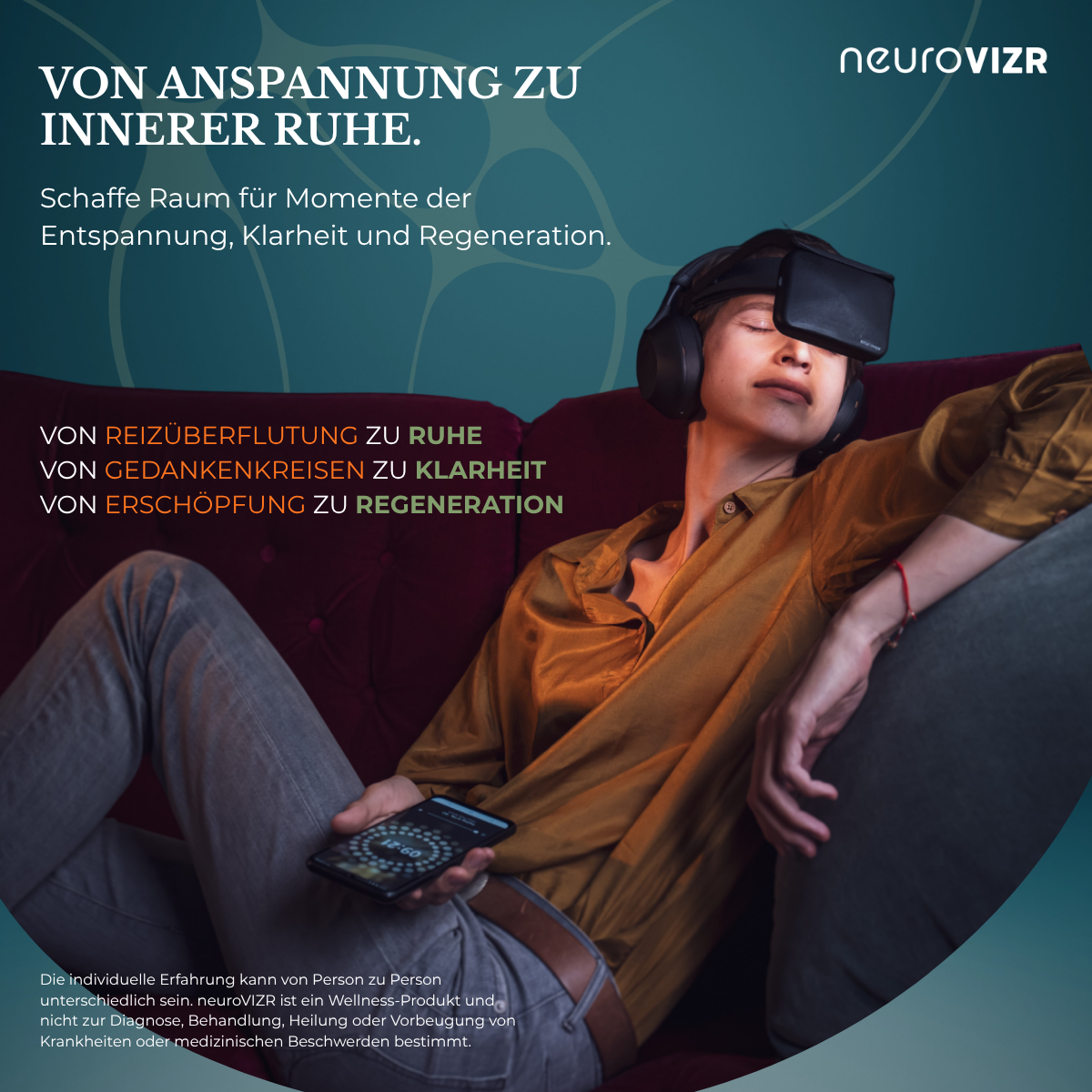
Mitarbeitern helfen, der täglichen Überstimulation zu entfliehen
-
Momente der Ruhe während geschäftiger Zeitpläne unterstützen
-
Kurze, effektive Entspannungssitzungen fördern
Als Teil einer täglichen Routine können sie eine einfache Möglichkeit bieten, innezuhalten, sich neu zu ordnen und neu zu fokussieren.
Wie Wellness-Geräte am Arbeitsplatz eingesetzt werden können
Zukunftsorientierte Unternehmen integrieren Wellness-Tools in ihre Arbeitskultur durch:
Stille Reset-Räume
Spezielle Bereiche, in denen Mitarbeiter kurze Pausen einlegen und sich erholen können.
Team-Wellness-Sitzungen
Kurze, geführte Sitzungen, die Teams helfen, sich zu entspannen und wieder zu verbinden.
Flexibler Wellness-Zugang
On-Demand-Sitzungen, die Mitarbeiter nutzen können, wann immer sie eine Pause benötigen.
Warum dieser Ansatz funktioniert
Eine konsequente Wellness-Routine kann Mitarbeitern helfen:
-
Sich tagsüber erfrischter zu fühlen
-
Engagiert bei ihrer Arbeit zu bleiben
-
Einen besseren Fokus zu bewahren
-
Einen gesünderen Arbeitsrhythmus zu schaffen
Anstatt sich auf gelegentliche Vergünstigungen zu verlassen, unterstützt dieser Ansatz das tägliche Wohlbefinden.
Abschließende Gedanken
Das Wohlbefinden der Mitarbeiter entwickelt sich weiter.
Es geht nicht mehr nur darum, Vergünstigungen anzubieten, sondern ein Umfeld zu schaffen, in dem Menschen innezuhalten, sich neu zu ordnen und sich den ganzen Tag über ausgeglichener zu fühlen.
Durch die Konzentration auf einfache, konsistente Wellness-Praktiken können Unternehmen einen Arbeitsplatz schaffen, an dem sich Mitarbeiter unterstützt, engagiert und bereit fühlen, ihr Bestes zu geben.
Häufig gestellte Fragen (FAQ)
Was ist das Wohlbefinden der Mitarbeiter in modernen Arbeitsumgebungen?
Das Wohlbefinden der Mitarbeiter konzentriert sich heute darauf, ein ausgewogenes Arbeitsumfeld zu schaffen, das sowohl Produktivität als auch Entspannung durch tägliche Gewohnheiten und unterstützende Tools fördert.
Warum sind traditionelle Wellnessprogramme nicht ausreichend?
Traditionelle Programme konzentrieren sich oft auf die körperliche Gesundheit, berücksichtigen aber möglicherweise nicht das Bedürfnis nach regelmäßigen mentalen Pausen und Entspannung während des Arbeitstages.
Wie können Unternehmen Entspannung am Arbeitsplatz unterstützen?
Unternehmen können kurze Pausen fördern, ruhige Räume bereitstellen und Tools oder Sitzungen anbieten, die Ruhe und Fokus fördern.
Was sind sensorische Wellness-Tools?
Sensorische Wellness-Tools verwenden Elemente wie Licht- und Klangmuster, um immersive Erlebnisse zu schaffen, die zur Entspannung und Achtsamkeit beitragen können.







Teilen:
Fokus und Entspannung am Arbeitsplatz: Wie die Personalabteilung die tägliche Leistung unterstützen kann
Psychische Gesundheit vs. Gehirngesundheit: Was HR oft falsch macht