



Disclaimer
This content is for informational purposes only and does not constitute medical advice. neuroVIZR is a wellness device designed to support relaxation, focus, and mindfulness routines. It is not intended to diagnose, treat, cure, or prevent any medical condition. Experiences may vary.
In Zen Buddhism, truth is often explored through experience rather than explanation. This is where Zen koans come in short, thought-provoking statements or questions that invite reflection beyond everyday thinking.
For centuries, these mindfulness-based riddles have been used as tools for self-inquiry. Rather than offering clear answers, they encourage you to pause, reflect, and experience moments of awareness.
In this article, we’ll explore:
-
What Zen koans are
-
Why they are still relevant today
-
Famous examples of Zen koans
-
How to engage with them in your daily routine
What Is a Zen Koan?
A Zen koan is a short story, question, or dialogue rooted in Zen Buddhist tradition. It is designed to gently interrupt habitual thinking and encourage a more reflective state of mind.
Instead of explaining ideas directly, koans create space for:
-
Awareness
-
Curiosity
-
Mindful observation
They are not meant to be solved like puzzles. Instead, they are meant to be experienced.
❝ Koans are not about finding answers they are about exploring awareness. ❞
Are Koans Just Zen Riddles?
Koans are often described as riddles, but they are slightly different.
-
A riddle usually has a logical answer
-
A koan invites reflection without a fixed solution
For example:
-
A riddle asks you to solve
-
A koan asks you to observe
This makes koans useful for mindfulness and self-reflection practices.
Famous Zen Koan Examples
Here are some well-known Zen koans that continue to inspire reflection:
1. What is the sound of one hand?
A widely known koan that encourages you to reflect beyond ordinary thinking and notice silence or awareness.
2. Joshu’s “Mu”
A monk asked a question, and the answer was simply: “Mu.”
Rather than giving a clear response, this koan invites you to pause and explore meaning beyond words.
3. Everyday Mind is the Way
This koan suggests that awareness can be found in everyday life, not just in formal practices.
4. Seijo and Her Soul
A story that raises questions about identity, perception, and experience.
5. If You Meet the Buddha, Let Go of the Idea
This koan reminds us not to become attached to concepts, even spiritual ones.
How to Engage with Koans
If you’re new to koans, they may feel unusual at first. That’s completely normal.
Here are simple ways to explore them:
-
Sit with the question → Let it stay in your mind during quiet moments
-
Notice your thoughts → Observe your reactions without judgment
-
Focus on the present moment → Allow space for calm and awareness
Over time, koans can become part of your mindfulness or relaxation routine.
❝ Koans act like mirrors, reflecting your own awareness. ❞
Using Koans in Daily Life
You don’t need to follow traditional practices to explore koans. You can use simple reflective questions in everyday situations:
-
Who is experiencing this moment?
-
What happens when I pause and observe?
-
What remains when I let go of this thought?
These gentle prompts can help create moments of calm and clarity throughout the day.
Creating a Relaxation-Friendly Environment
Many people find it helpful to combine reflective practices with calming environments.
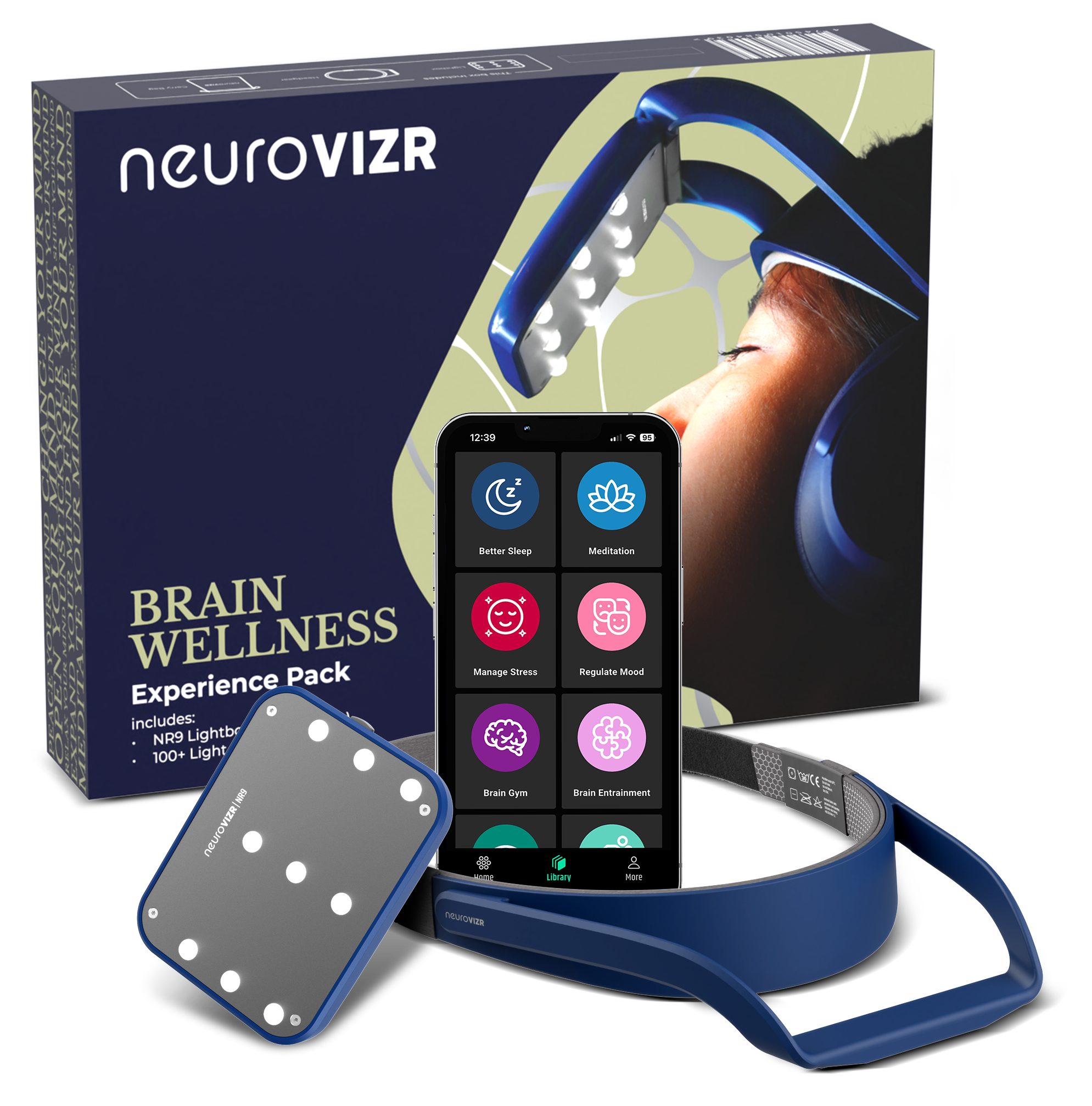
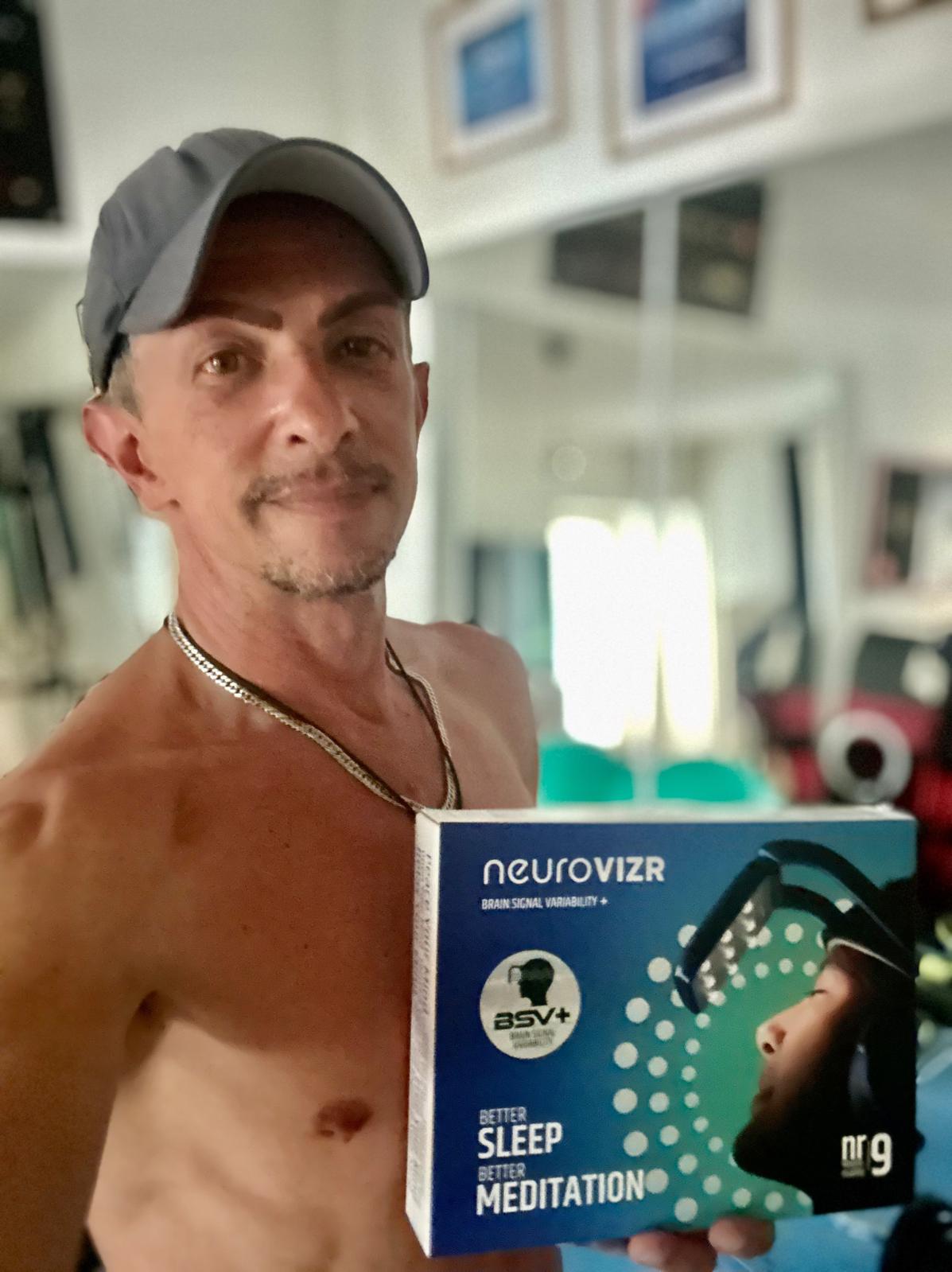
Tools that use rhythmic light and sound patterns can create immersive sensory experiences that are often associated with relaxation and focused attention. These experiences may support mindfulness routines by helping you step away from daily distractions and focus on the present moment.
You can explore such tools as part of your personal relaxation routine, especially during quiet reflection or mindfulness sessions.
Are Koans Meant to Be Understood?
Koans are not about reaching a final answer.
Instead, they are designed to:
-
Encourage reflection
-
Create mental space
-
Support mindful awareness
If a koan feels confusing, that’s part of the experience. It simply invites you to observe rather than solve.
Final Thoughts: Why Koans Still Matter
In a fast-paced world, koans offer a simple yet powerful way to pause and reflect.
They don’t provide direct answers. Instead, they create space for:
-
Awareness
-
Stillness
-
Personal insight
Whether you are new to mindfulness or exploring deeper reflection, Zen koans can be a meaningful addition to your daily routine.
Frequently Asked Questions (FAQ)
What is the most famous Zen koan?
One of the most well-known koans is:
“What is the sound of one hand?”
It encourages reflection beyond ordinary thinking and invites awareness of silence and presence.
How are koans used in mindfulness practices?
Koans are used as reflective prompts. Instead of solving them, you sit with the question and observe your thoughts, which can support mindfulness and awareness.
Are Zen koans meant to have answers?
No, koans are not designed to have clear answers. They are meant to encourage reflection and create moments of insight.
Can beginners use Zen koans?
Yes, beginners can explore koans as part of simple mindfulness or relaxation routines. There is no need for prior experience.
How can I use koans in daily life?
You can reflect on simple questions during quiet moments, meditation, or daily activities to bring more awareness and calm into your routine.
















Share:
Thinking vs. Feeling: How Your Personality Impacts Your Decisions
Thinking vs. Feeling: How Your Personality Impacts Your Decisions