

Disclaimer
This content is for informational purposes only and does not constitute medical advice. neuroVIZR is a wellness device designed to support relaxation, focus, and overall well-being. It is not intended to diagnose, treat, cure, or prevent any medical condition. Experiences may vary.
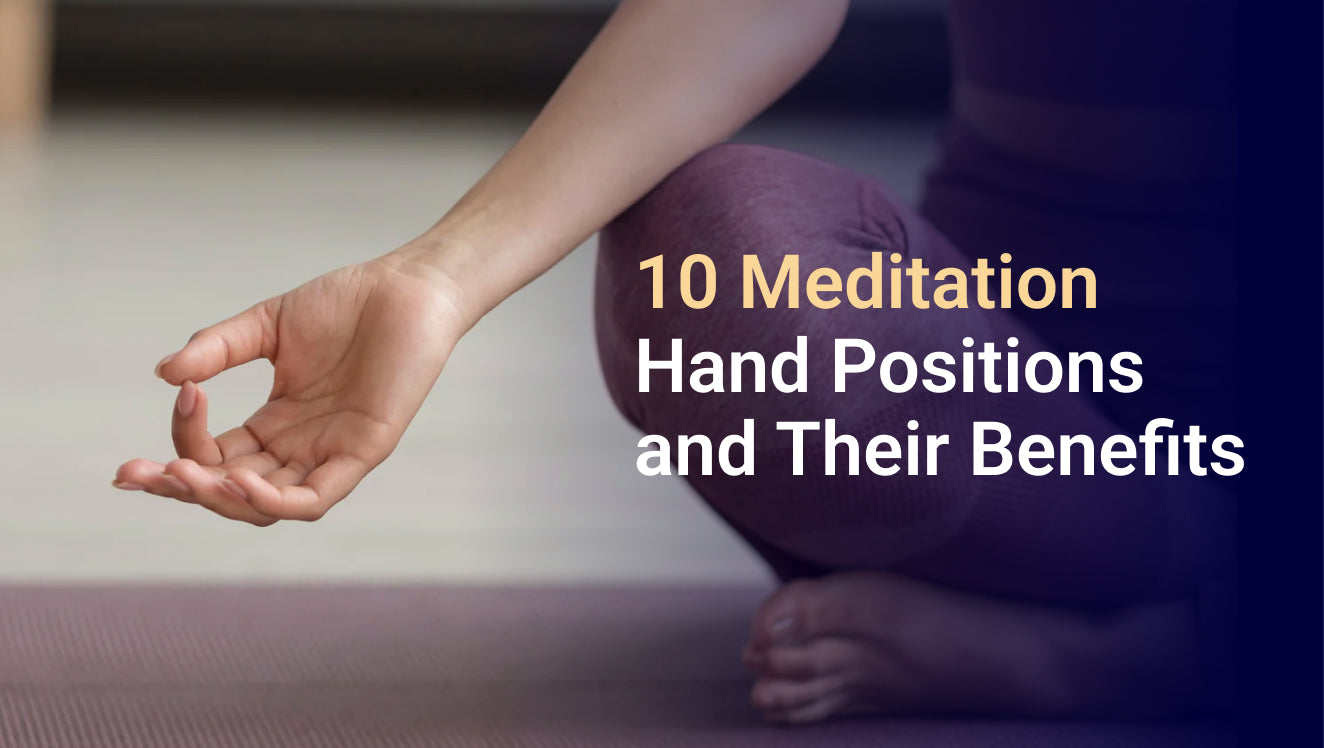
Have you ever sat down to meditate and wondered what to do with your hands?
You’re not alone. While posture and breathing often take center stage, hand positions also known as mudras can play an important role in shaping your meditation experience.
These simple gestures can act as a physical anchor, helping you stay present, focused, and connected to your intention during mindfulness or relaxation sessions.
What Are Meditation Hand Positions?
Meditation hand positions, or mudras, are symbolic gestures used in traditions like yoga and mindfulness practices.
They are commonly used to:
-
Support focus and awareness
-
Encourage moments of calm
-
Add structure to meditation routines
Rather than changing the body directly, these gestures are best understood as tools that guide attention and intention during meditation.
How Hand Gestures Support Relaxation
Modern perspectives suggest that physical gestures can influence how we feel by increasing body awareness.
For example:
-
Light pressure in the fingers may increase sensory awareness
-
Repeating a specific gesture can create a sense of routine
-
Combining posture, breath, and gesture may help deepen relaxation
When paired with sensory experiences like rhythmic light and sound patterns, these practices may feel more immersive and engaging.
10 Common Meditation Hand Positions
Here are some widely used meditation hand positions and how they can be included in your routine:
1. Gyan Mudra (Gesture of Awareness)
Position: Thumb and index finger touch; other fingers extended
Use: Often used during focus-based meditation sessions
2. Chin Mudra (Open Awareness Gesture)
Position: Similar to Gyan Mudra, palms facing upward
Use: Suitable for open, relaxed meditation practices
3. Dhyana Mudra (Meditation Gesture)
Position: Hands resting in the lap, one over the other
Use: Common in still, quiet meditation routines
4. Anjali Mudra (Centered Gesture)
Position: Palms together near the chest
Use: Often used at the beginning or end of a session
5. Apana Mudra
Position: Thumb, middle, and ring fingers touch
Use: Can be included in grounding or slow breathing sessions
6. Shuni Mudra
Position: Thumb and middle finger touch
Use: Helpful during longer or more structured meditation routines
7. Buddhi Mudra
Position: Thumb and little finger touch
Use: Can be used during reflective or journaling-based sessions
8. Kubera Mudra
Position: Thumb, index, and middle fingers together
Use: Often paired with intention-setting practices
9. Lotus Mudra
Position: Palms together, fingers spread outward
Use: Common in gratitude or mindfulness sessions
10. Kali Mudra
Position: Fingers interlaced, index fingers extended
Use: Can be included in sessions focused on releasing tension
Using Hand Positions in Your Daily Routine
You can easily include these gestures in your daily meditation practice:
Step 1: Set an Intention
Decide your focus calm, clarity, or relaxation
Step 2: Choose a Hand Position
Select a mudra that feels natural and comfortable
Step 3: Create a Calm Environment
You may include:
-
Soft lighting
-
Quiet surroundings
-
Rhythmic light and sound experiences (optional)
Step 4: Stay Present
Focus on your breath and notice how the gesture feels
Enhancing Your Meditation Experience
Some people choose to combine hand positions with additional elements such as:
-
Gentle sound environments
-
Guided mindfulness sessions
-
Sensory light and sound tools
These elements can help create a more immersive relaxation routine, especially after a busy day.
Why Hand Positions Matter
Meditation is not just about sitting still it’s about creating a complete experience.
Your:
-
Posture
-
Breathing
-
Environment
-
Hand position
all work together to support moments of calm and awareness.
Hand gestures act as a simple yet effective way to stay connected to your practice.
Final Thoughts
You don’t need to master every hand position right away.
Start with one that feels natural. Over time, you may notice how different gestures support your focus, relaxation, and overall meditation routine.
Small changes like how you position your hands can make your practice feel more intentional and enjoyable.
Frequently Asked Questions (FAQ)
What are meditation hand positions used for?
They are used to support focus, awareness, and relaxation during meditation or mindfulness sessions.
Do hand positions really help in meditation?
They can help create structure and improve awareness, which may make meditation feel more engaging and consistent.
Which mudra is best for beginners?
Gyan Mudra and Dhyana Mudra are simple and comfortable options for beginners.
Can I combine hand positions with other tools?
Yes, many people combine them with breathing exercises, guided sessions, or sensory environments.
How long should I hold a mudra?
You can hold a hand position for the entire meditation session or switch based on your comfort.
Ready to Explore Your Practice?
Discover relaxation sessions and sensory experiences designed to complement your mindfulness routine.














Share:
Anxiety’s Antidote: Consciously Focused on the Moment
How to Use the Wheel of Fortune as Feelings in Daily Life