


Haftungsausschluss
Dieser Inhalt dient nur zu Informationszwecken und stellt keine medizinische Beratung dar. Das erwähnte Gerät ist ein Wellness-Produkt, das zur Unterstützung von Entspannung, Konzentration und allgemeinem Wohlbefinden entwickelt wurde. Es ist nicht dazu bestimmt, medizinische Zustände zu diagnostizieren, zu behandeln, zu heilen oder zu verhindern. Individuelle Erfahrungen können variieren.
Emotionale Intelligenz im Alltag verstehen
Emotionale Intelligenz (EQ) spielt eine wichtige Rolle dabei, wie Menschen Beziehungen gestalten, auf Herausforderungen reagieren und alltägliche Situationen meistern. Es geht nicht darum, perfekt mit Emotionen umzugehen, sondern darum, sich ihrer bewusster zu werden und überlegt zu reagieren.
Wenn die emotionale Wahrnehmung begrenzt ist, kann dies zu Missverständnissen, Kommunikationsschwierigkeiten und Problemen im Umgang mit Stress führen. Das Erkennen dieser Muster ist der erste Schritt zum Aufbau gesünderer Gewohnheiten.
Was ist emotionale Intelligenz?
Emotionale Intelligenz bezieht sich auf die Fähigkeit:
-
Die eigenen Emotionen zu erkennen
-
Zu verstehen, wie Emotionen das Verhalten beeinflussen
-
Überlegt zu reagieren, anstatt impulsiv zu handeln
-
Sensibilität für die Gefühle anderer zu zeigen
-
Soziale Interaktionen effektiver zu gestalten
Menschen mit einer stärkeren emotionalen Wahrnehmung fällt es oft leichter, ausgeglichene Beziehungen zu führen und in schwierigen Situationen ruhig zu reagieren.
Top 10 Anzeichen geringer emotionaler Intelligenz
Im Folgenden sind einige gängige Muster aufgeführt, die auf eine geringere emotionale Wahrnehmung im Alltag hindeuten können:
1. Schwierigkeiten, Emotionen zu identifizieren
Manche Menschen haben Schwierigkeiten, ihre Gefühle klar zu beschreiben. Anstelle spezifischer Emotionen verwenden sie allgemeine Begriffe wie „nicht gut drauf“ oder „nicht in Ordnung“.
2. Häufige emotionale Reaktionen
Kleine Situationen können manchmal zu starken emotionalen Reaktionen führen, insbesondere wenn ein begrenztes Bewusstsein für die zugrunde liegenden Auslöser besteht.
3. Begrenzte Empathie
Es kann schwierig sein, die Gefühle anderer vollständig zu verstehen oder sich in sie hineinzuversetzen, was die Kommunikation und Verbindung beeinträchtigen kann.
4. Herausforderungen in Beziehungen
Häufige Muster können sein:
-
Unterbrechen von Gesprächen
-
Verpassen emotionaler Signale
-
Vermeiden schwieriger Diskussionen
Im Laufe der Zeit kann dies zu Distanz in persönlichen oder beruflichen Beziehungen führen.
5. Empfindlichkeit gegenüber Feedback
Feedback kann sich manchmal persönlich oder unangenehm anfühlen, was es schwieriger macht, ruhig zu reflektieren und konstruktiv zu reagieren.
6. Externalisieren von Emotionen
Anstatt nach innen zu reflektieren, führen manche Personen ihre emotionalen Reaktionen vollständig auf äußere Situationen oder Personen zurück.
7. Schwierigkeiten im Umgang mit stressigen Momenten
In herausfordernden Situationen kann es schwieriger sein, ausgeglichen oder klar zu bleiben, was zu Vermeidung oder Frustration führt.
8. Begrenztes aktives Zuhören
Gespräche können einseitig werden, wobei weniger auf Tonfall, Körpersprache oder emotionalen Kontext geachtet wird.
9. Indirekte Kommunikationsmuster
Wenn Emotionen nicht klar ausgedrückt werden, kann die Kommunikation indirekt werden, z. B. durch Sarkasmus oder Vermeidung.
10. Geringes Selbstbewusstsein
Ein Schlüsselmuster ist ein begrenztes Bewusstsein dafür, wie die eigenen Handlungen oder Reaktionen andere beeinflussen können.
Wie sich diese Muster auf das tägliche Leben auswirken können
Eine geringere emotionale Intelligenz kann verschiedene Lebensbereiche beeinflussen, wie zum Beispiel:
-
Arbeitsumfeld: Schwierigkeiten bei der Zusammenarbeit oder im Umgang mit Feedback
-
Persönliches Wohlbefinden: Überfordert sein in stressigen Zeiten
-
Beziehungen: Missverständnisse oder emotionale Distanz
-
Soziale Interaktionen: Herausforderungen beim Verstehen emotionaler Signale
Was beeinflusst emotionale Intelligenz?
Emotionale Gewohnheiten können sich im Laufe der Zeit entwickeln und durch folgende Faktoren beeinflusst werden:
-
Frühe Lebenserfahrungen
-
Soziales und kulturelles Umfeld
-
Erlernte Kommunikationsmuster
-
Umgang mit emotionalen Vorbildern
-
Persönliche Reflexion und Wachstumsmöglichkeiten
Der positive Aspekt ist, dass emotionale Intelligenz eine Fähigkeit ist, die schrittweise entwickelt werden kann.
Wege zur Stärkung der emotionalen Intelligenz
Die Verbesserung der emotionalen Intelligenz ist ein schrittweiser Prozess, der durch kleine, konsequente Schritte unterstützt werden kann:
1. Emotionale Reflexion üben
Nehmen Sie sich jeden Tag ein paar Momente Zeit, um Ihre Gefühle zu bemerken und mit spezifischen Worten zu benennen.
2. Innehalten, bevor man reagiert
Eine kurze Pause in emotionalen Momenten kann helfen, von einer Reaktion zu einer überlegten Antwort zu gelangen.
3. Zuhörfähigkeiten stärken
Konzentrieren Sie sich voll und ganz auf Gespräche und versuchen Sie, sowohl Worte als auch Emotionen zu verstehen.
4. Offen für Feedback sein
Betrachten Sie Feedback als Lernchance und nicht als etwas, dem man sich widersetzen muss.
5. Sinnvolle Routinen aufbauen
Entspannungsroutinen oder ruhige Momente in den Alltag zu integrieren, kann Raum für Reflexion und Klarheit schaffen.
6. Unterstützende Ressourcen erkunden
Anleitung von Coaches, Mentoren oder strukturierten Tools zur Selbstentwicklung kann dazu beitragen, die emotionale Intelligenz im Laufe der Zeit zu verbessern.
Wie Entspannungsübungen das emotionale Gleichgewicht unterstützen können
Regelmäßige Momente der Ruhe können das allgemeine Wohlbefinden unterstützen. Manche Menschen finden Wert in:
-
Achtsamkeits- oder stille Reflexionssitzungen
-
Entspannungsroutinen nach einem anstrengenden Tag
-
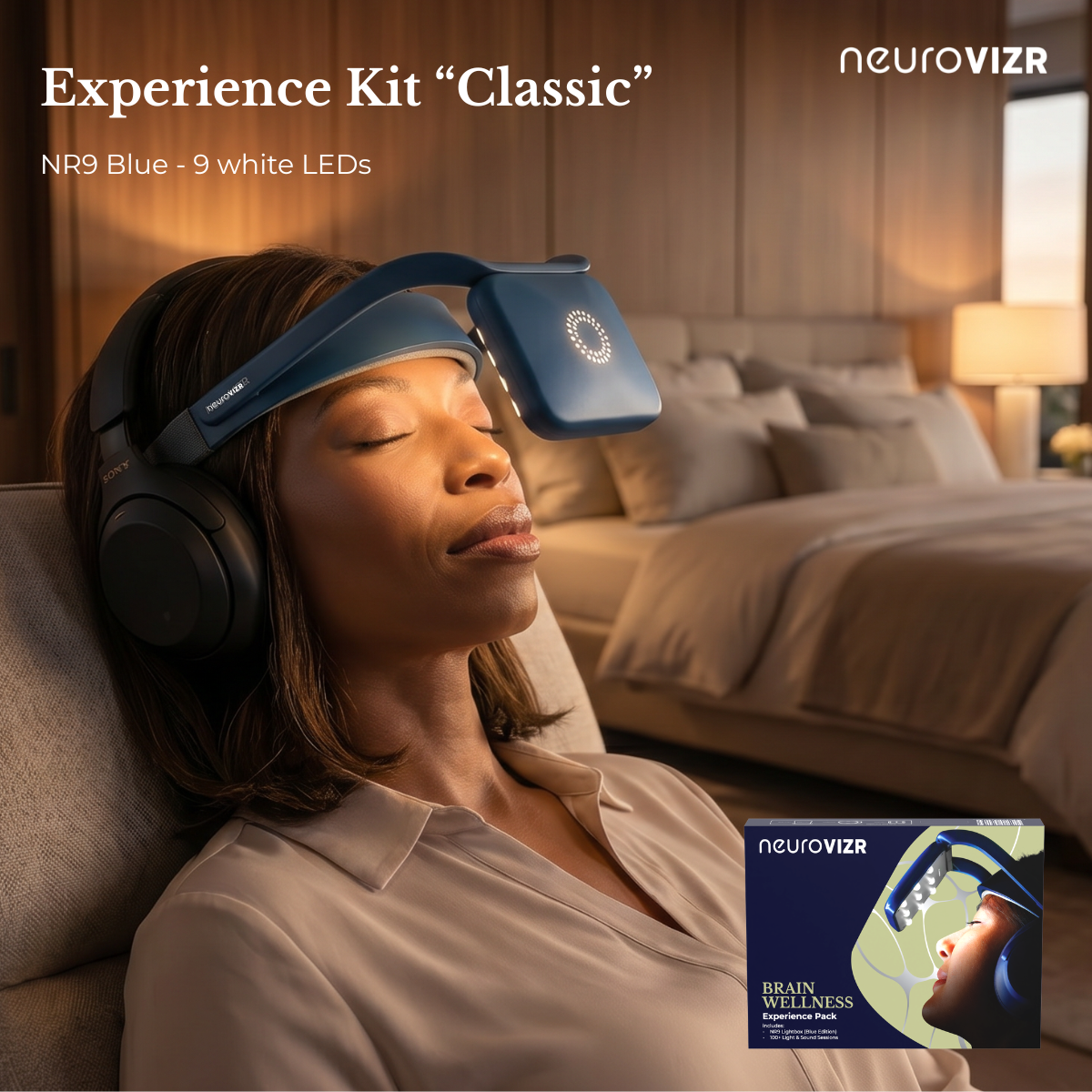
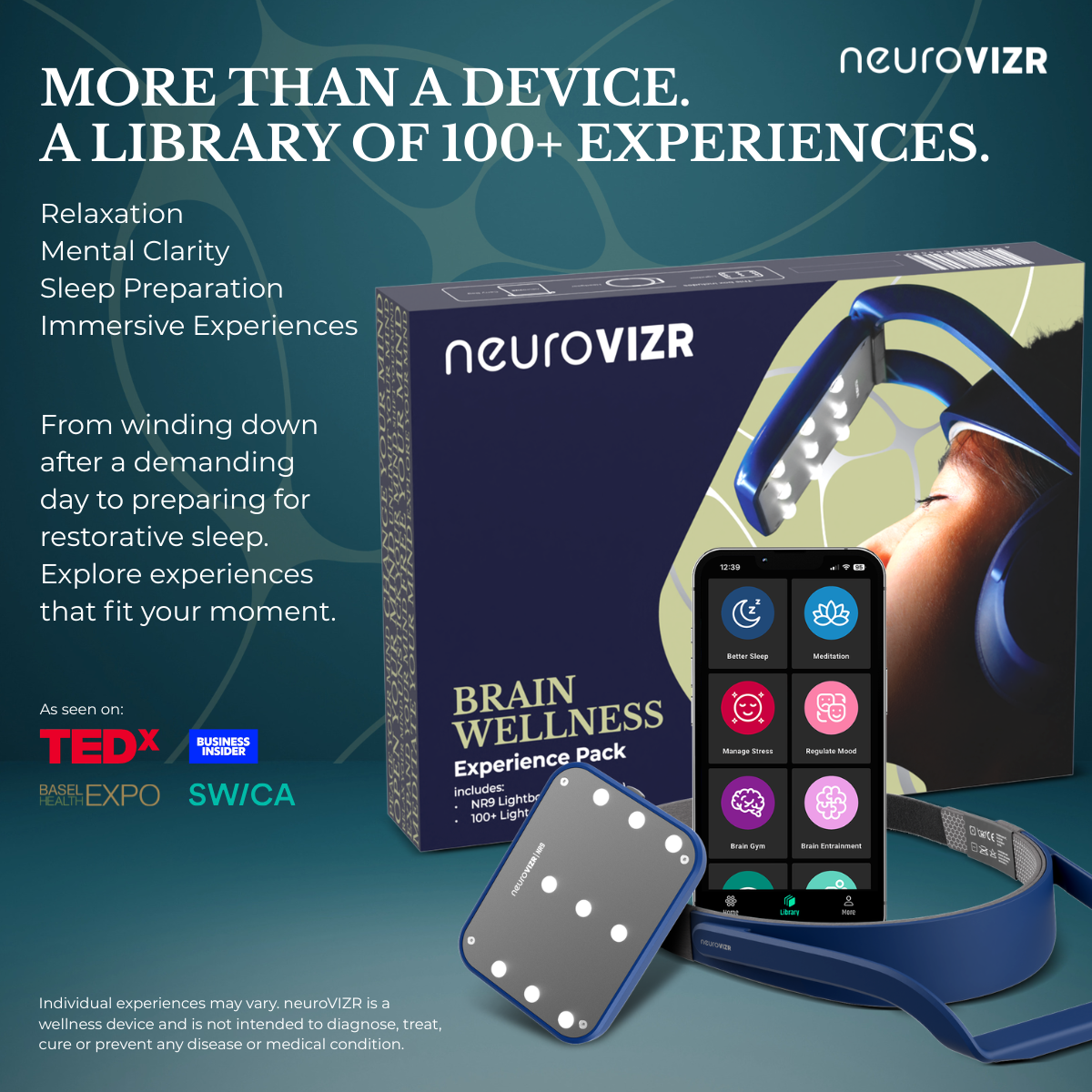
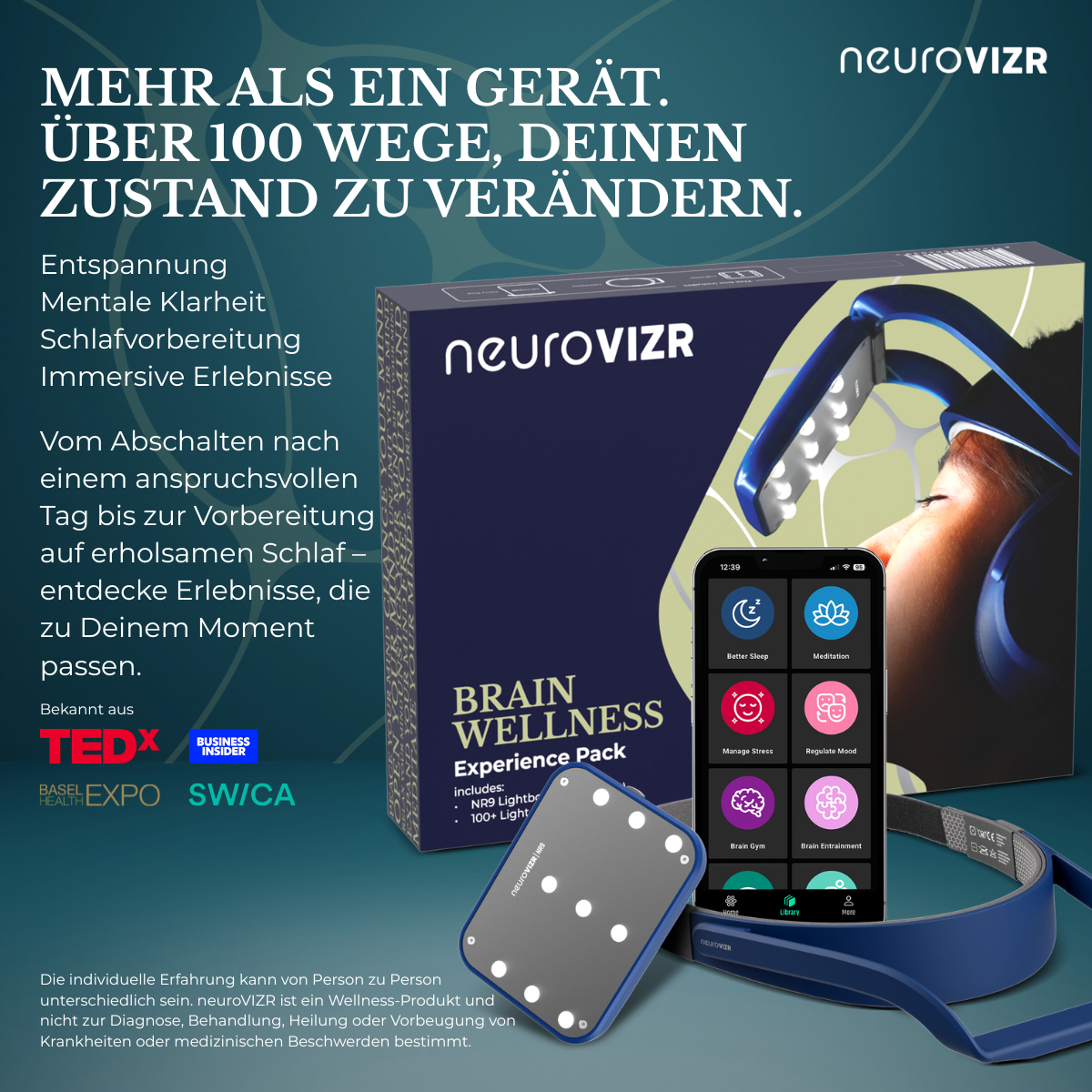
Immersive sensorische Erlebnisse mit Licht- und Klangmustern
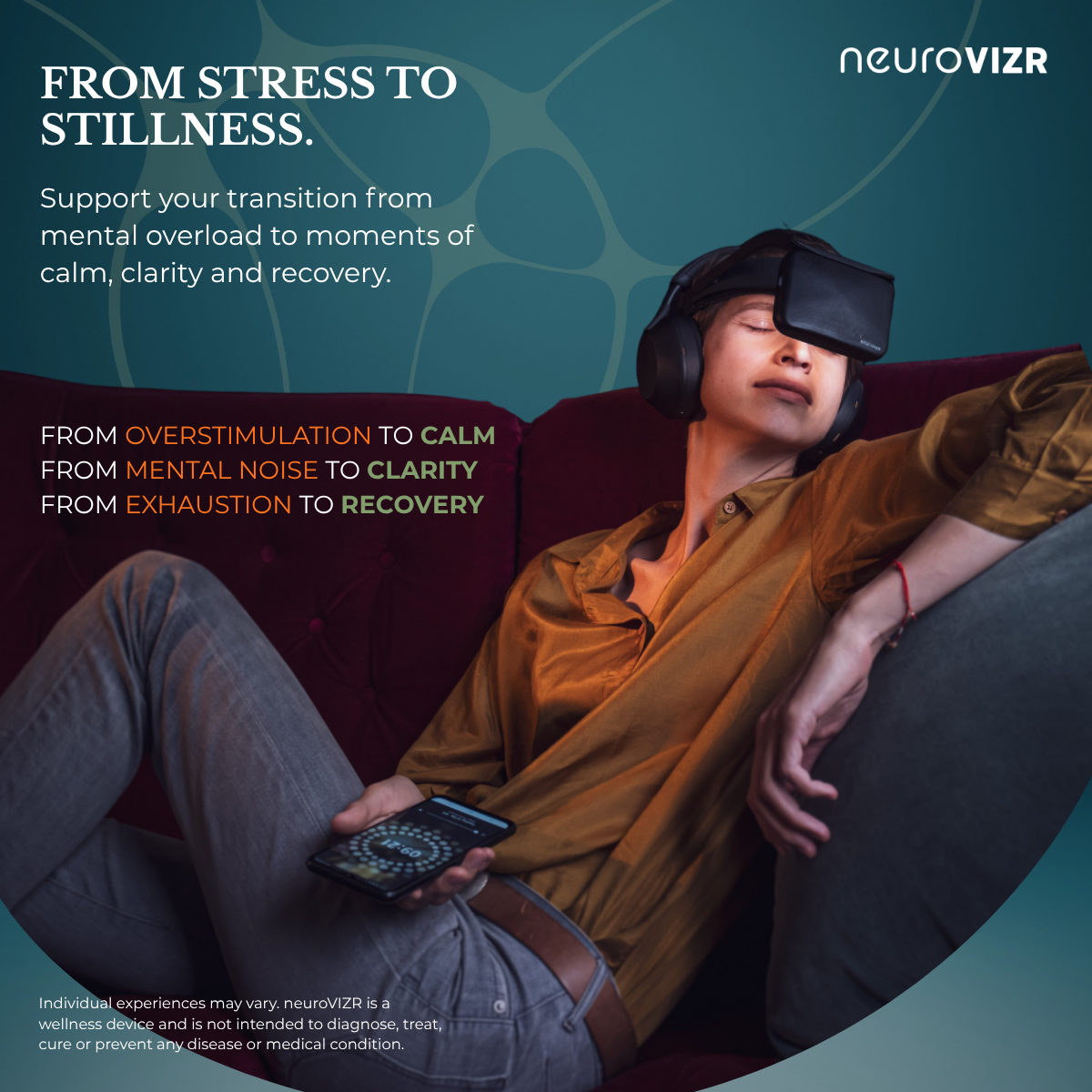
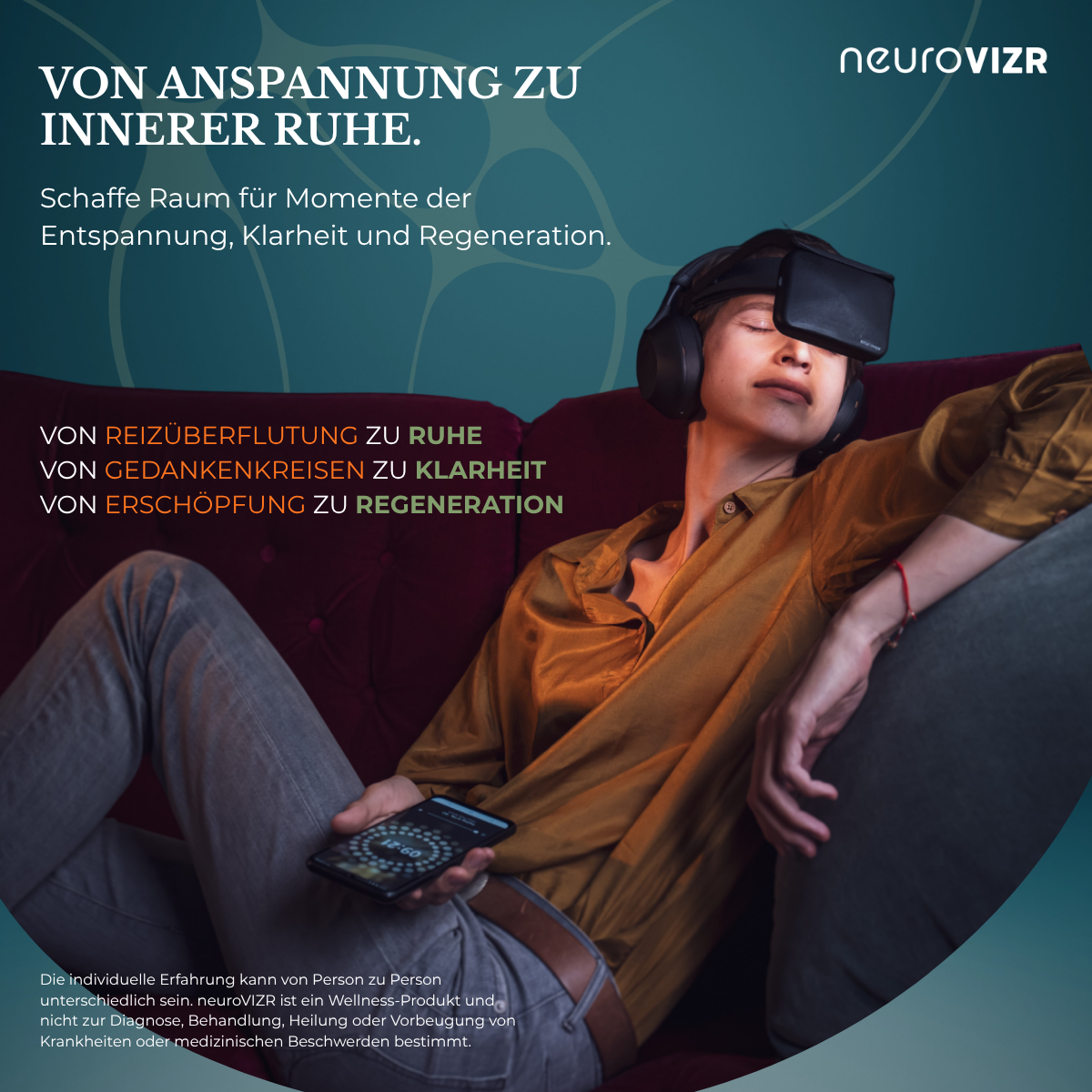
Diese Ansätze werden oft als Teil persönlicher Wellness-Routinen verwendet, um sich von der täglichen Überstimulation zu lösen und einen ausgeglicheneren Geisteszustand zu fördern.
Abschließende Gedanken
Das Erkennen von Mustern im Zusammenhang mit emotionaler Intelligenz ist ein wichtiger Schritt für das persönliche Wachstum. Diese Muster sind nicht fest, sie können sich mit der Zeit, Reflexion und konsequenter Anstrengung weiterentwickeln.
Beim Aufbau emotionaler Intelligenz geht es weniger um Perfektion als um Fortschritt. Kleine Änderungen in den täglichen Gewohnheiten können zu ausgeglicheneren Interaktionen, klarerer Kommunikation und einem stärkeren Gefühl des Wohlbefindens führen.
Häufig gestellte Fragen
1. Wie kann ich geringe emotionale Intelligenz bei mir selbst erkennen?
Sie könnten Schwierigkeiten beim Identifizieren von Emotionen bemerken, schnell in Situationen reagieren oder Schwierigkeiten haben, die Perspektiven anderer zu verstehen.
2. Kann sich die emotionale Intelligenz mit der Zeit verbessern?
Ja, emotionale Intelligenz kann sich durch konsequente Reflexion, Übung und achtsame Gewohnheiten entwickeln.
3. Warum haben manche Menschen Schwierigkeiten mit emotionaler Intelligenz?
Dies kann durch vergangene Erfahrungen, das Umfeld und erlernte Kommunikationsmuster beeinflusst werden.
4. Was sind einfache Wege, um die emotionale Intelligenz im Alltag zu verbessern?
Praktiken wie Tagebuchschreiben, achtsame Pausen und aktives Zuhören können helfen, das Bewusstsein schrittweise aufzubauen.
5. Wie helfen Entspannungsroutinen?
Regelmäßige Momente der Ruhe, einschließlich Achtsamkeit oder sensorischer Erlebnisse, können klares Denken und emotionales Gleichgewicht unterstützen.









Teilen:
Headset für Gehirntraining: Verdrahtet es Ihr Gehirn wirklich neu?
Die besten Beruhigungsgeräte und Stressabbau-Gadgets für tiefe Entspannung (Kaufberatung 2026)