

Haftungsausschluss
Dieser Inhalt dient ausschließlich zu Informationszwecken. neuroVIZR ist ein allgemeines Wellness-Gerät und ist nicht dazu bestimmt, Krankheiten zu diagnostizieren, zu behandeln, zu heilen oder zu verhindern. Konsultieren Sie bei medizinischen Bedenken immer einen qualifizierten Arzt.
Was sind medikamentenfreie Schlaflösungen?
Medikamentenfreie Schlaflösungen sind Hilfsmittel, Gewohnheiten und Umweltveränderungen, die darauf abzielen, einen besseren Schlaf ohne Medikamente zu fördern. Diese Ansätze konzentrieren sich auf die Schaffung beruhigender Erlebnisse, die Verbesserung der Schlafroutine und den Aufbau einer komfortableren Schlafumgebung.
Sie werden oft von Menschen genutzt, die sich abends auf natürliche Weise entspannen möchten.
Warum medikamentenfreie Schlaflösungen in Betracht ziehen?
Viele Menschen erforschen medikamentenfreie Ansätze als Teil einer gesünderen nächtlichen Routine. Anstatt sich auf externe Substanzen zu verlassen, betonen diese Lösungen Entspannung und Beständigkeit.
Häufige Gründe sind:
-
Aufbau einer beruhigenden Routine vor dem Schlafengehen
-
Reduzierung abendlicher Ablenkungen und Überstimulation
-
Schaffung einer komfortableren Schlafumgebung
-
Unterstützung eines sanfteren Übergangs vom Wachzustand zur Ruhe
Diese Ansätze werden oft kombiniert, um eine Routine zu schaffen, die sich natürlich und nachhaltig anfühlt.
Arten von medikamentenfreien Schlaflösungen
1. Entspannungsroutinen
Aktivitäten wie Lesen, Journaling oder leichte Dehnübungen werden häufig zum Entspannen vor dem Schlafengehen genutzt. Diese Gewohnheiten können dazu beitragen, zu signalisieren, dass der Tag zu Ende geht und es Zeit ist, sich zu entspannen.
2. Verbesserung der Schlafumgebung
Ihre Umgebung spielt eine Schlüsselrolle für Ihr Schlaferlebnis. Kleine Änderungen können einen spürbaren Unterschied machen:
-
Abends gedämpftes oder warmes Licht verwenden
-
Hintergrundgeräusche reduzieren oder weißes Rauschen hinzufügen
-
Zimmer kühl und komfortabel halten
-
Bildschirmexposition vor dem Schlafengehen begrenzen
3. Sensorische Licht- & Klangerlebnisse
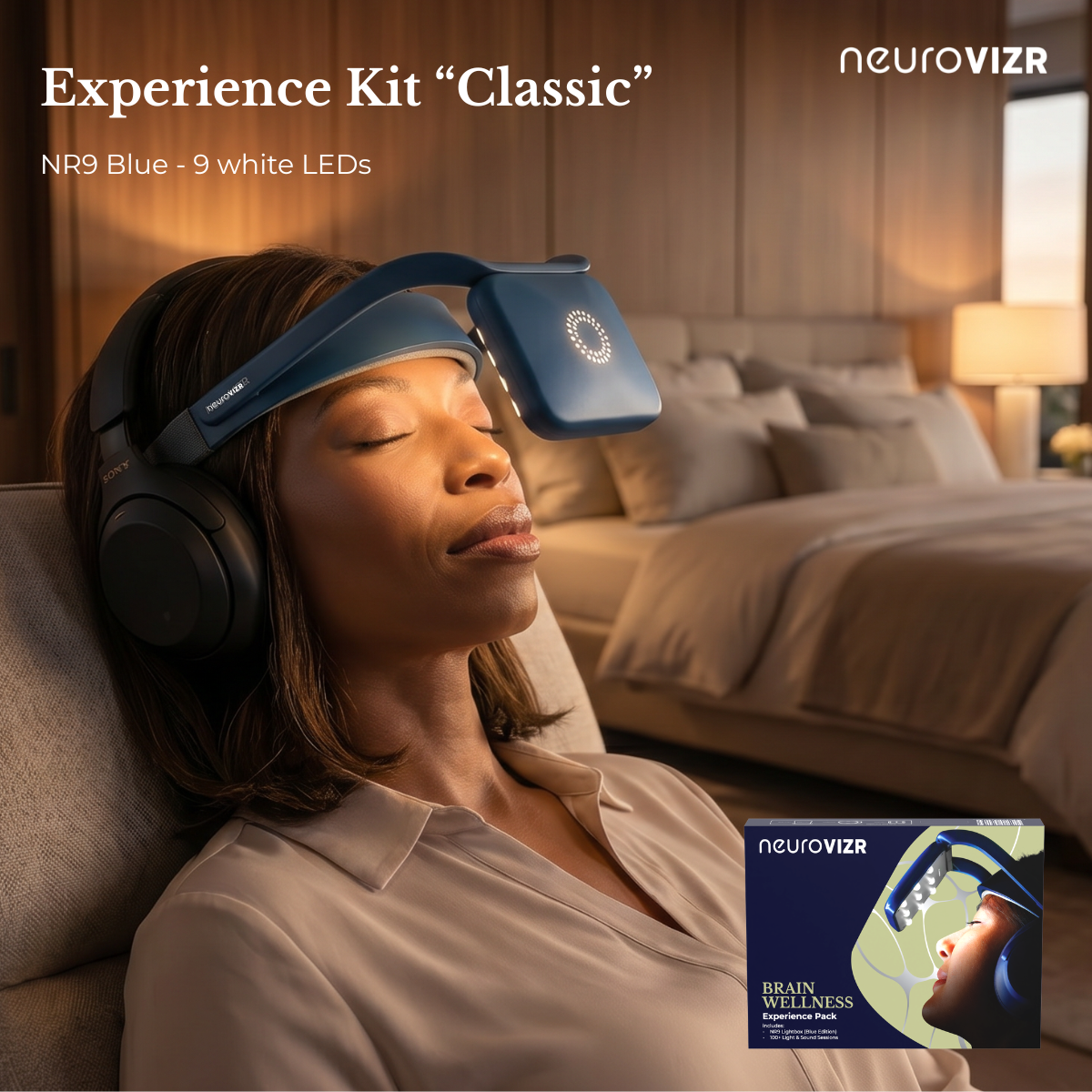
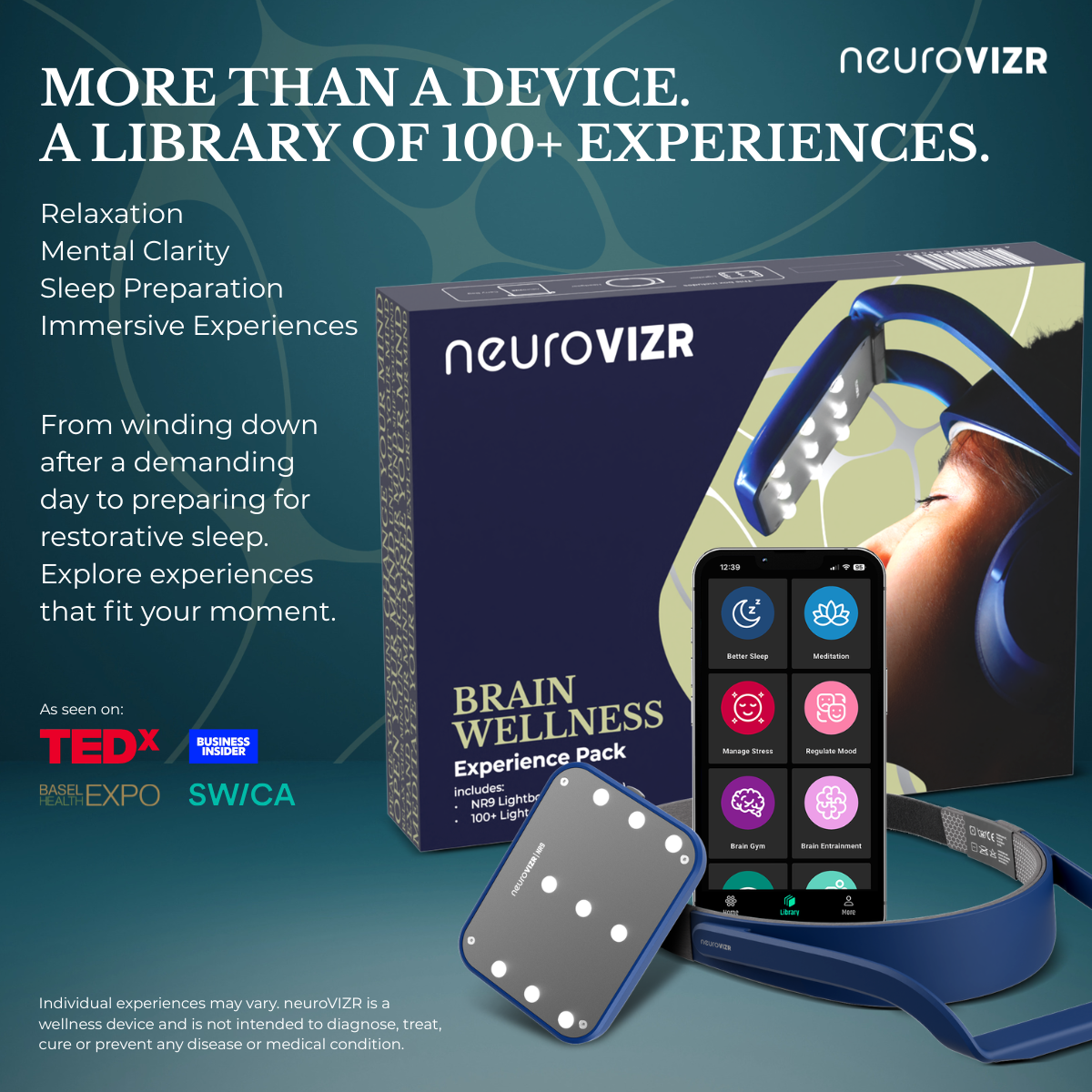
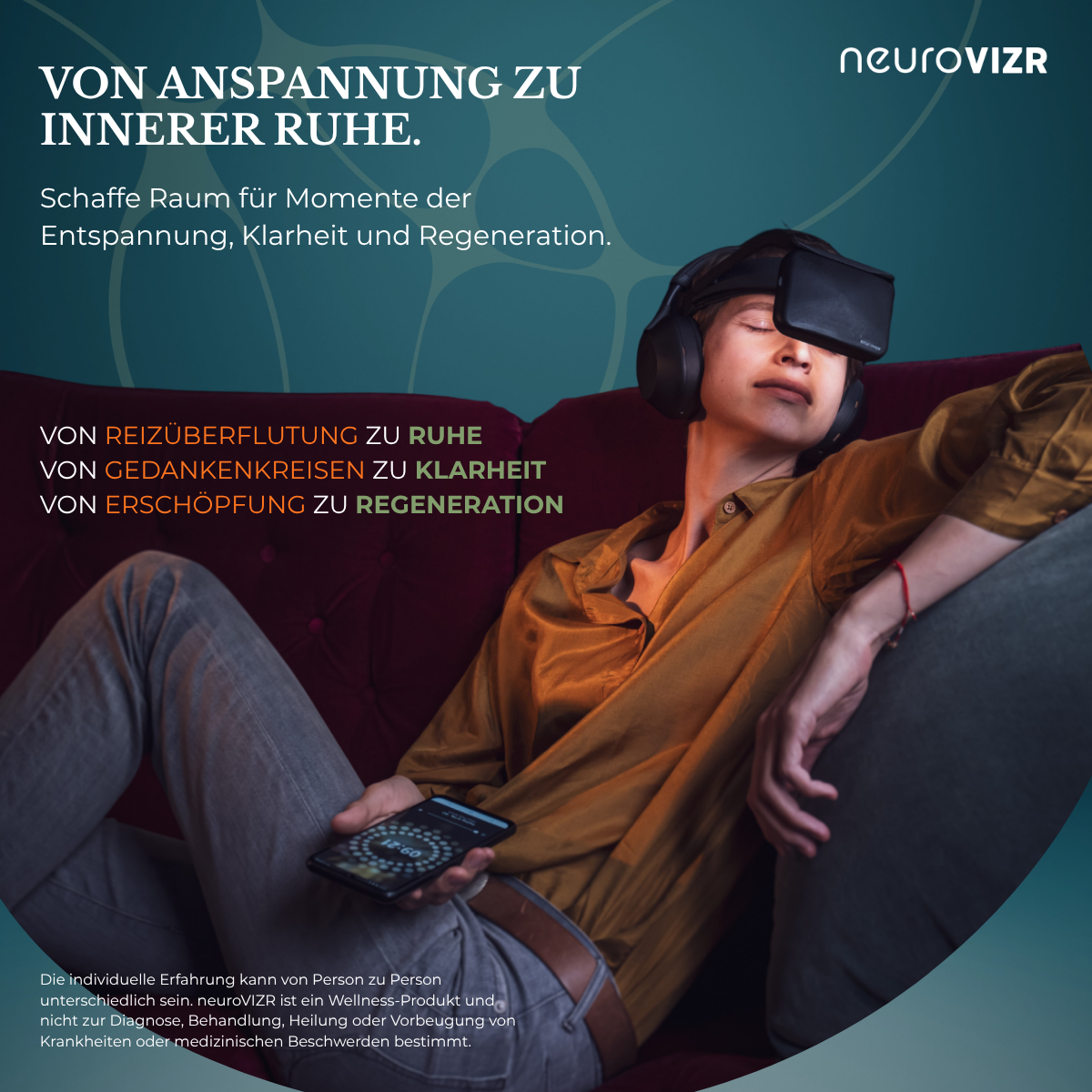
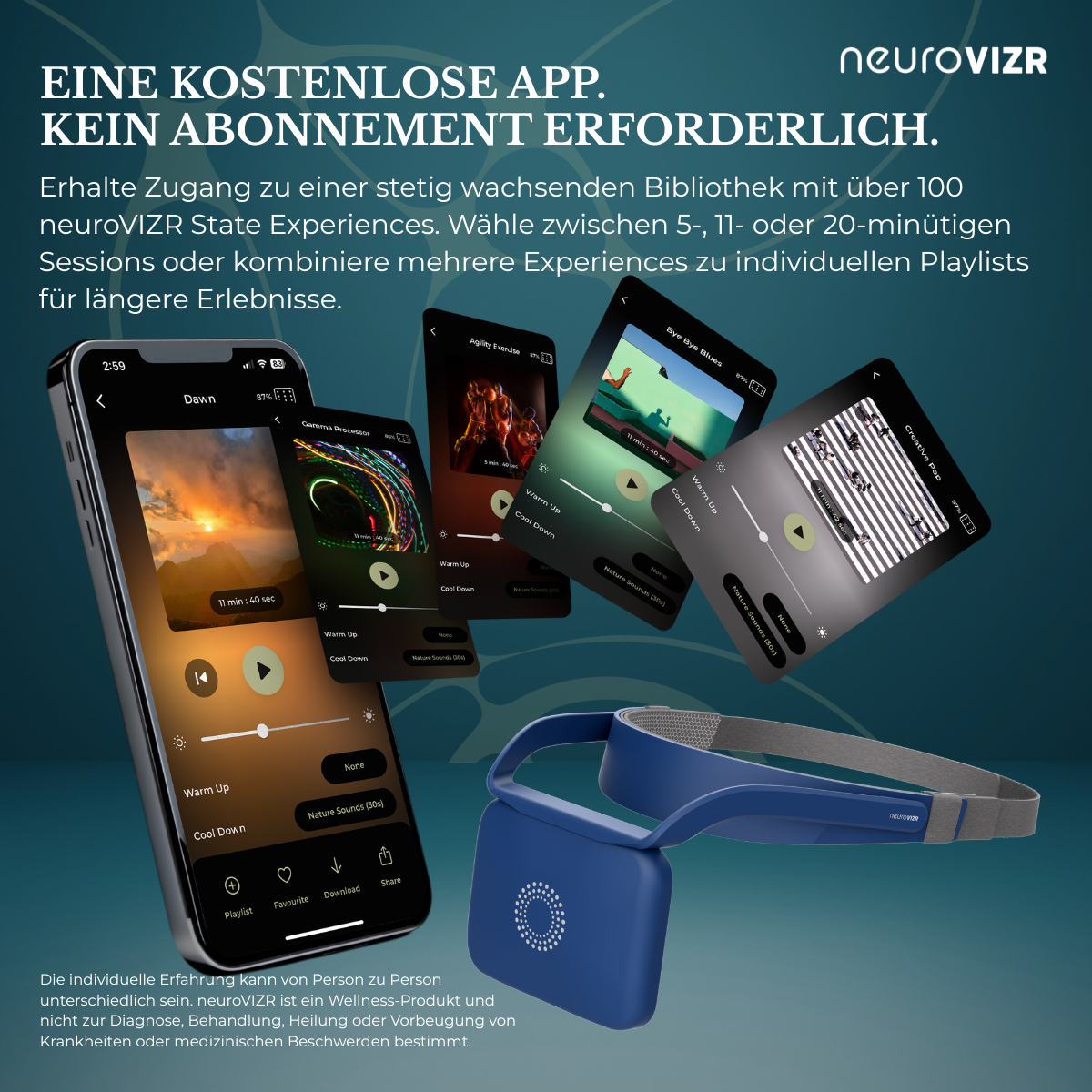
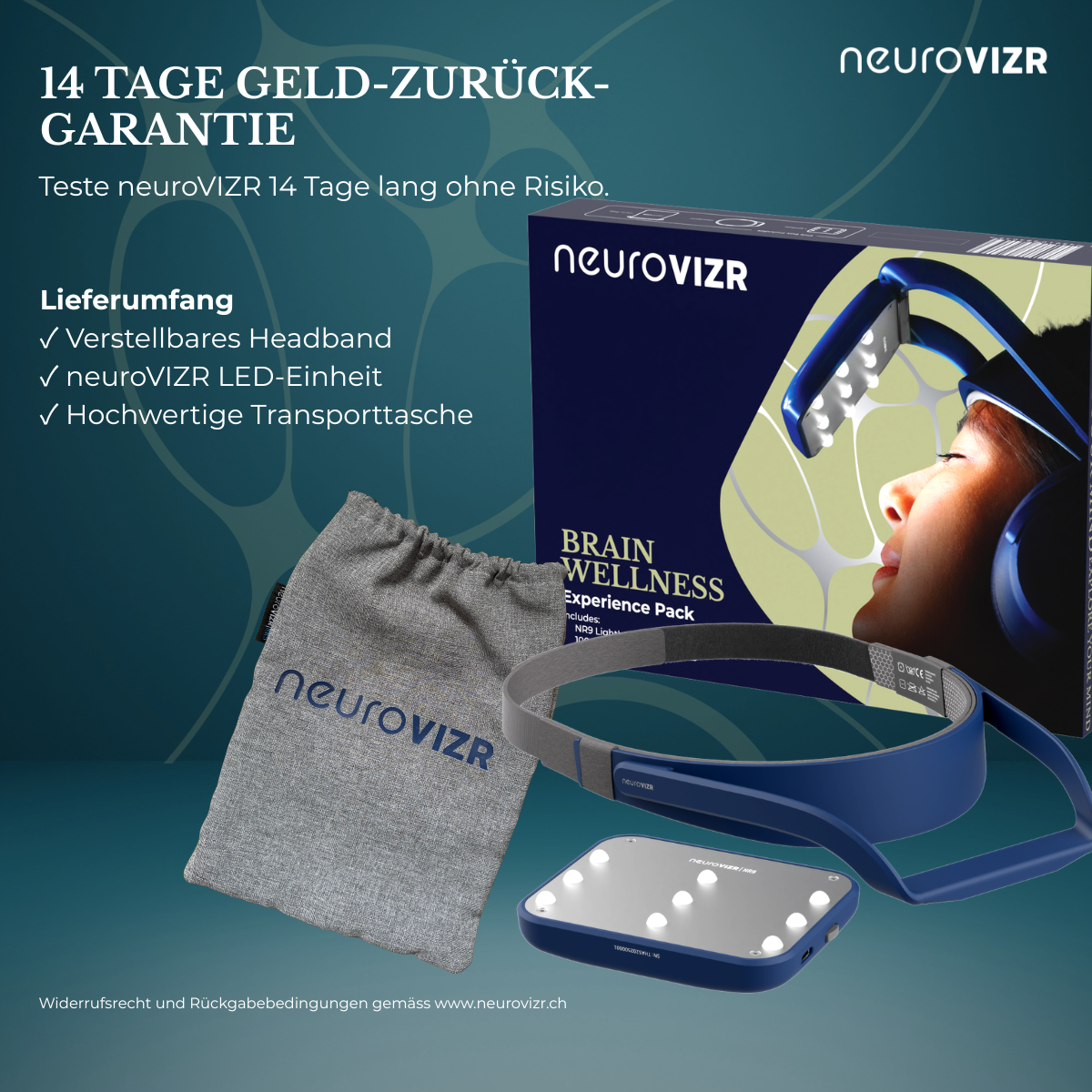
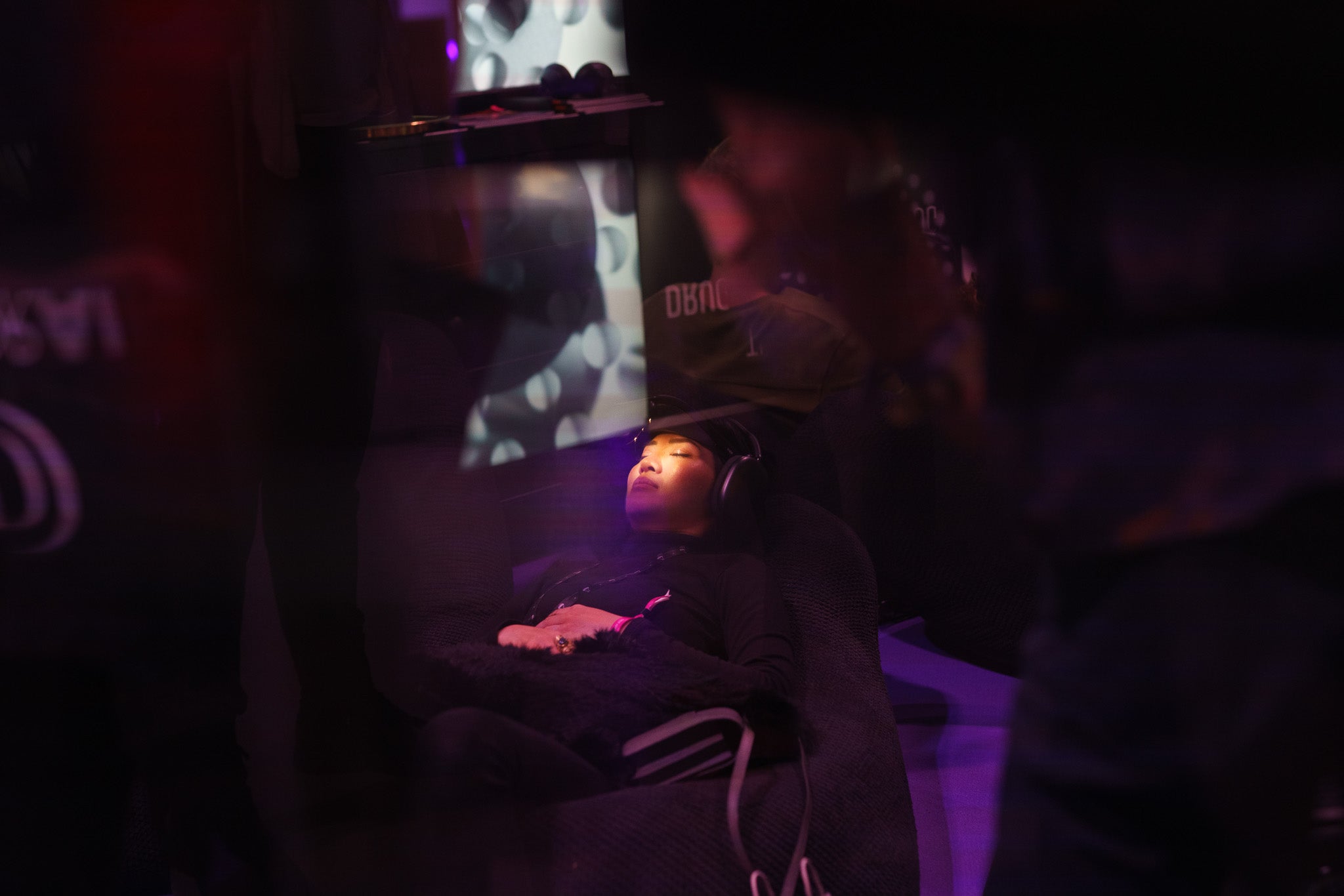
Einige Hilfsmittel sind darauf ausgelegt, immersive sensorische Umgebungen mit Licht und Klang zu schaffen. Diese Erlebnisse werden oft während Entspannungssitzungen genutzt, um Ihnen zu helfen, sich von täglichen Ablenkungen zu lösen.
Wirken Licht- & Klanggeräte?
Licht- und Klanggeräte nutzen rhythmische Licht- und Klangmuster, um ein strukturiertes und beruhigendes Erlebnis zu schaffen. Sie werden typischerweise als Teil einer nächtlichen Entspannungsroutine eingesetzt.
Wie sie in eine Routine passen
Menschen nutzen diese Geräte oft:
-
Während abendlicher Entspannungssitzungen
-
Als Teil von Achtsamkeit oder Ruhezeit
-
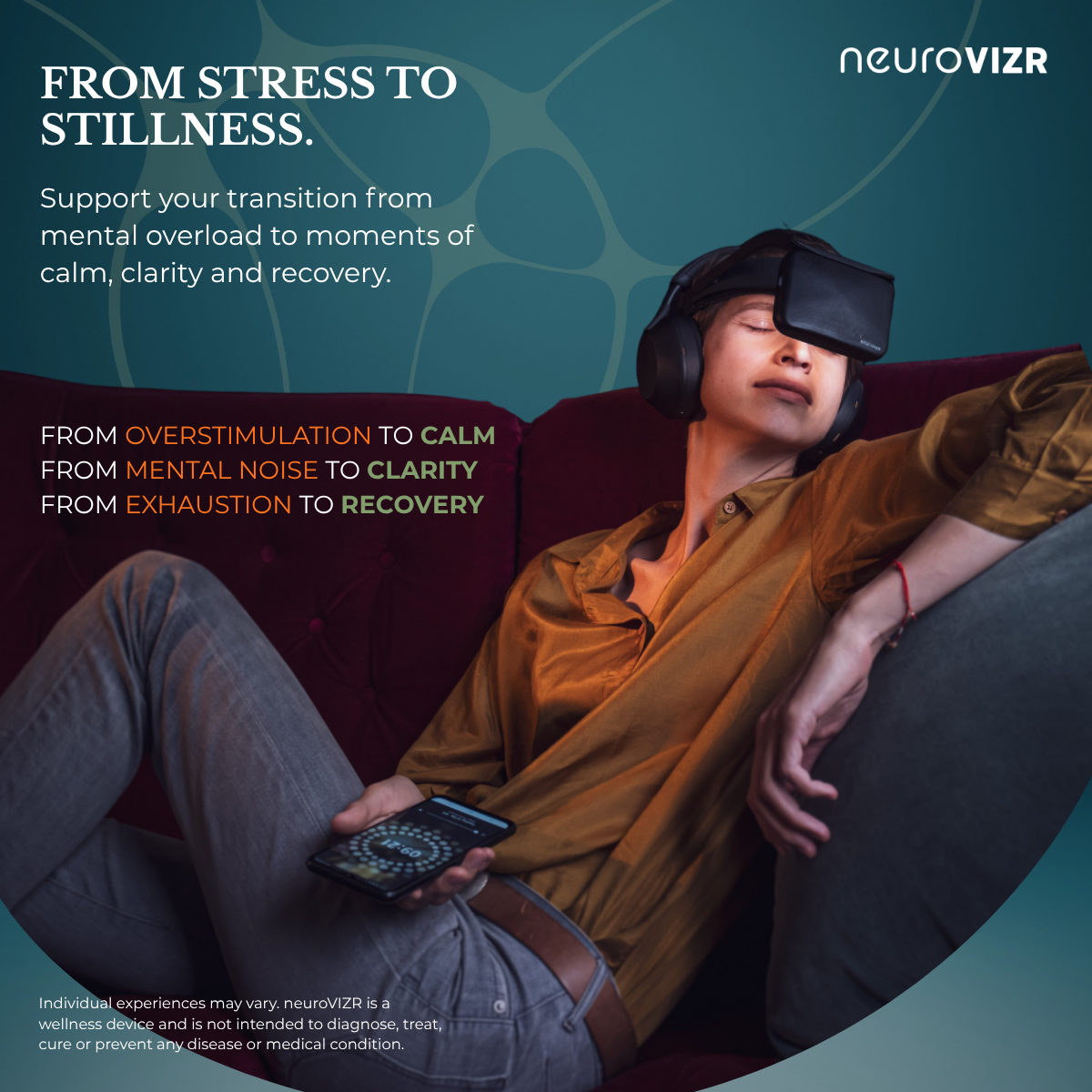
Vor dem Schlafengehen, um in einen erholsamen Zustand überzugehen
Was viele Nutzer berichten
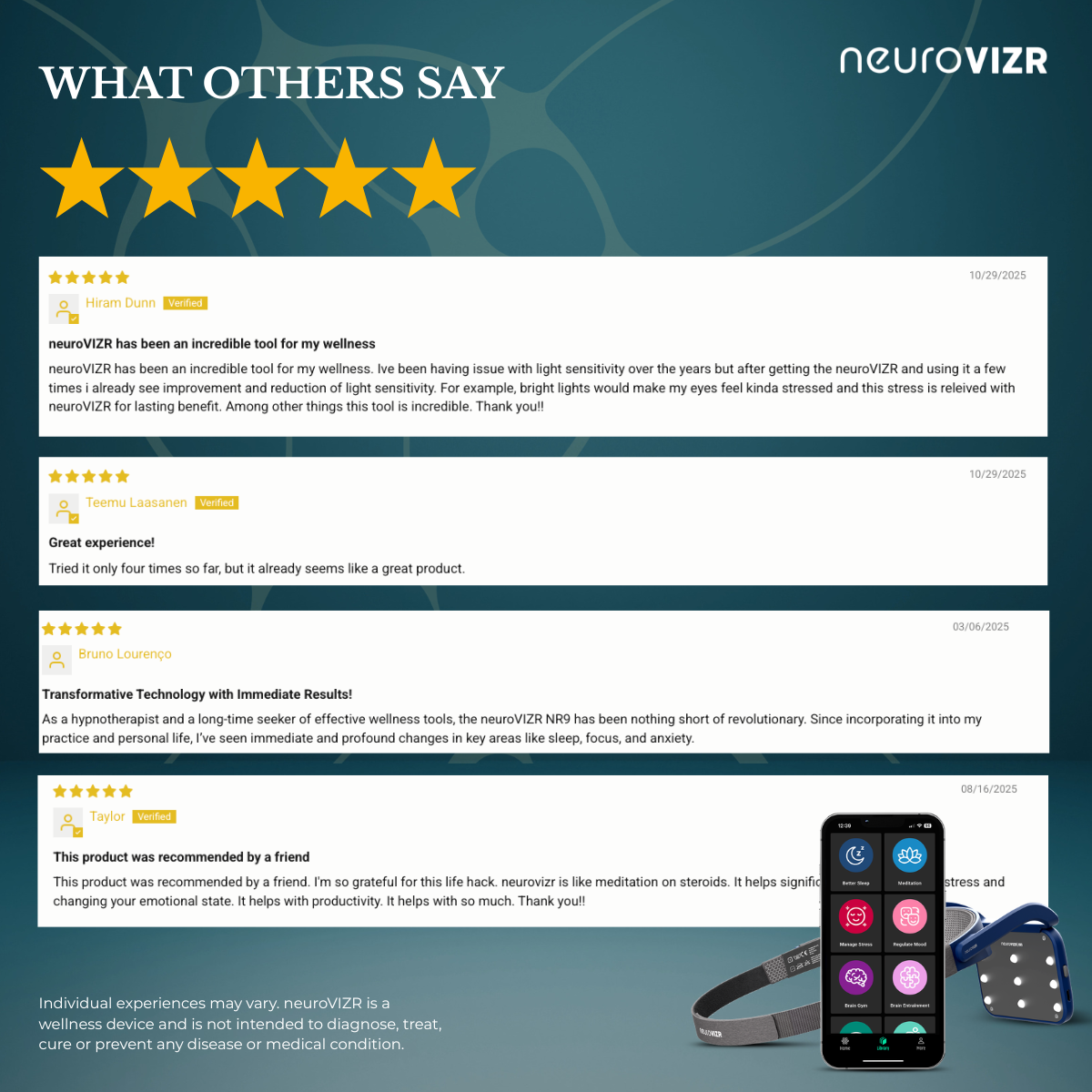
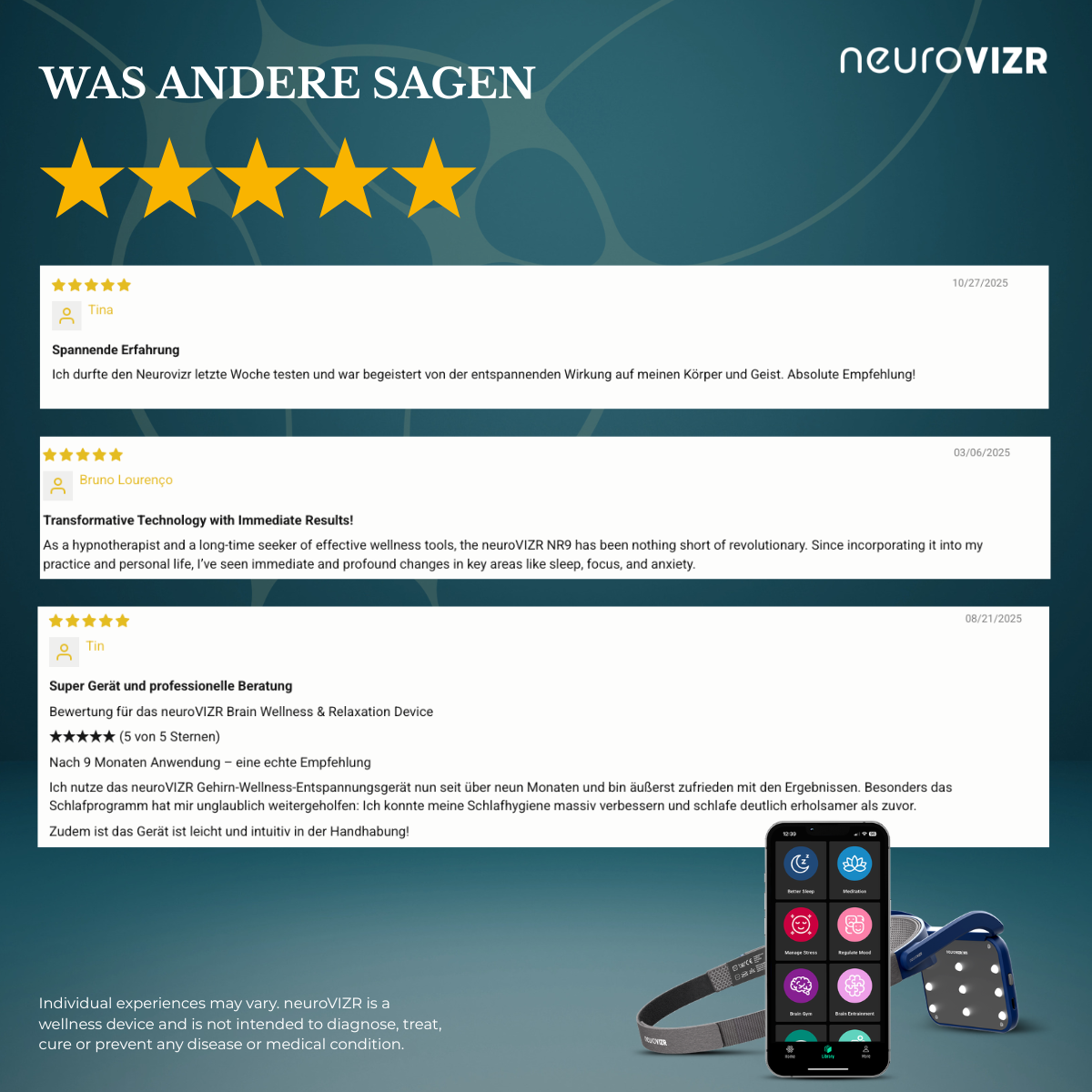
Obwohl individuelle Erfahrungen variieren, berichten Nutzer oft, dass diese Geräte:
-
Helfen, ein konstantes Einschlafritual zu schaffen
-
Momente der Ruhe nach einem anstrengenden Tag bieten
-
Es einfacher machen, sich von Bildschirmen und Ablenkungen zu lösen
Anstatt sich auf spezifische Ergebnisse zu konzentrieren, sollten diese Tools am besten als eine Möglichkeit betrachtet werden, die Entspannung zu unterstützen und nächtliche Routinen zu verbessern.
Was macht Licht- & Klanggeräte so beliebt?
Einfach zu bedienen
Die meisten Geräte sind einfach zu bedienen und können ohne größere Änderungen in Ihre Routine integriert werden.
Bildschirmfreies Erlebnis
Sie bieten eine Alternative zu Telefonen und Fernsehern und helfen, digitale Überlastung vor dem Schlafengehen zu reduzieren.
Beständigkeit
Die Nutzung derselben Erfahrung jede Nacht kann helfen, eine vorhersehbare und beruhigende Routine aufzubauen.
Wie man die richtige medikamentenfreie Schlaflösung wählt
Die Wahl des richtigen Ansatzes hängt von Ihren persönlichen Vorlieben und Ihrem Lebensstil ab.
Berücksichtigen Sie:
-
Ihre Gewohnheiten: Bevorzugen Sie ruhige Aktivitäten oder geführte Erlebnisse?
-
Ihre Umgebung: Brauchen Sie Hilfe bei Lärm, Beleuchtung oder Komfort?
-
Ihre Routine: Suchen Sie etwas Schnelles oder Immensiveres?
In vielen Fällen funktioniert eine Kombination mehrerer Ansätze am besten.
Einfache Tipps zur Verbesserung Ihrer Nachtroutine
Wenn Sie gerade erst anfangen, können diese kleinen Änderungen helfen:
-
Halten Sie einen konsistenten Schlafplan ein
-
Bildschirmzeit vor dem Schlafengehen reduzieren
-
Abends weiches Licht verwenden
-
Eine spezielle Entspannungsroutine erstellen
-
Sensorische Entspannungshilfen erkunden, wenn sie Ihren Vorlieben entsprechen
Beständigkeit über die Zeit macht oft den größten Unterschied.
Fazit
Medikamentenfreie Schlaflösungen konzentrieren sich darauf, ruhige, wiederholbare Erfahrungen zu schaffen, die sich natürlich in Ihren Lebensstil einfügen. Ob es darum geht, Ihre Umgebung zu verbessern, bessere Gewohnheiten aufzubauen oder sensorische Hilfsmittel zu erforschen, diese Ansätze sollen einen entspannteren Übergang in den Schlaf unterstützen.
Licht- und Klanggeräte sind eine von vielen Optionen, die Menschen nutzen, um ihre nächtlichen Routinen bewusster und angenehmer zu gestalten.
Häufig gestellte Fragen (FAQs)
Was sind medikamentenfreie Schlaflösungen?
Medikamentenfreie Schlaflösungen sind Methoden, die den Schlaf ohne Medikamente verbessern. Dazu gehören Entspannungsroutinen, Umgebungsänderungen und sensorische Hilfsmittel, die ein beruhigendes Einschlaferlebnis schaffen sollen.
Helfen Licht- und Klanggeräte beim Schlaf?
Licht- und Klanggeräte werden oft verwendet, um entspannende sensorische Umgebungen zu schaffen. Viele Nutzer integrieren sie in ihre Routinen, um das Schlafengehen strukturierter und beruhigender zu gestalten.
Sind sensorische Schlafgeräte sicher in der Anwendung?
Die meisten sensorischen Hilfsmittel sind für allgemeine Wellness- und Entspannungszwecke konzipiert. Sie werden typischerweise als Teil einer Routine und nicht als medizinische Lösung verwendet.
Was ist der beste natürliche Weg, um den Schlaf zu verbessern?
Eine Kombination aus konsistenten Routinen, einer komfortablen Umgebung und beruhigenden Aktivitäten vor dem Schlafengehen ist oft der effektivste Ansatz.
Können medikamentenfreie Lösungen Schlafmittel ersetzen?
Medikamentenfreie Ansätze werden oft als Lifestyle-Alternativen zur Unterstützung von Entspannung und besseren Routinen eingesetzt. Menschen erforschen normalerweise verschiedene Optionen, um herauszufinden, was für sie am besten funktioniert.









Teilen:
8 Vorteile von gesundem Schlaf, die neurowissenschaftlich belegt sind
Grünes Rauschen für den Schlaf: Die verborgene Frequenz der Natur für tiefe Ruhe