
Disclaimer
neuroVIZR ist ein Wellness-Gerät, das entwickelt wurde, um Entspannung, Konzentration und das allgemeine Wohlbefinden des Gehirns zu fördern. Es ist kein medizinisches Gerät, stellt keine Diagnosen und ist nicht dazu bestimmt, medizinische Zustände zu behandeln, zu heilen oder zu verhindern. Das Gerät ist nicht für Personen mit Epilepsie geeignet. Erfahrungen und Ergebnisse können von Person zu Person variieren.
Fällt es Ihnen schwer, nachts einzuschlafen? Wachen Sie müde oder geistig benebelt auf?
Sie sind nicht allein, und es liegt nicht immer an Ihrer Schlafroutine oder Matratze.
Millionen von Menschen leiden unter schlechtem Schlaf aufgrund von überaktiver Gehirnwellenaktivität, die den Geist wach hält, wenn er eigentlich ruhen sollte. Was wäre, wenn Sie Ihr Gehirn trainieren könnten, natürlich besser zu schlafen, ohne Medikamente, anstatt zu Pillen oder Apps zu greifen?
Das ist genau das, was neuroVIZR bietet: einen bahnbrechenden Ansatz zur Verbesserung der Schlafqualität durch nicht-invasive Gehirnwellenstimulation mit Licht und Ton.
Warum der moderne Schlaf gestört ist
Schlechter Schlaf ist nicht nur eine Unannehmlichkeit – er beeinträchtigt Ihr Gedächtnis, Ihre Konzentration, Ihre Stimmung und Ihre Immunfunktion. Während viele Menschen zu Melatonin, Meditations-Apps oder Schlafmitteln greifen, sind dies oft vorübergehende Lösungen, die die Grundursache nicht beheben.
Was ist also das eigentliche Problem?
Viele Menschen erleben abends eine erhöhte High-Beta-Gehirnwellenaktivität – einen Zustand, der mit Stress, Angst und übermäßigem Nachdenken verbunden ist. Dieses Gehirnwellenmuster hält den Geist wach, was es fast unmöglich macht, sich in einen erholsamen Schlaf zu entspannen.
Forschungsgestützte Erkenntnisse
Eine Studie aus dem Jahr 2023 über EEG-Biofeedback ergab, dass Menschen mit Schlaflosigkeit eine höhere Beta-Wellen-Aktivität und eine geringere Alpha-Aktivität aufwiesen – eine neurologische Diskrepanz, die das Gehirn daran hindert, herunterzufahren.
Als Forscher die Teilnehmer darauf trainierten, die Beta-Aktivität zu reduzieren und die Alpha-Aktivität zu erhöhen, verbesserte sich ihr Schlaf signifikant.
Hier kommt die Gehirnwellenstimulation für den Schlaf ins Spiel.
Wie neuroVIZR Ihnen hilft, natürlich zu schlafen
neuroVIZR Gehirntrainingsgeräte nutzt sorgfältig kalibrierte Licht- und Klangstimulation, um Ihr Gehirn in einen ruhigen, schlafbereiten Zustand zu versetzen – ohne Medikamente, Wearables oder Blaulicht.
So funktioniert es:
-
Reduziert hohe Beta-Wellen (verbunden mit Überdenken und Angst)
-
Steigert die Alpha-Aktivität (verbunden mit Ruhe und Entspannung)
-
Geht in Theta-/Delta-Zustände über (die natürlichen Schlafphasen Ihres Gehirns)
Alles, was es braucht, ist eine 11-minütige Sitzung vor dem Schlafengehen.
„Es ist, als hätte mein Gehirn endlich den Ausschalter gefunden.“
Eine medikamentenfreie Schlaflösung, die zu Ihrer Routine passt
Wenn Sie nach medikamentenfreien Schlaflösungen suchen, bietet neuroVIZR eine sanfte, wissenschaftlich fundierte Methode, die Sie ohne Pillen, Nebenwirkungen oder laufende Abonnements anwenden können.
Vorteile der täglichen Anwendung von neuroVIZR:
-
Schneller einschlafen
-
Länger durchschlafen
-
Erfrischt und konzentriert aufwachen
-
Nächtliche Angst reduzieren
-
Tieferen, erholsamen Schlaf erleben
Es geht hier nicht nur um mehr Stunden im Bett – es geht um besseren Schlaf von höherer Qualität, angetrieben durch die Neuroplastizität Ihres eigenen Gehirns.
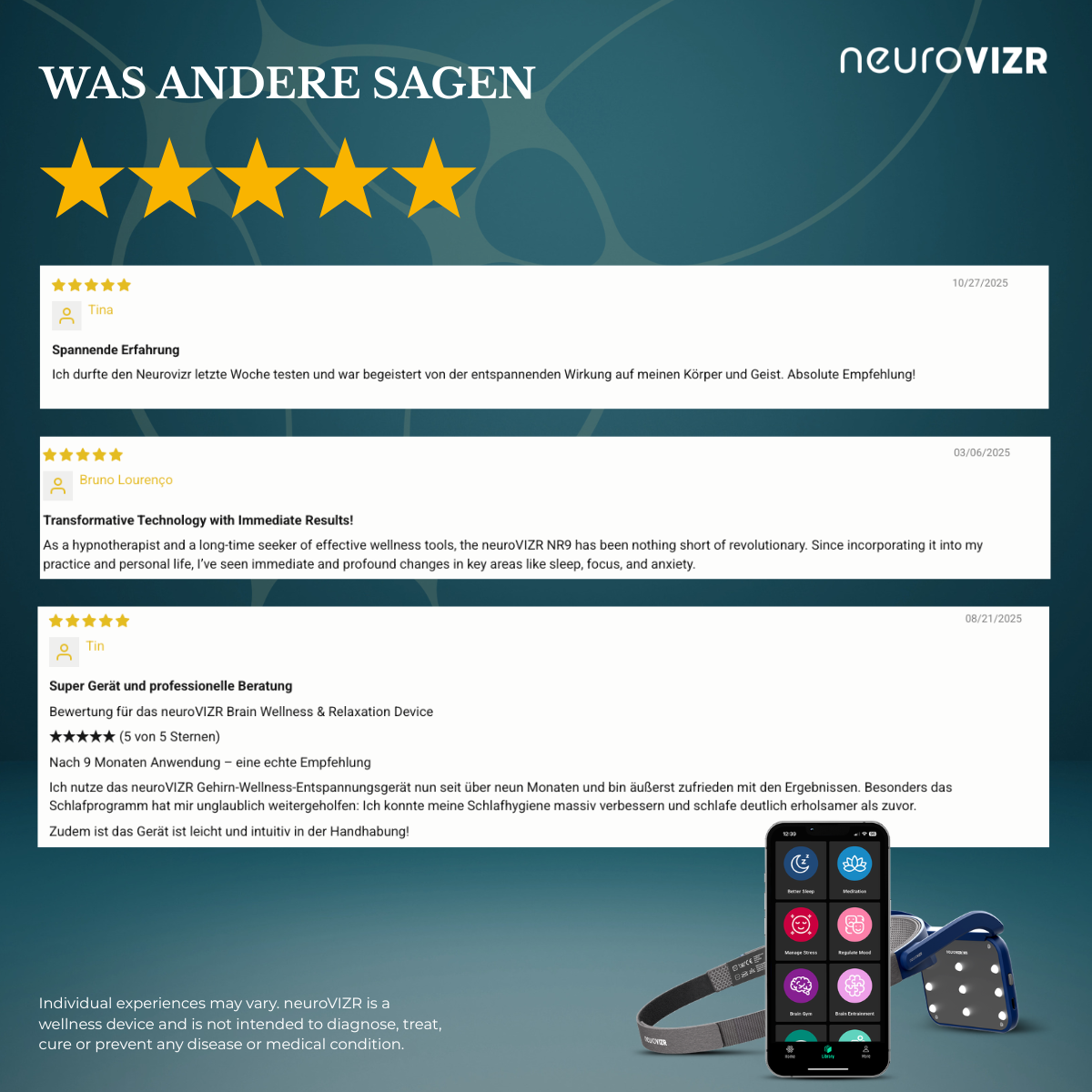
Was echte Nutzer sagen
-
Ich habe seit Jahren nicht mehr so tief geschlafen. Sogar meine Träume fühlen sich klarer an.
-
Nach der Anwendung von neuroVIZR hörte ich auf, um 3 Uhr morgens mit rasenden Gedanken aufzuwachen.
-
Es ist wie geführte Meditation für mein Gehirn – aber viel effektiver.
Ob Sie mit stressbedingter Schlaflosigkeit kämpfen, nach Reisen Schlafprobleme haben oder einfach nur versuchen, Ihre Erholung zu optimieren – neuroVIZR wird zu Ihrem vertrauenswürdigsten nächtlichen Begleiter.
Die Wissenschaft dahinter: Gehirnwellenstimulation für den Schlaf
neuroVIZR ist kein zufälliges Gadget – es basiert auf jahrzehntelanger Neurowissenschaft und wird durch zahlreiche Studien gestützt, die die Vorteile der Veränderung von Gehirnwellenmustern zur Verbesserung des Schlafs belegen.
Schlüsselstudien, die die Wirkung von neuroVIZR unterstützen:
-
EEG-Biofeedback bei Schlaflosigkeit – Zhao et al., 2023
Trainierte Personen, Alpha-Wellen zu erhöhen und Beta-Wellen zu reduzieren, was zu einer besseren Schlafeffizienz und einer verkürzten Wachzeit führte. -
Erhöhte Beta-Aktivität bei Schlaflosen – Wei et al., 2022
Bestätigte, dass eine hohe Beta-Aktivität ein Marker für schlechten Schlaf und mentale Übererregung ist. -
Neuronale Dynamik der Lichtstimulation – Pari et al., 2021
Fand heraus, dass flackerndes Licht im Alpha-/Theta-Bereich die Vielfalt der Gehirnsignale erhöht und die neuronale Kohärenz verbessert – zwei Schlüsselkomponenten für erholsamen Schlaf. -
Tragbare Gehirntechnologie zur Schlafverbesserung – McGinty, 2024
Zeigte, dass nicht-invasive Gehirnwellenstimulation die Schlafqualität verbessert, insbesondere bei Personen mit chronischer Schlaflosigkeit oder Stress.
Wie man die Schlafqualität natürlich verbessert (keine Pillen erforderlich)
Ihren Schlaf zu verbessern, bedeutet nicht, Ihren Lebensstil komplett umzukrempeln. Tatsächlich können kleine Änderungen in der Art und Weise, wie Sie Ihr Gehirn auf den Schlaf vorbereiten, eine massive Veränderung bewirken. So geht's mit neuroVIZR:
Ihre neue Schlafroutine:
-
Finden Sie einen ruhigen, dunklen Ort
-
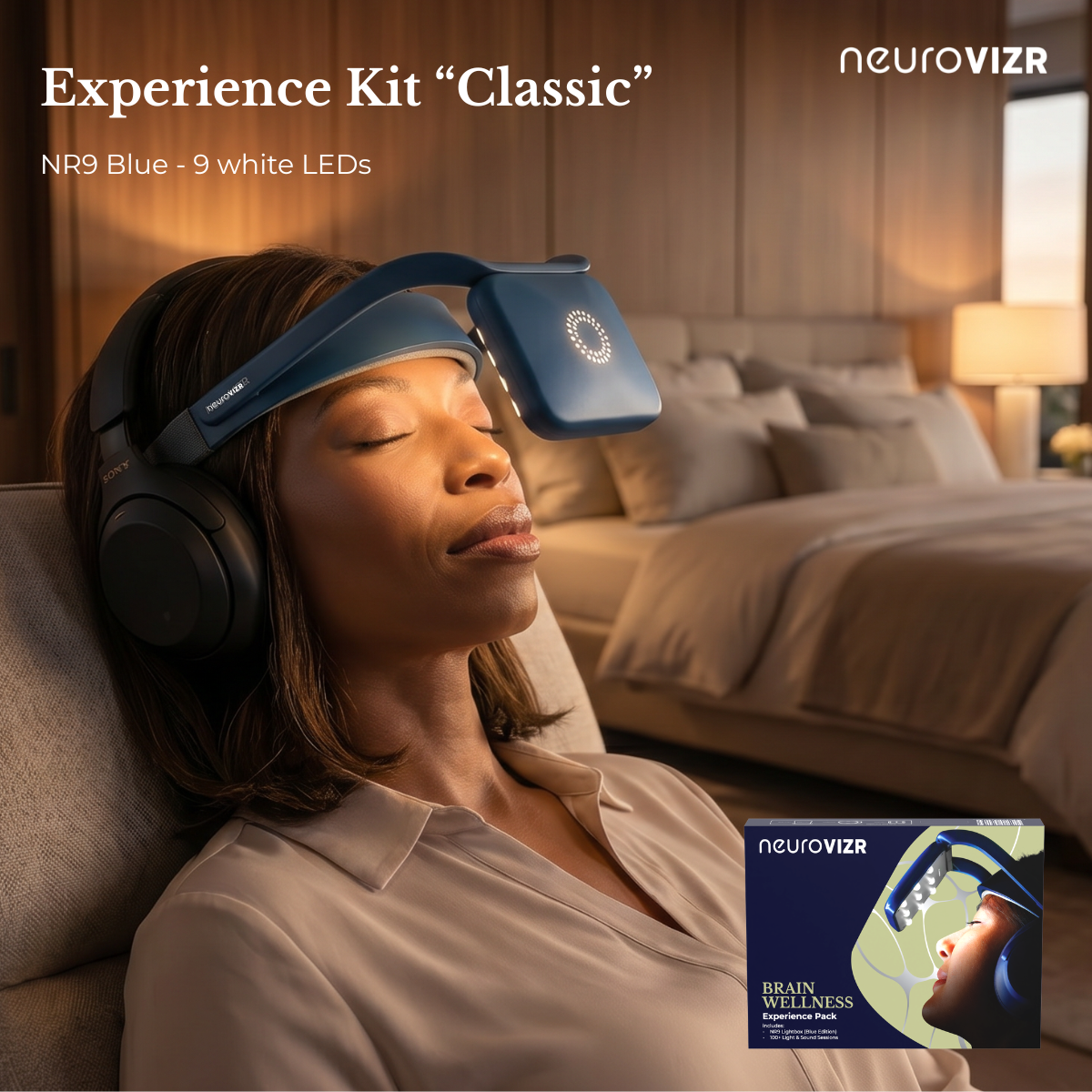
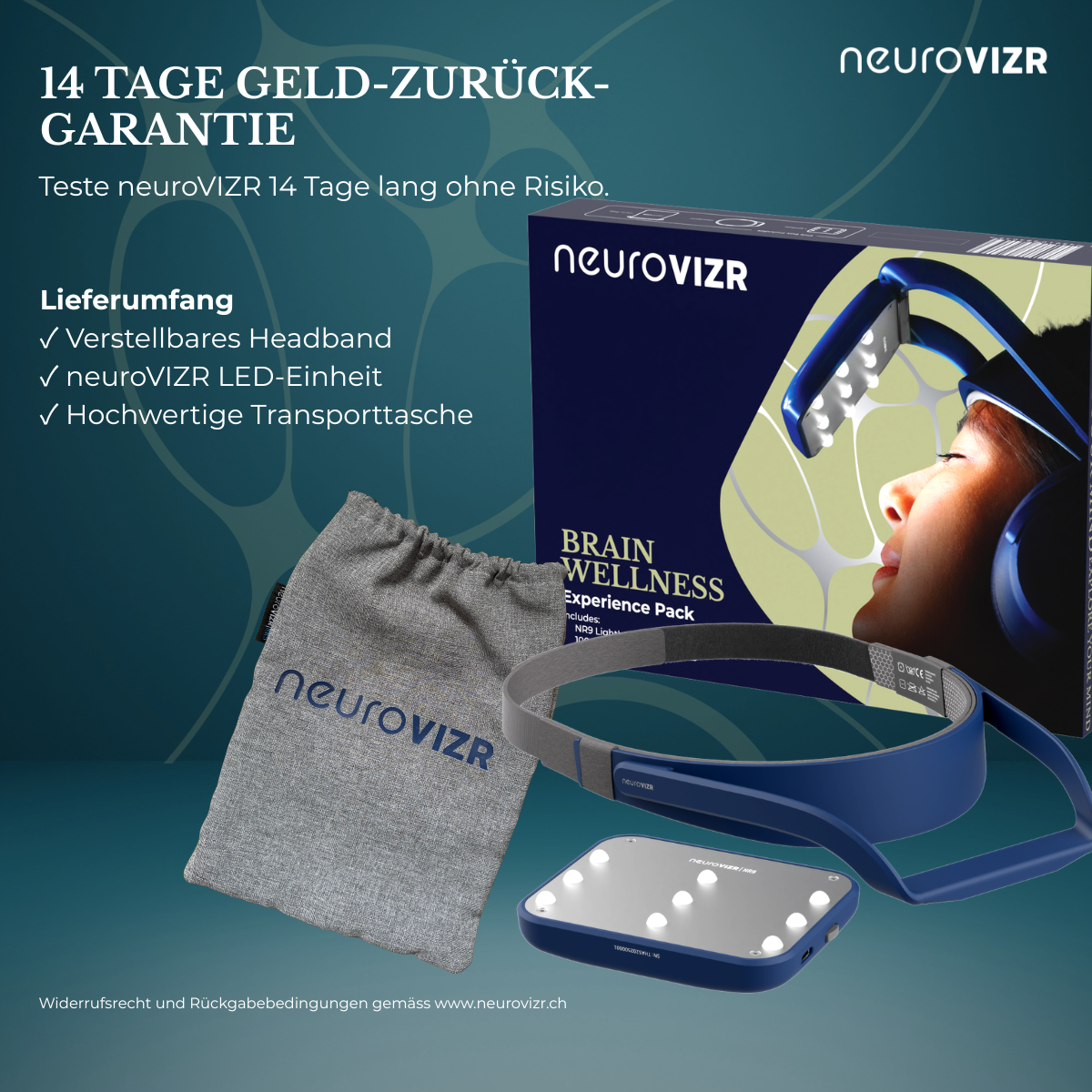
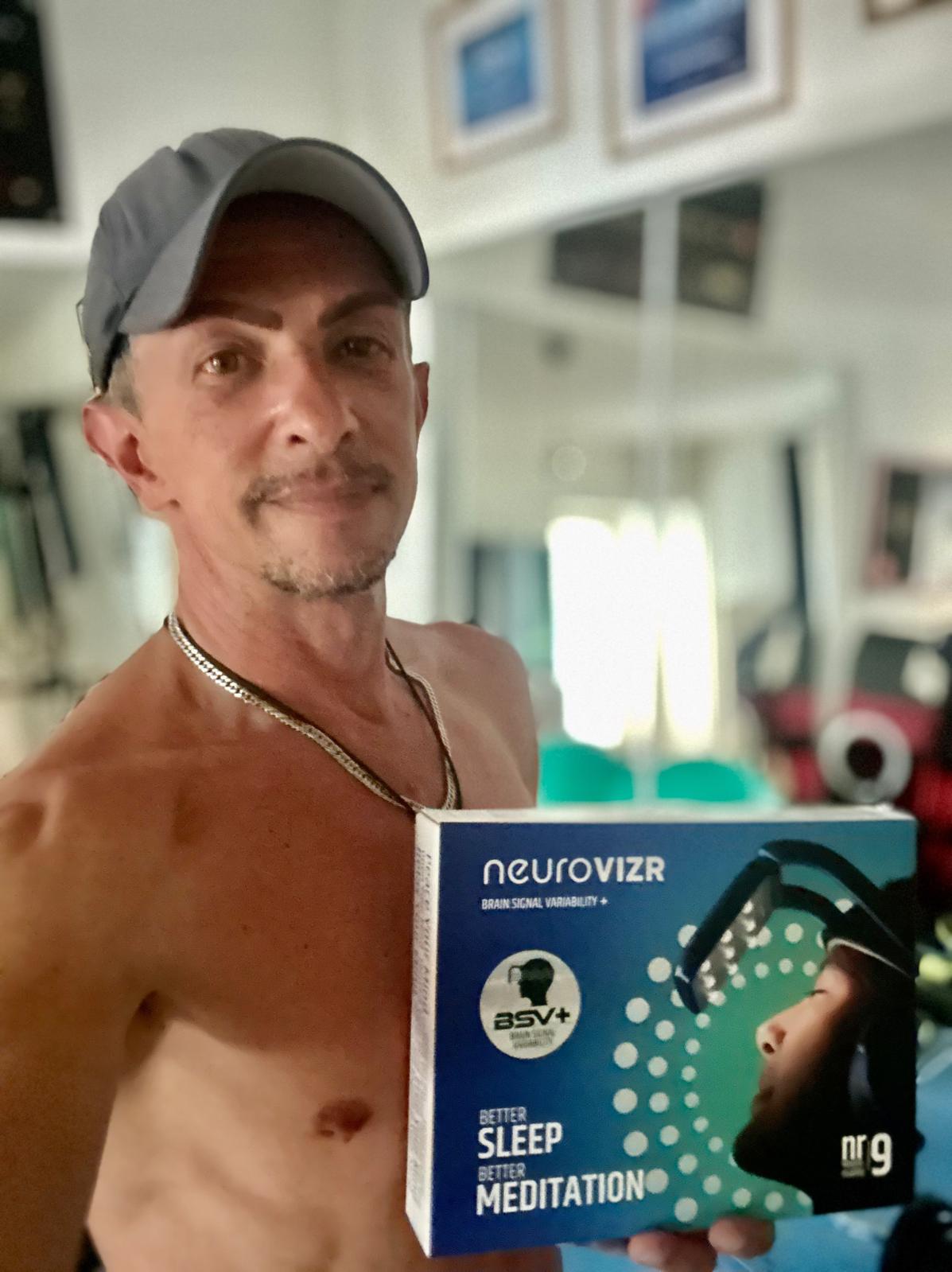
Setzen Sie das neuroVIZR-Headset auf
-
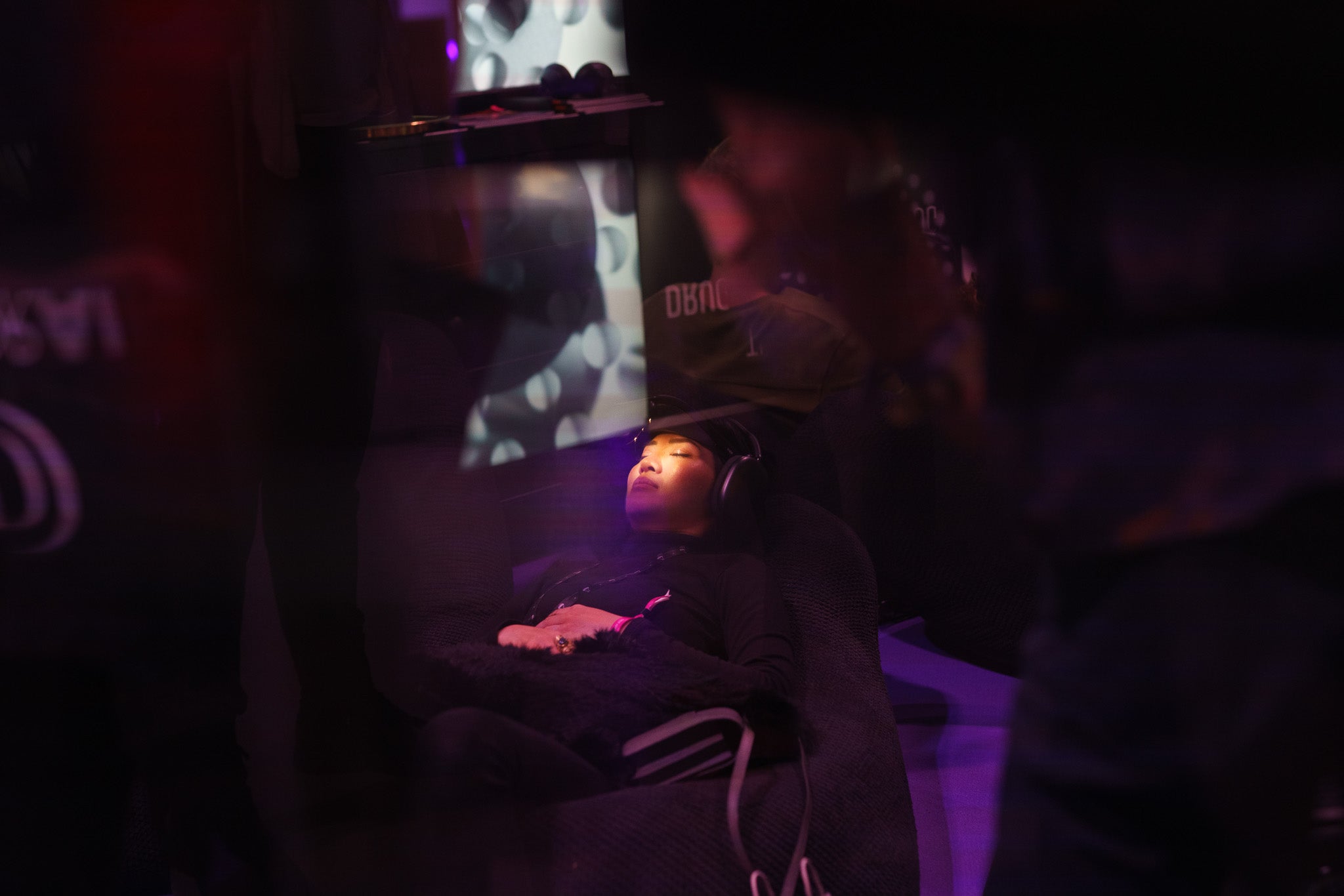
Entspannen Sie sich mit geschlossenen Augen während einer 11-minütigen Sitzung
-
Spüren Sie, wie Ihr Geist zur Ruhe kommt und sich auf tiefen Schlaf vorbereitet
-
Schlafen Sie natürlich ein, ohne auf Apps, Pillen oder Ablenkungen angewiesen zu sein
Dieser Prozess arbeitet mit Ihrem Gehirn, nicht gegen es. Das ist die Kraft der natürlichen Schlafoptimierung.
Bereit, Schlaflosigkeit ohne Pillen zu reduzieren?
Sie brauchen keine weiteren Nahrungsergänzungsmittel, Apps oder Bildschirmzeiten, um besser zu schlafen.
Sie brauchen ein Werkzeug, das direkt mit den Schlafschaltkreisen Ihres Gehirns kommuniziert – sanft, sicher und effektiv.
Mit neuroVIZR erleben Sie:
-
Reduzierte Schlaflosigkeit ohne Pillen
-
Natürlich verbesserte Schlafqualität
-
Einen ruhigeren, ausgeglicheneren Geist – Tag und Nacht
Bonus-Tipp: Kombinieren Sie mit Lifestyle-Schlaf-Hacks
Während neuroVIZR auf Ihre Gehirnwellen wirkt, können Sie seine Effekte mit ein paar zusätzlichen Gewohnheiten verstärken:
-
Vermeiden Sie Bildschirme 1 Stunde vor dem Schlafengehen
-
Halten Sie einen konsistenten Schlafplan ein
-
Probieren Sie bei Bedarf Magnesium oder Kräutertee aus
-
Verwenden Sie Verdunklungsvorhänge und halten Sie Ihr Zimmer kühl
-
Üben Sie Atemübungen oder Journaling vor dem Schlafengehen
Aber selbst wenn dies alles für Sie nicht funktioniert hat – neuroVIZR bietet eine tiefere, gehirnzentrierte Lösung.
Letzter Gedanke: Die Zukunft des Schlafes ist medikamentenfrei
Ob Sie sich für Biohacking interessieren, chronischen Stress bewältigen oder einfach nur versuchen, Ihre Energie und Konzentration zurückzugewinnen – alles beginnt mit dem Schlaf.
neuroVIZR ist mehr als ein Gadget. Es ist ein Gehirn-Fitness-Tool, das entwickelt wurde, um das Wichtigste wiederherzustellen, was Ihr Körper braucht: hochwertigen Schlaf.





Teilen:
Warum fühlt sich Schlaf so gut an?
Migräne: Verbesserte Schlafgewohnheiten zur Linderung und für eine bessere Körperhaltung