

Disclaimer
This content is for informational purposes only and does not constitute medical advice. It is not intended to diagnose, treat, cure, or prevent any condition. Always consult a qualified professional for medical concerns.
The Idea of “Rewiring Your Brain”
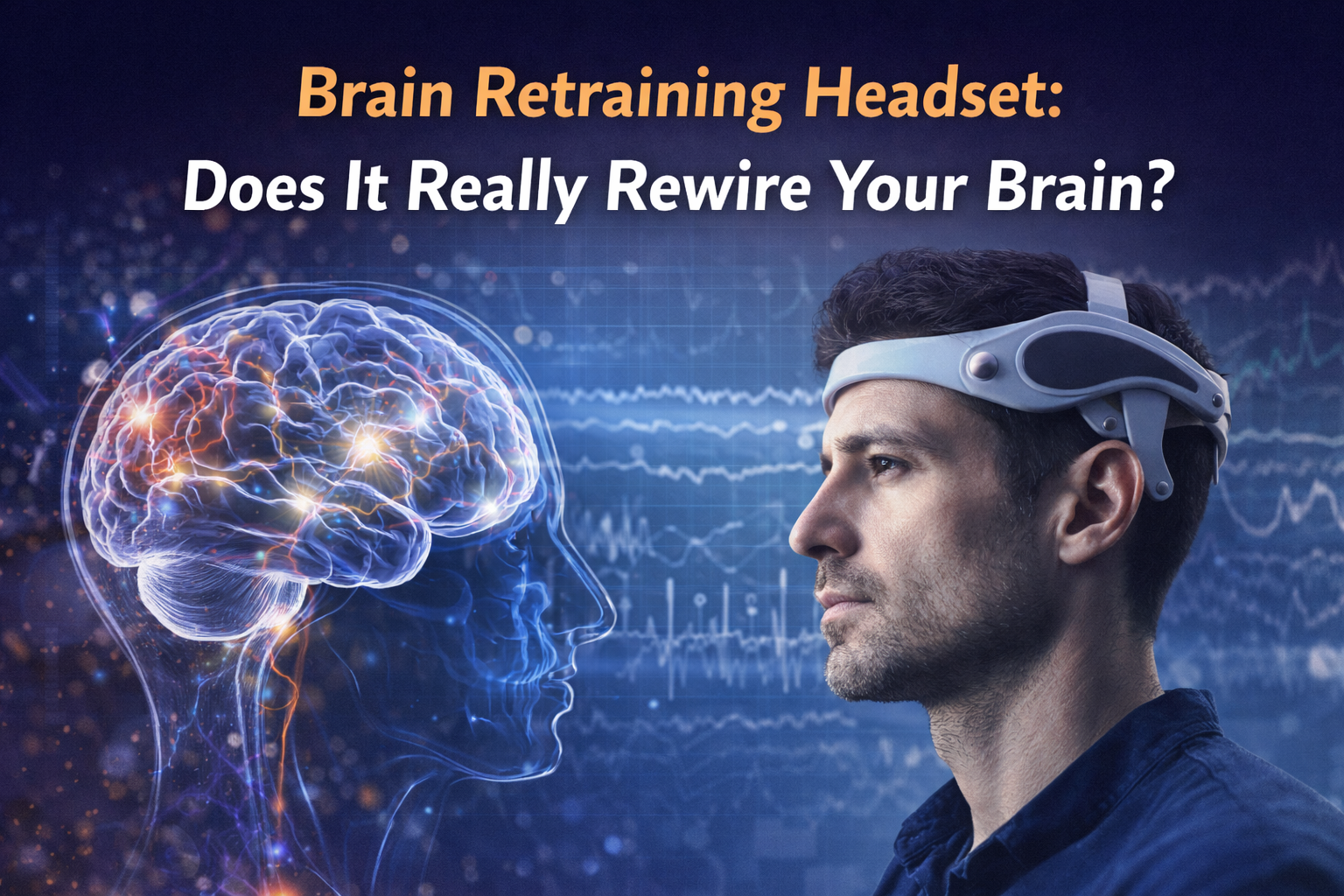
The phrase “rewire your brain” has become increasingly popular in discussions around stress, focus, and overall mental wellness. It often suggests that people can reshape their mental patterns through consistent habits and experiences.
But when it comes to a brain retraining headset, a more practical question is:
Can it truly support long-term mental wellness, or is it simply another relaxation tool?
Let’s explore this in a clear and balanced way.
Understanding How the Brain Adapts
The brain is known to adapt based on repeated experiences and behaviors. Over time, consistent routines can influence how we think, feel, and respond to daily situations.
This means:
-
Patterns that are repeated frequently may become more familiar
-
Less-used patterns may gradually fade
-
Consistency plays an important role in shaping habits
Rather than happening instantly, these changes are typically gradual and influenced by daily routines and experiences.
What Is a Brain Retraining Headset?
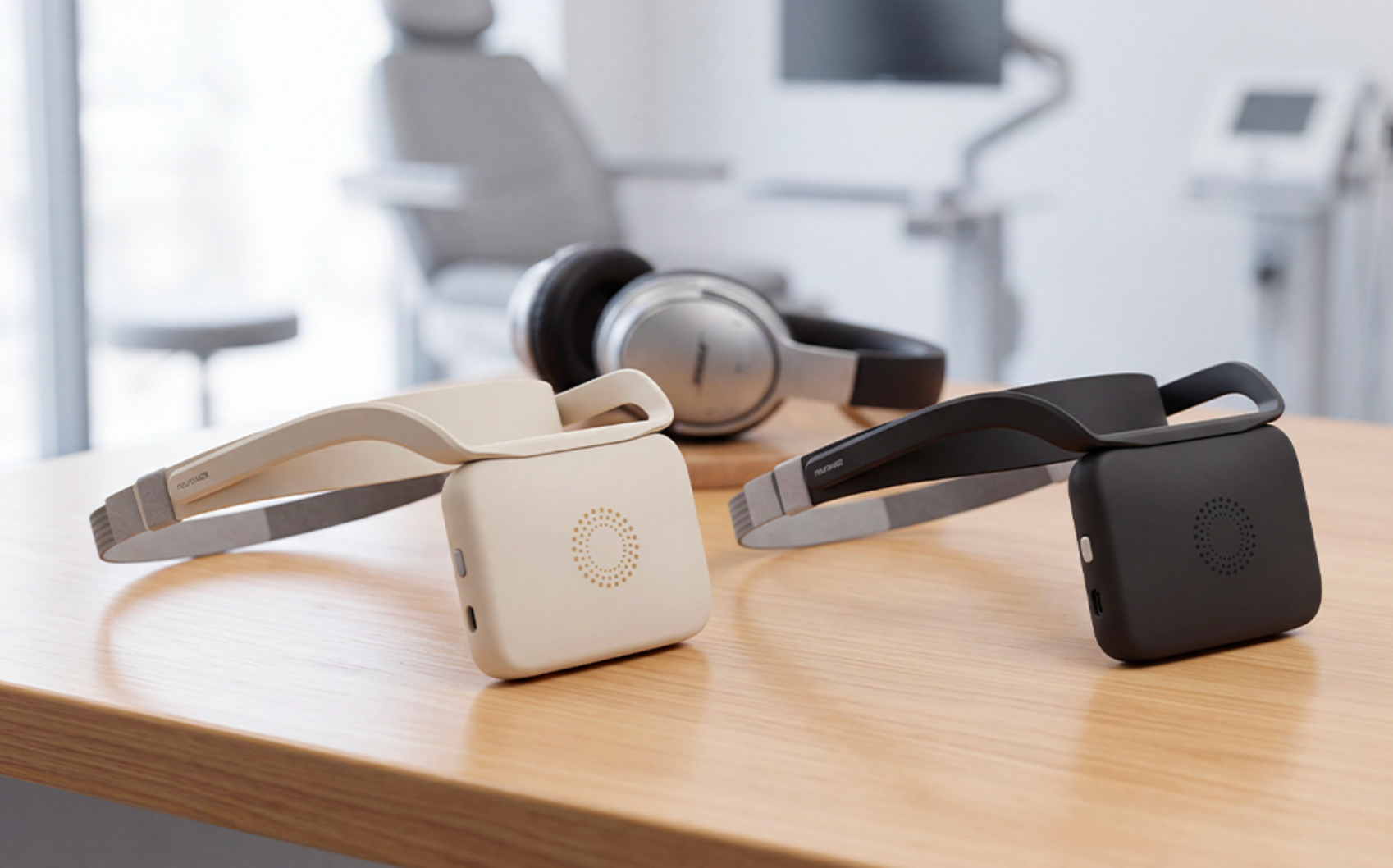
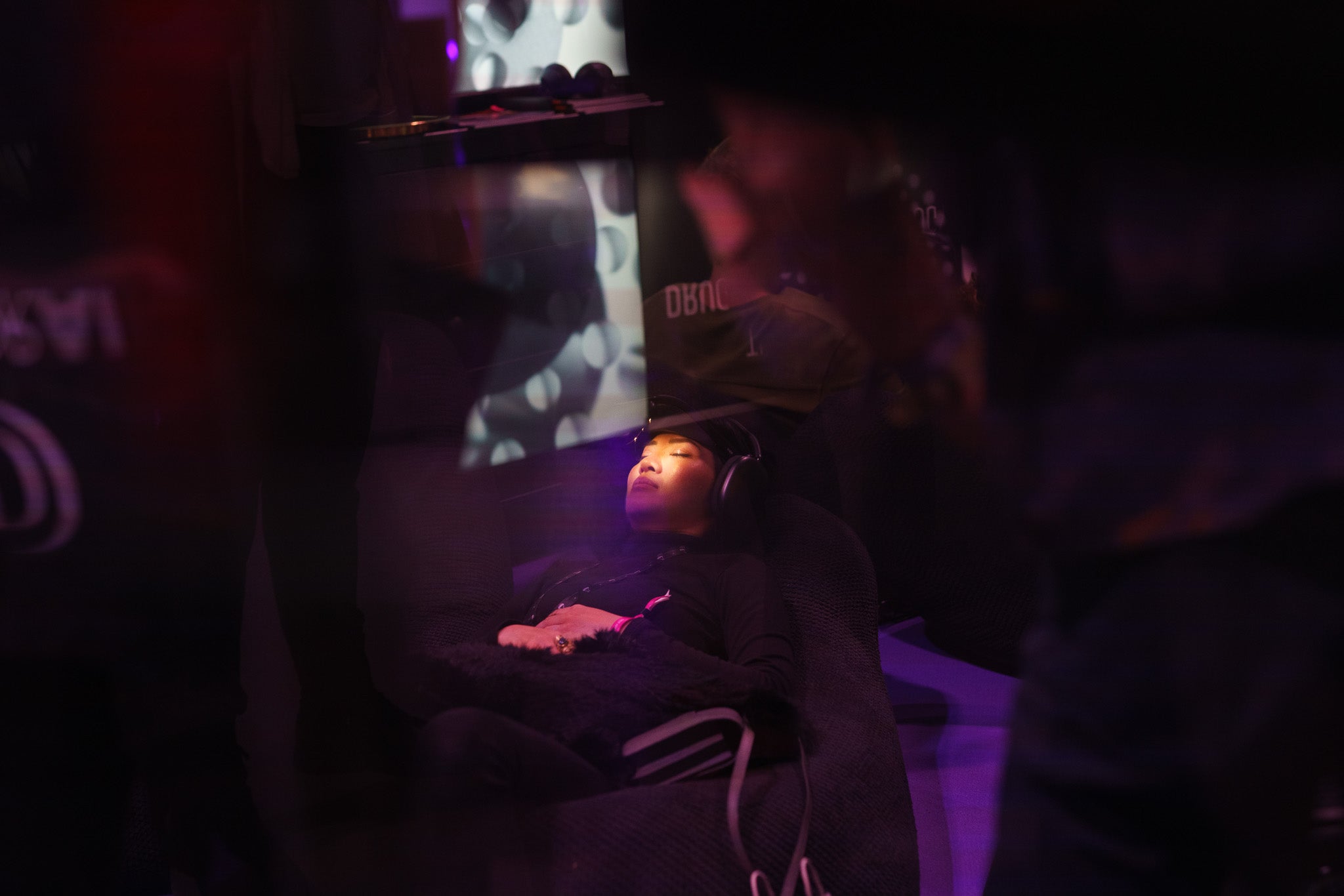
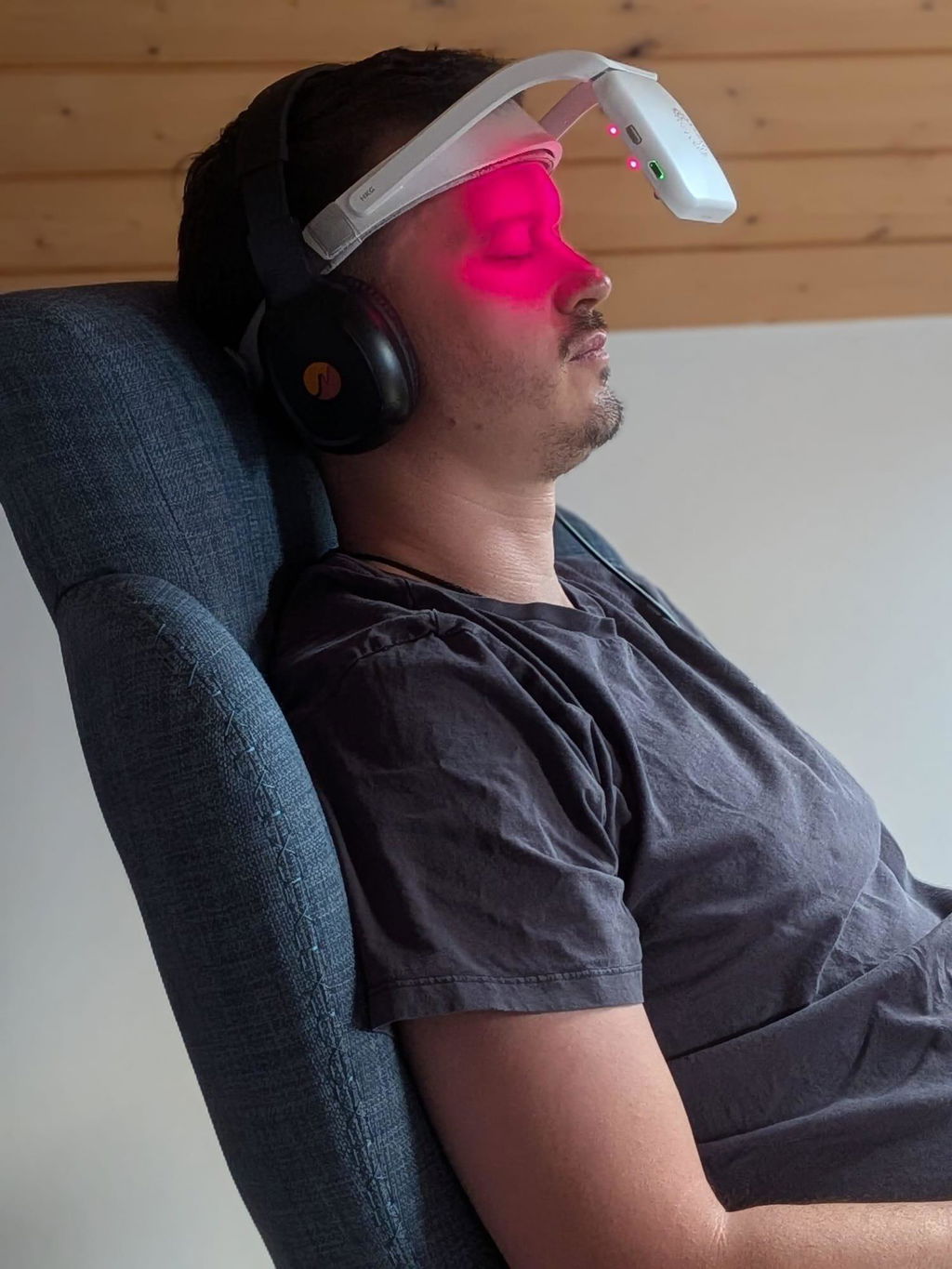
A brain retraining headset is a type of wellness device designed to create sensory light & sound experiences.
These devices typically:
-
Use rhythmic light and sound patterns
-
Create immersive sensory environments
-
Are often used during relaxation or mindfulness sessions
Unlike traditional relaxation tools, they are designed to provide a more structured and engaging sensory experience.
How Does It Work?
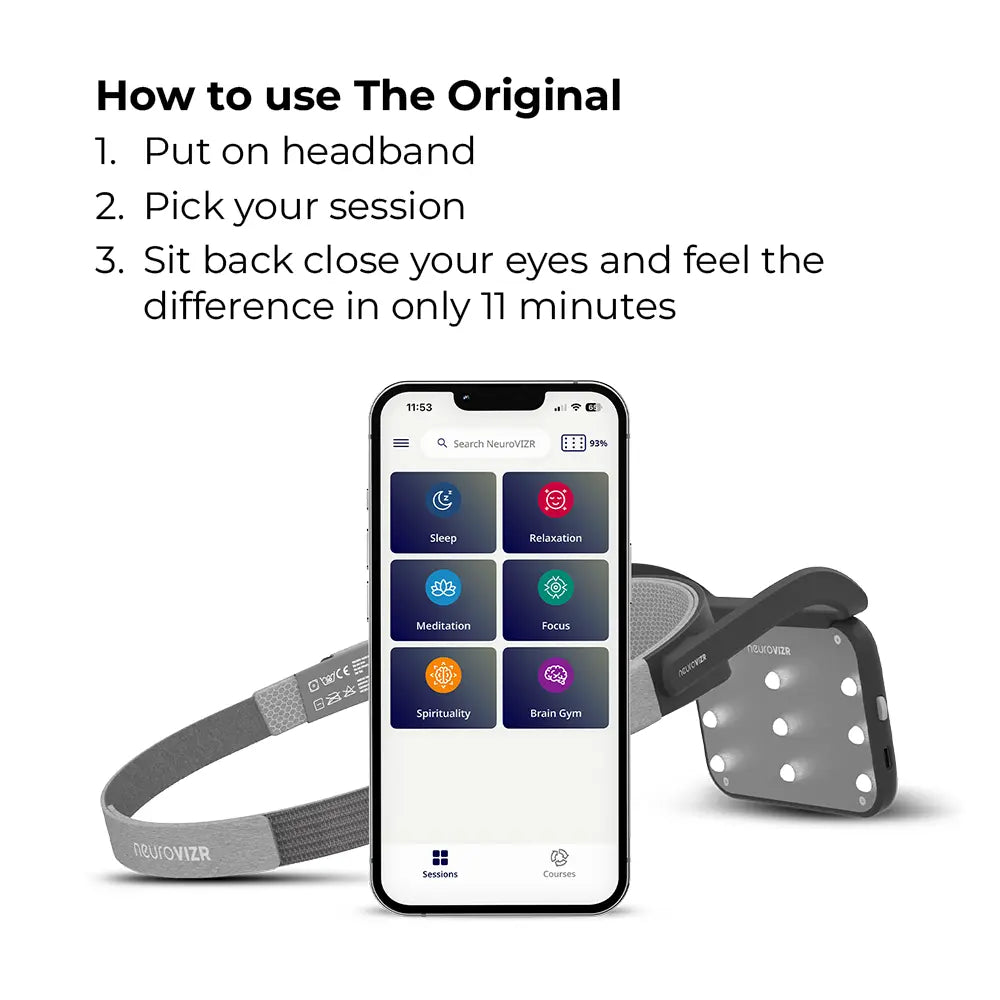
Most devices follow a simple process focused on experience and consistency:
1. Sensory Experience
The device delivers structured light and sound patterns that create an immersive environment.
2. Response & Awareness
Users may notice shifts in how they feel — such as moments of calm, focus, or relaxation.
3. Repetition Over Time
With regular use, these sessions can become part of a personal relaxation routine.
Does It Really “Rewire” the Brain?
The term “rewire” can be misleading if taken literally.
A more accurate way to understand it is:
These devices are designed to support relaxation and mindfulness routines through consistent sensory experiences.
Rather than creating instant changes, they may help users:
-
Step away from daily overstimulation
-
Build consistent relaxation habits
-
Create structured moments of calm
The impact depends largely on:
-
How regularly the device is used
-
Individual preferences and routines
-
Overall lifestyle and stress levels
Who Might Find It Useful?
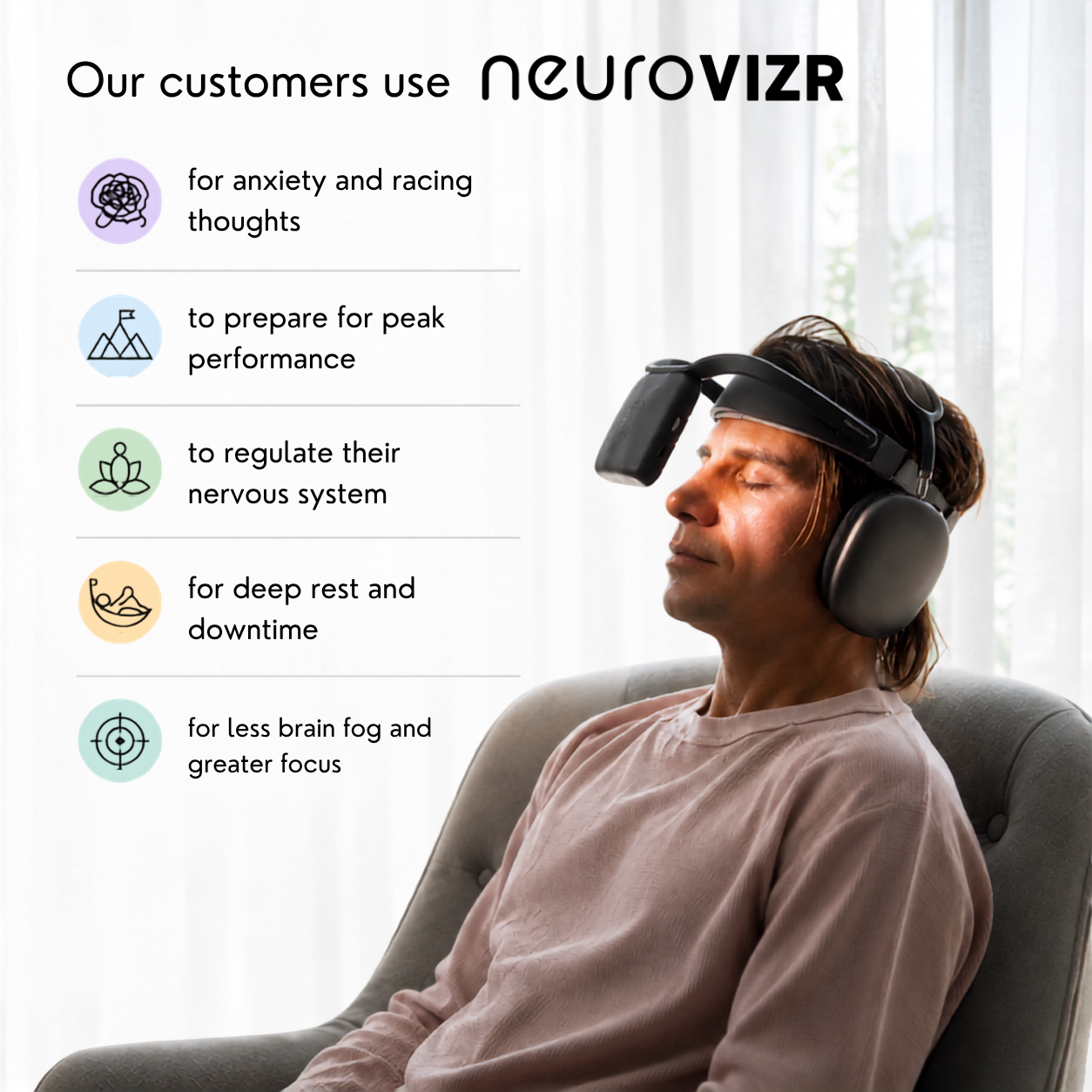
A brain retraining headset may be helpful for individuals who want to:
-
Create a dedicated relaxation routine
-
Take breaks from digital overload
-
Support focus and mindfulness practices
-
Build consistent moments of calm during the day
It is not limited to any specific group and can be used as part of a general wellness lifestyle.
Brain Retraining vs. Relaxation Tools
It’s helpful to understand the difference:
Relaxation Tools
-
Designed for short-term calming
-
Used occasionally
Structured Sensory Devices
-
Designed for consistent routines
-
Focus on immersive experiences
-
May support long-term wellness habits
The key difference is consistency and how the tool is used over time.
What Results Can You Expect?
When used regularly as part of a routine, some users may experience:
-
Improved ability to unwind
-
More consistent relaxation habits
-
Better awareness of mental states
-
Easier transition into calm moments
However, it’s important to keep expectations realistic:
-
Results are not instant
-
Experiences vary from person to person
-
Consistency matters more than occasional use
Is It Safe to Use?
Most non-invasive sensory devices are generally considered safe when used as intended.
However:
-
They are not medical devices unless specified
-
They should not replace professional care
-
Individuals with specific conditions should consult a professional
The Role of Daily Routines
Ultimately, devices like these are best understood as tools that can support personal wellness routines.
They are most effective when combined with:
-
Consistent usage
-
Healthy daily habits
-
Time set aside for relaxation
The focus is not on stimulation, but on creating a structured environment for calm and focus.
Common Misconceptions
“It works instantly”
These tools are designed for gradual use, not immediate transformation.
“It replaces other practices”
They can complement existing routines like mindfulness or relaxation exercises.
“It’s only for certain people”
Anyone interested in structured relaxation experiences may explore these tools.
Is It Worth Exploring?
If you are looking for:
-
A quick fix or instant results → this may not meet your expectations
If you are interested in:
-
Building a consistent relaxation routine
-
Exploring immersive sensory experiences
-
Creating moments of calm in a busy schedule
Then it may be worth exploring as part of your lifestyle.
Final Thoughts
The idea of “rewiring your brain” is often simplified in popular discussions. In reality, meaningful changes tend to come from consistent habits and repeated experiences over time.
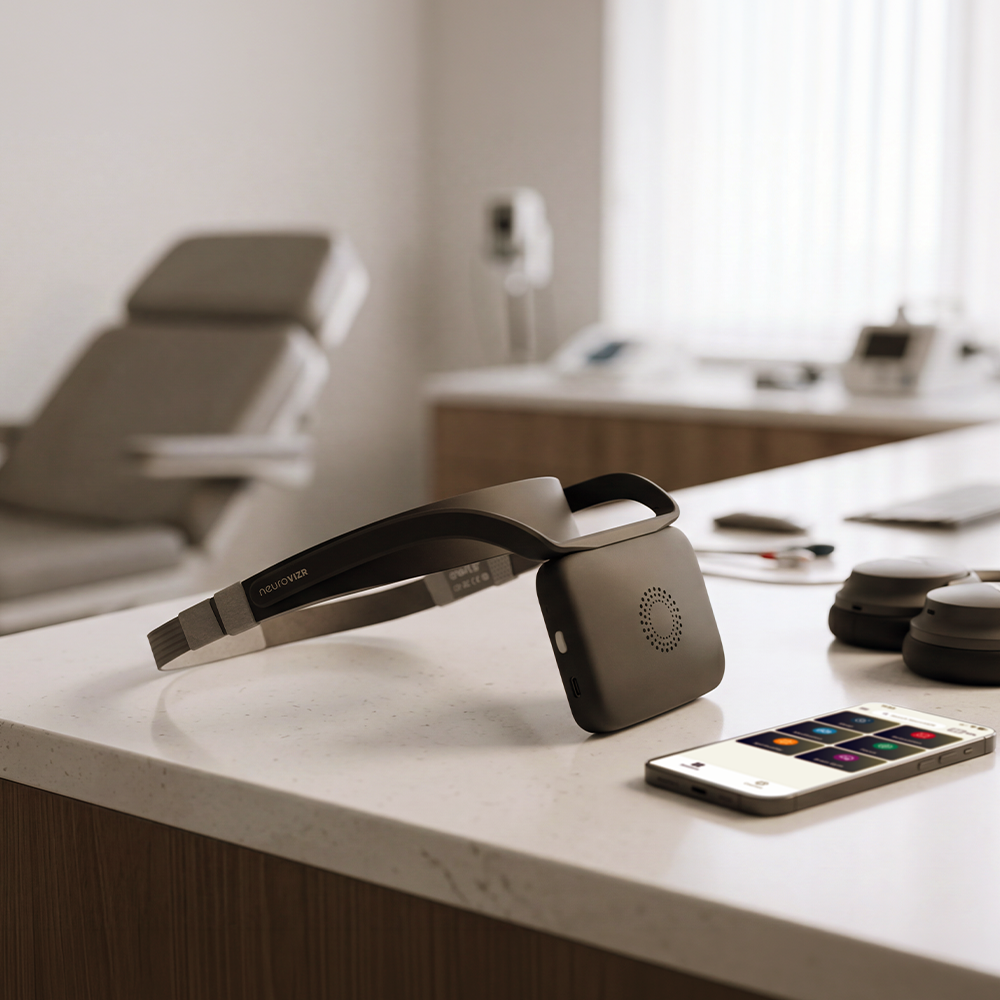
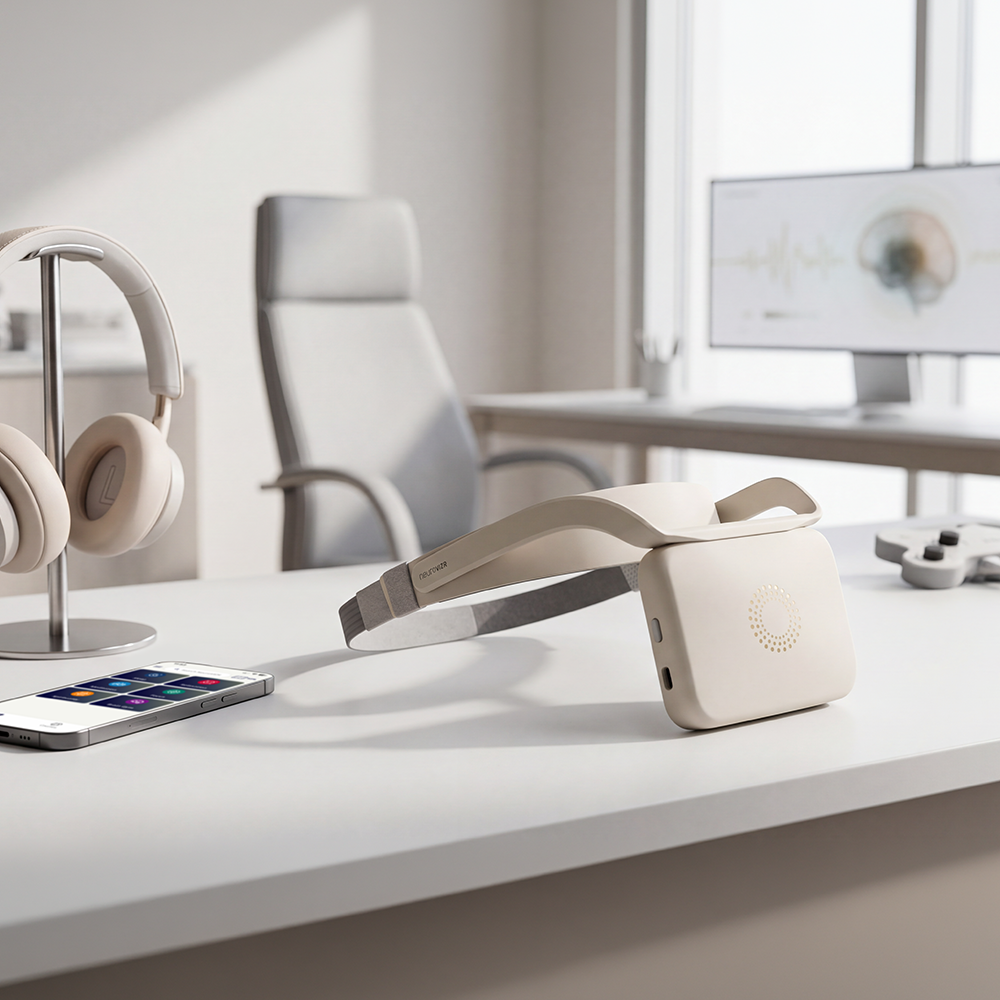
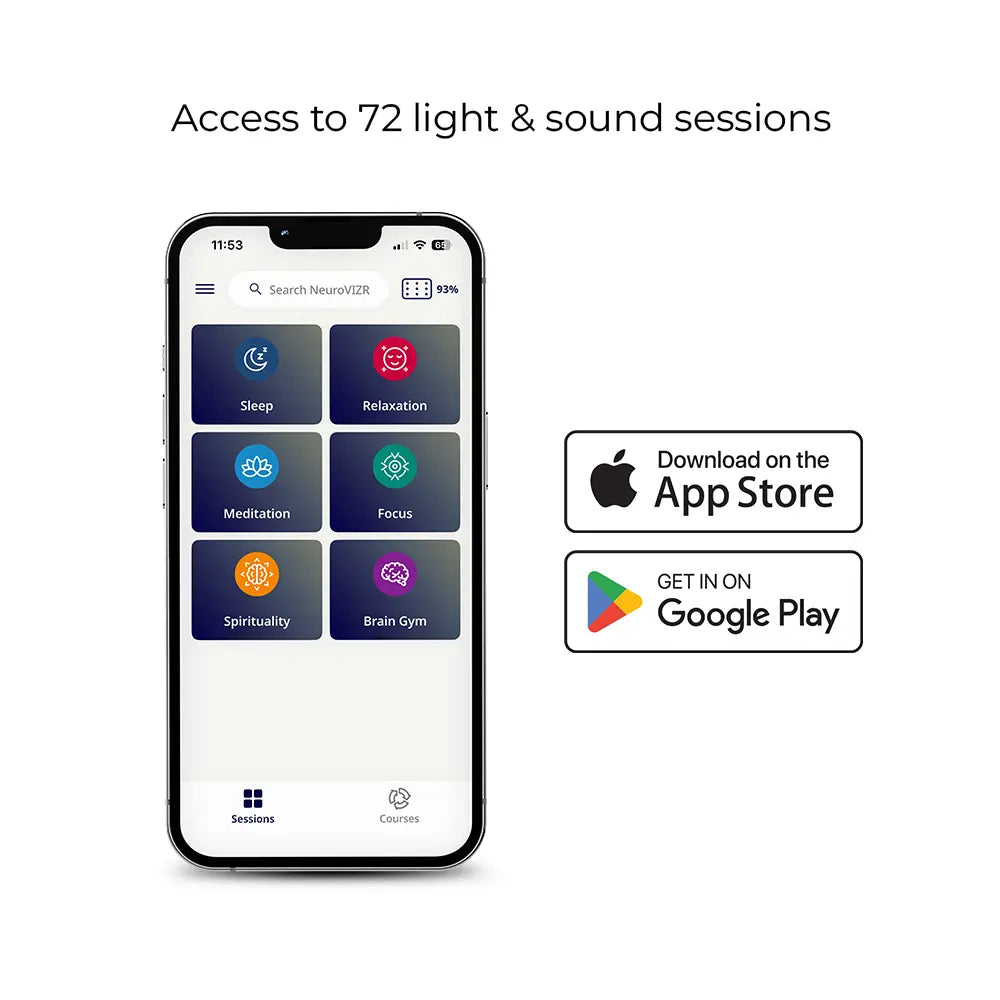
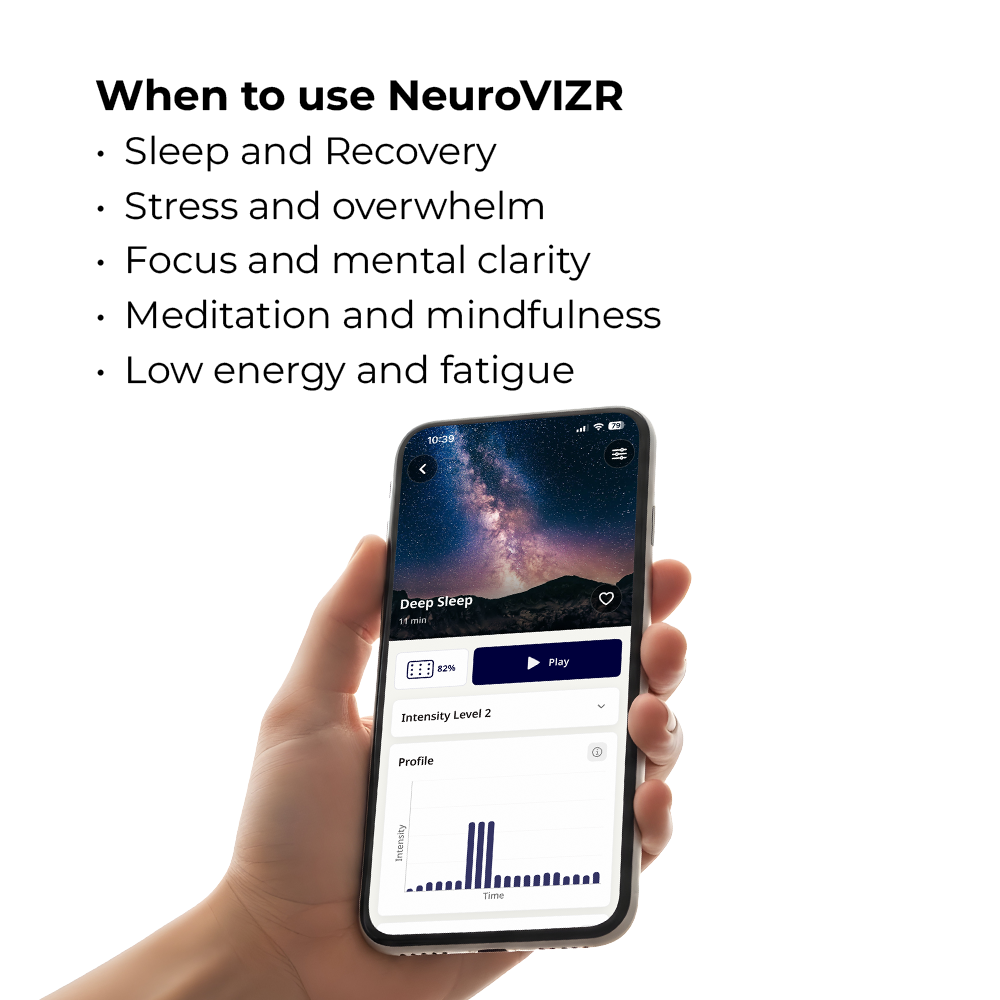
Devices that use structured light and sound patterns, such as neuroVIZR, are designed to create immersive sensory experiences often associated with relaxation and focused attention. They may help users step away from daily overstimulation and develop moments of calm within their routines.
Rather than focusing on dramatic claims, it’s more helpful to view these tools as part of a broader approach to wellness, mindfulness, and everyday balance.
Frequently Asked Questions (FAQ)
What does a brain retraining headset do?
It creates sensory light and sound experiences that may support relaxation and mindfulness routines.
Can it actually rewire the brain?
The term “rewire” is often simplified. These devices are better understood as tools that support consistent relaxation habits over time.
How often should it be used?
Many users include it in their routine several times per week, depending on personal preference.
Is it a medical treatment?
No, it is a wellness tool and should not replace professional medical or psychological care.
Who can use it?
Anyone interested in relaxation, mindfulness, and structured sensory experiences can explore it as part of their routine.





Share:
Low Emotional Intelligence Symptoms: 10 Warning Signs to Watch For