

Disclaimer
This article is intended for general wellness education only. It does not constitute medical or nutritional advice. Always seek professional guidance regarding sleep concerns, dietary changes, or health questions.
Getting a restful night’s sleep isn’t always about discipline or effort. Often, it’s about supporting your brain and body to naturally settle into a calm state. The foods we eat and the timing of our meals can influence how relaxed and prepared our nervous system is for sleep.
Here are three gentle food-based adjustments that may help you unwind and support a natural sleep routine, without strict rules or complicated regulations.
1. Evening Blood Sugar Support
Many people wake up between 2–4 a.m. feeling alert, restless, or uneasy. This isn’t necessarily insomnia it can happen when blood sugar levels dip too low during the night.
How it works:
When blood sugar drops, the body may release stress chemicals as a protective response. These signals can make your mind alert even if your body is tired.
Simple adjustment:
Instead of going to bed hungry or having a high-sugar evening meal, aim for a balanced snack or dinner with:
-
Complex carbohydrates (e.g., oats, whole grains)
-
A bit of protein or healthy fats (e.g., nuts, seeds, avocado)
This approach can help your body maintain a stable energy level overnight, allowing your mind to relax naturally.
2. Gentle Support from Magnesium and Glycine
Relaxation isn’t only mental it’s chemical too. Certain nutrients quietly help the body and brain settle into rest.
Why it matters:
-
Magnesium-rich foods (like kale, spinach, nuts, beans) support a calming response in the nervous system.
-
Glycine sources (such as bone broth, oats, and some proteins) may help signal your body to prepare for sleep.
Simple adjustment:
Incorporate these foods into your evening routine to encourage natural relaxation. This isn’t about supplementation or forcing rest it’s about providing gentle support your brain and body can recognize.
3. Minimize Stimulant Residues
Most people already avoid caffeine late in the day, but stimulants can linger in the nervous system longer than expected. Sugar spikes, alcohol, and processed foods can also subtly disrupt rest.
Simple adjustment:
-
Consume stimulants earlier in the day
-
Focus on hydration and mineral-rich foods in the evening
-
Pay attention to your body’s natural signals rather than following strict rules
This approach encourages a calmer nervous system that can settle into a natural rhythm.
What Happens When Nutrition Supports Natural Sleep Rhythms
When food and routine align with your body’s natural patterns:
-
Falling asleep feels easier
-
Nighttime restlessness often softens
-
The nervous system can relax without effort
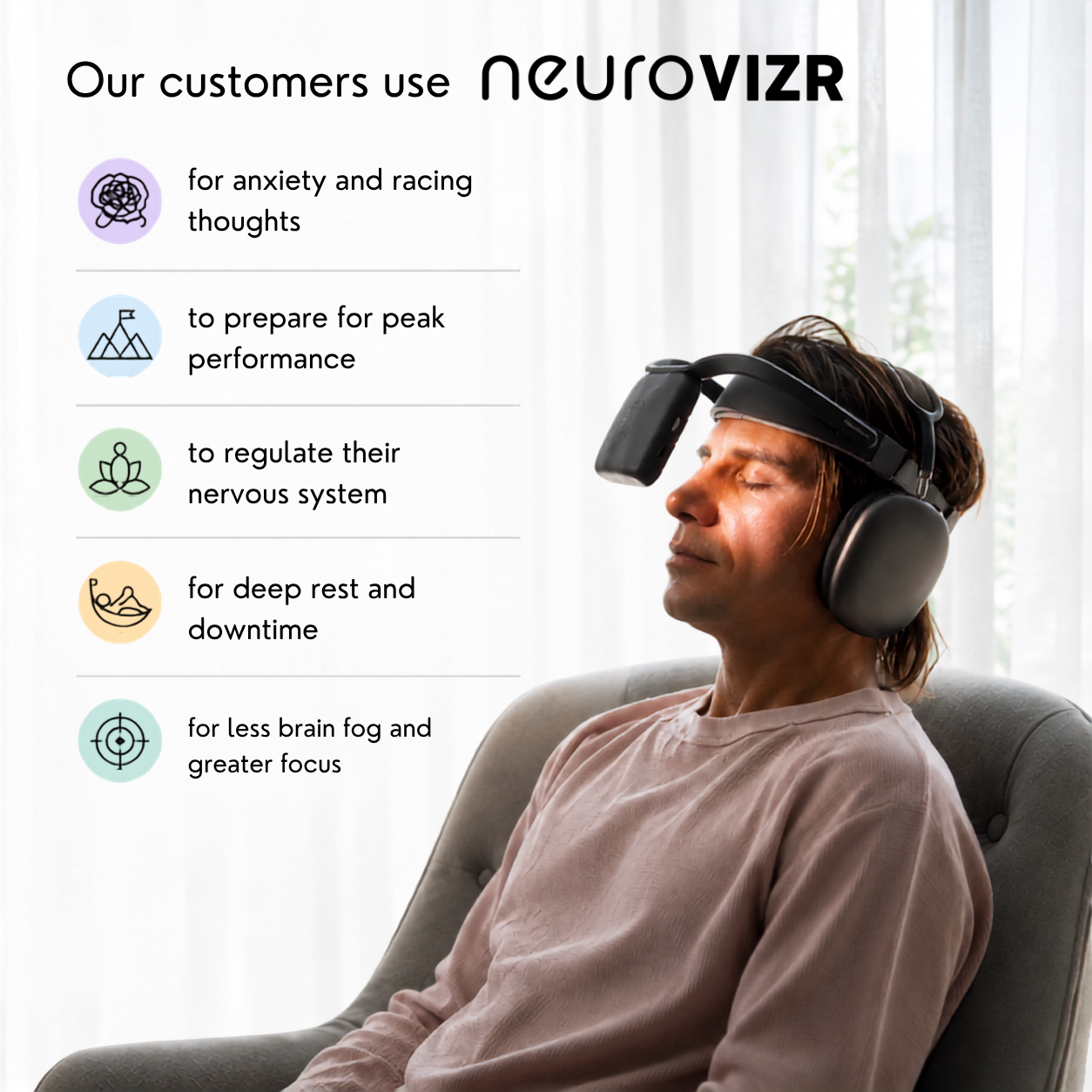
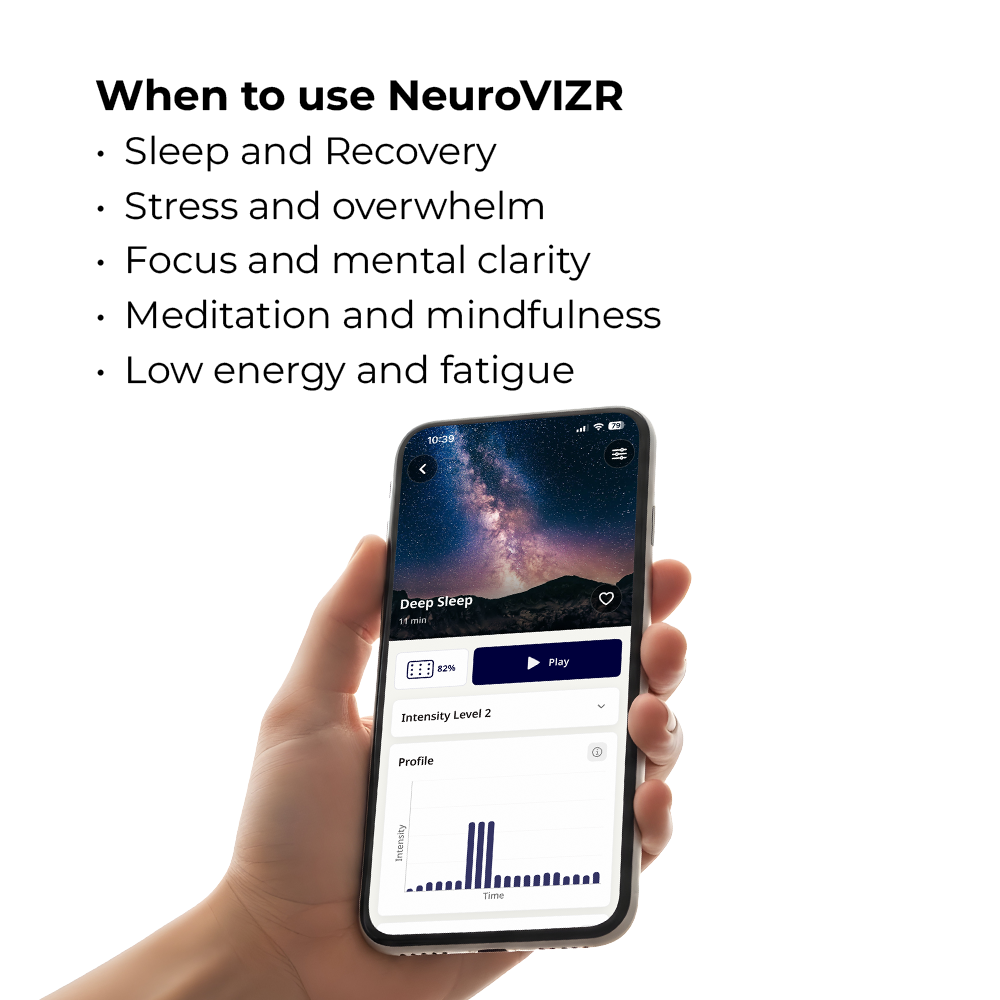
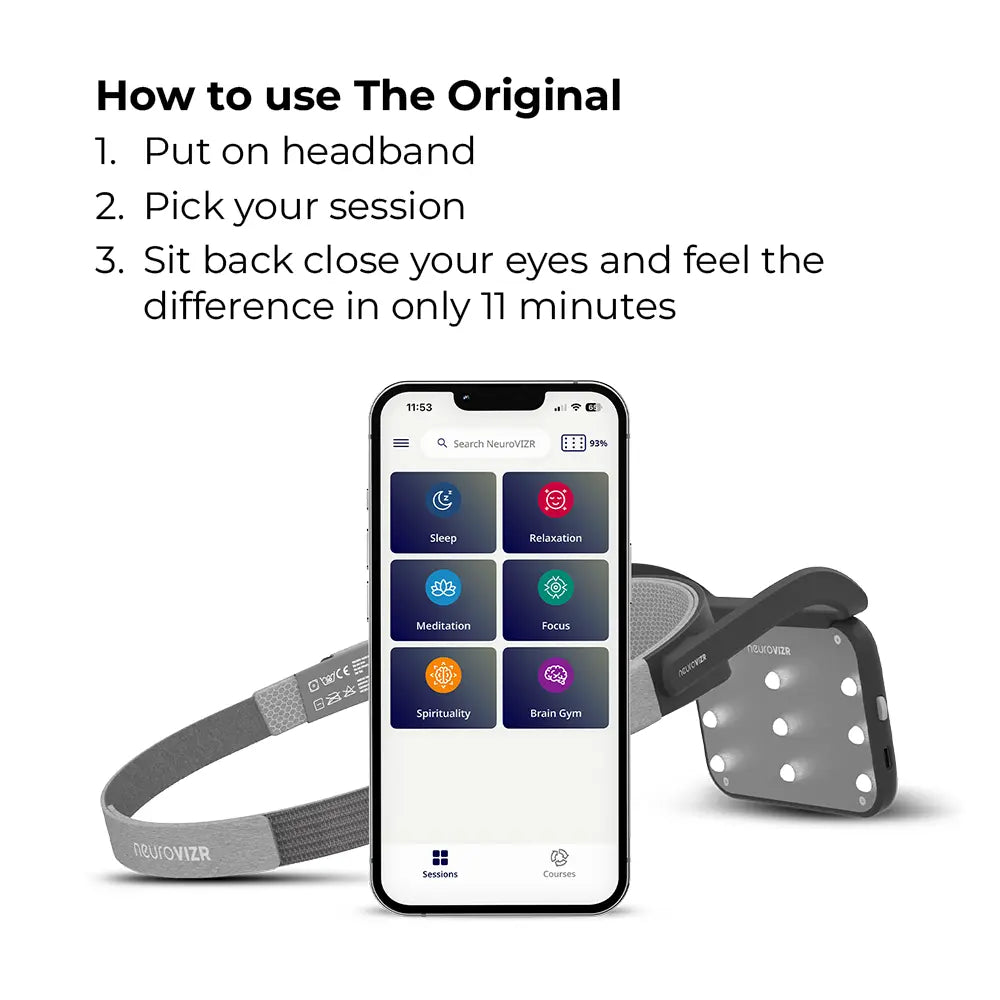
At neuroVIZR, we apply a similar principle by promoting brain wellness through safe, non-stressful inputs that support relaxation without trying to control biological processes.
Key Takeaways
-
Sleep challenges often relate to neurochemical and lifestyle patterns, not willpower.
-
Balanced evening meals and snacks support undisturbed rest.
-
Magnesium and glycine-rich foods can encourage calmness and relaxation.
-
Minimizing stimulant residues, sugar spikes, and alcohol helps maintain restful sleep cycles.
Final Thoughts
Before bed tonight, consider:
What can I provide my body to feel safe, calm, and ready to rest?
Sometimes, improving sleep isn’t about doing more, it's about listening to your body and creating gentle, supportive habits.
FAQ
1. Can diet really influence relaxation and sleep?
Yes. Foods and meal timing can affect the nervous system, helping the body naturally wind down for rest.
2. Which foods help promote calmness at night?
Magnesium-rich foods, glycine sources, and complex carbohydrates like nuts, seeds, oats, leafy greens, and bone broth can support relaxation.
3. Which foods should I avoid before bedtime?
Avoid caffeine, sugary snacks, alcohol, and heavily processed foods close to sleep, as they can keep the nervous system alert.
4. How long before bed should I finish eating?
Aim to finish meals 2–3 hours before bedtime. Light snacks are okay closer to sleep, but heavy meals may interfere with natural relaxation.











Share:
What Is a Calming Device – and How Does It Support a Sense of Safety?
What Is a Calming Device – and How Does It Support a Sense of Safety?