
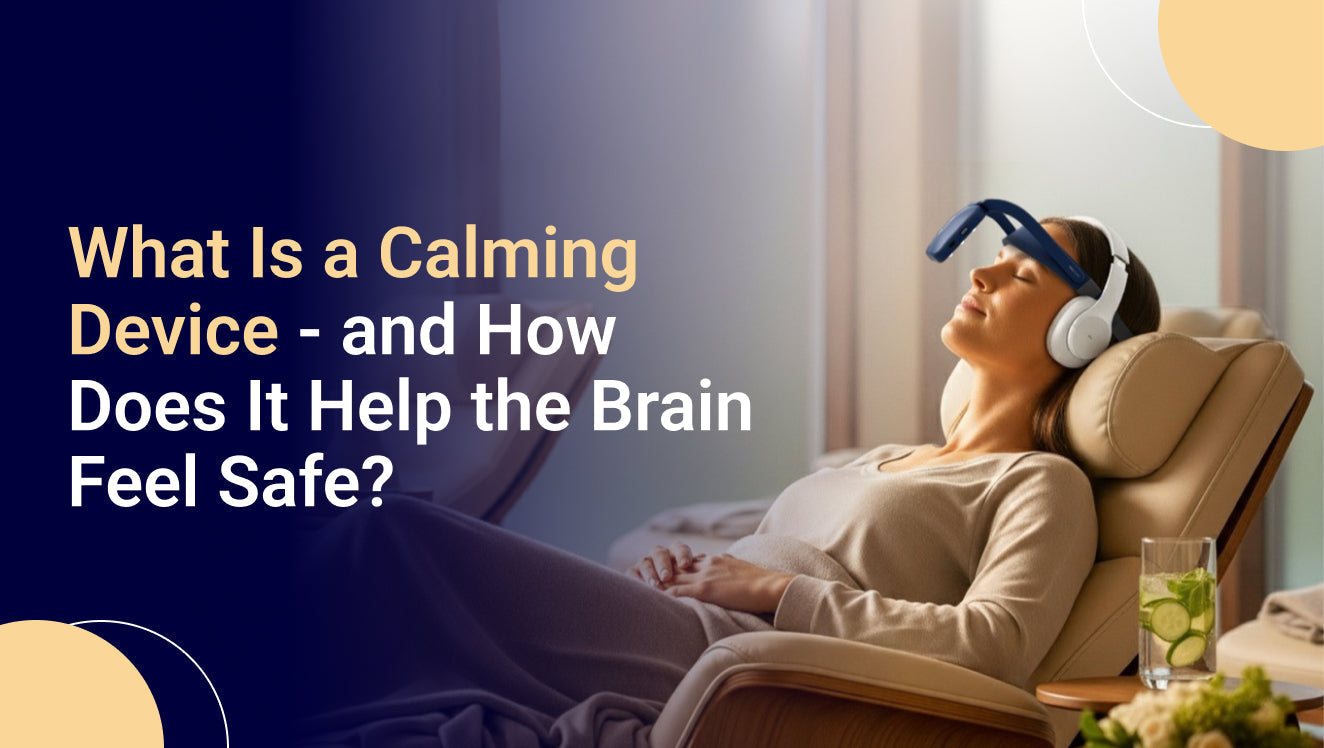
What Is a Calming Device – and How Does It Support a Sense of Safety?
  • Written by Gourav Rathore

Disclaimer

This content is for informational purposes only and is not intended to replace medical advice, diagnosis, or treatment.

Whenever someone looks for a calming device, they are rarely seeking the gadget itself. They are seeking moments of relief from the constant stimulation of daily life.

Racing thoughts, difficulty switching off, trouble sleeping, or feeling awake when the mind wants to rest are common experiences. These are not personal failures, they are natural responses of a nervous system that has not consistently received signals of safety.

A well-designed calming device does not impose relaxation. Instead, it supports the brain in returning to a natural state where calmness can emerge.

Why Calm Cannot Be Forced

The brain’s primary focus is survival, not constant relaxation. When the nervous system perceives stress, it may activate protective responses like fight, flight, or freeze. Simply telling the mind to “relax” often doesn’t work, because the body remains alert.

This explains why conventional relaxation methods sometimes feel frustrating. It’s not about motivation it’s biology.

Predictable, rhythmic, and gentle sensory input can signal safety to the brain, allowing natural calm to emerge. This is where calming devices can be particularly helpful.

How Calming Devices Support Mental Calm

A true calming device does not sedate or distract. Instead, it works in harmony with the brain’s natural rhythms. The nervous system responds positively to:

  • Rhythm

  • Repetition

  • Gentle sensory cues

When these elements are applied thoughtfully, the brain gradually shifts out of high-alert patterns and moves toward more stable and relaxed states.

Important: Instead of making medical claims, we describe this as creating immersive sensory experiences that may support relaxation, focus, and rest.

The Role of Light and Sound

The brain is highly responsive to light and sound.

  • Structured light patterns can influence how visual information is processed.

  • Gentle rhythmic sounds can help maintain steady brainwave patterns.

When used consistently, these sensory experiences create conditions that the brain interprets as safe and predictable. Over time, this can help the nervous system develop new, calming responses naturally.

Supporting Psychological Safety

As the nervous system transitions out of constant alertness, several positive changes can occur:

  • Breathing becomes slower and deeper

  • Muscular tension decreases

  • Emotional regulation improves

  • Attention and clarity are enhanced

People may also regain confidence in their internal cues, moving from asking “What is wrong with me?” to “What does my nervous system need right now?” This shift encourages self-compassion and awareness rather than control.

Integrating a Calming Device Into Daily Wellness

Calming devices are most effective as supportive tools, not replacements for rest, boundaries, or emotional practices. They can:

  • Minimize the effort required to settle the mind

  • Support recovery from daily stress

  • Encourage a sense of internal safety

Used regularly and intentionally, they can become part of a broader wellness routine listening to the nervous system without trying to force it.

The Difference Between Calming and Numbing

Some tools may provide temporary relief by:

  • Blocking sensations

  • Distracting attention

  • Overstimulating pleasure centers

While these can feel useful short-term, they do not teach the nervous system to settle naturally. A true calming device facilitates gradual learning, helping the brain recognize safety and build resilience over time.

Calm Begins With Self-Compassion

Calm is not a personality trait it is a physiological state. It arises naturally when the brain perceives safety. Knowledge of this can transform how we respond to stress, particularly in overwhelming moments.

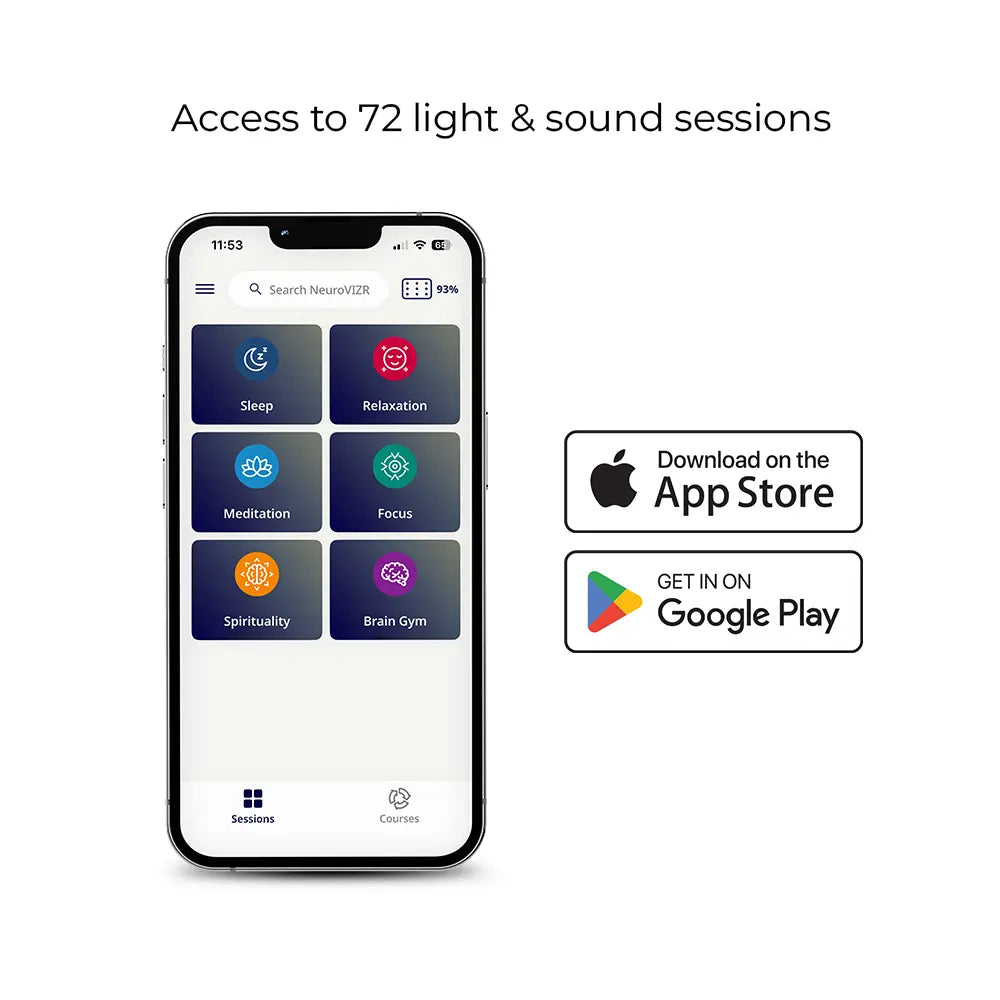
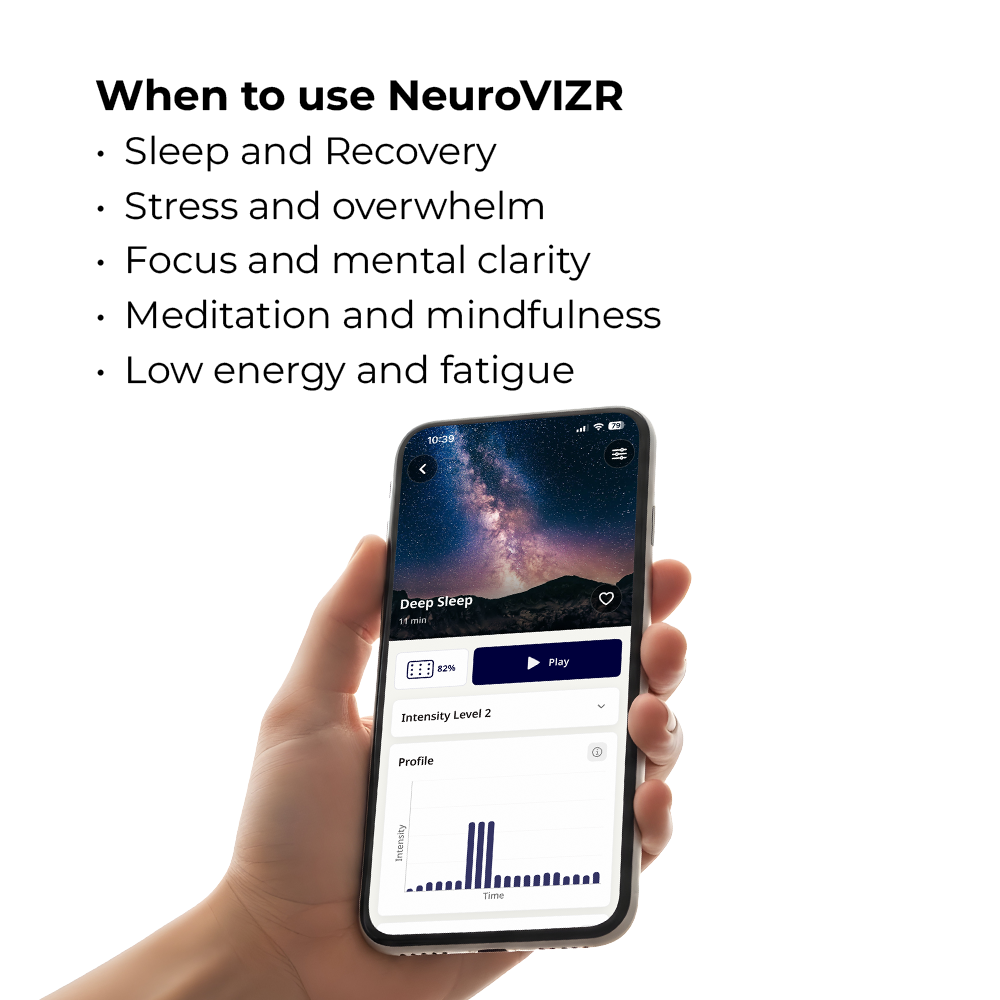
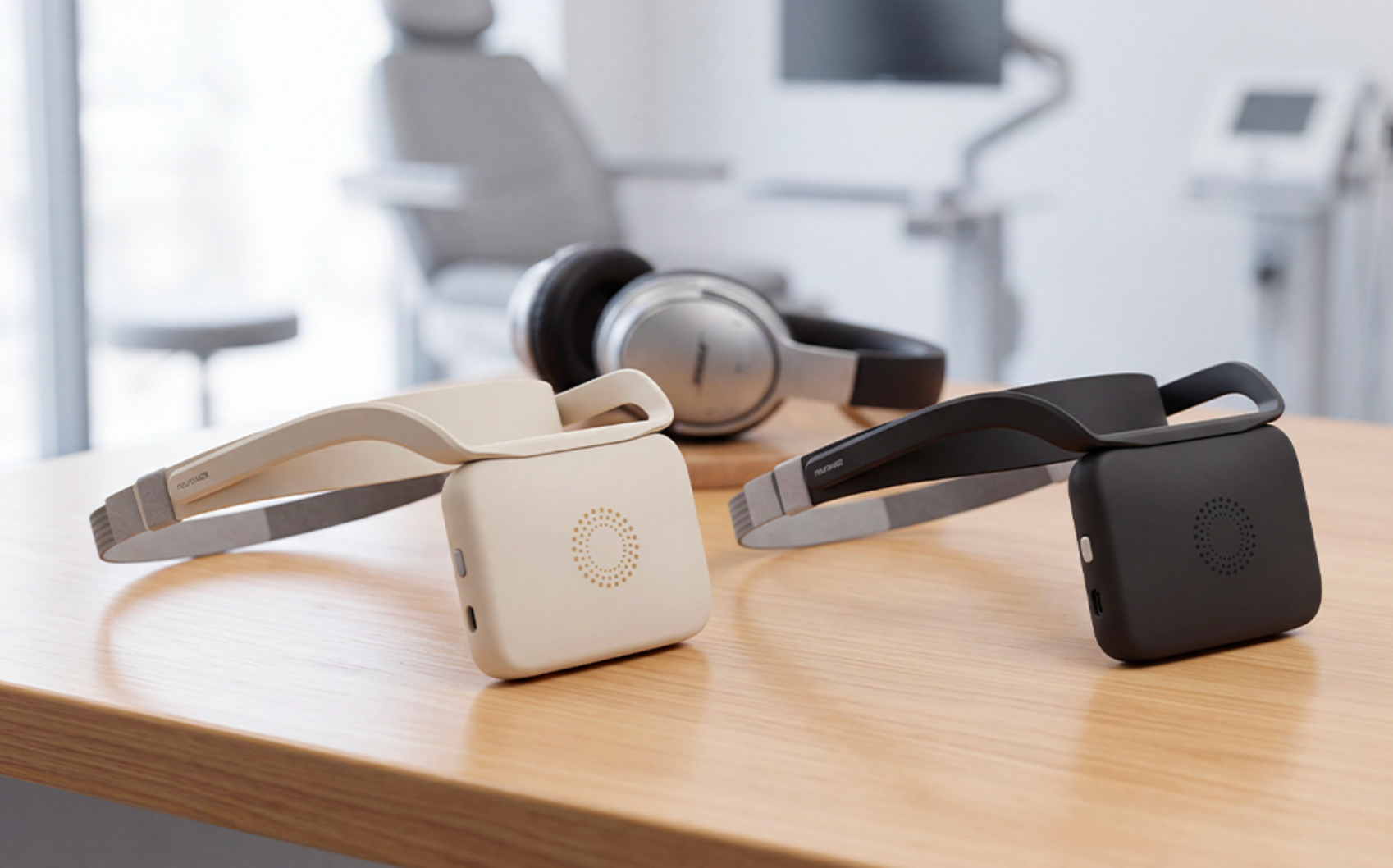
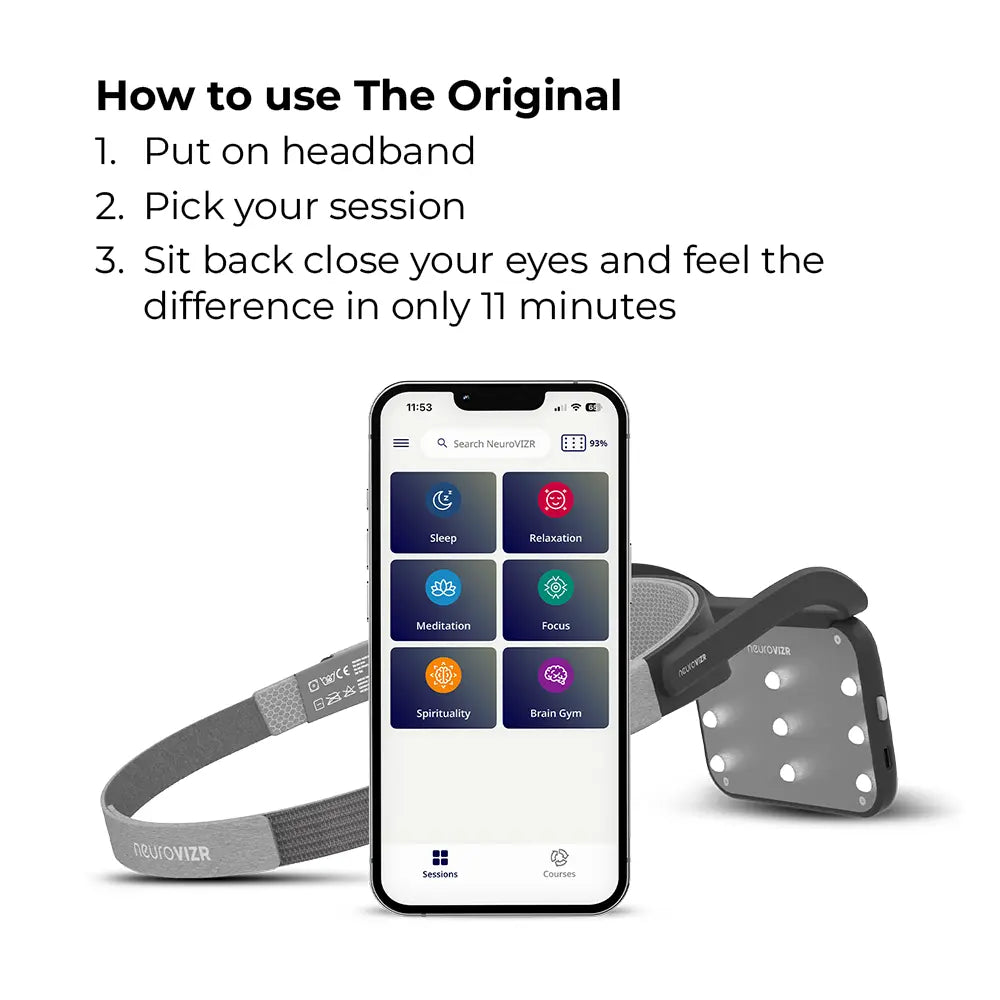
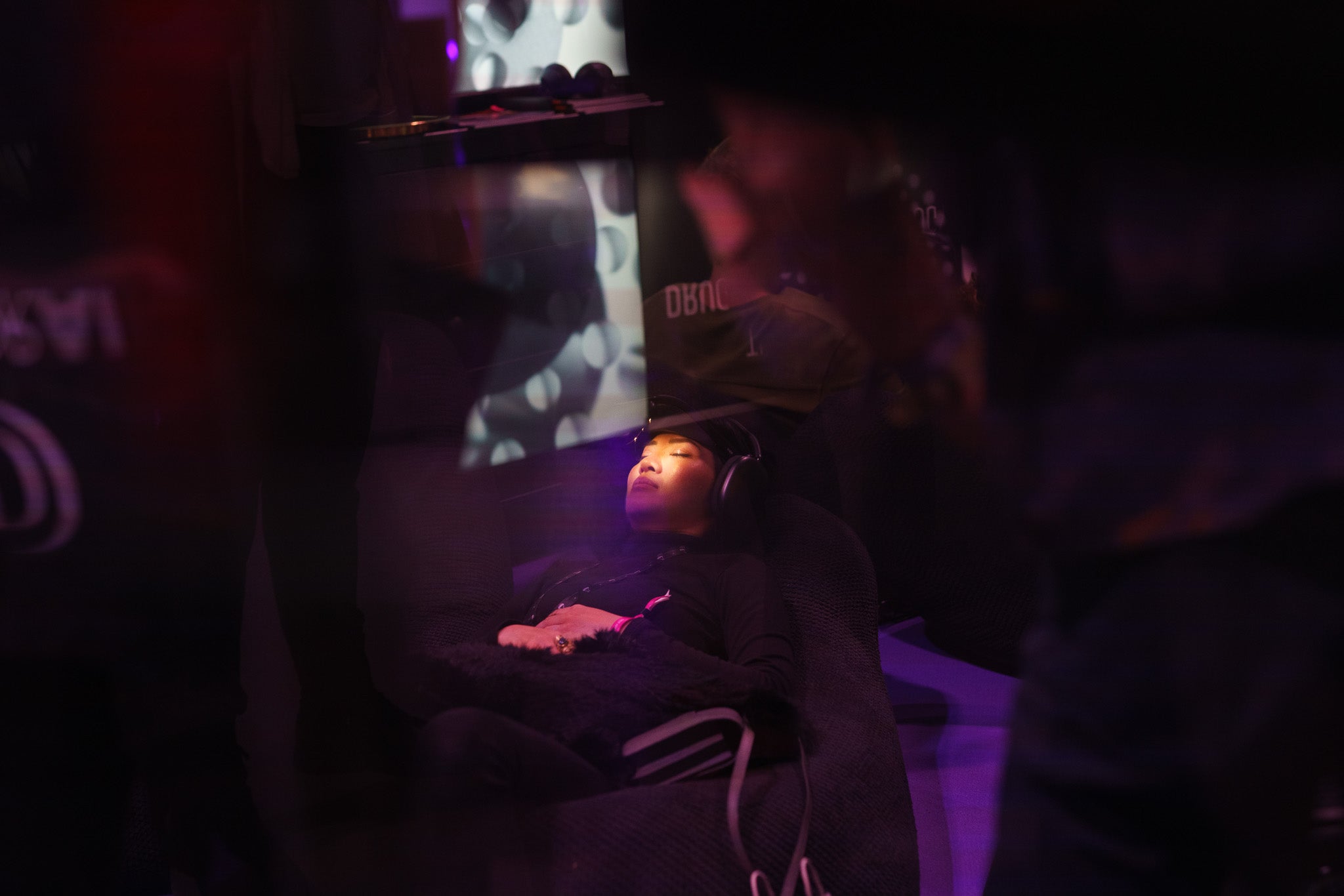
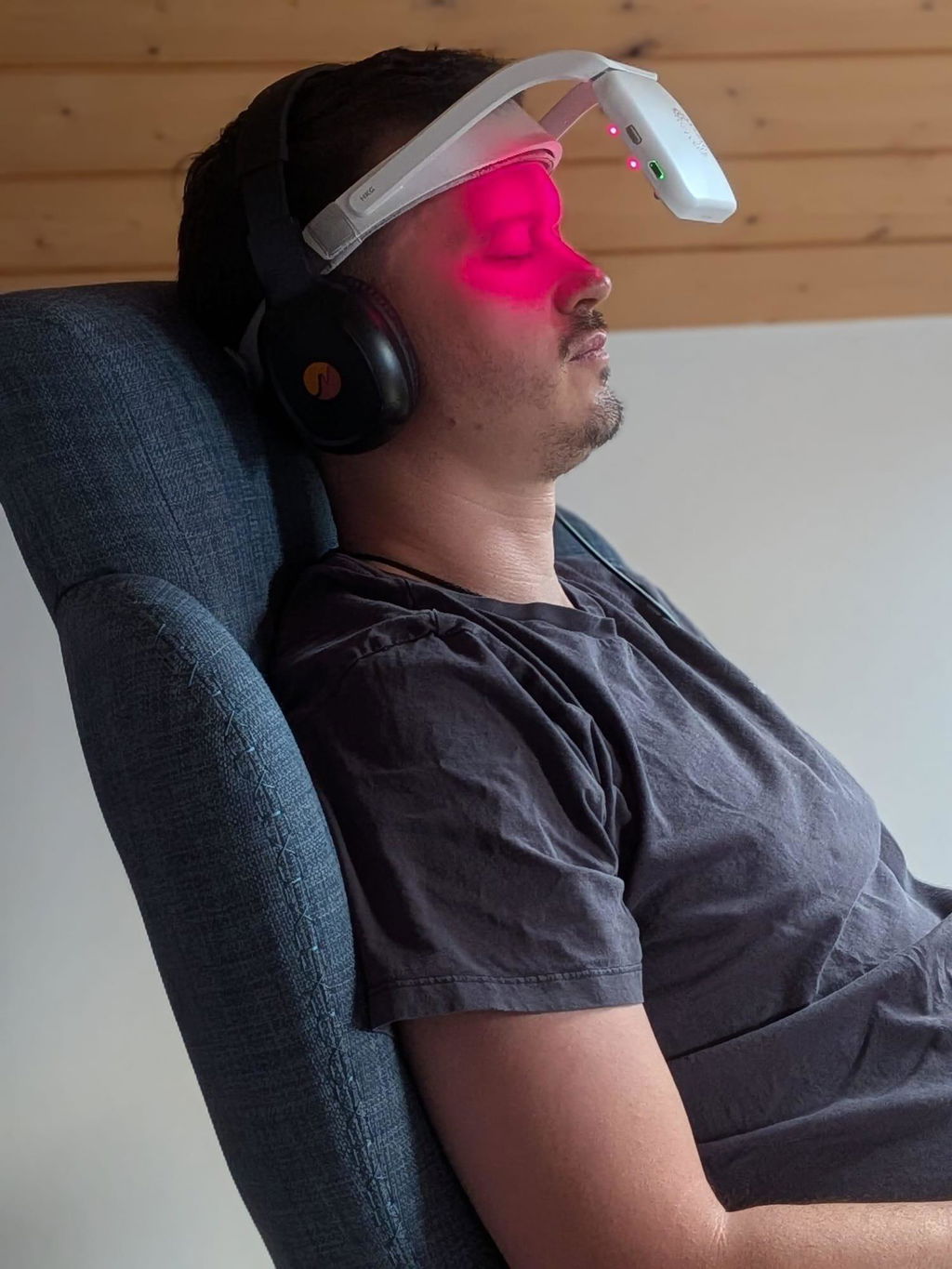
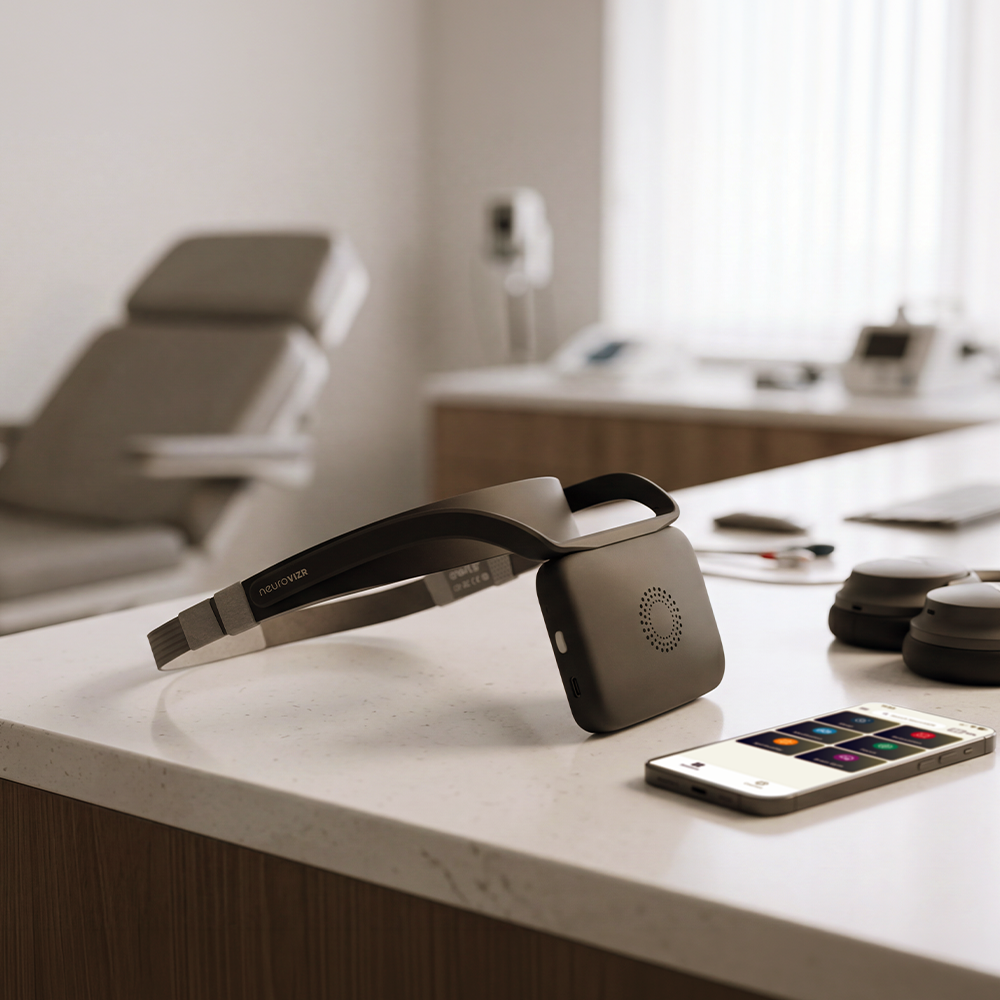
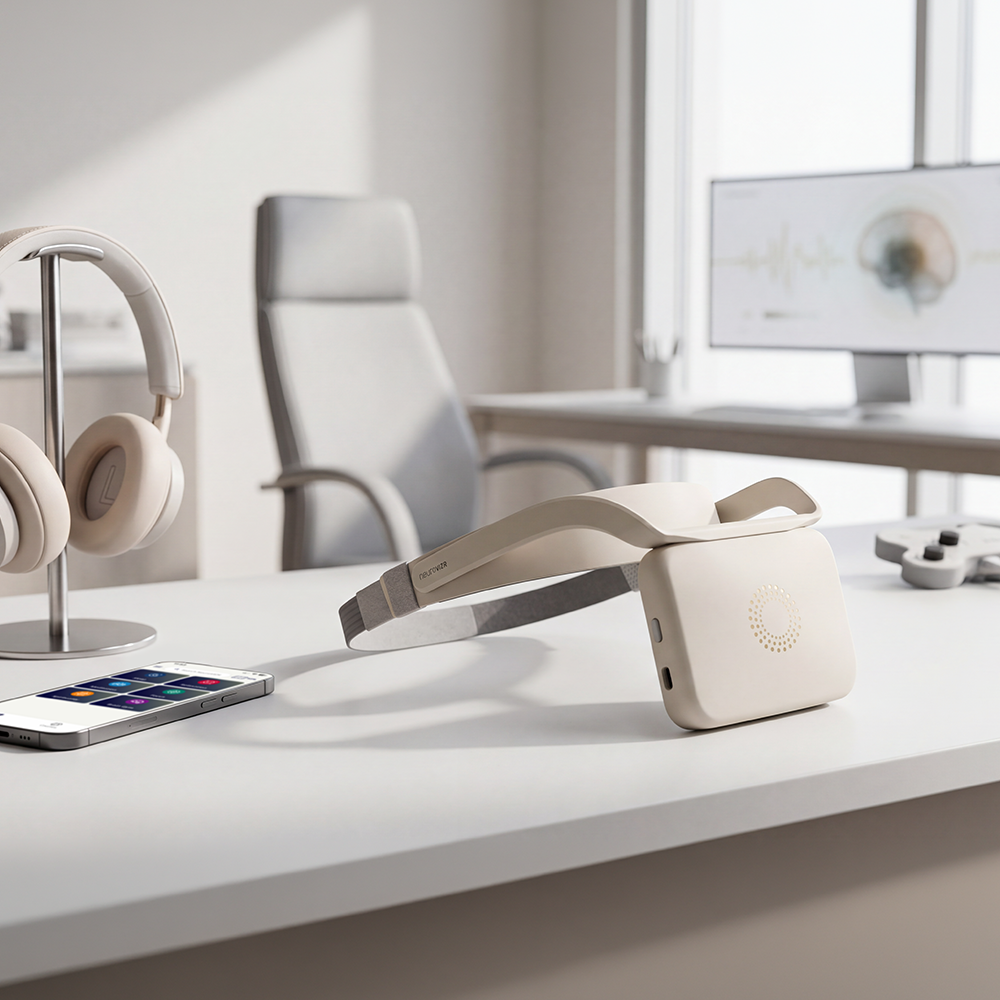
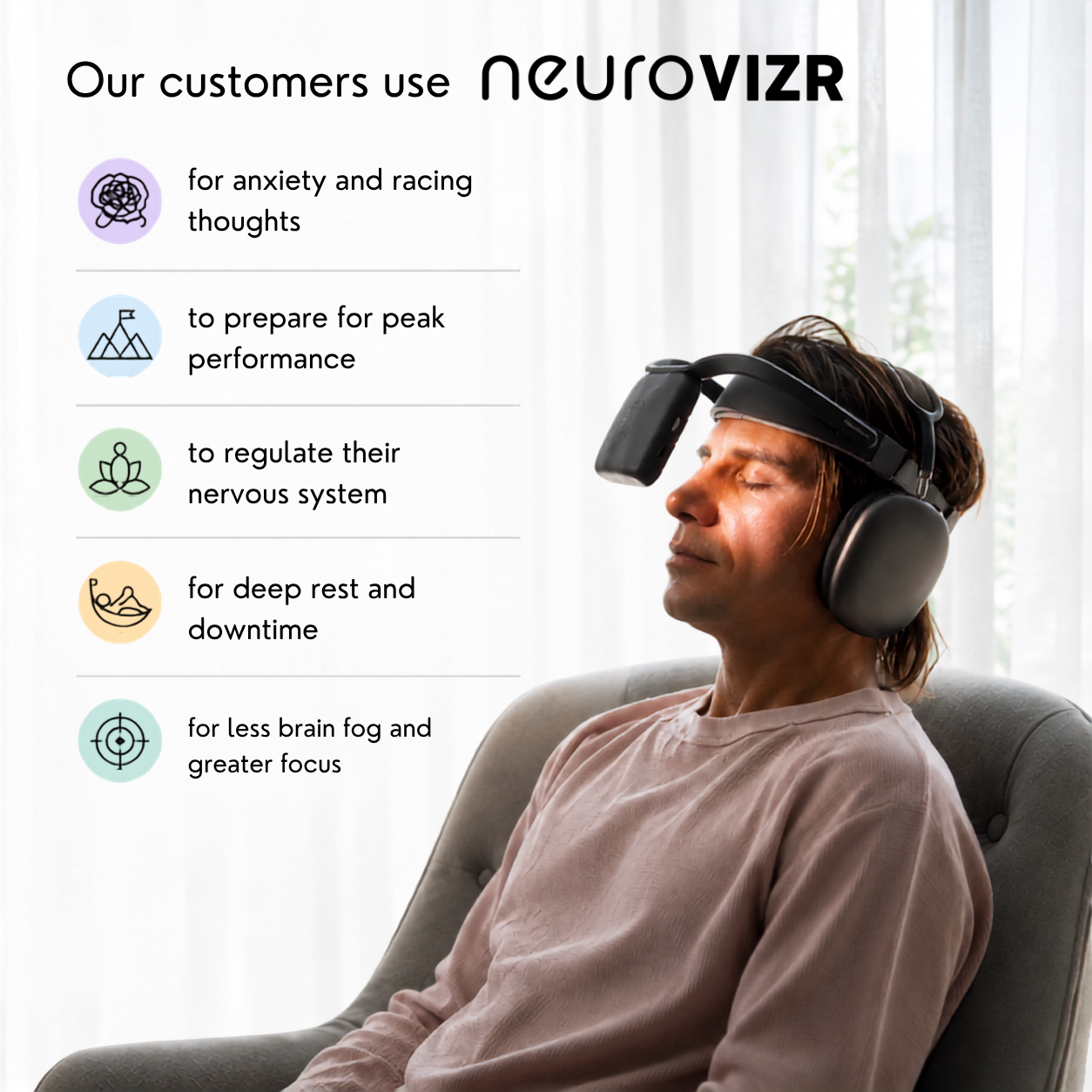
At neuroVIZR, the aim is not to impose calm but to create conditions where calm arises naturally. Using rhythmic light and sound experiences, the device helps the nervous system feel supported, understood, and able to regulate itself.

FAQs

Q: What is a calming device?
A: A calming device is a tool designed to support the nervous system by providing predictable sensory input, such as light, sound, or vibration, helping the brain shift into a calmer state.

Q: Do calming devices actually work for stress and anxiety?
A: Calming devices can be supportive when they work with the nervous system rather than trying to suppress symptoms. Their effectiveness depends on alignment with natural brain and sensory processing.

Q: How does a calming device affect the brain?
A: Many calming devices use rhythm and repetition to encourage the brain to move toward more regulated brainwave patterns, which can be associated with relaxation, focus, or rest.

Q: Is a calming device the same as medication?
A: No. A calming device does not alter brain chemistry like medication. It provides sensory signals that may help the nervous system feel safe enough to settle naturally.
Disclaimer

This content is for informational purposes only and is not intended to replace medical advice, diagnosis, or treatment.

Whenever someone looks for a calming device, they are rarely seeking the gadget itself. They are seeking moments of relief from the constant stimulation of daily life.

Racing thoughts, difficulty switching off, trouble sleeping, or feeling awake when the mind wants to rest are common experiences. These are not personal failures, they are natural responses of a nervous system that has not consistently received signals of safety.

A well-designed calming device does not impose relaxation. Instead, it supports the brain in returning to a natural state where calmness can emerge.

Why Calm Cannot Be Forced

The brain’s primary focus is survival, not constant relaxation. When the nervous system perceives stress, it may activate protective responses like fight, flight, or freeze. Simply telling the mind to “relax” often doesn’t work, because the body remains alert.

This explains why conventional relaxation methods sometimes feel frustrating. It’s not about motivation it’s biology.

Predictable, rhythmic, and gentle sensory input can signal safety to the brain, allowing natural calm to emerge. This is where calming devices can be particularly helpful.

How Calming Devices Support Mental Calm

A true calming device does not sedate or distract. Instead, it works in harmony with the brain’s natural rhythms. The nervous system responds positively to:

  • Rhythm

  • Repetition

  • Gentle sensory cues

When these elements are applied thoughtfully, the brain gradually shifts out of high-alert patterns and moves toward more stable and relaxed states.

Important: Instead of making medical claims, we describe this as creating immersive sensory experiences that may support relaxation, focus, and rest.

The Role of Light and Sound

The brain is highly responsive to light and sound.

  • Structured light patterns can influence how visual information is processed.

  • Gentle rhythmic sounds can help maintain steady brainwave patterns.

When used consistently, these sensory experiences create conditions that the brain interprets as safe and predictable. Over time, this can help the nervous system develop new, calming responses naturally.

Supporting Psychological Safety

As the nervous system transitions out of constant alertness, several positive changes can occur:

  • Breathing becomes slower and deeper

  • Muscular tension decreases

  • Emotional regulation improves

  • Attention and clarity are enhanced

People may also regain confidence in their internal cues, moving from asking “What is wrong with me?” to “What does my nervous system need right now?” This shift encourages self-compassion and awareness rather than control.

Integrating a Calming Device Into Daily Wellness

Calming devices are most effective as supportive tools, not replacements for rest, boundaries, or emotional practices. They can:

  • Minimize the effort required to settle the mind

  • Support recovery from daily stress

  • Encourage a sense of internal safety

Used regularly and intentionally, they can become part of a broader wellness routine listening to the nervous system without trying to force it.

The Difference Between Calming and Numbing

Some tools may provide temporary relief by:

  • Blocking sensations

  • Distracting attention

  • Overstimulating pleasure centers

While these can feel useful short-term, they do not teach the nervous system to settle naturally. A true calming device facilitates gradual learning, helping the brain recognize safety and build resilience over time.

Calm Begins With Self-Compassion

Calm is not a personality trait it is a physiological state. It arises naturally when the brain perceives safety. Knowledge of this can transform how we respond to stress, particularly in overwhelming moments.

At neuroVIZR, the aim is not to impose calm but to create conditions where calm arises naturally. Using rhythmic light and sound experiences, the device helps the nervous system feel supported, understood, and able to regulate itself.

FAQs

Q: What is a calming device?
A: A calming device is a tool designed to support the nervous system by providing predictable sensory input, such as light, sound, or vibration, helping the brain shift into a calmer state.

Q: Do calming devices actually work for stress and anxiety?
A: Calming devices can be supportive when they work with the nervous system rather than trying to suppress symptoms. Their effectiveness depends on alignment with natural brain and sensory processing.

Q: How does a calming device affect the brain?
A: Many calming devices use rhythm and repetition to encourage the brain to move toward more regulated brainwave patterns, which can be associated with relaxation, focus, or rest.

Q: Is a calming device the same as medication?
A: No. A calming device does not alter brain chemistry like medication. It provides sensory signals that may help the nervous system feel safe enough to settle naturally.
Enhance Your Mental Clarity With neuroVIZR