


Disclaimer
This content is for informational purposes only and is not intended as a medical treatment or diagnosis. Individual experiences may vary.
Deep sleep is the most restful stage of sleep, where your body and mind fully unwind. It plays a key role in feeling refreshed, focused, and energized the next day. Improving deep sleep often involves better habits, a calming environment, and consistent routines.
Why Deep Sleep Matters
Deep sleep is the phase where your body experiences its deepest level of rest. During this time, everything slows down, allowing you to wake up feeling more refreshed.
Many people notice that when they get enough deep sleep, they:
-
Feel more energized in the morning
-
Experience better focus throughout the day
-
Maintain a more balanced mood
-
Recover from daily fatigue more easily
Signs You May Not Be Getting Enough Deep Sleep
You might not be getting enough deep sleep if you:
-
Wake up feeling tired even after 7–8 hours of sleep
-
Feel sluggish or unfocused during the day
-
Rely heavily on caffeine to stay alert
-
Have inconsistent sleep patterns
7 Simple Ways to Get More Deep Sleep
1. Stick to a Consistent Sleep Schedule
Going to bed and waking up at the same time daily helps your body settle into a natural rhythm. Over time, this consistency can support deeper, more restful sleep.
2. Create a Calm Night Routine
Wind down with relaxing activities like:
-
Reading
-
Gentle stretching
-
Listening to calming audio
-
Practicing mindfulness
These routines signal your body that it’s time to rest.
3. Reduce Screen Exposure Before Bed
Bright screens can make it harder to relax at night. Try to:
-
Avoid screens 30–60 minutes before sleep
-
Use warm lighting in the evening
4. Optimize Your Sleep Environment
Your surroundings play a big role in sleep quality. Aim for:
-
A cool room temperature
-
Minimal noise
-
Comfortable bedding
-
Low lighting
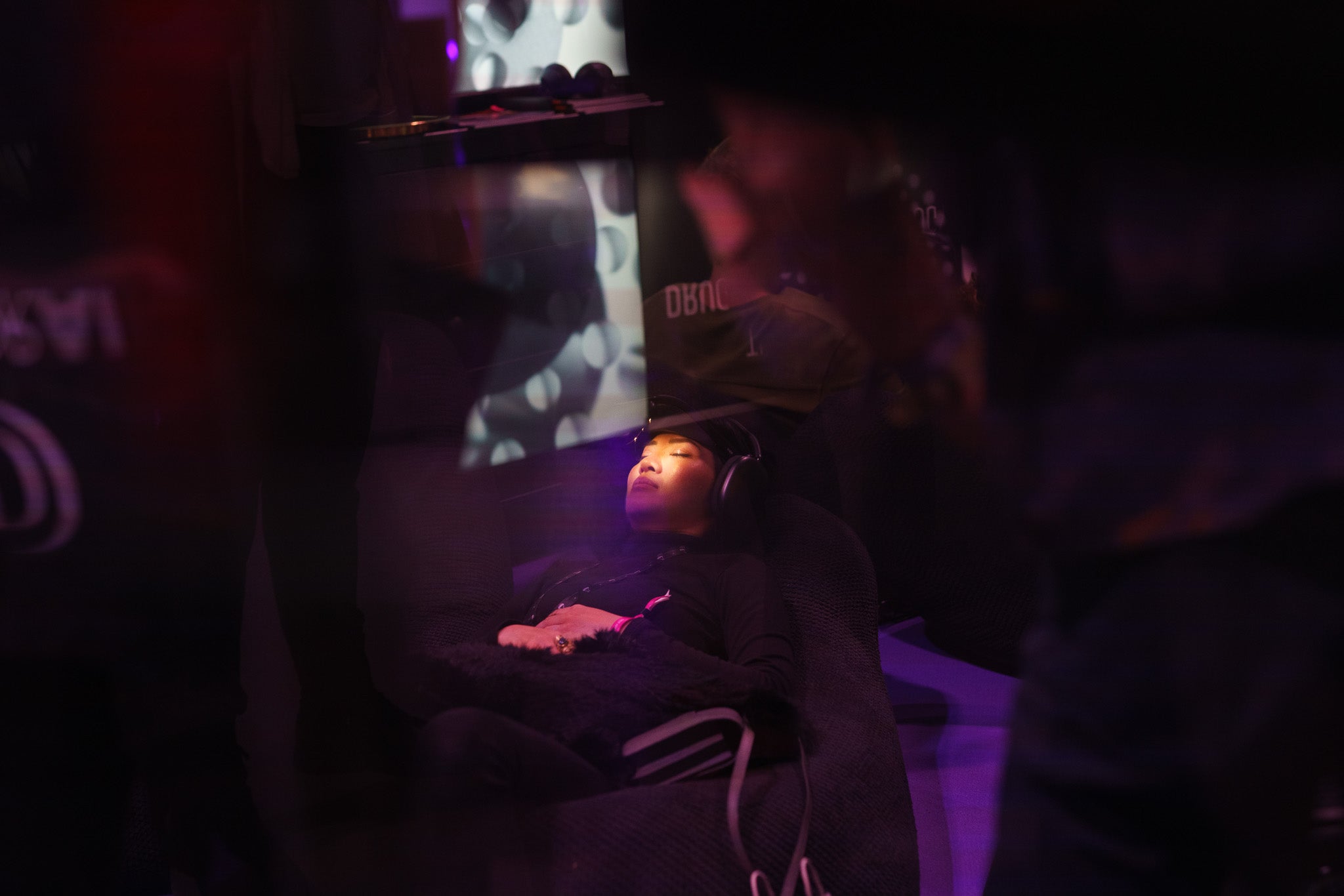
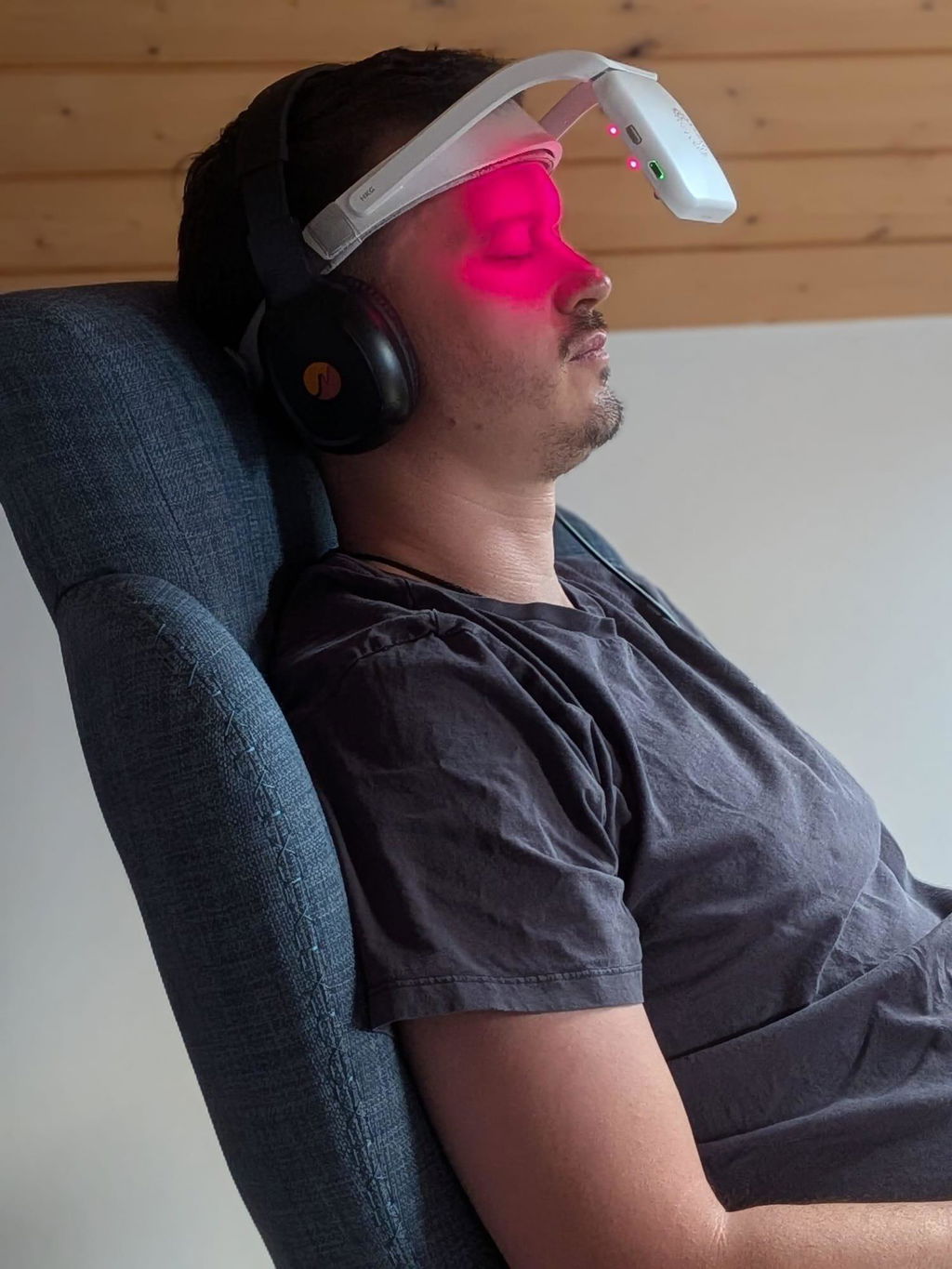
5. Try Sensory Light & Sound Experiences
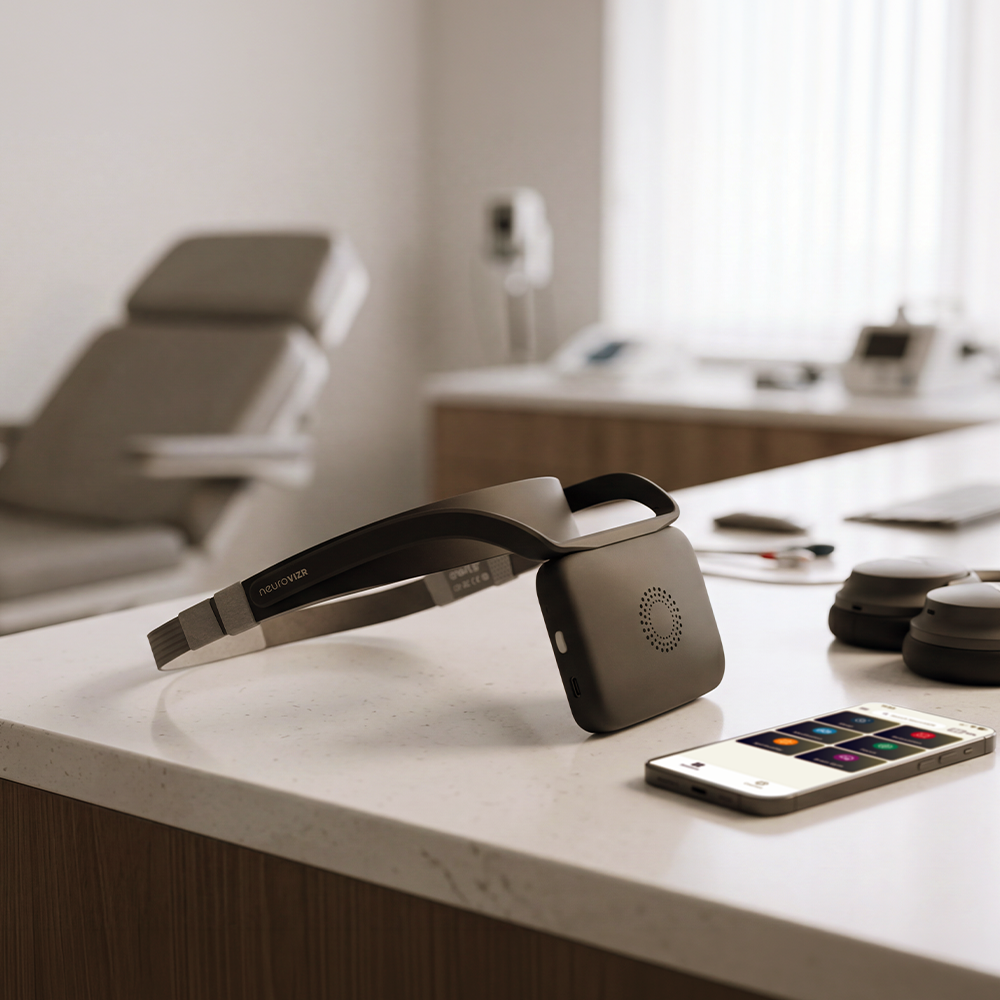
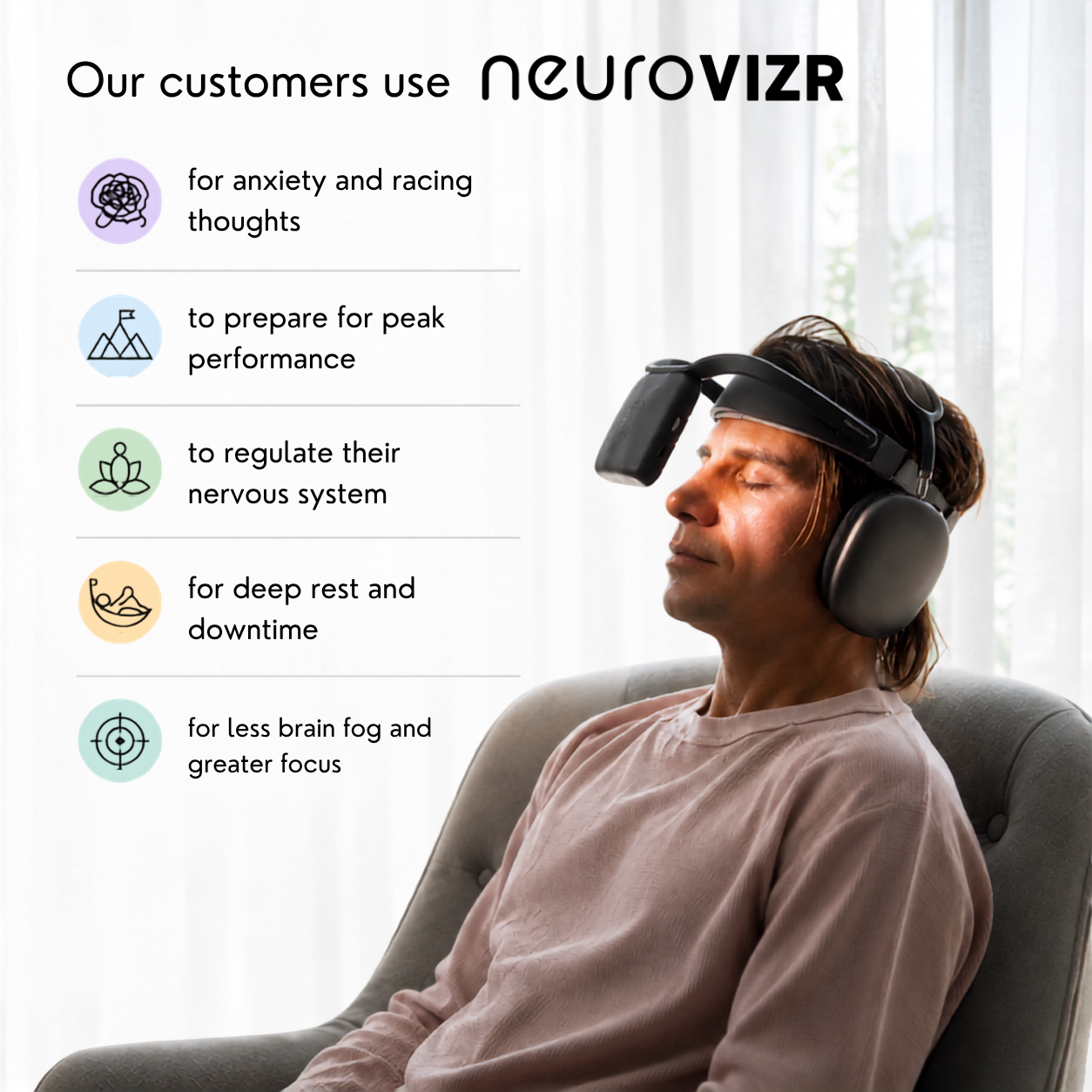
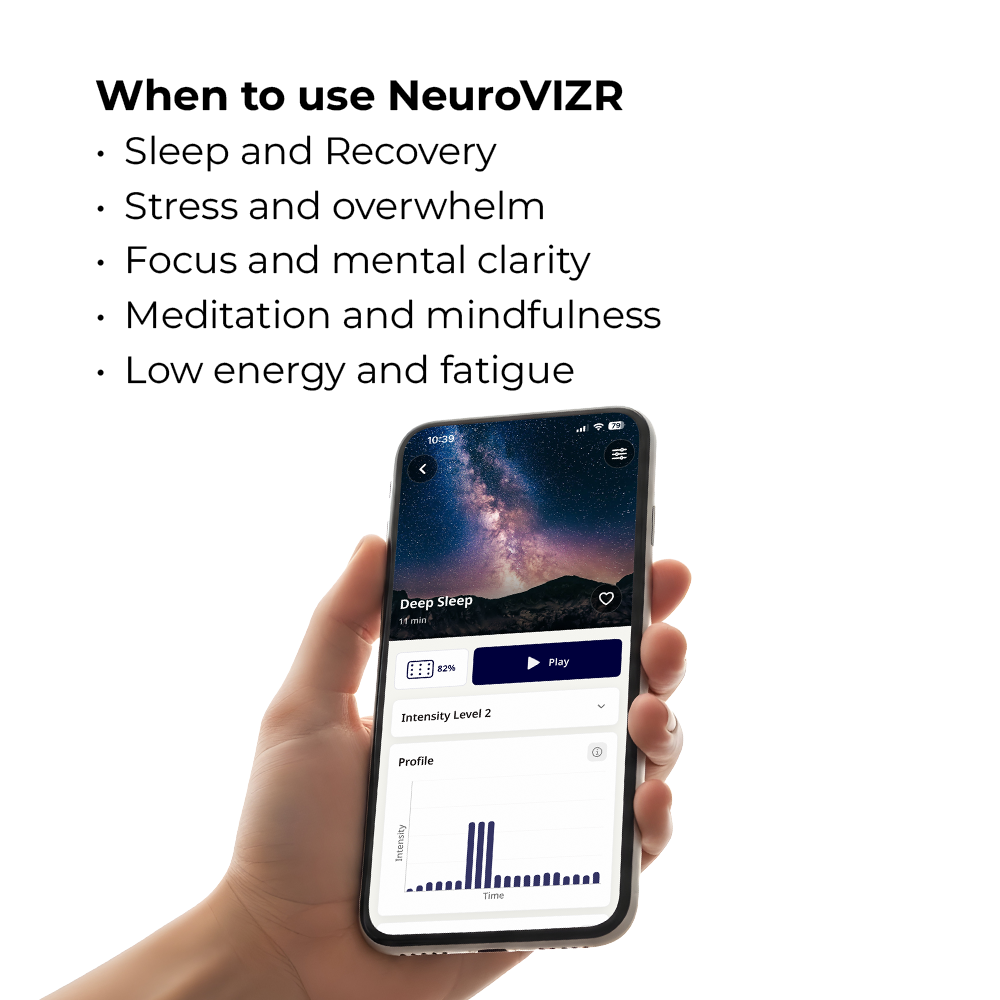
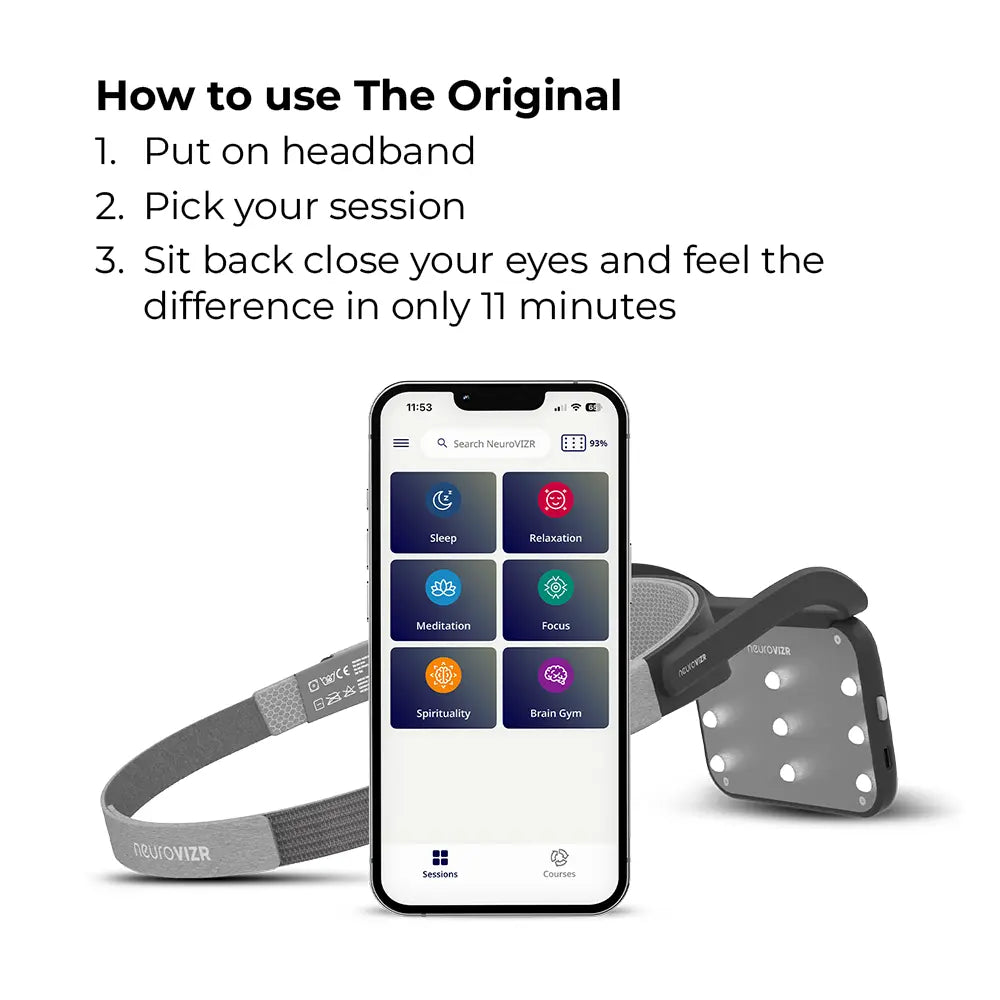
Rhythmic light and sound patterns are often used as part of relaxation routines. These immersive sensory experiences are designed to help you unwind and transition into a calmer state before sleep.
Many users include them as part of their evening wind-down to create a more peaceful sleep environment.
6. Be Mindful of Food and Drinks
-
Avoid heavy meals close to bedtime
-
Limit caffeine in the evening
-
Stay hydrated, but avoid excess fluids before sleep
7. Stay Active During the Day
Regular movement during the day can support better sleep at night. Even light activities like walking can make a difference.
How Long Should Deep Sleep Last?
Deep sleep varies from person to person, but it typically makes up a portion of your total sleep cycle. Instead of focusing on exact numbers, it’s more helpful to notice how you feel when you wake up.
If you feel refreshed and alert, your sleep quality is likely on track.
Can You Improve Deep Sleep Naturally?
Yes, many people improve their deep sleep by combining:
-
Consistent routines
-
A calming sleep environment
-
Relaxation-focused practices
-
Sensory wind-down experiences
Small, consistent changes often lead to noticeable improvements over time.
Key Takeaways
-
Deep sleep is essential for feeling rested and recharged
-
Consistency is one of the most important factors
-
Your environment and evening routine matter more than you think
-
Relaxation practices and sensory experiences can support better sleep habits








Share:
Sleep Corner: Syncing Your Routine with Your Natural Body Clock
How Much Deep Sleep Should You Need?